Builders
 Carpenters
 Electricians
 Flooring Specialists
 Gardeners
 Handymen
 Heating Engineers
 Painters & Decorators
 Plasterers & Renderers
 Plumbers
 Roofers
 Tilers
 my
mySide Dormer Loft Conversion Cost
At a Glance
- The average cost of a side dormer loft conversion is £45,000.
- Most jobs take between 8 and 14 weeks to complete.
- A breakdown of how much a side dormer loft conversion costs in 2026, including per m² pricing.
- What impacts the price you'll be quoted.
- How to find and hire a loft conversion contractor with MyJobQuote.
Get free estimates
Are you a trade? Get more work today!
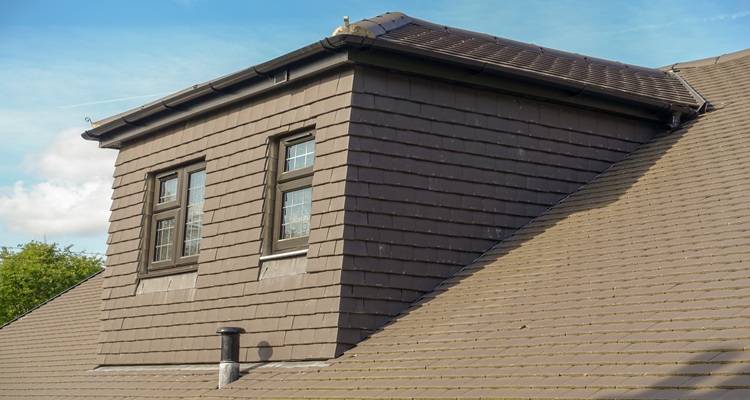
A side dormer loft conversion adds a box-shaped extension to the sloped side or hip of a roof, creating extra head height and floor space inside the loft. It's a popular way to add a bedroom, home office, or bathroom, and is often cheaper than a hip-to-gable conversion.
Because it uses less of the existing roof than a full-width rear dormer, a side dormer typically suits semi-detached, detached, and end-of-terrace homes with a hipped roof. This guide covers the average side dormer loft conversion cost in 2026, plus what affects your final price.
£45,000
Table of Contents
- How Much Is a Side Dormer Loft Conversion?
- Labour Costs and Timescales for a Side Dormer Loft Conversion
- Supply Costs for a Side Dormer Loft Conversion
- Additional Costs of a Side Dormer Loft Conversion
- Side Dormer Cost Factors
- Building Regulations for a Side Dormer Loft Conversion
- Types of Side Dormer Loft Conversion
- Alternative Types of Loft Conversion
- Checklist: Hiring Contractors for a Side Dormer Loft Conversion
- FAQs
How Much Is a Side Dormer Loft Conversion?
In 2026, a basic side dormer loft conversion costs around £35,000, rising to about £40,000 for a mid-range finish and up to £50,000 for a premium specification. The average dormer loft conversion costs £45,000, making side dormers a cheaper alternative.
What will you mainly use your side dormer loft conversion for?
An extra bedroom
1 votes - 50%50% of votes
A home office
0 votes - 0%0% of votes
A bathroom or en-suite
0 votes - 0%0% of votes
More space without moving
1 votes - 50%50% of votes
I'm not sure yet
0 votes - 0%0% of votes

2 votes
See results
Hide results
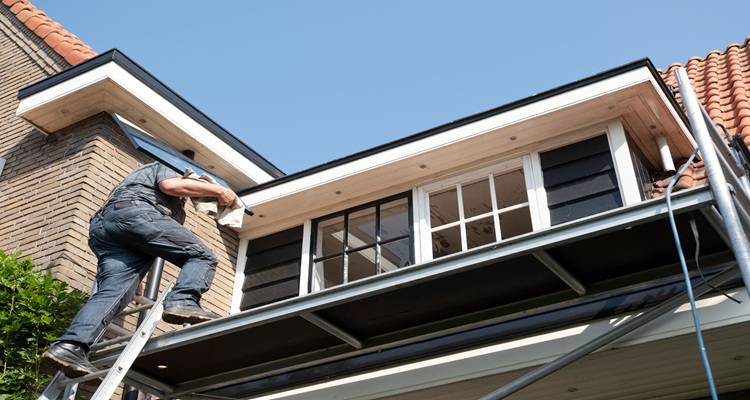
Looking at cost per square metre gives a clearer sense of how price scales with size. Side dormer loft conversions typically cost between £1,150 and £1,700 per square metre, so a small loft sits at the lower end of the overall price range and a larger one at the higher end.
Side Dormer Loft Conversion Prices
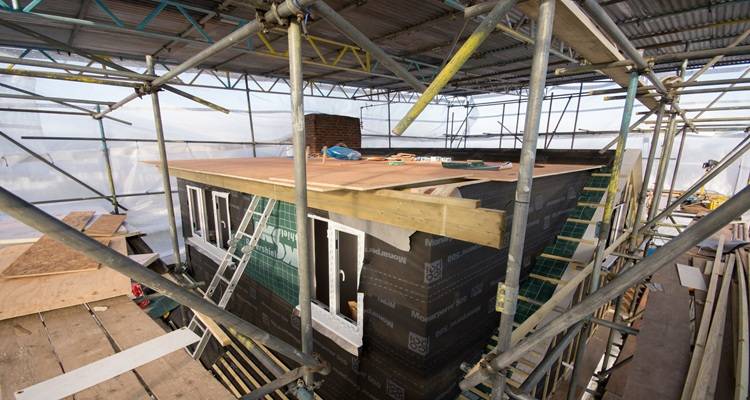
Most side dormer conversions include the same core stages: stripping back a section of roof, fitting structural steel, laying new floor joists, constructing the dormer, fitting windows and insulation, adding a staircase, and finishing with plastering, electrics, and carpentry.
| Side Dormer Size | Average Cost | Timescale |
|---|---|---|
| Small | £40,000 | 8 to 10 weeks |
| Medium | £50,000 | 10 to 12 weeks |
| Large | £60,000 | 12 to 14 weeks |
| With an en-suite | £45,000 | 12 to 14 weeks |
Want a custom price?
Post your job
Side Dormer Cost Breakdown by Job
Here's what each stage of the build typically costs on its own, useful for comparing a detailed quote line by line.
| Job | Average Cost | Timescale |
|---|---|---|
| Structural steel installation | £3,000–£6,000 | 1 to 2 days |
| Staircase installation | £1,500–£3,000 | 2 to 5 days |
| Roofing alterations | £5,000–£8,000 | 2 to 3 weeks |
| Insulation | £17–£35 per m² | 1 to 2 weeks |
| Plastering | £2,000–£3,000 | 3 to 5 days |
| Electrical work | £2,000–£5,000 | 8 to 10 days |
| Plumbing (where relevant) | £3,500–£5,000 | 1 to 2 weeks |
Want a custom price?
Post your job
Labour Costs and Timescales for a Side Dormer Loft Conversion
Labour typically makes up around 40% to 50% of the total cost of a side dormer loft conversion. For the average £45,000 project, that works out at roughly £18,000 to £22,500 spent on trades, with the rest going on materials, structural steel, and professional fees.
Labour
Below are typical daily rates for the trades working on a side dormer.
| Trade | Daily Rate |
|---|---|
| Carpenter | £240–£360 |
| Roofer | £280–£360 |
| Plasterer | £150–£250 |
| Bricklayer | £240–£320 |
| Electrician | £300–£500 |
| Snagman | £180–£230 |
You may also need some optional trades, depending on the finish:
| Optional Trade | Daily Rate |
|---|---|
| Plumber | £320–£480 |
| Tiler | £200–£350 |
| Decorator | £250–£350 |
Want a custom price?
Post your job
Homeowners in London and the southeast should expect to pay 15% to 25% more for labour than the UK average.
Timescales
The biggest factor affecting timescales is the size and complexity of the dormer. A simple side dormer on a hipped, traditional cut roof is usually straightforward to build. Post-1965 roofs built with prefabricated trusses need more structural work first, which extends the timeframe, as does adding an en-suite.
Delays can also be caused by:
- Bad weather
- Unforeseen structural problems
- Party wall issues
- Planning issues
- Material shortages or long lead times on windows or bespoke items
- Access or parking restrictions
- Changes to the design once work has started
Timescales given by your contractor are estimates, so it's worth adding 2 to 3 weeks as a buffer.
Supply Costs for a Side Dormer Loft Conversion
Supply costs vary depending on the size of your loft and the quality of materials you choose, from standard to premium or bespoke. Higher-end or bespoke items will increase the final price of the build.
Timber
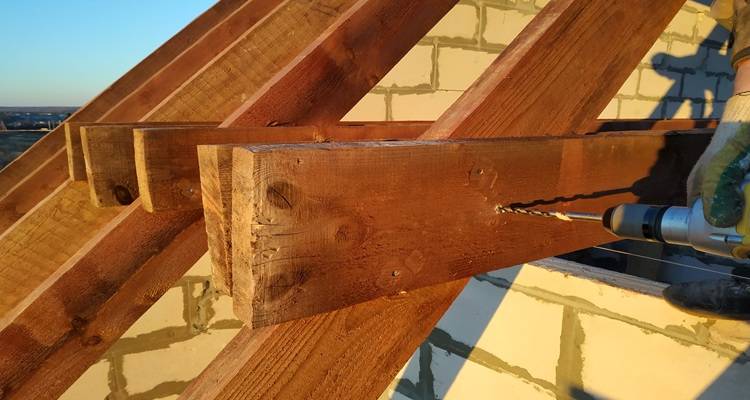
Structural grade timber is used when building a dormer, typically C24-rated softwood. It's needed for floor joists, rafters, purlins, and structural ridge beams, so it comes in different sizes. Prices vary from £9 to £13 per linear metre.
Structural Steel
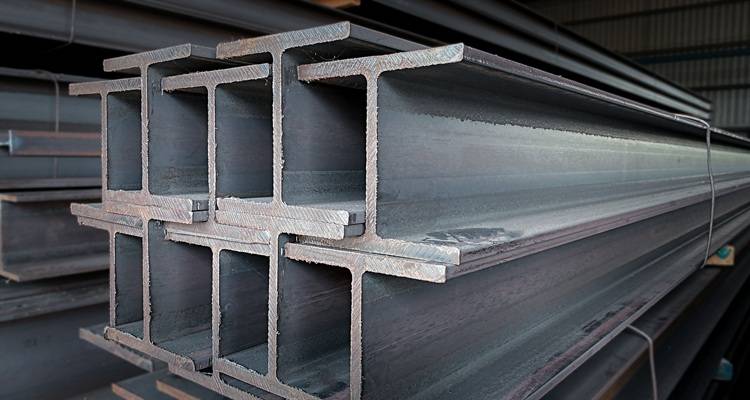
Most dormers need three structural steels: two for the new loft floor and one for the ridge. A structural engineer calculates the dimensions based on the load and condition of your property. Costs range from £50 to £240 per linear metre.
Insulation
PIR rigid board insulation is most often used in the walls, ceiling, and floors of a loft conversion. Prices range from £15 to £60 on average, depending on the board's thickness. Mineral wool may also be used and costs around £5 to £20 per square metre.
Dormer Cladding
Dormer sides, or "cheeks," are clad to protect them from the weather, help with insulation, and provide a decorative finish. Options include uPVC, timber, tiles, slate, zinc, and composite. Composite cladding prices are £35 to £100 per square metre, while larch cladding ranges from £12 to £44 per square metre depending on whether it's British or Siberian grown.
Membranes
The roofing material for a side dormer is flat roof specific. Choices are traditional torch-on felt, EPDM rubber, or glass-reinforced plastic (GRP) fibreglass. Prices range from £45 to £75 for 8m rolls of felt top coat and £45 to £65 for 16m of underlay, £10 to £15 per square metre for EPDM, and £35 to £45 per square metre for GRP.
Plasterboard
The standard size plasterboard used in a loft conversion is 12.5mm, which costs £10 to £14 per 2400mm x 1200mm sheet. Larger quantities should mean a lower price per unit.
Windows
A side dormer loft conversion can include rooflights or Velux windows, dormer windows, or even French doors with a Juliet balcony. Size, number, and frame material all affect the price.
Rooflights cost on average £350 to £750 and can be either top hung or centre pivot, with the latter giving more headroom for a slightly higher price. Dormer windows may be casement, sash, or tilt and turn, with prices from £800 to over £5,000. French doors can cost up to £2,500 for aluminium frames, while more affordable uPVC doors cost between £500 and £900.
Staircase Materials
Most stairs for a loft conversion come ready-made to site and are fitted by the carpenter. The material they're made from determines the cost.
Softwood is the most common and affordable choice, ranging from £600 to £1,500. Hardwood is pricier, at £1,500 to £3,000. For an industrial-style finish, metal stairs cost £2,000 to £3,000.
Flooring
The finished flooring choice has a significant impact on cost. Homeowners can choose from carpet, wooden flooring, laminate, luxury vinyl tile (LVT), or engineered wood. Prices range from £25 to £75 per square metre for carpet and £40 to £100 per square metre for engineered floors.
A sub-floor is necessary for a loft conversion. Moisture-resistant chipboard used for this purpose costs £10 to £20 per 2400mm x 600mm sheet.
Fixings
A lot of fittings are used during a loft conversion, from joist hangers to plasterboard screws, hinges to insulation fixings. Prices depend on the size of the project, but expect supply costs of around £800 to £1,500.
Joinery Products
Joinery costs depend on your choice of doors, skirting boards, mouldings, and the stair handrail, as well as the size of the loft conversion. Internal doors cost between £50 and £200, depending on the material, for example, hollow doors versus solid timber.
Average skirting board prices are £5 to £15 per linear metre, depending on material and profile, with MDF cheaper than solid wood. Stair handrails cost between £16 and £60 per metre, depending on whether they're softwood or hardwood.
If your side dormer includes an en-suite, budget for these supply-only material costs on top, not including labour:
Sanitaryware
Space-saving sanitaryware sets cost between £400 and £800 for a toilet, corner shower enclosure and tray, and vanity unit. Branded or high-end options cost from £800 to £1,500.
Pipework and Fittings
Supply costs for pipes, fittings, and waste range from £300 to £800, depending on whether push-fit plastic or copper is used. The distance to the soil stack also affects the price, as longer pipe runs increase costs.
Tiling
Tiles for an en-suite vary in quality, size, and material, so the cost per square metre ranges from £15 to £150. Large format tiles or natural stone are more expensive than smaller formats or ceramic and porcelain.
Waterproofing
A loft bathroom may need to be "tanked," or waterproofed, costing £300 to £500 for materials.
Additional Costs of a Side Dormer Loft Conversion
A few extra costs are worth budgeting for on top of the build itself.
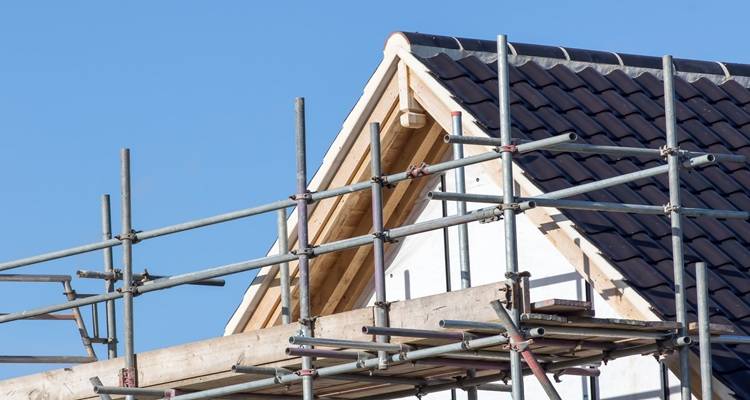
- Scaffolding — Costs depend on how many sides need covering, your location, and hire duration. Expect to pay around £1,800 to £3,000, with London and the southeast at the higher end.
- Skip hire and waste removal — An 8-yard skip costs around £200 to £350 per week. Side dormers generate a lot of waste, including old insulation, tiles, and timber offcuts, so most projects need the skip swapped two or three times.
- Architectural drawings — An architect typically charges £2,500 to £7,500 for the scaled drawings used for planning applications, construction, and material ordering.
- Structural engineer calculations — Expect to pay £750 to £2,000 for the calculations that size your steel beams and confirm Building Regulations compliance.
- Planning application fees — If planning permission is needed, submitting an application currently costs £548. Check the Planning Portal for the latest fee, as these change yearly.
- Party wall agreements — If your property shares a wall with a neighbour, a party wall surveyor's fee costs around £900 to £2,500. One surveyor can often act for both parties to save money.
- Decorating — A professional decorator charges around £15 per square metre to paint all walls, ceilings, and woodwork with two coats, or £14 per square metre for wallpapering.
- Upgrading the boiler or electrics — Many homeowners choose to do this during the build. A new combi boiler costs £2,500 to £5,000, electrical upgrades cost around £1,000 to £3,500, and a new consumer unit costs upwards of £500.
- Remedial work to the existing roof — Ceiling joists usually need reinforcing with new structural-grade timber to carry the extra weight, costing around £1,200 to £3,000.
- Chimney alterations — If a chimney needs raising or re-flashing to clear the new roofline, budget £800 to £2,000.
- Water tank relocation — Moving a cold water tank costs £200 to £350.
- Removing or replacing a side dormer — If a dormer develops structural defects, persistent leaks, or poor workmanship, it may need partial or full removal rather than repair. A structural engineer can assess which is more cost-effective, but budget for waste removal, repairs, and reinstating windows, insulation, and internal finishes on top of the rebuild itself.
Ask a Trade
Got a question that only a tradesperson can answer? We have thousands of trades ready to answer any question you may have.
Ask your question

Side Dormer Cost Factors
- Size and shape of the roof — Building Regulations require a minimum head height of 2.2 metres. If your roof falls short, dropping the ceilings below adds around £20 to £65 per square metre.
- Current condition of the loft — Existing obstructions, roof structure, and floor joist strength all affect how much extra reinforcement work is needed.
- Structural support and steel beams — Every loft conversion needs steel beams, with the number and size set by a structural engineer's calculations.
- Size of the dormer — A bigger dormer needs more materials, more labour, and a larger budget.
- Standard of insulation — Building Regulations set a minimum U-value of 0.15 to 0.18 W/m²K, typically met with 270mm of mineral wool or 150mm to 175mm of PIR board.
- Quality of fixtures and finishes — Choosing a basic, mid-range, or high-end finish for flooring, sanitaryware, and fittings has one of the biggest effects on the final cost.
- Site access — Restricted access for skips, scaffolding, or delivery vehicles adds to labour costs and may mean using a smaller skip that needs changing more often.
- Adding an en-suite — This typically adds 10% to 15% to the total cost, on top of your choice of sanitaryware, tiles, and flooring.
- Regional location — Homeowners in London and the southeast pay up to 25% more for labour than the rest of the UK.
- Age and condition of the property — Older homes, or those with previous DIY alterations, sometimes need extra remedial work before a conversion can go ahead safely.
Building Regulations for a Side Dormer Loft Conversion
Building Regulations approval is required for every loft conversion, whether or not you also need planning permission. Here's what applies to a side dormer:
- Part A (Structural Stability) — Covers the steel beams and floor joists needed to support the new loft safely.
- Part B (Fire Safety) — Requires 30-minute fire doors on escape routes, mains-wired smoke alarms, and materials that control the spread of fire.
- Part K (Stairs) — Sets the pitch, step dimensions, and headroom for the loft staircase.
- Part L (Insulation) — Sets the minimum thermal U-value, checked during the building control inspection.
- Part F (Ventilation) — Covers trickle vents, extractor fans, and openable windows to maintain good air quality.
- Part E (Sound Resistance) — Requires sound insulation between the loft and the rooms below, and between bedrooms and bathrooms.
Most side dormers can be built under permitted development rights, so planning permission usually isn't needed.
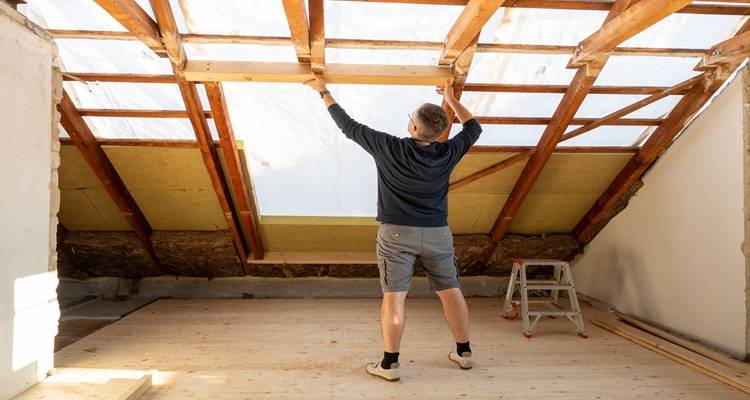
Types of Side Dormer Loft Conversion
Not all side dormers are the same. There are some design options to suit most property types.
Flat Roof Side Dormer
The most common type of side dormer is a flat roof version, although it's not completely flat and has a slight slope for water runoff. These dormers provide good head height and increased floor space.
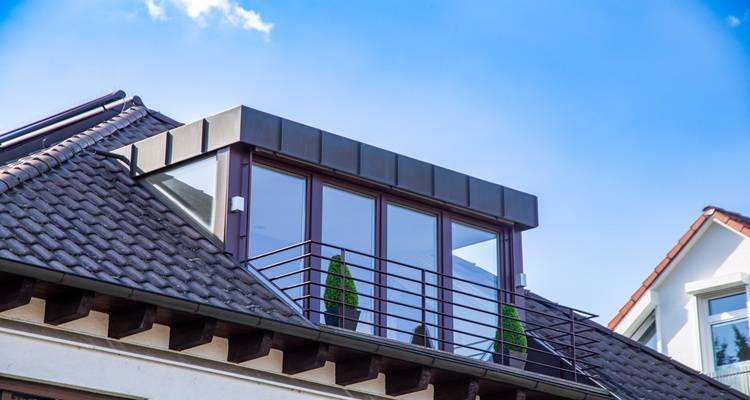
Costs vary from £40,000 to £55,000 depending on size, location and internal finish. The final appearance should match the materials on the rest of the house to help the dormer blend in.
Pitched-Roof Side Dormer
A pitched-roof side dormer may have two or three sloping sides, the latter being more of a hipped roof. This helps the dormer blend in more with the original house rather than looking like an addition and maintains the property's traditional appearance.
The pitched roof provides extra headroom as well as increased floor space. Costs range from £45,000 to £65,000.
Gable Dormer
Gable dormers are most often seen as small individual pitched dormers on the front facade of a property. Often requiring planning permission, they add natural light and area-specific headroom where a full dormer is not possible.
Individual gable dormers cost on average £6,000 to £20,000 and provide a traditional appearance to a property.
Large Dormer
A large side dormer is typically created to maximise floor space and head height in the loft. Semi-detached or detached properties, which this type of dormer suits, are allowed to add an extra 50 cubic metres of habitable space.
The final appearance of the property is determined by the size of the dormer and how well the cladding and roof match the existing. Done well, it can significantly enhance the home. Costs for a large side dormer are between £45,000 and £80,000.
Prefabricated Side Dormers
Some contractors now offer a prefabricated dormer, built off-site as a single unit and lifted into place by crane. This can reduce the time spent working at height and lower the risk of weather delays, though it isn't suitable for every roof shape or access situation.
Alternative Types of Loft Conversion
If you're considering alternative types of loft conversion, check out rooflight, rear dormer, mansard, or hip-to-gable options.
Rooflight (Velux) Loft Conversions
A rooflight conversion is the most affordable option. It involves no major alterations to the roofline, and structural alterations are minimal. As a result, disruption to daily life is low during the process.
The work can be done under permitted development rights, and average costs of a Velux loft conversion are around £15,000 to £40,000. A drawback of this type of loft conversion is that, unless the existing roof slope is quite steep, getting decent head height is a challenge and can limit the use of the space.
Rear Dormer Loft Conversions
Rear dormers are the most common type of loft conversion and provide enough head height and additional floor space for a bedroom and, in many cases, an en-suite.
The build can be done under permitted development rights, and planning permission is only needed if the property is in a conservation area or the cubic metreage is above the permitted allowance.
Average costs for a rear dormer are between £45,000 and £55,000. The level of disruption is high, particularly in the first few weeks, as the roof section is stripped and also when knocking through from the loft to fit the stairs. Expect noise and dust.
Hip-To-Gable Loft Conversions
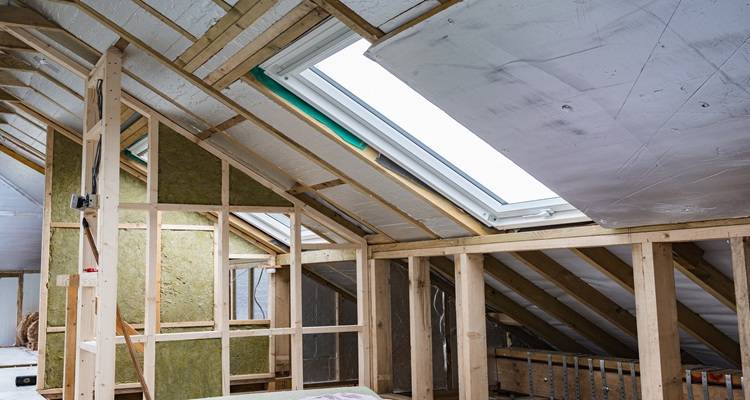
Properties with a hipped roof give you the option of a hip-to-gable loft conversion, providing significant increases in headroom and living space.
Most can be built under permitted development, but the process is very disruptive, particularly in the initial stages, as the roof slope is removed. The cost of this type of conversion is £45,000 to £60,000.
Mansard Loft Conversions
A mansard loft conversion is potentially the most disruptive loft conversion as the whole roof profile is restructured. However, the payoff is a massive amount of additional living space, although it doesn't suit every property type.
The cost of a mansard conversion is around £60,000 to £80,000 and even higher in London. Planning permission is almost always needed as this conversion falls outside the remit of permitted development.
Compared with a side dormer, a mansard conversion creates significantly more head height and floor space, but costs considerably more and almost always needs planning permission.
Checklist: Hiring Contractors for a Side Dormer Loft Conversion
- Experience with side dormers — Loft conversions have specific structural and Building Regulations requirements, so check the contractor has relevant experience rather than just general building work.
- Evidence of past projects — Ask to see photos of completed side dormers, or speak to previous clients about their experience.
- Insurance cover — Confirm they hold public liability, employers' liability, and ideally contractor's all-risk insurance.
- What's included and excluded in the quote — Check whether architect's drawings, structural calculations, and building control coordination are covered, and ask about the cost of anything that's excluded.
- Who manages the build — Find out whether a dedicated project manager oversees the work, or who takes on this role if not.
- A clear payment schedule — A reputable contractor sets out payment stages tied to completed work, rather than asking for large sums upfront.
Comparing quotes from a few local specialists, for example through MyJobQuote, makes it easier to check experience, reviews, and pricing side by side before you commit.
FAQs
Is a Side Dormer Cheaper Than a Full Extension?
Yes, in most cases. A side dormer loft conversion typically costs less than a single-storey rear extension of a similar size, mainly because it uses the existing walls and foundations rather than needing new ones. It also tends to disrupt daily life less, since most of the work happens within the existing roof space.
Is Planning Permission Needed?
Mostly, no. Most side dormers are built under permitted development rights, so you won't need to apply for planning permission. Homes in conservation areas, or conversions that exceed the cubic metre allowance under permitted development, do need permission.
Can I Add a Staircase to My Loft Without Planning Permission?
Yes. A loft staircase falls under Building Regulations rather than planning permission, since it's part of the internal structure. It still needs to meet Part K requirements for pitch, step size, and headroom, which building control checks during inspection.
Does a Side Dormer Add Value to a House?
Yes. Research from Nationwide suggests a loft conversion that adds a bedroom and bathroom can increase the value of a typical three-bedroom home by up to around 20% to 25%. It also tends to make a property more appealing to buyers by adding extra habitable space.
Is a Side Dormer Worth the Budget Compared with Other Loft Conversion Types?
Generally, yes. A side dormer costs a similar amount to a rear dormer for a comparable amount of extra space, typically an extra bedroom and en-suite. Mansard and hip-to-gable conversions offer more room, but at a noticeably higher cost.
Which Homes Are Most Suitable for a Side Dormer?
Hipped roofs suit a side dormer best. These are typically found on semi-detached, detached, and end-of-terrace homes, as well as bungalows.