Builders
 Carpenters
 Electricians
 Flooring Specialists
 Gardeners
 Handymen
 Heating Engineers
 Painters & Decorators
 Plasterers & Renderers
 Plumbers
 Roofers
 Tilers
 my
myNew Bathroom Costs in the UK: Everything You Need to Know for 2026
At a Glance
- The average new bathroom costs around £7,000 to install in the UK.
- Fitting a new bathroom typically takes between 6 and 8 days to complete.
- NEW! A bathroom installation cost calculator so you can quickly get an estimate for the cost of a new bathroom in 2026.
- A breakdown of bathroom installation costs in the UK, including typical materials prices and bathroom fitting labour costs.
- How long bathroom renovations tend to take, what impacts the cost of a new bathroom, and expert advice from tradespeople on MyJobQuote.
- How to find and hire a bathroom fitter near you.
Get free estimates
Are you a trade? Get more work today!
The cost of a new bathroom in the UK can vary a lot - from as little as £3,000 to as much as £15,000.
And the average cost?
That's £7,000, when you factor in both the cost of materials and the labour to fit them.
Whether you're looking to replace a tired old bathroom or fit out a blank space, getting to grips with what drives those costs is the single most important thing to do before you even think about parting with your cash.
This guide will cover all the ins and outs of full bathroom installations and renovations - from the very cheapest options to the most luxurious ones. We'll look at materials, labour, regional pricing, timelines, and the common pitfalls that can cause projects to get out of hand.
Don't worry - we're not going to cover every single thing that can go wrong with a bathroom. That's emergency plumbing repairs, specialist accessibility work and bespoke architectural projects that don't fit into the usual residential mix.
This guide is geared towards UK homeowners planning a bathroom renovation, first-time buyers trying to get their heads around the costs, and property investors seeking a return on investment.
If you want a quick answer, a new bathroom installation in the UK is likely to cost anywhere from £3,500 for a pretty basic bathroom to £8,000 for a high-spec standard one, with premium and luxury projects pushing on up to £15,000.
By the time you've finished reading this guide, you'll know:
- The exact costs for the budget, standard and premium bathroom tiers
- How regional variations across the UK can affect your total cost
- Some practical tips on how to save money without sacrificing quality
- What to expect in terms of timelines - from ripping out your old bathroom to getting everything spotless and finished
- Some common challenges to watch out for and how to avoid overrunning your budget
Get up to 3 quotes from bathroom fitters near you with MyJobQuote. It's quick, easy, and FREE — with no obligation.
£7,000
Table of Contents
New Bathroom Cost Calculator
Use the bathroom installation cost calculator above for an estimated cost based on your bathroom size and finish.
Understanding New Bathroom Costs
When we talk about a "new bathroom" what we mean is a full installation - not just a cosmetic makeover.
You're talking stripping out the old bathroom, installing a whole new bathroom suite (bath, basin, WC), and a shower (or shower enclosure), plus all the tiling and flooring, plumbing and electrical work - first and second fix - plus ventilation and finishing touches.
That's very different from a bathroom refurbishment, which might just update the surfaces or swap a few bits of kit while leaving the old layout in place.
Understanding the cost of a new bathroom is important because it's one of the most complex home improvement projects there is - and one of the best returns on investment when it comes to selling a property. Get the spec right, and you add value - get it wrong and you over-capitalise.
Budget Bathroom Installation
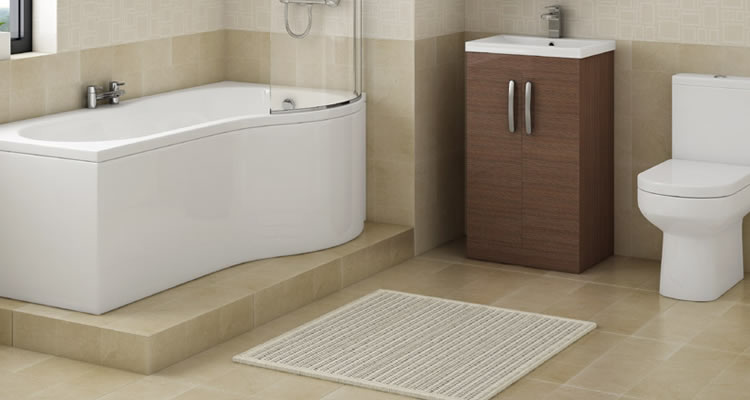
A budget bathroom installation will cost between £3,500 and £4,500 to complete, using standard materials and keeping the layout largely as it is.
At this price point, you can expect basic ceramic sanitaryware, standard floor tiles and wall tiles, simple vinyl flooring or basic ceramic flooring, and relatively straightforward plumbing connections that follow the existing layout.
What you'll typically get at this price point is: a three-piece bathroom suite (toilet, basin, bath), basic bath taps and a shower head over the bath with a bath screen, standard wall panels or ceramic tiles to splash areas, basic bathroom lighting and an extractor fan.
You won't find freestanding baths, underfloor heating, or designer shower enclosures here, but you will get a clean, functional space that's a good starting point.
Keeping the old plumbing positions saves hundreds in costs, which is why budget installations tend to stick to the original bathroom layout as much as possible.
I've just bought my first house and the bathroom needs renovating. No plastering needed, no paint needed, a lino floor, and PVC plastic 4 sheets needed. My cheapest quote was £7,500. Is that how much a bathroom renovation costs?
"I reckon this type of bathroom renovation costs £5,000, but it could be even cheaper depending on how fancy you choose the style and who you get to fit it for you."
Standard Bathroom Installation
A standard bathroom installation is likely to cost between £6,000 and £8,000 - putting it firmly in mid-range territory. This tier steps up to porcelain tiles, better-quality sanitaryware brands, a heated towel rail, and a bit more customisation - maybe moving the shower to a different spot or upgrading to a proper shower enclosure with a tray rather than an over-bath arrangement.
Materials for a new bathroom at this level will typically cost between £2,000 and £6,000, depending on the brands you choose.
At this level, you can expect more comprehensive tiling (full-height wall tiling rather than just splash zones), a quality towel rail, improved bathroom cabinets or a wall-hung vanity unit, and better waterproofing.
The difference between budget and standard is largely one of finish quality and durability - standard-spec bathrooms look and feel noticeably more refined. They tend to last longer before needing attention.
Premium Bathroom Installation
A premium bathroom installation typically costs between £11,000 and £15,000, and this is where the design choices really start to drive the price up - freestanding baths, walk-in wet room designs, underfloor heating, and high-end bathroom fittings all push costs into this bracket.
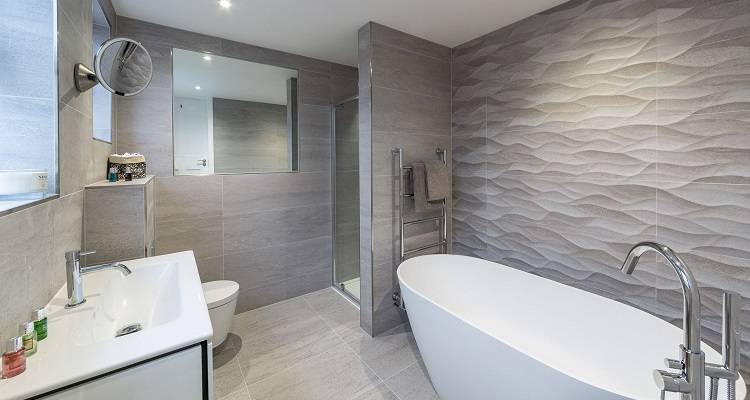
At this tier, you'll usually see natural stone or large-format porcelain tiling, designer sanitaryware, feature lighting, bespoke joinery or vanity units, and premium waterproofing and tanking throughout.
Bathrooms at this level are often reconfigured entirely rather than following the existing layout, which adds to both the material and labour costs.
Cost Breakdown and Factors
Now that we have the three installation tiers laid out, it's worth taking a closer look at exactly where your money is going. Bathroom installation costs break down into three broad categories: materials, labour, and additional costs like waste removal and electrical work.
Materials Costs
The cost of materials for a new bathroom can range from £2,000 to £6,000, depending on the quality, brand and spec you choose. That covers the usual stuff: sanitaryware (the bath, WC, basin), fittings (bath taps, shower head, toilet roll holders, trims), and finishes (tiles, flooring, paint, bathroom lighting).
A 3-piece bathroom suite can cost between £200 and £1,000. On the other hand, getting a bathroom suite installed can cost between £350 and £1,100 - it all depends on the hassle of cobbling all the different bits together.
At the very least, you're looking at £175 to £350 to get a toilet installed, £70 to £130 for the basin and £250 to £750 for a shower enclosure - the bigger it is, the pricier it gets.
Bathroom suite deals are a great way to save money if you can find a good one - retailers often offer package deals that save you cash compared to buying individual pieces.
Tile prices are all over the place - from £15 to £20 per square metre for basic ceramic tiles all the way up to £60 a square metre for high-end porcelain or natural stone. If you opt for vinyl flooring instead, it'll cost a lot less to install and is actually pretty durable, even in wet areas.
Labour Costs
You can expect to pay anywhere from £1,800 to £4,000 for the work of a bathroom fitter - and that's before you even get to the other costs involved in the job. Labour costs make up between 45 and 60 per cent of the final bill.
On average you'd pay £320 per day for a bathroom fitter, but this could go up to as much as£480 per day. Any specialist trades - like a tiler or an electrician - can add to that cost.
Even just getting the electrical work done, lighting, a new extractor fan and any new circuits installed, can set you back £900 to £1,200. The cost of tiling the walls in a mid-sized bathroom will be between £950 and £1,250. These trade-specific costs are usually included within the overall labour figure for your chosen tier, rather than being additional on top of it.
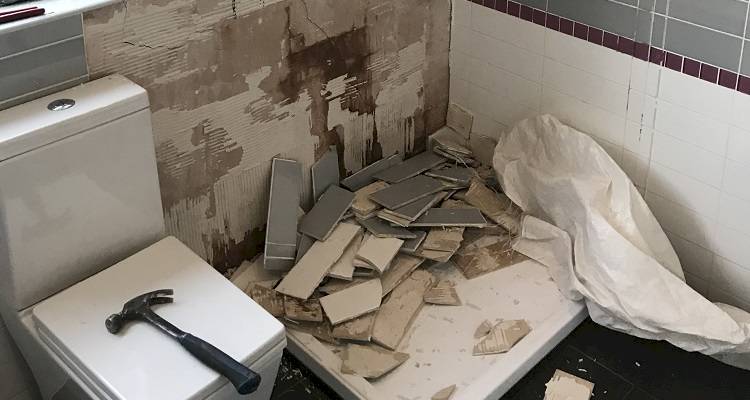
Tearing out an old bathroom can cost anywhere from £600 to £1,000 - that's the cost of having the old bathroom ripped out, the waste taken away, and any damage made good. If you can sort the waste disposal yourself, you can save a bit of cash.
Regional Variations
Bathroom costs vary widely depending on where you are in the UK. London, for instance, is a good 10 to 20 per cent more expensive than the national average. On average, a mid-range bathroom in London will set you back around £8,500.
The South East is close behind at £7,200, and the Midlands sits close to, though a little below, the national average at £6,300. If you're in Northern England, on the other hand, your bathroom costs drop to around £5,800 in Yorkshire, £5,900 in the North West and £5,500 in the North East.
Scotland and Wales fall somewhere in between. Most of these variations come down to labour costs - the more expensive your area is, the more you'll pay in labour costs. Delivering materials to more remote areas also increases costs.
Installation Process and Timeline
With costs all sorted out, let's look at what the actual installation process is like.
A typical bathroom renovation in the UK will take between 7 and 15 days to complete once all the work is done and everything is fully dry.
Smaller bathroom projects that don't involve much change can often be completed in as little as 5 days, while larger, more complex jobs can take the full 15 days or occasionally a little longer.
I’m getting a new bathroom fitted. Should I get the floor and walls tiled first, or will they likely get damaged by the fitters?
"You'll need to complete the first fix plumbing work, including water and waste pipes. After that, you can tile the space and then install the hand basin and toilet.
For the bathtub, it depends on the type. You have two options: install the bathtub before tiling or, if it's a freestanding bathtub with exposed legs, tile the floor and walls first, then install the bathtub."
For the bathtub, it depends on the type. You have two options: install the bathtub before tiling or, if it's a freestanding bathtub with exposed legs, tile the floor and walls first, then install the bathtub."
Cost Comparison - DIY vs Professional
When it comes to the cost of a bathroom renovation, one of the biggest factors to consider is labour costs - and DIY installation can save you a substantial 40-60% on those. However, you've got to balance out the potential savings against the extra hassle and stress of doing it yourself.
| Criterion | DIY Installation | Professional Installation |
|---|---|---|
| Total Cost | Lower upfront, but risk of hidden costs | Higher, but you know what you're getting |
| Time Required | 3 to 6 weeks, depending on your skills and availability | 7 to 15 days, with trades scheduled and coordinated for you |
| Quality Assurance | Variable - depends entirely on your own skill level | Consistent quality from qualified, experienced tradespeople |
| Warranty Coverage | None - all risk is yours | You get guarantees and compliance with building regulations |
Want a custom price?
Post your job
In reality, most homeowners will find that the tasks which are best done DIY are the cosmetic ones - tiling, decorating and fitting bathroom accessories.
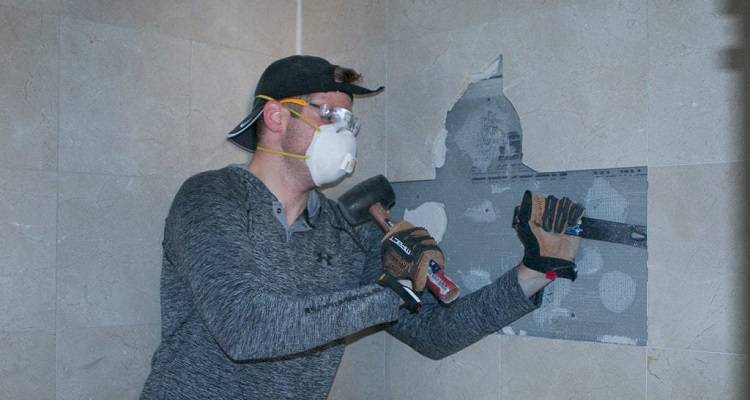
But plumbing, electrics and tiling are all best left to the professionals - not least because of the strict building regulations we have in the UK - and non-compliant work can not only be a real problem when you come to sell your home, but also invalidate your home insurance.
A useful strategy to save money is to hire the pros for the tricky stuff - plumbing, electrics and tiling - and do the cosmetic finishing yourself.
Common Challenges and Solutions
Even with the best planning in the world, bathroom renovations can still go wrong.
Budget Overruns
The sad truth is that many bathroom renovations exceed their original budget by 10-20%. It's usually because you find out about problems with the existing bathroom as you go.
Solution: Put a 15% contingency into your budget from day one. Get quotes from at least three bathroom installers, and make sure you know exactly what each one includes and excludes.
Hidden Structural Issues
Older houses can sometimes throw up some real surprises when you take the existing bathroom out - rotten joists, old plumbing that doesn't meet current building codes, damp behind the tiles - these can all add several thousand pounds to the cost of your project.
Solution: Have a proper inspection done first and work with experienced bathroom fitters who know what to look out for.
How much does it cost to install a new bath, toilet, and sink in a bathroom?
"I would personally go off a day rate, as it can depend on the pipes. Generally, a plumber would charge £180 to £250 a day. This job could take around 3 to 4 working days."
Timeline Delays
Delays can happen for all sorts of reasons - one trade finishing but the next one not being available, materials arriving late, or plain old drying times not being factored into the schedule. If you order a shower enclosure that takes 4 weeks to arrive, it can bring the whole project to a standstill.
Solution: Order all the materials before you start, confirm delivery dates, and make sure your bathroom fitters have a plan for the trades.
Conclusion and Next Steps
So, how much does a bathroom renovation cost in the UK? The answer is anywhere from £3,000 to £15,000, with the average being around £7,000. And the two main factors that determine the price are the spec level you choose and the region you live in. Roughly 40-55% of the cost is in materials; the rest is labour.
To get started:
- Set a realistic budget with a 15% contingency for surprises
- Get at least three quotes from bathroom fitters in your area - and make sure they're fully qualified and insured
- Order all your materials early and compare prices - and make sure you know exactly what you are buying
- Plan your installation timeline to allow 7-15 days, and lay out alternative facilities just in case
Some other things worth looking at include current bathroom design trends - wet room conversions, electric showers, wall-hung sanitaryware - and how to make your bathroom as energy-efficient as possible.
How much will I increase the value of my London home by having my bathroom renovated?
"A new bathroom renovation will not always increase the value of the property a great amount, maybe 20% to 30% of the renovation cost, what it will do is give the estate agent more selling power if you decide to sell."
Additional Resources
- Building regulation compliance - all electrical work in bathrooms has to meet Building Regulations Part P, which means you need a registered electrician to do the circuit or consumer unit work. For plumbing and drainage, you need to comply with current building codes.
- Certification and qualifications - look for a bathroom installer who is properly qualified, such as a City and Guilds plumber, and has public liability insurance. Check their reviews and ask to see their work.
- Financing options - you can either save up and pay cash or get a home improvement loan, but make sure to factor in the interest costs.
- Cost calculators - use MyJobQuote's cost estimators to get a rough idea of the costs based on what you need done, where you live and how much space it's going to cover.
FAQs
What Do You Do With Your Old Bathroom Suite?
Most people simply throw their old bathroom suite into a skip, but some people opt to put certain items on selling sites. They may not gain thousands of pounds back from this, but in a costly refurb such as a bathroom, every little helps!
Do I Need Planning Permission or Building Regulations Approval?
Most bathroom refits don’t require planning permission unless you’re extending the property or changing its use. However, building regulations may apply if you move plumbing, install new electrics, or alter drainage. Always check with your local authority or contractor before starting work.
How Much Should I Budget as a Contingency?
It’s best to set aside around 10–20% of your total bathroom budget as a contingency. This covers unexpected issues like plumbing problems, rot, or delays that increase labour costs.
How Do You Protect New Sockets in a Bathroom?
The only sockets allowed in a UK bathroom are those of shaver sockets. Lights should be enclosed, and no hanging lights should be used.
You can get waterproof sockets for a bathroom, similar to those that can be used outdoors, but it is ill-advised to use any electrical appliance around water and, therefore, in a bathroom, which is one of the most dangerous rooms of the house, because the two should never mix.
You can get waterproof sockets for a bathroom, similar to those that can be used outdoors, but it is ill-advised to use any electrical appliance around water and, therefore, in a bathroom, which is one of the most dangerous rooms of the house, because the two should never mix.
Is Old Bathroom Removal Included in Bathroom Installation Quotes?
Some bathroom installation quotes include basic removal of the old bathroom suite, but waste disposal is often priced separately. This is more likely if the room is fully tiled or there is heavy rubble to remove.
Average skip hire is £220. Removal labour is often around 1 to 2 days, depending on access, the size of the bathroom, how much tile needs removing, and whether there is water damage to deal with. Stripping out a bathroom will cost between £300 to £800 in total.
Average skip hire is £220. Removal labour is often around 1 to 2 days, depending on access, the size of the bathroom, how much tile needs removing, and whether there is water damage to deal with. Stripping out a bathroom will cost between £300 to £800 in total.
Can I Install a New Bathroom Myself?
You can fit a new bathroom or undertake parts of a bathroom refurbishment as a DIY project if you have the right experience. Many homeowners choose to DIY preparation tasks, such as removing old fixtures or stripping tiles, to reduce labour time and cost.
Electrical work in a bathroom is higher risk. Use a qualified electrician for any electrical tasks, as water and electrics are a dangerous combination.
Electrical work in a bathroom is higher risk. Use a qualified electrician for any electrical tasks, as water and electrics are a dangerous combination.
How Much Does It Cost to Install a Small Bathroom in the UK?
Installing a small bathroom in the UK tends to cost between £2,200 and £5,500, depending on the fixtures you choose and the amount of labour required. While small bathrooms require fewer materials, labour costs can still be significant.
What Is the Last Piece of Bathroom Suite to Be Removed?
The bath is always last to be removed because the water and waste from all other pieces of your suite are drained into it.