Builders
 Carpenters
 Electricians
 Flooring Specialists
 Gardeners
 Handymen
 Heating Engineers
 Painters & Decorators
 Plasterers & Renderers
 Plumbers
 Roofers
 Tilers
 my
myCombi Boiler Installation Cost
At a Glance
- The average combi boiler installation cost is around £2,750 in the UK.
- It typically takes 1 day for a heating engineer to install a new combi boiler.
- How much a new combi boiler costs in the UK, including labour fees, and what impacts the prices you're quoted in 2026.
- How long fitting a new boiler takes and additional jobs you can schedule at the same time.
- How to find and hire a local heating engineer with MyJobQuote.
Get free estimates
Are you a trade? Get more work today!
£2,750
Table of Contents
- How Much Is a New Combi Boiler Installation?
- How Much Does a New Combi Boiler Cost? (Supply Only)
- How Much to Install a Combi Boiler? (Labour Only)
- What Size Combi Boiler Do I Need?
- Additional Combi Boiler Installation Costs
- What Are the Different Types of Combi Boiler?
- Factors That Impact Combi Boiler Installation Costs
- Building Regulations for Combi Boilers
- What's Involved in Installing a Combi Boiler?
- Checklist: Hiring a Combi Boiler Installer in the UK
- FAQs
How Much Is a New Combi Boiler Installation?
How much do I need to budget for my new boiler installation?
Replacing your existing combi boiler with a new one costs between £1,050 and £2,250 for a small 24kW to 27kW combi boiler.
As the power output increases, so do the boiler prices, making a larger 35kW to 42kW boiler between £1,400 and £3,700.
And: If you change to a combi boiler from another type of boiler, your prices will be higher still.
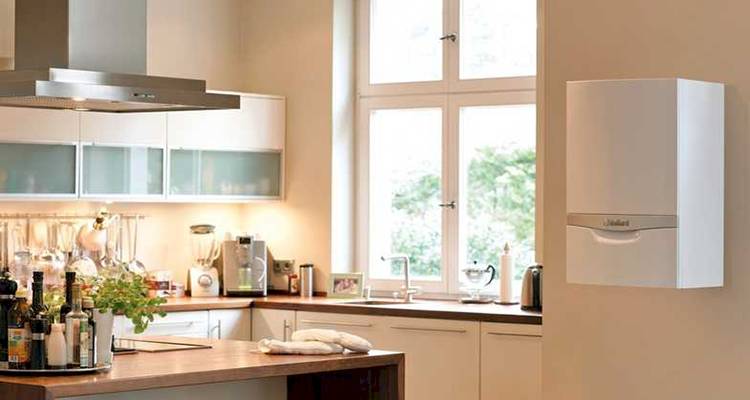
So, how much does it cost to move your combi boiler to a new location?
The average cost to move a boiler is around £725.
What is your main reason for a combi boiler installation?
Part of a new central heating system
2 votes - 11%11% of votes
To replace an old or faulty boiler
14 votes - 74%74% of votes
Improve heating and hot water supply
2 votes - 11%11% of votes
Reduce costs and save on energy bills
1 votes - 5%5% of votes

19 votes
See results
Hide results
A new boiler installation in a different location in your home will have higher installation costs compared to a like-for-like swap. This is because you may require changes to the flue, pipework, and condensate pipe, all adding extra costs.
I’m looking at buying a property with a back boiler. What would the likely cost be of removing this and replacing it with a combi boiler?
"I would say between £2,500 and £3,500. Combi boiler fitting costs can vary as there are a lot of different situations — I've done many and they are all different."
Combi Boiler Prices (Fitted)
Let's look at some combi boiler installation prices and replacement costs, based on three scenarios:
- Upgrading with a like-for-like boiler in the same location.
- Upgrading with a like-for-like boiler and moving to a new location.
- Changing an old system/regular boiler and converting to a new combi boiler.
| Installation Type | 24 to 27kW | 28 to 34kW | 35 to 42kW |
|---|---|---|---|
| Combi → Combi (same location) | £1,050–£2,250 | £1,200–£2,850 | £1,400–£3,700 |
| Combi → Combi (new location) | £1,300–£2,450 | £1,400–£3,150 | £1,550–£4,000 |
| System/Regular → Combi Conversion | £1,650–£3,050 | £1,750–£3,700 | £1,950–£4,750 |
Want a custom price?
Post your job
How Much Does a New Combi Boiler Cost? (Supply Only)
Splitting out boiler installation prices now, let's look at the prices of new combi boilers based on their fuel type and power output for comparison.
Starting with gas, oil, and LPG:
Combi Boiler Prices (Gas, Oil and LPG)
| Power Output | Gas | Oil | LPG |
|---|---|---|---|
| 24 to 27 kW | £525–£1,500 | £1,400–£2,100 | £1,100–£1,600 |
| 28 to 34 kW | £575–£2,150 | £1,600–£2,400 | £1,300–£1,850 |
| 35 to 42 kW | £800–£2,950 | £1,850–£3,200 | £1,550–£2,200 |
Want a custom price?
Post your job
Why are electric combi boilers not included in the main cost table?
Electric combi boilers use a different power output range, typically between 9kW and 14kW, which is much lower than gas, oil, and LPG, which is why we've kept them separate as their outputs don't correlate.
Electric Combi Boiler Prices
| Power Output | Average Cost |
|---|---|
| 9 to 12 kW | £1,600–£2,600 |
| 14+ kW | £1,700–£2,700 |
Want a custom price?
Post your job
How Much to Install a Combi Boiler? (Labour Only)
The labour costs of installing a new combi boiler will vary depending on what the boiler is replacing:
- Replacing a Combi Boiler Like-for-Like — £550 to £800.
- Moving Your Combi Boiler to a New Location — £850 to £1,150.
- Changing Boiler Type — £1,200 to £1,700.
The process is quite simple if you replace a combi boiler with a new one, taking between 4 and 6 hours to complete.
If you need to change the location of your boiler, then the job will take longer, taking between 1 and 2 days.
The most complex option is changing the type of boiler. This could mean changing the fuel type or moving from a system boiler to a combi boiler, which can take anywhere from 2 to 3 days to finish.
| Installation Type | Labour Cost | Duration |
|---|---|---|
| Combi → Combi (same location) | £550–£800 | 4 to 6 hours |
| Combi → Combi (new location) | £850–£1,150 | 1 to 2 days |
| System/Regular → Combi Conversion | £1,200–£1,700 | 2 to 3 days |
Want a custom price?
Post your job
What Size Combi Boiler Do I Need?
The right boiler size will depend on your home. The bigger your home, the bigger your boiler should be. It usually depends on the number of radiators and bathrooms.
It's important to choose the right boiler size:
- If your boiler is too small, it might be unable to keep up with the demand.
- If your boiler is too big, you can waste energy and money running it.
The following table can provide some guidance on the right size for your home:
| Number of Radiators | Number of Bathrooms | Boiler Output |
|---|---|---|
| 1 to 10 | 1 | 24 to 27 kW |
| 11 to 15 | 2 to 3 | 28 to 34 kW |
| 16 to 20 | More than 3 | 35 to 42 kW |
Want a custom price?
Post your job
In some cases, the size of your boiler might be dictated by your water pressure, but this is rare, and your installer can check this for you.
How much does a combi boiler installation cost (labour only)? Could I also get a price for replacing 11 radiators (4 doubles, supply and labour)?
"I would say roughly £400 to £800 for the boiler installation if it's a straight swap, but if it's a conversion, then it could be anything up to £1,000.
For the radiators, I would say it's a day's work (if all went well), so between £300 and £400."
For the radiators, I would say it's a day's work (if all went well), so between £300 and £400."
Additional Combi Boiler Installation Costs
During your boiler replacement, you may need some additional work done at the same time. Scheduling jobs together with your installer can save on call-out fees.
Power Flush Costs
Building Regulations require the central heating and hot water circuits to be cleaned and flushed before a new boiler is installed, with a corrosion inhibitor added to the heating system afterwards. A chemical flush is sufficient for many systems, while a power flush may be needed where significant sludge has built up.
If you're installing a new central heating system to combat poor heat circulation in your home, you need to make sure you tackle issues in your pipework too, so you feel the benefits of the new system.
Check whether the quote includes a chemical flush or power flush and whether a corrosion inhibitor is included in the price.
If charged separately, you should expect power flush costs to be around £400, depending on the size of your central heating system.
What's the quietest and most efficient combi boiler on the UK market?
"Worcester are probably the best combi boilers on the market, they work on demand — no hot water/thermal store required."
Smart Thermostat Installation Costs
If you're upgrading your boiler to improve your home's energy efficiency, a good pairing is a smart thermostat. UK field trials found that smart controls reduced heating gas use by around 6%, although the amount you save will depend on how you currently use your heating. Homes where the heating is often left on unnecessarily may see a bigger benefit, while savings are likely to be smaller if you already use a programmer and room thermostat effectively.
Typically, smart thermostat installation costs around £265, depending on the model you choose.
Did You Know? The Energy Saving Trust estimates that fitting a programmer, room thermostat, and thermostatic radiator valves in a home without heating controls could save an average household in Great Britain around £100 a year.
New Radiator Costs
If you're upgrading your heating system, it's a good opportunity to replace any old or inefficient radiators at the same time.
Radiator replacement costs around £200 per radiator on average, including fitting, though you should budget more if work to your existing pipework or new pipework is required.
Combi Boiler Service Cost
For all property types, you'll need periodic boiler servicing to ensure your system is running correctly and that any issues are identified before they become expensive problems. A boiler service costs around £100 on average.
Ask a Trade
Got a question that only a tradesperson can answer? We have thousands of trades ready to answer any question you may have.
Ask your question

What Are the Different Types of Combi Boiler?
Different types of combi boilers are available, but what's best for your home can be limited by the fuel you can access. So, if you can't get a gas supply, then you will need to look at the alternatives.
Let's go through the different combi boiler types, their pros and cons, and installation costs.
As a quick overview:
| Type of Boiler | Best For? | Average Cost |
|---|---|---|
| Gas Combi Boiler | Most common boiler type in the UK, good for small- to medium-sized homes on the main gas grid | £525–£2,950 |
| Oil Combi Boiler | Good choice for homes off the grid, efficient heating for large homes | £1,400–£3,200 |
| LPG Combi Boiler | High efficiency and a "cleaner" fuel compared to oil boilers | £1,100–£2,200 |
| Electric Combi Boiler | 100% efficiency, but with the highest running costs | £1,600–£2,700 |
Want a custom price?
Post your job
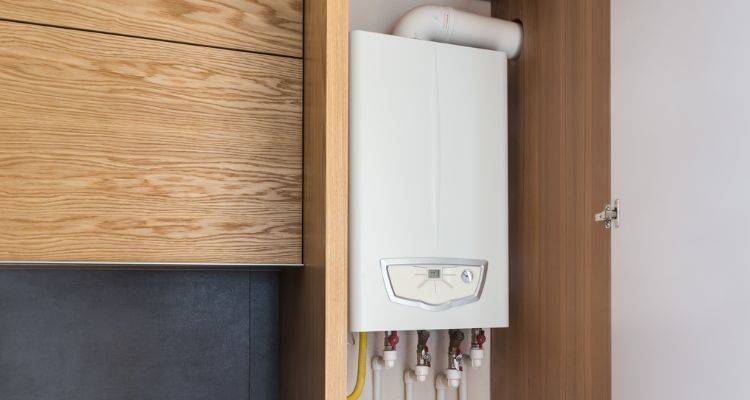
Gas Combi Boiler Cost
These are the most common types of combi boiler installations in the UK. If you have access to gas, this is often the best choice, as your running costs will be the lowest compared to other fuel types.
The average cost of a gas combi boiler is £525 to £2,950.
Pros
- ✔ Lowest running costs compared to other boiler and fuel types.
- ✔ Good availability, suitable for small and medium-sized homes.
- ✔ Easy to install.
Cons
- ✖ Installation needs to be completed by a Gas Safe registered engineer for safety.
- ✖ If you aren't close to a gas supply, you can't have this type of boiler.
- ✖ Although running costs are typically low, gas prices can change over time.
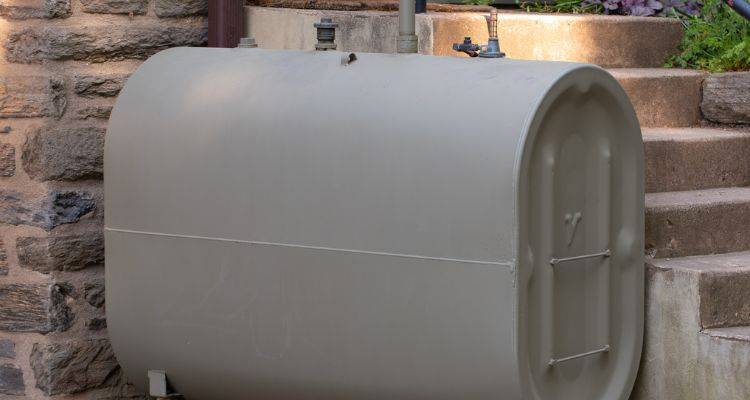
Oil Combi Boiler Cost
If you live off the main gas grid, your next best choice of boiler is likely to be an oil combi. With this boiler type, you'll need an oil tank fitted outside your home to supply your boiler, which you'll need to refill as needed.
The average cost of an oil combi boiler is £1,400 to £3,200.
Pros
- ✔ Good fuel option for homes living off-grid from the mains gas supply.
- ✔ Capable of heating large homes.
- ✔ Some oil boilers can be more efficient at heating large homes than older gas boiler models.
Cons
- ✖ Requires an oil tank installed outside your home, which can affect your property's aesthetic.
- ✖ If deliveries of oil refills are delayed, you can be left without heat.
- ✖ The price of oil can fluctuate.
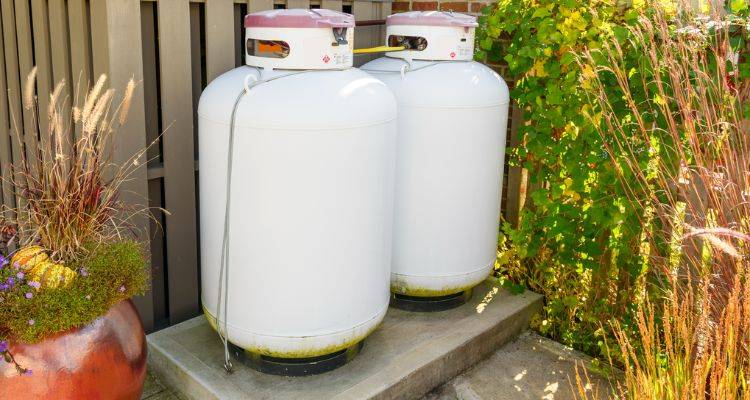
LPG Combi Boiler Cost
LPG combi boilers run almost the same way as a gas combi boiler. The only difference is that the gas comes from an external tank, making it a suitable alternative for homes off-grid.
The average cost of an LPG combi boiler is £1,100 to £2,200.
Pros
- ✔ Good option for homes off the main gas grid that still want to use gas fuel.
- ✔ Gas burns cleaner compared to oil.
- ✔ Installation costs are usually lower than oil combi boilers.
Cons
- ✖ LPG boilers need an additional tank to store fuel, taking up a lot of space.
- ✖ Running costs are higher than traditional gas combi boilers.
- ✖ Deliveries of fuel can be delayed, and regular safety checks need to be conducted to ensure the storage is safe.
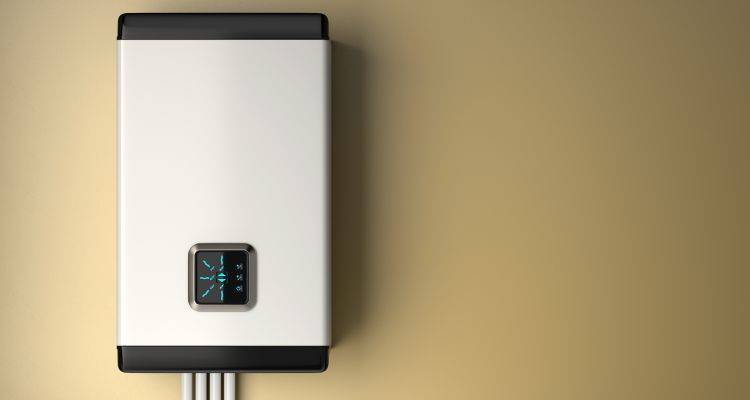
Electric Combi Boiler Cost
Electric combi boilers use a system similar to an immersion heater to heat the water supply. They are often used only when the other options are too expensive or impractical.
The average cost of an electric combi boiler is £1,600 to £2,700.
Pros
- ✔ Easy to install.
- ✔ Good option for homes where gas or oil isn't suitable.
- ✔ Small, compact design.
Cons
- ✖ Running costs are far higher than gas or oil.
- ✖ Not suitable for large homes with high hot water demand.
- ✖ Can be slow to heat hot water.
Factors That Impact Combi Boiler Installation Costs
There are two main considerations when it comes to combi boiler cost: the boiler itself, and how difficult it will be to install.
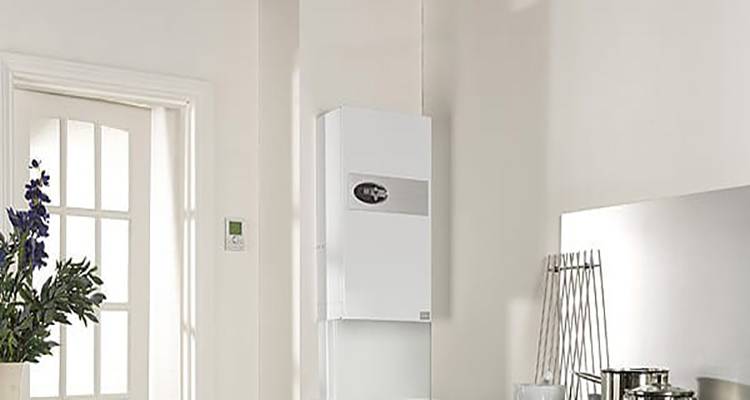
- Size of Boiler — The larger the output of the new combi boiler, the more it will cost. Heating a large home will cost more than heating a small, one-bed flat.
- Type of Installation — The system you're replacing (e.g., whether it's a like-for-like combi swap, or changing from a system boiler to a combi) will affect your new boiler costs.
- Type of Combi Boiler — Gas combi boilers are the most popular choice due to their efficiency and ease of installation. Combi boiler prices increase when you need a nonstandard fuel, like oil or LPG.
- Location of Property — Labour costs are higher in some areas of the country. London, in particular, sees the highest labour costs of any part of the UK.
- Ease of Access — If it is difficult for your plumber to access the pipes they need, the job may take longer, which can increase the cost of the job.
- Size of House — You will need a bigger combi boiler if you have a large home with multiple bedrooms, and it can take longer to install if any work is needed on the pipes.
- Brand of Boiler — The brand you choose also affects your overall combi boiler price. Premium brands like Worcester Bosch and Vaillant tend to command higher combi boiler prices but typically offer longer warranties and stronger reliability ratings, and brands like Baxi and Ideal offer a more budget-friendly option.
How much does it cost to replace a gas back boiler and fire with a new heating system, including a combi or condenser boiler and 7 radiators, in a terraced house with an attic?
"Anything from £3,500 to £5,000 once everything is confirmed — i.e., boiler, radiators, pipework, location, fittings, room thermostat, removal, and making good."
Building Regulations for Combi Boilers
Building Regulations apply to the installation of combi boilers. Some requirements cover how it should be installed, as well as the types of combi boilers that can be installed.
The type of installer you need depends on the boiler's fuel type:
- For gas boilers, this means a Gas Safe registered engineer.
- For oil boilers, using an OFTEC-registered installer is usually the best option because they can self-certify the work.
- For electric boilers, this means using an electrician registered with a competent person scheme who can self-certify the electrical work under Part P in England.
Approved Document J covers requirements for the flue, air supply, and carbon monoxide alarms, while Approved Document L covers the boiler's minimum efficiency, heating controls, and required energy-saving features. A suitably registered installer can self-certify that the work meets the relevant standards. These rules apply in England. Other parts of the UK have their own building standards.
Your new combi boiler must meet Building Regulations. If it doesn't, it can be dangerous for your family and expensive to correct.
To find out more about how building regulations might apply to your situation, you can go to the government's online planning portal. Otherwise, you can speak to someone in the planning department of your local council.
Is it possible to have a boiler installed in a bathroom?
"You can have a boiler fitted in a bathroom, but there are regulations regarding electrical equipment and various zones in the bathroom. To comply, you would either need a very large bathroom or the appliance would need to be boxed in. A bathroom is not the ideal location for a boiler."
What's Involved in Installing a Combi Boiler?
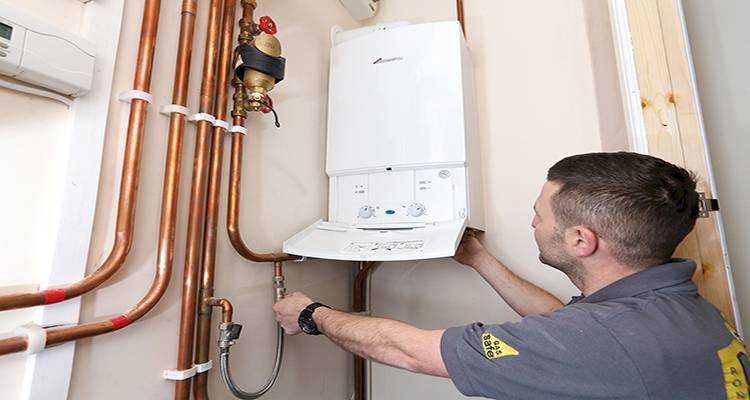
Boiler installations are dangerous, and shouldn't be attempted as DIY tasks.
Working with gas can be dangerous, and incorrect installation can result in leaks or carbon monoxide poisoning. Electric boiler installations need to be carried out by a qualified electrician.
With MyJobQuote, you can request several quotes from local combi boiler installers near you. It's fast, free, and there is no obligation to go ahead.
Let's take a closer look at the process of installing a new combi boiler in your home:
Before the Job Starts
- Initial Consultation — Before the day of the installation, your installer will talk to you about the boiler you want, checking that it's appropriate for your house size and usage.
- Prepping the Work Area — Your Gas Safe registered engineer or qualified heating plumber will lay down protective covers on the floor to protect them while they work, although some water spillage is hard to avoid.
During the Job
- Disconnection — The gas and water supply are safely switched off, and the old boiler is disconnected and removed. If you're changing from a system or conventional boiler, any water tanks or hot water cylinders can also be removed at this stage.
- Prepping the New Location — If you're moving the boiler or changing the type, the new location will be prepped, including any new pipework for the water supply, drainage, gas, and flue.
- Installation — The new boiler is mounted to the wall and connected.
After the Job
- Testing — The new system will then be tested and checked for pressure and leaks.
Checklist: Hiring a Combi Boiler Installer in the UK
Getting a new boiler can sometimes be a decision that is made in haste, especially if your old boiler has broken down.
However, there are some things you should take the time to check before you choose your heating engineer:
- Have you got a range of heating engineer quotes to compare? Gather at least 3 quotes from different traders to compare local prices.
- Are your boiler installation quotes itemised? Make sure the quotes are broken down into individual lines so you can see what's included. Do you need to pay more for extra pipework, waste removal, or relocating the boiler?
- Have you researched the heating engineer? Take a look at the trader's reviews on their MyJobQuote profile, along with any photos or videos of their past work.
- Have you got the correct heating engineer for your fuel type? If your boiler is gas-run, then you need to know that your engineer is Gas Safe registered. For an oil boiler, an OFTEC-registered installer can certify the installation themselves. Otherwise, building control will need to inspect and approve the work.
- Are they insured? Check that any heating engineer you are considering hiring is insured to complete the necessary work, ideally with public liability insurance. This protects both you and them in case of an accident.
FAQs
How Long Should a Combi Boiler Last?
You can expect a modern combi boiler to last around 10 to 15 years with regular annual servicing. Replacing an old boiler that is over 15 years old with a new boiler is usually more cost-effective than paying for repairs over time, and upgrading to a new energy-efficient model can also reduce your energy bills.
Can I Buy a Combi Boiler on Finance?
Yes, buying a combi boiler on finance is a smart way of spreading the upfront cost of the boiler and the installation price over a period of time. Depending on the company, you may be offered 0% interest plans, or buy now, pay later schemes. Check with your local provider to see what's available for you.
Can I Install a Combi Boiler Myself?
No. A combi boiler should be installed by a Gas Safe registered engineer, as an untrained homeowner cannot legally carry out the work. Attempting the installation yourself could cause a gas leak or carbon monoxide poisoning and may also invalidate the manufacturer's warranty.
How Long Does a Combi Boiler Warranty Last?
Most new boilers come with a warranty of between 2 and 10 years, and some manufacturers require annual boiler servicing to keep the warranty valid. Brands such as Worcester Bosch and Vaillant tend to offer the longest cover, while Baxi and Ideal typically offer shorter cover.
How Much Can I Save with a Combi Boiler?
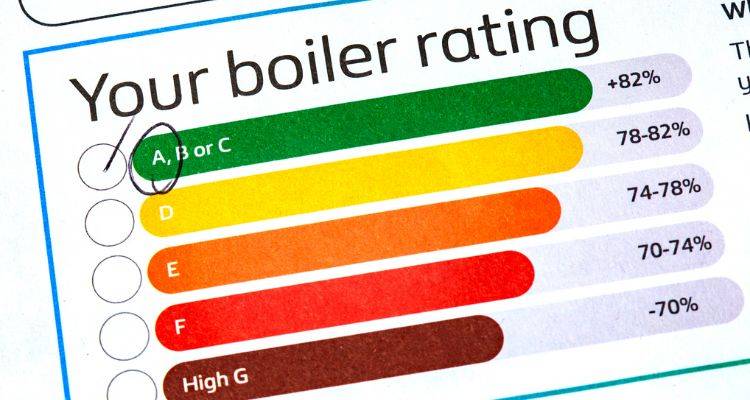
There is no set amount you will save, as this depends on the age of your current boiler, its efficiency, and how much heating you use. However, replacing an older boiler with a modern A-rated model should reduce the amount of energy needed to heat your home and can help lower your heating bills.
Can I Get a Government Grant for a New Boiler?
ECO4 may help eligible low-income households in England, Scotland, and Wales replace an inefficient boiler or one that is too costly to repair. The scheme is currently due to end on 31 December 2026. In England and Wales, the Boiler Upgrade Scheme offers £7,500 towards an eligible heat pump, with £9,000 available until 31 March 2027 for some off-gas-grid homes replacing oil or LPG heating. Scotland has separate support available through Home Energy Scotland, while Northern Ireland is not covered by these schemes.
What Is the Best Month to Replace a Boiler?
Spring and summer are the best times to book a boiler replacement, when boiler installers tend to have more availability and labour costs may be more competitive than during the busy winter months.
What Boiler Power Output Do I Need for My Property?
Gas, oil, and LPG combi boilers usually range from 24kW to 42kW, while electric combi boilers are typically between 9kW and 14kW. The right output depends on the number of radiators and bathrooms in your home. For example, a property with up to 10 radiators and one bathroom will typically need a 24kW to 27kW gas, oil, or LPG combi boiler.
Does a New Combi Boiler Increase Energy Efficiency?
Yes, new boilers can run at 92% and above efficiency, while older units are closer to 70% to 80%, improving your energy efficiency and heating bills in the long run.