Builders
 Carpenters
 Electricians
 Flooring Specialists
 Gardeners
 Handymen
 Heating Engineers
 Painters & Decorators
 Plasterers & Renderers
 Plumbers
 Roofers
 Tilers
 my
myInstalling a Cast Iron Radiator Cost
At a Glance
- The average cast-iron radiator installation cost is about £650.
- This type of job takes just 1 to 2 days to complete.
- How much installing a cast-iron radiator costs in 2026, depending on the size and type of radiator.
- What the job involves, how long the process takes and any other cost factors to consider.
- How to find a local cast-iron radiator installer with MyJobQuote.
Get free estimates
Are you a trade? Get more work today!
Cast-iron radiators are a fan favourite among homeowners who are on the hunt for a way to merge enduring style with reliable, long-lasting warmth.
In this guide, we're going to lay out the lowdown on what you can expect to pay for installing a cast-iron radiator. We'll cover the typical costs, the factors that drive the price up or down, and give you a rough idea of how long the process usually takes.
We'll also be having a look at whether these radiators are really worth shelling out for, and what you can expect in terms of the installation process itself. Plus, we'll give you some advice on how to get a quote from a qualified heating engineer that actually means something.
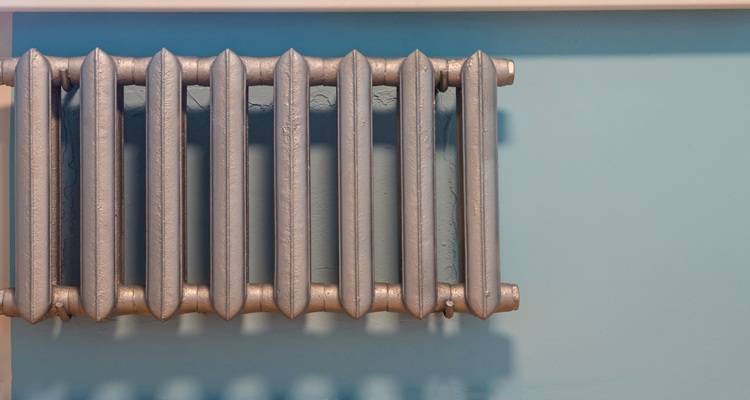
£650
Table of Contents
- How Much Is a Cast-Iron Radiator?
- Cast-Iron Radiator Supply Costs
- Additional Cast-Iron Radiator Installation Costs
- Labour Cost to Install a Cast-Iron Radiator & Timescales
- Factors That Impact Cast-Iron Radiator Installation Costs
- Types of Cast-Iron Radiators
- Building Regulations Related to Cast-Iron Radiators
- Alternative Types of Radiators
- Hiring Contractors Checklist for Cast-Iron Radiators
- Removing Cast-Iron Radiators: Considerations and Costs
- FAQs
How Much Is a Cast-Iron Radiator?
On average, you'll pay £500 to £800 for a cast-iron radiator and its installation, but the cost of the job is based on numerous factors. First, you will need to select a radiator design that fits. Some hand-made radiators of a premium finish can set you back up to £3,000, and that's just for supply.
Cast-iron radiators are a popular choice in the UK. They're favoured for their excellent heat retention, timeless design, and compatibility with period property interiors. These types of radiators have been around for over a century and are compatible with a range of properties.
They are available in a wide range of styles and generally won't take longer than 1 to 2 days to install.
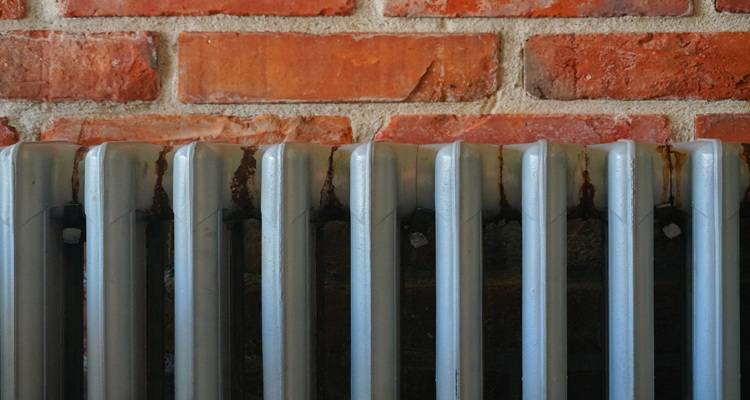
On the other hand, there are cheap options under £500. This is especially true if you are open to buying and installing reclaimed radiators.
To be clear, factors determining the cost of installing a cast-iron radiator include:
- The selected radiator design.
- The number of radiators required for the size of the property.
- Where you are located in the UK.
- How easy the property is to access.
The total cost will vary depending on the complexity of the installation and whether you are replacing an existing radiator or installing a new one.
With this in mind, it's important to remember that every cast-iron installation job is different and, therefore, this is reflected in pricing and budget. The cost of everything involved will determine what you'll pay, so be open to varying quotes.
Cast-Iron Radiator Prices
| Size / Type | Estimated Supply Cost |
|---|---|
| Small 2-column, basic finish | £250–£400 |
| Medium 3 to 4 column, standard finish | £400–£700 |
| Large 6-column ornate Victorian style | £700–£1,800+ |
Want a custom price?
Post your job
Cast-Iron Radiator Supply Costs
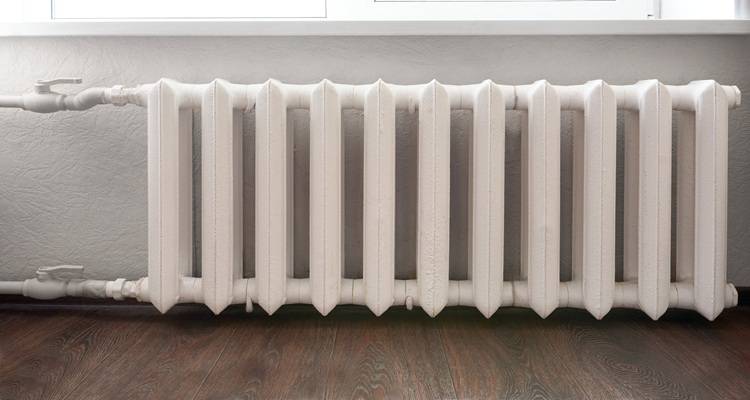
When installing a cast-iron radiator, you'll find a few things that can impact the initial supply cost (whether online or in person). Column radiators are usually around £150 to £700 per radiator, whereas by comparison, ornate Victorian designs can reach in excess of £1,800. It's also worth noting that while a larger radiator will naturally cost more, the size can also impact labour fees and installation costs.
We've highlighted some of the factors below to be mindful of when choosing your radiator that can affect pricing:
- Branding and Design — Some UK suppliers are well known for premium cast-iron radiator designs, and these brands typically charge more, reflecting higher quality and durability.
- Section Count — By adding sections the size of your cast-iron radiator increases, increasing the potential heat output, but with additional manufacturing costs and installation requirements.
- New vs Reclaimed — New radiators can offer custom finishes and colours but cost more, while reclaimed options are cheaper but may need restoration or show signs of wear.
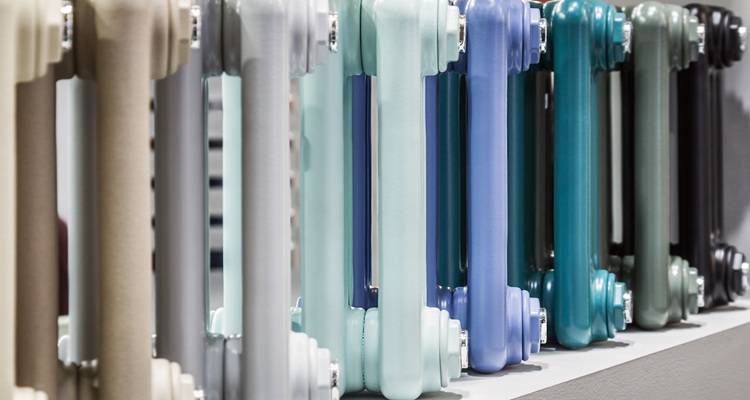
- Extra Features and Finishes — Depending on whether you require custom colours and specialist finishes, or adding components such as bleed valves and aesthetic details can add to the overall price.
- Additional Adjustments — Installing a cast-iron radiator that is a different size and shape to any existing system may require additional pipework or system draining, which can come at a price.
- Delivery and Handling — Cast-iron radiators are very heavy and often require specialist transport. Expect to pay an additional fee for this.
Additional Cast-Iron Radiator Installation Costs
Once you have decided on your new cast-iron radiator design and quantity required, there are a few additional costs to keep in mind. Depending on the complexity of the job, some of the following extras may be required.
Radiator Valves (Manual or Thermostatic)
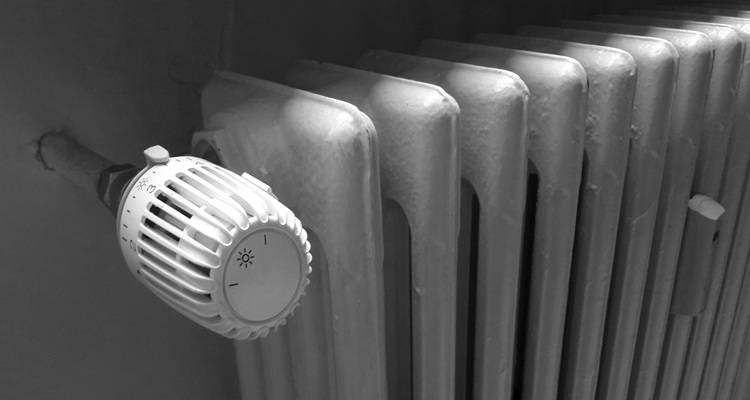
Most installations will require new valves at around £20 per pair. Thermostatic radiator valves (TRVs) are a more expensive option, ranging between £20 and £80+ a pair, although they allow you to have better control over the temperature of your home. On the other hand, a manual valve still provides control, but it will be somewhat limited.
Wall Mounting Brackets or Floor Stays
Next, depending on which cast-iron radiator you've selected and its size, for installation, you may require extra supports. Brackets and floor stays are used to keep heavy radiators in place, and are mounted against walls. Due to the nature of cast-iron radiators, heavy duty options will cost between £30 and £100 to help support the additional weight.
Pipework Alterations
If you have to move any of the existing pipework in your house when installing a cast-iron radiator, this will increase the overall costs. If you live in an older home, this is most likely the case. Minor adjustments, such as moving the radiator a short distance, can cost £50 to £150 each, although any major work when you need to remove and replace a radiator can potentially cost anywhere from £300 to £800 so it is always best to ask a plumber for their opinion before hiring them for the job.
Delivery Charges Due to Radiator Weight
With standard delivery costing around £20 to £50, due to their weight, cast-iron radiators may require specialist handling and delivery charges. This can potentially amount to an additional fee of between £50 and £150.
Disposal of Old Radiators
If you plan to remove and dispose of any existing radiators, this can be a job in itself costing around £50 to £150 per radiator. However, removing a cast-iron radiator can be even more expensive, costing approximately £100 to £250 each.
Cleaning and Flushing the System Before Installation
To ensure your new cast-iron radiators are energy efficient and working to the best of their ability, your central heating system may need to be flushed to remove sludge or debris. This is an extra step costing £100 to £300 for a basic flush (or £300 to £600 for a full power-flush), however, it can help prevent any potential damage and improve heat output and energy efficiency.
Labour Cost to Install a Cast-Iron Radiator & Timescales
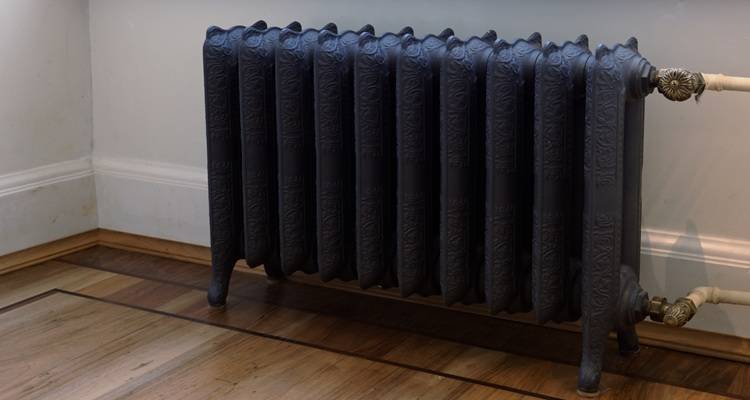
Nobody likes their home to be disrupted due to work being carried out, that's a fact. You'll be pleased to know that it typically only takes a day or two for cast-iron radiators to be installed.
To help you plan better for the job, we've outlined what to expect in terms of labour costs and timescales below.
The cost of hiring a qualified plumber or heating engineer typically ranges from £150 to £250 per day. This breaks down to between £30 and £70 per hour.
Timescales for cast-iron radiator installation will vary, as explained, depending on property size, accessibility, and radiator designs. For the installation of one cast-iron radiator, you can expect the job to take a few hours to a day. For multiple radiators to be installed or more complex systems, you should allocate 1 to 3 days for the job.
Cast-iron radiators are much heavier than standard steel models, so handling and mounting take longer. Older properties may also require additional pipework adjustments.
Factors That Impact Cast-Iron Radiator Installation Costs
There are a number of factors that will impact the cost of having cast-iron radiators installed in your property. Here's a checklist to follow.
Number and Size of Radiators Required
The more radiators you require for your home, the higher the price will be overall. As mentioned, the hourly rate breaks down to £50 on average.
The Radiator's Design
As discussed, some radiators are more expensive due to their premium design, while restored radiators are a lot cheaper to buy.
Paint or Finish
If you request a specific finish for your radiators, including custom colours, expect to pay more.
Heating System Setup (Combi or Traditional Boiler)
The type of heating system you have can affect installation costs. Combi boilers tend to be simpler to connect to, whereas traditional systems with a hot water cylinder may require more work.
Accessibility of the Installation Area
If your radiators are going in hard-to-reach places, up flights of stairs, or in tight corners, installers may charge extra for the additional effort and time required.
Location of Property
Where you live in the UK can influence costs. Labour rates in London and the South East are generally higher than in other regions, so expect quotes to reflect this.
System Alterations Like Flushing or Pipe Rerouting
Sometimes your existing pipework or central heating system needs adjustments before a new radiator can be fitted. Flushing the system, extending pipes, or rerouting connections will all add to the overall price.
Types of Cast-Iron Radiators
There are many different types of cast-iron radiators to choose from:
Column Radiators (2–6 Columns)
- Best for: Period homes, larger rooms, and spaces needing strong heat output.
- Material Cost — £150 to £700 per radiator.
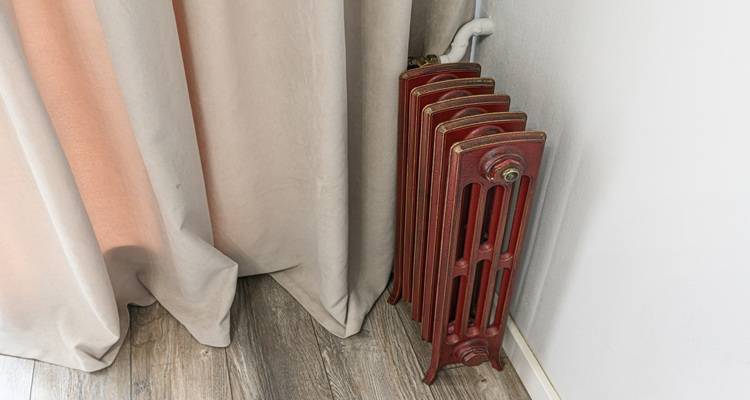
Cast-iron column radiators are a classic choice for period-style interiors, offering a timeless appearance alongside reliable heat output. Available in 2 to 6 columns, they allow you to balance space and performance depending on your room size.
Models with more columns produce greater heat, making them well-suited to larger areas. They also retain heat effectively, helping keep rooms warm for longer after the heating is switched off.
Pros
- ✔ Excellent heat retention for longer-lasting warmth.
- ✔ Higher heat output, especially with multi-column designs.
- ✔ Classic, period-style appearance.
- ✔ Durable and long-lasting construction.
Cons
- ✖ Heavier than most modern radiators.
- ✖ May require additional wall support.
- ✖ Can take up more space depending on column size.
Ornate Victorian Designs
- Best for: Period properties, and homeowners wishing to have a decorative focal point.
- Material Cost — £500 to £1,800+ per radiator.
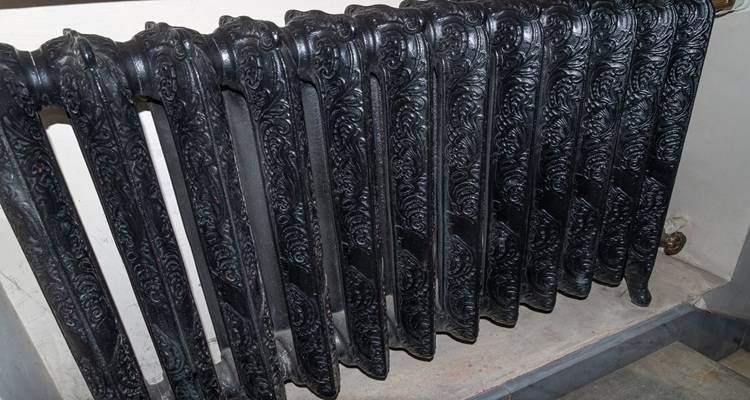
Victorian-style cast-iron radiators are known for their intricate detailing and decorative finishes, making them a standout feature in traditional interiors. They're a great way to bring some classic style into a period property and still get reliable heat output to keep you warm.
While they tend to be more expensive and heavier than basic designs, they are ideal for those wishing to keep a period design with a bold visual statement.
Pros
- ✔ Highly decorative, traditional appearance.
- ✔ Strong heat output suitable for larger spaces.
- ✔ Excellent heat retention.
- ✔ Adds character and value to period-style homes.
Cons
- ✖ Higher upfront cost.
- ✖ Very heavy and more complex to install.
- ✖ May not suit modern or minimalist interiors.
School-Style or Hospital Radiators
- Best for: Hallways, kitchens, utility spaces, and practical heating needs.
- Material Cost — £150 to £500 per radiator.
Providing a no-frills option designed to deliver strong and reliable heat output, school-style or hospital radiators offer a simple yet practical construction requiring minimal ongoing maintenance.
With a more understated appearance, they suit functional spaces where aesthetics are less of a priority. They are often a more budget-friendly option, while still offering all the benefits of cast-iron radiators.
Pros
- ✔ Reliable and consistent heat output.
- ✔ Simple, functional design.
- ✔ Generally more affordable than decorative options.
- ✔ Durable and long-lasting.
Cons
- ✖ Basic appearance may not suit all interiors.
- ✖ Bulkier than some modern radiator styles.
- ✖ Limited design variety.
Horizontal Radiators
- Best for: Living rooms, bedrooms, and under window heating.
- Material Cost — £250 to £900 per radiator.
Horizontal radiators are a popular choice for achieving an even heat distribution for both traditional and modern homes, and are often installed beneath a window or along a wider wall.
They can, however, require more space lengthways and can be heavier than some alternatives, which may increase installation costs.
Pros
- ✔ Even heat distribution across the room.
- ✔ Versatile design suitable for most interiors.
- ✔ Ideal for placement under windows.
- ✔ Good heat output for medium to large spaces.
Cons
- ✖ Requires adequate wall width.
- ✖ Can be heavier than compact designs.
- ✖ Takes up more horizontal space.
- ✖ May limit furniture placement.
Vertical Radiators
- Best for: Small rooms and areas with limited horizontal wall space.
- Material Cost — £300 to £1,000 per radiator.
Vertical radiators are ideal for homes with limited wall space, due to their tall, upright design. They maintain a strong heat output, while being suitable for compact areas or areas with an unconventional layout.
They are especially popular in modern homes, offering a sleek and space-saving alternative to traditional designs. However, they can be more expensive and may require additional pipework as part of the installation process.
Pros
- ✔ Space-saving design ideal for narrow walls.
- ✔ Strong heat output despite compact footprint.
- ✔ Modern, stylish appearance.
- ✔ Frees up lower wall space for furniture.
Cons
- ✖ Higher cost compared to standard radiators.
- ✖ May require pipework modifications.
- ✖ Heat may be less evenly distributed in larger rooms.
- ✖ Limited placement flexibility once installed.
Building Regulations Related to Cast-Iron Radiators
Most radiator replacements will not need planning permission, but the work must still meet the Building Regulations that apply in your area. This is more likely to matter when the radiator is fitted as part of a wider heating-system upgrade, as additional safety and energy-efficiency requirements may apply. In England, these energy-efficiency requirements are set out in Part L.
Planning permission is not normally required for radiator work carried out entirely inside a property, and conservation area controls do not apply to this type of internal work. However, significant changes inside a listed building, including the installation of new pipework, may require listed building consent.
Historic England guidelines on installing services for heating advise original radiators may need to be retained, existing pipework should be reused where possible, and work that impacts the overall nature of the property should be avoided. If you are in any doubt, always check with your local planning department before installing a cast-iron radiator or any related work.
Alternative Types of Radiators
If you're comparing options, consider the following radiator alternatives:
- Flat Panel Radiators — A slim, modern alternative to standard panel radiators, offering a clean look, good heat output, and straightforward installation.
- Steel Panel Radiators — Cheaper, lighter, and easier to install.
- Aluminium Radiators — Fast heating, lightweight, but less heat retention.
- Column Radiators — Available in modern steel or aluminium designs, offering a similar look to cast iron with a lower cost and lighter weight.
- Vertical Radiators — A space-saving option for narrow walls, commonly made from steel or aluminium and suited to modern interiors.
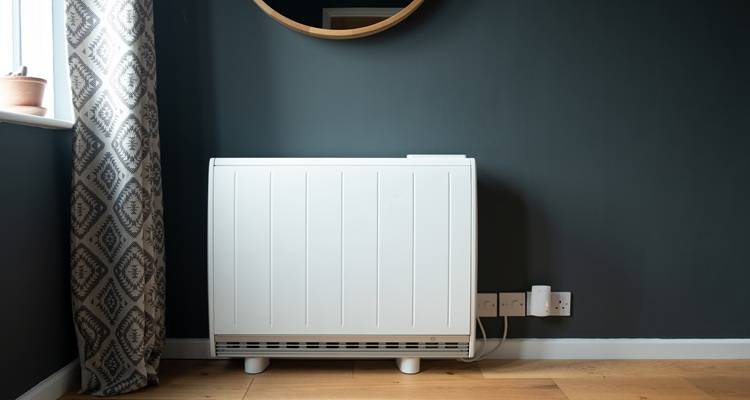
- Electric Radiators — Ideal where pipework is unavailable.
- Underfloor Heating — Modern and energy efficient, but more expensive to install.
The best radiator for your home will depend on the heat output required, the space available, and your budget. Cast-iron radiators are a popular choice for period properties and retain heat well, while steel models are lighter, usually cheaper, and heat up more quickly.
Hiring Contractors Checklist for Cast-Iron Radiators
We understand that finding a local heating engineer or plumber when it comes to installing a cast-iron radiator can be difficult. As such, we've created a handy checklist that you can follow to find the best professional for the job.
- Are they suitably qualified? A competent plumber or heating engineer can fit a cast-iron radiator. If the work needs to be certified under the Building Regulations, make sure the installer belongs to an authorised competent person scheme. Gas Safe registration is only needed if the job involves work on the gas boiler or gas supply.
- Are they insured to carry out the installation? Although not legally required, most reputable workmen in any trade will at least have public liability insurance. It's worth asking in the event of accidental damage or a personal injury claim.
- Do they have experience fitting cast-iron radiators? Check your chosen tradesman has the right experience for the job, especially given cast-iron radiators are often much heavier than regular systems.
- Can they provide references or examples of previous work? Ask to see a portfolio of recent work, speak with previous customers, or review their MyJobQuote profile to gain a clear idea of their workmanship.
- Do they have positive reviews or client testimonials? Check online reviews and feedback from previous customers on MyJobQuote to gain an idea of their professionalism, reliability, and quality of work.
- Is the quote clear, itemised, and all-inclusive? A detailed written quote not only helps you understand exactly what is included, but it allows you to compare quotes and avoids unexpected costs at a later date.
- Will they dispose of old radiators and flush the system? Many installers will automatically remove old radiators and flush the system as part of the process, although this should be agreed in writing ahead of the work.
- Do they offer a guarantee or warranty on parts and labour? A reputable installer should provide a warranty covering materials and a written guarantee for their work.
- Have you obtained multiple quotes? Always request at least 3 quotes from different contractors so you can compare pricing and understand what they anticipate the work to involve for the overall cost.
Removing Cast-Iron Radiators: Considerations and Costs
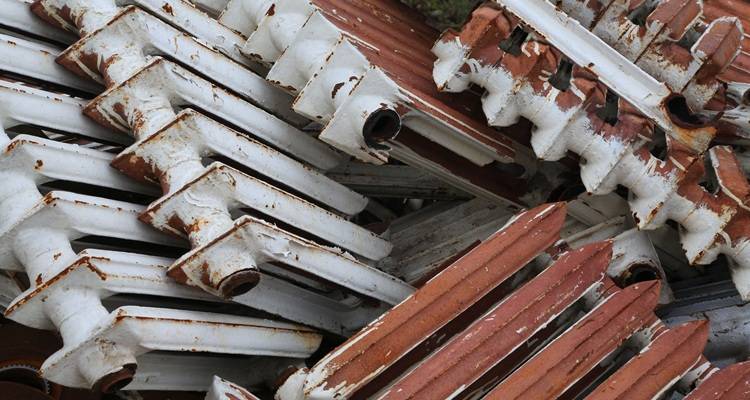
Removing an old or damaged cast-iron radiator involves several steps and is typically not a DIY job. You should also use a professional service for this. The process for removing these types of radiators includes:
- Draining down the heating system.
- Carefully removing the radiator without damaging the walls or flooring.
- Lifting and carrying heavy units (often over 80 to 100kg).
- Disposing of or recycling the radiator.
- Replacing with a new model or modern alternative.
- The average cost will typically range from £100 to £250, depending on size and the complexity of the overall job.
FAQs
Are Cast-Iron Radiators More Expensive to Run?
No, a correctly sized cast-iron radiator should cost about the same to run as an equivalent steel radiator. Running costs depend more on your heating system and water temperature than the material the radiator is made from. Cast iron takes longer to heat up, but it also stays warm for longer once the heating is turned off.
Can Cast-Iron Radiators Be Used with Modern Heating Systems?
Yes, they can be used with modern hot water systems. However, you should always use a qualified engineer for the job to avoid running into problems.
What Are the Benefits of Cast Iron over Steel Radiators?
Cast-iron radiators retain heat over longer periods of time, are highly durable, and look appealing. On the other hand, steel radiators are cheaper but will cool down at a faster rate.
Do Cast-Iron Radiators Require More Maintenance?
Cast-iron radiators don't require much maintenance, but your heating system needs the correct level of corrosion inhibitor to prevent sludge building up inside them. Inhibitor should be added again after the system is drained and refilled, and its level should be checked during the annual boiler service.