Builders
 Carpenters
 Electricians
 Flooring Specialists
 Gardeners
 Handymen
 Heating Engineers
 Painters & Decorators
 Plasterers & Renderers
 Plumbers
 Roofers
 Tilers
 my
myuPVC House Cladding Cost
At a glance
- The average uPVC cladding cost is £1,500.
- Most cladding jobs take 2 to 3 days to complete.
- uPVC cladding costs by type, location, and materials.
- How long the job takes and what's typically involved.
- How to find a local installer to fit exterior uPVC cladding using MyJobQuote.
Get free estimates
Are you a trade? Get more work today!
£1,500
Table of Contents
- How Much Does uPVC Cladding Cost?
- Labour Cost to Install uPVC Cladding & Timescales
- Supply Cost of uPVC Cladding
- Factors That Impact uPVC House Cladding Costs
- What's Involved in Installing uPVC Cladding?
- Planning Permission for uPVC House Cladding
- Building Regulations for uPVC Cladding
- What Are the Benefits of uPVC Cladding?
- Types of uPVC Cladding
- Alternatives to uPVC Cladding
- Cost of Removing uPVC Cladding
- Checklist: Hiring a uPVC Cladding Installer
- FAQs
How Much Does uPVC Cladding Cost?
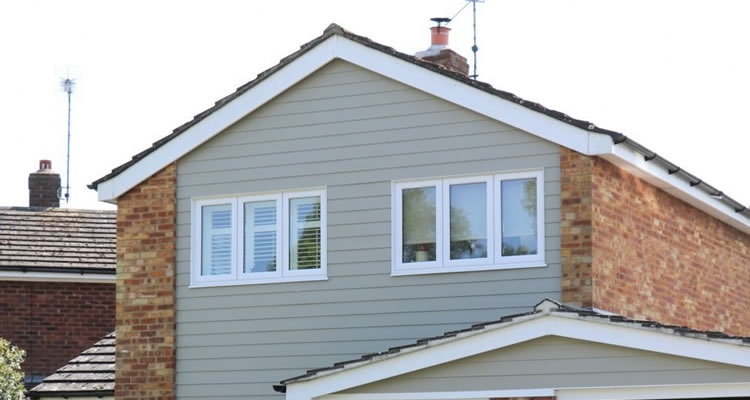
The average cost to have uPVC cladding fitted is £1,500. This is based on the average installation being one side of a two-storey home, and the cladding chosen to be white in either shiplap or Open V.
Typically, the uPVC cladding cost per m² is £29 to £56, with white Open V at the lower end and shiplap or woodgrain finishes costing more.
uPVC cladding costs are roughly three times higher if you decide to go for rosewood-coloured cladding, although generally speaking uPVC is a cheaper option than timber. The same area in rosewood costs on average £5,000. This style of plastic cladding has the appearance of natural wood, so the supply costs are significantly higher for the materials.
The style of the boards also impacts the uPVC cladding cost, as shiplap boards are more expensive to use, given that they are smaller in size and need to be purchased in larger quantities.
The area you choose to get clad and the number of storeys will also have a big impact on the final cost. This is because it is harder to work at height and also because you will need to consider scaffolding hire. For example, a single side of a bungalow costs on average £800.
What type of uPVC house cladding are you installing?
White Shiplap Cladding
8 votes - 31%31% of votes
White Open V Cladding
6 votes - 23%23% of votes
Rosewood Shiplap Cladding
10 votes - 38%38% of votes
Rosewood Open V Cladding
2 votes - 8%8% of votes

26 votes
See results
Hide results
Scaffolding is another factor you will need to consider, as if you require scaffolding, the hire can cost on average £4,000. This will be on top of the labour and material costs for the cladding installation.
Are you ready for a quote?
We have a range of builders ready to offer you a free quote!
Wondering how much exterior PVC cladding costs?
We've created this in-depth guide, which includes all you need to know about uPVC external cladding costs and the processes that the job involves.
Is corrugated steel a good option for cladding in terms of creating a durable and contemporary extension?
"Durability is good, aesthetically a bit too commercial for domestic applications"
uPVC Cladding Prices
The total cost for installing uPVC cladding will vary based on a few factors. The following tables should give you a good indication of the costs to expect for different situations.
All of these prices include the cost to remove old cladding, disposal of the waste as well as all labour and material costs.
These prices are all based on the cost for each type of cladding to be fitted to the gable end of a standard two-storey home.
| Type of uPVC Cladding | Average Cost |
|---|---|
| White Shiplap Cladding | £1,250–£1,750 |
| White Open V Cladding | £1,200–£1,500 |
| Rosewood Shiplap Cladding | £4,300–£5,800 |
| Rosewood Open V Cladding | £4,200–£5,000 |
Want a custom price?
Post your job
uPVC Cladding Prices by Location
These costs are based on using White Shiplap Cladding.
| Area | Average Cost |
|---|---|
| Gable end of a two-storey house | £1,250–£1,750 |
| 3 sides of a semi-detached house | £3,150–£4,400 |
| 4 sides of a detached house | £4,000–£5,600 |
| Gable end of a bungalow | £750–£1,050 |
| 3 sides of a bungalow | £1,900–£2,650 |
| 4 sides of a bungalow | £2,400–£3,350 |
Want a custom price?
Post your job
Labour Cost to Install uPVC Cladding & Timescales
The labour cost to install uPVC cladding is typically £150 to £200 per day. The length of time the job will take is mostly dependent on the size of your home and how many walls are being clad. A reasonable estimate for the time taken is around 2 to 3 days per side of a two-storey house.
This assumes that your cladding installer will work as part of a two-person team. For a bungalow, one person should be able to complete the work with no problem.
| uPVC Cladding Installation | Typical Figure |
|---|---|
| Labour rate (per installer, per day) | £150–£200 |
| Time to install (per side, two-storey house) | 2 to 3 days |
| Team size | 2 installers (1 for a bungalow) |
Want a custom price?
Post your job
These costs and timescale include the removal of any previous cladding, replacing the old cladding with new uPVC boards, and disposing of any waste created in the process.
Supply Cost of uPVC Cladding
When you are calculating the cost of materials for fitting external uPVC cladding you need to consider not only the cladding but the trim as well. The following table gives you the costs of the materials you will need and the price difference based on type and colour.
| Item | White/Standard | Oak | Rosewood |
|---|---|---|---|
| Shiplap Cladding (5m) | £8–£12 | £32–£37 | £35–£40 |
| Open V Cladding (5m) | £8–£12 | £13–£15 | £20–£25 |
| Angle Trim (5m) | £15–£20 | £20–£25 | £40–£45 |
| Butt Joint | £1–£2 | £1–£2 | £1.50–£2.50 |
| Edge Trim (5m) | £14–£16 | £20–£25 | £25–£30 |
| Joint Trim (5m) | £8–£9 | £10–£15 | £15–£20 |
| Drip Trim (5m) | £8–£9 | £8–£9 | £20–£25 |
| Cladding Pins, per 250 | £7–£8 | - | - |
Want a custom price?
Post your job
Factors That Impact uPVC House Cladding Costs
When you are getting uPVC cladding installed on your home, there are a few factors that will affect the final cost.
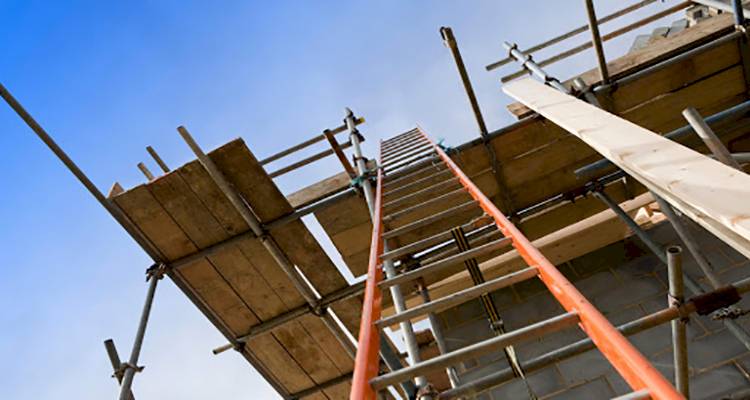
- Scaffolding Hire — Scaffolding hire can make a huge difference in the cost of this job. Some companies may be able to provide their own scaffolding, which is often cheaper. However, you should always talk to tradespeople about the scaffolding costs before you hire them, and consider factoring scaffolding hire costs into your budget.
- Prep Work Required — Before installing uPVC cladding, the surface will need to be clean and level. It is also worth checking whether any underlying issues might need attention in the coming years.
- Area to Be Clad — The larger the area, the higher the uPVC cladding cost. This is not only for material costs but labour costs as well. The biggest factor is how many storeys are involved, as this will have an impact on the scaffolding costs.
- Type of Cladding — The style and colour of the cladding you choose can affect the uPVC cladding cost. Shiplap is more expensive, and Open V is the cheaper option. The standard colour is white, and anything different will increase the cost. Fake timber patterns are often the most expensive option.
- Location — Where you live will have an impact on your uPVC cladding cost. The highest costs will be found in London and the South East. The lowest costs for installing uPVC cladding are in the North West of the UK.
What's Involved in Installing uPVC Cladding?
Installing uPVC cladding is a fairly straightforward process and fairly similar to the way that timber cladding is installed.
However, as it often involves scaffolding and working at height, it isn't a job usually recommended as a DIY project unless you already have the right experience.
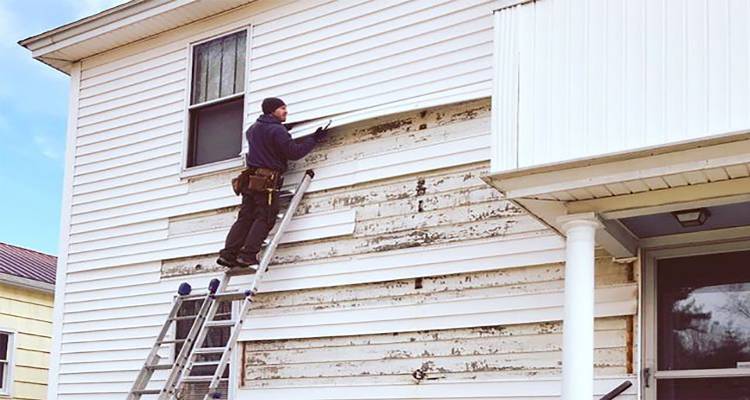
At MyJobQuote we can help you find suitable tradesmen and builders that are specialised in this area and able to provide examples of their work. It is recommended to request upfront quotes, which you can do without any obligations.
Before the Job Starts
- Preparing the Wall — The wall should be ready and clear for the battens to be fitted and accurate measurements taken to help ensure a smooth installation.
- Planning the Layout — Decide whether added insulation is needed. This determines if a second set of horizontal battens is required to create an air gap for insulation.
During the Job
- Fitting the Battens — Treated wooden battens are attached vertically to the external wall. If insulation is added, a second set of battens is fitted horizontally to create the air gap.
- Installing the Cladding Panels — Cladding panels are then attached to the battens with screws or specialised clips. Installation should start from the bottom up, with each piece trimmed to the correct size and shape.
- Adding the Trim — Once the cladding is in place, trim is fitted to seal joints and create a clean finish. Trim usually snaps into place.
After the Job
- Final Checks — Check the cladding to ensure everything is secure and the trim is correctly fitted.
- Completion — Once everything is signed off, ask your tradesmen to provide you with a warranty.
As with all projects, however, there are things that can go wrong if the job isn't carried out properly.
Examples include:
- Lack of expansion gaps for thermal expansion.
- Using the wrong size of fixings or putting them in the wrong place.
- Installing over a rough or damaged surface.
- Lack of airflow causing moisture build-up.
- Carrying out the job in high temperatures.
Professionals who work with uPVC cladding regularly will generally avoid these issues, but it's important to understand exactly what's involved if you want to install this type of house cladding yourself.
Should uPVC cladding be fixed onto battens?
"Good to fix the cladding onto battens, but make sure the tongue is facing up so water can run over the boards and not behind them."
Planning Permission for uPVC House Cladding
For most homes, planning permission is not required for fitting external uPVC cladding. However, there are a few cases where you will need it. They are as follows:
- Listed buildings, where you'll need listed building consent rather than planning permission.
- Homes in Conservation Areas or National Parks.
- Homes in Areas of Outstanding Natural Beauty and the Broads.
- If the cladding will drastically change the appearance of the house.
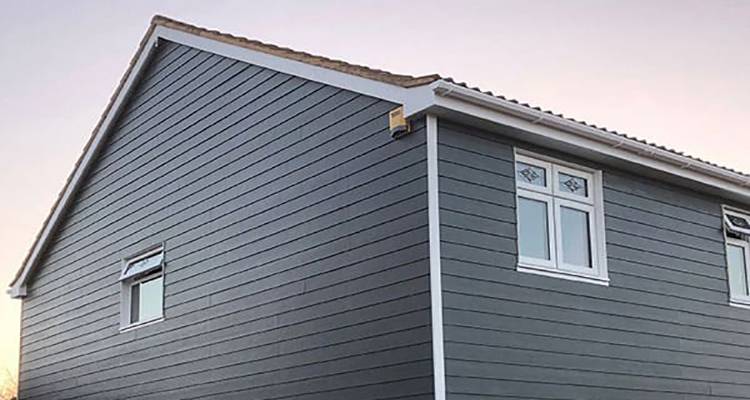
If your home is outside a conservation area, National Park, Area of Outstanding Natural Beauty or the Broads, replacing existing cladding with something similar in appearance is covered by permitted development.
If the cladding you choose is very different from what you had before, as well as other homes in the area, then you may need to seek planning permission. Within those areas, however, you need planning permission, regardless of what the new cladding looks like.
If you have any doubts, it is a good idea to consult your local planning office before you undertake any work. It is best to check rather than be forced to undo the work at a later date.
Building Regulations for uPVC Cladding
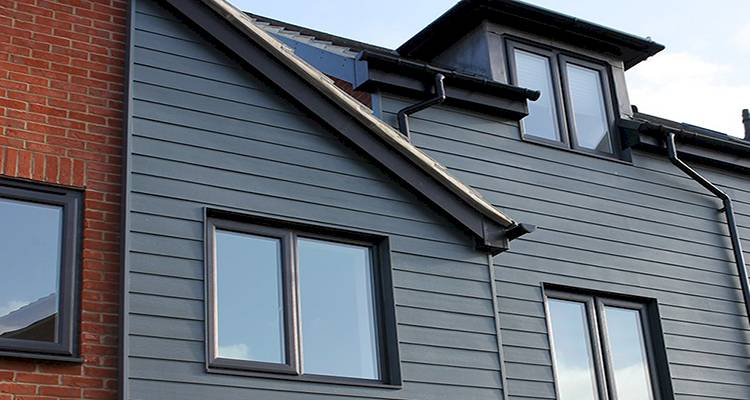
Building regulations cover thermal insulation, and uPVC exterior cladding can be subject to them.
You are most likely to be affected if:
- You are re-cladding more than 50% of a single wall's surface, or the work is part of a renovation covering more than 25% of the entire exterior of the home.
- The thermal insulation in your home is very low.
- Your home is especially old and draughty.
With the right insulation fitted behind the boards, most modern walls can meet the required U-value of 0.30 W/m²K. However, if your walls are particularly bad, you may need to install cavity wall insulation at the same time, which will increase the overall cost.
Most tradespeople will deal with building control on your behalf, though it is worth checking upfront. Your local authority's building control department, or a private registered building control approver, can inspect the work for a fee, while listed buildings and conservation areas are handled separately by your local planning authority.
Ask a Trade
Got a question that only a tradesperson can answer? We have thousands of trades ready to answer any question you may have.
Ask your question

What Are the Benefits of uPVC Cladding?
There are various types of house cladding available in the UK, but uPVC cladding is one of the most popular options.
Here are a few of the reasons why:
- Weather Resistance — uPVC exterior cladding is not only fully resistant to rain and frost, but it also has good UV protection for handling sunlight.
- Low Maintenance — Compared to other home cladding options, uPVC requires little maintenance and only requires occasional pressure washing. uPVC also withstands the effects of everyday dirt, algae and moss, limiting their build-up in comparison to wooden cladding.
- Cost-Effective — As well as lower upfront costs in comparison to other popular choices, uPVC cladding offers low ongoing costs because it requires little maintenance. There are also various price points for external uPVC cladding for most budgets.
- Variety — There are plenty of variations available when you're looking for the right uPVC cladding. A variety of colours and effects means that uPVC cladding can mimic the effect of woodgrain, for example, without the associated cost, and can be used across various styles of home.
- Straightforward to Install — Thanks to its simple design, uPVC cladding is comparatively easy to install, reducing the labour cost of cladding a house.
Types of uPVC Cladding
Once you know that you want uPVC cladding, your next decision is about the type of cladding you choose. There are two options to choose from. The difference is due to the shape of the boards.
Shiplap Costs
Shiplap cladding is a form of tongue and groove cladding. The outward-facing side of the board has a slight curve to it that helps to speed the runoff of water. The average cost of uPVC shiplap cladding is £56 per m² and it can last up to 40 years or more depending on the quality, UV exposure and providing it is well-maintained. Overlapping joints can potentially cause an issue. However, this is often resolved based on the design functionality.
Pros
- ✔ Longer lifespan
- ✔ Has a traditional aesthetic
- ✔ Durable and rigid
- ✔ Overlap helps to drain water from the surface quickly
Cons
- ✖ More expensive option.
- ✖ Dirt can become trapped in the overlapping joints.
- ✖ Can be tricky to install in tight spaces due to thicker gauge.
Open V Costs
Open V cladding is shaped to give a unique, open V-shaped appearance. It is quick and easy to install. It is usually made in thinner sizes. The average cost is £29 per m².
Pros
- ✔ Cheaper option
- ✔ Easy to install
- ✔ Lighter, so more suited for DIY
- ✔ Easier to clean
- ✔ Has a modern aesthetic
Cons
- ✖ Shorter lifespan
- ✖ Potentially less water-resistant
- ✖ Can look cheap and flimsy
Alternatives to uPVC Cladding
If you want to get cladding on your home, then uPVC is not the only cladding choice. There is a wide range of options to consider.
Render
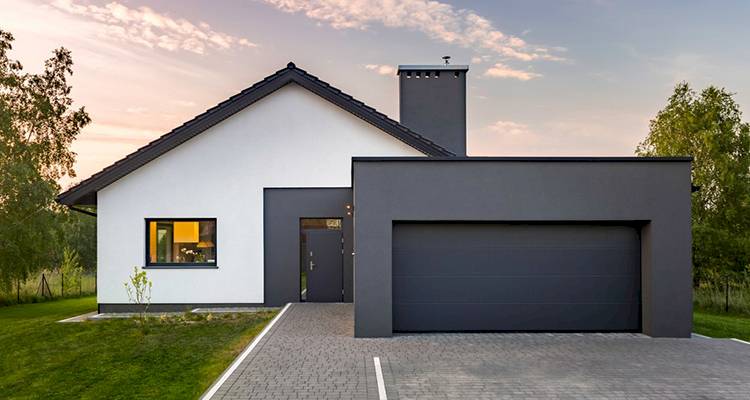
Render is applied in layers to the external wall of your home. It comes in different types and colours so you can get a range of different finishes. The average render cost is £40/m², which includes labour costs.
Pros
- ✔ Cheaper option
- ✔ Provides thermal insulation
Cons
- ✖ Requires maintenance
- ✖ Less breathable
Timber Cladding Costs
Timber cladding gives your home a very distinctive look. The wood can be applied in different patterns to create very different appearances. The average cost is £12 to £42/m² for softwood and £40 to £45/m² for hardwoods and treated timber.
Pros
- ✔ Lots of options to choose from.
Cons
- ✖ More durable options are much more expensive
- ✖ Requires maintenance
Painting House Exterior Cost
Painting the exterior of your home can be another way to provide protection from the elements. The average cost of exterior painting is £850.
Pros
- ✔ Cheap option
- ✔ Many colour options
Cons
- ✖ Needs redoing every 10 years.
- ✖ Offers limited protection from the elements, and no added insulation.
Pebble Dash Costs
Pebble dash is a technique that starts with a layer of lime and cement render. Then a layer of aggregate or stone is laid into the render to create a decorative and textured finish. The average cost is £60/m².
Pros
- ✔ Can cover up flaws in the construction of a building.
- ✔ Wide range of materials to choose from.
Cons
- ✖ Can grow mould if not cleaned carefully.
- ✖ Can't patch pebble dash if part of it is damaged.
Fibre Cement Costs
Fibre cement is made in pre-finished boards. These are then hung from the walls of your home to create a seamless and uniform finish. They are low maintenance and last a long time. The average cost is £31/m².
Pros
- ✔ Range of colours and designs to choose from.
- ✔ Low maintenance and high lifespan.
Cons
- ✖ Higher installation costs.
- ✖ Can be harder to get hold of.
Metal Cladding Costs
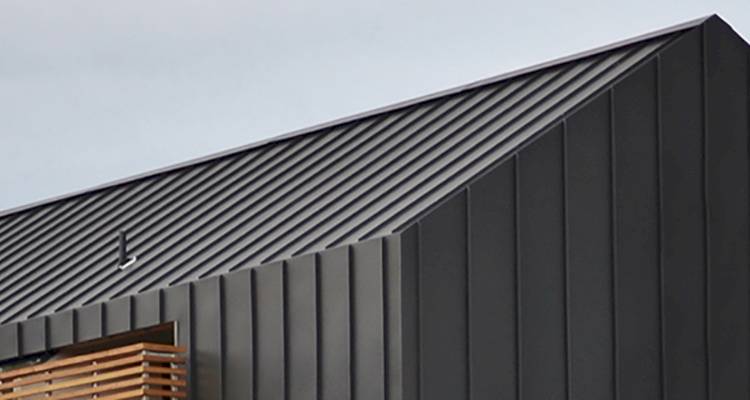
You have four choices of metal cladding material. These are steel, aluminium, zinc, and copper. All of these can come pre-treated and powder-coated to give you good protection from the elements and a consistent finish. The cost of this cladding fluctuates a lot and will depend on the metal you choose. Prices start from £35/m².
Pros
- ✔ Low maintenance
- ✔ Distinctive appearance
Cons
- ✖ Easily dented
- ✖ Noisy in the rain
Cost of Removing uPVC Cladding
If you have cladding on your home already, it is important that it is removed before the installation of new cladding. Some disreputable installers will fit new boards over the old ones. This is called capping, and it should be avoided. Cladding that is installed in this manner does not last.
If you intend to replace the old uPVC cladding with new cladding, then the builder you hire will include this in the cost that they quote you. It is not a challenging job, and the cladding from one side of a house can be removed in around ½ a day. The labour costs for this will usually be around £100 to £150.
Cladding Disposal
You will also need to consider how you intend to dispose of the old uPVC cladding.
Many companies will take away your old cladding when they fit the new panels. This is because it can be recycled to make new panels again.
If you are not getting new panels, you can take DIY waste to your local tip for free in England, as long as it's under 100 litres or a single item measuring up to 2000mm by 750mm by 700mm, with no more than 4 visits in 4 weeks.
There are different waste disposal rules in Wales, Scotland, and Northern Ireland. You can usually find out more about your local waste disposal rules by visiting your local county's website.
Cladding Repairs
If you are removing the cladding and not replacing it, you may need to factor in some money to complete repairs to the exterior of your building. It is not uncommon for minor damage to be done to the outside of your home when the cladding is removed. If there will be no new cladding fitted to protect the wall, it will need to be repaired.
Before you remove existing cladding, you should be prepared to spend money to fix the walls underneath. You have no idea what may lie underneath until you have taken the old boards off.
Checklist: Hiring a uPVC Cladding Installer
There are not many tradespeople who specialise exclusively in fitting uPVC cladding, so you will have to look carefully to find someone you feel comfortable hiring. Here are some things to look for to help you choose the right person for the job.
- Do they have the right experience? If so, they should have clad a house previously, ideally with uPVC cladding in particular. Ask about the last time they carried out a similar job and request to see examples of their work.
- Are they a member of any trade associations? Although these accreditations aren't legally required or a guarantee of quality workmanship, they can, however, provide you with some protection in the case of a dispute.
- Do they have public liability insurance? Again, not a legal obligation, although any reputable company or individual should at least be insured against unexpected damages or personal injury in the event of an accident.
- Have you requested more than one quote? It's not always the first choice or most reasonably priced that you should choose. That's why we recommend requesting at least three quotes via MyJobQuote so you can compare costs. Ensure your quote has been broken down by costs, without any hidden charges.
- What is their reputation like? It doesn't take long to find out about a tradesperson's reputation, for example, you can check their MyJobQuote profile or look at reviews and feedback on other jobs. Alternatively, ask friends and family for any recommendations.
- Will they deal with building control on your behalf? As well as providing a warranty for their work, check that they will liaise with your local building control body and get you a completion certificate once the work is approved.
FAQs
Can You Paint uPVC Cladding?
You can paint uPVC cladding, but it isn't designed for it and doing so could void your warranty. If you do still want it painted, this is possible providing you have specialist uPVC paint, and the best option is to apply it using a paint gun. However, as uPVC is low-maintenance and available in a wide selection of colours, there's little need to paint it.
Is uPVC Cladding Bad for the Environment?
uPVC cladding is not especially bad for the environment, despite being a plastic product made from crude oil. However, unlike treated timber, for example, uPVC is completely recyclable. It is highly probable that any uPVC cladding you buy will have been made from recycled uPVC windows, doorframes or cladding. The high level of recyclability of uPVC coupled with its long life means that it is actually quite a good choice in terms of its environmental impact.
What Is the Standard Size of uPVC Cladding?
The standard length that you will buy uPVC cladding in is 5m. The height of the boards will vary and largely depends on the style of boards you pick. Sizes range from 100mm to 150mm.
How Long Does uPVC Cladding Last?
uPVC cladding is designed to be durable, typically lasting 25 to 40 years depending on quality, installation, and exposure to the elements. Although it is generally a low-maintenance option, regular cleaning and inspections can help extend its lifespan.
Will uPVC Cladding Have an Impact on Energy Efficiency?
uPVC cladding can have a small impact on energy efficiency, mainly when it is fitted with an insulating layer behind it, though the effect is often negligible. You can also combine uPVC cladding with other materials to make your property more energy efficient in general.
Can I Install uPVC Cladding Myself?
Technically, yes. uPVC cladding can be installed by someone confident in DIY as it doesn't require any specialist tools. However, to ensure the job is completed successfully, especially when scaffolding or working at height is required, the cost of installing uPVC cladding professionally is worth it.
Is It Cheaper to Clad or Render a House?
Either can be cheaper, depending on the type of uPVC cladding you pick. At around £40/m², rendering costs less than premium shiplap uPVC (about £56/m²) but more than budget Open V uPVC (about £29/m²). So a basic uPVC cladding job tends to undercut render, while a shiplap or woodgrain finish usually costs a little more.