Builders
 Carpenters
 Electricians
 Flooring Specialists
 Gardeners
 Handymen
 Heating Engineers
 Painters & Decorators
 Plasterers & Renderers
 Plumbers
 Roofers
 Tilers
 my
myRoof Insulation Cost
At a Glance
- The average cost of roof insulation is about £450 (supply and labour).
- It typically takes around 1 to 2 days to complete this type of job.
- How much different types of roof insulation cost in 2026, with a breakdown of what you can expect to pay per square metre for different materials.
- How long insulating a roof takes, and an overview of what's involved.
- How to find a local roof insulation installer using MyJobQuote.
Get free estimates
Are you a trade? Get more work today!
Looking into how much roof insulation costs?
In 2026, the average cost of roof insulation is between £400 and £600.
However, the prices you're quoted by an installer will depend on various factors, including the type of roof you have, the material you want to use, and how much is required.
In this guide, we cover everything you need to know so that you can calculate how much roof insulation costs to get professionally fitted in 2026.
This guide covers roof-level insulation specifically, fitted at the rafters or directly beneath the roof covering. If you're looking to insulate the floor of your loft instead, see our loft insulation cost guide.
This includes costs for all the different types of roof insulation, such as spray foam insulation, warm roof insulation, fibreglass roof insulation, and pitched roof insulation.
Ready to get a quote?
Get free, no-obligation quotes from roof insulation installers near you. MyJobQuote is fast, easy, and connects you with local professionals who can handle this type of job from start to finish.
Want to find out more before you start getting quotes?
For all roof insulation cost details, check out the article below!
£450
Table of Contents
- How Much Is Roof Insulation?
- Cost of Installing Roof Insulation (Labour Only)
- Warm Roof vs Cold Roof Insulation
- Roof Insulation Options
- Is Replacing Roof Insulation More Expensive Than a New Installation?
- Building Regulations & Planning Permission for Roof Insulation
- What's Involved with Installing Roof Insulation?
- Checklist: Hiring a Roof Insulation Installer
- FAQs
Roof Insulation Cost Calculator
How Much Is Roof Insulation?
In 2026, the average cost of professional roof insulation in the UK is between £400 and £600. However, the exact price you're quoted will depend on several factors:
- Type of Roof — Are you looking to install roof insulation on a pitched or flat roof?
- Material — There are a number of options here, including fibreglass, mineral wool, PIR boards, or spray foam. Material costs and how long the job takes will vary depending on what's the best material option in your circumstances.
- Size and Shape — Larger areas and awkward spaces mean that more materials are required and the job takes longer, which means you'll get charged more for labour.
- Location — Labour costs tend to be lower in North England, Wales, and Scotland.
In the UK, most homes have a pitched roof. A roof with a slope greater than 10 degrees is generally classed as pitched, while one with a slope of 10 degrees or less is classed as flat.
For pitched roofs, insulation is fitted at roof level, either between the rafters (warm roof) or above the rafters under the roof covering. This is different to loft-floor insulation, which sits between the ceiling joists below.
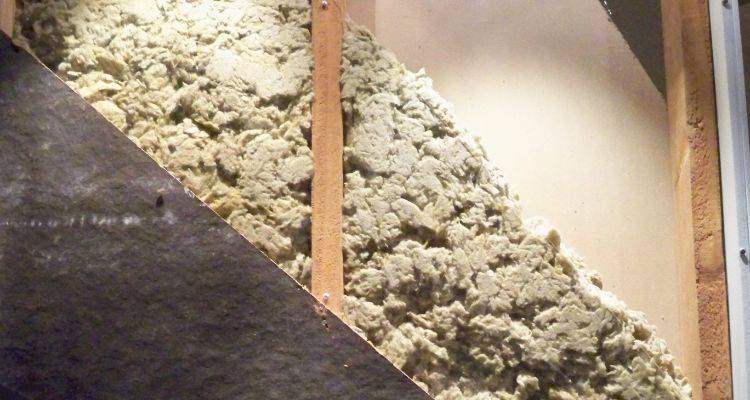
There are also many kinds of different materials that can be used to insulate the roof of a property sufficiently. Some of the most common types of roof insulation include fibreglass, mineral wool, insulation boards or panels, and natural fibres such as sheep's wool.
Both the quality and kind of insulation material you use will determine how much the job will cost. When hiring a professional tradesperson to carry out the task of insulating your roof, you will likely need to consider that they will charge either an hourly or daily charge, thus affecting the total cost of your project.
What's the best type of roof insulation boards to use? Is thicker always better?
"The thicker the insulation, the better it works to reduce heat flow from the inside of a home to the outside during winter, and from outside to inside during summer."
Roof Insulation Prices
As we previously mentioned, many cost-affecting factors will determine how much installing roof insulation is going to cost. To make things easier for you, we have included a few examples below to see how the varying factors will alter the charge.
Please note that all of the prices included in the table below are estimates and should be used as a guide for demonstrative purposes only. Gaining a quote from a professional tradesperson will give you the most accurate price for your project.
| Type of Insulation | Type of Roof | Area Covered | Installation Time | Cost |
|---|---|---|---|---|
| Fibreglass Insulation | Pitched Roof | 20m² | 1 Day or Less | £380–£420 |
| Mineral Wool Rolls | Pitched Roof | 20m² | 1 to 2 Days | £400–£480 |
| Spray Insulation | Pitched Roof | 20m² | 1 Day or Less | £700–£900 |
| Warm Deck Insulation Boards | Flat Roof | 20m² | 1 to 2 Days | £600–£700 |
Want a custom price?
Post your job
Roof Insulation Cost per m²
If you want to estimate costs based on the size of your roof, here's what to expect per square metre, including both materials and labour:
| Type of Insulation | Materials Cost (per m²) | Labour Cost (per m²) | Total Cost (per m²) |
|---|---|---|---|
| Fibreglass or Mineral Wool | £4–£9 | £10–£15 | £14–£24 |
| PIR Boards (Warm Deck) | £15–£40 | £10–£20 | £25–£60 |
| Spray Foam | £20–£30 | £15–£25 | £35–£55 |
Want a custom price?
Post your job
Labour rates per square metre tend to be higher for smaller jobs, as installers still need to cover setup and access time regardless of roof size. Larger roofs typically see a lower per-m² labour cost.
What is your main reason for installing roof insulation?
Reducing energy bills
17 votes - 57%57% of votes
Improving home comfort
8 votes - 27%27% of votes
Increasing property value
3 votes - 10%10% of votes
Eco-friendliness
2 votes - 7%7% of votes

30 votes
See results
Hide results
Cost of Installing Roof Insulation (Labour Only)
Labour will usually cost £150 to £200 per day, per tradesperson, and typically accounts for around 40% to 50% of the total cost of roof insulation.
The installation costs of roof insulation typically cover the labour, setup, and basic waste removal, though it is always worth confirming this when requesting quotes. In most cases, materials are supplied and fitted by the installer as part of the overall cost.
The total labour cost will depend on how long the job takes, based on the type of roof insulation you choose and the size of your roof.
For example:
- Fibreglass or spray foam on a pitched roof can often be completed in a day or less, putting your labour costs at around £150 to £200.
- Mineral wool rolls or warm deck board installation may take up to 2 days, bringing labour costs to around £300 to £400.
Job duration typically ranges from 1 to 2 days, depending on roof size and the insulation method used. Larger or more complex roofs, such as those with multiple sections or steep pitches, may take longer.
| Type of Insulation | Type of Roof | Area Covered | Installation Time |
|---|---|---|---|
| Fibreglass Insulation | Pitched Roof | 20m² | 1 Day or Less |
| Mineral Wool Rolls | Pitched Roof | 20m² | 1 to 2 Days |
| Spray Foam | Pitched Roof | 20m² | 1 Day or Less |
| Warm Deck Insulation Boards (PIR) | Flat Roof | 20m² | 1 to 2 Days |
Want a custom price?
Post your job
Warm Roof vs Cold Roof Insulation
There are two main approaches to insulating a pitched roof, and the right one depends on how you plan to use the space above.
| Method | Where It's Fitted | Best For |
|---|---|---|
| Warm Roof | Between or above the rafters, below the roof covering | Loft conversions, habitable roof spaces, reducing ice damming |
| Cold Roof | Above the ceiling joists, below the roof space | Unused lofts, standard insulation upgrades |
Key points to consider for each method:
- Warm Roof — Keeps the entire roof space warm, including any loft area above the insulation. Requires more material and is typically the costlier option, but suits roofs being converted into living space.
- Cold Roof — Keeps the roof space itself cold while insulating the rooms below. It's the more affordable and common method for roofs that aren't being used as living space.
If you're planning major structural work at the same time, see our roof installation guide for methods and costs.
Ask a Trade
Got a question that only a tradesperson can answer? We have thousands of trades ready to answer any question you may have.
Ask your question

Roof Insulation Options
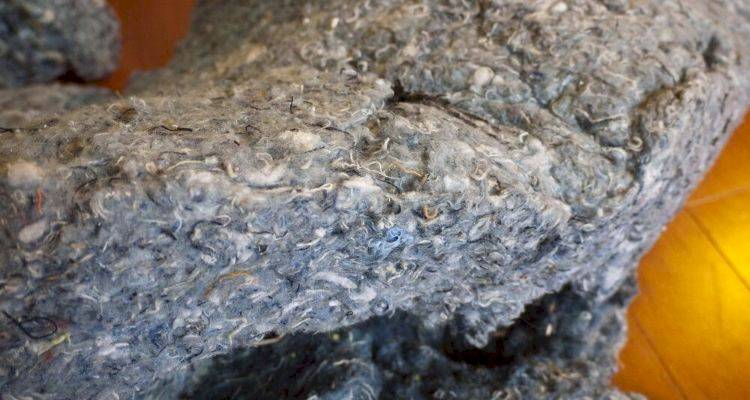
As we briefly covered earlier, there are many different methods of roof insulation and materials that can be used to achieve effective results. Insulating the roof of your property is proven to be one of the most efficient ways of saving energy and reducing household running costs.
Insulating a previously uninsulated loft can save around £210 to £390 a year on energy bills, depending on the home. If your loft already has insulation, adding another layer won't save you as much.
Roughly 25% of heat is emitted through the roofs of uninsulated properties, so choosing the right method of insulation is essential.
How quickly insulation pays for itself depends on how much is already fitted and whether you insulate the loft floor or the roof itself. Correctly installed loft insulation can last around 40 years.
If you wish to know what the supply-only costs per square metre are, have a look at the table below for prices of the insulation without the cost of labour:
| Type of Insulation | Cost Per Square Metre |
|---|---|
| Fibreglass Insulation | £4–£6 |
| Mineral Wool Rolls | £5–£9 |
| Spray Foam | £20–£30 |
| Warm Deck Insulation Boards (PIR) | £15–£40 |
Want a custom price?
Post your job
How much does increasing insulation thickness raise a room’s temperature? Does it work like that, or is it more complex?
"There is a little bit more involved. There are a few different materials on the market, and it also depends on the location of the room and the construction type, as well as the heating/cooling system and windows/doors. As we all know, heat rises and will escape from any place it can."
Fibreglass Wool Insulation Cost
Fibreglass wool is one of the most common materials used to insulate a loft. Thin strands of glass are heated and spun to create a thick fibre that, as the name suggests, resembles wool.
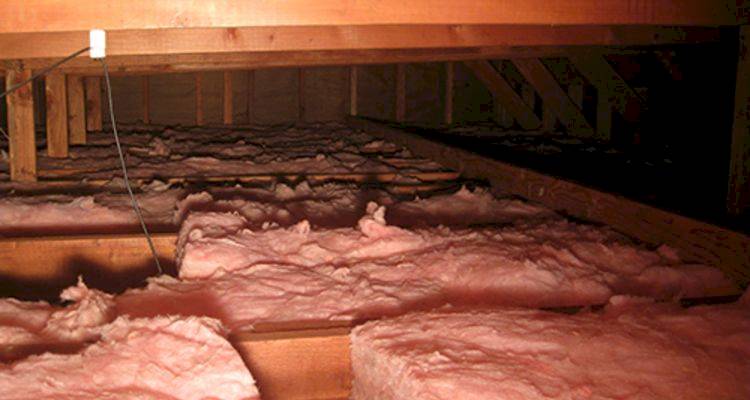
Fibreglass wool is usually laid between and over the ceiling joists to create a cold roof, with ventilation maintained in the loft to help prevent condensation. It's less common on warm roof builds, where rigid boards are typically preferred.
This excellent insulator is a great budget choice and can be purchased in long rolls, making it a cost-effective solution. On average, fibreglass wool insulation costs around £25 per square metre.
Here is what you can expect to pay for materials depending on your house size:
| House Type | Area | Materials Cost |
|---|---|---|
| Terraced | 40m² | £160–£240 |
| Semi-Detached | 55m² | £220–£330 |
| Detached | 90m² | £360–£540 |
Want a custom price?
Post your job
Mineral Wool Insulation Cost
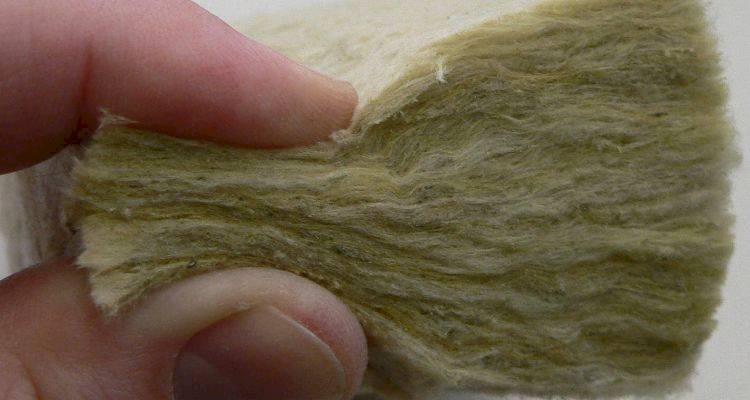
Similar to fibreglass wool is mineral wool insulation. In this case, rocks such as dolomite are heated and spun repeatedly to create a dense, wool-like fibre.
Like fibreglass, mineral wool is usually laid between and over the ceiling joists in a cold roof. The loft must remain ventilated to help prevent condensation.
Like fibreglass, rock or mineral wool insulation can be purchased in large mats or rolls and is another budget-friendly option, costing around £20 to £25 per square metre.
Material costs will vary depending on the size of your roof:
| House Type | Area | Materials Cost |
|---|---|---|
| Terraced | 40m² | £200–£360 |
| Semi-Detached | 55m² | £275–£495 |
| Detached | 90m² | £450–£810 |
Want a custom price?
Post your job
PIR Boards (Warm Deck) Cost
PIR insulation boards are widely used in warm deck systems, especially for flat roof replacement projects. They offer strong thermal performance with less thickness compared to rolls, but are generally more expensive. Expect to pay around £15 to £40 per m² (supply only), or higher once fitted.
Here is how material costs break down across different house sizes:
| House Type | Area | Materials Cost |
|---|---|---|
| Terraced | 40m² | £600–£1,600 |
| Semi-Detached | 55m² | £825–£2,200 |
| Detached | 90m² | £1,350–£3,600 |
Want a custom price?
Post your job
Flat Roof Insulation Cost
Flat roofs are insulated differently to pitched roofs, using either a warm deck or cold deck method. Warm deck insulation is fitted above the roof deck and below the waterproof membrane, which is the most common and effective approach for UK flat roofs. Cold deck insulation is fitted between the roof joists below the deck, but is less common today due to a higher risk of condensation.
Flat roof insulation typically costs £30 to £35 per square metre installed, using PIR boards in a warm deck system. Where a full flat roof replacement is needed alongside insulation, costs can rise to £50 to £100 per square metre.
| Flat Roof Size | Typical Cost (Warm Deck) |
|---|---|
| 10m² (e.g. small extension or garage) | £300–£350 |
| 20m² (e.g. single-storey extension) | £600–£700 |
| 40m² (e.g. larger flat-roofed extension) | £1,200–£1,400 |
Want a custom price?
Post your job
Sheep Wool and Polyester Insulation Cost
Sheep wool and polyester are eco-friendly alternatives, generally fitted in the same way as fibreglass or mineral wool. Sheep wool costs around £50 to £60 per square metre, while polyester is more affordable at around £35 per square metre. Both are pleasant to handle and pose less of a skin or respiratory irritation risk than glass-based materials.
Spray Foam Insulation Cost
Some installers recommend spray foam for roof insulation, but the Energy Saving Trust warns that applying foam that traps moisture beneath an old, poorly maintained roof is one of the highest-risk options. Thanks to the material's fantastic resistance to heat flow, spray expanding foam is a very effective insulator.
Due to the spray application, the expanding foam will achieve a better air-tight seal in smaller cavities, reducing heat loss.
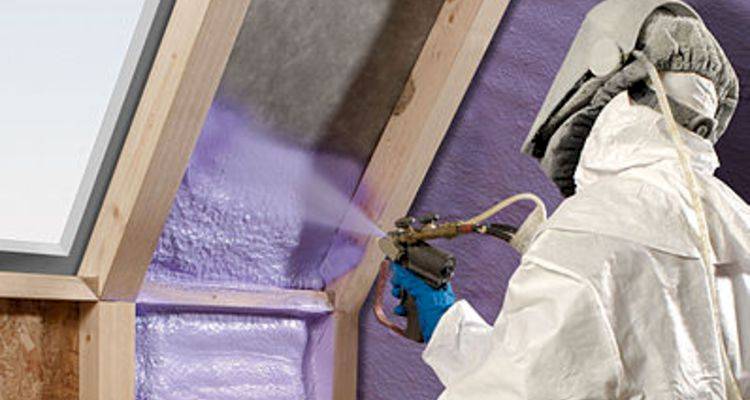
For most homes with an unused loft, the Energy Saving Trust recommends mineral wool laid at loft-floor level as the cheapest, easiest, and most efficient option. Spray foam insulation costs, on average, around £35 to £40 per square metre.
Material costs for spray foam will depend on the size of your roof:
| House Type | Area | Materials Cost |
|---|---|---|
| Terraced | 40m² | £800–£1,200 |
| Semi-Detached | 55m² | £1,100–£1,650 |
| Detached | 90m² | £1,800–£2,700 |
Want a custom price?
Post your job
The Property Care Association cites research suggesting that around a quarter of the UK's biggest mortgage lenders will not lend on homes with spray foam installed. Many others assess applications individually and may ask for installation documents. You should get advice from a qualified installer and check with your lender before proceeding.
Is Replacing Roof Insulation More Expensive Than a New Installation?
Replacing existing roof insulation usually costs more than fitting insulation for the first time. This is mainly because of the added labour and disposal costs involved in removing the old material before new insulation can go in.
As a guide, removing and disposing of old roof insulation typically adds £250 to £400 on top of standard installation costs. If the existing insulation is spray foam, spray foam insulation removal is more involved and averages £40 per square metre.
If your existing insulation is dry, undamaged, and simply below the recommended thickness, topping it up may be a cheaper option than full replacement. A qualified installer can assess whether your current insulation is suitable to build on.
Building Regulations & Planning Permission for Roof Insulation
Building Regulations
In England and Wales, insulating more than half of a roof over heated rooms counts as roof renovation. The whole roof must then meet Building Regulations Part L insulation standards where practical, while Part C requirements help prevent condensation, including maintaining ventilation in a cold roof.
Adding loft-floor insulation as the only job does not normally need a building regulations application. Scotland and Northern Ireland have separate systems, so check with your council whether approval or a building warrant is needed.
Planning Permission
In England, roof insulation will not usually need planning permission if it does not change the outside appearance of the property. Insulation fitted above the rafters must project no more than 150mm beyond the existing roof slope and must not increase the overall roof height to stay within permitted development limits.
Listed building consent may also be required for roof changes to a listed home, while additional restrictions can apply in conservation areas. If you are unsure, check with your local council's planning or building control team before starting.
What's Involved with Installing Roof Insulation?
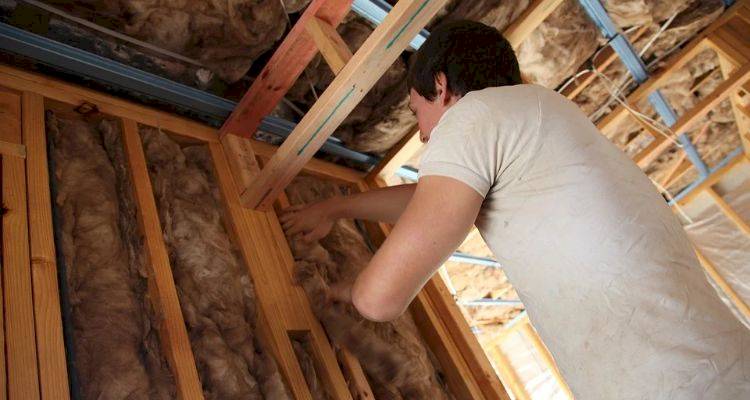
Installing roof insulation might sound simple, but it's not usually a DIY-friendly job. Working in confined spaces, handling bulky materials, and ensuring the correct fit all require experience.
For best results, most homeowners hire a qualified insulation installer rather than attempting it themselves.
It's also recommended to get multiple quotes before going ahead. With MyJobQuote, you can get quotes from roof insulation installers near you. It's fast, free, and there's no obligation to go ahead.
Here's what to expect from the process:
Before the Job Starts
- Initial Assessment — The installer will measure your roof and check for any failed insulation. They'll also look for signs of damp or condensation that need to be resolved before work begins.
- Discussing Options — You'll go through different materials such as fibreglass rolls, PIR boards, or spray foam. The installer will explain how each affects cost and performance.
- Preparation — The roof space must be clear and accessible. Old insulation may need to be removed, and in some cases a removals team will prepare the space before installation.
During the Job
- Fitting the Insulation — The new insulation is installed according to your chosen method. Smaller jobs can take a few hours, while more complex roofs may take 1 to 2 days.
- Warm Roof Method — Insulation is fitted between or above the rafters, below the roof covering, keeping the entire roof space warm.
- Cold Roof Method — Insulation is fitted above the ceiling joists, below the roof space, which keeps the rooms below warm while the roof space itself stays cold.
After the Job
- Final Checks — The installer will ensure everything is fitted correctly and that there are no gaps or issues that could reduce performance.
Checklist: Hiring a Roof Insulation Installer
Here are some of the things you should consider when hiring a tradesperson to install your roof insulation:
- Are they a member of the National Insulation Association (NIA)? The NIA is the main trade body for insulation installers in the UK. Membership shows they meet industry standards and follow a professional code of conduct.
- Are they TrustMark registered? Roof insulation installers that are registered with this government-endorsed scheme are vetted for quality work, trading practices, and customer service.
- Do they hold PAS 2030 certification? This is required for installers carrying out insulation work under government-funded schemes such as the Energy Company Obligation (ECO4).
- Do they have insurance? Public liability insurance protects you if something goes wrong during the installation.
- Will they provide an itemised quote? Ask for a full breakdown of costs so you know exactly what's included and whether there are any additional fees.
- Is waste removal included? Confirm that the disposal of any old insulation material or packaging is included in the total cost quoted.
- Are they experienced with your type of roof insulation? There are several methods and materials used for roof insulation. Make sure the installer has specific experience with the type of insulation you're having fitted.
- Do they have examples of similar work? Ask to see photos of previous roof insulation jobs or check their MyJobQuote profile for examples of completed installations.
- Do they have positive reviews? Check their MyJobQuote profile to read feedback from previous customers.
FAQs
What Does Roof Insulation Do?
Roof insulation works by limiting and reducing the amount of heat loss through the roof of your property. This will ultimately result in a warmer home and lower energy use.
Does Roof Insulation Affect Ventilation?
Yes. Insulation reduces air movement, so correct ventilation and vapour control are essential to prevent condensation and damp. Professional installers ensure ventilation is maintained.
What Is the Best Insulation for a Roof?
The best option depends on your roof type and budget. PIR boards offer strong thermal performance in less thickness, making them popular for flat roofs and tight spaces. Mineral wool is a cost-effective choice for pitched roofs with standard rafter depths. Spray foam suits irregular roof shapes but carries mortgage-related risks, covered in the spray foam section above.
Can I Get Funding for Roof Insulation?
The Great British Insulation Scheme has closed, but ECO4 runs until 31 December 2026 and can fund loft and roof-level insulation for eligible homes in England, Scotland, and Wales. Ask your energy supplier whether your home and proposed work qualify.
Other routes include the Warm Homes: Local Grant through councils in England, Home Energy Scotland grants and loans, and the Nest scheme in Wales. In Northern Ireland, loft insulation grants are available through the Northern Ireland Sustainable Energy Programme, subject to eligibility.
How Do I Know if My Roof Insulation Needs Replacing?
Two of the most recognisable signs that your roof insulation may need replacing are high energy bills and irregular property temperatures. If you are concerned that your insulation needs replacing, consider seeking the advice of an experienced roof insulation installer.
How Long Does Roof Insulation Last?
Well-fitted loft insulation can last around 40 years. Performance may decline if the insulation gets damp, compressed, or damaged.
How Thick Should Roof Insulation Be?
Thickness varies by material and target U-value. PIR boards need less thickness than mineral wool to achieve similar performance. Your installer will specify thickness for your roof type.
Can I Install Roof Insulation Myself?
You may be able to fit loft-floor insulation yourself if the loft is easy to access and free of damp, but insulation at the sloping roof or on a flat roof needs professional installation. Also, working at roof level often involves confined spaces and awkward angles, and mistakes can lead to costly damage or ventilation problems if ignored.
Some insulation materials can also cause skin irritation and respiratory problems if not handled correctly. For the best results, we always advise hiring a professional.