Builders
 Carpenters
 Electricians
 Flooring Specialists
 Gardeners
 Handymen
 Heating Engineers
 Painters & Decorators
 Plasterers & Renderers
 Plumbers
 Roofers
 Tilers
 my
myRear Dormer Loft Conversion Cost
At a Glance
- The average cost of a rear dormer loft conversion is £45,000.
- Most jobs take 6 to 12 weeks to complete.
- A cost breakdown for rear dormer loft conversions by size and finish.
- What impacts the cost you'll be quoted in 2026.
- How to find and hire a loft conversion specialist using MyJobQuote.
Get free estimates
Are you a trade? Get more work today!
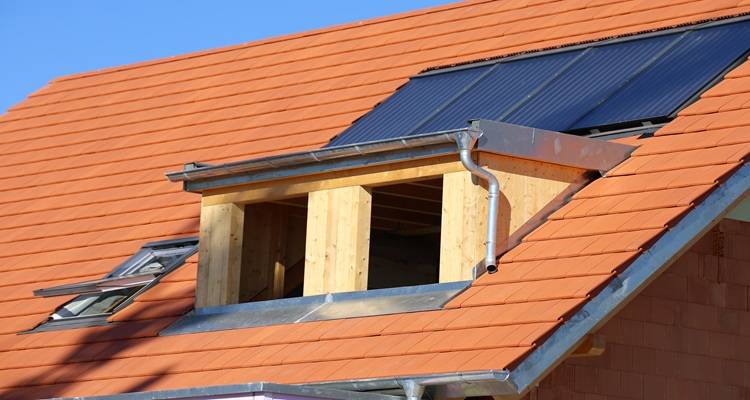
A rear dormer loft conversion is a box-like extension added to the back of a roof to create more head height and usable floor space.
This type of loft conversion is a popular choice for homeowners who want to turn an unused loft into an extra bedroom, home office, or family bathroom.
£45,000
Table of Contents
- How Much Does a Rear Dormer Cost?
- How Much Does a Rear Dormer Loft Conversion Cost in Labour?
- How Much Does a Rear Dormer Cost? (Supply Only)
- Additional Costs of Building a Rear Dormer Loft Conversion
- Factors That Impact Rear Dormer Loft Conversion Costs
- Building Regulations for a Rear Dormer Loft Conversion
- Cost of Different Types of Rear Dormer Loft Conversion
- Cost of Alternative Types of Loft Conversion
- Checklist: Hiring Contractors for a Rear Dormer Loft Conversion in the UK
- FAQs
How Much Does a Rear Dormer Cost?
A rear dormer loft conversion is built onto the back slope of the roof to increase headroom and create extra habitable space. It's one of the most popular loft conversion types, offering a good balance between cost and the extra space it creates.
Which type of rear dormer are you considering?
Flat roof rear dormer
0 votes - 0%0% of votes
Pitched roof rear dormer
0 votes - 0%0% of votes
Full-width rear dormer
1 votes - 50%50% of votes
Gable dormer
1 votes - 50%50% of votes

2 votes
See results
Hide results
The average cost of a rear dormer loft conversion is between £30,000 and £65,000. A rear dormer costs more than a simple rooflight conversion, but less than a hip-to-gable, L-shaped dormer, or mansard loft conversion. Prices are generally higher in London than in the rest of the UK.
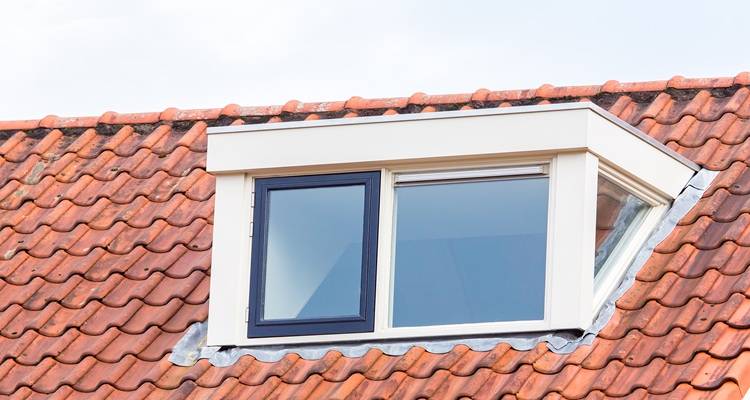
Rear Dormer Loft Conversion Prices
| Rear Dormer Size | Price Range |
|---|---|
| Small rear dormer | £30,000–£45,000 |
| Medium rear dormer | £40,000–£60,000 |
| Large rear dormer | £50,000–£65,000 |
Prices also vary depending on the level of finish. A shell-only conversion covers the structural build only, while a fully finished conversion includes the internal fit-out and costs more.
| Type of Rear Dormer Conversion | Price Range |
|---|---|
| Shell only | £30,000–£45,000 |
| Fully finished | £45,000–£65,000 |
| With en-suite | £40,000–£55,000 |
Want a custom price?
Post your job
Most rear dormer conversions include stripping back the roof section, fitting steel beams and new floor joists, constructing the dormer, and fitting insulation, a staircase and windows. Costs also usually cover plasterboarding, plastering, electrics, and second-fix carpentry.
How Much Does a Rear Dormer Loft Conversion Cost in Labour?
Labour makes up the largest part of a rear dormer's cost, since several different tradespeople are usually needed to complete the work.
Labour typically accounts for around 50% to 60% of the total cost of a rear dormer loft conversion. For a typical £45,000 project, that works out at roughly £22,500 to £27,000 spent on labour, with the rest covering materials, professional fees and other additional costs.
| Trade | Day Rate |
|---|---|
| Carpenter | £240–£360 |
| Roofer | £280–£360 |
| Plasterer | £150–£250 |
| Bricklayer | £240–£320 |
| Electrician | £300–£500 |
| Snagman | £180–£230 |
Want a custom price?
Post your job
You may also need the following trades, depending on your project:
- Plumber: £320 to £480 per day.
- Tiler: £200 to £350 per day.
- Decorator: £250 to £350 per day.
Most loft conversion specialists arrange scaffolding through a local scaffolding company, so this is usually included in your overall quote. Labour costs in London and the South East are typically 15% to 25% higher than the rest of the UK.
Timescales for Building Rear Dormers
A rear dormer loft conversion usually takes 8 to 12 weeks from start to finish. A shell-only build takes around 6 to 8 weeks, while a fully finished conversion with internal fit-out usually takes 10 to 12 weeks.
The following can affect how long the job takes:
- Dormer size: the bigger the dormer, the longer it takes to build.
- Roof complexity: alterations to a truss roof take longer than a standard cut roof.
- Site access: difficult access for vehicles or machinery slows deliveries and increases manual labour.
- Weather conditions: high winds and storms can delay work, especially before the roof is weathertight.
- En-suite: adding a bathroom increases the overall timescale.
How Much Does a Rear Dormer Cost? (Supply Only)
The supply costs for a rear dormer loft conversion depend on the size of the dormer and the type of materials chosen for the exterior of the build. These costs rest on whether the project is a shell-only job or finished to a fully habitable standard.
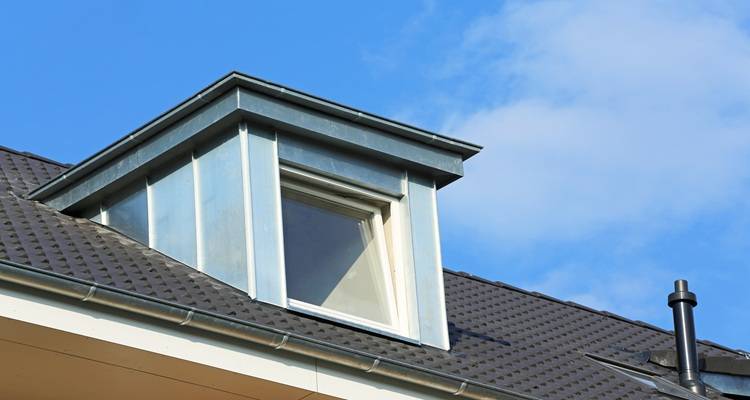
Below are the costs for the type of materials used in the construction of a rear dormer conversion.
Timber
A key component for the build, timber used in a loft conversion needs to be structural grade, typically C24-rated softwood. It's used for the floor joists, rafters, purlins, and ridge beams. Costs vary depending on the dimensions of the timber but range from £9 to £23 per linear metre.
Structural Steel
The size of the steel varies according to the specifications for the build, but costs typically range from £50 to £240 per linear metre.
Roofing Materials
A rear dormer has a flat roof and is typically covered using EPDM rubber, torch-on felt, or glass reinforced plastic (GRP), also known as fibreglass roofing.
EPDM costs around £10 to £15 per square metre and is a highly durable membrane with a 50-year lifespan. GRP is approximately £35 to £45 per square metre, providing a seamless, rigid covering.
Traditional torch-on felt uses multiple layers to create a waterproof, seamless covering for your dormer roof. Underlay costs £45 to £65 per 16m roll with mineral cap sheets or top layer priced at about £45 to £75 per 8m roll.
Insulation
The type of insulation used in a rear dormer conversion influences how much it costs. Rigid PIR board is typically fitted in ceilings, walls, and floors and costs £15 to £60 depending on thickness and brand. Mineral wool insulation costs between £5 and £20 per square metre.
Plasterboard
Standard 12.5mm plasterboard is used for loft conversions, and a 2400mm x 1200mm or 8' x 4' sheet costs from £10 to £14. Buying in bulk will lower the price.
Dormer Cladding
Dormer cladding protects the walls or 'cheeks' of the dormer, as well as providing a decorative finish and improving insulation. The choice of material dictates how much you'll pay.
Common materials used are timber such as larch, slate, tiles, zinc, or composite. Prices range from £35 to £100 per square metre for composite and between £100 and £150 per square metre for zinc.
Windows
Window prices vary according to the size, profile, and frame material. Rooflight windows, commonly known by the brand Velux, cost from £350 to £750 and are available as top hung or centre pivot.
Dormer windows are available in uPVC, timber, aluminium, or hardwood, and prices range from £800 up to £5,000. If a Juliet balcony is installed, French windows will cost around £500 to £2,500, depending on frame material.
Staircase Materials
Stairs for rear dormer loft conversions can be made from softwood, hardwood, or metal, with prices varying accordingly. Softwood is the most common and costs £600 to £1,500 on average.
Hardwood stairs can cost as much as £3,000. Bespoke or industrial style stairs may add several thousand to your budget.
Flooring
The choice of the finished flooring material impacts your budget, with homeowners choosing from engineered wooden floors, carpet, vinyl, or laminate. Prices range from £25 to £75 per square metre for carpet to £40 to £100 per square metre for engineered wooden flooring.
Sub-floor materials like moisture-resistant chipboard cost £10 to £20 per 2400mm x 600mm sheet.
Electrics
Supply-only costs for 1st and 2nd fix electrics in a rear dormer loft conversion are approximately £1,000 to £1,200. However, the choice of 2nd fix fittings can significantly increase this cost if high-end or luxury items are chosen.
Plumbing Materials (Where Relevant)
Where an en-suite bathroom is included in a loft conversion, the overall cost rises. Sanitary ware, pipework, tiles, and heaters cost from £1,000 to £2,500 depending on quality and brand.
Internal Finishes
The level of finish internally is a major contributor to the overall cost of a rear dormer loft conversion. Whether you go standard or premium will be reflected in how much you pay to fit out your new loft.
Additional Costs of Building a Rear Dormer Loft Conversion
Beyond the main build cost, there are extra expenses to budget for when planning a rear dormer loft conversion.
- Architectural drawings: £2,500 to £7,500. Covers the site plan, floor plans, sections, and elevations needed for planning approval and construction.
- Structural calculations: £750 to £2,000. A structural engineer calculates the steel beams and supports needed for the build.
- Planning application fee: £548. This is the standard 2026 fee and can be checked via the Planning Portal.
- Building control charges: £800 to £1,500. Covers inspections at key stages of the build to check compliance with Building Regulations.
- Party wall surveyor fees: £900 to £2,500. Needed if your neighbour doesn't respond to a party wall notice for a terraced or semi-detached home.
- Staircase installation: £1,500 to £3,000. Covers breaking through from the loft, reinforcing joists, and fitting the staircase.
- Scaffolding: £1,800 to £3,000. Costs are around 20% to 30% higher in London. Most loft specialists arrange scaffolding as part of your overall quote.
- Skip hire: £200 to £350 per week. Most rear dormer projects go through 2 to 3 skips. Add £30 to £70 for a permit if the skip needs to go on a public road.
- Roof strengthening: £5,000 to £11,000. Covers steel, new timbers, and any alterations the structural engineer's calculations require.
- Remedial roof work: £1,200 to £3,000. Covers strengthening (sistering) existing rafters before the dormer is built.
- Floor strengthening: £1 to £10 per metre. Existing ceiling joists need reinforcing with C16 or C24 structural-grade timber to support the new floor above.
- Moving pipework or tanks: £200 to £350. Older properties may need cold water tanks moved out of the loft space. Many homeowners use this stage to upgrade to a combi boiler too.
- Electrical upgrades: £1,000 to £3,500. May also require replacing the consumer unit, at around £500.
- En-suite plumbing: £2,000 to £5,000. Not including the cost of the sanitary ware itself.
- Decorating: around £150 per m². Covers painting and decorating for all walls, ceilings, and woodwork.
Removing or Correcting an Existing Dormer
An existing rear dormer may need corrective work or removal if it's old, non-compliant, or in poor condition. Common reasons include:
- Leaking — extensive water damage can mean the roof needs to be stripped back and replaced.
- Poor insulation — upgrading insulation usually means removing plasterboard and floorboards to access the walls, floors, and ceilings.
- Structural issues — a structurally unsound dormer may need to be rebuilt if it can't be safely strengthened.
- Unauthorised builds — a dormer built without planning permission, or over the permitted development allowance, may need to be altered or removed. Since April 2024, dormers in continuous use for 10 years or more may not need to be removed.
Factors That Impact Rear Dormer Loft Conversion Costs
The following are the main cost factors for a rear dormer conversion. Understanding these costs allows you to better compare the quotes you receive and lets you make an informed decision.
Property Size
Potentially the most obvious cost factor is the size of the property. A large detached home will accommodate a bigger rear dormer, while a terraced house is more restricted. More materials and labour are clearly needed for a large dormer build and for fitting out internally.
Existing Roof Structure
Most properties have a traditional cut roof, but some homes have truss roofs, which complicate a loft conversion. A lot more work is needed as the trusses have to be replaced with an A-frame for structural support. The extra work and materials add to the overall price.
Dormer Size
There are various sizes of rear dormers, including full-width dormers, L-shape dormers, and small box dormers, often only big enough for a single window.
Under permitted development rights, terraced homes are restricted to adding 40 cubic metres of new space. Detached and semi-detached properties have a 50 cubic metre allowance. This can also determine the size of the dormer.
Amount of Structural Alteration
The majority of structural alteration for a rear dormer involves the necessary installation of new joists and steel beams to support the increased load. Truss roofs require more extensive work to make a loft conversion feasible, adding to the cost.
Steelwork Requirement
The length and size of the steel beam required are determined by the structural engineer, and this varies from one job to another. Three steels are typical, with two supporting the floor and one supporting the ridge. The dimensions of each steel will impact the cost.
Staircase Design
The most common staircase design for a standard rear dormer is softwood winder stairs. Depending on the layout, a straight staircase may be possible. More complex or bespoke designs will increase your costs.
Number and Type of Windows
The number and type of windows in your dormer conversion will impact the price you pay.
It's not just increasing the number of windows that pushes costs up, but the labour and materials involved in creating more apertures and fitting the windows.
Frame choice is the biggest cost decision with uPVC, timber, aluminium, composite, or steel to choose from. uPVC is the most affordable, with steel or hardwood being the most expensive.
Insulation Levels
Building Regulations stipulate a minimum U-value of 0.15–0.18 W/m²K for insulation, which is typically achieved with 270mm of mineral wool or 150mm of PIR board. Thermal plasterboard is sometimes used to reduce thermal bridging, and this costs up to 4 times as much as standard plasterboard.
A warm roof, where insulation is installed over or between rafters, is recommended for most loft conversions, adding to the insulation costs.
Whether an En-suite Is Included
Including an en-suite in your loft conversion typically adds between 10% and 15% to the budget. The final choice of design and quality of fittings significantly affects how much you pay, with high-end sanitary ware costing much more than standard items.
Interior Finish Standard
The level of finish internally will affect the overall price of the loft conversion project. Choosing from basic, mid-range, or high-end finishes impacts your budget accordingly.
Property Location
Where you live in the UK affects material costs, labour rates and even parking charges. All of these add up. Homeowners in London and the South East are aware of the increased costs they face for improvement projects, which can be 15% to 25% higher than the rest of the country.
Ease of Access
Poor access to the site can have surprisingly expensive repercussions. Deliveries may have to be manually unloaded, skips may have to be smaller than desired, and scaffolders may charge more when erecting or dismantling the scaffold. Trades may have to pay to park elsewhere, and a steel beam delivery can become very expensive.

With all of these cost factors to consider, it's easier to see why not all quotes are the same, and it highlights the importance of comparing them carefully.
Building Regulations for a Rear Dormer Loft Conversion
All loft conversions need Building Regulations approval, with inspections carried out at key stages to check the work meets the required standards.
- Structural safety (Part A) — covers the steel beams and structural elements needed to support the new floor and roof.
- Fire safety (Part B) — covers escape routes, fire doors, escape windows and smoke detectors.
- Stairs (Part K) — covers headroom, pitch and step dimensions for the staircase.
- Insulation (Part L) — requires a minimum U-value of 0.15–0.18 W/m²K.
- Ventilation (Part F) — requires adequate ventilation, such as trickle vents and extractor fans.
- Sound resistance (Part E) — requires at least 100mm of sound insulation between floor joists.
Permitted Development vs Planning Permission
Many rear dormers fall under permitted development (PD) rights, so planning permission isn't always required. Terraced homes can add up to 40 cubic metres of new space, and semi-detached or detached homes are allowed 50 cubic metres, before planning permission is needed.
Homes in conservation areas typically need planning permission for a rear dormer, and a party wall agreement is usually required if the build affects a shared wall with a neighbour.
Cost of Different Types of Rear Dormer Loft Conversion
There are a few different types of rear dormers, all of which create extra headroom and floor space in the loft.
Flat Roof Rear Dormer Cost
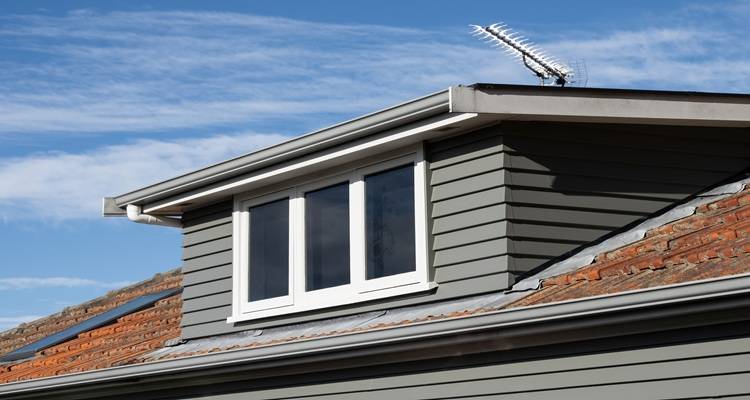
As the name suggests, this type of rear dormer has a flat roof. However, that doesn't mean it's perfectly level. It still needs a slight gradient to allow rain runoff. The (almost) flat roof gives the dormer a box-like appearance with neat lines, allowing it to blend into the house.
As the most popular type of dormer, it is straightforward to build, and prices range from £40,000 to £55,000 on average.
Pitched-Roof Rear Dormer Cost
A pitched roof rear dormer often looks less like an added-on extension and more like an integral part of the original property. By matching the pitch on the dormer with that of the main roof, a more blended appearance is achieved, as well as added head height.
It is a more complex build than a flat roof, but most loft conversion specialists are capable of creating this type of dormer. Prices range from £45,000 to £65,000.
Full-Width Rear Dormer Cost
As the name suggests, a full-width rear dormer uses the whole expanse of the roof rather than being stepped-in as with other dormers. This provides extra floor space as well as increased head height and an abundance of natural light. In some instances, a slight step-in of 300mm is required for planning reasons.
A full-width rear dormer is built in the same way as a standard-width dormer, with adjustments made to support the structure across the entire span of the roof. Costs range from £45,000 to £75,000.
Gable Dormer Cost
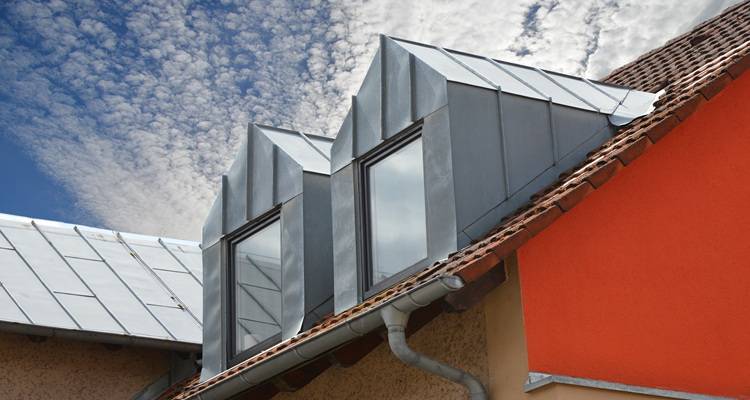
A gable dormer is a small traditional dormer with a mini-pitched roof, sometimes referred to as a doghouse dormer due to its appearance.
These small dormers provide natural light and usable head height where a full dormer isn't possible. Despite their size, a gable dormer is more complex to build than a standard rear dormer, as the joinery is more involved with the pitched roof, valleys, and ridge boards. Costs vary but average around £800 to £1,200 per gable dormer.
Cost of Alternative Types of Loft Conversion
The alternatives to a rear dormer are a rooflight conversion, hip-to-gable, mansard or L-shape dormer, and a full home extension. However, not every option is suitable for every property.
Rooflight Loft Conversions Cost
A rooflight loft conversion is the most affordable option, as there are no significant alterations to the roofline. Average costs are between £15,000 and £30,000, and disruption is minimal.
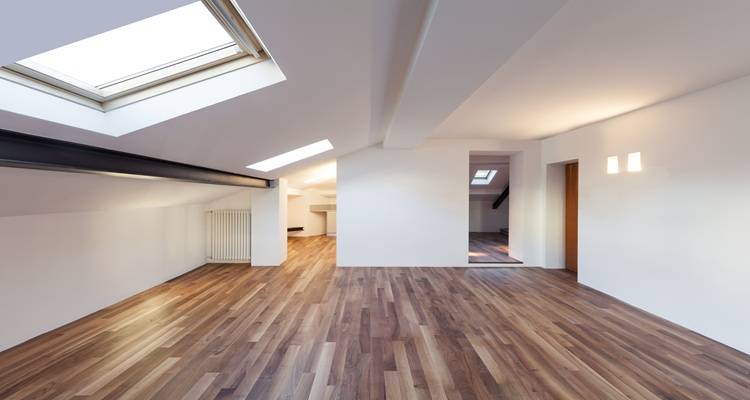
No additional head height is created, so the roof slope needs to be steep enough to make the loft usable as habitable space. A rooflight loft conversion can be done under permitted development, in most cases.
Hip-to-Gable Conversions Cost
A hip-to-gable loft conversion creates significant head height as the side slope of the roof is lifted vertically. Semi-detached and detached homes can create an extra 50 cubic metres of added room under permitted development with this type of conversion.
There's a lot of disruption with a hip-to-gable, as a large part of the roof is removed. Prices range from £45,000 to £60,000.
Mansard Loft Conversions Cost
A mansard loft conversion doesn't work for every property, but with the right house, it can create a vast amount of habitable room.
Costs range from £60,000 to £80,000 or more, especially in London, and mansards almost always need planning permission due to the extent of the structural alterations.
L-Shaped Dormer Conversions Cost
An L-shaped dormer is possible when a property has a rear addition or outrigger. It's formed when a dormer is built onto the rear of the house and another onto the addition, creating enough space for two bedrooms and an en-suite, or a large master bedroom with a walk-in wardrobe. You'll find more on this and other loft conversion styles in our loft conversion cost guide.
Cost is around £50,000 to £90,000, and the build is complex and highly disruptive, with the need to join two dormers together.
Full Home Extensions Cost
A full house extension may comprise a wraparound or multi-storey extension, or a combination of a loft conversion and rear extension. Under permitted development rights, you can add 40 to 50 cubic metres, depending on your property type.
Costs range from £1,800 to £5,000 per square metre, depending on location and level of finish.
Ask a Trade
Got a question that only a tradesperson can answer? We have thousands of trades ready to answer any question you may have.
Ask your question

Checklist: Hiring Contractors for a Rear Dormer Loft Conversion in the UK
Consider these key points before hiring a contractor for a rear dormer loft conversion:
- Do they have dormer loft conversion experience? Loft conversions have their own regulations and requirements, so check the contractor has handled dormer builds specifically, not just general building work.
- Can they show you previous, similar projects? A reputable contractor should be able to refer you to past clients or show photos of completed rear dormers.
- Who handles the drawings and structural calculations? Check whether they work with an in-house team or independent architects and structural engineers.
- Is planning and building control liaison included in the quote? Get this confirmed upfront so you can compare quotes like-for-like.
- Do they have the right insurance? Ask for proof of public liability, employers' liability, and contractor's all-risk insurance.
- Do they offer a structural guarantee? Most loft specialists provide a 10-year structural guarantee, and some offer insurance-backed guarantees too.
Comparing several detailed quotes side by side is the best way to check you're getting a fair price for the work. MyJobQuote can connect you with up to three loft conversion specialists near you, with no obligation to go ahead.
FAQs
Does a Rear Dormer Loft Conversion Need Planning Permission?
Most rear dormers can be built under permitted development. Properties in conservation areas, or those exceeding the 40–50 cubic metre allowance, may need planning permission.
Does a Rear Dormer Loft Conversion Add Value to a Property?
Yes, a rear dormer can add up to 25% to the value of a property. The extra bedroom, and often a bathroom, makes the house appealing to potential buyers.
Which Homes Are Suitable for a Rear Dormer Loft Conversion?
Most properties are suitable, including terraced, end-of-terrace, semi-detached, detached, and bungalows.
Is a Dormer Cheaper Than an Extension?
Yes, in most cases. A rear dormer loft conversion typically costs between £35,000 and £60,000, while a house extension costs £1,800 to £5,000 per square metre, which can work out more expensive depending on size. A dormer also makes use of existing roof space, so it doesn't eat into your garden.