Builders
 Carpenters
 Electricians
 Flooring Specialists
 Gardeners
 Handymen
 Heating Engineers
 Painters & Decorators
 Plasterers & Renderers
 Plumbers
 Roofers
 Tilers
 my
myNew Windows Cost
At a Glance
- The average cost of new windows for a 3 bed house in the UK is around £3,750.
- The job takes between 1 to 2 hours per window.
- A complete cost breakdown for different house sizes and window styles.
- How much window fitting labour costs, how long the job takes, and what's involved.
- How to find and hire a local window fitting specialist.
Get free estimates
Are you a trade? Get more work today!
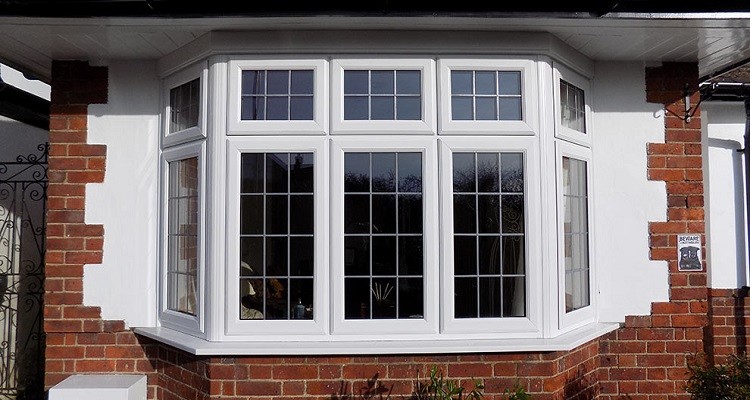
£3,750
Table of Contents
- Cost of New Windows by Frame Material
- New Window Prices by Style
- New Window Costs by House Size
- Glazing Costs: Double vs. Triple vs. Secondary
- Should You Hire a Window Fitter or a Joiner?
- Window Fitting Labour Costs
- Additional Costs When Fitting New Windows
- How Long Does Window Fitting Take?
- Building Regulations and Planning Permission for New Window Installations
- Key Factors When Choosing New Windows
- Can You Install New Windows Yourself?
- Checklist: Hiring a Window Installer in the UK
- FAQs
Cost of New Windows by Frame Material
The frame material you choose for your window frames is the biggest factor influencing the total cost (and therefore your window prices and overall new windows cost), alongside your double glazing specification (and whether you upgrade to triple glazing).
If you're pricing up replacement windows for the whole house, these two choices tend to move the quote the most — and they’re usually the biggest drivers behind the cost of new windows overall.
uPVC casement windows (and most uPVC windows) are the most popular and affordable option, and uPVC windows are typically the quickest for fitters to price and replace like-for-like, while timber window frames (often called wooden windows) are a premium choice (especially for sash windows).
Which material would you like for your new window frames?
uPVC (standard/coloured)
61 votes - 76%76% of votes
Aluminium
4 votes - 5%5% of votes
Timber
10 votes - 13%13% of votes
Composite
5 votes - 6%6% of votes

80 votes
See results
Hide results
The prices in this section reflect typical window prices as a total cost, including materials and professional installation, for standard casement double glazed windows (fitted) — in other words, typical casement windows.
| Frame Material | Small (600 x 900 mm) | Medium (900 x 1200 mm) | Large (1200 x 1200 mm) |
|---|---|---|---|
| White uPVC | £300 - £450 | £450 - £600 | £550 - £700 |
| Coloured uPVC | £330 - £500 | £500 - £660 | £600 - £770 |
| Aluminium | £550 - £750 | £700 - £900 | £800 - £1,100 |
| Timber | £850 - £1,100 | £1,200 - £1,500 | £1,400 - £1,800 |
| Composite | £900 - £1,500 | £1,100 - £1,700 | £1,300 - £1,900 |
Want a custom price?
Post your job
uPVC Window Costs
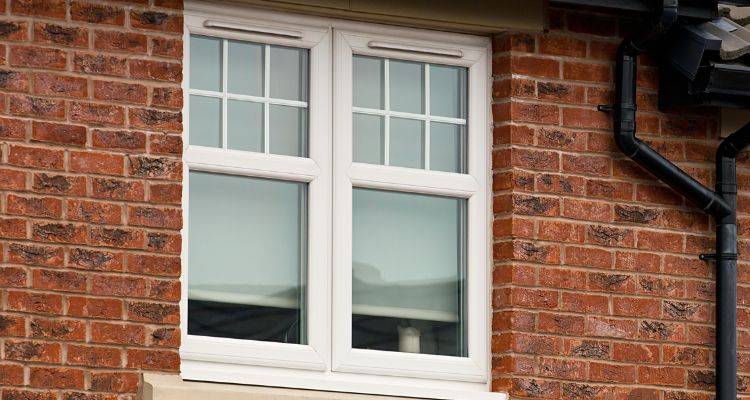
uPVC windows are the most popular and affordable option in the UK.
For most homes, casement windows (including standard uPVC casement windows) in white uPVC sit between £300 and £700, including fitting. uPVC window frames are usually the quickest for installers to swap like-for-like.
Aluminium Window Costs
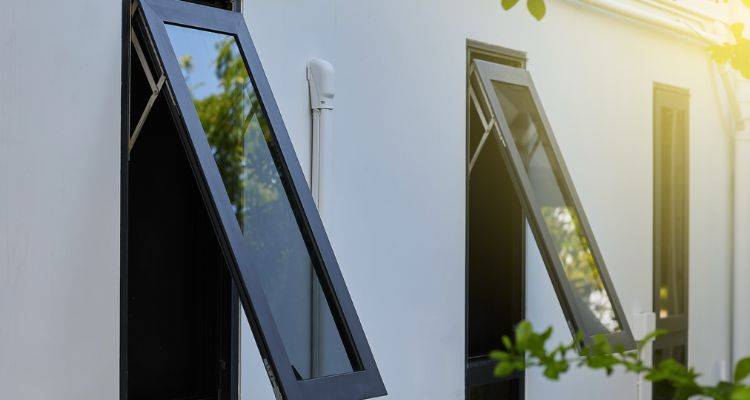
Aluminium windows offer a sleek, contemporary appearance with slim sight-lines and outstanding durability.
If you’re comparing frame types, aluminium windows are a strong mid-to-premium option. Expect to pay around £550 to £1,100 per window, including installation with double glazing. Their inherent strength allows for larger panes and slimmer frames than uPVC, even compared to casement windows.
Aluminium is ideal for modern homes and extensions, and while it costs roughly 25% more than uPVC, it offers excellent longevity with minimal maintenance. This window type suits bigger openings thanks to their strength. Powder-coated finishes are available in a wide range of colours.
Timber Window Costs
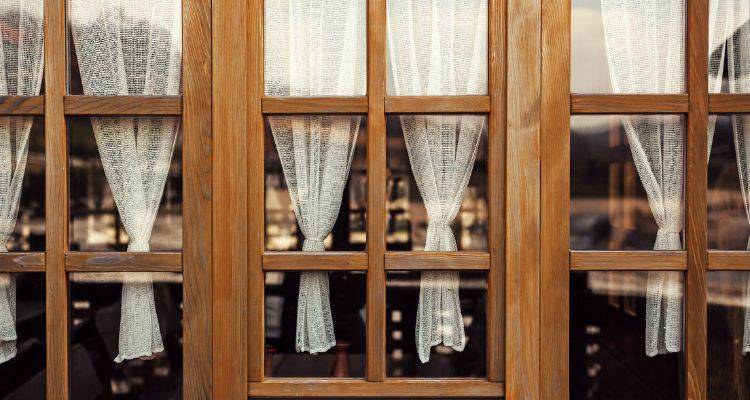
Timber frames (wooden windows) bring a warm, natural look that suits traditional or period properties, and are often chosen for sash windows.
Prices for timber frames typically range from £850 to £1,800 per window, including fitting with double glazing. Softwood options like pine are at the lower end, while hardwoods such as oak can exceed £1,800, and sash windows in timber are usually at the pricier end of the range.
Timber requires more upkeep, including periodic repainting or varnishing, but can last for 40 years or more with proper care. It’s a premium option, but one that adds timeless character — especially if you’re keeping the look of original window frames.
Can I replace my wooden window with another wooden window to save on costs?
"It would be cheaper to replace it with a uPVC window, saving on the cost of the window, and also on future maintenance costs."
Composite Window Costs
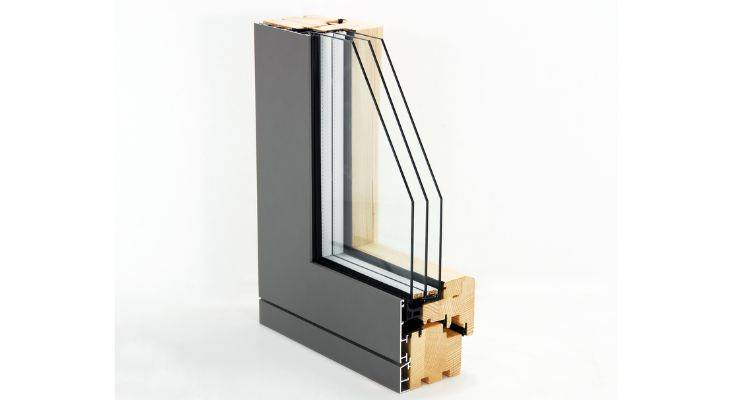
Composite windows combine the benefits of multiple materials, typically featuring a warm timber interior bonded to a strong, weather-resistant aluminium exterior. This hybrid design provides the natural look of wood inside the home with the durability of metal outside.
Prices usually range from £900 to £1,900 per window, including professional installation with double glazing. Although they are the most expensive option, composite frames deliver exceptional longevity, excellent thermal and acoustic insulation, and require virtually no exterior maintenance.
They're a good choice if you're looking for top-tier performance with premium aesthetics.
Sustainability and Environmental Impact
When choosing new windows, you may also want to consider the environmental impact of the materials (and double glazing) as well as the cost, as sustainability choices can influence window prices.
uPVC windows are popular for their low maintenance and energy efficiency, but they’re made from plastic and can be harder to recycle at the end of life. Modern manufacturers are improving this, with some now using recycled uPVC profiles.
Aluminium windows have a much higher initial energy cost to produce, but they’re extremely durable and 100% recyclable, often being reused multiple times without losing strength.
Timber remains the most sustainable option overall when sourced responsibly, as it’s renewable, biodegradable, and offers excellent natural insulation, which is one of the reasons people still choose wooden windows for period homes.
Composite frames can also be an eco-conscious choice, combining materials for long lifespan and low maintenance, reducing the need for replacements over time.
Whatever option you choose, energy-efficient glazing and professional installation will have the biggest impact on lowering your home’s carbon footprint.
New Window Prices by Style
After the frame material, the style of the window is the next biggest factor affecting the price and overall window prices (and the total new windows cost).
All prices below are average fitted costs for a standard-sized (approx. 900 x 1200mm) replacement window with double glazing in white uPVC unless stated otherwise, as double glazing is the most common spec for UK homes (triple glazing will increase the price).
| Window Style | uPVC | Aluminium | Timber |
|---|---|---|---|
| Casement | £350 - £550 | £600 - £850 | £750 - £1,100 |
| Tilt and Turn | £500 - £700 | £750 - £1,000 | £900 - £1,200 |
| Sash (Sash Windows) | £700 - £1,100 | £1,100 - £1,400 | £1,500 - £2,000 |
| Bay (3-Section) | £1,500 - £2,500 | £2,000 - £3,000 | £2,500 - £3,500 |
| Velux (Small, Manual) | £650 - £1,100 | £800 - £1,300 | £950 - £1,400 |
Want a tailored quote for your windows?
Post your job
Casement Window Costs
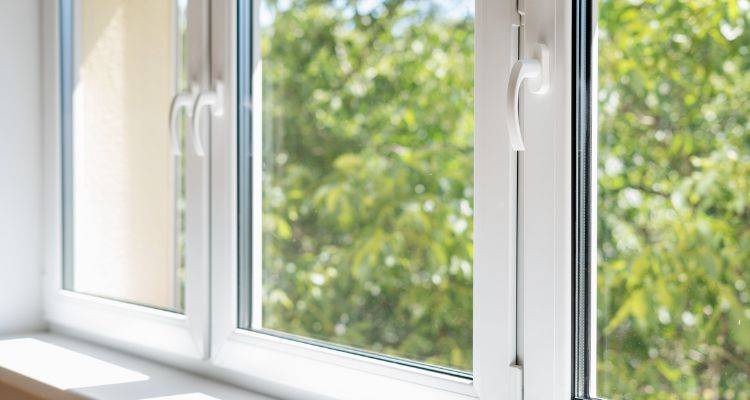
Casement windows are the UK's most common and generally most affordable style.
Most replacement windows you’ll see quoted are casement windows, and casement windows are usually the easiest style to replace like-for-like. They are hinged on one side (or the top) and swing outwards.
A typical white uPVC casement window (one of the most common types of casement windows) with double glazing costs between £350 and £550, including fitting.
Tilt and Turn Window Costs
These versatile windows offer two opening functions: tilting inwards from the top for secure ventilation, or opening fully inwards like a door for easy cleaning.
They are slightly more expensive than standard casement windows, costing around £500 to £700 per window with double glazing fitted.
Sash Window Costs
Sash windows feature one or two panels that slide vertically. These sash windows are common in period homes, and sash windows usually cost more than casement windows because the mechanism is more complex.
Expect to pay around £700 to £1,100 per uPVC sash window with double glazing, installed, with timber sash windows often starting around £1,500 fitted — and, sash windows can cost more again if the openings are non-standard.
Bay Window Costs
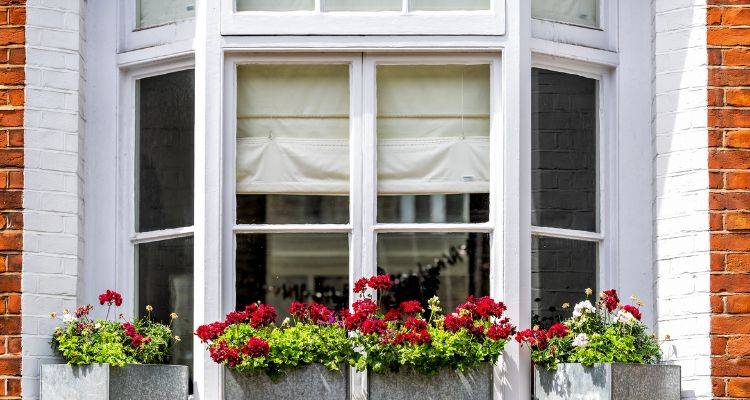
Bay windows project outwards from the house, usually consisting of three or more window panels. The bay window cost is higher because a bay window often needs extra structural work.
A 3-section uPVC bay window with double glazing typically costs from £1,500 to £2,500 fitted.
Velux Window Costs
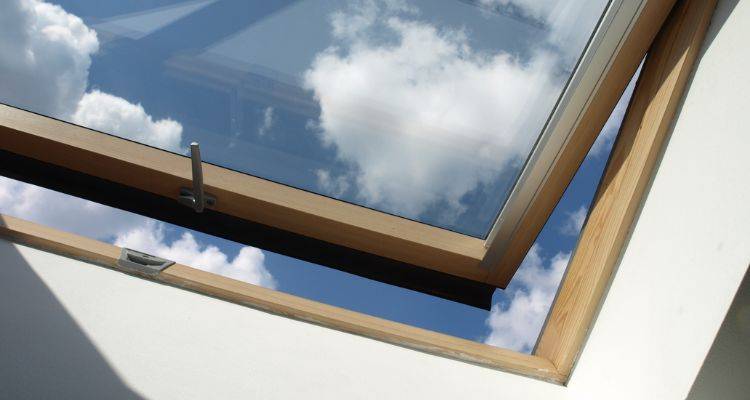
Velux is a leading brand of roof windows, designed for loft conversions or extensions with sloping roofs. The cost varies significantly based on size, opening mechanism (manual, electric, solar), and the complexity of the roof work required.
Velux windows typically costs from £650 to £1,100 supplied and fitted (usually with double glazing as standard). Larger or automated models can cost considerably more.
New Window Costs by House Size
If you’re replacing all your windows in one go, this section will be the quickest way to sense-check whether the cost you’ve been quoted is in the right ballpark.
The table below provides estimated total costs (including fitting) for replacing all windows across different housing types.
Remember these are estimates, and the exact number of windows, sizes, style choices, and your location will influence the final quote — and it’s why window prices can look wildly different from one home to the next.
The price you pay for a composite window can vary significantly based on the specific materials used (e.g., Alu-clad timber vs uPVC/Aluminium) and window specifications.
Smaller homes — 2-bed terraces and 3-bed semis (roughly 6–10 windows):
| Frame Material | 2-Bed Terrace (6-8 Win.) | 3-Bed Semi (8-10 Win.) |
|---|---|---|
| White uPVC | £2,250 - £3,000 | £3,750 |
| Coloured uPVC | £2,500 - £3,300 | £4,100 - £4,500 |
| Aluminium | £3,000 - £4,000 | £4,700 - £5,600 |
| Timber (Softwood) | £5,500 - £8,500 | £7,500 - £12,000 |
| Composite | £6,500 - £10,000* | £9,000 - £15,000* |
Larger detached homes — 4 and 5 bedrooms (roughly 10–20 windows):
| Frame Material | 4-Bed Detached (10-15 Win.) | 5-Bed Detached (15-20 Win.) |
|---|---|---|
| White uPVC | £5,500 - £7,000 | £7,500 - £10,000 |
| Coloured uPVC | £6,000 - £7,700 | £8,200 - £11,000 |
| Aluminium | £7,000 - £9,000 | £10,000 - £13,000 |
| Timber (Softwood) | £11,000 - £17,000 | £16,000 - £25,000 |
| Composite | £13,000 - £21,000* | £18,000 - £30,000+* |
Want a custom price?
Post your job
Glazing Costs: Double vs. Triple vs. Secondary
The type of glazing you choose significantly affects insulation, noise, and price.
Double glazing is the standard choice, and for most households, double glazing gives the best balance of cost and performance, while triple glazing windows and secondary glazing are useful in specific situations (especially if you’re looking at secondary glazing for noise or listed-building constraints).
This table summarises the key differences in cost and performance between the glazing types, and how they typically affect window prices.
| Glazing Type | Average Cost (Per uPVC Window, Fitted) | Key Benefit |
|---|---|---|
| Double Glazing | £350 - £600 | Strong thermal efficiency |
| Triple Glazing | £550 - £900 | Maximum thermal efficiency |
| Secondary Glazing | £300 - £500 | Excellent noise reduction |
Want a custom price?
Post your job
Double Glazing Costs (Standard)
Double glazing is the UK standard for new window installations. It uses two panes of glass separated by an insulating air or argon gas layer.
For a standard white uPVC double-glazed casement window, you'll pay around £350 to £550 for having double glazing fitted. If you’re considering triple glazing, expect a higher price per window due to the extra pane and heavier unit.
Modern double glazing can reduce heat loss by up to 50% compared to single glazing, with typical U-values between 1.4 and 1.6 W/m²K. It also helps reduce outside noise and lower energy bills, saving the average semi-detached home around £150 to £200 per year on heating costs.
Triple Glazing Costs
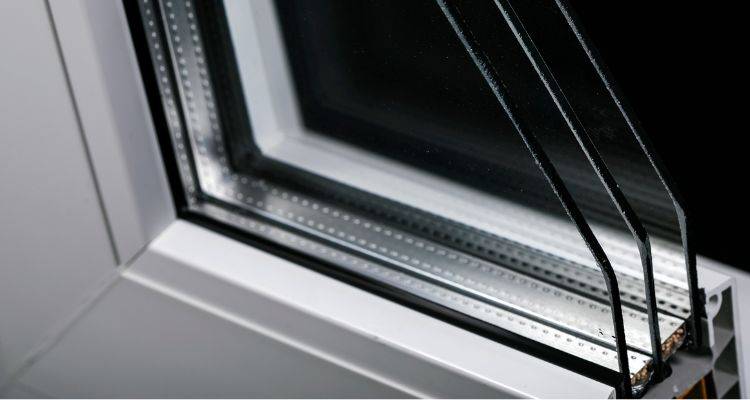
Triple glazing adds a third pane of glass and an additional insulating gap, improving both thermal and acoustic performance. It’s the most energy-efficient option, with U-values as low as 0.8 to 1.0 W/m²K.
A comparable triple-glazed uPVC window typically costs between £550 to £900 fitted, depending on the frame material and glass specification.
While the upfront cost is higher, it’s ideal for cold climates or north-facing rooms where heat retention is critical. However, the extra weight can require stronger frames or reinforced hinges.
Do quadruple glazed windows exist, and do they offer major advantages over double and triple glazed windows? Are they worth it?
"Yes, but quadruple glazing is not suited to fit any residential frame systems currently available in the UK, and is only available for specialist commercial projects. Most modern double glazing and triple glazing is more than adequate in any case in dealing with the problematic British climate."
Secondary Glazing Costs
Secondary glazing is a retrofit option, installed inside existing windows to create a large insulating air gap.
It's often the best solution for listed buildings or conservation areas where replacing original window frames (including original sash windows) isn’t allowed, and secondary glazing can also be a smart upgrade if you want better comfort without changing the external look.
Secondary glazing costs around £300 to £500 per window opening fitted.
It provides surprisingly strong thermal performance (U-values around 1.8–2.0 W/m²K) and is especially effective at reducing noise. In fact, the wider gap between the panes often delivers better soundproofing than standard double glazing, even if you already have double glazing installed, which is why secondary glazing is popular for homes near busy roads.
Should You Hire a Window Fitter or a Joiner?
For most standard window fitting projects, a dedicated window fitter or a window fitting company is the right choice.
They specialise in efficiently installing standard-sized uPVC, aluminium, and composite windows. Most reputable fitters are also FENSA registered, meaning they can self-certify that the installation complies with building regulations, saving you a separate inspection.
Their quotes typically include the window, materials, and labour as a single price per window.
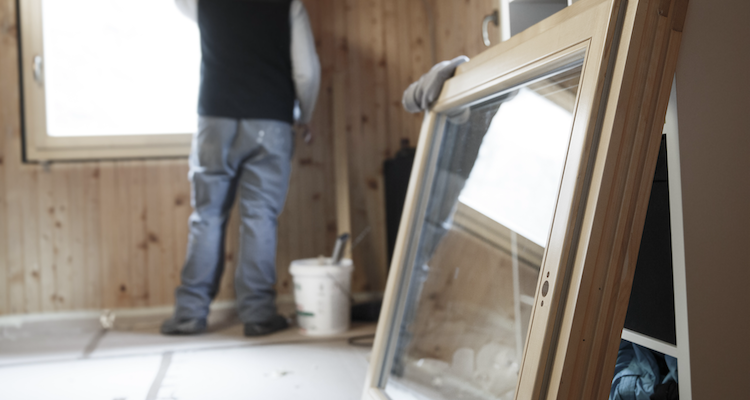
You should hire a joiner if your project involves timber windows (wooden windows) or requires custom work on window frames, especially for sash windows (or like-for-like sash windows replacements) in older properties.
Joiners are woodworking specialists, making them the ideal choice for fitting traditional wooden windows, creating bespoke windows for non-standard openings, or repairing existing timber frames.
Unlike window companies, joiners usually charge a day rate for their labour, with materials sourced separately. The average cost of a joiner is around £200 to £300 per day.
If I'm planning to have wood frame windows installed, would it be better to use a window company or a joiner?
"This depends on the windows you want installed. Both can do the job, but the window company may be better for standard off-the-shelf windows. The joiner can also do this, but can also make and fit bespoke non-standard windows."
Window Fitting Labour Costs
Window fitters in the UK typically include labour costs in the total new window price that you're quoted by them, which is why the cost of new windows is usually given as one figure “per window”, rather than split into parts.
Installing new windows usually follows a consistent process, so tradespeople tend to be comfortable with quoting homeowners a fixed price per window.
If the quote is structured this way, then you can expect around 20% to 30% of the total cost of new windows to be labour costs.
This puts the average cost of window fitting labour per window at between £100 and £150. This figure contributes to the overall fitting cost.
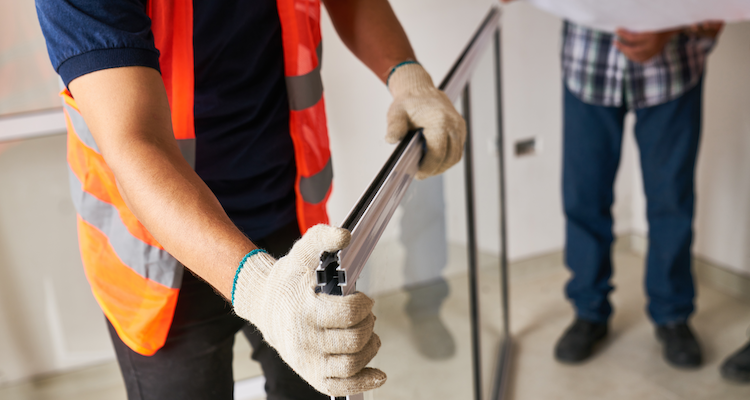
In some cases, you may instead be quoted a day rate for window fitting labour costs. It's less common, but it might be the case if you're negotiating with a sole trader or your project is complex or unusual (for example, large bay windows or older sash windows, where sash windows can take longer to fit or repair).
The average window fitting day rate is between £175 to £300, which equates to about £20 to £40 per hour for a standard workday. Labour costs can be higher in London and the South East compared to other regions.
Keep in mind: Window fitting is usually carried out by a team of two people for efficiency and safety. Therefore, the total daily labour cost for the team would typically be double the individual rate, ranging from £350 to £600.
How much does it cost to hire a window fitter in London? What is the hourly and daily rate?
"About £300 per day is what we normally charge. This should cover the fit of about 4 to 5 windows."
Additional Costs When Fitting New Windows
While quotes for new windows often include standard fitting and materials, several additional costs might arise depending on your specific project — and they can nudge window prices up.
These extras are often the bits that catch people out when they’re trying to estimate the cost of new windows realistically.
Scaffolding Hire
If you live in a multi-storey property or access to some windows is difficult, scaffolding will likely be required for safety.
The cost of hiring scaffolding can add several hundred pounds per week to your project, although sometimes a smaller tower scaffold might suffice.
Windowsill Replacement
Fitting new windows is the perfect time to replace old, damaged, or rotten window sills, especially timber ones.
The cost to replace windowsills averages around £175 each, but varies significantly depending on the material (uPVC, wood, stone).
I hired a window fitter to replace my living room window. He's replaced the window, but he used white sealant with a brown frame? Am I wrong in thinking he could have colour matched?
"Silicone should always be colour matched. Silicone should be used sparingly and only a small neat bead should be run where necessary and seen. If he covered the silicone with a cover strip, and it cannot be seen, that is no problem."
Plastering
Removing old window frames can sometimes cause minor damage to the surrounding plasterwork on internal walls. You may need to budget for a plasterer to 'make good' these areas after the new windows are fitted. This could cost around £35 to £40 per hour.
Painting & Decorating
Following the installation and any necessary plaster repairs, you will likely need to redecorate the internal window reveals (the area around the window frame) and potentially touch up paintwork externally.
Waste Disposal / Skip Hire
Most reputable window companies will include the removal and responsible disposal of your old windows in their quote. However, always confirm this.
If not included, you may need to arrange for disposal or hire a small skip, which could cost £100 to £200. If you’re replacing old windows that are rotting, sticking, or letting in draughts, this is one of those “hidden” bits of the job that’s worth factoring in.
Upgraded Glass
Standard quotes are for energy-efficient double glazing, so double glazing is already priced in for most installs.
Upgrades like triple glazing windows (which usually require a deeper unit and can add weight), acoustic glass (for noise reduction), toughened safety glass, or solar control glass will increase the cost per window.
Enhanced Hardware
While standard handles and locks are included, you might choose to pay extra for premium finishes (e.g., chrome handles), enhanced security locks, or specific types of trickle vents.
Ask a Trade
Got a question that only a tradesperson can answer? We have thousands of trades ready to answer any question you may have.
Ask your question

How Long Does Window Fitting Take?
The average window fitting team can replace around 4 to 6 standard-sized windows per day. This means that a window fitting team can usually complete one window replacement for every 1 to 2 hours on a job.
This estimate assumes that your windows are easily accessible, no complications arise, and no custom work is required (which can sometimes be the case with older sash windows).
The time required to replace all your windows depends mainly on the number of windows and the complexity of the job.
For example: Completing a full installation for the average 3-bedroom semi-detached house usually takes between 2 to 3 days. Here's a more detailed look at typical timeframes for different property sizes:
| Type of House | Number of Windows | Time Required |
|---|---|---|
| 2 Bedroom Terrace House | 6 – 8 | 1 – 2 Days |
| 3 Bedroom Semi-Detached House | 8 – 10 | 2 – 3 Days |
| 4 Bedroom Detached House | 10 – 15 | 3 – 4 Days |
| 5 Bedroom Detached House | 15 – 20 | 4 – 5 Days |
Want a custom price?
Post your job
It can take up to a week to install new windows in a larger property, as there are not only more windows, but a higher number of bigger windows, which tend to take longer for a specialist to install.
Complex installations, such as large bay windows, multi-storey work requiring scaffolding, or non-standard openings, will naturally take longer than simple ground-floor casement window replacements, especially if most of your existing windows are standard casement windows.
On average, how long does it take to install a bow window?
"It’s a day's work for two men, whether it's a large window bay or bow window bay."
Building Regulations and Planning Permission for New Window Installations
All new window installations in England and Wales must comply with the following key regulations:
- Thermal Performance - Windows must achieve a minimum energy efficiency rating of 'C' or above (usually a U-value of 1.6 W/m²K or better).
- Safety Glass - Toughened or laminated safety glass is required in areas where there’s a risk of impact, such as near doors, stairways, or low-level glazing.
- Ventilation - Trickle vents or equivalent ventilation must be included in habitable rooms to maintain air quality and reduce condensation.
- Fire Escape Windows - In certain rooms, particularly bedrooms on upper floors, windows must open wide enough to serve as an emergency escape route.
The best way to ensure compliance is to hire a registered installer who can self-certify the installation and provide a compliance certificate once the work is complete.
Always keep your FENSA or Building Control certificate in a safe place, you’ll need it if you decide to sell your property, as it proves the installation meets building regulations.
Planning Permission for Windows
Planning permission is generally not required for straightforward window replacements if they are similar in appearance to the originals. This falls under 'Permitted Development' rights.
However, you will likely need planning permission if:
In listed buildings, secondary glazing is sometimes the easiest route because it can improve comfort without changing the original window frames — and secondary glazing is also easier to reverse later if rules change.
- You live in a listed building, or in a conservation area (restrictions often apply to materials and styles)
- You live in a property with an Article 4 direction removing permitted development rights
- You are creating a new window opening that wasn't there before, or installing a bay window where there wasn't one previously
- The new windows are significantly different in appearance from the originals (especially on the principal elevation facing a highway)
If any of these apply, or if you are unsure, contact your local council's planning department before starting any work.
Do I need planning permission to change the size of a rear window? I'm not going to touch the steel beam above (height) and not touch the width. It is not in a conservation area, and it is not a listed building.
"No, you wouldn’t need any permission from the council."
Key Factors When Choosing New Windows
Choosing new windows involves more than just picking a style and material. Several key performance factors will influence your comfort, security, and the final quote you receive.
Considering these aspects upfront will help you get the right windows for your home and budget.
Energy Efficiency
New windows in the UK come with a Window Energy Rating (WER) shown on a rainbow label, similar to those on appliances.
Ratings range from A++ (most efficient) down to G. Higher-rated windows (typically A or above) provide better thermal insulation, reducing heat loss in winter and keeping your home cooler in summer. While A++ windows might have a slightly higher upfront cost, they can lead to greater savings on your energy bills over the window's lifespan.
Look for windows with low U-values (a measure of heat loss) and consider options with warm edge spacer bars and argon gas fillings for optimal performance — especially if you’re upgrading to triple glazing.
The front of our house is exposed to a lot of wind, so we could do with some recommendations for windows and doors that perform well at blocking wind out.
"Most new UPVC windows are equipped to stop draughts with multiple gaskets that sit together to keep the cold out. We use Liniar products, and when fitting, we seal with expanding foam and then silicone trims over the top to give exceptional results."
Security Features
Modern replacement windows are designed with security in mind, offering significant improvements over older frames and locks.
The most secure options are those tested to British Standards, particularly PAS 24, which verifies that the complete window unit, including frames, locks, and glazing, can resist common burglary techniques such as forced entry or levering.
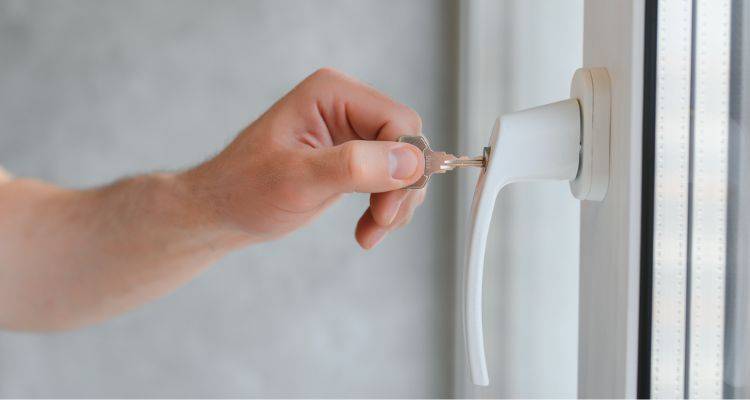
When comparing quotes, ask installers which security features are included as standard. Common upgrades include:
- Multi-point locking systems - Secure the window at several points along the frame, all operated by a single handle. They make it much harder to force the sash open compared to older single-latch locks (a common weak point on older sash windows).
- Internally beaded glazing - Holds the glass unit in place from the inside, preventing anyone from removing the pane from outside the property.
- Key-lockable handles - Provide extra protection, allowing you to lock windows shut when away or at night.
- Reinforced or steel-core frames - Found on some premium uPVC and aluminium models, these offer extra rigidity against impact or tampering.
Most windows include several of these features as standard, but higher-spec systems, particularly those with laminated glass or specialist locking hardware can add around £50 to £150 per window to the overall replacement cost.
For peace of mind, look for products certified by the Secured by Design scheme, which recognises windows meeting police-endorsed security standards.
Glass Options
While energy-efficient double glazing is standard, you can choose specialist glass types depending on your needs. Each type has its own performance benefits and cost implications:
- Triple glazing - Offers maximum thermal efficiency, reducing heat loss by up to 50% compared to standard double glazing. It adds noticeable weight and typically costs £150 to £250 per window more than standard double glazing.
- Acoustic glass - Features a special interlayer designed to reduce noise transmission, ideal if you live near a busy road or airport. Expect to pay £80 to £150 extra per window.
- Laminated glass - Contains a thin plastic interlayer that holds the glass together if broken, improving both safety and security. It usually adds around £60 to £120 per window.
- Toughened safety glass - This is designed to shatter into small, blunt pieces when broken. It’s required by building regulations in areas such as doors, bathrooms, and low-level glazing, typically adding £40 to £100 per window.
- Solar control glass - Has a special coating to reduce solar heat gain, helping prevent overheating in conservatories or south-facing rooms. It usually costs £70 to £130 more per window.
- Obscured glass - Often used for privacy in bathrooms, is available in a range of patterns and textures. Prices generally add £30 to £60 per window, depending on the pattern and finish.
Specialist glass types can significantly enhance comfort, safety, and energy performance, but they will increase the overall cost per window. Choosing the right option depends on your home’s location, layout, and individual priorities.
Ventilation
Building regulations require adequate ventilation in homes to prevent condensation and maintain air quality.
Most new windows achieve this through trickle vents, small, controllable slots usually located at the top of the frame that allow background airflow even when the window is closed.
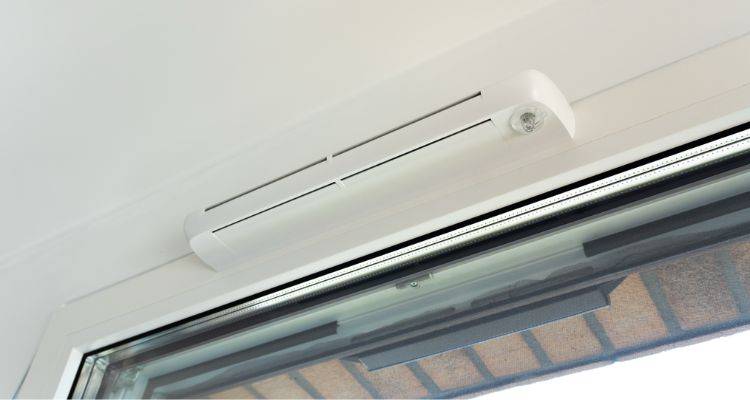
Standard trickle vents are typically included as part of the installation cost, though higher-end models or specific finishes may add around £10 to £25 per window. You can also opt for different designs:
- Standard plastic trickle vents - The most common and affordable option, usually included in the window price.
- Colour-matched or metal-finish vents - Designed to blend with coloured frames or modern aluminium windows, typically cost £10 to £20 extra per window.
- Acoustic trickle vents - Ideal for properties near busy roads or airports, designed to reduce sound transmission while maintaining airflow, usually add £20 to £40 per window.
Homes with particularly poor ventilation or persistent condensation issues may benefit from mechanical ventilation systems. These are more advanced (and expensive) options, often costing several hundred pounds per room, but they can significantly improve air quality and reduce damp.
Discussing these options with your installer ensures your quotes reflect not only the right window style but also the ventilation performance your home needs.
What type of window frame and window style/design in general would suit a cottage house?
"There are many designs available. uPVC is cheaper than wood and now come in all colours, so best to look about at similar properties."
Can You Install New Windows Yourself?
It’s technically possible to fit new windows yourself, but it’s not generally recommended unless you have professional-level experience.
Installing windows requires precision, as even small mistakes in alignment or sealing (especially around the window frames, and even more so with timber frames) can lead to serious issues such as leaks, draughts, and heat loss.
Incorrect installation can also invalidate product warranties and prevent your windows from meeting building regulations, which could affect your home’s energy rating and resale value.
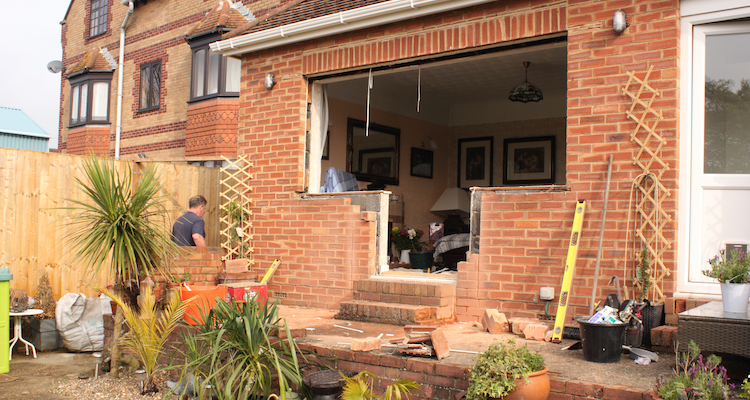
For most homeowners, opting for professional fitting by a FENSA or Certass-registered installer is the safest option for compliance and long-term performance.
If you’re looking to reduce overall costs, you can still take on some of the preparation work. Clearing the area and moving furniture away from the openings before your installer arrives can help speed up the job and lower labour costs slightly — especially if you’ve got old windows that have been painted shut or are awkward to remove.
Ultimately, the risks associated with DIY often outweigh the potential savings. The peace of mind that comes from a guaranteed, regulation-compliant professional window installation is usually worth the investment.
Is it feasible for an average DIYer to install a sliding window, or should I really leave this to a professional?
"It may seem a simple task on the outside. However, there are a lot of things to consider when designing and installing even a simple window. As you are not aware of the issues that may arise, you will find this very difficult to fit and work on correctly. I would not advise this for DIY unless you are willing to spend again to correct your mistakes should they arise."
Checklist: Hiring a Window Installer in the UK
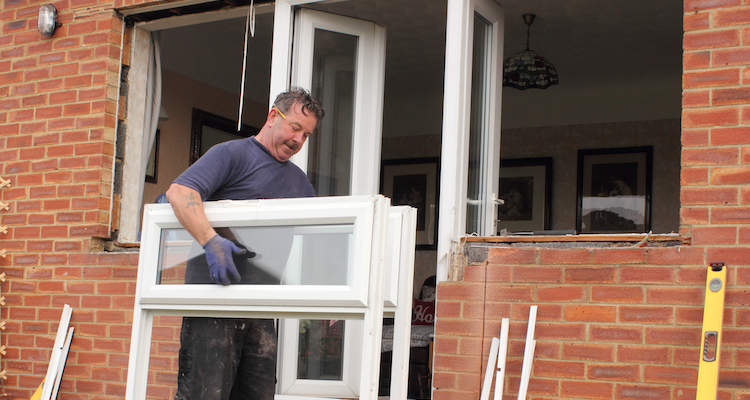
Ready to hire a local window installer? Here's what you should keep in mind:
- Are they qualified? Check that your fitter has recognised qualifications or is registered with a professional body such as FENSA, Certass, or BM TRADA. This ensures the installer meets current building regulations for energy efficiency and safety.
- Do they have insurance? Make sure your fitter holds public liability insurance (typically £1 million or more) to cover accidental damage or injury during the job. Ask to see proof before work begins.
- Can they provide references? Ask for examples of previous installations, especially for similar property types or window styles. Reputable fitters will be happy to share photos or customer feedback.
- Have they provided a written quote? Always request a detailed written quote outlining materials, labour, VAT, and any optional extras like coloured frames or upgraded glazing. Avoid paying large deposits upfront.
- Are the product specifications clear? Check that your quote includes details of the exact products being fitted, such as frame material, glazing type, energy rating, and locking systems. This ensures you’re comparing like-for-like between quotes.
- Will they register your installation? FENSA and Certass-registered installers can self-certify your new windows and issue a certificate to confirm compliance with building regulations. If your fitter isn’t registered, you’ll need to arrange an inspection through your local council instead.
- Do they offer a warranty? Look for companies that include a written guarantee on both the frames and glazing, ideally backed by an insurance policy. Most reputable installers offer at least a 10-year warranty.
- Are payment terms clear? Confirm when and how payments are due. Avoid paying the full amount upfront — a small deposit (typically 10% to 25%) is standard, with the balance due after completion and satisfaction checks.
- Are they clear about timescales? Confirm how long the installation will take, including lead times for manufacturing the windows. A typical replacement window job takes one to two days for a full house.
Following these steps will help you choose a qualified, fully insured window fitter who offers value, compliance, and peace of mind.
FAQs
What Is the Best Material for a Window Frame?
The most common and widely used material for window frames is uPVC. It is a plastic-like material, chosen for its durability, low maintenance and low cost compared to other materials such as hardwood and aluminium.
What Warranties or Guarantees Come with New Windows?
Most new windows come with warranties covering the frame, glass, and installation. Coverage typically ranges from 5 to 20 years depending on the material and installer. You should always check the warranty before finalising the contract.
Can I Transfer My Window Warranty to a New Homeowner?
Most window warranties can be transferred to the new owner if you sell your home, though some installers charge a small admin fee to update the details. Contact your installer or warranty provider directly to confirm the process and ensure the new owner receives all necessary documents.
How Long Do New Windows Last?
The average lifespan is around 20 to 35 years for uPVC, 30 to 45 years for aluminium, and up to 60 years for well-maintained timber windows.
Are There Energy Efficiency Grants or Incentives for New Windows?
Homeowners in the UK may be eligible for grants or funding schemes such as the Energy Company Obligation (ECO) or local council incentives. Check your council’s website, speak with your installer, or consult your energy supplier to see what funding is available.
Do New Windows Add Value to My Home?
Yes, new windows can add value to your home. They improve energy efficiency, which can lead to a better Energy Performance Certificate (EPC) rating, enhance the property's kerb appeal, and increase security. These improvements make your home more attractive to potential buyers and represent a good long-term investment.
How Much Disruption Should I Expect during Window Installation?
Replacement windows inevitably involve some noise (drilling, hammering) and dust. Fitters usually work room by room to minimise disruption, typically completing several windows per day. They should use dust sheets to protect furniture and flooring.