Builders
 Carpenters
 Electricians
 Flooring Specialists
 Gardeners
 Handymen
 Heating Engineers
 Painters & Decorators
 Plasterers & Renderers
 Plumbers
 Roofers
 Tilers
 my
mySoundproofing a Room Cost
At a Glance
- The average cost of soundproofing a room is around £2,500.
- This job will usually take between 2 and 4 days to finish.
- NEW! Use our soundproofing cost calculator for an instant estimate.
- The cost of soundproofing walls, floors, ceilings, and different-sized rooms.
- How long this job takes, what factors impact soundproofing costs, and things you need to know before getting quotes.
- How to find a local tradesperson for soundproofing jobs.
Get free estimates
Are you a trade? Get more work today!
Traffic keeping you awake, noisy neighbours driving you to distraction, or taking up a musical hobby and want to keep the noise down?
This UK guide takes a top-level look at what it'll cost to soundproof ceilings, walls, floors, and doors in 2026. Beyond this, we've also dived into details you might want to know, like the different types of soundproofing materials that a tradesperson might recommend.
But you don't need to have every detail finalised before you start getting quotes. Getting estimates early is a simple, practical step that helps you understand what's possible.
Get quotes from local soundproofing installers near you using MyJobQuote. It's quick, easy, and there's no obligation to go ahead.
You'll find our full guide to soundproofing costs below!
£2,500
Table of Contents
- How Much Does It Cost to Soundproof a Room?
- How Much Does It Cost to Soundproof a Door?
- How Much Does It Cost to Soundproof a Ceiling?
- How Much Does It Cost to Soundproof a Floor?
- How Much Does It Cost to Soundproof a Wall?
- How Much Does It Cost to Soundproof Windows?
- How Much Does It Cost to Soundproof a Home Office?
- How Much Does It Cost to Soundproof a Bedroom?
- How Much Does It Cost to Soundproof a Garage?
- How Much Does It Cost to Soundproof a Garden Room?
- How Much Does It Cost to Soundproof a Whole House?
- Other Ways to Reduce Noise Without Full Soundproofing
- Key Things to Consider Before Installing Soundproofing
- Sound Deadening Material
- What's Involved in Soundproofing a Wall?
- Checklist: Having a Room Soundproofed
- FAQs
Soundproofing Cost Calculator
How Much Does It Cost to Soundproof a Room?
The average cost of soundproofing a room in the UK is £2,500, although smaller projects such as a single wall or ceiling usually start from around £700.
Expert tradespeople may charge anywhere from £300 to £500 for labour per day, depending on the scale and complexity of your soundproofing project. If you're searching for soundproofing specialists near you, labour costs are usually highest in London and the South East.
The price of the soundproofing material will also vary depending on the grade of materials used, the size of the space, and the extent of the soundproofing.
Soundproofing is one of the most effective ways to block unwanted noise from neighbours and traffic, reduce echoes, and transform a living space into a calm, quieter environment.
Whether you're dealing with airborne sound vibrations from a busy road or impact noise from footsteps above, the right sound insulation system can make a significant difference.
With the right approach, you can create a home cinema room, absorb sound from a garage band, or reduce noise from house parties.
Soundproofing Room Prices
| Job Description | Duration | Average Cost |
|---|---|---|
| Soundproofing Internal Walls | 2 to 4 Days | £700–£1,200 |
| Soundproofing Ceilings | 2 to 4 Days | £550–£750 |
| Soundproofing Floors | 2 to 4 Days | £750–£1,200 |
| Soundproofing Doors | 1 to 2 Days | £300–£2,000 |
| Soundproofing Windows | 1 to 2 Days | £300–£1,200 |
Want a custom price?
Post your job
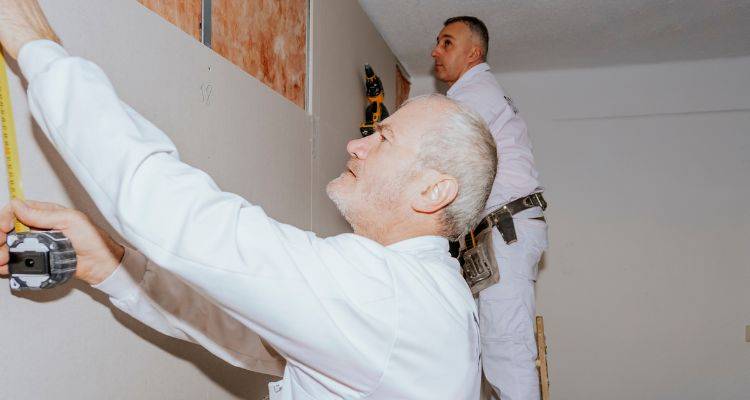
Typical Soundproofing Costs by Room Type
Whether you choose basic or high-spec soundproofing will impact the cost significantly, but here are some rough estimates by room type:
| Room Type | Typical Size | Average Cost |
|---|---|---|
| Bedroom | 12m² | £3,500–£7,000 |
| Home Office | 12 to 15m² | £1,600–£10,000 |
| Garage | 20m² | £5,000–£12,000 |
Want a custom price?
Post your job
The wide cost range for home offices reflects the difference between a basic treatment (typically walls only) and a full professional fit-out covering walls, ceiling, floor, and door. The bedroom range starts higher because it assumes a more complete installation, treating all surfaces to improve sleep quality, which is the primary goal.
A basic bedroom treatment using acoustic panels, rugs, and door seals (walls and soft furnishings only) can cost as little as £800 to £1,500, but professional full-room soundproofing covering walls, ceiling, floor, and door typically sits in the £3,500 to £7,000 range for an average 12m² room.
How Much Does It Cost to Soundproof a Door?
Typical cost: £300 to £2,000 per door, depending on the solution.
Do you need it? Doors are worth treating in almost every soundproofing project. Even if walls, floors, and ceilings are well insulated, a hollow or poorly sealed door can undo much of that work. If you can hear sound clearly through a closed door, it should be part of your plan, particularly for bedrooms, home offices, and rooms used for music or media.
Doors are a major point of leakage for sound, as gaps around the frame are weak points where sound can seep in.
The most cost-effective step is to seal air gaps with weather stripping or an acoustic door sweep. For better results, a dense door seal kit or the installation of a solid core door can significantly reduce noise transfer. Professionally installed door soundproofing solutions include:
- Acoustic Door Seal Installation — A soundproofing contractor fitting professional grade acoustic seals and sweeps will typically cost around £300 including materials and labour.
- Solid Core Acoustic Door — Replacing a hollow core door with a solid acoustic rated doorset, properly sealed, with an Rw rating of around 35 dB as a complete unit in lab tests, can be around £900 installed depending on the finish.
- High Spec Acoustic Door Systems — Specialist studio grade or office grade acoustic doors with full frame systems can cost £1,200 to £2,000 installed, suitable for very high noise reduction needs.
How Much Does It Cost to Soundproof a Ceiling?
Typical cost: £60 to £180 per m², or £550 to £750 for a standard room ceiling.
Do you need it? Ceiling soundproofing is most relevant if you live in a flat or converted property where noise travels from the floor above, whether that's footsteps, voices, or music. In a detached house with a loft above a bedroom, the ceiling may be less of a priority unless impact noise from the floor above is a specific problem. If you're treating a ground-floor room in a house with no one living above, ceiling soundproofing is unlikely to be necessary.
Ceilings can transmit airborne noise like voices or music and impact noise such as footsteps from above.
Soundproofing a ceiling in a flat often involves resilient bars, acoustic insulation, and double plasterboard because this helps reduce both voices and footsteps from above.
- Acoustic Insulation and Plasterboard — Mineral wool between joists and a layer of acoustic plasterboard. The cost is around £60 per square metre supplied and fitted.
- Resilient Bars and Double Plasterboard — A decoupled ceiling with resilient bars and two layers of acoustic plasterboard will cost around £110 per square metre offering a noticeable reduction in both airborne and impact noise.
- High Spec Acoustic Ceiling Systems — Specialist floating ceiling or suspended systems with premium soundproofing boards will cost around £180 per square metre, often used in flats to reduce the sound.
I live in a house which was converted into two flats - i'm on the first floor and noise travels very easily from my downstairs neighbour. The two rooms I am most concerned about are the living room (old wooden floor) and the bedroom (carpet). How can I reduce noise? Unsure if the noise is mostly travelling from the floors or walls.
"Noise can travel through both floors and walls in converted houses. For the living room with wooden floors, the best solution is to fit an acoustic underlay under new flooring. In the bedroom, a high-density acoustic underlay beneath the carpet will help reduce airborne noise. If the problem is coming more through the ceiling/walls, the most effective method is installing acoustic insulation and sound-resistant plasterboard on a suspended frame."
How Much Does It Cost to Soundproof a Floor?
Typical cost: £45 to £160 per m², or £750 to £1,200 for a standard room.
Do you need it? Floor soundproofing is most effective when you want to reduce the noise you're transmitting to rooms below (for example, if you have a downstairs neighbour or a room above a living space). If the issue is noise coming up from below, treating the ceiling of the lower room is often more effective than treating the floor above. For ground-floor rooms on a solid concrete slab, floor soundproofing has less impact and may not be necessary.
Floors are a common pathway for impact noise such as footsteps and dropped objects from above as well as airborne noises such as music or televisions. Common floor soundproofing includes:
- Acoustic Underlay — Installing an acoustic underlay beneath carpet, laminate, or engineered wood typically costs £45 per square metre which is best for reducing impact sound.
- Floating Floor System — A new floating floor with acoustic mats, mineral wool between joists, and an overlay of chipboard or ply costs around £100 per square metre.
- Full Acoustic Floor Build — A fully isolated floor system using resilient layers, dense boards, and insulation can cost around £160 per square metre.
What's the best solution for soundproofing floors - matting or insulation? We want to reduce noise between upstairs and downstairs and have floorboards. We want to keep it simple and affordable.
"You could look at installing Regupol before any floor coverings it's one of the best ways we have found for soundproofing"
How Much Does It Cost to Soundproof a Wall?
Typical cost: £70 to £120 per m², or £700 to £1,200 for a standard internal wall.
Do you need it? Wall soundproofing is the most common treatment and is relevant to almost all projects. If noise is coming from a neighbouring property, a party wall, or an adjoining room, treating the shared wall is usually the first and most impactful step. In a detached house with no noise issues from adjacent rooms, internal wall soundproofing may be less of a priority, but it's worth considering for home offices, bedrooms, and any space where privacy or quiet matters.
Soundproofing walls is one of the most common areas to treat when reducing noise between rooms or neighbouring properties. The method chosen will depend on the space and the level of sound reduction required. Some options include:
- Acoustic Panels or Insulated Plasterboard Overlay — Fixing acoustic plasterboard directly to the wall or adding decorative acoustic panels costs around £70 per square metre.
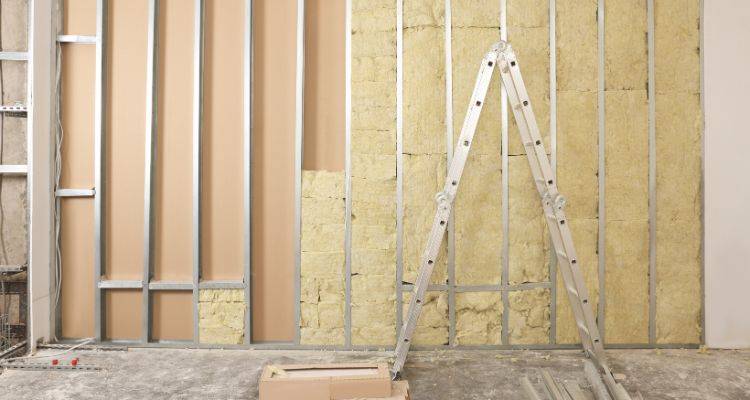
- Independent Stud Wall with Insulation — Building a new stud frame against an existing wall which is filled with acoustic mineral wool, finished with double acoustic plasterboard. The cost of something like this would be around £120 per square metre.
How Much Does It Cost to Soundproof Windows?
Typical cost: £150 to £1,200 per window, depending on the solution.
Do you need it? Window soundproofing is most valuable when external noise (such as traffic, aircraft, or street noise) is the primary problem. If the noise is coming from within the building (neighbouring flats, adjoining rooms), treating windows is unlikely to make much difference. For properties near busy roads or in urban areas, secondary glazing is one of the most cost-effective improvements you can make and is worth prioritising alongside wall treatments.
Windows are often one of the weakest points for sound entering a room, especially if you live near traffic or busy roads. Improving window soundproofing usually means sealing gaps, upgrading glazing, or adding a secondary barrier inside the existing frame.
- Acoustic Window Sealing — Sealing gaps around existing window frames with acoustic sealant or specialist draught-proofing materials usually costs around £150 to £250 per window.
- Secondary Glazing — Installing an internal secondary glazing panel costs around £300 to £500 per window and is one of the most effective options for reducing outside noise.
- Acoustic Double Glazing — Replacing existing units with acoustic double glazing typically costs £700 to £1,200 per window depending on size and specification.
How Much Does It Cost to Soundproof a Home Office?
Typical cost: £1,600 for a basic treatment, up to £10,000 for a full professional fit-out.
Do you need it? If you work from home and need to take calls, record audio, or simply concentrate without disturbance, soundproofing a home office is often one of the most worthwhile investments you can make. Even a basic wall treatment and door seal can make a significant difference to everyday noise levels. A full fit-out covering walls, ceiling, floor, and door is worth considering if the room is used for video production, podcasting, or frequent confidential calls.
Creating a quiet, focused home office requires a careful approach to soundproofing a room.
You'll need to address both airborne noise such as voices, television, and traffic as well as impact noise like footsteps and vibrations.
When planning, consider not only materials but also professional labour required to complete the soundproofing work. Options include:
- Basic Home Office Soundproofing — Soundproofing internal walls and adding acoustic door seals to reduce moderate noise levels. The cost is around £1,600 for 12 square metres.
- High Spec Home Office Soundproofing — Including soundproofed walls, ceiling, floor, and a specialist acoustic door for maximum noise isolation. The cost of a high spec 15 square metre office is around £10,000.
How Much Does It Cost to Soundproof a Bedroom?
Typical cost: £800 to £1,500 for basic measures, or £3,500 to £7,000 for professional full-room soundproofing.
Installing soundproofing in a bedroom can improve comfort and sleep quality.
The approach will depend on whether the source of the noise you want to block is from outside such as traffic or impact noise from stairs or overhead movement. Options include:
- Acoustic Panels, Rugs, and Door Seals — Simple solutions with acoustic panels and rugs will cut echo and make the room feel calmer, while door seals reduce noise travelling between rooms, at a cost of between £800 and £1,500.
- Professional Soundproofing — For a medium sized bedroom, around 12 square metres, professional soundproofing of walls, the ceiling, floor, and door can range from £3,500 to £7,000 depending on the materials and level of noise reduction required.
We live in an old pair of cottages divided by a brick wall and plasterboard both sides. We can hear neighbours through the wall. It seems to me like there is a gap between brick and the plasterboard (hollow when knocking). I wondered if some soundproofing wool and plaster could soundproof the wall (not 100% but at least not to wake them each time baby makes a sound).
"Wool insulation to cavities would not be required also plaster removal would also not be a requirement, we would recommend adding soundproofing plasterboards throughout sectional walls also 2 coat plaster throughout, this would reduce the noise dramatically."
How Much Does It Cost to Soundproof a Garage?
Typical cost: £1,000 to £2,000 for basic insulation and panels, or £5,000 to £12,000 for a full professional treatment.
Garages can transmit significant noise. A DIY enthusiast, a band using the space to practise, or a budding car mechanic can create a lot of noise.
Soundproofing a garage will focus on reducing noise transfer to neighbouring properties and minimising disturbance in adjoining living spaces. Options include:
- Insulation and Acoustic Panels — Simpler noise reduction methods, such as insulation and sealing gaps, will reduce noise reaching next door, while acoustic panels improve the sound inside the garage, for £1,000 to £2,000.
- Professional Soundproofing — For a medium sized garage, around 20 square metres, a full professional soundproofing job could range from £5,000 to £12,000 depending on the materials, ceiling and floor treatments as well as door upgrades.
How Much Does It Cost to Soundproof a Garden Room?
Typical cost: £2,000 to £5,000 for an existing garden room, or £8,000 to £20,000 for a purpose-built soundproofed studio.
Do you need it? If you're using a garden room for music, podcasting, video calls, or any activity where noise either needs to be contained or kept out, some level of soundproofing is worth considering. A basic insulation treatment may be sufficient for home working, but a dedicated music room or recording studio will require a more comprehensive approach.
Garden rooms and garden studios are increasingly popular for home working and music practice, and soundproofing is a common requirement, both to contain noise and to block external sounds from entering the space.
Costs vary depending on whether the garden room is already built or being constructed with soundproofing incorporated from the start.
- Acoustic Insulation Added to an Existing Garden Room — Adding mineral wool insulation, acoustic plasterboard to walls and ceiling, and sealing gaps around doors and windows typically costs £2,000 to £5,000 for a standard 10 to 15m² garden studio, depending on the level of finish required.
- Soundproofed Garden Room Built from Scratch — A purpose-built soundproofed garden studio, including acoustic construction methods, specialist doors, and treated floors, typically costs £8,000 to £20,000 or more, depending on size and specification.
If you're using the space as a music room or recording studio, a professional acoustic assessment before work begins can help ensure the right specification is chosen.
How Much Does It Cost to Soundproof a Whole House?
Typical cost: £5,000 to £40,000, depending on the level of noise reduction required.
Do you need it? Whole-house soundproofing is rarely necessary in one go. In most cases, identifying the specific rooms or surfaces where noise is a problem and treating those first is a more practical and cost-effective approach. Full whole-house treatment is most relevant during a major renovation, where walls, floors, and ceilings are already being opened up and the additional cost of incorporating soundproofing is significantly lower than retrofitting it later.
Soundproofing an entire house is a significant undertaking and is most practical when combined with other renovation work, such as a full refurbishment or extension.
Basic noise reduction measures usually cost between £5,000 and £12,000 and can help reduce normal household noise and traffic noise. For those living near airports or very light sleepers looking for near-studio level soundproofing, costs can range from around £25,000 to £40,000 or more.
- Semi-Detached House — Soundproofing the shared party wall throughout a semi-detached house, including all rooms adjoining the neighbouring property, typically costs £15,000 to £30,000 depending on the size of the property and the specification used.
- Full House Soundproofing (All Rooms, Walls, Floors, and Ceilings) — A comprehensive whole-house treatment covering all surfaces can cost £30,000 or more for an average-sized property.
Other Ways to Reduce Noise Without Full Soundproofing
Professional soundproofing delivers the best results, but there are several lower-cost measures that can make a noticeable difference, particularly for everyday noise levels. These are worth considering as a first step, or alongside a more comprehensive installation.
Heavy and Acoustic Curtains
Thick, floor-length curtains made from heavy fabrics absorb sound that would otherwise bounce off hard window surfaces and hard walls. They won't block significant external noise, but they reduce echo and reverberation within a room and can take the edge off traffic noise through windows. Thermal lined or velvet curtains work particularly well.
For better results, look for curtains labelled as acoustic or sound-reducing. These use denser materials and are designed to hang tightly against the window frame, minimising gaps where sound can travel through.
Thick Carpet and Acoustic Underlay
One of the simplest and most cost-effective changes you can make is to replace hard flooring with carpet, or to improve the underlay beneath existing carpet. Hard floors such as wood, laminate, or tile transmit impact noise easily, particularly to rooms below.
A good quality acoustic underlay beneath carpet or engineered wood can significantly reduce impact noise. It's a particularly practical upgrade in flats, where footstep noise travelling to a downstairs neighbour is a common concern. See our guide to carpet fitting costs for more detail on what to budget for.
Bookshelves and Soft Furnishings
Large, fully stocked bookshelves placed against a shared wall add mass and help absorb sound. Combined with sofas, rugs, cushions, and soft wall coverings, a furnished room will always be quieter than an empty one. While these measures won't solve a serious noise problem, they can meaningfully reduce echo and improve the acoustic comfort of a room at very low cost.
Door Draught Excluders and Seals
Gaps around and beneath internal doors are a common weak point for sound. A rubber draught excluder fitted to the bottom of a door can noticeably reduce how much noise travels between rooms, and is one of the cheapest improvements available. Combined with foam tape around the door frame to improve the seal when closed, these simple fixes are worth doing before committing to more expensive work.
Secondary Glazing Film
Acoustic window film or DIY secondary glazing kits provide a low-cost alternative to professionally installed secondary glazing. They add a thin additional barrier to the inside of an existing window and can reduce noise transmission modestly. Results are significantly less effective than professional secondary glazing, but they may be sufficient for mild noise issues and cost a fraction of the price.
Key Things to Consider Before Installing Soundproofing
- How much will contractor labour add to the total price? The nature of the project and the complexity of the installation will determine the overall labour cost of soundproofing. A skilled tradesperson may charge upwards of £300 per day. The average time for installation is usually 2 to 4 days.
- Are you doing the work yourself, or hiring a contractor? Professional installations do cost more, but working with a specialist will ensure your project is completed to the highest standards, using the most suitable materials for your budget.
- What type of noise are you treating? Airborne noise, such as voices and traffic, and impact noise, such as footsteps, require different soundproofing methods, which affect both material choice and labour time.
- What is the construction type? Different wall types need various materials. Stud walls, suspended ceilings, and timber floors often require additional layers, which adds time and cost.
- Are you soundproofing a party wall in the UK? The cost of soundproofing a party wall in the UK is often higher when you need independent framing, additional layers, or more sealing to reduce sound transmission through the structure.
- Will electrics and fittings need to be moved or refitted? Depending on the type of soundproofing you choose, you may need to move switches, sockets, fixtures, or fittings, which can increase the overall cost.
- What finishing work will you need after soundproofing? Finishing work such as plastering, refitting skirting, and redecorating can significantly increase the final cost.
Sound Deadening Material
If you're looking for options around sound deadening material before contacting a tradesperson, there are three main types to consider.
The most commonly used soundproofing products in the UK include acoustic panels, mineral wool roll, acoustic foam, and acoustic plasterboard.
Each of these materials plays a different role in reducing airborne and impact noise, and they are often combined for best results. Wall soundproofing typically requires a combination of mass and absorption, while floors and ceilings may need resilient layers to tackle impact noise specifically.
Acoustic Panels
Designed to absorb sound, reduce echoes, and reverberation, acoustic panels and soundproofing panels are perfect for use in home offices, recording studios, and bedrooms where a quieter environment is needed.
Panels are available in fabric wrapped, foam, or decorative finishes.
Although they don't block noise transfer through a wall, they significantly improve room acoustics.
Typical acoustic panels cost around £20 to £80 per panel, depending on size and finish.
Acoustic Roll
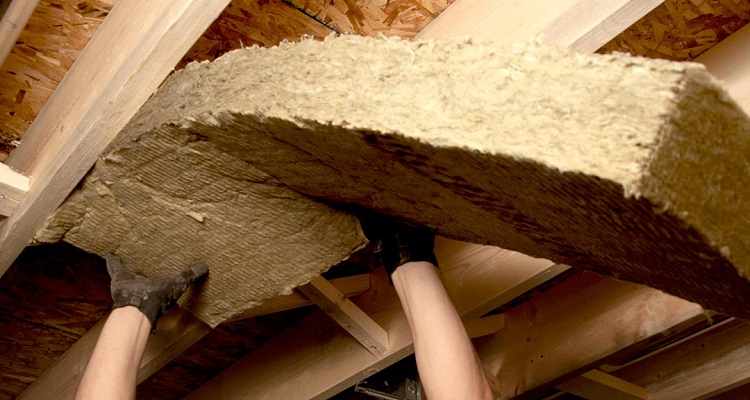
Often made from dense mineral wool, acoustic rolls are installed inside wall or ceiling cavities to absorb sound and improve insulation.
It is widely used in stud walls and suspended ceilings and is quite affordable too. It is also one of the best sound deadening materials when combined with plasterboard systems.
Acoustic mineral wool rolls usually cost around £25 to £50 per roll, depending on thickness and brand.
Acoustic Plasterboard
This material comes in the same thicknesses as standard plasterboard but has a denser core, so it weighs more and adds mass to walls and ceilings.
The construction of the acoustic plasterboard makes it harder for sound to pass through.
For most UK homes, effective noise reduction comes from layering soundproofing materials. Acoustic rolls inside cavities, plasterboard on top for mass, and optional acoustic panels for in room absorption.
Acoustic plasterboard typically costs around £15 to £30 per sheet before installation.
What's Involved in Soundproofing a Wall?
A typical wall soundproofing project usually involves adding a new soundproofing layer in front of the existing wall rather than simply fixing foam panels to the surface.
- Prepare the Wall — The installer checks the wall, seals obvious gaps, and removes fittings such as skirting boards or sockets if needed.
- Build the Soundproofing System — This often means fitting a stud frame or resilient bars, then adding acoustic mineral wool insulation between the layers.
- Fix Acoustic Plasterboard — One or two layers of acoustic plasterboard are installed to add mass and reduce sound transfer.
- Seal and Finish — Acoustic sealant is applied around edges and joints before plastering and decorating.
This type of system is far more effective than acoustic foam alone because it adds insulation, mass, and separation to block sound travelling through the wall.
Checklist: Having a Room Soundproofed
- Be clear what you're trying to achieve — For example, do you want to reduce the noise you're hearing from neighbours through a party wall? Or do you need to stop the sound leaking out of a single room in the house?
- Identify weak areas — Check walls, ceilings, floors, doors, and windows. Even small gaps or lightweight doors can compromise an otherwise effective solution.
- Decide on the level of reduction you need — Is your aim to soften noise for comfort or create a high spec result for a home office? Clarity will help determine your budget and approach.
- Understand the materials — Learn the different types of sound deadening materials including acoustic plasterboard, foams, mineral wool, and underlays so you can have an informed discussion with your chosen tradesperson.
- Balance budget vs performance — When considering professional soundproofing installations, think about the different systems you can have such as decoupled walls, floating floors, and acoustic ceilings. A professional can explain which mix best suits your home.
- Get a professional assessment — Every property is different and results depend on correct installation. Working with a tradesperson ensures you receive accurate advice, a tailored quote, and peace of mind the job will be done properly.
Ask a Trade
Got a question that only a tradesperson can answer? We have thousands of trades ready to answer any question you may have.
Ask your question

FAQs
How Effective Is Soundproofing?
Effective soundproofing adds mass, seals air gaps, and uses insulation to reduce sound travelling through walls, floors, and ceilings. Sound can also travel around a treated surface through the floor, ceiling, or adjoining walls, so it will usually reduce noise rather than remove it completely.
What Is the Best Soundproofing Material?
There is no single best material, as soundproofing works by layering different materials such as mineral wool, acoustic plasterboard, and sealant together rather than relying on one product. The right combination for your home will depend on the type of noise and where it is coming from.
Does Soundproofing Paint Really Work?
Soundproofing paint may slightly dampen vibrations and reduce echo, but it won't stop noise from passing through walls, floors, or ceilings.
How Can I Affordably Soundproof My Floors?
You may wish to consider using more affordable methods of soundproofing such as rubber floor mats and having padded materials installed. Even having a carpet fitted to your space acts as a method of soundproofing.
Does Underlay Offer Soundproofing Results?
There is a variety of sound-reducing underlays available on the market to choose from. These products will not only help reduce direct noise from the room itself, but will impact the transmission of sound to surrounding areas. Depending on the thickness and quality of your underlay, many products do have soundproofing qualities.
Does Soundproofing Require Planning Permission?
Soundproofing is internal work, so it does not need planning permission, but if you live in a listed building, you will need listed building consent before any significant internal work. You may need planning permission for external work, such as replacing your windows or installing acoustic glazing.
Can I Soundproof a Room Myself?
While it's possible to install some soundproofing materials yourself, it's often best to hire a professional for optimal results and to ensure proper installation. If you are installing soundproofing yourself, make sure to follow the manufacturer's instructions carefully to avoid damaging your property, which can lead to costly repairs.
How Do I Soundproof a Room Cheaply?
The cheapest ways to reduce noise in a room include sealing gaps around doors and windows, using thick curtains, laying rugs or carpets, and adding acoustic underlay or wall panels. These methods will not fully block sound, but they can noticeably reduce echoes and soften everyday noise without the cost of a full soundproofing system.
Is It Worth It to Soundproof a Room?
Soundproofing can be worth the investment if noise regularly affects your comfort, sleep, work, or privacy. Even basic upgrades such as sealing weak points or improving insulation can make a noticeable difference, while full professional soundproofing is often worthwhile for home offices, bedrooms, studios, or rooms affected by traffic or noisy neighbours.
How Much Does It Cost to Soundproof a Party Wall?
Soundproofing a party wall in the UK usually costs between £1,200 and £2,500 depending on the wall size and the soundproofing system used. Independent stud walls with acoustic insulation and plasterboard are the most effective option for reducing noise from neighbouring properties.