Builders
 Carpenters
 Electricians
 Flooring Specialists
 Gardeners
 Handymen
 Heating Engineers
 Painters & Decorators
 Plasterers & Renderers
 Plumbers
 Roofers
 Tilers
 my
myDouble Glazed Windows Cost Guide 2026: A Complete Guide to UK Pricing
At a Glance
- The average cost of fitting double glazed windows is around £7,500
- The job will take approximately 1 - 3 days to complete
- Double glazed windows cost in 2026 by type and size
- How long the job takes and what it involves
- How to find a window installer in your area using MyJobQuote
Get free estimates
Are you a trade? Get more work today!
Double-glazed windows can cost anywhere from £350 to over £4,500 each when fully installed in the UK, although the average outlay is in the region of £350 to £600 for a standard uPVC casement window.
If you're planning to replace all of the windows in your house, then you're looking at a budget of £4,000 to £15,000, depending on the size of your property, the type of frame and window style you choose.
This guide takes a close look at the costs associated with residential double glazing across the various materials and styles that are on the market, breaking down the costs associated with labour and installation, as well as the hidden charges that sometimes catch homeowners off guard.
We're focusing specifically on domestic window replacement, rather than commercial projects, to give UK homeowners a clear idea of what they can expect to pay in 2026.
The Bottom Line: The cost of getting double glazing can vary significantly, depending on the material you choose (uPVC, aluminium, timber), as well as the size and style of your windows, and the complexity of the installation.
On average, it'll cost you between £4,000 and £16,000 to replace all of the windows in a 3-bedroom house, depending on material, although uPVC installations tend to be the most affordable, coming in at around £4,000 to £6,000.
By the time you've finished reading this guide, you'll have a much clearer idea of:
- What you can expect to pay for double glazing, broken down by material and style
- What drives up or down the cost of double glazing
- What you can reasonably expect to pay for installation and labour costs in your area
- Some practical strategies for saving money without compromising on quality
- A workable budget framework, including some contingency planning for any unexpected expenses
If you want a more accurate look at how much double-glazed windows will cost for your property, you can get free, no-obligation quotes from local window fitters through MyJobQuote.

£7,500
Table of Contents
Behind the Prices of Double Glazed Windows
Double-glazing windows are made up of two panes of glass, separated by a gap filled with air or gas (usually argon), all sealed up within a frame made from uPVC, aluminium, or timber.
These days, all new double-glazed units have to meet a certain standard in terms of thermal performance, as laid out in the Building Regulations (Approved Document L). This standard has a direct impact on the specification and cost of the glazing.
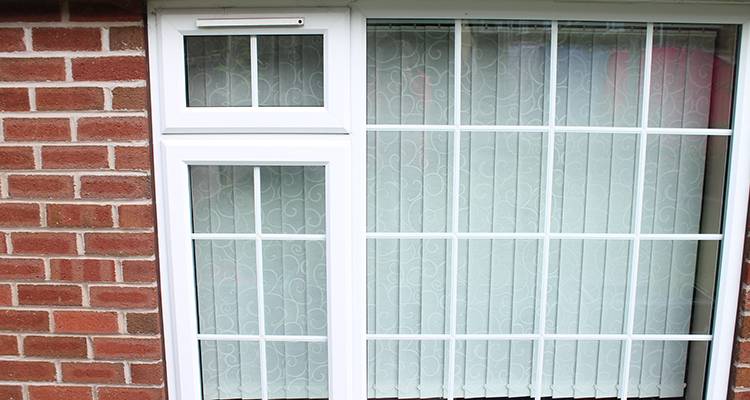
The cost of double glazing can vary quite a bit, and this is because there are a number of factors that all add up to the final cost of your windows.
Each component has its own price range, depending on the quality, specification, and complexity of the component.
What Goes Into the Cost of Your Double Glazed Windows
The price of any new double-glazed window can be broken down into two main categories: the material costs and the labour and installation costs. The material costs typically make up 60-70% of the total fitted price, and this includes the cost of the window frame, the glass unit, the hardware (like locks and hinges), and the finish.
The frame material makes up a significant chunk of the material costs, with uPVC being the most affordable option, followed by aluminium, which is more expensive.
Labour and installation costs make up the remaining 25-35% of the total project cost, and this covers the cost of removing the old windows, fitting the new units, making good any internal and external damage, disposing of any waste, and getting the mandatory FENSA (Fenestration Self-Assessment Scheme) or CERTASS (Certification and Self-Assessment scheme) certification.
According to our latest data, the labour cost for a full house of 10 casement windows can be anywhere from £500 to £1,800, with individual fitters charging between £200 and £350 per day.
Double Glazing Cost Calculator (Including Installation)
Supply-Only vs Fitted Pricing
If you opt for supply-only prices, you'll be looking at paying anywhere from £150 to £400 per window, excluding professional installation, disposal, and certification.
This can seem like a cost-effective option, saving you 40-50% compared to fitted prices, but it also brings its own risks - mainly that the windows may not be compliant with Building Regulations, which could cause all sorts of problems down the line.
Fitted prices, on the other hand, cover absolutely everything - the supply of the windows, the professional installation, the removal of the old windows, the disposal of any waste, and the certification. For most UK homeowners, fitted pricing from a registered installer is the most cost-effective option overall.
Understanding these basic components is the first step to getting a clear idea of what drives up or down the cost of double glazing.
Is triple glazing always better than double? Just wondering before I start upgrading my windows.
"Double glazing is just as efficient as triple glazing..unless you live by a very busy road then I would always advise my customers to go with double glazing. And it's a fraction of the cost."
The Factors That Affect Double Glazing Prices
Once we've got a solid understanding of the basic pricing structure, we can start to look at the various factors that affect the cost. Frame material, window style, window size, and installation complexity all play a significant role in determining what you'll pay for your double glazing.
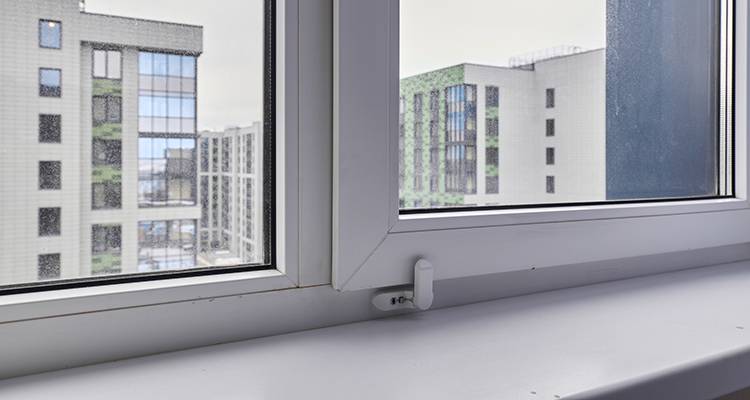
The Impact of Frame Material on Cost
uPVC windows are still the most popular choice for double glazing in the UK, and it's easy to see why. They're thermally efficient, low maintenance, and require only the occasional clean to keep them in good condition.
uPVC casement windows cost between £350 and £600 each for a standard size when fully fitted, making them the most affordable option for most homeowners. Standard white finishes tend to be at the lower end of the price range, although coloured foils or woodgrain effects can add 10-20% to the price, and larger or bespoke uPVC casement windows can rise to £1,250 or more at the top end.
Aluminium windows, on the other hand, tend to be 25% more expensive than uPVC, with casement styles running £550 to £800 installed. The premium you pay gets you slimmer sightlines, allowing more natural light into your home, superior corrosion resistance, and a sleek, contemporary look that suits modern properties.
Both uPVC and aluminium windows deliver strong thermal performance, although aluminium's manufacturing costs keep the prices a bit higher.
Timber windows cost a pretty penny - around 130% more than uPVC windows - and casement styles start at around £1,000 per window. Hardwoods like oak seem to drive the price way up. Wooden windows do give off a real, authentic look that planning authorities in conservation areas seem to look for, but the poor things do need a paint job or a stain every few years, which adds to the overall cost in the long run.
Composite or aluminium-clad timber options make maintenance a lot easier, but you'll pay for that upfront cost.
Window Style and Size - A Lot of Variations Out There
Casement windows are pretty simple, just open outwards, and they're the cheapest to make and fit. If you're just looking for a standard uPVC casement window (say 1.2m x 1.2m), then this is your baseline for comparing prices.
Sash windows will cost you just about double the price because of all the sliding mechanisms and extra framework - they're more complicated to make and fit. You're looking at £700 to £1,500 for a sash window, with sliding sash windows being super common in old houses.
Heritage box sash designs in hardwood can go right up to £2,500-£3,500 per window. And don't forget, sash windows need to be fitted really precisely, which takes up more of the fitter's time.
Bay windows are considerably more expensive than casement windows, typically running from £1,200 to £2,800+ each, which is because they need extra structural supports and glass panels and some fancy fittings. Bow windows are similar in price. Bay and bow windows stick out a bit, giving you a great view and some extra light, but they're also a lot more complicated to fit.
Tilt and turn windows can be turned inwards while they're locked, which is a bit of a convenience. Double glazed tilt and turn windows will cost you around £400-£700 in uPVC or £700-£1,300 in aluminium.
The size of your window will also affect the price - bigger windows or bespoke ones will need more materials, extra glass, and transport costs. This can add up to 20-50% to the cost of a standard window size.
Installation: It's Not All About the Windows Themselves
The complexity of the installation can make a big difference in how much it costs. If you're putting in windows on the upper floor, you'll need scaffolding, which is going to add £300-£800 to the cost per elevation.
If the windows are on the ground floor and you've got a clear path to them, it's a simple job, but if they're awkward to get to or need a lot of extra work to fit, then the labour costs will go right up.
If the window opening itself is damaged, rotten or warped, then you'll need to spend some time and cash putting it right - that's going to cost you an extra £200-£500 per window. And then there's the building regulations to think about.
Your new windows will need to meet all the latest standards on energy efficiency, safety and ventilation, and if they're not designed to meet those standards, it's going to cost extra to get them certified under the Competent Person Scheme.
In London and the South East, you'll also pay a bit more for the labour costs - around 15-25% more than the national average.
The combination of all these factors makes for a lot of variation in the final price, which is why you need to see some actual figures to make sure you're not over budget.
Double Glazed Window Costs by Type and Material
Taking all the above into account, here are some specific prices for double glazing in the UK - these figures are based on what we're seeing in the market right now and should give you a good idea of the costs.
Cost Comparison Table by Material and Style
| Window Type | uPVC (Fitted) | Aluminium (Fitted) | Timber (Fitted) |
|---|---|---|---|
| Casement (standard ~1.2m × 1.2m) | £350 – £600 | £550 – £800 | £800 – £1,500 |
| Sash / Sliding Sash | £600 – £1,100 | £800 – £1,800 | £1,200 – £2,500+ |
| Tilt and Turn | £400 – £700 | £700 – £1,300 | £900 – £1,500 |
| Bay (3-4 panel) | £1,200 – £2,800 | £1,800 – £3,500+ | £2,000 – £4,500 |
Want a custom price?
Post your job
Note: uPVC casement windows can cost up to £1,800 per window at the top end for larger or bespoke sizes, and all prices assume standard double glazing. Upgrading to better glass or non-standard colours will cost more.
When looking at these prices, remember that the style of your window will affect how much it costs - typically, casement windows are the cheapest.
If budget is the main thing, then standard white uPVC casement windows are probably the best bet. If you're after a specific look, then aluminium or timber might be the way to go, but you'll pay a bit more for them.
Installation and Labour Costs
Labour costs for a simple replacement window are around £100-£150 per window. But if it's a more complicated job - like a bay window or a sliding window that needs a lot of structural work - then the labour will be £200-£400 per window.
The day rate for a fitter is usually around £200-£350 in most parts of the UK, but will be higher in London or the South East. A standard 10 casement window job will take a 2-man team anywhere between 2 and 3 days to complete.
You'll need to factor in extra costs for:
- Scaffolding - £300-£800 per elevation if you need to get up to an upper floor.
- Waste Removal / Skip Hire - £200-£350 for a whole house job.
- Making Good (Plastering and Painting the Reveal) - £50-£100 per window.
- Building Control Fees - £200-£400 if the installer isn't registered with FENSA or CERTASS.
Whole House Replacement Estimates
How many windows you have will determine the overall cost of the job. This is what a typical double glazing replacement will cost by property type and number of windows.
| Property Type | Number of Windows | uPVC Cost | Aluminium Cost | Timber Cost |
|---|---|---|---|---|
| 1 bed flat | 2-3 | £1,200 – £2,000 | £1,800 – £3,000 | £2,500 – £4,000 |
| 2 bed terrace | 4-5 | £2,500 – £3,800 | £4,000 – £5,500 | £5,000 – £7,500 |
| 3 bed semi | 6-10 | £4,000 – £6,000 | £7,000 – £10,000 | £10,000 – £16,000 |
| 4 bed detached | 9-12 | £6,000 – £9,000 | £9,000 – £13,000 | £12,000 – £15,000+ |
Want a custom price?
Post your job
Replacing all your windows in one go can save on total installation costs as the installer will get economies of scale and you'll only need to pay for scaffolding once. A typical 3-bed house will cost between £4,000 and £16,000 for all materials, depending on your choice of frame.
These prices are a good starting point, but there are a few things that can easily push costs way over budget.
Common Cost Challenges and Solutions
Even with a good plan in place, double glazing jobs still manage to find unexpected costs. Knowing what might be lurking just out of sight can help you budget better and avoid nasty surprises.
Hidden Costs and Overrunning the Budget
The biggest single source of cost overruns is usually structural repairs that get discovered when the old windows come out. Rotten lintels, crumbling masonry or water damage to the wall can all add up to £200-£500 per window in repairs.
Ask your installer to take a look before quoting and make sure any structural work is included in their price.
Upgrading to better glass is another cost that people often don't see coming. Standard A-rated double glazing is great at keeping the heat in, but if you want acoustic glass to block out the noise or some of the other options, then these can add several hundred pounds per window to the price. A+ rated glass is highly efficient but is a bit pricier than the standard A-rated type.
If your property is in a conservation area, then you might need to use special finishes or colours, which can add an extra 10-20% on to the cost of the frames.
Getting Reliable Quotes
Get at least 3-5 quotes from different suppliers and make sure they're covering the same things like frame material, glass type, window size, and finish. Look for suppliers who are registered with either FENSA or CERTASS - this will make sure you're complying with building regulations and avoid extra fees.
Make sure the quotes include removal of the old windows, installation, waste disposal, making good the wall and certification. And don't forget to check for a guarantee - typically 10-20 years for frames, 5-10 years for sealed units and whatever the manufacturer says for hardware.
Financing and Payment Options
Many big window suppliers offer finance options, including 0% interest over 1 or 2 years. This can make it a lot easier to replace all your windows at once without breaking the bank.
The government has energy efficiency schemes that can help reduce the cost of new double glazing for eligible households. Some installations may even be eligible for reduced or 0% VAT (Value Added Tax) on energy saving materials - just check the current rules as these can change from time to time.
The long-term payback on an investment in double glazing is significant - not just in terms of cutting your energy bills, but also in terms of increasing your home's value and reducing heat loss over time.
You can expect to save up to £235 per year on your energy bills by replacing single glazing with double glazing, and it can reduce heat loss by as much as 50%.
Replacing 20-year-old windows will make a huge difference, cutting your heating costs and improving your property's Energy Performance Certificate rating.
Double glazing has lots of benefits beyond just saving you money on your energy bills - it also reduces noise better than single glazing does, and replacing your windows can improve how appealing your property looks and improve its energy performance ratings.
Conclusion and Next Steps
The cost of installing standard double glazing can be anything from £350 to over £4,500 per window, fully fitted - with uPVC casement windows at the more affordable end of that scale, at between £350 and £600.
Replacing all the windows in your house will cost you anywhere between £4,000 for a small uPVC job to £15,000+ for premium materials and fiddly window designs.
If you want to go ahead with your double glazing project:
- Take precise measurements of your existing windows - note the dimensions, style, and how many of them need replacing.
- Decide on a frame material - work out a balance between what will fit your budget, the way it looks and how easy it will be to keep it in good nick.
- Find and research local firms - have a look at their MyJobQuote profile reviews and check they're registered with a reputable body like FENSA or CERTASS and check out their reputation.
- Get 3-5 written quotes - compare them on a like-for-like basis, taking in all the costs.
- Set aside 10-15% for contingencies - this will cover any unexpected costs that crop up during the installation process.
The energy efficiency rating of your windows can make a big difference to the initial cost, and also to the potential savings you'll make on your heating bills, so think long term as well as short term when considering the project.
If you've got old windows or single glazing, then the improvement in comfort, noise reduction and energy saving makes new double glazing one of the best home improvements you can make - one that will have a lasting impact.
If you'd like to learn more, you might want to explore alternatives to double glazing, like secondary glazing for listed buildings, or doing an analysis of the costs and benefits of triple glazing for colder regions. You may also need to look at the planning permission rules for your area if you live in a conservation area.
Additional Resources
- Measuring your windows - get a soft pencil and a tape measure and note down the width and height at three points (top/middle/bottom and left/centre/right), making sure to note the smallest dimension in each one.
- Finding an installer - use MyJobQuote, who can help you find local window fitters.
- Energy ratings explained - UK windows are rated from A++ to E by the British Fenestration Rating Council. If you want to get the best energy performance, aim for A-rated or above.
- Building Regulations - replacement windows need to meet a set of rules laid out in Approved Documents L (energy efficiency), N (safety glazing), and F (ventilation) - your installer should be able to help you with this.
- Cost estimators - use our double glazing calculator to get a rough estimate of what it might cost to replace your windows, before asking for formal quotes.
FAQs
Will New Windows Reduce Noise Levels From Outside?
Yes! Modern uPVC double-glazed windows have much thicker glass units than older double glazing which will cut down the noise inside your home.
Are uPVC Windows Worth It for Energy Savings?
Yes. Modern uPVC double-glazed windows are designed to reduce heat loss and improve insulation. Replacing old single-glazed windows with new A-rated double glazed windows can save you around £235 per year on heating bills, depending on your property’s size and energy use. Over time, this can make a noticeable difference to your home’s comfort and running costs.
Will I Need To Move Out While the Windows Are Being Installed?
No, not normally. You shouldn’t have to move out of your home when getting new windows. Reputable installers will work with you to minimise inconvenience and will normally complete one room at a time before moving on to the next.
So while you may need to move around a bit while work is in progress, you will not have to move out! Professional double-glazing installation companies will sit down with you beforehand and discuss the installation with you first, so you know the procedure.
So while you may need to move around a bit while work is in progress, you will not have to move out! Professional double-glazing installation companies will sit down with you beforehand and discuss the installation with you first, so you know the procedure.
Will I Need To Re-Plaster Inside My House?
Maybe! Some minor plasterwork could well be required around the window reveals caused by removing your old windows, although in most cost estimates this is included, so your installer should carry out this work. Always double-check quotations to see who is responsible for those kinds of minor repairs.
Do I Need Planning Permission for Windows?
Planning permission is not normally required for replacing windows, unless you are in a listed building or conservation area.
There are special rules which apply to flats and ex-council homes, however. In any case, you should always consult with your local planning authority to be on the safe side.
There are special rules which apply to flats and ex-council homes, however. In any case, you should always consult with your local planning authority to be on the safe side.
Are Windows Fitted From the Inside or Outside?
In the UK, modern uPVC windows are almost always fitted from the outside. This method allows the window to be set back into the brickwork reveal, providing a better seal against the weather. The internal window sill is typically left undisturbed.
Is DIY Double Glazed Window Installation Recommended?
The basic process of fitting windows is reasonably straightforward for a decent DIY enthusiast, but to fit new double glazed windows and replacement double glazing doors in the UK, you do have to comply with building regulations if you do.
When you remove your old windows, take care to avoid damaging the walls and plaster to prevent more work making it good later.
Be especially careful with damp proof courses and ensure that they have not been pulled out with the old window frame. If they have been moved or damaged accidentally, you need to replace or refit them properly. Then simply fit the new windows in place using bolts, and then seal carefully around the edges of the frames.
When you remove your old windows, take care to avoid damaging the walls and plaster to prevent more work making it good later.
Be especially careful with damp proof courses and ensure that they have not been pulled out with the old window frame. If they have been moved or damaged accidentally, you need to replace or refit them properly. Then simply fit the new windows in place using bolts, and then seal carefully around the edges of the frames.
Can I Spread the Cost of Double Glazing?
Many double glazing suppliers offer finance options that allow you to spread the cost of home improvements over monthly payments, making a new double glazing window installation more accessible. Always check the interest rate, total repayable amount, and payment schedule before committing.
Are uPVC Windows Suitable for a Period Property?
If your home is a period property, whether it is listed or in a conservation area, local authorities often require window frames that match the original style and material of the property, which can affect both your choice of glazing and cost.