Builders
 Carpenters
 Electricians
 Flooring Specialists
 Gardeners
 Handymen
 Heating Engineers
 Painters & Decorators
 Plasterers & Renderers
 Plumbers
 Roofers
 Tilers
 my
myHouse Extension Cost
At a Glance
- The average house extension costs around £52,000.
- Most jobs take between 10 and 18 weeks to complete.
- How much the average house extension costs per m² in 2026, based on the overall size and type of extension.
- How long the job takes, what's involved and details on planning permission and building regulations.
- How to find and hire a local builder in the UK using MyJobQuote.
Get free estimates
Are you a trade? Get more work today!
Trying to find out how much a house extension costs?
In this guide, we cover everything involved in building a new house extension, with costs based on the quality of the build and the tradesmen involved. We also look at comparing the various types of house extension available, from a simple porch extension through to a more complex wrap around design.
£52,000
Table of Contents
- How Much Does a House Extension Cost in the UK?
- House Extension Prices
- Labour Cost to Build an Extension on a House
- Types of House Extension
- What's Included in the Cost of a House Extension?
- Hidden House Extension Costs
- What Impacts House Extension Costs?
- How to Lower the Cost of House Extension
- What's Involved in Building a House Extension?
- Building Regulations and Planning Permission for a House Extension
- Alternatives to a House Extension
- Checklist: Hiring House Extension Builders in the UK
- FAQs
How Much Does a House Extension Cost in the UK?
The average cost of a house extension in the UK is around £52,000 based on a standard single‑storey extension, although the total cost can vary between builds and will depend on your own project.
You can expect the cost of a house extension to depend on:
- The size of the extension.
- Type of extension (e.g., side-return extension vs. kitchen extension).
- Quality of finish (e.g. low- or high-end materials).
As a general guide, home extension costs per m² fall within the following ranges:
- Basic Finish — Extension costs in the UK are typically around £1,500 to £2,000 per m².
- High-End Finish — The better the finish, the higher the cost, with the average extension cost per m² falling between £2,000 and £3,000 per m².
We have some space down the side of our detached house and want to add a metre or so to the lounge. How much does a family room extension like this cost?
"A single-storey extension typically costs around £1,800–£3,000 per m². So, adding 10m² could cost £18,000–£30,000, while 15m² could be £27,000–£45,000. Costs in Kent and the South East tend to be at the higher end.
These are rough estimates for labour and basic materials. Planning, professional fees, VAT and extras such as bi-fold doors or structural work would cost more."
These are rough estimates for labour and basic materials. Planning, professional fees, VAT and extras such as bi-fold doors or structural work would cost more."
House Extension Prices
Let's take a closer look at some house extension cost examples to give you an idea of the budget you may need to set aside for your project.
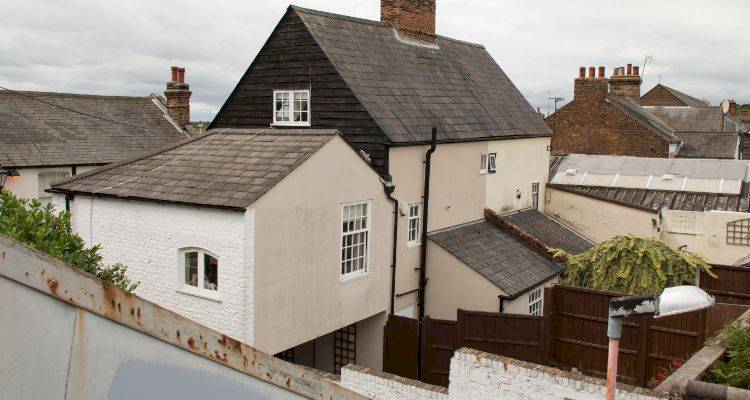
House Extension Cost by Type
The type of extension you choose will come with different costs to consider. For example, multi-storey extensions are going to amount to more than adding a basic porch to an existing structure, although the cost per m² can vary.
The following table shows the average house extension cost in the UK for different types of extension, assuming a standard build with good quality finish throughout:
| Type of Extension | Average Standard Cost |
|---|---|
| Porch Extension | £4,500 |
| Garage Extension | £11,000 |
| Side Return Extension | £20,000 |
| Lean‑To Extension | £32,500 |
| Single‑Storey Extension | £52,000 |
| Kitchen Extension | £62,500 |
| Wrap‑Around Extension | £70,000 |
| Double‑Storey Extension | £82,500 |
Want a custom price?
Post your job
House Extension Cost per m²
As each individual build can be different, an overall average cost is only the starting point. Calculating a budget per square metre lets you create an estimate based on the space you plan to build into, and makes it easy to scale up or down depending on what you can afford to spend on your project.
What is your main reason for having a house extension?
Creating additional living space
112 votes - 81%81% of votes
Adding a porch or conservatory
14 votes - 10%10% of votes
Building a garage
6 votes - 4%4% of votes
To increase the value of your property
7 votes - 5%5% of votes

139 votes
See results
Hide results
Per square metre figures are also useful when establishing costs for other areas of the build, from upgrading flooring materials to painting and decorating or installing central heating.
The table below compares the price per m² for a single-storey extension and a double-storey extension (with and without a loft). While a double-storey extension may appear less expensive per-square-metre, the cost of the overall project is typically much higher due to the increased scale and complexity of the build.
| Type of Extension | Cost per m² | Typical Total Cost |
|---|---|---|
| Single Storey (20 to 30m²) | £1,700–£1,900 | £44,000–£60,000 |
| Double Storey (40 to 60m² total) | £1,500–£1,800 | £80,000–£120,000 |
| Double + Loft (60 to 80m² total) | £1,300–£1,750 | £100,000–£160,000 |
Want a custom price?
Post your job
House Extension Cost by Finish Quality
The quality of the finish will have a big impact on the final price per square metre of your home.
| Quality of Finish | Cost per m² for Single Storey | Cost per m² for Double Storey | Cost per m² for Double Storey + Loft |
|---|---|---|---|
| Basic | £1,000–£1,700 | £950–£1,500 | £900–£1,300 |
| Good | £1,700–£1,900 | £1,500–£1,850 | £1,300–£1,750 |
| High | £1,900–£2,200 | £1,850–£2,200 | £1,750–£2,200 |
Want a custom price?
Post your job
House Extension Cost Breakdown
Wondering how much you should allocate to each part of the project?
The table below shows how the budget for a typical £52,000 single-storey extension may be allocated. Actual costs will vary depending on the size of the extension, specification and location of the property.
| Cost Element | Typical Cost |
|---|---|
| Architect, Surveys and Approvals | £3,000 |
| Groundworks and Foundations | £8,000 |
| Main Structure and Roofing | £18,000 |
| Windows and External Doors | £4,500 |
| Plumbing and Electrics | £6,000 |
| Internal Finishes (Plastering, Flooring and Decorating) | £7,000 |
| Contingency Budget | £5,500 |
Want a custom price?
Post your job
Labour Cost to Build an Extension on a House
The overall costs for labour will vary a great deal depending on the exact nature of the work that you have completed.
In general, you can expect labour to account for around 40% to 45% of the total house extension cost. Labour and material costs make up a similar amount of the budget for a home extension, with structural engineer and architect fees, council fees, and VAT making up the remainder.
The following is a rough idea of costs and timescale, although more complex structures are likely to take longer. It's worth noting that labour fees in London and the South East are higher than the national average.
Average Extension Labour Costs and Timeframes
| Type of Extension | Duration | Average Labour Costs |
|---|---|---|
| Lean-to | 11 to 13 weeks | £25,000–£40,000 |
| Side Return | 9 to 12 weeks | £15,000–£25,000 |
| Wrap Around | 10 to 14 weeks | £40,000–£100,000 |
| Kitchen | 10 to 14 weeks | £25,000–£100,000 |
| Double Storey Lean-to | 16 to 18 weeks | £40,000–£60,000 |
| Double Storey Wrap Around | 17 to 19 weeks | £50,000–£150,000 |
Want a custom price?
Post your job
Hourly Rates for Different Types of Tradespeople
It can be useful to have an hourly rate breakdown for each trade involved in the project, but remember that bigger jobs are usually priced at a daily or fixed rate, rather than hourly.
| Tradesman | Average Cost Per Hour | Typical Labour Cost |
|---|---|---|
| Builder | £20–£35 | £12,000–£20,000 |
| Tiler | £20–£40 | £500–£2,000 |
| Plumber | £35–£45 | £1,000–£3,000 |
| Electrician | £50–£120 | £1,500–£4,000 |
| Plasterer | £30–£50 | £2,000–£5,000 |
| Decorator | £20–£50 | £500–£2,500 |
| Joiner | £35–£45 | £2,000–£6,000 |
| Roofer | £30–£40 | £2,000–£5,000 |
| Kitchen Fitter | £20–£30 | £1,500–£4,000 |
Want a custom price?
Post your job
Types of House Extension
Once you've decided that you want to get an extension built on your house, the next step is to decide what sort of extension you want.
Lean-To House Extension Cost (Rear or Side)
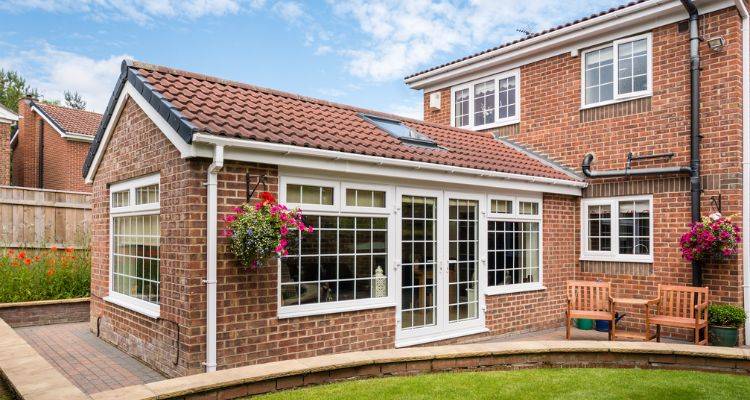
Best for homeowners with limited space who want a simple, cost-effective way to add a single additional room, especially suitable for small to mid-terraced or semi-detached properties.
A lean-to extension typically adds a single room to the back of the building. The roof is most often pitched, which is the reason for the name. A lean-to extension is a good choice if you only require a small side extension. The cost of an extension like this is usually between £25,000 and £40,000, whereas a rear extension may become more expensive.
Pros
- ✔ Offers flexibility
- ✔ Easily add a single extra room
Cons
- ✖ Size of rear extensions is limited by garden space.
Side Return House Extension Cost
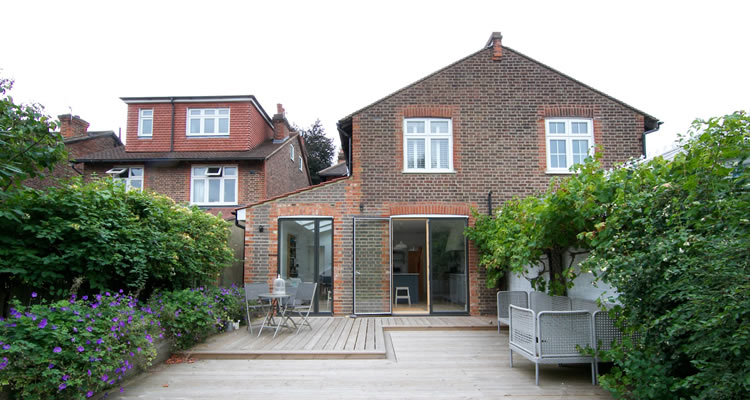
Best for Victorian or Edwardian terraced homes with unused alleyway space, ideal for homeowners looking to widen and brighten existing ground-floor living areas without losing garden space.
Some homes have alleyways that run down one side of them. You often find these in Victorian terraces. Most homeowners use them to store their bins. In this extension, the alleyway is used to extend the ground floor of the home.
On average, a side extension costs between £15,000 and £25,000. Because this tends to be a smaller type of extension, the total cost will tend to be lower than other options.
Pros
- ✔ Quick and cheap option.
- ✔ No garden space sacrificed.
Cons
- ✖ Only adds a limited amount of extra space.
- ✖ Only an option for some homes.
Prefab Extension Cost
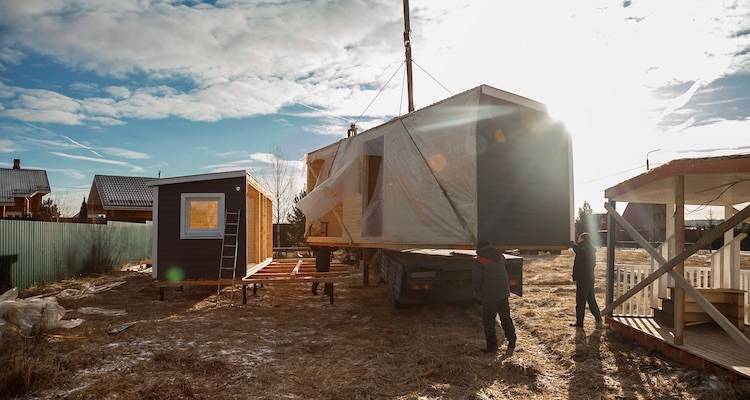
Best for homeowners who want a fast-build, low-disruption extension and are comfortable with more limited design flexibility in exchange for speed and efficiency.
It is possible to create your extension off-site, and then just install it by using cranes to lift the pieces into place.
The average cost for a prefab or flat pack extension is around £2,000 per m².
Pros
- ✔ Quick and easy installation.
- ✔ Minimal disruption for you and your neighbours.
Cons
- ✖ Need access space for a large crane
- ✖ Limited options
Loft Conversion Cost
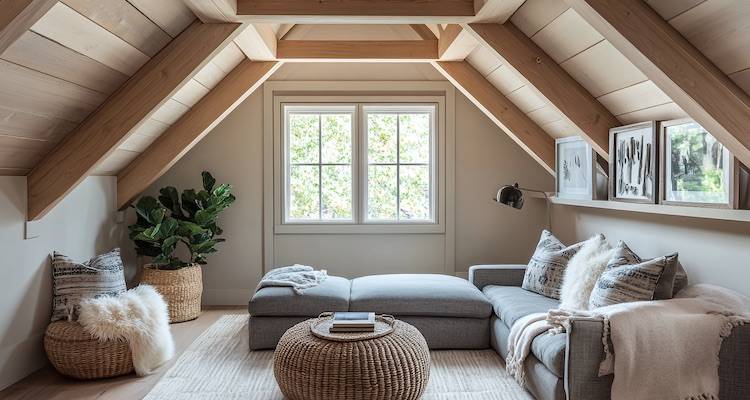
Best for homeowners looking to add extra bedrooms or a home office without extending outward and losing garden space, especially suitable for properties with suitable roof height and structure.
A loft conversion is often the most cost-effective way to add space to your home. The amount of space you gain with a loft conversion will depend on your existing loft and the type of loft conversion you choose.
The average loft conversion costs around £40,000, but a basic loft conversion can cost as little as £15,000.
Pros
- ✔ Cheapest cost per m² gained.
- ✔ No loss of outdoor space.
Cons
- ✖ Available space depends on the style of roof.
- ✖ Can be expensive to make more awkward spaces usable.
Kitchen Extension House Extension Cost
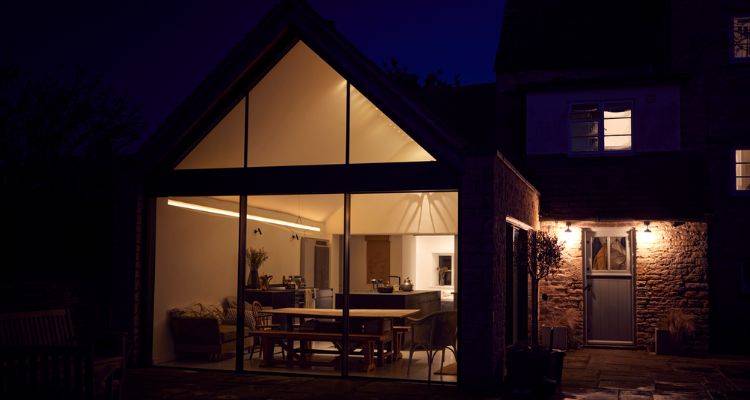
Best for families who want a larger, modern open-plan kitchen and dining space, particularly those who prioritise social living and entertaining areas.
One of the most common uses for a home extension is in the kitchen. This can involve remodelling the existing kitchen or a kitchen extension. The cost of a kitchen remodel varies largely based on the quality of the fittings and appliances chosen for the kitchen. The costs range between £25,000 and £100,000.
Pros
- ✔ Good opportunity to create an open plan kitchen and dining room.
- ✔ Can rearrange the kitchen to suit your needs.
Cons
- ✖ Can be the most expensive type of home extension.
Wrap Around House Extension Cost
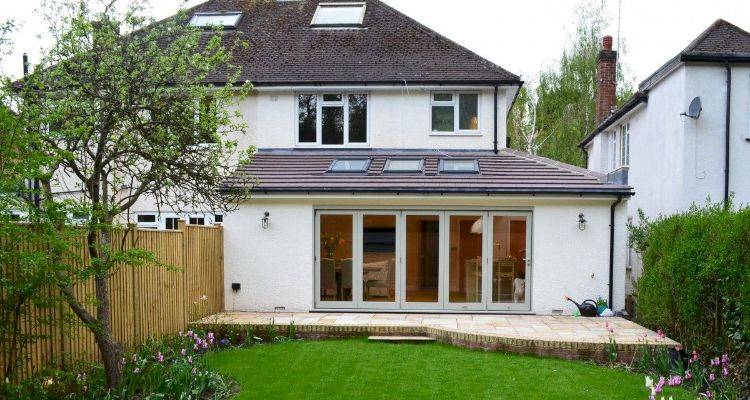
Best for homeowners wanting a major transformation of the ground floor layout, ideal for larger households looking to create expansive open-plan living spaces.
A wrap-around extension is when you extend to both the rear and the side of your home at the same time. This creates a lot of extra space in your home. It is ideal for creating large open-plan living spaces. The average wrap-around home extension cost is £40,000 to £100,000.
Pros
- ✔ Creates lots of space.
- ✔ Flexibility of design.
Cons
- ✖ Expensive
Single-Storey House Extension Cost
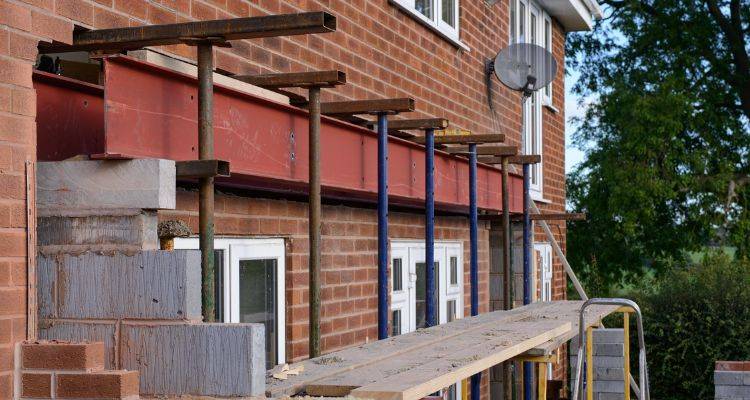
Best for homeowners who want to expand living space on the ground floor without altering upstairs rooms, suitable for families needing extra kitchen, dining, or lounge space.
A single storey extension is an extension that only expands your ground floor space. The roof of a single storey extension can be completely separate from the main roof of your home, and could be pitched or flat. See our flat roof extension cost guide if you're weighing up that option. The average single storey extension costs £15,000 to £100,000 depending on which type of extension you choose.
Pros
- ✔ More roofing options.
- ✔ Quicker to build.
Cons
- ✖ Higher cost per metre square.
Double-Storey House Extension Cost
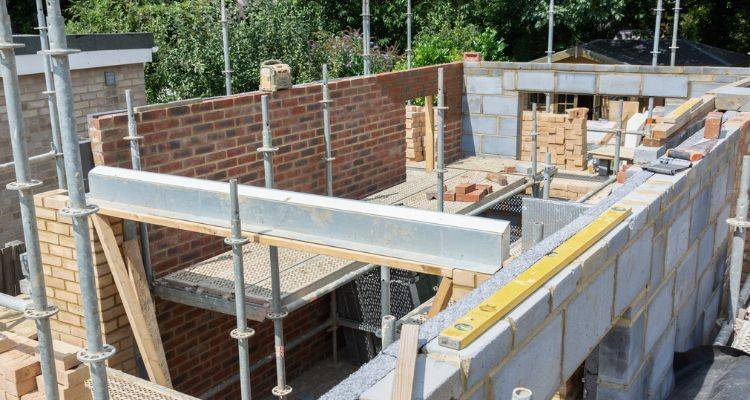
Best for growing families needing significant additional living space across multiple floors while maximising value per square metre of extension.
Lean-to and wrap around extensions can be built as two storey extensions. If you want to go even further, you can also get the loft space made into a liveable space. The average cost of a double storey extension is £40,000 to £50,000 for a lean-to extension and £60,000 to £150,000 for a wrap around.
Pros
- ✔ Lowest cost per m².
- ✔ Creates more space for the amount of garden sacrificed.
Cons
- ✖ Two storey extensions can be expensive.
First Floor Extension Cost
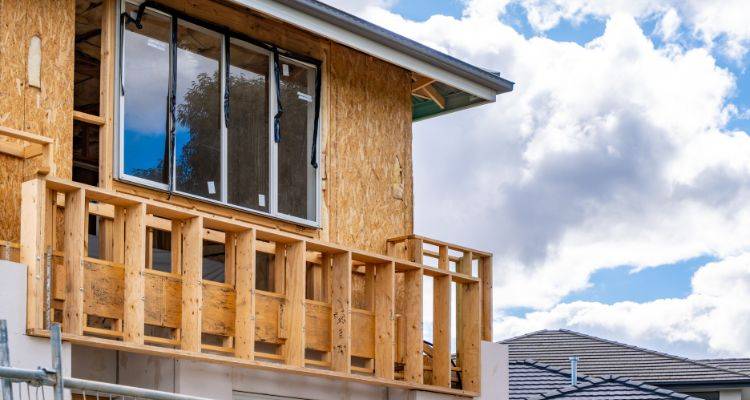
Best for homeowners with an existing single-storey structure, such as a garage, who want to add a bedroom or extra living space without extending the footprint of the property.
A first floor extension involves building upwards over an existing ground floor room or garage, rather than outwards. Because the foundations and ground floor walls are often already in place, this can work out more cost-effective per m² than starting from scratch. If you're specifically looking to build above a garage, see our guide to extending over a garage.
For a typical 25m² first floor extension, costs usually range between £45,000 and £75,000, with an average cost of around £60,000.
Pros
- ✔ Makes use of existing foundations and walls.
- ✔ Doesn't reduce garden space.
Cons
- ✖ Existing structure must be strong enough to support the extra storey.
- ✖ May require reinforcing the ground floor walls or foundations.
Porch House Extension Cost
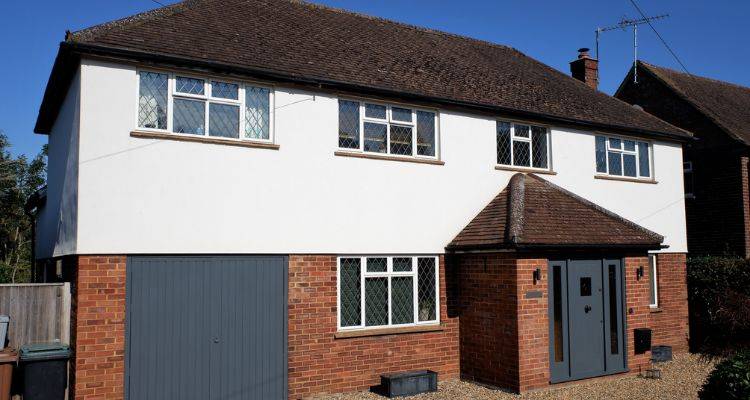
Best for homeowners looking for a small, affordable upgrade to improve entrance space, storage, and kerb appeal without major building work.
As one of the more affordable ways to extend a property, the average cost to build a porch based on one that's around 3m² is approximately £4,500. Although this price can be much higher if you have it built out of solid brickwork and install double glazing.
Pros
- ✔ Low cost and quick to build.
- ✔ Can improve kerb appeal.
Cons
- ✖ Limited usable space.
Garage House Extension Cost
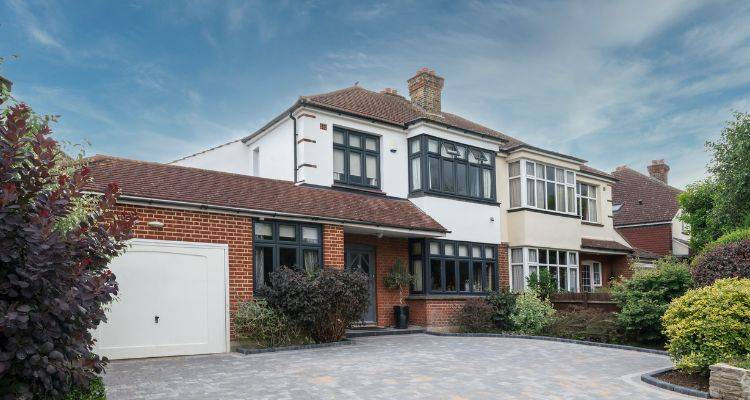
Best for homeowners needing secure parking or storage, or those looking to convert garage space into a functional living area in the future.
The cost of a garage extension is around £9,000 for a single-width build, although a double garage (or one with a pitched roof) can cost in the region of £13,000.
Pros
- ✔ Adds secure storage and parking.
- ✔ Increases property value.
Cons
- ✖ May require extensive work if repurposed.
Garage Conversion Cost
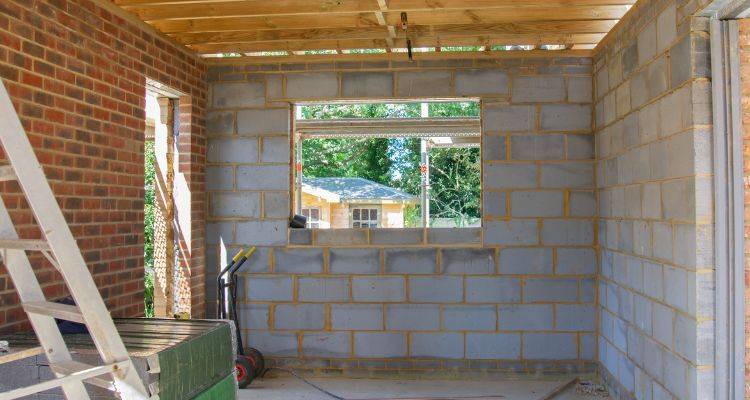
Best for homeowners with an existing garage that's rarely used for parking and who want extra living space without the cost of a full extension.
A garage conversion turns an existing garage into a habitable room, such as a home office, playroom, or extra bedroom, without adding to the footprint of the house. Because the walls, roof and foundations already exist, it's usually one of the cheaper ways to gain extra space. See our garage-to-bedroom conversion cost guide for a full breakdown.
Including materials and labour, a 15m² garage conversion typically costs between £8,500 and £20,000, with an average cost of around £14,500.
Pros
- ✔ Cheaper than building a new extension.
- ✔ Minimal disruption, as the structure already exists.
Cons
- ✖ Loses secure off-street parking or storage space.
- ✖ May need extra insulation and damp-proofing to make it habitable.
Shell Only Extension Cost
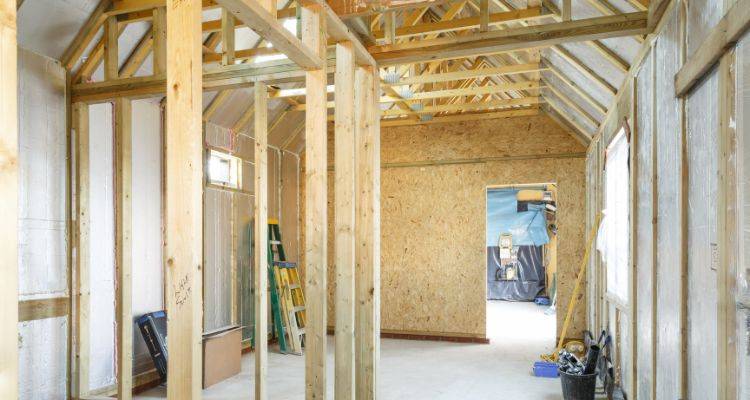
Best for budget-conscious homeowners who want to spread renovation costs over time and are comfortable completing or managing internal finishing works themselves.
This is a great option for homeowners on a budget, as you can have the shell built then slowly start to finish the interior as funds become available, doing some of the work yourself if possible to further cut costs. The cost of a single storey extension shell is usually around £30,000 to £40,000.
Pros
- ✔ Significantly cheaper than other similarly-sized house extensions.
- ✔ More freedom over the design.
Cons
- ✖ Requires significant DIY knowledge to complete the build.
- ✖ Hidden costs can add up, if more trades are needed to finish the interior.
Basement Extension Cost
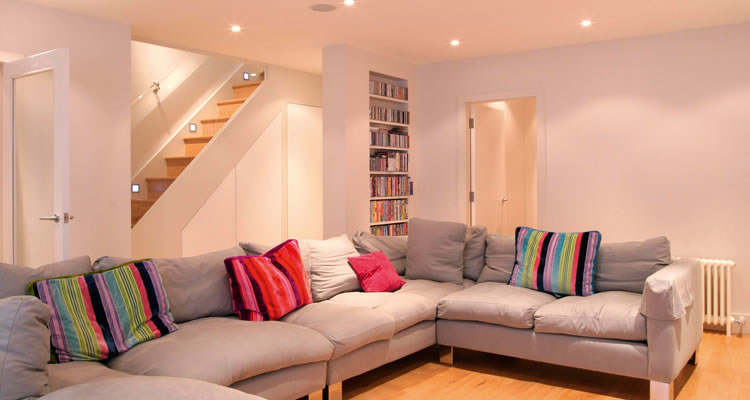
Best for properties in urban or high-value areas where outward expansion isn't possible, ideal for homeowners wanting to significantly increase living space without reducing garden size.
A basement conversion allows you to create a large, open-plan living space covering the entire footprint of the existing property. The average cost of basement extension is £60,000 for converting an existing cellar into a living space, or up to £120,000 to excavate and underpin a new space under the house.
Pros
- ✔ Makes good use of existing cellar space, if any.
- ✔ Significant extra living space without sacrificing outdoor space.
Cons
- ✖ Excavating a new basement takes up to 30 weeks for a large property.
- ✖ Structural survey needed to determine if the property is suitable for a basement conversion.
What's Included in the Cost of a House Extension?
As a general guideline, here's what's typically included and what isn't within the cost of a house extension:
Usually included:
- Groundwork, foundations and preparation.
- Structural build (exterior walls and roofing).
- Windows, external doors and basic insulation.
- Internal finishes (plastering, basic painting and decorating).
- Labour fees (builders, joiners, plasterers etc).
- Electrical work (basic wiring and plug sockets).
- All materials required for the build.
Not usually included:
- Professional fees (architect, structural engineer, surveys).
- Planning and Building Control fees.
- Additional structural work (e.g., installing a steel beam (RSJ)).
- Larger windows, bi-fold doors, rooflights.
- Kitchen fittings, appliances or bathroom installation.
- Skip hire, waste disposal or additional utility upgrades.
Hidden House Extension Costs
When you are drawing up the budget for your project, there are a lot of other potential costs you need to keep in mind. Some of the most common additional hidden costs that people don't always think of are listed here.
Site Survey Cost and Groundworks
The typical cost is £600 to £1,400.
A professional site survey is a wise investment before starting a large project like a house extension. Checking the ground conditions, soil type, and location of any roots can identify existing or potential problems early on in the process, helping prevent costly issues during construction.
Drains may also need moving, in which case your local authority will be able to advise who is responsible and how to go about arranging for the work to be actioned. On average, a drain survey cost will be around £250 and if any work is required, then add £200 to £1,300 to the total home extension cost.
Insurance Costs
The typical cost is £50 to £500+.
Building an extension can raise your house insurance premiums. You should notify your insurer before work begins. Some insurers may increase your premium during the build, while larger projects may require specialist renovation or extension insurance to ensure the property remains fully covered.
Temporary Accommodation
The typical cost is £500 to £3,000+ per month.
Because of all the disruption that's caused by a house extension, some people decide to stay somewhere else while the work is being completed. This will simplify things for the team that's building your home extension and can be a lot more comfortable for the residents, but will increase the overall cost.
Painting the Exterior
The typical cost is £850.
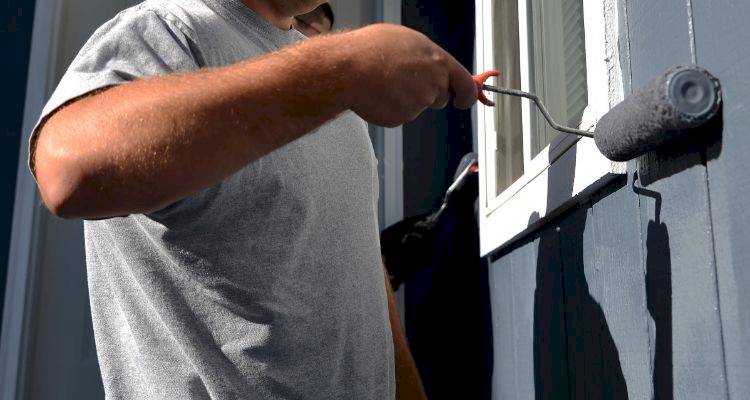
Painting a house exterior after building an extension is an often-forgotten cost. The overall cost will depend on factors such as the size of the property, as a large detached home will cost far more than a standard terraced house to be touched up after building an extension.
Architect Fees
The typical cost is £3,000 to £5,000.
Architect fees are often overlooked when budgeting for an extension. Costs vary depending on the size and complexity of the project and the level of service required. Basic drawings for planning permission will cost less, while a full design and project management service can significantly increase the fee.
For larger or more complex builds, some homeowners also bring in a quantity surveyor to cost-plan the project and keep spending on track throughout construction.
Party Wall Agreement
The typical cost is £700 to £2,000.
If your extension affects a shared wall or is being built close to a neighbouring property, you may need a party wall agreement. This is particularly common for semi-detached and terraced properties, where a shared wall with a neighbour is more likely. Costs can increase if surveyors need to be appointed for both parties or if disputes arise during the process. However, there is no charge if your neighbour provides written consent to the build.
Clearing the Area
The typical cost is £300 to £2,500+.
The area where the extension will be built may need to be cleared before work can begin. This could include removing sheds, decking, patios, trees, fencing, or other garden features. The overall cost will depend on the amount of demolition work required and whether waste removal is needed.
Scaffolding Cost
The typical cost is £3,300 to £9,200.
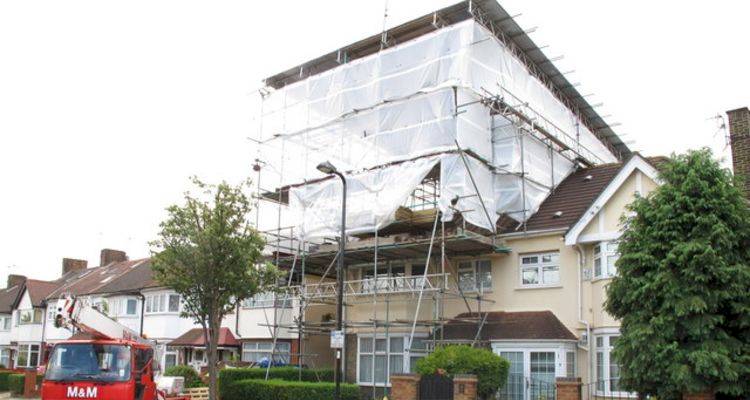
Scaffolding is often needed for anything beyond a single-storey extension, and is easy to overlook when budgeting. An independent (tied) scaffold, the type most extensions need, typically costs £550 to £1,150 per week, with a minimum hire term of 6 to 8 weeks, so the total cost depends heavily on how long the structural phase of your build takes. Check with your builder whether scaffolding hire is included in their quote or charged separately.
Ask a Trade
Got a question that only a tradesperson can answer? We have thousands of trades ready to answer any question you may have.
Ask your question

What Impacts House Extension Costs?
Building a house extension is a big project. Home extension quotes in the UK are high, and the stakes feel even higher when it seems like so much can go wrong with the construction.
Here's a simple breakdown of what you can and can't influence when it comes to the overall price for your house extension:
Non-Negotiable House Extension Costs
- Type of Home Extension — Your home extension type dictates how big the job will be. Single-storey rear and lean-to house extensions are straightforward constructions. Home extensions with new plumbing and electrics (such as brand-new bathrooms or kitchens) will have higher costs and longer timelines.
- Size of Home Extension — While double-storey extensions appear more expensive than single-storey extensions, you can make use of the ground floor build (e.g., groundworks, foundation, scaffolding) to lower your overall cost per square metre.
- Location of Property — This is something you cannot change. Labour costs are higher in London and the surrounding areas by around 10% to 25% compared to the national average, largely due to additional overheads and the higher cost of living.
- House Rewire Cost — The property will need to be inspected to ensure it meets legal requirements, including the electrics, which is a necessity. The average cost for rewiring a house is around £4,000, although the cost to accommodate the home extension can depend on the individual property. An electrician may also advise you replace a fuse box at a cost of about £500.
- Structural Engineer — Structural engineer costs are typically between £400 and £4,000, with the price mainly depending on the complexity of the work that you need completing, however, they are often needed to help ensure the property is structurally sound and in line with building regulations.
Variable House Extension Costs
- Quality of Finish — You have complete control over the finish you choose for your house extension. Making cost-effective choices in your finishing details can have a big impact on your overall project costs. Premium finishes (including bespoke designs, premium glazing, and advanced smart home features) can double or even triple your costs.
- Cost of Materials/Fixtures — Shopping for supplies yourself can be time-consuming, but can yield cost-saving benefits if you do so during sale periods.
- Underfloor Heating — Underfloor heating costs around £800 to install in a standard-sized room, and offers comfort and helps with energy efficiency. However, the price you're quoted will vary based on the type of underfloor heating system (water-based or electric) and the size of the room.
- New Kitchen Cost — If you wish to remodel a kitchen or install a new one in your house extension, then this will have a big impact on your overall cost. The quality and type of appliances you choose can add an extra £3,000 to £10,000.
- New Bathroom Cost — Adding a full bathroom cost into your budget will increase the cost of your home extension. It will add between £2,000 and £6,000 to your final price.
- New Toilet Cost — Adding a toilet with a single basin is a cheap way to increase the number of bathrooms in your home. The average cost for a basic bathroom is £100 to £200.
- New Utility Room Cost — Utility rooms are very handy in a home with many people. If this is something you'd like to include in your home extension, you'll need to add an average of between £3,500 and £7,000 to your home extension costs. This includes the costs for the extra plumbing, a sink, and new appliances.
How to Lower the Cost of House Extension
As you've seen, extending a house isn't cheap. However, there are a few ways to save on the cost of building an extension:
- Choose simple shapes — The more complex the layout, the more your extension will cost. Stick to a simple square or rectangle build with a flat roof to keep costs down.
- Consider salvaged materials — If you can source reclaimed materials, you can save considerably compared to buying new.
- Apply for planning yourself — You can submit your own Planning Permission application to your local council. You'll still have to pay for the application itself, but you won't have to fork out for the professional's fees to do it on your behalf.
- Plan for the future — Before blowing your budget on the latest interior trends, think about what will make your extension more valuable in the long term. Choosing high-quality fixtures and fittings will get the best return on investment (ROI) if you decide to sell in the future compared to choosing expensive paints or wallpaper.
- Use the existing structure — If you can avoid removing any load-bearing walls and instead build around the existing structure as much as possible, costs will be lower.
- Project management — Some homeowners manage the build themselves, while others hire a project manager. It may seem cheaper to manage things yourself, but remember that you will be responsible for handling any delays in materials being delivered and have to reschedule labourers around this, which can end up costing more in the long run.
- Reuse where possible — Consider if you can reuse any existing appliances or furnishings from your property to fill the new space. For example, if you're extending your kitchen, could you reuse the current cabinets and cooker?
What's Involved in Building a House Extension?
Even for the most experienced DIYer, a house extension is not a DIY job.
Certain aspects of the job should only be undertaken by qualified professionals, including electrical work, plumbing, and structural alterations.
To ensure a high-quality finish and safe installation, it's best to compare quotes from multiple local builders. With MyJobQuote, you can get multiple quotes from house extension builders quickly and easily with no obligation to hire.
To give you an idea of your builder's process, take a look at the general steps below.
Before the Job
- Planning and Preparation — Your house extension will be designed (often with an architect), and planning permission will be applied for (if required). When the plans are approved, the site will be cleared, and supplies will be ordered.
How long does it take to get planning permission approval?
"It usually takes a minimum of 8 weeks. However, you should first check to see if your project falls within permitted development. Check the local planning register for your address — it will also tell you what area etc. is permitted."
During the Job
- Foundations and Structure — This phase includes the groundworks, laying foundations, drainage, building the basic structure (with internal and external walls), and making sure everything meets building control.
- Roofing and External Shell — Your builders will install your home extension's roof, as well as windows/doors, guttering/drainpipes and rendering to make the home extension weatherproof.
- Internal Works (First Fix) — This stage includes plumbing, electrics, insulation, and plastering.
- Finishing (Second Fix) — The second fix will be when your electrics and plumbing are finalised (e.g., sockets are installed), and the space is prepared for final inspections.
After the Job
- Final Checks — Your builder will walk you through your new extension and let you point out any issues (e.g., small leaks, cosmetic issues with plaster, etc.). Once identified, your builder will then fix these problems for you, and your space will be ready for use.
Building Regulations and Planning Permission for a House Extension
Building regulations will apply to any substantial work you have done on your home. Planning permission is not always needed, although it may be required in more complex structures. However, permitted development rights allow you to do a lot of work on your home without having to apply for planning permission.
Building Regulations
Building regulations aim to ensure that all homes are built up to a suitable standard. This means that when you get an extension done, building regulations will be applied to the whole of your home, not just the new extension.
You should be aware of this, as it can add a lot of costs. Changes may be needed, like the addition of fire doors throughout your home, rewiring, or insulation upgrades as well as monitoring the build's structural integrity.
In most cases, your lead contractor will ensure that building regulations are met, and it will require paperwork and a physical inspection, usually costing between £50 and £100. You should make sure it is clear who is taking responsibility for doing this at an early stage.
Planning Permission
The following is a list highlighting any limitations without the need of planning permission:
- Single storey extension can extend up to 4m on a detached property and 3m on any other type of property.
- The maximum height is 4m.
- The new building work should be completed using similar materials to the rest of the home.
- A maximum of half the garden space can be used.
- House side extensions can be no more than half the width of the original home.
Anything beyond the above planning rules may be subject to a planning application. You can use the government's planning portal to check for yourself.
Another option is to speak to your local council. Most have a planning department, and a planning permission consultation usually costs around £50 to £150. If full planning permission is required, the planning application itself costs £548 in England (correct as of April 2026) or £585 in Wales (correct as of December 2025), with fees reviewed annually.
If your extension already falls within permitted development but you'd like written proof for future buyers, lenders, or insurers, you can apply for a lawful development certificate (LDC) instead. An LDC doesn't grant new permissions. It simply confirms in writing that the work didn't need planning permission in the first place. As of April 2026, an LDC for proposed works in England costs £274 (half the standard householder application fee).
If you live in a national park or a conservation area, then you should be aware that these limits may be much smaller.
Planning your house extension 3 to 6 months in advance gives you enough time to have designs ready for submitting to your local council for planning permission and building regulations approval.
Can a side return extension be done under permitted development?
"Yes, as long as it fulfils certain conditions: If the extension is within two metres of a boundary (which a side return extension usually is), maximum eaves height should be no higher than three metres to be permitted development."
Alternatives to a House Extension
If you want to add space to your home, but don't have the budget for the cost of a £40,000 house extension, there are other options available that cost a little less, but still give the feeling of more space.
Let's go through some extension alternatives, from lowest to highest average price:
Summerhouse Cost
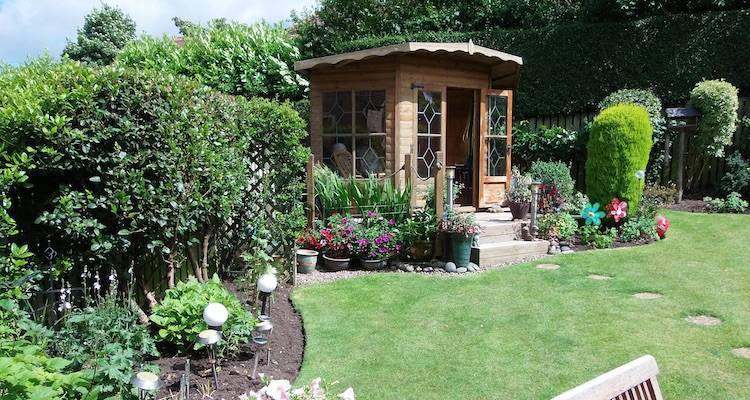
A summer house is a separate building in your garden, which could act as a bedroom or sitting room all year round.
On average, summer house costs (including supply and labour) are around £12,000.
Pros
- ✔ Can add as much as 5% to the value of your home.
- ✔ Less disruption to home life during construction.
Cons
- ✖ Can be expensive to make a liveable space.
- ✖ Considered a luxury addition.
Garden Room Cost
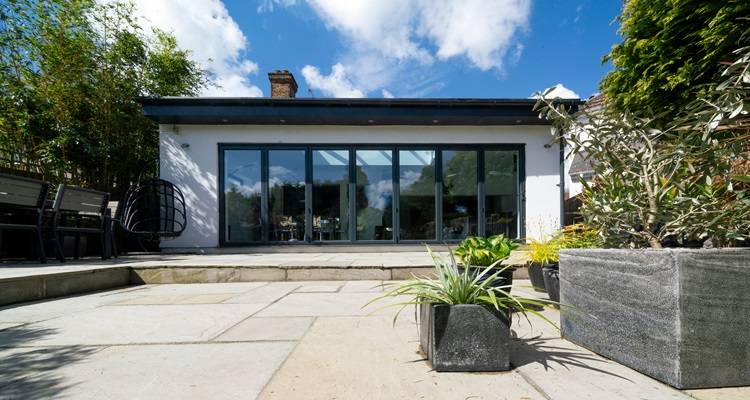
A garden room is a fully insulated, standalone structure in the garden, often used as a home office, gym, or guest room all year round. Unlike a basic summerhouse, garden rooms are usually built to a higher specification, with proper insulation and electrics included.
On average, garden room costs range from £20,000 to £38,000 for a 12m² to 15m² build, with an average cost of around £32,000.
Pros
- ✔ Usable year-round unlike a basic summerhouse.
- ✔ No planning permission needed in most cases.
Cons
- ✖ More expensive than a standard summerhouse.
- ✖ Takes up garden space.
Conservatory Cost
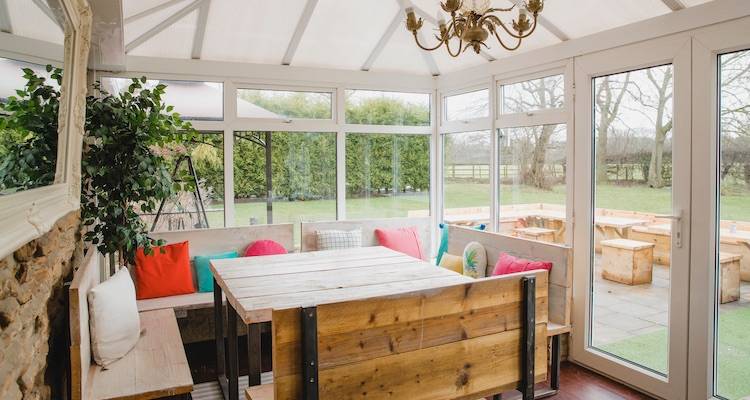
Traditionally, conservatories are a mix of brickwork and glass. The glass panes are similar in size to large windows, and the brickwork usually rises about 1m in height.
On average, conservatory extensions cost around £15,000.
Pros
- ✔ Quick and easy to build
- ✔ Cost-effective
Cons
- ✖ Not considered a fully habitable room (compared to regular extensions), so may not add as much value.
- ✖ Can be hot in summer and cold in winter.
Orangery Cost
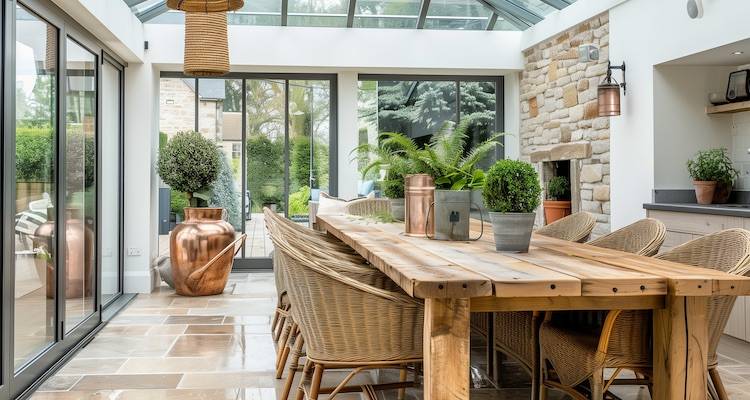
Orangeries are the predecessors of conservatories. They are made with more brickwork than a conservatory typically is, and the roof of an orangery is usually flat with a glass lantern window.
The average cost of an orangery is around £22,000.
Pros
- ✔ Can offer more light than an extension.
- ✔ Provides more space than a conservatory.
Cons
- ✖ Flat roofs can be difficult to maintain.
- ✖ Can be more expensive per square metre than other options.
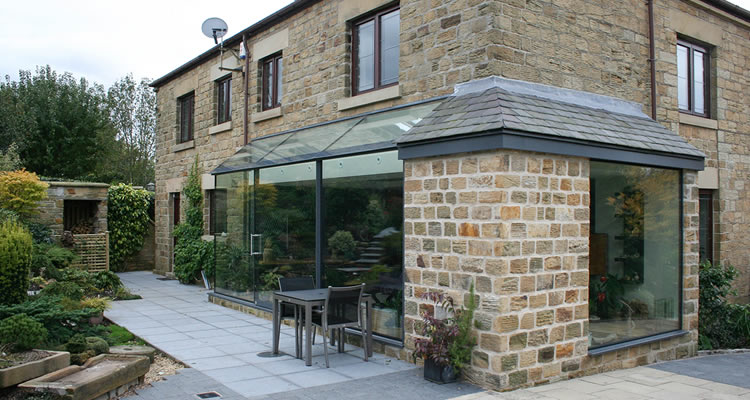
Glass Room Cost

Glass rooms are made almost entirely from glass. They're like conservatories, but the glass continues all the way to the ground, and there is no brickwork, creating a modern finish.
Average costs for a glass room are between £15,000 and £70,000.
Pros
- ✔ Clear views over your garden and surrounding area
- ✔ Bespoke systems
Cons
- ✖ Expensive to buy and install the glass.
- ✖ Can be expensive to heat.
How much do architect drawings for an extension cost? Can I get away with not getting them, or is it really something the builders need?
"Drawings usually cost £1,000–£2,500 for planning, and £3,000–£6,000+ for full building-regs drawings.
An architect isn't legally required, but proper drawings are. Builders need clear, scaled plans to price and build correctly — rough sketches aren't enough. You can save money by using a drafter or architectural technologist instead of a full architect.
In short: you may skip the architect, but you can't skip the drawings."
An architect isn't legally required, but proper drawings are. Builders need clear, scaled plans to price and build correctly — rough sketches aren't enough. You can save money by using a drafter or architectural technologist instead of a full architect.
In short: you may skip the architect, but you can't skip the drawings."
Checklist: Hiring House Extension Builders in the UK
Putting your trust into a local builder to take care of your house extension is a big undertaking. Not only are house extension costs in the UK among the highest home improvement costs, but if the workmanship is poor, you can be left with recurring structural problems for years to come.
To help shape your decision-making process, here's what we suggest when vetting potential builders:
- Are they qualified? Look for National Vocational Qualification (NVQ) or City & Guilds training in Bricklaying, Carpentry, or Construction, Diplomas in Construction/Building Services, or apprenticeships in relevant trades.
- Do they have insurance? Your builder should have public liability insurance to cover themselves and you in the event of any issues or damages during the extension project.
- Are they offering you a written quote? Having your quote in writing leaves less room for hidden charges or misunderstandings. Always get an itemised breakdown of costs to see exactly what's included — and what isn't.
- Have you looked at their customer reviews? MyJobQuote makes it easy to view a trader's customer reviews on their trade profile. Take note of any comments about work ethic, timekeeping, cleanliness on site, and overall quality of work.
- What about building control? Ask if they will take care of building control for you. Most contractors will, but it's best to double-check that it's not your responsibility to avoid any confusion.
- Are the payment terms clear? Find out when and how you need to pay to prevent any hold-ups in the work starting. Make sure your deposit isn't the whole amount, but closer to 10% or 20%.
- Do they offer a warranty/guarantee? Traders should offer some sort of cover on their work if they are reputable. Make sure you know these terms before you agree to work with them.
We recommend you gather at least 3 quotes from extension builders near you to compare their costs. MyJobQuote makes this process easy by keeping all contractor information in one place, including customer reviews and photos of previous jobs, so you can make a choice at your own pace.
FAQs
What Can I DIY in a House Extension?
It is possible to save money with DIY tasks that include painting and decorating, laying flooring, fitting tiles, removing old fixtures, basic garden clearance, or by installing your house extension from a flat-pack unit.
Do I Need an Architect for a House Extension?
Most small to medium extensions won't need an architect, but more complex extensions will need one. If structural changes are needed, such as installing steel beams, a structural engineer will be required to calculate the load requirements and ensure the extension is safe.
How Much Value Does an Extension Add to My House?
You can expect to increase your home value by around £2,000 per m². In London, where space is at a premium, an extension can add as much as £4,000 per m².
Can I Get a Bungalow Extension?
It is possible to put an extension onto a bungalow, as it is effectively no different than putting a single storey extension onto any home. If you'd rather build upwards instead, it's also worth comparing costs against a bungalow loft conversion.
How Close to the Property Boundary Can I Build an Extension?
Single storey extensions can often be built right up to the property boundary. Double storey extensions must maintain neighbour sightlines, and comply with planning regulations.
What Are The Benefits of a House Extension?
Adding an extension to your home removes the need to move house, giving you the extra space you need without any of the upheaval of finding a new property and getting used to a new location. You can also update the floorplan of your home, opening up smaller areas into open plan living areas instead.
Where Can I Put a House Extension?
House extensions are most common at the rear of a property where there is the most space to extend out into the garden. If you're not in a terraced property, there's also scope to extend out to the side as long as you have enough room between you and your neighbour's property.
Can I Stay in My House While It's Being Extended?
Yes, for most small house extensions. For larger projects, such as ones with structural changes including double-storey extensions, you may want to move elsewhere temporarily as you may lose access to essential rooms (e.g. bathrooms or the kitchen), or lose your heating.
Will a House Extension Increase My Council Tax Band?
Council tax bands are assessed when a property changes ownership, so unless you're selling it, there won't be a change. However, if the band changes significantly, it may deter future housebuyers if it's very expensive relative to the area you live in.
Do I Need a Party Wall Agreement for an Extension?
Yes, you may need a party wall agreement if your house extension affects a shared structure, wall or boundary with your neighbour. A party wall agreement is best assessed on an individual basis with your contractor and neighbour at the time of construction.