Builders
 Carpenters
 Electricians
 Flooring Specialists
 Gardeners
 Handymen
 Heating Engineers
 Painters & Decorators
 Plasterers & Renderers
 Plumbers
 Roofers
 Tilers
 my
myCost to Build a Garage
At a Glance
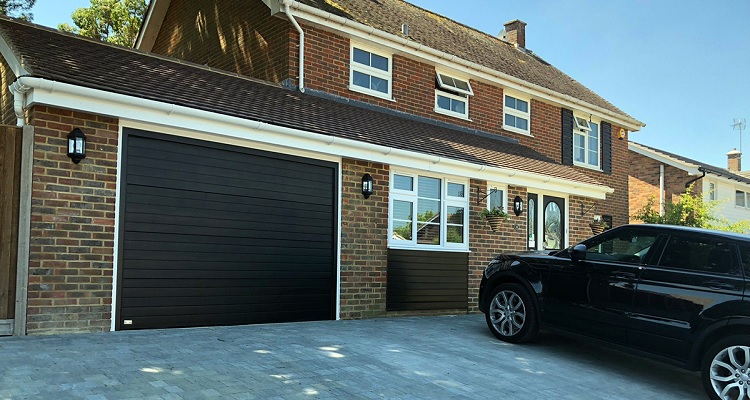
- The average cost to build a garage is £21,000.
- This project will take roughly 1 week (prefab) to 3 weeks (brick-built) to complete.
- NEW! Use our garage price calculator for an instant estimate.
- A breakdown of garage construction costs for different types of garages in 2026.
- How long the job will take and a general overview of what the job involves.
- Whether you need planning permission.
- How to find and hire a builder using MyJobQuote.
Get free estimates
Are you a trade? Get more work today!
£21,000
Table of Contents
- How Much to Build a Garage?
- Price to Build a Garage by Type
- Labour Costs & Timescales for Building a Garage
- Supply Costs to Build a Garage
- Additional Garage Construction Costs
- Factors That Impact Garage Build Costs
- What's Involved in Building a New Garage?
- Building Regulations & Planning Permission for Building a Garage
- Checklist: Hiring Garage Builders
- FAQs
New Garage Build Cost Calculator
How Much to Build a Garage?
On average, you can expect to pay between £21,000 and £58,000 (including labour and materials) for a traditionally built, brick or blockwork garage. The exact price will mainly depend on the size of the garage, construction type, roof design, and specification. Premium finishes, insulated walls and higher-quality garage doors can all increase the overall cost.
If you're looking for a cheaper alternative, a prefab garage kit is usually the most cost-effective option, with prices starting from around £1,750 for a single garage.
What type of garage extension are you planning?
Traditional brick garage
38 votes - 62%62% of votes
Timber prefab garage
6 votes - 10%10% of votes
Metal prefab garage
5 votes - 8%8% of votes
Concrete garage
12 votes - 20%20% of votes

61 votes
See results
Hide results
For new builds, detached garages are often simpler to construct because they don't need to connect directly to the existing property. A detached garage is a stand-alone structure built separately from the house. An attached garage can cost more, as it must tie into the house structure, and homeowners often ask whether it's quicker to have an attached garage built compared with a detached design.
A basic single detached garage typically costs between £21,000 and £40,000, while a newly built attached garage usually ranges from £25,000 to £50,000 depending on materials and complexity.
If you are enlarging an existing garage rather than building from scratch, the pricing will differ. For example, the cost to extend over a garage is usually higher because extra structural support is often needed when building a garage extension.
Likewise, the cost to convert a garage depends on the existing structure, insulation requirements, and intended use of your garage conversion.
Since costs vary significantly, the easiest way to price your project is to post your job and get free quotes from local builders. Comparing multiple quotes helps you find the right builder at the right price.
Quick answer: A traditionally built garage in the UK typically costs between £21,000 and £58,000, while prefab kits are a cheaper alternative, starting from around £1,750. Prices average around £1,300 per m² for brick-built garages. Flat roofs typically cost less than pitched, tiled roofs, and labour usually makes up 50 to 60% of the total budget.
| Job Description | Duration | Material Cost | Labour Cost | Total Cost |
|---|---|---|---|---|
| Single prefabricated concrete garage with a sloping roof on a new concrete slab | 3 to 6 days | £2,000 | £4,500 | £6,500 |
| Single brick garage with a flat roof and up-and-over door | 1 to 2 weeks | £4,500 | £16,500 | £21,000 |
| Single brick garage with a pitched tile roof and up-and-over door | 1 to 2 weeks | £6,000 | £19,000 | £25,000 |
| Detached double brick garage with a pitched plain tile roof and hinged doors | 2 to 3 weeks | £10,000 | £33,000 | £43,000 |
Want a custom price?
Post your job
Price to Build a Garage by Type
Here we look at the different types of garages you can build and their estimated costs:
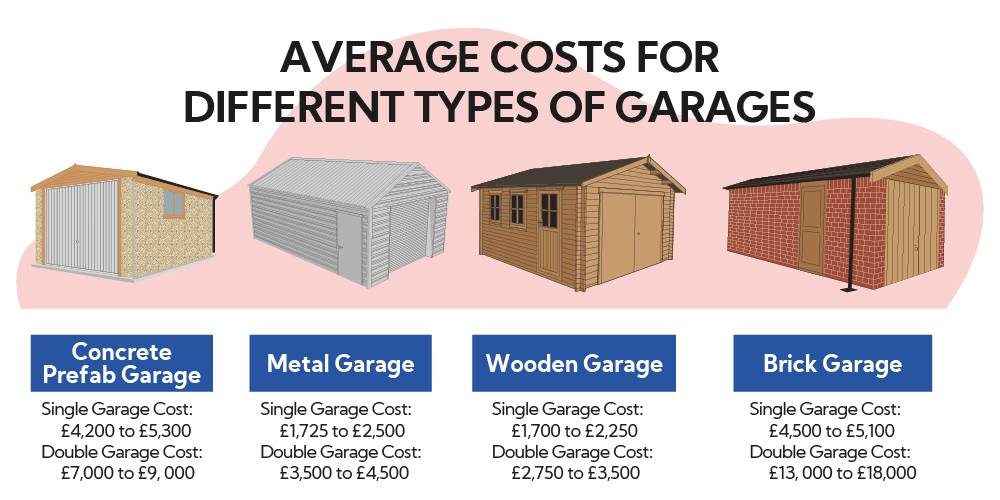
Concrete Prefab Garage Costs
A prefabricated garage (known as a prefab), is a factory-made kit garage. These are different to self-build garage kits as they are already assembled for you.
A prefab is the cheapest and easiest method of installing a garage onto your property.
Starting prices for the kits are around £1,200 and go up as far as £5,000. For a simple single concrete prefab garage for the kit alone, it costs around £1,200, and a double concrete garage will start at around £3,000.
| Type of Garage | Duration | Material Costs | Labour Costs | Total Cost |
|---|---|---|---|---|
| Single (low quality) Concrete Prefab | 1 week | £1,200 | £3,000 | £4,200 |
| Single (high quality) Concrete Prefab with a Corrugated Roof | 1 week | £2,300 | £3,000 | £5,300 |
| Double (low quality) Concrete Prefab | 1 week | £3,000 | £4,000 | £7,000 |
| Double (high quality) Concrete Prefab Corrugated Roof | 1 week | £5,000 | £4,000 | £9,000 |
Want a custom price?
Post your job
Metal Prefab Garage Costs
Although hardwearing metal garages can last over 20 years, especially if they're well looked after, generally speaking they're of lower quality than more expensive alternatives.
Prices for a single metal prefab garage can start from as little as £250 for an unknown brand, reaching up to around £2,500 for a double width and higher quality option.
| Type of Garage | Duration | Material Costs | Labour Costs | Total Cost |
|---|---|---|---|---|
| Single (low quality) Metal Prefab | 1 week | £250 | £1,500 | £1,750 |
| Single (high quality) Metal Prefab with a Corrugated Roof | 1 week | £1,000 | £1,500 | £2,500 |
| Double (low quality) Metal Prefab | 1 week | £1,500 | £2,000 | £3,500 |
| Double (high quality) Metal Prefab Corrugated Roof | 1 week | £2,500 | £2,000 | £4,500 |
Want a custom price?
Post your job
Wooden Garage Costs
A wooden prefab garage kit is the second most financially accessible option for prefab kits on the market. A timber frame garage is usually cheaper than concrete or brick thanks to its lighter, simpler construction.
Starting at around £150 and ranging up to £2,000, it's by far the cheapest option for those looking for a quick, easy build garage.
| Type of Garage | Duration | Material Costs | Labour Costs | Total Cost |
|---|---|---|---|---|
| Single (low quality) Wooden Prefab | 1 week | £200 | £1,500 | £1,700 |
| Single (high quality) Wooden Prefab with a Corrugated Roof | 1 week | £750 | £1,500 | £2,250 |
| Double (low quality) Wooden Garage | 1 week | £750 | £2,000 | £2,750 |
| Double (high quality) Wooden Prefab Corrugated Roof | 1 week | £1,500 | £2,000 | £3,500 |
Want a custom price?
Post your job
Brick Garage Costs
A brick garage is a longer-lasting, higher-quality garage.
The typical starting cost of a UK-sized brick garage with a flat roof is around £21,000, once labour and materials are included. This is by far the most common form of garage chosen.
The length of time needed to build a garage will depend on factors such as the size of build and how many tradesmen are involved, with labour fees varying by region. On the assumption there aren't any unforeseen issues, such as delays due to weather conditions or material supplies, a single garage can be completed within a 2-week window, whereas a high-quality double can take around 3 weeks to finish.
| Type of Garage | Duration | Material Costs | Labour Costs | Total Cost |
|---|---|---|---|---|
| Single (low quality) Brick, with Flat Roof | 1 to 2 weeks | £4,500 | £16,500 | £21,000 |
| Single (high quality) Brick, with Pitched Tiled Roof | 1 to 2 weeks | £6,000 | £19,000 | £25,000 |
| Double (low quality) Brick, with Flat Corrugated Roof | 2 to 3 weeks | £8,000 | £28,000 | £36,000 |
| Double (high quality) Brick, with Pitched Tiled Roof | 2 to 3 weeks | £10,000 | £33,000 | £43,000 |
Want a custom price?
Post your job
Labour Costs & Timescales for Building a Garage
Labour typically makes up around 50 to 60% of the total cost of building a garage, with the remainder split between materials, foundations and any extras like electrics or a driveway. Day rates for tradespeople usually range from £75 to £300, depending on the trade, your location, and the complexity of the job.
Garage-building specialists may be able to oversee the entire project, but many homeowners will need to hire various tradespeople for different aspects of the construction. Each tradesperson will be involved for a different length of time, and day rates will vary by trade.
Below is an overview of the typical labour costs and timescales for different types of garage construction, but the typical prefab garage build duration is less than that of a brick garage in general:
| Garage Type | Main Trades Needed | Typical Labour Time | Typical Labour Cost |
|---|---|---|---|
| Single Prefab Metal | Builder + concrete installer | 2 to 4 days | £500–£800 |
| Single Prefab Concrete | Builder + concrete installer | 3 to 6 days | £800–£1,200 |
| Double Prefab Concrete | Builder + concrete installer | 5 to 8 days | £1,000–£1,500 |
| Single Brick Garage | Builder + bricklayer + concrete installer | 1 to 2 weeks | £2,500–£3,500 |
| Double Brick Garage | Builder + bricklayer + concrete installer | 2 to 3 weeks | £4,000–£5,500 |
Want a custom price?
Post your job
Which Trades Do You Need for a Garage Project?
The style of your new garage space influences the tradespeople you'll need and therefore how much your garage build costs.
- General Builder — Usually oversees the project and may complete much of the construction work. Expect to pay around £100 to £150 per day.
- Concrete Installer — Needed for the garage base or slab foundation, usually for 1 to 2 days on a standard single garage. Day rates are typically £75 to £125 per day.
- Bricklayer — Required for brick-built garages, with labour usually costing £75 to £150 per day depending on experience.
- Electrician — If you want lighting, sockets, an electric garage door or alarms, an electrician is usually needed near the end of the build at around £125 to £200 per day.
- Architect or Designer — For a bespoke garage design, drawings may be needed before work starts. Plans usually cost £400 to £1,000 depending on complexity.
- Tarmac Specialist — If you'd like a tarmac driveway installed in front of your new garage, a tarmac specialist will usually cost around £125 per day, depending on the level of experience and qualifications they possess.
How Long Does It Take to Build a Garage?
A double garage will take longer than a single garage, at around 1 week for a single compared to 2 weeks+ for the double. Prefab garages can usually be constructed in a matter of days.
The timescale will also depend on the level of complexity in the plan, the tradespeople's skills, and the number of workers needed for the project.
Is it quicker to have an attached garage built or a detached garage?
"It depends on site and conditions, but usually cheaper for detached."
Ask a Trade
Got a question that only a tradesperson can answer? We have thousands of trades ready to answer any question you may have.
Ask your question

Supply Costs to Build a Garage
Supply costs for a new garage depend mainly on the construction type, roof finish, foundations, and garage door chosen. Prefabricated kits are usually the cheapest option, while brick-built garages require more materials and therefore a higher budget.
The table below shows the main materials and typical supply-only price ranges for a standard single garage build.
| Material / Component | Typical Supply Cost |
|---|---|
| Metal prefab garage kit | £250–£1,500 |
| Concrete prefab garage kit | £1,000–£3,000 |
| Blocks or bricks | £1,000–£3,500 |
| Sand and cement | £100–£200 |
| Concrete foundation materials | £125–£300 |
| Roof covering | £250–£1,500+ |
| Garage door | £150–£5,000 |
Want a custom price?
Post your job
Prefab Kits vs Traditional Building Materials
Prefab garage kits are usually supplied as complete packages, including wall panels, roof sections, and fixings. Metal kits start from around £250, while concrete prefab kits usually begin at around £1,000.
Blocks are often the most cost-effective material for garage walls if not using a prefab kit, while facing brick costs more but offers a more traditional finish. Material costs for wall construction usually range from £1,000 to £3,500 depending on size and finish.
If you're using breeze blocks, additional waterproofing or cladding may be required which can add to the overall cost.
Garage Roof Materials
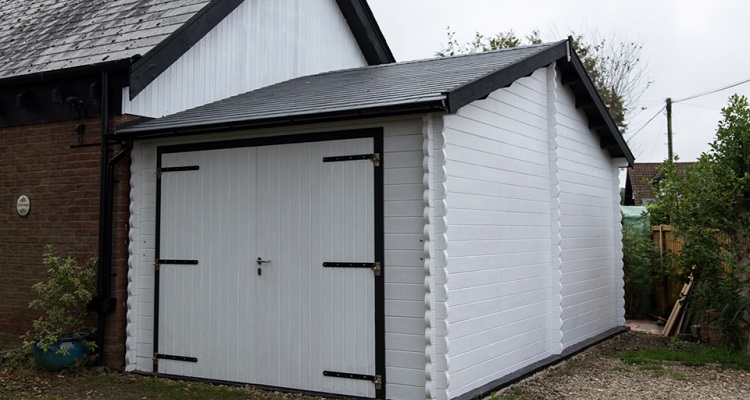
Garage roof costs can vary significantly depending on the roof type, size and materials chosen.
A flat roofing kit (using timber, felt, and membrane) usually starts at around £250, while pitched tiled roofs cost more due to the additional timber structure and tile quantities required.
A flat roof is also quicker to install, often taking 1 to 2 days once the structure is in place, while a pitched tiled roof may take 3 to 5 days depending on size and finish.
Corrugated plastic or metal sheets are often the cheapest roofing option for simple garages, while tiled roofs give a more durable finish but increase material costs considerably.
Garage Foundations
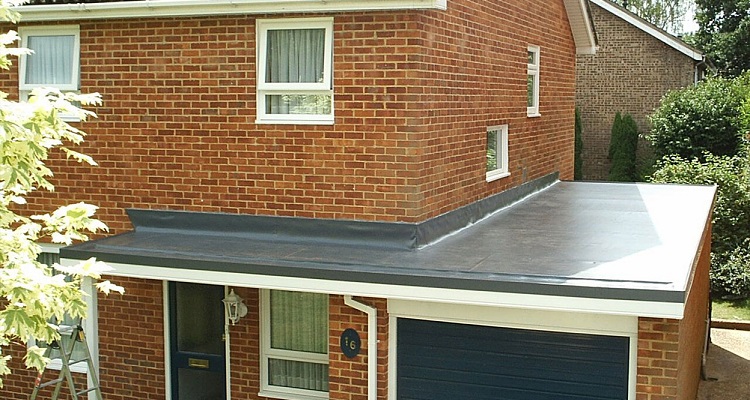
Most garages need a concrete slab foundation before construction starts. For a standard single garage, material costs for the slab are usually around £125 to £300, depending on slab thickness and ground preparation.
Garage Door Costs
If the garage is mainly for vehicle storage, it's worth checking the door opening width matches your car before choosing a style. This matters less if you're using the space for tools or a workshop.
Garage doors vary widely in price depending on style and security level.
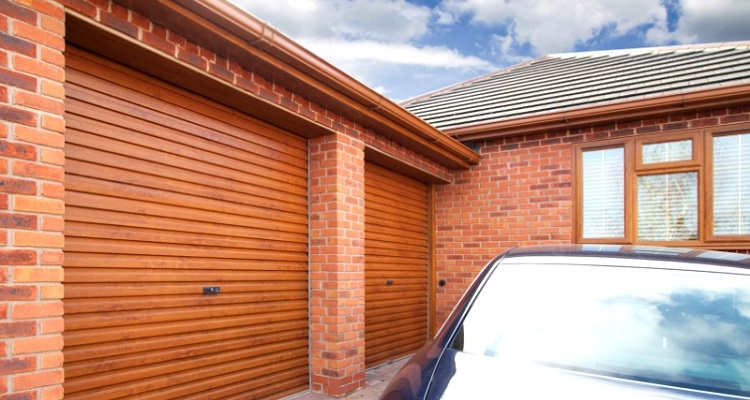
The main types include:
- Up-and-over Doors — £150 to £1,000.
- Roller Garage Doors — £500 to £5,000.
- Sectional Garage Doors — from £1,000.
What is the standard pitch of a garage roof?
"25 to 40 degrees is the standard pitch for most UK house pitched roofs."
Additional Garage Construction Costs
Materials and labour are not the only costs involved when building a garage. Building any structure will have additional expenses.
What are the additional costs when building a garage?
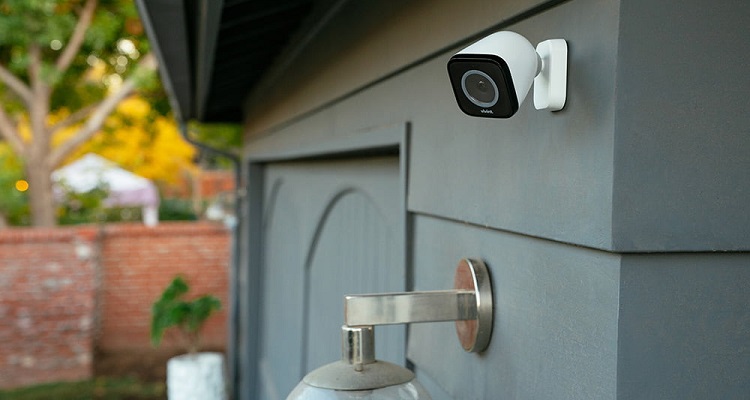
If you require your garage to have electricity, you'll have to employ an electrician to fit the supply, which will cost around £150 per day.
Here are some security measures you can add to your garage:
- Security System — Installing a home security system costs £500.
- Outdoor Lighting — Improving your home's outdoor lighting costs £200.
- CCTV — To boost your home's security, installing CCTV costs £350.
After the garage is built, you may want these additional jobs done, too:
- Adding New or Replacing Old Guttering — To repair or replace your guttering costs £215.
- Adding a Concrete Driveway — To freshen up your home's exterior, adding a new concrete driveway costs £3,500.
Factors That Impact Garage Build Costs
The cost of labour takes the largest chunk out of your building budget, followed by materials, doors, windows, and internal decorations. Consider which design elements you want and how they will impact the final cost:
- Materials — A metal prefab garage is much cheaper than a brick garage. A concrete prefab lies somewhere in between.
- Size — Double garages naturally cost more than single garages, but may add more value to your home.
- Type of Roof — A flat roof costs less than a pitched roof, but might not last as long and doesn't offer as much space inside the garage for storage.
- Door Style — Up-and-over doors are the cheapest, whereas a roller door or sectional door will cost more to install but many find they look better and can be more secure.
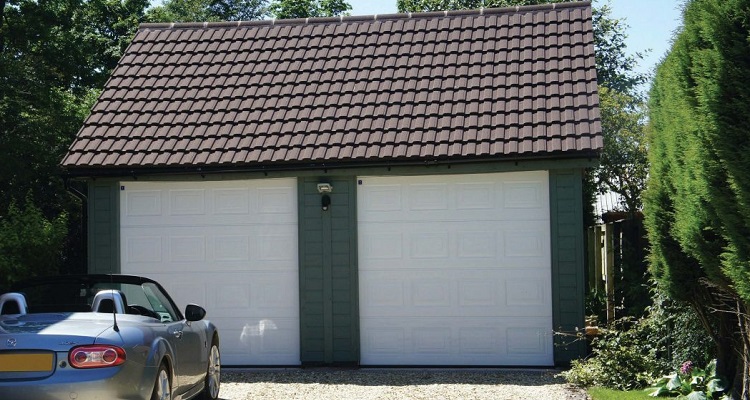
Aside from the design of the garage itself, other factors that influence the price include:
- Location in the UK — Labour rates vary by region and are usually higher in London and the South East than in the North or Scotland.
- Ground Conditions — Poor soil quality, uneven land, or the need for deeper foundations will increase groundwork costs. If excavation reveals drainage issues or unstable ground, additional reinforcement may be required, driving up costs. Foundations and site preparations can consume around 10 to 15% of the project's budget. For a single garage, costs can reach £2,000 to £3,000 if conditions are very poor.
- Existing Structures — Removing an old garage, shed, or existing foundations will add demolition and waste disposal costs before construction can begin.
- Access to the Property — Limited access for machinery or materials may increase labour time and delivery charges.
- Addition of Utilities — If the garage will be used as a living space, you will probably want to add electricity, lighting, plumbing, and/or heating. Each of these will increase time and costs and may require additional compliance work. Electrical installations and drainage can add £3,500 to the cost of building a single garage if the work required is extensive.
- Finishing Level — Similarly, a garage being used for more than just storage will likely require insulation, plastering, and upgraded doors and windows.
- Planning Permission and Building Regulations — While many garages fall under permitted development, some projects require formal planning approval and building control fees.
What's Involved in Building a New Garage?
In most cases, building a new garage isn't suitable for a DIY project unless you're an experienced builder. It's physically demanding and far more complex than many people realise!
As part of the initial stages, it's recommended that you obtain at least three quotes from different tradespeople, as this will help you decide who's best for the job to ensure value for money. At MyJobQuote, you can find garage and outbuilding builders near you for further information (and no further commitment).
Below we've outlined the main steps involved in the construction of a new garage in the UK.
Before the Job Starts
- Budgeting and Planning — Carefully decide on your budget, including cost of materials, labour, and additional expenses. Decide where you are positioning the garage and the design you have in mind. Unless you're using a prefab kit, hire a specialist to draw up detailed plans in advance.
During the Job
- Laying the Foundation — Clear the site area, dig your foundation and lay down a concrete base. Drying times depend on weather conditions and the strength of cement being used.
- Construction — How to go about building the garage will depend on whether it's a prefab kit or a brick-built garage, the latter involving laying brickwork, roof supports, and internal structures such as support beams and flooring.
- Roof Installation — This depends on style. A flat roof is often quicker to install, whereas tiled roofs require additional supports.
- Fixtures and Fittings — This includes everything from the lighting and electricity, to flooring, internal doors, and fitting storage space. Some tasks may need professionals, such as electricians.
After the Job
- Security — You may also wish to call upon a security firm to assess your need for additional lighting and motion sensors, secure lock fittings, or to install CCTV.
- Enjoying Your Garage — Whether it's to keep your transport safe, add extra storage space, or spend some quality time relaxing or doing the things you love, it's time to make the most of your new space.
Building Regulations & Planning Permission for Building a Garage
Before starting any structural work such as adding a garage extension, or building a new garage, you need to consider building regulations and any rules governing outbuildings, which include sheds and garages.
Most outbuildings are considered to be permitted development, so they do not need planning permission, but this is subject to a number of limits and conditions:
- The garage should not be built on land forward of a wall forming the principal elevation of the dwelling house.
- The garage also has to be single-storey with maximum eaves height of 2.5m and maximum overall height of 4m for a dual-pitched roof, 3m for other roofs, or 2.5m if within 2m of the property boundary.
- In addition, if you want to avoid planning applications, you need to avoid any verandas, balconies, or raised platforms.
These limits apply in England. Wales, Scotland, and Northern Ireland each set their own permitted development rules. Wherever you live, your local planning authority can confirm whether your project qualifies, and can issue a Lawful Development Certificate to put that in writing.
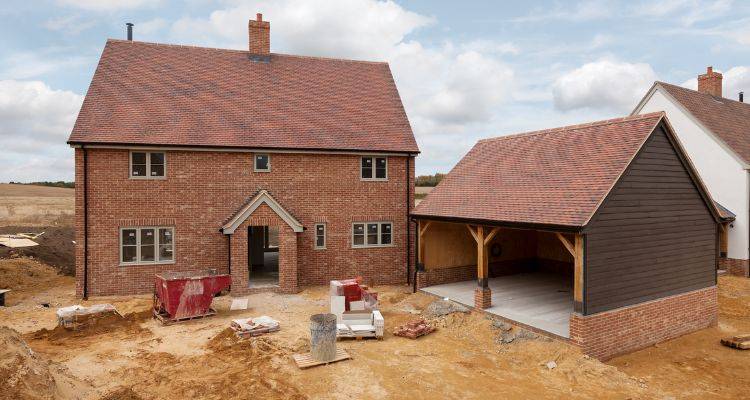
If needed, a Planning Permission application costs around £250 in England, and you'll usually pay between £200 and £500 for Building Regulations approval and inspection, if your project needs it. A garage attached to your house will normally need approval, whereas a detached garage under 30m² usually won't. Anything under 15m² is exempt outright, and 15 to 30m² is exempt too if it's at least 1m from any boundary or built mainly from non-combustible material.
As a general rule, you won't need planning permission if your garage stays within the height limits listed above. It also mustn't push the total area covered by extensions and other buildings beyond half the land around your original house (meaning the house as it was first built, or as it stood on 1 July 1948 if it's older, not including any extensions added since). However, there are exceptions, such as if your property is a listed building or within a conservation area. Garages built close to the property boundary may also face tighter height restrictions than those set further back.
Checklist: Hiring Garage Builders
Before opting for a builder to work on your garage, you should consider some factors that may affect not only the cost, but give you confidence that you've chosen the right contractor for the job.
Below is a checklist to help you when searching for your tradesmen:
- Do they have the relevant qualifications? Depending on the tradesman hired, these can be in the form of CSCS certification, City & Guilds levels, or even college-gained qualifications such as HNCs.
- Are they covered by public liability insurance? One of the most important considerations when hiring any builder is their insurance. While public liability insurance isn't a legal requirement, any reputable tradesmen will have themselves insured accordingly, as it covers in the event of accidental damage or personal injury.
- Does the tradesman offer a guarantee? This would be a guarantee on the quality and longevity for the work they are going to undertake, which will add peace of mind and ensure you're happy with the job before they finish.
- Can they approve building control sign-off? Self-certification only covers specific installation work, such as electrics or heating, not the construction of the garage itself. Where approval is needed, ask whether your local authority's building control department or a private building control approver will be signing the work off.
- Have you asked for evidence of previous work? If they have references from previous clients, photos, or a portfolio of their work on sites such as MyJobQuote, it will prove they are proud of the level of skill they can provide.
- Do they have positive reviews? In addition to their portfolio, check on MyJobQuote to choose a company with positive reviews and read what previous clients have to say. Alternatively, ask friends and family for recommendations.
FAQs
What's the Average Garage Size in the UK?
A standard single garage is around 3m × 6m, a double is 6m × 6m, disabled-access garages are typically 3.5 to 4m × 7m, and the minimum recommended size is 3m × 5m.
A tandem garage is a longer, narrower design that fits two vehicles one behind the other, rather than side by side. It suits narrow plots but usually isn't wide enough for two cars to be parked independently.
Can a Garage Extension Increase the Value of My Property?
Yes, adding a new garage or extending an existing one can increase your property's value, often by as much as 5% to 7%. For example, if you install a brick-built garage to a house valued at £150,000, your time and investment could potentially increase its value to around £160,000.
Do I Really Need a Window in My Garage?
In short, no, you don't have to install a window. However, if you wish to use the garage as a workshop, or later convert it to further uses, it would be substantially easier to put a window in during the original construction phase, than later down the line.
Do I Need a Drop Kerb for My New Garage?
Only if a vehicle needs to cross the pavement to reach your garage. A dropped kerb is what makes that legal, and driving over a pavement without one isn't. You will need approval from your local council's Highways department, who can also advise if you need to apply separately for any planning permission. A dropped kerb costs around £2,000 on average.
What Else Can I Use a Garage For?
A garage isn't just somewhere to store your car, but can also double-up as extra storage space for bikes, tools or household items. Alternatively, it can also be converted into creating additional living space, such as a workshop, office, utility room, or home gym.
How Much Does a Garage Removal Cost?
The average cost of removing a garage is around £2,000 and will take between 1 and 2 days. Hire a tradesperson experienced in garage demolition to ensure they carry out the work safely and efficiently and dispose of the waste properly.
Can You Build a Garage Yourself?
You can build a prefab garage yourself, with a few people to help lift and hold panels while another bolts them into place. Building a prefab garage is much simpler than a brick-built garage, which requires more skills and experience and isn't recommended for DIY beginners. If you're doing it yourself, factor in collection and waste disposal too, as skip hire costs around £150 for a single skip hired for a week.
What Are Self-Build Garage Kits?
A self-build garage is a time-saving way to build a new garage, although it is a fully DIY process and requires concrete foundations. They are ideal for a customisation as they're available in a range of materials (timber, brick, steel) and allow for individual modifications such as extra insulation or replacing the garage door with an improved alternative.
What Is the Cheapest Way to Build a Garage in the UK?
A metal or timber prefab garage kit is the cheapest way to build a garage, with self-build concrete garage kits starting from around £1,000. These are quick to install and cost-effective, though they're less durable and offer less scope for future conversion than a brick garage.
Is It Cheaper to Buy or Build a Garage?
Buying a ready-made prefab garage kit is generally cheaper than a traditional brick build as you don't need to pay for labour and foundations if you're installing it yourself.