Builders
 Carpenters
 Electricians
 Flooring Specialists
 Gardeners
 Handymen
 Heating Engineers
 Painters & Decorators
 Plasterers & Renderers
 Plumbers
 Roofers
 Tilers
 my
mySummer House Cost
At a Glance
- The average cost of building a summer house in the UK is around £3,000.
- The job will approximately take between 3 and 14 days to complete.
- Larger or more complex projects may take longer.
- A breakdown of pricing information including types of summer houses and everything that such a task entails.
- How long the job may take and a general overview of what types of jobs can be performed.
- How to find and hire a builder.
Get free estimates
Are you a trade? Get more work today!
£3,000
Table of Contents
- How Much Does a Summer House Cost to Build?
- Labour Costs to Install a Summer House
- Supply-Only Summer House Costs
- Factors That Affect the Cost of a Summer House
- Additional Summer House Building Costs
- Types of Summer House
- Alternatives to Summer House
- Planning Permission and Building Regulations for Summer Houses
- Checklist: Finding a Summer House Builder Near You
- FAQs
How Much Does a Summer House Cost to Build?
In 2026, the average cost to build a summer house in the UK is around £3,000. A small, basic, prefabricated summer house kit can cost as little as £500 (not including labour fees), while larger bespoke builds can cost £10,000 or more.
Most tradespeople charge around £170 to £250 per day, so labour costs often exceed £2,000 depending on the size and specification.
The final price depends on the size, base requirements, materials, level of finish, and whether you require planning permission. Bespoke builds usually cost more than prefabricated kits because they involve additional design work, materials, and labour.
Summer House Prices
| Job Description | Duration | Estimated Total Cost |
|---|---|---|
| Small Contemporary Summer House | 5 to 10 days | £1,350–£5,800 |
| Large Contemporary Summer House | 7 to 14 days | £3,200–£8,800 |
| Small Traditional Summer House | 5 to 10 days | £1,200–£4,300 |
| Large Traditional Summer House | 7 to 14 days | £2,200–£6,800 |
| Small Corner Summer House | 3 to 7 days | £1,100–£3,100 |
| Large Corner Summer House | 5 to 10 days | £1,850–£4,800 |
Want a custom price?
Post your job
Labour Costs to Install a Summer House
Most builders and contractors charge between £170 and £250 per day for summer house installation. For a typical project, total labour costs range from £850 to £3,800, depending on the size and complexity of the build.
In London and the South East, day rates tend to be £30 to £100 higher than the national average.
Labour typically accounts for around 50% to 60% of the total installation cost. If you opt for a bespoke build rather than a prefabricated kit, expect labour costs to sit at the higher end of the range. Bespoke designs require more time for planning, construction, and finishing work.
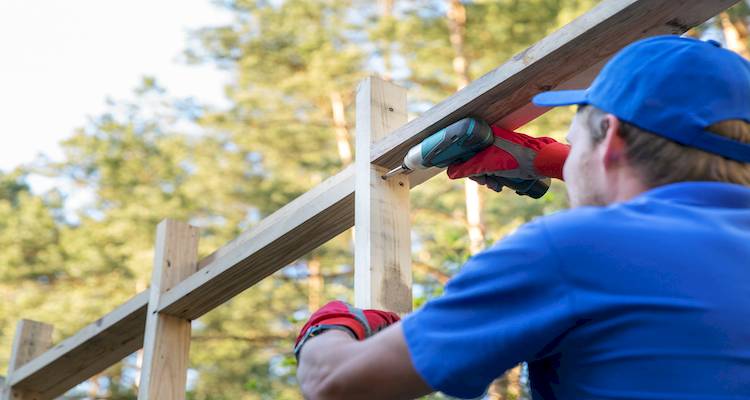
Specialist trades such as electricians or joiners charge higher day rates than a general builder. Adding electrics, double glazed windows, or plumbing to your summer house will increase the overall labour cost accordingly.
If you're searching for summer house builders near you, it's worth getting at least 3 quotes to compare. The size of the outdoor space, ease of access, and the specification you choose will all affect what you're quoted.
Supply-Only Summer House Costs
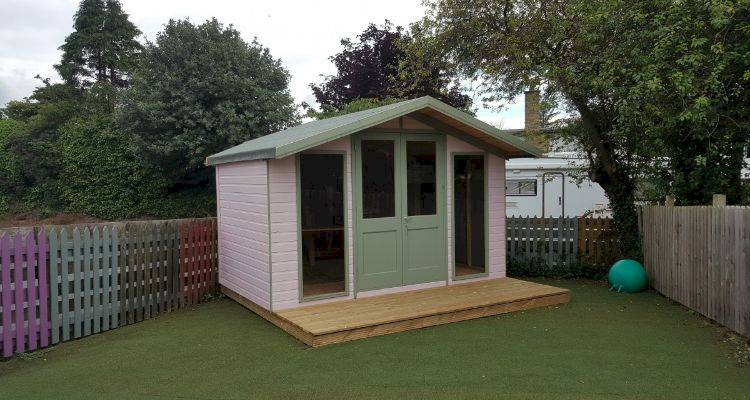
There are many different types of prefabricated summer houses available to buy. Supply-only costs can range from £350 to £5,000, depending on the size, design, and materials used. Below are some of the most popular types of summer houses and their costs.
Contemporary Summer House Supply Cost
A contemporary summer house offers a more modern design, often featuring larger windows and clean lines. Supply-only prices typically range from £500 to £5,000 depending on the size and specification.
Traditional Summer House Supply Cost
A traditional summer house usually features an apex roof and classic window styling. Supply-only prices generally range from £350 to £3,000, depending on size and materials.
Corner Summer House Supply Cost
Corner summer houses are designed to fit neatly into smaller outdoor spaces. Supply-only prices typically range from £600 to £2,000, with most models being smaller in size than standard designs.
| Type | Typical Size | Supply-Only Cost |
|---|---|---|
| Contemporary | Small to Large | £500–£5,000 |
| Traditional | Small to Large | £350–£3,000 |
| Corner | Compact Designs | £600–£2,000 |
Want a custom price?
Post your job
Factors That Affect the Cost of a Summer House
Several things can push the total cost of a summer house up or down. Understanding these before you request quotes will help you budget more accurately.
Ground Preparation and Base Requirements
If your garden isn't level, additional groundwork will be needed to create a stable base. The more extensive the excavation, drainage work, or clearing required, the higher the cost before construction even begins. In some cases, this can add several hundred pounds to the project before any building work starts.
Size of the Structure
The larger the summer house, the longer it takes to build and the more materials are required. A small 7ft x 5ft structure can cost as little as £350 in supply-only materials, while a larger 12ft x 12ft build can reach £5,000 or more. Getting quotes for multiple sizes can help you find the right balance between space and budget.
Materials and Specification
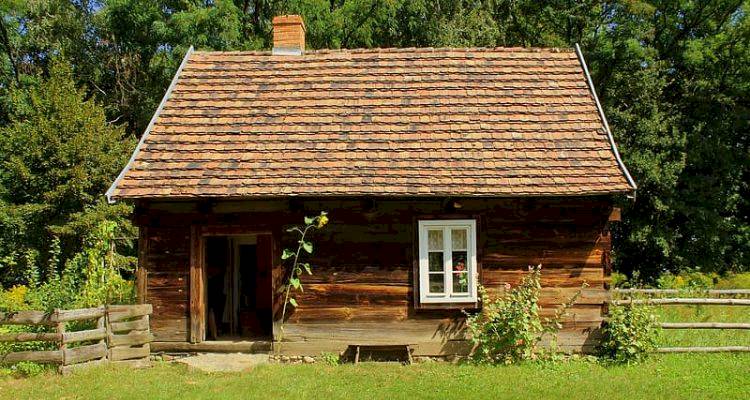
The type and quality of materials used will significantly influence the overall cost. A summer house with a standard wooden frame and basic cladding will cost considerably less than one with thicker timber walls, insulation, and double glazed windows. A log cabin style build, for example, uses thicker timber throughout and is designed for year-round use, making it one of the more expensive options.
A concrete summer house will also take longer to build than a timber one, adding around £1,000 to £5,000 more to labour costs depending on size.
Bespoke vs. Prefabricated
Prefabricated kits are quicker to install and generally cheaper. A bespoke summer house design involves additional planning, skilled labour, and custom materials, all of which increase the total cost.
Your Location
Labour costs vary across the UK. Tradespeople in London and the South East typically charge more than those in other regions. If you're getting quotes from summer house builders near you, this regional variation will be reflected in the prices you receive.
Will leaves from nearby trees cause problems for a summer house?
"The tree will drop a lot of leaves and debris, so regular clearing is important to stop damp or rot. Good airflow underneath is a good idea, and keep gutters clear. Using paving slabs as a base is generally fine, as long as it’s well-prepared and level, and not too close to the trunk."
Additional Summer House Building Costs
Beyond the main build cost, there are several additional expenses worth budgeting for when planning a summer house installation.
- Electricity and Plumbing — If you want lighting, plug sockets, or a water supply in your outdoor space, you'll need to hire a qualified electrician or plumber. These are separate costs on top of the main build, and are particularly worth considering if you plan to use the space as a garden office or year-round room.
- Outdoor Lighting — A range of styles are available to suit most garden spaces, with prices typically ranging from £10 to £100.
- Laying Garden Turf — If the surrounding area needs re-turfing after the build, expect to pay around £12 to £20 per m².
- Garden Decking — Timber decking typically costs around £50 to £100 per m², depending on the style chosen.
- Garden Waste Removal — Depending on the volume of waste generated during the build, removal typically costs between £100 and £200.
- Fixtures and Fittings — Furniture, shelving, curtains, and other finishing touches can range from £50 to £800 or more, depending on your preferences.
- Ongoing Maintenance — Wooden summer houses require regular treatment to prevent rot and moisture damage. A wood stain or preservative product (typically a 5L container) costs around £15 to £25. Budget for occasional roof repairs and resealing over time as well.
I would like to put in 3 double sockets into the summer house. Could I put a junction box within the armoured cable that runs to the garden shed and feed electric into the summer house and then connecting all 3 sockets in sequence?
"The best solution is to divert the armoured cable into the summer house, install a small consumer unit, and distribute power to the summer house and the light and socket already in existence."
Types of Summer House
There are a number of different summer house designs, each with their own pros and cons.
| Type | Best For | Typical Price Level |
|---|---|---|
| Contemporary | Modern garden designs and larger windows | Medium to High |
| Traditional | Classic gardens with apex roofs | Low to Medium |
| Corner | Maximising space in smaller gardens | Low to Medium |
| Small Summer House | Compact gardens or storage use | Low |
| Log Cabin Style | Thicker timber and year-round use | High |
| Summer House Shed | Combined relaxation and storage space | Low to Medium |
Want a custom price?
Post your job
Below is a list of some of the most popular choices when it comes to a summer house and a little bit of information on each of the different types.
Contemporary Summer House
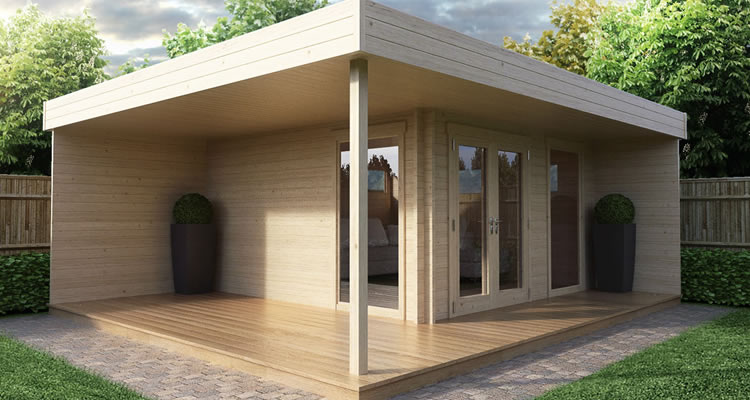
For people that are looking for a more modern design of summer house a contemporary summer house is the ideal choice. A contemporary summer house tends to feature large windows and doors that offer a lot of natural light. A contemporary summer house is perfect for those that want to give their garden a more modern flair.
What is your main reason for building a summer house?
Building a home office, workshop or room for hobbies (gym, studio, etc)
1 votes - 33%33% of votes
A place to relax with friends and family
1 votes - 33%33% of votes
Extra living space for guests to stay
1 votes - 33%33% of votes
To increase the value of your property
0 votes - 0%0% of votes

3 votes
See results
Hide results
Traditional Summer House
One of the most popular choices of summer house is a traditional summer house. These summer houses usually feature Georgian windows and are commonly fitted with an apex roof shape. Traditional summer houses are perfect for those that want to keep an older aesthetic look within their garden.
Corner Summer House
It can sometimes be difficult to find the room needed to fit a summer house in your garden. This is particularly true for those who have smaller garden spaces.
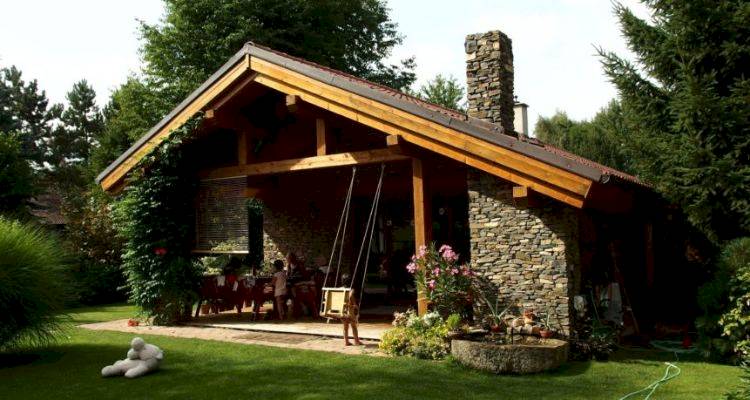
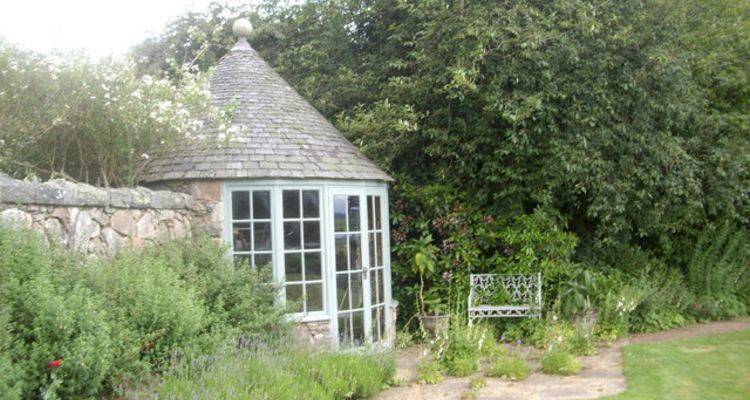
These circumstances are where a corner summer house would come in perfect as they are specially designed to fit into a corner, so you can make the most of all of your available garden space. These designs of summer house typically feature two opening side windows and double doors at the front that give you a panoramic view of your garden.
Small Summer House
An alternative to a corner summer house is a small summer house which is also perfect for those with smaller gardens. A small summer house can usually be as small as 6ft x 4ft which makes them perfect as a small, quiet place to relax.
It can also make a great storage place to keep your garden furniture during the winter months. Small summer houses are a convenient, budget-friendly option.
Log Cabin Summer House
A log cabin style of summer house is a more luxurious summer house. They look absolutely magnificent in your garden and are very strong and sturdy. They are built to withstand harsh weather conditions and are guaranteed to last many years.
Summer House Shed
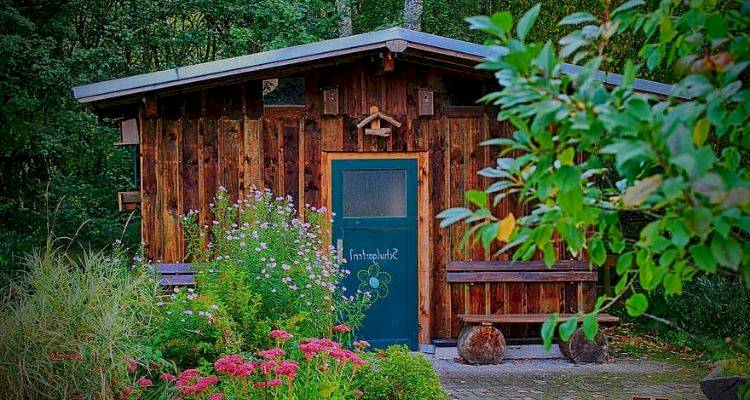
Summer house sheds are a combination of a summer house and a shed. This provides you with a lovely place to relax as well as a great place to store your garden items.
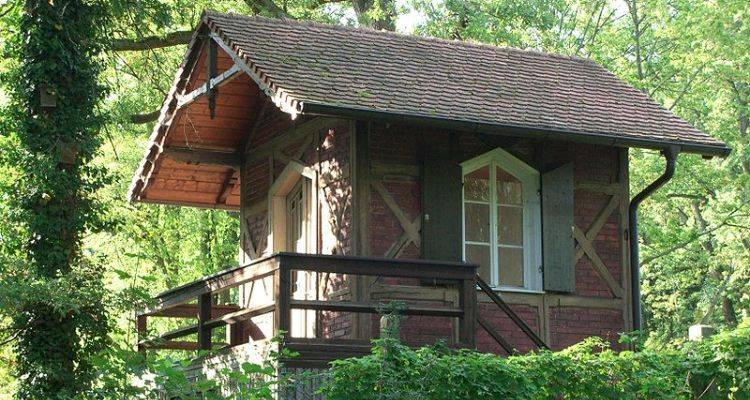
These types of summer house are ideal for people who like to use their space as best as possible.
Ask a Trade
Got a question that only a tradesperson can answer? We have thousands of trades ready to answer any question you may have.
Ask your question

Alternatives to Summer House
There are a number of alternatives to building a summer house. Below are some of the most popular alternatives that people choose over building a summer house.
Garden Shed
A garden shed is perfect for those who are looking for a place to store their outdoor items such as garden furniture and gardening tools. A garden shed is not really suitable for relaxing in as it tends not to feature any windows and is usually much smaller in size than a typical summer house. An average-sized budget shed with a simple slab base typically costs around £820.
Conservatory
A conservatory is a room with a glass roof and walls that is attached to a house on one side, usually at the back. A conservatory is a great place to relax but may take longer and be more difficult to build than a summer house.
Unlike a summer house, a conservatory has to be built as an additional room on to the side of your house. A typical conservatory usually costs on average around £5,000 to £15,000.
Gazebo
If you are simply looking for a space to relax without having to worry about rain in your garden, a gazebo would work perfectly.
There are many different types of gazebo, including ones with zip-up walls and even plastic windows. Depending on the size and style, a gazebo will usually cost on average between £50 and £400.
You can also explore our guide on the cost to build a gazebo for a more permanent structure.
Home Gym
A garden summer house can double up as a dedicated workout space. Make sure the size and specification of your build is sufficient to hold the equipment you plan on filling it with, and don't forget to budget for this, too.
Planning Permission and Building Regulations for Summer Houses
In most cases, you won't need planning permission for building a summer house in England. Summer houses are generally covered by Permitted Development Rights, provided they meet the following conditions:
- It's not placed in front of your home.
- It doesn't cover more than 50% of the land around your property (this includes every building in the garden, new or old, compared to when your house was originally built).
- It won't be used as additional sleeping accommodation.
- The height doesn't exceed 4m (dual-pitched roof), 3m (any other roof type), or 2.5m if within 2m of a boundary, and eaves no higher than 2.5m and the building limited to a single storey.
For homes based outside of England, it's best to check with your local planning authority as the rules are different for Wales, Scotland, and Northern Ireland.
If your property is a listed building, you will need planning permission.
However, if your home is located on "designated land" (this includes conservation areas, Areas of Outstanding Natural Beauty, a national park, or World Heritage Site), planning permission is still likely to be required, although the limits may be different.
In these cases, if the summer house is set to be built at the side of the house, you'll need to apply for planning permission. If it's set to be built behind the existing house, it usually falls under permitted development.
Where applicable, the householder application fee in England is £272, submitted through your local planning authority (LPA).
Building regulations approval is not normally required for a summer house under 15m², as long as it has no sleeping accommodation.
Also exempt are summer houses between 15m² and 30m² which are at least 1m from any boundary, built using non-combustible materials, with no sleeping accommodation.
These rules apply for England and Wales. If you're unsure whether your project needs approval, contact your local council's Building Control department.
Checklist: Finding a Summer House Builder Near You
Below are a few things that you need to consider when hiring someone to build your summer house:
- Do they offer any guarantees?
- How much experience does the contractor have in building summer houses?
- What designs do they offer?
- Can they provide a quote with the prices narrowed down to each part of the job?
- Have you compared at least 3 quotes to ensure you are getting a good price for the work?
FAQs
Can I Put a Summer House on Decking?
It is very possible to build your summer house on foundations that are made up of level timber decking. You will need to ensure that there is a weed-proof membrane between the floor and the decking.
Can I Build a Summer House Myself?
If you have suitable building experience, then it is possible to build a summer house yourself, with a basic prefabricated kit being the most suitable option. However, whatever the design, building a summer house is a very big job and can take several weeks to complete. You could save £500 to £3,000 on labour costs but realistically, professional assistance is always recommended.
How Much Does It Cost to Remove a Summer House?
Removal labour typically costs £15 to £25 per hour. Garden waste removal usually ranges from £100 to £200, depending on the size of the structure.
Does a Summer House Add Value to Your Home?
A well-built summer house may increase property appeal, especially if it can be used as a garden office or additional living space. The potential value it can add depends on the size and quality of the structure.
How Much Does It Cost to Add Electricity to a Summer House?
Running armoured cable from your home to a summer house for lighting and sockets typically costs £300 to £800, depending on the distance from your consumer unit. This work must be carried out by an electrician registered with a competent person scheme, as it is classed as notifiable work under building regulations. Otherwise, you'll need to inform building control and have them inspect the work and sign it off.
If you're planning to use the space as a garden office or year-round room, factoring in electrics from the start is far more cost-effective than adding them later.
What Is the Best Size for a Summer House?
The right size depends on how you plan to use it. A 6ft x 4ft or 8ft x 6ft structure suits those who want a compact relaxation space or somewhere to store garden furniture during the winter months. For use as a garden office, home gym, or extra room, a 10ft x 10ft or larger build is more practical. Requesting quotes for more than one size is a useful way to understand how much difference it makes to the overall cost.
How Long Does a Summer House Last?
A well-maintained timber summer house can last 20 to 30 years or more. The lifespan depends on the quality of the wooden frame, how regularly it's treated with a wood stain or preservative, and how well it's protected from the elements. Log cabin style builds with thicker walls tend to be more durable than standard prefabricated options, and are better suited to year-round use.
Do I Need Insurance for a Summer House?
Most home insurance policies cover garden buildings up to a certain value, but you should check your policy documents before assuming your summer house is included. If the structure exceeds the limit, or if it contains valuable items such as office equipment, you may need to extend your cover or take out a separate policy.
Can a Summer House Be Used as a Garden Office?
Yes, and this is one of the most popular uses for a summer house in the UK. For year-round use as a garden office, it's worth investing in insulation, double glazed windows, and electrical installation. These additions increase the upfront cost but make the outdoor space far more comfortable and functional throughout the warmer months and into winter.
Note that if the summer house is used as additional accommodation, permitted development rights may no longer apply and planning permission may be required.