Builders
 Carpenters
 Electricians
 Flooring Specialists
 Gardeners
 Handymen
 Heating Engineers
 Painters & Decorators
 Plasterers & Renderers
 Plumbers
 Roofers
 Tilers
 my
myDrain Survey Cost
At a Glance
- The average cost of a drain survey is £250.
- Most drain surveys take around 2 hours to complete.
- CCTV drain survey costs in 2026 by type and job.
- The key factors that affect how much you'll pay.
- What's involved in a CCTV drain survey and when you might need one.
- How to find a local drain survey contractor with MyJobQuote.
Get free estimates
Are you a trade? Get more work today!
£250
Table of Contents
- How Much Does a Drain Survey Cost?
- Labour Cost of a Drain Survey and Timescales
- Factors That Impact CCTV Drain Survey Costs
- Home Buyers Drain Survey Cost
- What's Involved in a CCTV Drain Survey?
- Signs You Might Need a Drain Survey
- What Are the Main Causes of Drain Issues?
- What Can a CCTV Drain Survey Find?
- Checklist: Hiring CCTV Drain Surveyors in the UK
- FAQs
How Much Does a Drain Survey Cost?
You can expect to pay between £90 and £500 for a CCTV drain survey, depending on the type of survey needed. If the job is relatively straightforward, some surveyors will have a fixed cost, whereas in other instances they may need to visit the property to generate a quote.
What is your biggest concern when planning a drain survey?
Overall cost of the survey
7 votes - 78%78% of votes
Finding a professional and reliable tradesman
1 votes - 11%11% of votes
Identifying issues that may need attention
1 votes - 11%11% of votes
Accidental damage to your property
0 votes - 0%0% of votes

9 votes
See results
Hide results
As a rule, the price covers the inspection and report only. Physical cleaning, unblocking, or repairs aren't included unless the quote says so.
What is a pre-purchase drain survey and why would it be necessary? Is it true that mortgage providers have it as a requirement now?
"A CCTV survey of drain when buying a house is necessary due to issues possibly in your drainage system don't think it a requirement but I would recommend a CCTV before buying a house"
Drain Survey Price List
Below are some estimated costs of hiring a surveyor to undertake a drain inspection and survey:
| Job Description | Average Cost |
|---|---|
| Basic drain survey to identify a blockage | £90 |
| Full survey with mapping of the drains | £350 |
| Basic drain and sewer inspection | £150 |
| Locating drain and sewer blockages with a CCTV camera | £250 |
| Full survey with robotic crawler CCTV cameras | £350 |
| Full survey with push CCTV drainage cameras | £500 |
Want a custom price?
Post your job
Which Type of Drain Survey Do You Need?
Most homeowners don't need the most expensive option. The right survey depends on whether you're chasing one specific problem or want a full picture of the system, and on the type and size of the pipework involved.
- Basic Blockage Inspection — A quick CCTV drain inspection to locate a single, known issue, such as blocked drains, a bad smell, or slow drainage in one spot. It's the fastest and cheapest option, and usually all you need when there's one obvious problem to pin down.
- Full Survey with Drain Mapping — The camera runs the whole system and the surveyor produces a map of the pipe layout, connections, and overall condition. This is the one to choose for more complex drainage systems, when you're moving into a property, or when you're dealing with recurring or hidden drainage issues and don't yet know where the fault lies.
- Drain and Sewer Inspection — Extends the inspection beyond your private drains to the sewer or shared drain that connects to the main network, which is the responsibility of your local water authority. Worth it when problems point further down the line, or before building work near a shared sewer.
- Robotic Crawler and Push-Camera Surveys — Standard domestic pipes (around 100mm) are surveyed with a push camera fed through the pipework by hand. Larger-diameter or longer runs, including commercial systems, need a motorised robotic crawler that drives itself through the pipe. These surveys sit at the top of the price range because of the specialist equipment involved.
If you're unsure, describe the symptoms to a surveyor first. Many will start with a basic inspection and only step up to a full survey if the footage points to a wider problem.
Labour Cost of a Drain Survey and Timescales
As with many jobs, the cost and time required can vary depending on the size and complexity of the situation, particularly when it comes to any work required after the survey itself.
Labour Fees for a CCTV Drain Survey
A basic CCTV drain survey typically costs around £90, while a full CCTV drain survey may cost up to £350.
The exact cost will depend on the property, and in some cases a professional may need to visit before providing a quote. In other cases, a price can be given over the phone or by email. Location and access also play a role, with labour fees generally higher in London and the South East.
Timescale for a CCTV Drain Survey
The time it takes to complete a CCTV drain survey depends on the length and complexity of the home's drainage system. Larger properties tend to have more extensive drainage, which takes engineers longer to cover thoroughly.
Below is an overview of estimated durations for various CCTV drain survey jobs:
| Job Description | Duration |
|---|---|
| Basic survey to identify a blockage | 1 hour |
| Full survey with mapping of the drains | 3 to 4 hours |
| Basic drain and sewer inspection | 1 to 2 hours |
| Locating drain and sewer blockages with a CCTV camera | 1 to 3 hours |
| Full survey with robotic crawler CCTV cameras | 1 to 3 hours |
| Full survey with push CCTV drainage cameras | 3 to 4 hours |
Want a custom price?
Post your job
Ask a Trade
Got a question that only a tradesperson can answer? We have thousands of trades ready to answer any question you may have.
Ask your question

Factors That Impact CCTV Drain Survey Costs
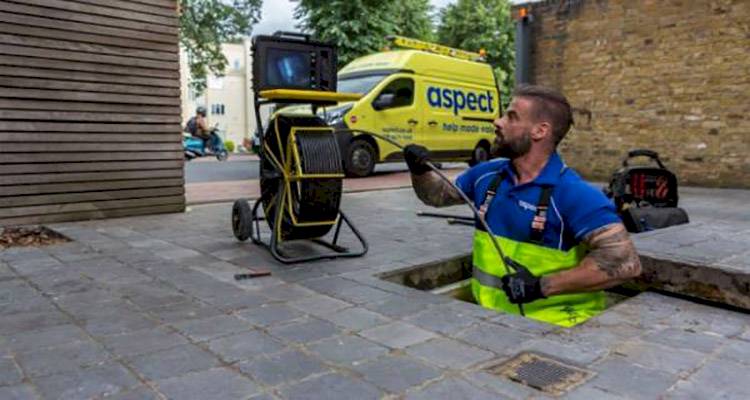
How much a CCTV drain survey will typically cost depends on several key factors. The size of the property and its drainage system is usually the primary driver of cost, but there are other variables to be aware of.
- Pre-Survey Cleaning and Jetting — If the drain or surrounding area is severely blocked or overflowing, a surveyor may not be able to get a clear picture of the wider situation. In these instances, you may be charged for cleaning and jetting separately, typically around £100 to £150.
- Property Type — Different property types require different drainage specifications. Homes with more intricate layouts, such as winding dips and sharp corners, may need a larger camera to inspect wider pipes, which can increase the overall cost.
- Length of Drain — Larger properties have more extensive drainage systems, which take longer for a camera to inspect. The average CCTV inspection cost on a larger property is between £350 and £450, and can take up to 4 to 6 hours.
- Ease of Access — Not all drains are easily accessible. If ground needs to be excavated or the drain entrance located, this can add £100 to £300 in additional costs, as well as extra time to the overall job.
- Number of Access Points — Multiple manhole covers extend the time needed to complete the survey, as each one needs to be lifted and inspected along with the drainage below. More access points also increase the level of detail required in the report, which adds to the overall labour cost.
- Location of Property — Your location in the UK can make a difference to your CCTV drain survey costs. Tradespeople may charge above the national average in London and the South East due to a higher cost of living.
- Emergency CCTV Drain Survey — If you need a CCTV drain survey carried out at short notice or as an emergency, you may be charged an additional call-out fee.
Home Buyers Drain Survey Cost
The average pre-purchase CCTV drain survey cost for home buyers is around £250 to £350 for a standard property.
When buying a property, you'll typically need a full pre-purchase drain survey. This provides a comprehensive CCTV drain survey report that gives you peace of mind about the condition of the drainage system before you complete the property purchase.
A pre-purchase CCTV drain survey covers the full extent of the property's drainage system, including:
- Underground pipework and connections to the main sewer.
- Manhole condition and access points.
- Any defects, root ingress, collapsed pipes, or serious deterioration.
- Recommended remedial work and estimated repair costs.
Once completed, the drain survey report is typically shared with:
- Mortgage Lenders — Your mortgage lender may require it before approving a mortgage on older or non-standard properties.
- Solicitors — As part of the conveyancing process.
- Insurance Providers — Insurers may request it before issuing a drainage insurance policy.
Many lenders and insurers will recommend or require a CCTV drain survey before approving a mortgage or policy, particularly for older or non-standard properties. It's worth checking with your provider before proceeding.
If significant issues come to light during the pre-purchase CCTV drain survey, the drain survey report gives home buyers the evidence they need to renegotiate the purchase price or request that repairs be completed before contracts are exchanged.
Insurance claims relating to drainage problems are also easier to make when a pre-purchase CCTV drainage survey has been carried out, as it establishes a clear baseline for the condition of the system at the point you took ownership.
What's Involved in a CCTV Drain Survey?
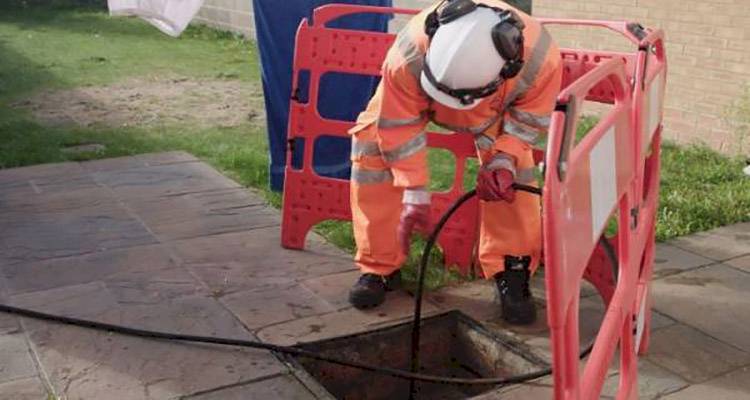
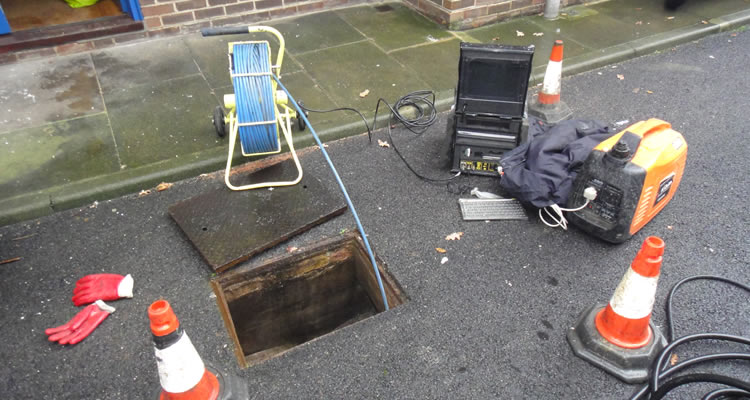
Technically, you can carry out a basic drain inspection yourself, but it's not usually recommended. Professional CCTV drain surveyors arrive fully equipped with industrial-grade cameras, access rods, and remote-operated crawlers. That is equipment that most homeowners would need to buy or hire, and then learn to use before even getting started. Without the expertise to interpret the footage accurately, a DIY attempt can quickly become a waste of time and money.
Because of this, most homeowners choose to get a local CCTV drain survey. With MyJobQuote, you can get quotes from CCTV drain survey tradespeople near you (fast, free, and with no obligation to go ahead).
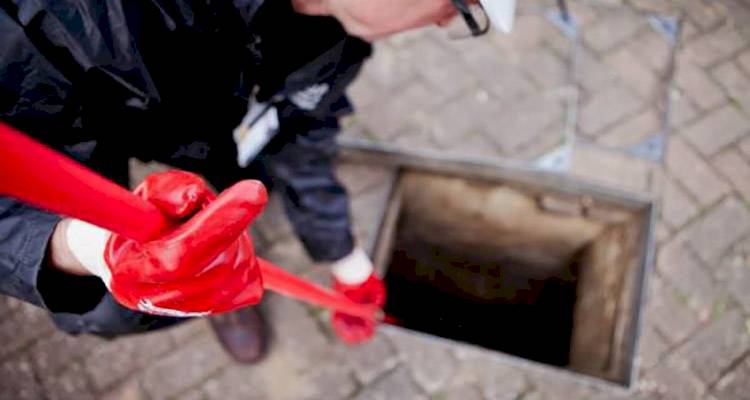
One of the main advantages of a CCTV survey is that it's non-invasive. The camera is fed in through existing manholes and access points, so there's no need to dig up your garden or driveway, and disruption is kept to a minimum.
Here's a broad overview of what to expect when a tradesman carries out a CCTV drain survey:
Before the Survey
- Access Point Identification — The specialist will locate manholes and access points to establish entry into the drainage system.
- Equipment Setup — All necessary equipment is prepared on site, including waterproof CCTV cameras, access rods, and remote-operated crawlers.
During the Survey
- Camera Insertion — The CCTV camera is fed into the drainage system via access rods and pushed through the pipework.
- Live Footage Review — Footage is fed back in real time to the engineer, who monitors the condition of the drain as the camera travels through.
- Issue Identification — The engineer notes any problems identified — including blockages, cracked or collapsed pipes, root intrusion, corrosion, and signs of pest activity.
After the Survey
- Findings and Recommendations — The specialist reports what was found and advises on next steps. If repairs are required, they'll outline what's needed and may arrange a follow-up.
- CCTV Drain Survey Report — A full written report is produced, documenting pipe diameters, materials, invert levels, flow direction, and drain usage, alongside video footage, images, and a site plan of the manholes.
Can subsidence be caused by a failing or damaged drain?
"Yes, leaks from a broken or failing drain can wash away or soften the soil beneath your property, leading to ground movement. Signs like damp patches, unusual smells, or slow drainage are worth checking with a CCTV drain survey, and if drainage is the cause, the damaged pipes are repaired or replaced.
Once the leak is fixed, a structural engineer may recommend underpinning or other work to stabilise the foundation."
Once the leak is fixed, a structural engineer may recommend underpinning or other work to stabilise the foundation."
Signs You Might Need a Drain Survey
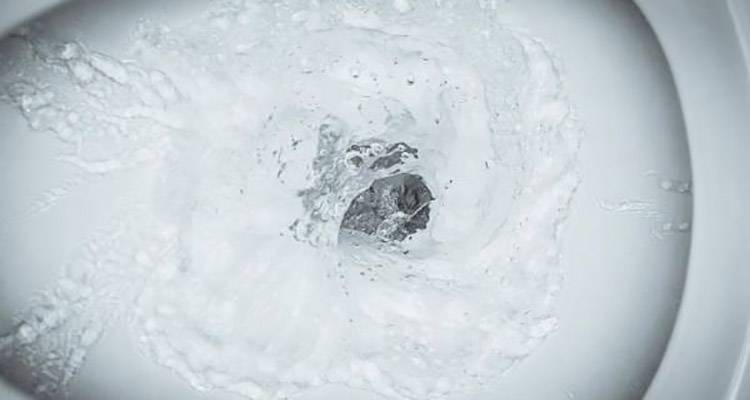
Drain problems can develop gradually or appear without warning. If you notice any of the following, it's worth arranging a survey to find out what's going on before it escalates.
- Persistent Bad Smells — Foul odours from drains, sinks, or outside manholes are one of the most common early warning signs. They're usually caused by a build-up of organic matter, grease, or waste somewhere in the system that a CCTV survey can quickly pinpoint.
- Slow Drainage or Water Backing up — If water is draining noticeably slowly from sinks, baths, or showers, or you're hearing gurgling sounds after flushing, there's likely a partial or full blockage restricting flow somewhere in the pipework.
- Bubbling Around Plugholes — Bubbles forming around a plughole as water drains away indicate that air is trapped in the system — a sign that flow is being obstructed somewhere. If this is happening across multiple fixtures, it points to a blockage or structural issue further along the drain rather than a localised problem.
What Are the Main Causes of Drain Issues?
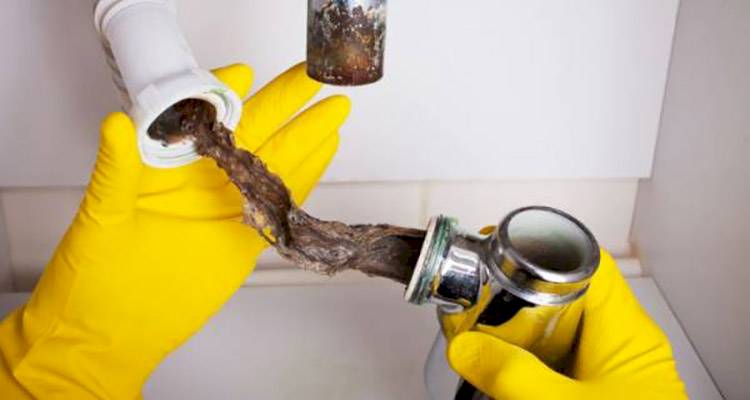
A survey doesn't just confirm there's a problem. It traces it back to the source. Below are the most common underlying causes of drain issues.
- Grease, Fat, and Oil Build-up — FOG (fats, oils, and grease) poured down kitchen drains solidifies on the inside of pipes over time, gradually narrowing the bore until flow is restricted or blocked entirely. It's one of the most frequently identified issues on domestic CCTV surveys.
- Non-Flushable Items — Wet wipes, sanitary products, and other non-biodegradable items that are flushed accumulate in the pipework and can cause serious blockages. Unlike toilet paper, they don't break down and tend to catch on any existing rough patches or joint defects.
- Tree Root Intrusion — Tree roots naturally seek out moisture and will exploit even the smallest crack or open joint in underground pipework. Once inside, they expand and restrict flow. This is particularly common in older properties with clay pipes and in areas with mature trees nearby.
- Displaced or Open Joints — Ground movement, settlement, or general age can cause pipe joints to shift out of alignment. Even a small displacement creates a ledge where debris accumulates and can allow groundwater or soil to enter the system, leading to further deterioration.
- Pipe Deterioration and Corrosion — Older drainage systems — particularly those with cast iron, clay, or early plastic pipework — are vulnerable to corrosion, cracking, and general wear. Once the structural integrity of a pipe is compromised, collapse or leakage becomes a matter of when rather than if.
- Scale and Deposit Build-up — In hard water areas, mineral scale accumulates on the inside walls of pipes over time, progressively reducing the internal diameter and restricting flow. CCTV surveys can assess how severe the build-up is and whether descaling is needed.
- Rodent Ingress — Rats can enter drainage systems through cracked pipes, displaced joints, or redundant drain connections. A CCTV survey can identify the exact entry points, allowing rat blockers or repairs to be targeted precisely rather than guessing.
What Can a CCTV Drain Survey Find?
A CCTV drain survey and report is designed to identify exactly what's happening inside your pipes and drainage system. Below is an overview of the most common findings.
Blockages
Tree roots and debris are a common cause of drain blockages, entering through cracks or fractures in the pipe's surface. Slow-flowing water is often the first indicator, as the obstruction restricts the passage of water through the system.
Cleaning and unclogging drains may be required immediately following the survey, typically costing around £100 and taking between 1 and 2 hours.
Collapsed Drains
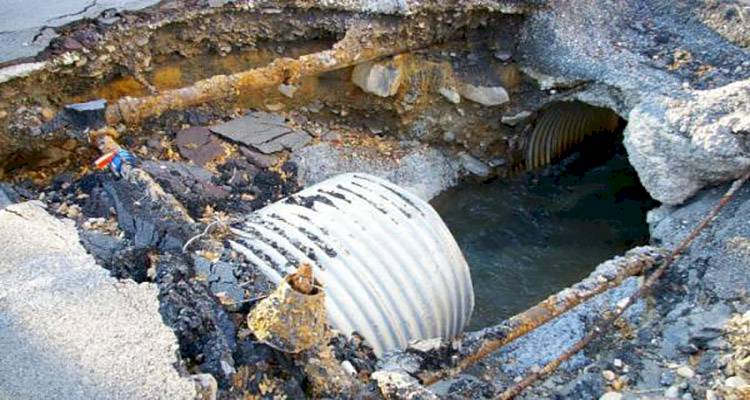
Collapsed drains can be difficult to detect without a survey, and are often caused by repeated blockages, flooding, or ground movement. Signs include bad smells, slow-running water, damp patches, and structural damage around the affected area.
If a collapse is confirmed, a professional will typically need to excavate the ground before fixing or replacing the affected pipes.
Surface Water Issues
If the survey identifies a surface water drainage problem, you may need to install a soakaway drain beneath your driveway. This is a more involved job, typically taking 1 to 3 days and costing around £500 to £1,000 depending on the size of soakaway required.
Corrosion
Corrosion, rust, and general wear and tear will affect most drainage systems at some point. Metal pipes are particularly susceptible to chemical reactions and temperature fluctuations, which can restrict water flow and cause odours.
If your water is running slowly, colder than usual, or with a foul smell, it's worth getting your pipes inspected.
Drain Line Damage
If the survey reveals damage to your drain line, you'll need to arrange a repair. Drain line repairs are a significant job, typically costing around £850 and taking between 1 and 2 days to complete.
Animal Infestation
Drains can attract rodents and other pests, particularly during colder months when animals seek warmth and shelter. Animals can carry diseases including salmonella and tuberculosis, and their presence can cause physical damage to pipework over time.
If you suspect an infestation, contact pest control first. Once the area is clear, a CCTV drain survey can confirm whether any further damage has been caused to the drainage system.
In what scenarios would I need a CCTV drain survey? Is it legally necessary in some cases?
"You won't need a drain survey for every building project, but you will need an agreement with your utilities provider (for example, Severn Trent) if you plan to build over an existing sewer or within 3 feet of one. In those cases a survey confirms the state of the sewer before the work and again on completion, to show the build hasn't disrupted it."
Checklist: Hiring CCTV Drain Surveyors in the UK
- Do they have the correct qualifications? Make sure your surveyor has the correct qualifications including a completed CCTV drain surveying training such as the NADC Certified Drain Surveyor (CDS) course.
- Can they show evidence of past work? Confirm that your surveyor is fully authorised to complete a CCTV drain survey and report, and has completed jobs like this in the past. Ask for previous pictures and references from their former clients and jobs.
- Do they have positive reviews? Check for any recent feedback on their MyJobQuote profile and look for consistent ratings and comments on reliability, quality of work, and value for money.
- Do they have public liability insurance? This helps protect you in case of property damage or injury during the job. Ask to see proof before work starts.
- What is included in the quote? Some companies will clear minor blockages free of charge while carrying out the survey, whereas others will charge extra, so ensure when comparing quotes you are doing so on a like-for-like basis.
- Is waste removal included? Some surveyors include this in their quote, others don't. Always confirm whether disposal of debris or old pipework is covered.
FAQs
Can I Carry Out a CCTV Drain Survey Myself?
It's not a realistic DIY job. A proper CCTV drain survey needs industrial-grade cameras, access rods, and crawlers that most homeowners don't own, and reading the footage accurately takes experience. It's better and safer to book a professional, who can carry out the survey and provide a clear report in a single visit.
How Can I Prevent Future Drain Blockages?
Avoid flushing non-biodegradable items such as wipes, sanitary products, or nappies. Scrape food waste, oils, and fats into the bin rather than washing them down the sink. If you're concerned, an annual drain survey can catch any developing issues before they become serious problems.
How Long Is a CCTV Drain Survey Report Valid For?
A CCTV drain survey report can remain useful for several years, provided no significant work or damage has occurred since it was carried out. However, some professional bodies and mortgage lenders may only accept reports up to a certain age, so it's worth confirming this with the relevant party before relying on an older report.
How Often Should I Have a CCTV Drain Survey Carried Out?
For most residential properties, a routine CCTV drain survey every 3 to 5 years is a sensible approach to preventative maintenance. If you have an older property, mature trees nearby, or a history of drainage problems, annual checks are worth considering to catch issues before they become major repairs.
What Happens If a CCTV Drain Survey Finds a Problem?
The CCTV drain survey report will detail any drainage issues found, along with recommended remedial work and an indication of urgency. Minor blockages may be cleared on the same visit, while more serious structural issues, such as collapsed pipes or significant root ingress, will require follow-up work from drainage contractors.
What Is the Difference Between a Drain Survey and a Drainage Search?
A drainage search is a legal document obtained by your solicitor during the conveyancing process, showing whether the property drains to the public sewer network. A CCTV drainage survey is a physical inspection of the drainage system carried out by a drainage specialist, and the two are completely separate. A drainage search alone will not identify blockages, defects, or deterioration inside the pipework.
Is a CCTV Drain Survey Worth the Cost?
For most people, yes. A survey costs a few hundred pounds, but it can flag serious problems such as collapsed pipes, root ingress, or blockages before they turn into repairs costing thousands. It's particularly worthwhile before buying a property, where the findings can be used to renegotiate the price, or when you have recurring drainage issues and want to know exactly what's causing them.
Who Pays for a Drain Survey?
It depends on the situation. When you're buying a home, the buyer usually arranges and pays for the pre-purchase survey as part of their due diligence, much like a homebuyer survey. For a property you already own, surveying your private drains falls to you. Shared drains and the sewer connecting to the public network are the responsibility of your local water authority to maintain and repair, but a survey you commission yourself is still paid for by you.
Does Home Insurance Cover a CCTV Drain Survey?
Usually not for the survey itself. It's normally a diagnostic cost you pay for directly. That said, some buildings insurance policies include cover for underground pipes and drainage repairs, and an insurer may ask for a survey report to support a claim or before offering drainage cover. It's worth checking your policy before you book, as cover varies from one provider to the next.