Builders
 Carpenters
 Electricians
 Flooring Specialists
 Gardeners
 Handymen
 Heating Engineers
 Painters & Decorators
 Plasterers & Renderers
 Plumbers
 Roofers
 Tilers
 my
myVertical Radiator Installation Cost
At a Glance
- The average vertical radiator installation cost is around £250 per radiator.
- Installing a vertical radiator will usually take a professional about 3 hours.
- The factors that impact the cost of a vertical radiator installation in 2026.
- The average cost of labour to fit a vertical radiator and the time required.
- How to find a local radiator installer with MyJobQuote.
Get free estimates
Are you a trade? Get more work today!
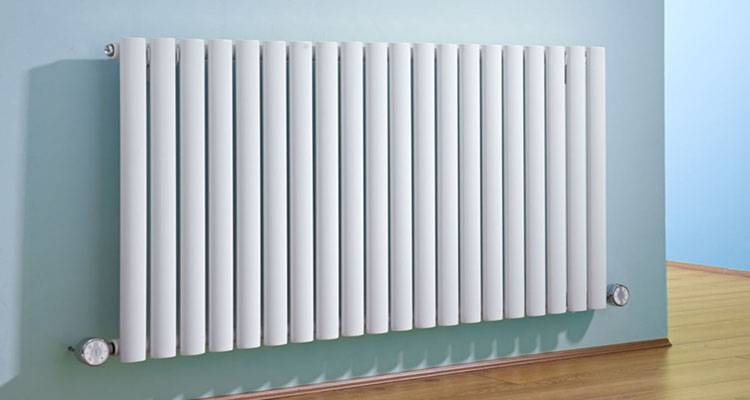
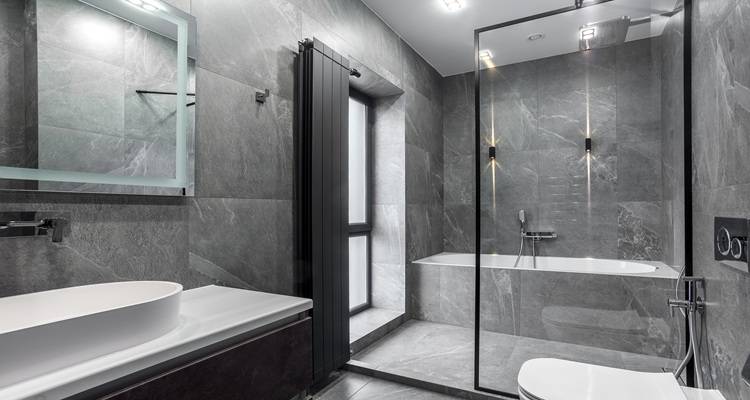
There's no denying that radiators are a key part of keeping a home warm, cosy, and comfortable, and there's a wide range to choose from. Recently, homeowners have started to step away from standard models and are more interested in a stylish, space-saving alternative, vertical radiators.
Vertical radiators can be useful in compact homes or rooms with limited wall space. They can also add a modern touch to living rooms, kitchens, hallways, and bedrooms.
We've taken a look at the costs involved in installing a vertical radiator, the different types available, and the key things to think about when you're planning to have one installed.
Let's take a look...
£250
Table of Contents
- How Much Is Vertical Radiator Installation?
- Labour Costs and Timescales for Vertical Radiator Installation
- Vertical Radiator Supply Costs
- Additional Costs of Vertical Radiator Installation
- Cost Factors for Vertical Radiator Installation
- Alternative Types of Radiators
- Hiring Contractors Checklist for Vertical Radiator Installation
- FAQs
How Much Is Vertical Radiator Installation?
The average installation cost for a vertical radiator is between £200 and £300, though this can vary depending on things like the radiator size, style, and how complicated the installation is.
If you're looking to buy a small vertical radiator, you can get one for around £100 to £200. Go for a large one, and you could be looking at a price as high as £575, or even more for designer options.
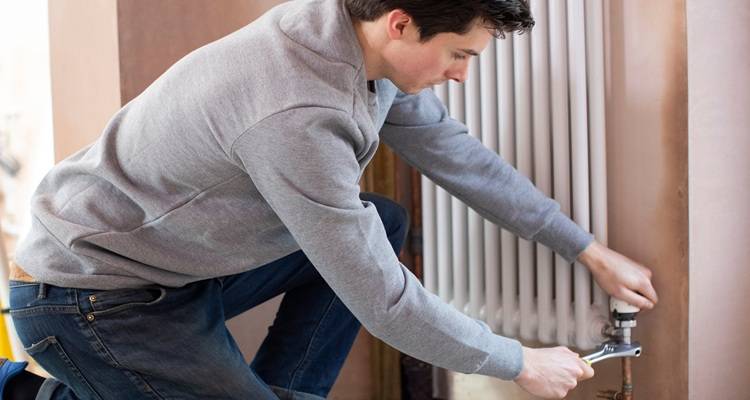
A straightforward replacement in the same position will usually be the cheapest option, as the installer may be able to reuse the existing pipework. Removing an old radiator typically costs around £50 to £100. If the radiator needs to be fitted elsewhere, you may need to move the radiator, which costs around £250 on average.
Installing a vertical radiator in a different position will usually cost more, as the pipes may need to be extended or rerouted. The size and weight of the radiator, the wall type, and the amount of preparation required can also affect the total price.
What type of vertical radiator are you looking to have installed?
Single or double panel
3 votes - 33%33% of votes
Column radiator
6 votes - 67%67% of votes
Flat panel or mirrored
0 votes - 0%0% of votes
Towel radiator
0 votes - 0%0% of votes

9 votes
See results
Hide results
The size of a vertical radiator should be based on how much heat the room needs, rather than simply matching the size of the old radiator. A plumber or heating engineer can calculate the required heat output for you. As vertical radiators are narrower, you may need a taller or double-panel model to heat the room effectively.
Understanding exactly how much it's all going to cost and how it can vary depending on your specific situation will help you budget properly and get some accurate quotes.
Vertical Radiator Prices
| Job Type | Average Cost | Typical Duration |
|---|---|---|
| Same-position replacement | £200–£300 | 2 to 4 hours |
| Move a radiator | £250 | 3 hours |
| Remove a radiator | £50–£100 | 1 to 2 hours |
Want a custom price?
Post your job
Labour Costs and Timescales for Vertical Radiator Installation
Plumbers and heating engineers typically charge between £40 and £80 per hour to install a vertical radiator. However, more complex jobs may be quoted at a fixed price rather than an hourly rate. A straightforward replacement in the same position normally takes around 2 to 4 hours.
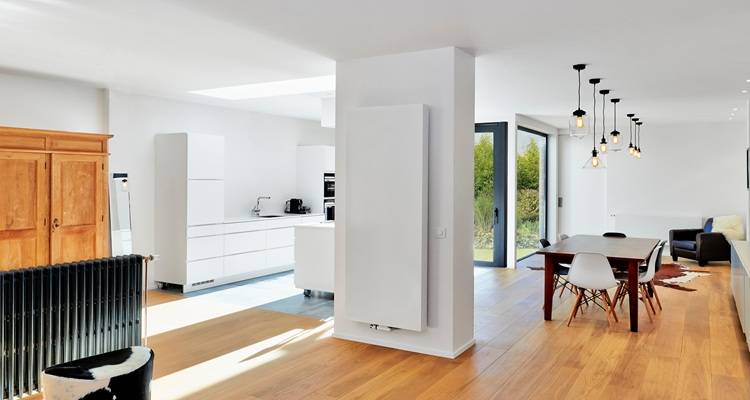
A same-position replacement is usually quicker because the existing pipework can often be reused. Labour costs will be higher if the radiator is being moved, fitted in a new position, or installed on a wall that needs additional support.
Vertical Radiator Supply Costs
You can expect to pay between £100 and £575 for a new vertical radiator, depending on the size and material, although designer models will usually cost more than this. There are a lot of vertical radiators to choose from, including single-panel and double-panel designs, aluminium and steel radiators, and designer styles.
You can expect to pay more for taller, heavier or custom radiators. For example, a cheap, single-panel vertical radiator in steel costs around £100. But a much larger, designer radiator in chrome can cost up to £1,700.
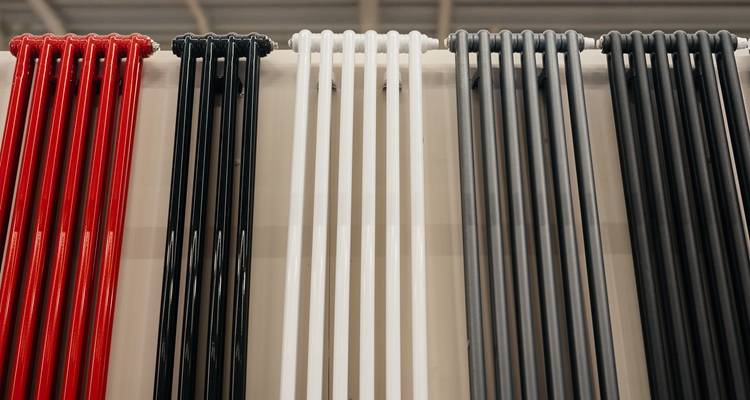
There are several types of vertical radiator to choose from, ranging from affordable single-panel models to heavier column radiators and premium designer styles. The best option will depend on your budget, available wall space, and the amount of heat needed in the room.
Single Panel vs. Double Panel
Single-panel vertical radiators are slimmer and tend to be more affordable, making them suitable for rooms that need less heat. By comparison, double-panel models have an additional panel, so they can provide more heat without taking up extra wall width. This does not make them cheaper to run, though.
Column Radiators
Column radiators offer a classic, traditional appearance and strong heat distribution, but their heavier and more intricate design makes them more expensive and harder to install.
Flat Panel or Mirrored
Flat panel radiators and mirrored radiators suit modern homes and can double as a decorative feature, but they usually cost more due to their premium finishes.
Towel Radiators
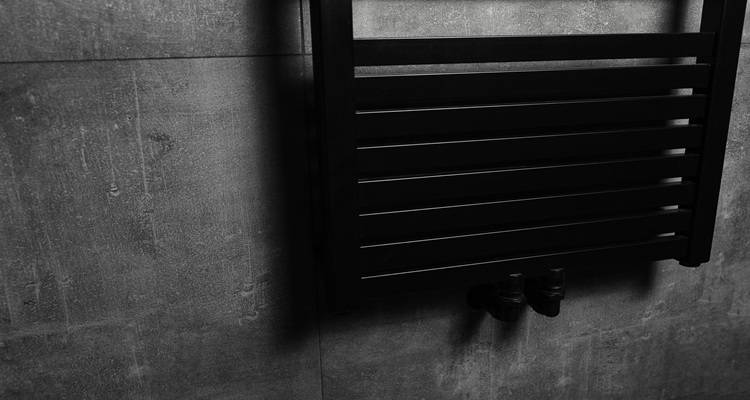
Towel radiators provide both heating and towel warming in bathrooms, which adds convenience. But they can be more expensive than standard radiators.
Additional Costs of Vertical Radiator Installation
As well as the price of the radiator and labour, you'll also need to factor in a handful of other costs.
Pipework Changes
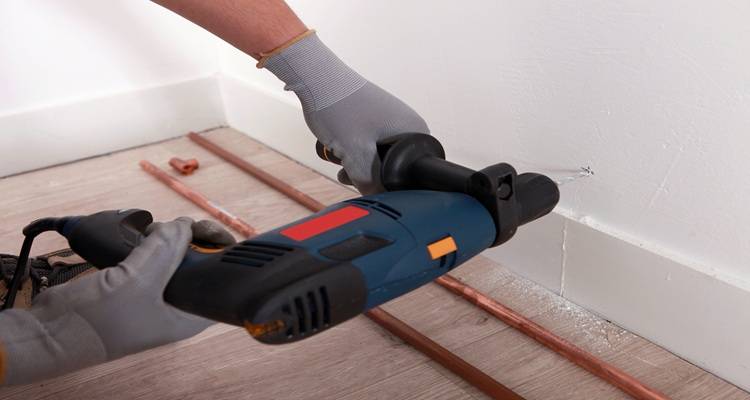
If the existing pipe layout doesn't align with the new radiator's inlet positions, modifications may be needed, which adds time and increases the cost. With the cost of moving a radiator coming in at an average of £250, and pipework changes averaging between £350 and £700, this quickly adds up.
Is it possible to move an upright radiator to another part of the living room? Also can it be placed on its side?
"There shouldn’t be any issue with moving the radiator to another part of the living room. Installing a vertical radiator in the horizontal position might cause it to not work to its full potential."
Radiator Valves and Thermostats
If the existing radiator valves are worn, incompatible or need to be repositioned, they may need to be replaced during the installation. Upgrading to a thermostatic radiator valve (TRV) can also improve temperature control, with a new TRV costing between £8 and £33.
Wall Brackets and Repairs
Heavy vertical radiators may need stronger brackets, specialist fixings or additional wall support. If the brackets need to be repositioned, or the old radiator leaves damage behind, you may also need to budget for extra labour, plastering, filling, or repainting.
Power Flushing
A power flush is a type of central heating system cleaning that removes sludge, rust, and debris, helping a new radiator heat properly. The average cost of a power flush is around £400.
Radiator Removal and Disposal
Removing an old radiator usually costs between £50 and £100. The price will depend on the radiator's size and weight, whether the pipework needs to be capped, and whether disposal is included in the quote.
Cost Factors for Vertical Radiator Installation
- Location in the Home — Installing a radiator upstairs or in tight hallways can take longer due to poor access and limited space, increasing labour time and cost.
- Wall Type — Solid brick or masonry walls are usually easier to secure heavy radiators to, but plasterboard or stud walls often require specialist fixings or reinforcement.
- Radiator Size and Weight — Larger, heavier and double-panel radiators can take more time and labour to install compared to single-panel options.
- Type of Installation — A same-position replacement is generally cheaper than fitting a radiator in a new location.
- Regional Labour Rates — Labour rates vary across the UK and are generally higher in London and the South East than in other regions.
Is it possible to fit a vertical radiator onto a stud wall or hollow wall?
"There are plenty of fixings out there that you can use but I always say the best way is to put wooden battens between the studs and fixing to that."
Alternative Types of Radiators
If you're not sold on vertical radiators, you can choose from one of the other popular types of radiators, each of which has pros and cons.
- Horizontal Radiators — These are generally cheaper and easier to source than vertical models, but they take up more wall space.
- Electric Radiators — Electric radiators don't require pipework, making installation simpler and often quicker, but they can cost more to run.
- Underfloor Heating — Underfloor heating provides an even, hidden heat source that's ideal for open-plan spaces and contemporary interiors, but installation is usually more expensive and disruptive.
- Infrared Panels — Infrared heating panels are slim and can heat rooms quickly. However, they are less widely available and can cost more upfront.
- Cast Iron Radiators — Cast iron radiators retain heat well and suit period properties, but they are also heavy and can be more expensive to buy and install.
Is there a difference in the average life expectancy between horizontal and vertical radiators?
"In short No. Life expectancy is down to the quality of materials used in manufacturing and the condition of the water inside the system.
Even the best quality radiator would corrode if the system water is contaminated.
The main thing is that consumers ensure the water quality within the system is kept to a good standard. This will mean regular cleansing and adding inhibitors to the system. This should be checked annually."
The main thing is that consumers ensure the water quality within the system is kept to a good standard. This will mean regular cleansing and adding inhibitors to the system. This should be checked annually."
Hiring Contractors Checklist for Vertical Radiator Installation
When you're hiring a contractor to install a vertical radiator, it's important to be thorough to ensure a safe and professional job. Some questions you could consider asking beforehand include:
- Have you received more than one quote? Try to obtain at least 3 quotes so you can compare labour costs, timescales, and what is included in the price.
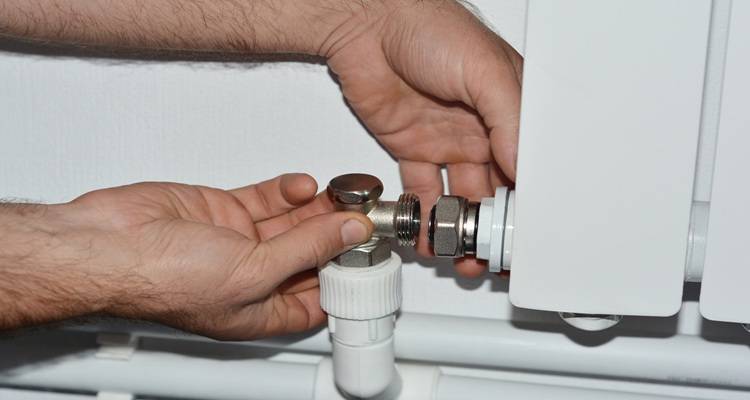
- Are they experienced with vertical radiators? Vertical radiators can be heavier than standard models and may need different brackets, fixings or pipework, so look for someone who has completed similar installations.
- Will the existing pipework need to be changed? Confirm whether the pipes can be reused or whether they need to be extended, rerouted, or repositioned, as this can increase the cost.
- Is the installer suitably qualified? A plumber or heating engineer should carry out the installation, while work on a gas boiler or gas supply must be completed by a Gas Safe registered engineer.
- Do they have public liability insurance? This provides protection if the radiator, pipework, flooring, or walls are damaged during the installation.
- Is removal and disposal included? Check whether the quote includes draining and removing the old radiator, taking it away, and dealing with any waste.
- Are wall repairs included in the quote? Removing or repositioning a radiator can leave holes, marks or damaged plaster, so confirm whether filling, plastering, or repainting is included.
Ask a Trade
Got a question that only a tradesperson can answer?
We have thousands of trades ready to answer any question you may have.
Ask your question

FAQs
Can I Install a Vertical Radiator Myself?
Installing a vertical radiator yourself is possible, but it involves draining part of the heating system and making secure plumbing joints, so most people hire a professional plumber or heating engineer instead. Gas Safe registration is only required if the job includes work on the gas boiler or gas supply.
Do I Need Building Regulations Approval to Install a Vertical Radiator?
Replacing or moving an existing radiator does not normally require Building Regulations approval, although adding an extra radiator may. If approval is required, an installer registered with a competent person scheme can usually certify the work. Otherwise, check the requirements with your local council's Building Control. Separate rules apply when a boiler is replaced or a new heating system is installed, and these vary across the UK. Any work on a gas boiler or gas supply must be carried out by a Gas Safe registered engineer.
Do Vertical Radiators Give Out Enough Heat?
Yes. Vertical radiators can provide enough heat for a room, but the right model depends on the required heat output. In some cases, a taller or double-panel radiator will be needed to provide the same level of warmth as a wider horizontal model.
What Wall Types Can Support a Vertical Radiator?
Vertical radiators can be mounted on most walls, but the type of wall affects the fixings required. Solid brick or masonry walls usually need standard brackets, while plasterboard or stud walls often require additional support.
Are Vertical Radiators Better Than Horizontal Radiators?
Vertical radiators are not necessarily better, but they are useful in rooms with limited wall space and can provide a more modern appearance. Horizontal radiators are often cheaper and may provide a higher heat output for their size, so the best option depends on the room and available space.
What Size Vertical Radiator Do I Need?
The correct size will depend on the room's dimensions, insulation, windows, and required BTU output. A plumber or heating engineer can calculate the heat needed and recommend a radiator that is suitable for the space.
Do Vertical Radiators Take Longer to Heat Up?
Vertical radiators do not usually take longer to heat up than horizontal radiators, although heating speed can vary depending on the material, size, and water capacity. Aluminium models generally warm up faster than heavier steel or cast iron radiators.
Do I Need to Upgrade Valves or Thermostats When Installing a Vertical Radiator?
No, not always, but it's often recommended to upgrade to TRVs when you're installing a new radiator.