Builders
 Carpenters
 Electricians
 Flooring Specialists
 Gardeners
 Handymen
 Heating Engineers
 Painters & Decorators
 Plasterers & Renderers
 Plumbers
 Roofers
 Tilers
 my
myInstalling a Column Radiator Cost
At a Glance
- The average column radiator installation cost is around £315 per radiator.
- Installing a column radiator will usually take a professional about 2 to 3 hours.
- Get to know the factors that influence the cost of installing a column radiator.
- Find out the average labour cost and time required to install a column radiator.
- How to find a local radiator installer with MyJobQuote.
Get free estimates
Are you a trade? Get more work today!
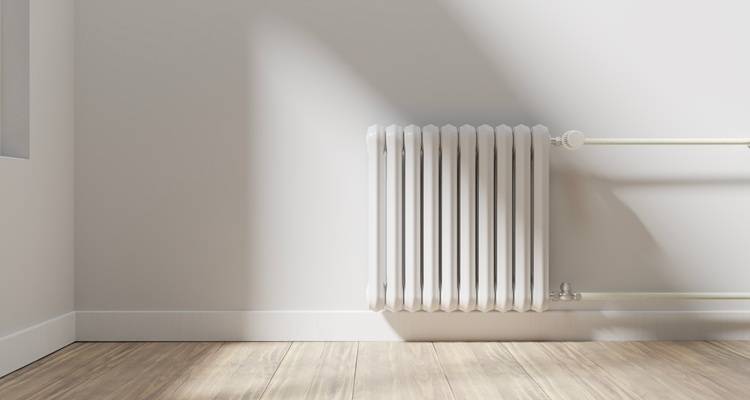
Column radiators combine classic styling with strong heat output, making them a popular choice for period properties and modern homes alike. Below, we've broken down all the costs involved, from the radiator itself to labour and any additional work you might need.
£315
Table of Contents
- How Much Does Installing a Column Radiator Cost?
- Column Radiator Supply Costs
- Additional Costs of Installing a Column Radiator
- Labour Costs and Timescales for Column Radiator Installation
- Cost Factors for Installing a Column Radiator
- Building Regulations for Installing Column Radiators
- Types of Column Radiators
- Alternative Types of Radiators
- Checklist: Hiring a Tradesperson to Install a Column Radiator
- Removing Column Radiators: Considerations and Costs
- FAQs
How Much Does Installing a Column Radiator Cost?
The average cost of fitting a column radiator is between £220 and £400, depending on the size, type, and complexity of the project.
How much does it cost to install or replace a column radiator?
The cost to replace a single radiator can vary depending on several factors, but for most straightforward replacements, a professional can complete the job in a few hours.
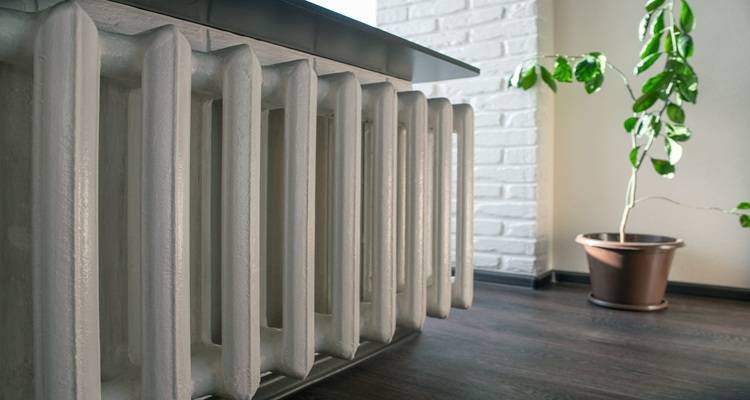
The number of columns, the material, the number of units, and whether it's a straightforward swap to a new installation all have an impact.
You can also expect to pay more if you're in an area where labour costs are higher, such as London and the South East.
Column Radiator Installation Prices
| Column Radiator Size | Radiator Cost (Average) | Labour Cost (Average) |
|---|---|---|
| Small | £100 | £150 |
| Medium | £350 | £200 |
| Large | £500 | £400 |
Want a custom price?
Post your job
These costs are averages for straightforward installations. More complex projects, such as laying new pipework or removing an existing radiator, will cost more. Pipework alterations, for example, can add anywhere from £350 to £700 to the total.
Column Radiator Supply Costs
One of the highest costs of installing a column radiator is the supply of the radiator itself. The cost of a column radiator ranges hugely, from as low as £100 to £500, and even higher. The price depends on material, finish, size, and brand, as well as any optional extras you choose.

- Budget Steel 2-Column Radiator — You can expect to pay around £100 for smaller, standard models.
- Mid-Range Designer Model — A designer radiator can cost anywhere from £200 to £400, as they're often larger, with multiple columns or quality finishes.
- Premium Cast Iron Designs — You should expect to pay between £400 and £800 for premium column radiators, especially if you're looking for a taller unit or a bespoke finish.
- Stainless Steel Radiators — Stainless steel radiators are another popular choice, offering excellent corrosion resistance, long-lasting quality, and a modern look. They tend to be more expensive than standard steel but are valued for their durability and style. They can cost between £200 and £1,000.
You will also need to add in the cost of optional extras, such as adding thermostatic radiator valves (TRVs), which usually cost between £8 and £33.
Additional Costs of Installing a Column Radiator
There are additional costs to factor in when you're budgeting for column radiator installation, such as:
- Removal and Disposal — If you're replacing an existing radiator, you'll need to budget for professional removal, which typically costs £50 to £100. Disposal of the old unit adds a further £20 to £50 on top of that.
- Pipework — Installing a new radiator in a different location or extending pipework to fit a column radiator often requires additional plumbing work, which can add £350 to £700 to the total cost.
- Plastering or Wall Repairs — Installing a new radiator can leave marks or holes, so you might need to hire a professional plasterer to patch, smooth and finish the wall. Costs for this vary, but patching a small area typically starts from around £75 to £150.
- Painting or Finishing — After plastering, repainting the wall to match the surrounding décor may be necessary. Expect to pay around £16 to £20 per hour for a decorator, depending on the size of the area.
- Upgrading Radiator Valves — Replacing old valves or adding thermostatic radiator valves (TRVs) improves energy efficiency and control. TRVs typically cost £50 to £150 per valve fitted, including labour.
- Power Flush — A power flush may be needed to clear sludge or debris from the heating system before installing a new radiator. This typically costs £350 to £450 for a system with around 6 radiators.
Labour Costs and Timescales for Column Radiator Installation
The labour cost of installing a column radiator tends to be charged hourly, at between £40 and £80 per hour, though some tradespeople charge a flat job fee.
Hiring a local plumber or heating engineer can help reduce travel costs and ensure prompt service, as they are nearby and familiar with local regulations.
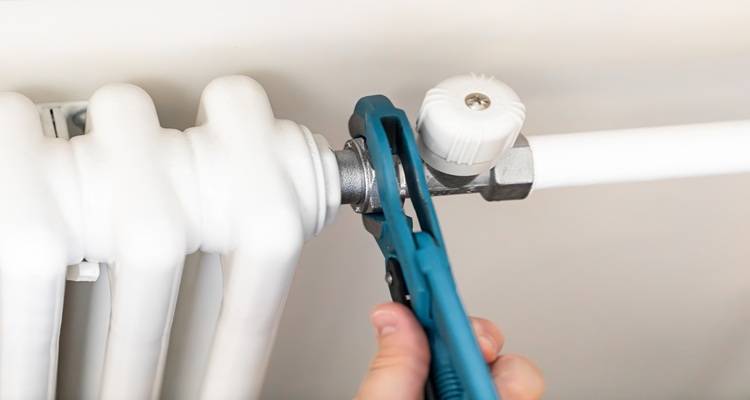
For a simple replacement, you should budget for between 2 and 3 hours' worth of work, with new installations and pipework usually taking between 4 and 6 hours. If multiple radiators are fitted at once, costs per unit may be lower due to economies of scale.
Cost Factors for Installing a Column Radiator
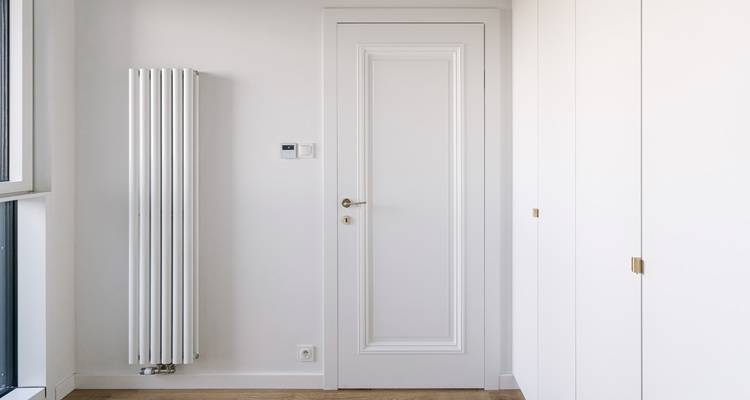
There are a handful of factors that influence the cost of fitting a column radiator, including:
- Radiator Size, Weight, and Material — larger and heavier units take more time to handle and install, and premium materials such as cast iron command higher prices.
- Accessibility — if the installation area is tight or difficult to reach, the job will take longer and cost more in labour.
- Pipework Changes — a straight like-for-like swap is significantly cheaper than rerouting or extending pipework to fit a new location or radiator type.
- Wall Fixings — heavy cast iron or oversized units may require specialist fixings or additional wall support, adding to both materials and labour costs.
- Number of Radiators — installing multiple units in one visit can reduce the cost per radiator, as the tradesperson's travel and set-up time is shared.
- Location — tradespeople in London and the South East typically charge more than those in rural or northern areas of the UK.
Most radiators are durable and customisable, but costs can vary significantly depending on features, size, and installation requirements.
Ask a Trade
Got a question that only a tradesperson can answer? We have thousands of trades ready to answer any question you may have.
Ask your question

Building Regulations for Installing Column Radiators
For most domestic installations, replacing a like-for-like radiator doesn't require a formal building regulations application. However, adding a new radiator to an existing system, particularly if new pipework is involved, may require notification to your local Building Control authority in some circumstances.
Where Building Regulations approval is required, an installer registered with an authorised competent person scheme for heating work can usually certify the work themselves, so you will not need to make a separate application to Building Control or pay an additional fee.
If the work is carried out by someone not registered with a competent person scheme, a building control application may be required, which can cost from around £200 to £325 depending on your local authority. Your installer should be able to advise you on what applies to your specific job.
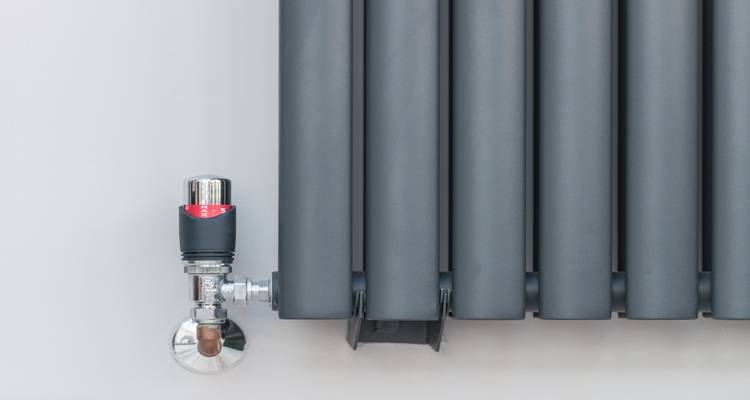
There are also a number of building regulations to be aware of, regardless of whether formal notification is required:
- Part L of the Building Regulations covers energy efficiency. Its requirements for thermostatic controls do not apply when you are only fitting a radiator, but adding a thermostatic radiator valve (TRV) is still worth considering, as it gives you more control over the temperature in the room.
- Gas Safe registration is only required if the work involves the gas boiler itself or its gas supply. Connecting a radiator to the water side of the heating system can be carried out by a competent plumber or heating engineer.
- For most domestic installations, planning permission is not required. However, restrictions may apply in listed buildings, so it's worth checking with your local planning authority.
Types of Column Radiators
There are a lot of column radiators to choose from, so you won't struggle to find one that works for your budget, style of home, and personal taste. Whether you're on a budget or looking to splurge, there's sure to be a column radiator that ticks the box.
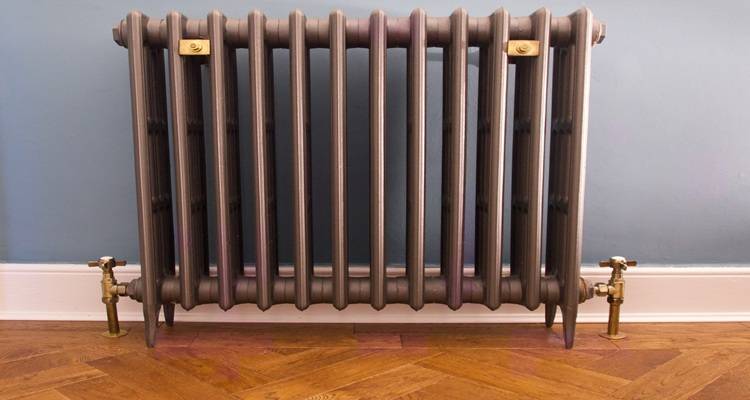
The number of columns in a radiator refers to its depth, how many rows of vertical columns are stacked front to back, rather than its height or width. More columns mean a greater depth, higher heat output, and a more prominent visual presence on the wall.
- 2-Column Radiators — the slimmest option, sitting closer to the wall. They're well suited to smaller rooms or spaces where you want a more discreet profile, but heat output is more limited as a result.
- 3-Column Radiators — the most popular choice. The additional depth over a 2-column model provides a noticeably higher heat output, while still being compact enough for most rooms.
- 4+ Column Radiators — deeper, heavier, and more striking in appearance. These are best suited to larger rooms, period properties, or homes with high ceilings that require substantial heat output. Their weight may require additional wall support.
You'll also have a range of finishes to choose from, including gloss white, anthracite, raw metal, and coloured designer options.
Alternative Types of Radiators
Of course, column radiators aren't the only option out there. You can install other radiator types, some of which might be better suited to your space.
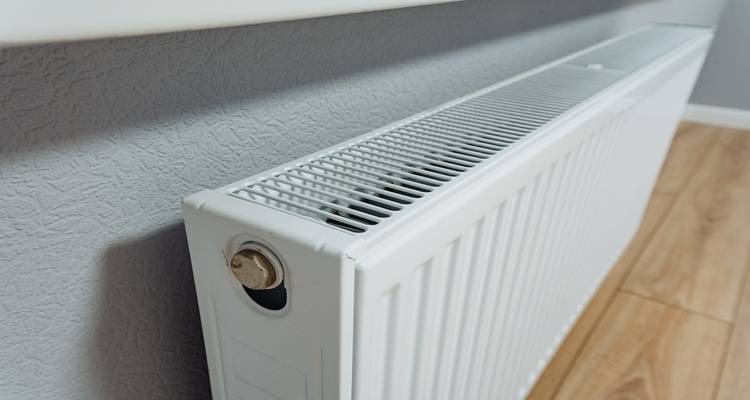
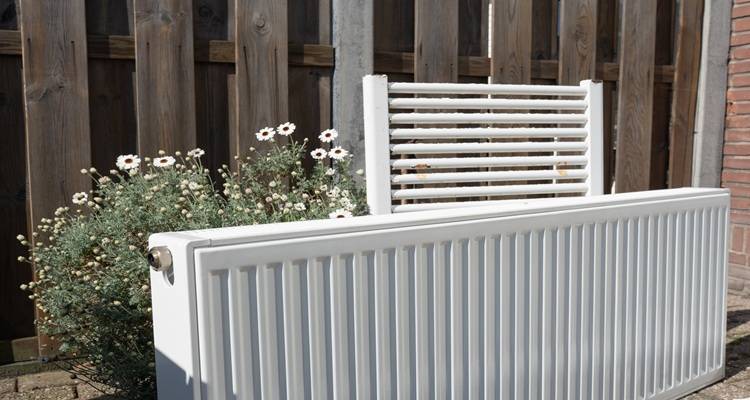
- Flat Panel Radiators — These are more common, cheaper and easier to install than column radiators, and they work in most spaces.
- Vertical Radiators — These are good if you're working with limited wall space, as they're designed to take advantage of height, rather than width. You can expect to pay roughly the same to have one installed as you would for a column radiator.
- Towel Radiators — Commonly used in bathrooms, these combine heating and towel warming for convenience. But, they do tend to be slightly more expensive to buy and install.
- Underfloor Heating — Though underfloor heating is effective and modern, it does come with higher upfront costs and more complex installations.
- Cast Iron Radiators — Known for their classic appearance and excellent heat retention, cast iron radiators are popular in period properties. However, they are heavier and usually more expensive to purchase and install than modern alternatives.
Checklist: Hiring a Tradesperson to Install a Column Radiator
Hiring the right tradesperson is important, as a poor installation can lead to leaks, inefficient heating, and costly repairs further down the line.
Here are a few points to consider when searching for a local installer:
- Are they suitably qualified? A plumber or heating engineer can usually fit and connect a radiator to your central heating system. If the work needs to be certified under the Building Regulations, check that they are registered with a competent person scheme. Gas Safe registration is only needed if the job involves work on the gas boiler or gas supply.
- Do they have experience with column radiators? Column radiators — particularly cast iron models — are heavier and more involved to install than standard panel radiators. Check that your chosen tradesperson has relevant experience.
- Do they provide written, itemised quotes? Always ask for a written quote that breaks down parts and labour separately. This makes it easier to compare quotes and helps you avoid unexpected charges.
- Are they insured? Make sure your tradesperson holds public liability insurance. This protects you in the event of accidental damage to your property during the installation.
- What are their reviews like? Check customer reviews and, where possible, ask for references from previous jobs. This gives you a clearer picture of the quality of work and reliability you can expect.
- Is there a guarantee on their work? A reputable tradesperson should be willing to return and address any issues that arise within a reasonable period after the installation.
Aim to get at least 3 quotes from different local plumbers or heating engineers to compare costs and credentials before making your decision.
Removing Column Radiators: Considerations and Costs
Removing a radiator starts with isolating it from the rest of the heating system. The water inside it is then drained before the pipe connections are disconnected and the radiator is lifted from its wall brackets. In most cases, there is no need to drain the entire central heating system unless a valve is faulty or will not close properly. You can expect to pay between £50 and £100 for removal per radiator. Disposal of the old unit typically adds a further £20 to £50, though some tradespeople will include this in their overall quote. It's worth confirming when you receive a price.
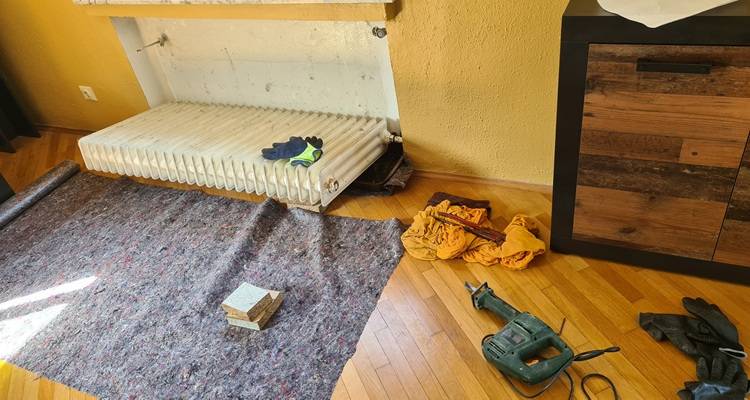
There's a risk of wall damage or plumbing issues when a radiator is being removed, and you'll need to cover the cost to fix the damage. It's often cheaper to remove multiple radiators during a single visit, as your chosen tradesperson is already there working.
FAQs
Do I Need a Plumber or a Heating Engineer to Install a Column Radiator?
For most column radiator installations, yes. Column radiators are heavier and more complex than standard panel radiators, and the pipework connections require professional handling. Gas Safe registration is only required if the work involves the gas boiler itself or its gas supply.
Can I Fit a Column Radiator Myself?
It's not recommended for most homeowners. Column radiators are heavier and more involved to install than standard radiators, and incorrect fitting can cause leaks or system damage. A qualified plumber or heating engineer will ensure the job is done safely and to the required standard.
Are Column Radiators More Expensive to Run Than Standard Radiators?
Not necessarily. Running costs depend on the size of the radiator, its heat output, and the efficiency of your central heating system. A correctly sized column radiator can be just as efficient as a standard panel radiator.
How Long Does It Take to Install a Column Radiator?
Most straightforward installations take 2 to 3 hours. Larger units or jobs that require pipework changes can take between 4 and 6 hours.
Do I Need to Upgrade Valves When Installing a Column Radiator?
It's not always required, but upgrading to thermostatic radiator valves (TRVs) is recommended. They allow better temperature control in each room and can help reduce energy bills over time.