Builders
 Carpenters
 Electricians
 Flooring Specialists
 Gardeners
 Handymen
 Heating Engineers
 Painters & Decorators
 Plasterers & Renderers
 Plumbers
 Roofers
 Tilers
 my
myInstalling Infrared Heating Cost
At a Glance
- The average cost of infrared heating is £800 to £2,500 for a small installation.
- Depending on the complexity of the job, most installations usually take around 1 to 3 days.
- The cost of infrared heating in 2026 based on size of property and number of panels required.
- The average cost of labour, the time required for the installation and what the process involves.
- How to find a local infrared heating installer with MyJobQuote.
Get free estimates
Are you a trade? Get more work today!
When the colder, rainy and frosty winters hit, heating becomes a key part of making your home cosy, comfortable and a relaxing place to be.
There are a variety of heating options in the UK, including traditional systems such as gas central heating or an electric central heating system, but one has quickly proven to be a modern, efficient alternative: infrared heating.
Infrared panels heat people and objects directly rather than warming the air first, so you can feel warmer quite quickly. They can work well in spaces such as home offices and garden rooms, especially if you only heat the areas you are using. However, because electricity costs more than gas per unit, infrared heating is likely to cost more than gas central heating across a whole property.
But, how much will it cost you to install infrared heating at home?

£1,650
Table of Contents
- How Much Is Infrared Heating?
- Supply Cost of Infrared Heating
- Additional Infrared Heating Installation Costs
- Labour Cost to Install Infrared Heating & Timescales
- Factors That Impact Infrared Heating Costs
- Types of Infrared Heating
- Building Regulations for Infrared Heating Installations
- Alternative Types of Infrared Heating
- Checklist: Hiring an Infrared Heating Installer in the UK
- Infrared Heating Removal Cost
- FAQs
How Much Is Infrared Heating?
The cost of infrared heating can vary hugely, depending on the type of system, the size of the area being heated and the specific installation requirements.
The total cost includes the purchase price of every single panel, installation, and any additional electrical work. The average cost for a full infrared heating installation ranges from £800 to £2,500 for a small system with a full home system usually costing between £4,000 and £10,000. Individual panels are priced from £100 to £500 although the cost of a single panel can vary based on size, wattage, and design, and larger rooms may require more than one panel for effective heating.

There are a range of things that influence the overall cost to install an infrared heating system, including the number of panels needed, the wattage and efficiency.
Whether wall or ceiling mounting is required, and any additional electrical work needed to support the system, will also impact the cost.
Infrared Heating Prices
The price of infrared heating depends on the size of the area you're planning to heat.
For example, a small bedroom will only require 1 panel and a few hours' worth of work, whereas a large 3-bedroom house will need an average of 14 panels and up to 3 days of work. Optional features, such as thermostats or smart controls, also affect the price.
| Room Size | Average Number of Panels Required | Average Supply + Installation Cost |
|---|---|---|
| One Bedroom Flat | 8 | £3,950 |
| Two Bedroom Property | 10 | £4,950 |
| Average 3 Bedroom House | 14 | £7,000 |
| Large 4 Bedroom House | 20 | £9,960 |
Want a custom price?
Post your job
Infrared heating can be used as a whole-house heating solution, providing comfort throughout the entire home while offering a modern alternative to traditional systems.
Supply Cost of Infrared Heating
Whether you're planning a DIY infrared heating system install or you're going to enlist the help of a professional tradesperson, it's useful to break down the costs of individual components.
| Item | Typical Cost |
|---|---|
| Standard Infrared Panels | £100–£500 (per panel) |
| Decorative / Mirror-Finish Panels | £300–£600 (per panel) |
| Thermostats and Smart Controls | £40–£100 (each) |
| Mounting Brackets / Installation Kits | £10–£30 (each) |
Want a custom price?
Post your job
The purchase price of an infrared panel heater for a single panel will vary depending on its features, design, and size, so it's important to compare options before buying.
As a homeowner, you can choose to buy individual infrared heating panels to heat specific rooms, or you can invest in a full-room or whole-house bundle. This can sometimes reduce the cost per unit and simplify the installation planning when it comes to your infrared heaters.
Though DIY installation may lower labour expenses, getting the help of a professional tradesperson is best, especially when it comes to ensuring electrical safety and compliance with building regulations.
Additional Infrared Heating Installation Costs
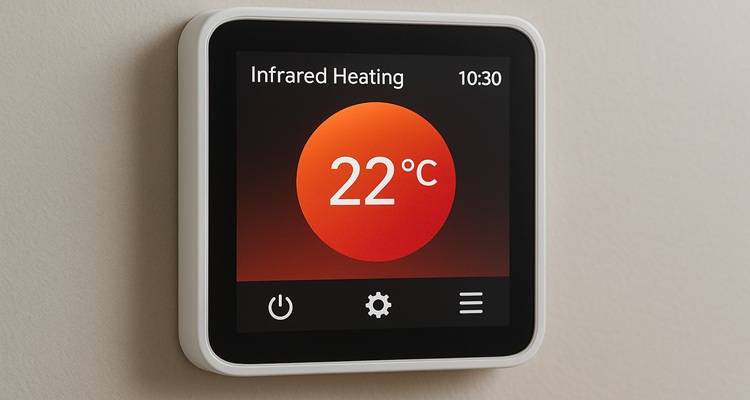
As well as the price of infrared heating panels and installation, you also need to factor in additional costs that can affect the overall cost of having an infrared heating system installed.
- Electrical Upgrades — If your home requires new circuits, additional outlets or a fuseboard upgrade to handle the load of multiple infrared panels, you'll have to cover this cost. This includes the cost of rewiring, which electricians charge around £200 per day for.
- Smart Control Setup or Home Automation Integration — Though basic thermostats are often included, integrating panels with a full smart home system or advanced scheduling controls may cost more. You can expect to pay an average of £265 to have a smart thermostat installed.
- Surface Preparation — Walls or ceilings may need reinforcement, plastering or other preparation to ensure panels can be safely mounted, especially if you've chosen decorative or larger units that are difficult to fix to the wall.
- Waste Removal or Cleanup — Any debris from the infrared heating installation that needs removing, or old system removals, will increase labour costs.
- Removal of Old Heating Systems — If you're replacing an existing system and you need someone to remove electric heaters, gas central heating or radiators, you'll need to factor this into your budget. You should expect to pay £80 to have a small radiator removed.
Infrared heating systems have lower maintenance costs than other heating systems because they require little to no ongoing servicing.
Keep in mind that infrared panels are designed for space heating only and do not heat water directly, so you may need a separate hot water system, such as a hot water cylinder, if you require hot water in your home.
Ask a Trade
Got a question that only a tradesperson can answer? We have thousands of trades ready to answer any question you may have.
Ask your question

Labour Cost to Install Infrared Heating & Timescales
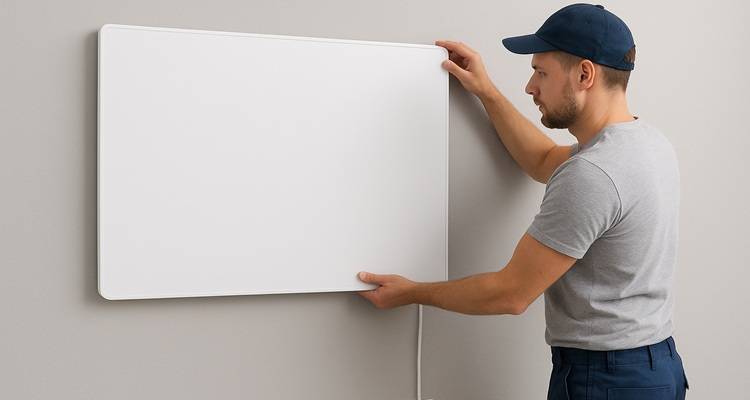
The price of a qualified electrician will need to be factored into how much you're planning to spend on infrared heating installation. Though a DIY approach is the cheap option, flawless wiring and compliance with electrical regulations are key for safety, which is why professional labour needs to be budgeted for.
- Day Rates or per Project Costs — Electricians in the UK tend to charge between £150 and £250 per day, depending on experience, demand, and location. Some work on a fixed fee per project, especially if you're planning a multi-room or whole-house installation.
- Estimated Time to Fit One Room — Installing infrared panels in a single room usually takes around a day, including mounting panels, wiring and connecting thermostats.
- Estimated Time for a Full-House Installation — For multiple rooms or a complete home system, you should plan for the work to take 2 to 3 days. This can be longer if you have a larger home or complex wiring requirements.
- Factors Affecting Costs — There are many things that affect the cost of labour and project timescales. Labour charges may rise if access is difficult, if walls or ceilings require reinforcement, or if the system design is more intricate. For example, if you're integrating smart controls or custom panel layouts.
Factors That Impact Infrared Heating Costs
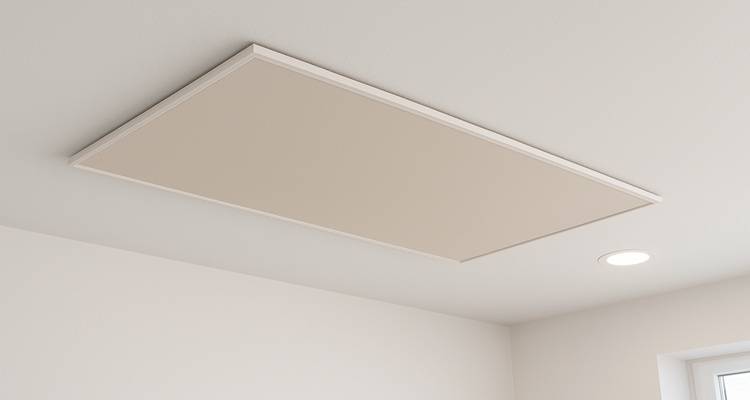
The overall cost to install and run infrared heating varies a lot, depending on a number of key factors.
- Size and Number of Rooms — Larger rooms or homes with multiple spaces require more panels, which increases both the supply and installation fees, as well as the cost of running infrared heating in general.
- Panel Size and Design — Standard panels tend to be more affordable compared to decorative options, which tend to have a hefty price tag. Panels with a higher wattage also usually cost more.
- Ceiling vs Wall-Mounted — If you fit panels on the ceiling, you might find they require additional mounting hardware or structural support, adding to installation costs compared to wall-mountings which are typically quicker and easier to fit.
- Smart vs Manual Control Systems — The cost to replace your existing control system with smart thermostats and home automation integration increases the cost, though it does also improve energy efficiency.
- Existing Electrical Infrastructure — Older properties might require electrical upgrades, such as new circuits or fuseboard improvements, which can increase expenses.
- Quality of Insulation and Heat Loss — Properties with good insulation retain heat more effectively, reducing the number of panels needed which can then reduce the overall installation price and operating costs when running infrared heating.
Types of Infrared Heating
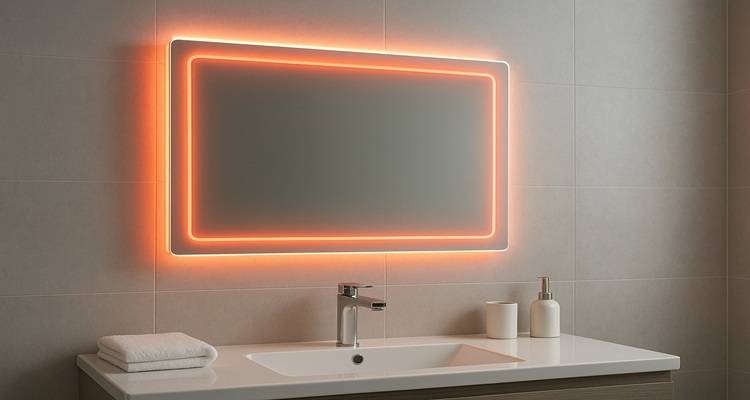
There are a few different types of infrared heating available, and the type you choose will depend on your home, space and budget.
Wall-Mounted Panels
- Best for: Living rooms, bedrooms, hallways, and other permanent indoor spaces.
- Material Cost — £50 to £80 per panel (basic models).
These are ideal for living rooms, bedrooms or hallways, as they provide discreet, efficient heating without taking up floor space.
Pros
- ✔ Space-saving design with no floor footprint.
- ✔ Discreet appearance that suits most living spaces.
- ✔ Efficient at heating occupied areas directly.
- ✔ Generally lower installation costs than ceiling-mounted systems.
Cons
- ✖ Requires suitable wall space.
- ✖ Heat direction is fixed once installed.
- ✖ May not distribute heat as evenly in larger rooms.
Ceiling-Mounted Panels
- Best for: Rooms with limited wall space or requiring an even heat distribution.
- Material Cost — £60 to £100 per panel.
These are perfect for achieving even heat distribution within a limited area, but they can cost slightly more due to additional rewiring and higher labour costs.
Pros
- ✔ Ideal for rooms with limited or no wall space.
- ✔ Provides even heat distribution from above.
- ✔ Keeps walls and floors completely clear.
- ✔ Less likely to be obstructed by furniture.
Cons
- ✖ Higher installation costs due to labour and possible rewiring.
- ✖ Installation can be more disruptive.
- ✖ Less accessible for maintenance or replacement.
Freestanding Infrared Heaters
- Best for: Renters, temporary heating, or occasional use in different rooms.
- Material Cost — £50 to £80 per unit (basic models).
These portable options are flexible and easy to move between rooms or even from one property to another, making them ideal infrared heaters when you don't want them installed as a fixed unit.
Pros
- ✔ Portable and easy to move between rooms.
- ✔ No installation required.
- ✔ Ideal for renters or temporary heating needs.
- ✔ Lower upfront cost than fixed panels.
Cons
- ✖ Takes up floor space within your property.
- ✖ Lower heat output makes them less suited to larger areas.
- ✖ Can be less aesthetically pleasing than fixed options.
- ✖ May need frequent repositioning for best results.
Mirror Infrared Panels
- Best for: Bathrooms, en-suites, and modern decorative spaces.
- Material Cost — £80 to £150 per panel (higher-end models).
Commonly used in bathrooms or other areas for their aesthetic appeal, these infrared heating panels also double as functional mirrors. However, they are one of the more expensive infrared panel heater options.
Pros
- ✔ Dual-purpose design combines heating and a mirror.
- ✔ Popular for bathrooms and en-suites.
- ✔ Sleek, modern appearance.
- ✔ Helps reduce condensation in humid rooms.
Cons
- ✖ Higher purchase cost compared to standard panels.
- ✖ Limited heat output due to size.
- ✖ Typically restricted to smaller rooms.
Outdoor Infrared Patio Heaters
- Best for: Patios, gardens, outdoor dining areas, and commercial outdoor spaces.
- Material Cost — £70 to £120 per unit (basic wall-mounted models).
Designed to withstand the elements and a variety of weather conditions, these heaters can provide instant warmth to external areas. They can, however, cost more to run when compared to infrared heating panels used indoors.
Pros
- ✔ Provides instant heat in outdoor spaces.
- ✔ Effective in open or well-ventilated areas.
- ✔ Weather-resistant designs available.
- ✔ Extends the use of patios and gardens year-round.
Cons
- ✖ Higher running costs than indoor panels.
- ✖ Less energy-efficient in very open areas.
- ✖ Requires suitable outdoor electrical connections.
- ✖ Heat is localised rather than widespread.
Building Regulations for Infrared Heating Installations
Before installing infrared heating, you need to familiarise yourself with the relevant building regulations and compliance requirements.
Part P covers electrical work in homes in England, although the rules differ in other parts of the UK. Not all electrical work is notifiable, but installing a new dedicated circuit or a new outdoor circuit is. Adding a panel heater to an existing circuit in a standard room will not normally involve building control, while work in a bathroom depends on where the heater is installed.
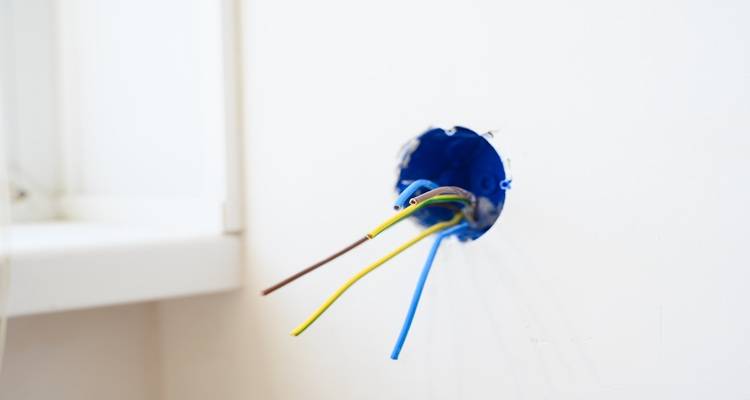
For work that needs Building Regulations approval, you can either use an installer registered with a competent person scheme who can certify the job, or notify building control before it starts so the work can be inspected. Both routes confirm that the work meets the relevant regulations.
Infrared panels fitted inside a home do not normally need planning permission. However, you should check with your local planning authority before starting if your home is listed, or if you plan to attach an outdoor heater to a property in a conservation area.
Alternative Types of Infrared Heating
Electric Convection Radiators
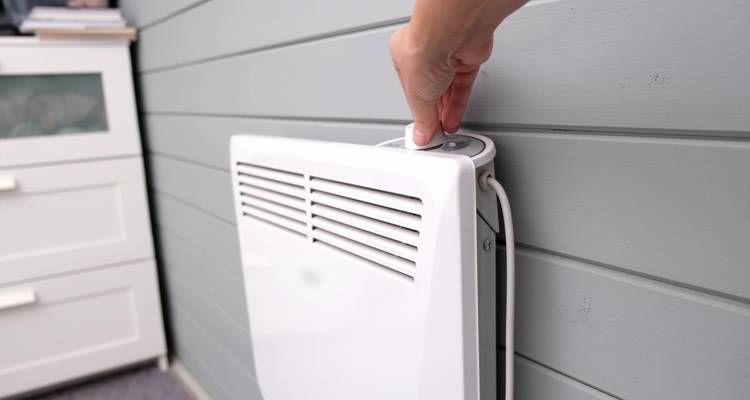
These heat the air rather than surfaces, which can lead to slower warming-up times and uneven heat distribution. They're usually cheaper to install but can be less energy-efficient.
Storage Heaters
Designed to store heat during off-peak electricity hours, storage heaters can be cost-effective under certain tariffs, but you have less control, and they take up more space.
Underfloor Heating
Underfloor heating provides even heat throughout a room, but involves higher installation costs and disruption, making it more suitable for new builds or major renovations.
Installation costs for underfloor heating panels are often calculated per square metre, which helps estimate the total expense based on the area to be covered.
Oil or Gas Central Heating
Traditional boilers can be cheaper to run in larger homes, but they rely on fossil fuels and require regular maintenance. Infrared panels do not produce any emissions inside the home and require very little maintenance. However, they still use electricity, so they are not completely carbon-free.
Checklist: Hiring an Infrared Heating Installer in the UK
Before you hire a contractor to install infrared heating panels, ask yourself questions:
- Are they registered with a competent person scheme? If the installer plans to certify the work themselves, check that they belong to a recognised scheme such as NICEIC, NAPIT or BESCA.
- Will the work need to be signed off? If the installation needs Building Regulations approval, ask whether the installer will self-certify the work or whether your local building control team needs to inspect it.
- Do they have experience with infrared heating systems? Previous experience of installing infrared heaters and knowing how infrared heaters work are distinct advantages when choosing who to hire for the job.
- Are they insured against accidental damage or personal injury? Although not technically a legal requirement, most tradesmen will at least carry public liability insurance, protecting not only themselves but also you and your property.
- Can they provide a detailed, written quote? Ask for at least three quotes from different companies and ensure they are itemised and in writing so you can not only compare prices, but you also know exactly what's included when having your infrared heating panels installed.
- Are warranties included for both parts and labour? Any reputable tradesman will include a guarantee or warranty for their work in the event of an issue with your infrared heating panels after installation.
- Do they have examples of similar work? Ask to see photos of their recent work or customer feedback on their MyJobQuote profile to get a better idea of the quality and type of installations they've completed.
- Do they have positive reviews? Check online reviews such as those from other homeowners on MyJobQuote who have hired them, as this can give you insight into not only the quality of work but their reliability and overall customer service.
Infrared Heating Removal Cost
Infrared heating systems are generally straightforward to remove, but the work should be carried out by a qualified electrician. Most panels can be detached easily from their wall or ceiling mounts, but minor repairs to surfaces might be needed, such as patching holes or repainting.
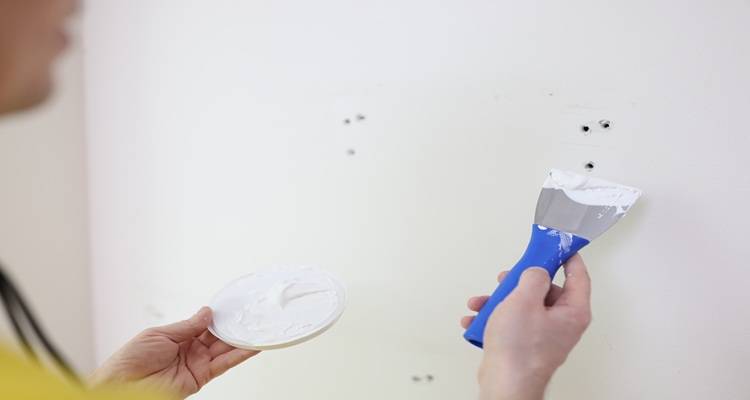
Labour for removing infrared heating typically costs between £100 and £150, depending on the number of panels and accessibility. Infrared panels can be reused or relocated, making them a flexible and sustainable heating option, even after removal.
FAQs
Are Infrared Heaters Expensive to Run?
Infrared heating is generally more expensive to run than mains gas, particularly when heating a whole property. However, well-controlled panels may cost less to run than some other electric heaters, especially when they are used to heat one occupied room rather than the whole home.
How Long Do Infrared Heating Panels Last?
There is no set lifespan for infrared heating panels, but many manufacturers offer warranties of around 5 to 10 years. Because they have no moving parts and need very little maintenance, they can often continue working well beyond the warranty period.
Can Infrared Heating Panels Heat an Entire House?
It is possible to heat a whole property with infrared panels, but most rooms will need carefully positioned panels and some may need more than one. Whole-house infrared heating is usually more expensive to run than gas central heating. It can also leave cooler areas away from the panels, increasing the risk of condensation, damp and mould if the home is not evenly heated and ventilated.
Do Infrared Heaters Need Maintenance?
No, regular servicing isn't required, just occasional cleaning to remove dust and maintain efficiency.
Are Infrared Heaters Safe?
Yes, provided the panels are installed correctly and the electrical work meets the relevant wiring regulations. Home infrared panels produce gentler heat than glowing patio heaters, but their surfaces can still become hotter than a radiator, so keep them clear of curtains and furniture. Portable panels should be switched off whenever you leave the room.