Builders
 Carpenters
 Electricians
 Flooring Specialists
 Gardeners
 Handymen
 Heating Engineers
 Painters & Decorators
 Plasterers & Renderers
 Plumbers
 Roofers
 Tilers
 my
myBurglar Alarm Cost
At a Glance
- The average cost of burglar alarm installation is £450.
- It takes approximately 1 day to fit a new alarm system.
- A breakdown of how much a home alarm system costs in 2026, as well as what impacts house alarm system prices you're quoted by specialist installers.
- The different types of burglar alarms you can choose between, what fitting a home alarm system involves, and expert advice from tradespeople on MyJobQuote.
- How to find and hire local burglar alarm fitters.
Get free estimates
Are you a trade? Get more work today!
Looking into how much burglar alarm installation costs in 2026?
On average, a new burglar alarm costs around £450 in the UK. However, house alarm prices will depend on a range of factors, such as the type of alarm you want to get.
We cover all this, and much more, in this comprehensive guide. You'll find out everything you need to know, including what different types of alarm systems cost, other security improvements you could make, and much more!
Want to get a quote ASAP?
MyJobQuote has a Trustpilot score of 4.8 (43,000+ reviews) and is used by more than 1 million homeowners across the UK every year.
Submit some basic details about what you're after and we'll connect you with burglar alarm fitters near you. They'll provide you with free, no obligation quotes for fitting a new home security system.
Want to find out more before you get a quote?
Check out our full guide below!
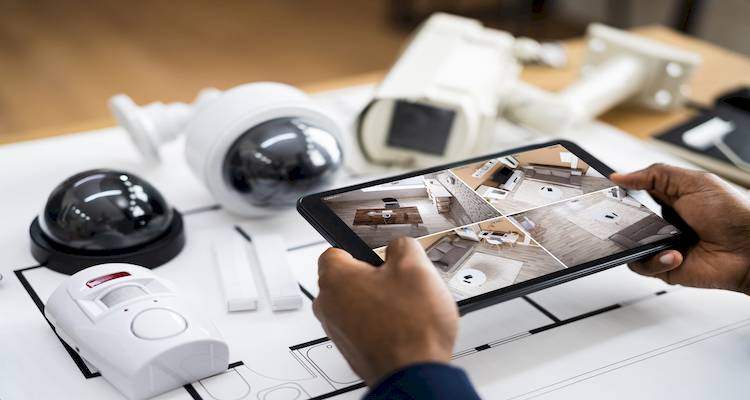
£450
Table of Contents
- How Much Does Installing a Home Alarm System Cost?
- Supply Cost of Alarm System Installations
- Alarm System Monthly Costs
- Additional Burglar Alarm Costs
- How Much Does Burglar Alarm Installation Cost?
- Factors That Impact Burglar Alarm Costs
- What's Involved in Installing a House Alarm System?
- Types of Alarm Systems
- UK Alarm Standards
- Checklist: Hiring Alarm System Installers
- FAQs
Burglar Alarm Cost Calculator
How Much Does Installing a Home Alarm System Cost?
So, how much does a house alarm system cost?
The average cost of a home burglar alarm system depends on various factors such as your personal preferences, your budget, and your location. However, this article should help to provide you with a good idea of how much you can expect to pay for the job.
The most basic type of home security system is a bells-only alarm system. This type of system emits a loud siren sound when the alarm is triggered. The average cost for this type of alarm system is around £125 to £300. This is an effective system as it can alert your neighbours and deter intruders.
Another option is a silent alarm. Instead of making a siren, this type of alarm sends an alert to a monitoring system, which can request police attendance if you have a Unique Reference Number (URN). This is most commonly controlled by a code or a panic button. To set up the police response for this type of alarm, you will usually be required to pay around £300 to £700.
A wireless security system is another option consisting of sensors, cameras, and detectors controlled by a radio signal. These systems usually cost around £200 to £600. On the other hand, wired systems connect to your electricity and phone line, usually costing around £400 to £800.
Many modern homes are opting for smart home security systems. These are the most advanced types of alarm systems. They can be controlled through Wi-Fi or Bluetooth and typically connect to a smartphone app. This type of system costs around £300 to £800.
What feature is most important to you in a burglar alarm system?
Loud siren to deter intruders
93 votes - 46%46% of votes
Easy maintenance and low cost
65 votes - 32%32% of votes
Real-time alerts to monitoring service
13 votes - 6%6% of votes
Smartphone connectivity and control
28 votes - 14%14% of votes
Hidden or discreet appearance
5 votes - 2%2% of votes

204 votes
See results
Hide results
House Alarm System Price List
In the table below, we have outlined the estimated costs for installing various types of alarm systems to give you a better idea of what you might expect to pay:
| Type of Alarm System | Average Cost |
|---|---|
| Bells-only burglar alarm installation | £125–£300 |
| Silent alarm system installation | £200–£300 |
| Wireless alarm system installation | £200–£500 |
| Wired alarm system installation | £400–£800 |
| Smart security alarm system installation | £190–£400 |
Want a custom price?
Post your job
Supply Cost of Alarm System Installations
If you plan to install your home alarm system yourself, you may be curious about the supply costs alone.
There are several different supplies needed for installing a home alarm system. The supplies needed will depend on the type of home alarm system that is being installed.
The table below shows the various supply costs that you may need to budget for with a burglar alarm installation:
| Type of Supplies | Average Cost |
|---|---|
| Motion sensors | £20–£50 |
| Window and door sensors | £20–£30 |
| Panic button | £15–£90 |
| Wired security system | £70–£200 |
| Wireless security cameras | £50–£270 |
| Control panel | £40–£100 |
| Keypad | £30–£60 |
| Siren | £40–£80 |
Want a custom price?
Post your job
How do I know if my bell-only alarm should be replaced? Is it best to have a more modern type of alarm installed in its place?
"A bell-only Alarm is fine, but it will only notify someone who is within earshot of the bell!
All of the newer products on the market have the ability to remotely notify either the homeowner or a professional 24 hour monitoring station."
All of the newer products on the market have the ability to remotely notify either the homeowner or a professional 24 hour monitoring station."
Alarm System Monthly Costs
Once your alarm is installed, you'll need to decide whether you want monitoring. Unlike installation, which you pay for only once, monitoring is a monthly running cost that keeps going. It's worth knowing these prices now so you can budget properly.
Basic Monthly Options
Your choices range from free self-monitoring to comprehensive professional services:
- Bells-Only System — Zero monthly fee. The alarm siren sounds when it's triggered, alerting your neighbours and deterring intruders. You're then responsible for any follow-up action.
- App Self-Monitoring — Under £5 per month. You'll receive push notifications on your phone when the alarm triggers. You can then decide whether to investigate, call the police, or ask someone to look into it.
- Professional Monitoring (ARC) — £15 to £25 per month. An Alarm Receiving Centre will monitor your system 24/7. When your alarm is triggered, they will call you and your nominated keyholders to verify and respond.
- Police Response Cost — Additional £8 to £15 per month. The police may attend confirmed alarm activations. This usually requires a URN, plus a Grade 2 system and ARC monitoring as a base service.
- Maintenance Plan — £5 to £15 per month. Covers annual servicing, battery replacements, and priority call-outs for repairs. Keeps your system reliable and warranties valid.
Monthly Packages
Most UK homeowners pay up to £40 monthly for their home alarm system, depending on their security needs and budget:
- DIY with App Only — Under £5 per month.
- Basic Professional Monitoring — £15 to £25 per month (no police response).
- Monitored with Police Response — £25 to £40 per month.
- Full Coverage Package — £35 to £55 per month (this usually includes professional monitoring, police response, cellular backup for when your broadband fails, and ongoing maintenance).
Additional Burglar Alarm Costs
The installation price is only part of what you may need to budget for. Below are the most common additional costs to be aware of before you commit to a system.
Security Lights Installation
Security lighting is a popular addition alongside a new alarm system, as it deters intruders before they attempt to gain entry. The average cost for security lights is around £250 to £350, depending on the number of lights, the type chosen, and the size of your property.

New Front Door
If you're upgrading your home security more broadly, a new front door can complement a burglar alarm system. The average cost for a new front door is around £750 to £1,500, depending on the material and style.
Security Stickers
Security stickers placed around the outside of your property can act as a low-cost deterrent. A pack of alarm warning stickers typically costs around £3 to £5.
Battery Replacement
Alarm system batteries need replacing every few years to keep the system reliable. The cost depends on which components need new batteries:
- Door and Motion Sensors (Coin Cells or CR123A) — £2 to £6 each.
- Key Fobs and Keypads — £2 to £4.
- External Siren — £8 to £20.
- Main Control Panel Backup Battery (12V) — £15 to £30.
- Wired Bell Box Backup — £10 to £20.
If you call an engineer out to replace batteries, expect to pay £60 to £120 for the visit plus parts, with a typical full battery swap costing £80 to £150 all in.
Additional Sensors for Larger Properties
Standard installation quotes are usually based on a set number of sensors suited to a 2 or 3-bedroom home. Larger properties, or those with outbuildings, garages, or multiple floors, will often need extra motion detectors, door contacts, or window sensors beyond the standard package. Each additional sensor typically adds £20 to £60 for the component, plus labour time to fit and configure it.
Annual Servicing and Maintenance
Most alarm manufacturers and installers recommend a service visit once a year to check the system is working correctly, test all sensors, replace worn components, and update any software or settings. A one-off annual service visit typically costs £80 to £150, depending on the size of the system and your location.
Some installers offer maintenance contracts that cover annual servicing, priority call-out response, and battery replacements for a monthly or annual fee. These typically cost £60 to £180 per year, and can be worth considering if your system is under warranty or required for insurance purposes.
Alarm Monitoring Contract
If you opt for a professionally monitored system, you'll pay ongoing monthly fees on top of the installation cost. See the monthly costs section above for a full breakdown. It's worth factoring these into your total budget before committing. A system that costs £500 to install but £40 per month will cost over £1,400 in its first year.
Upgrades and Expansion
If your needs change, for example, you extend your property or want to add CCTV, most modern alarm systems can be expanded with additional sensors or integrated with smart home devices. Costs depend on the system you've had installed and the scope of the upgrade, but adding a single zone or extra sensor typically costs £50 to £150 including labour.

Can alarm systems reduce home insurance costs?
"This depends on the type of alarm system you plan to install. Grade 2 or Grade 3 systems may qualify, but it's best to speak directly with your insurance provider to determine which category or grade of alarm can help reduce your insurance costs.
There are many alarm options on the market, so once you have the necessary information from your insurer, you can research systems that meet their requirements."
There are many alarm options on the market, so once you have the necessary information from your insurer, you can research systems that meet their requirements."
How Much Does Burglar Alarm Installation Cost?
Let's now take a look at labour costs and timescales.
On average, a security specialist will charge around £150 to £200 per day for professional installation costs alone, not including materials. This will depend upon where you live in the UK.
How long the job takes will depend on the burglar alarm system you choose. Smart alarms are the quickest, while installing a burglar alarm with a wired system will take the longest, as cables need to be routed through walls and ceilings. Larger properties that need more sensors and detectors will also take longer, which will increase the overall professional installation costs.
Below is a breakdown of estimated timescales and burglar alarm installation costs for different types of burglar alarm systems:
| Type of Burglar Alarm | Estimated Duration | Installation Costs |
|---|---|---|
| Smart alarm | 1 to 2 hours | £50 |
| Bells-only burglar alarm | 1 day | £175 |
| Silent burglar alarm | 2 days | £300 |
| Wireless burglar alarm | Half a day to 1 day | £75–£200 |
| Wired burglar alarm | 1 to 2 days | £150–£400 |
Want a custom price?
Post your job
Burglar Alarm Installation Costs by Location
Labour rates for burglar alarm installers vary across the UK. As a general rule, installers in London and the South East charge around 20 to 30% more than those in the North, the Midlands, Scotland, or Wales, where rates tend to sit closer to the national average of £150 to £200 per day.
If you're looking for a burglar alarm installer near you (whether in Manchester, Birmingham, Leeds, Glasgow, Cardiff, Sheffield, or elsewhere), the best way to understand what you'll pay locally is to get quotes from installers in your area. Prices can vary considerably even within the same city depending on the installer's experience and accreditations.
Ask a Trade
Got a question that only a tradesperson can answer? We have thousands of trades ready to answer any question you may have.
Ask your question

Factors That Impact Burglar Alarm Costs
Several things affect how much you'll pay to have a burglar alarm installed. Understanding these in advance can help you budget more accurately and avoid unexpected costs.
Location of Your Property
Where you live in the UK has a significant impact on labour rates. Installers in London and the South East typically charge 20 to 30% more than those in the North, the Midlands, or rural areas. If you're based in a major city (such as Manchester, Birmingham, Leeds, or Glasgow), expect rates to sit somewhere between the two extremes.
Property Size
The larger your home, the more sensors, detectors, and cabling you'll need. A 2-bedroom flat might only require 4 or 5 sensors, while a 4 or 5-bedroom detached house could need 10 or more. More components means higher supply costs and a longer installation, which pushes up labour costs too.
Number of Sensors and Detectors
Most quotes are based on a set number of sensors for a standard home. If you want additional coverage (for example, sensors on outbuildings, garages, or across multiple floors), each extra motion detector, door contact, or window sensor adds to the total. Most installers will quote per sensor if you need to expand beyond their standard package.
Type of Alarm System
The system you choose affects both equipment costs and the time needed to install it. Smart alarms are the quickest and cheapest to fit, while wired systems require cables to be routed through walls and ceilings, adding significantly to labour time. Monitored systems also involve ongoing monthly costs on top of the upfront installation price.
Ease of Access
Difficult-to-reach areas, such as high ceilings, narrow loft hatches, or awkward wall cavities, take longer to work in and can increase the overall price. Properties with unusual layouts or restricted access to cable routes tend to cost more than straightforward installations.
Alarm Grade and Certification
If you want your system to qualify for police response or insurance discounts, it needs to meet specific standards (typically Grade 2 under EN 50131) and be installed by a National Security Inspectorate (NSI) or SSAIB-approved engineer. Certified installations tend to cost more than uncertified ones, but the potential savings on home insurance premiums can offset this over time.
Brand and Equipment Quality
Entry-level alarm systems from budget brands cost less upfront but may offer fewer features, shorter warranties, and limited expandability. Mid-range and commercial-grade systems from established brands cost more but are typically more reliable and better supported. Always ask your installer what brand they're fitting and why they recommend it.
What's Involved in Installing a House Alarm System?
The method for installing an alarm system will vary depending on the type of alarm system that is being installed. However, below is an overview of the steps involved with installing a basic alarm system:
- Start by installing the wireless home security panel close to your primary entrance point or close to a power source. This can be done by drilling the panel into place or using a removable double-sided adhesive on the walls.
- After that, place all of the sensors and detectors around your home. Be sure to follow the manufacturer's instructions and any relevant standards and regulations.
- Now that all of the components are attached, it's time to test the alarm system. Check the manufacturer's instructions for testing the system to ensure it's set up correctly and working properly.
Can I add a motion detector to a pet flap as part of my home alarm system?
"In theory, yes.
Depending on the systems capabilities, you can either have it to notify you locally by making a sound or have it so it triggers the alarm off every time.
Again, it really depends what system you have and it’s capabilities. Normally your standard DIY alarms won’t incorporate this function but if you have had it installed by a reputable company, the likeliness is it will."
Depending on the systems capabilities, you can either have it to notify you locally by making a sound or have it so it triggers the alarm off every time.
Again, it really depends what system you have and it’s capabilities. Normally your standard DIY alarms won’t incorporate this function but if you have had it installed by a reputable company, the likeliness is it will."
Types of Alarm Systems
There are several different types of alarm systems to choose from, and each of those comes with its own set of advantages and disadvantages. Below, we will go over the various different types of alarm systems available, along with a pros and cons list for each model:
Bells-Only Burglar Alarm Cost
A bells-only alarm is usually installed near the front entrance on the wall. Motion detectors will be placed around the home in optimum positions to detect any intruders. This type of alarm emits a loud noise which alerts neighbours and deters intruders.
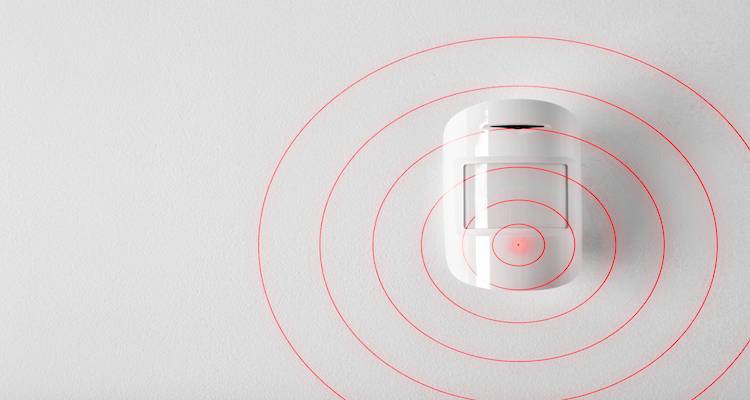
The average cost for this type of alarm system is around £125 to £300.
Pros
- ✔ Emits a loud alarm sound to alert neighbours and deter intruders.
- ✔ One of the cheapest types of alarm system to install.
Cons
- ✖ Doesn't alert the police automatically.
- ✖ An unmonitored system is more vulnerable.
Wired Burglar Alarm Cost
With this type of alarm system, various sensors are mounted to the walls, and the wiring is concealed. This type of system is connected to a control panel which runs on your home's electricity. If you choose a monitored alarm system, this can be connected to your smartphone over the internet.
The average cost for this type of home alarm system is around £400 to £800.
Pros
- ✔ You don't need to worry about changing the batteries.
- ✔ Doesn't require much maintenance.
Cons
- ✖ Must be fitted by a professional.
- ✖ Installation is quite expensive.
Silent Burglar Alarm Cost
If you would prefer to have a silent alarm installed, this includes creating a duress code or having a panic button fitted. A silent alarm won't emit any sound when activated, giving the intruder the impression that they have succeeded in gaining access to your home.
However, a monitoring centre can notify the police, and the intruder may be caught red-handed.
The average cost for this type of home alarm system is around £200 to £300.
Pros
- ✔ This alarm can trick the intruder into thinking they have succeeded in gaining access.
- ✔ The intruder is more likely to get caught.
- ✔ Police may be notified if the system is set up correctly for police response.
Cons
- ✖ Increased chances of confronting the intruder.
- ✖ You will not be alerted as there is no alarm sound.
Wireless Burglar Alarm Cost
If you choose a wireless home alarm system, this will consist of the installation of a security panel that is fitted close to the front door within proximity of a power outlet. Sensors and motion detectors will then be installed with adhesive.
This type of system requires batteries to work. However, it is very easy to install and can be taken with you when you move, as there is no hard wiring.

The average cost for this type of home alarm system is around £200 to £600.
Pros
- ✔ Very quick and easy to install.
- ✔ Easy to install as a DIY job.
Cons
- ✖ Batteries will need to be replaced regularly.
- ✖ Requires some maintenance.
Smart Burglar Alarm Cost
There are several types of smart home security systems. This type of system is controlled over the internet through a smartphone app. This type of system often integrates well with smart CCTV cameras, allowing you to see what's happening at your home at any time.
The average cost for this type of home alarm system is around £190 to £400.
Pros
- ✔ Smart security systems allow you to monitor your home in real time.
- ✔ You can pick up even the smallest detection alerts right from your phone.
Cons
- ✖ It can be costly, depending on the system you choose.
- ✖ Requires a smartphone app for connection.
UK Alarm Standards
Your alarm may need to meet recognised intruder alarm standards for insurance discounts and police response. Here's the grading system:
| Grade | What It Means | Who It Suits |
|---|---|---|
| Grade 1 | The lowest level in the standard, giving very low security | Insurers disregard it |
| Grade 2E | The audible-only option within Grade 2: a siren, with no link to a monitoring centre | Lower-risk homes |
| Grade 2 | A monitored system at the standard's second level, and the minimum grade for a police URN | Higher-risk homes and lower-risk commercial premises |
| Grade 3 | Adds masking detection, so the system warns you at setting if a detector has been covered over | High-risk homes and most commercial premises |
| Grade 4 | The highest level in the standard | Rarely specified, as little equipment on the market meets it |
Want a custom price?
Post your job
Police Response Requirements
To get police attendance (via a URN), you need a Grade 2 system from an NSI/SSAIB installer with professional monitoring (£25 to £40 per month). Too many false alarms can lead to police response being suspended for a period.
Insurance Benefits
NSI or SSAIB installation typically saves 5 to 10% on premiums. Some policies require a certain grade as a condition of cover, so check before installing.
Checklist: Hiring Alarm System Installers
Choosing the right installer matters as much as choosing the right system. Here are the key things to check before you commit.
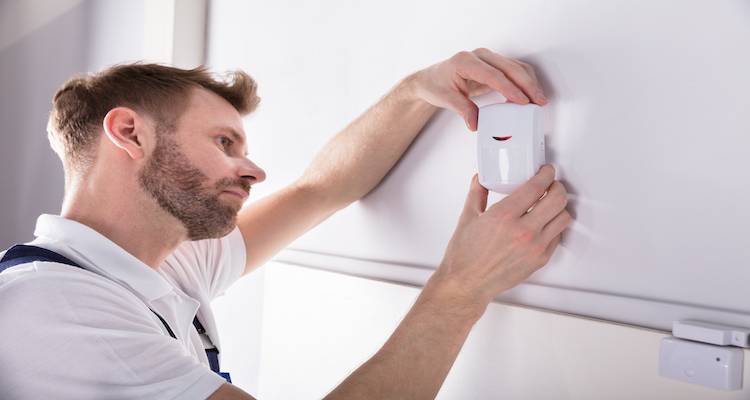
- Are they NSI or SSAIB accredited? If you want police response or home insurance discounts, your installer needs to be accredited by one of these bodies. Accreditation confirms they meet recognised industry standards for installation and monitoring. Always ask to see their certificate before work begins.
- Are they experienced with your system type? Not all installers work across all system types. If you want a specific brand or a Grade 2 monitored system, confirm they have direct experience fitting and configuring it.
- Do they provide a written, itemised quote? A reputable installer will break down costs clearly — equipment, labour, monitoring, and any additional work. Avoid anyone who can only give a verbal estimate or is vague about what's included.
- Do they hold public liability insurance? This protects you if something goes wrong during the installation. Ask for confirmation before any work starts.
- Will they comply with electrical safety requirements? Any mains electrical work must meet Part P of the Building Regulations. If the job requires notification, check that whoever carries out the electrical work is registered with a recognised scheme such as NICEIC or NAPIT, or arrange inspection through building control.
- What do their reviews say? Check their MyJobQuote profile for feedback from previous customers. Look for consistent comments about reliability, quality, and aftercare — not just the headline rating.
- Do they offer a guarantee or warranty? A good installer will stand behind their work. Ask what guarantee they offer on the installation itself, and check what warranty comes with the equipment.
- What are the payment terms? Agree on terms before work begins. A typical arrangement is a 10 to 20% deposit upfront, with the balance due on satisfactory completion. Be cautious of anyone asking for full payment in advance.
- Will they demonstrate the system before leaving? Your installer should walk you through how to arm, disarm, and test the system before the job is signed off. If they won't take the time to do this, that's a red flag.
FAQs
Do I Need to Have a Monitored Alarm?
There is no requirement to have a monitored alarm, but without one the alarm simply sounds and no one is notified. A monitored system goes through to a receiving centre that can contact your keyholders or the police, while an audible-only alarm relies on someone nearby calling the police.
Can I Install an Alarm System in a Rented Property?
You should get written permission from your landlord before installing an alarm system in a rented home. Wireless alarm systems are the best option as these don't need any cables, so they won't cause any damage or alterations to the property itself.
Is a Wireless Alarm System Reliable?
Wireless alarm systems used to be quite unreliable as false alarms were very common. However, new technology has allowed for the improvement of these alarm systems and has made them one of the most reliable types of alarms on the market today.
How Much Does the Average Burglar Alarm Service Cost?
The average burglar alarm service cost depends on whether you opt for a regular plan or arrange visits as and when. Many alarm installers offer a maintenance plan for around £5 to £15, which usually covers annual servicing, battery replacements, and priority call-outs. If you would rather book a one-off service visit, this will typically cost around £150 to £200.
Can Pets Set Off a Burglar Alarm?
Some modern burglar alarm systems offer pet-immune sensors that are designed to ignore animals up to a certain weight, though the weight limit varies between models. If you have a large pet, it is worth mentioning this to your alarm installer so they can recommend the right type of sensors. Smart alarms with camera sensors can also help, as they let you check in real time whether an activation was your pet or a genuine alert.
How Long Does a Burglar Alarm Sound For?
Most wireless and wired security systems in the UK are set to cut off after around 20 minutes. Under the Clean Neighbourhoods and Environment Act 2005, local councils in England and Wales can take action if a burglar alarm sounds for longer than this and causes a nuisance to nearby residents. Scotland and Northern Ireland also have their own rules.
Do I Need Planning Permission for a Burglar Alarm?
In most cases, no. Installing a burglar alarm does not require planning permission. However, there are exceptions: if your home is a listed building, sits within a conservation area, or you're fitting an external siren box on a prominent elevation facing a public highway, you should check with your local planning authority before proceeding. If in doubt, your installer should be able to advise you based on their experience working in your area.
Do Burglar Alarms Need to Meet Electrical Safety Requirements?
Yes. Any mains electrical work carried out as part of a burglar alarm installation must comply with Part P of the Building Regulations. If the work needs to be notified, which most alarm installations do not, it can be certified by someone registered under a government-approved scheme (such as NICEIC or NAPIT) or inspected by your local building control authority. Always check that your installer is qualified to carry out any electrical work involved.
Can I Install a Burglar Alarm Myself?
Wireless alarms are the most DIY-friendly option. They use battery-powered sensors that communicate via radio signal, require no cabling, and can be fitted with basic DIY skills.
Wired systems should be fitted by a qualified professional, as they need to be connected to your home's electrical supply. Any mains electrical work must comply with Part P of the Building Regulations. It's also worth noting that DIY-installed systems are unlikely to qualify for police response or home insurance discounts, as these typically require installation by an NSI or SSAIB-accredited engineer.