Builders
 Carpenters
 Electricians
 Flooring Specialists
 Gardeners
 Handymen
 Heating Engineers
 Painters & Decorators
 Plasterers & Renderers
 Plumbers
 Roofers
 Tilers
 my
myFlat Panel Radiator Cost
At a Glance
- The average cost for a flat panel radiator is £350.
- It takes around 2 to 4 hours to install a flat panel radiator if piping is already in place.
- How much will different sizes of flat panel radiators cost you in the UK?
- What is involved in flat panel radiator installation, and how can you prevent any complications?
- How to find a local plumber or heating engineer to install your new radiators.
Get free estimates
Are you a trade? Get more work today!
£350
Table of Contents
- How Much Is a Flat Panel Radiator?
- Flat Panel Radiator Supply Costs
- Labour Costs and Timescales for Flat Panel Radiators
- Additional Costs of Installing Flat Panel Radiators
- Cost Factors for Flat Panel Radiators
- Types of Flat Panel Radiators
- Alternative Types of Radiators
- Hiring Contractors Checklist for Flat Panel Radiator Installation
- Removing Flat Panel Radiators
- FAQs
How Much Is a Flat Panel Radiator?
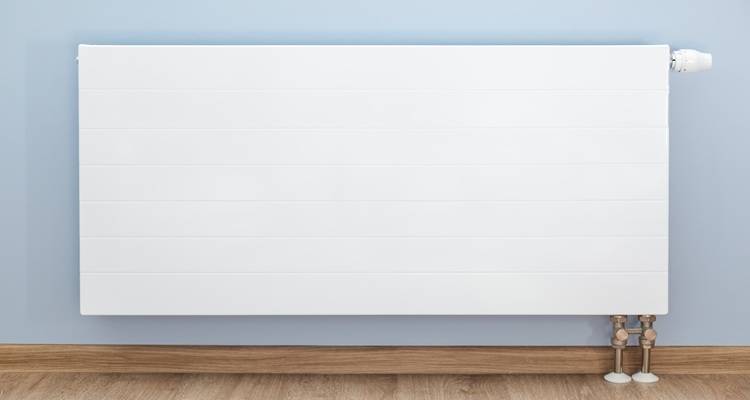
Flat panel radiators are a modern heating option for any home. They're favoured for their space-saving designs and efficient heat output.
In the UK, the average price for a flat panel radiator sits at £350, without installation. However, this price is variable depending on the type of radiator you choose and where you buy your new radiator from.
Smaller radiators will cost less than larger units, and depending on the brand of radiator, you can expect to pay up to £500.
Prices are also influenced by additional factors, including your location within the UK. For example, in London, you should always expect to pay a higher cost. With this said, many homeowners save money on flat panel radiators by buying second-hand units.
For radiator installation, you can expect to pay on average £175 per unit. Again, this price can fluctuate depending on the size of the radiator, whether pipework is already in place, and the number of radiators being installed.
Flat Panel Radiator Installation Prices
| Radiator Size (Typical Room Use) |
Basic | Standard | Premium |
|---|---|---|---|
| Small, 600 x 600mm (Small bedroom) |
£300–£450 | £400–£600 | £600–£850+ |
| Medium, 600 x 1000mm (Average bedroom) |
£400–£600 | £600–£850 | £850–£1,150+ |
| Large, 600 x 1400mm+ (Living room) |
£550–£800 | £800–£1,100 | £1,100–£1,500+ |
| Vertical/Designer (Open-plan living space) |
£700–£1,000 | £1,000–£1,400 | £1,400–£2,000+ |
Want a custom price?
Post your job
Flat Panel Radiator Supply Costs
How much your flat panel radiator costs will depend on a number of factors, such as size, style, and the quality of radiator you choose. Premium finishes and stylish designer models will usually cost more than standard flat panel radiator options, as you can see from the table below.
Flat Panel Radiator Costs (Supply Only)
| Radiator Size (Typical Room Use) |
Basic | Standard | Premium |
|---|---|---|---|
| Small, 600 x 600mm (Small bedroom) |
£170–£250 | £250–£350 | £350–£500+ |
| Medium, 600 x 1000mm (Average bedroom) |
£250–£400 | £400–£550 | £550–£750+ |
| Large, 600 x 1400mm+ (Living room) |
£400–£550 | £550–£750 | £750–£950+ |
| Vertical/Designer (Open-plan living space) |
£500–£700 | £700–£950 | £950–£1,250+ |
Want a custom price?
Post your job
Necessary fittings and accessories will also add to your supply-only costs, with common extras like thermostatic radiator valves (TRVs), fixings and brackets, copper pipe, and upgrade options like smart heating controls all adding to costs.
The table below shows typical supply-only prices for the most common additional fittings and accessories to budget for.
Additional Materials Costs (Supply Only)
| Additional Supply Item | Typical Supply Cost |
|---|---|
| Thermostatic radiator valve (TRV) | £20–£40 each |
| Smart radiator valve | £40–£80 each |
| Decorative radiator valve set | £30–£100+ |
| Smart heating starter kit (e.g. Hive / tado°) | £100–£250+ |
| Fixings and brackets | £5–£25 |
| Copper pipe and connectors (minor additions) | £50–£100 |
| Copper pipe and connectors (major rerouting) | £150–£300+ |
Want a custom price?
Post your job
Labour Costs and Timescales for Flat Panel Radiators
Now, onto expected timescales for this type of job and labour costs.
Labour rates for installing flat panel radiators will vary depending on the size of the job, the complexity of the installation, and whereabouts you're located in the UK.
Heating engineers in the UK charge between £70 and £120 per hour on average, or between £300 and £500 per day if it is a larger job.
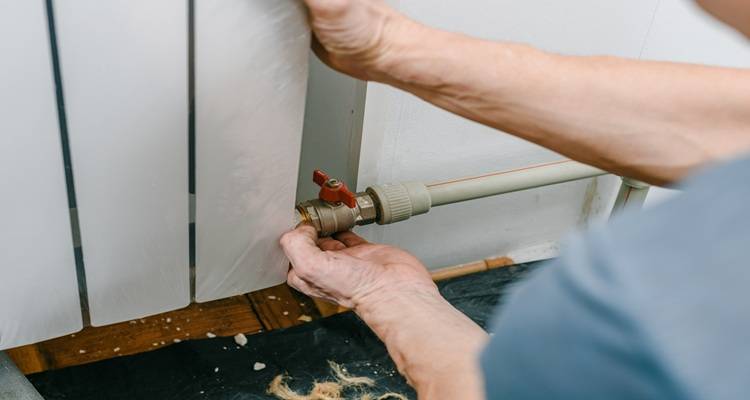
The table below shows the typical labour costs and timescales for common flat panel radiator installation projects.
| Job Type | Typical Labour Cost | Typical Timescale |
|---|---|---|
|
Replace an existing flat panel radiator (same location) |
£150–£250 | 1 to 2 hours |
|
Install a new flat panel radiator (pipework already in place) |
£200–£450 | 2 to 4 hours |
|
Install a new flat panel radiator (significant pipework required) |
£300–£500 | 1 day |
|
Replace multiple flat panel radiators (larger installation project) |
£300–£500 per day | 1 day+ |
Want a custom price?
Post your job
Additional Costs of Installing Flat Panel Radiators
As well as the common additions above, there are also other types of expenses related to installing flat panel radiators to be mindful of when budgeting. As above, we've compiled some useful pricing information below to help you plan.
Wall Preparation
Wall preparation is usually required for installing any type of new radiator. 'Preparation' covers removing old brackets, stripping any paint and wallpaper, and removing plaster. Sometimes your wall may need to be reinforced. This is particularly true for heavier, larger radiators.
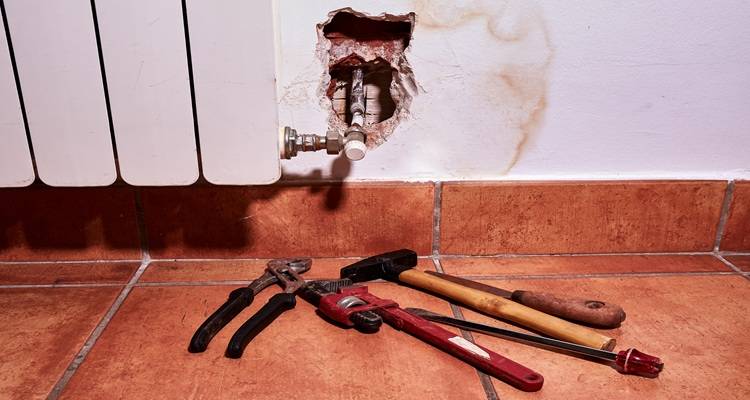
Finally, the wall surrounding the radiator will require touching up once the radiator is fixed to it. Typical cost ranges for this work span between £100 and £300 for minor work and up to £600 for moderate work.
Pipework Rerouting
For pipework rerouting costs, a simple reroute will generally set you back £150 to £300. More complex pipework labour can cost anywhere between £300 and £600+. It's always a good idea to obtain quotes from a number of heating engineers for the best deal.
Old Radiator Removal
If you need to remove old radiators from the walls in your home, expect to pay around £100 for a simple removal. Again, more complex removal jobs will cost considerably more.
Waste Disposal
Waste disposal costs in the UK vary by region. In London, you can expect to pay higher prices, whereas in smaller towns, you will find that prices are lower.
Waste disposal fees always depend on the type of waste that is being disposed of. In the case of old radiators and pipework, you will be paying for a metal recycling rate. The typical rate to dispose of old metal is between £30 and £50 per radiator.
Cost Factors for Flat Panel Radiators
A number of factors affect how much a flat panel radiator project will cost. Below, you'll find a list of key factors that can determine pricing.
Size and Type of Radiator
It goes without saying that larger or designer units are more expensive. Keep this in mind when shopping online or in person for new radiators.

Installation Complexity
As discussed, there are significant price fluctuations between existing and new systems. Depending on whether pipework alterations are required and the complexity of the work, you can end up paying a lot more than first anticipated.
Number of Radiators Installed
Discounts may apply for multiple installations.
Location in the UK
As with any type of labour, rates vary regionally in the UK.
Wall Type
Whether your walls are composed of brick, plasterboard, or tiled surfaces can influence installation difficulty, too.
Ask a Trade
Got a question that only a tradesperson can answer? We have thousands of trades ready to answer any question you may have.
Ask your question

Types of Flat Panel Radiators
When it comes to choosing a flat panel radiator, there are a few main styles that you'll come across.
Single Panel
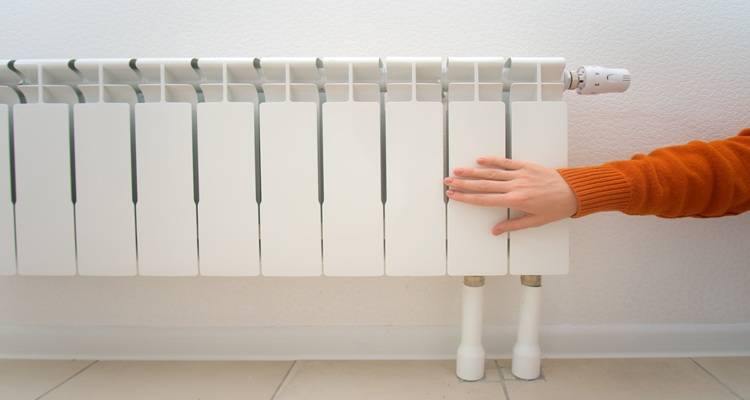
A single flat panel radiator is designed to be the most lightweight option and is purposefully slim for smaller rooms such as en-suites and entrance hallways. It can blend into contemporary interiors well and is available in a range of colours. Keep in mind, a smaller radiator will project less heat.
The supply-only costs for a single flat panel radiator will be around £170 to £250, while the costs for supply and installation would start from around £300 to £450.
Double Panel
Double flat panel radiators are designed to deliver more heat to a space and are perfect for larger rooms, including bedrooms and living rooms. They're also a popular option for open-plan interiors.
The supply-only cost of a double-panel radiator is typically around £250 to £750, and you could expect to pay between £400 and £1,100 for supply and installation.
Vertical Flat Panels
If you don't have lots of wall space to work with, consider a vertical-panel radiator. Designed to be tall and sleek, these radiators are good for narrower spaces where a horizontal one won't fit.
Expect supply-only costs of around £500 to £1,250 for a vertical-panel radiator, with supply and installation costing £700 to £2,000+, depending on the model of radiator you choose.
Designer Flat Panels
Designer flat panel radiators can offer a premium finish, available with mirrored surfaces and specialist surface texture. If you're design-conscious, a designer radiator can help to create a focal point in any room.
By far the most expensive option, supply-only costs for designer flat panel radiators typically start from around £950, with full installation costing £1,400 to £2,000+.
Alternative Types of Radiators
There are other radiator options if a flat panel radiator isn't suitable for your home or budget. You might want to consider the following alternatives:
Column Radiators
Column radiators are traditional in style and offer excellent heat output, suitable for many types of interiors.
Vertical Radiators
Vertical radiators are ideal for rooms with limited wall space, as they extend upwards rather than across the wall. They are a popular choice in modern interiors and smaller rooms, offering good heat output while creating a stylish focal point.
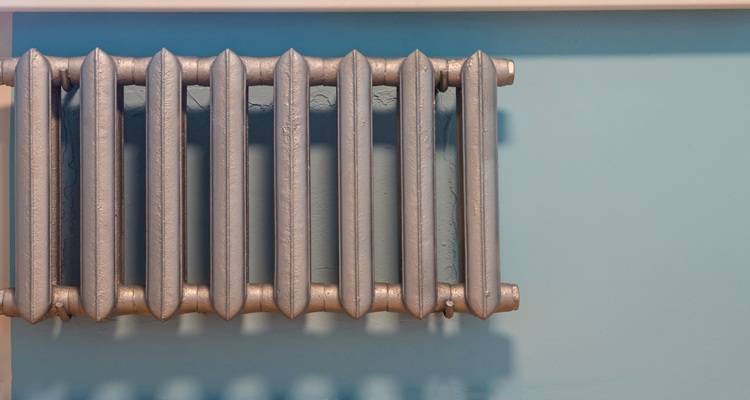
Cast Iron Radiators
Cast iron radiators are known for their timeless appearance and excellent heat retention. They are particularly well-suited to period homes and larger rooms, but are heavier and usually more expensive to install than modern alternatives.
Towel Radiators
Towel radiators are designed for bathrooms and offer dual functionality, making them an excellent heat source and suitable for towel hanging.
Convector Radiators
Convector radiators use fins to increase heat distribution.
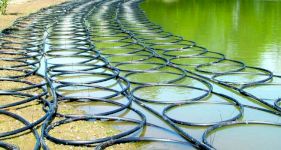
Underfloor Heating
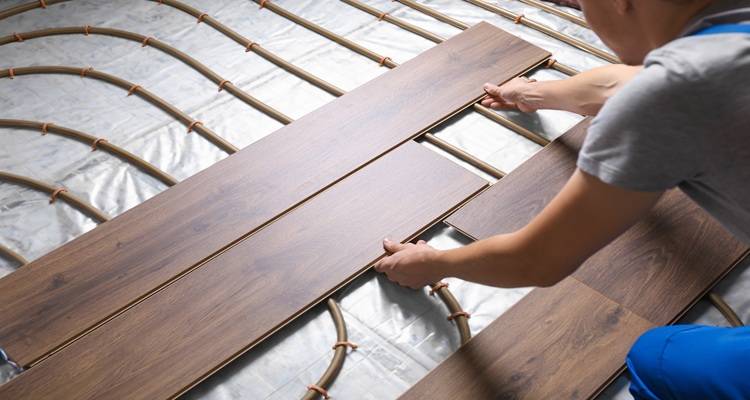
For a space-saving option, underfloor heating is an good choice. However, this type of heating will come with higher installation costs.
Hiring Contractors Checklist for Flat Panel Radiator Installation
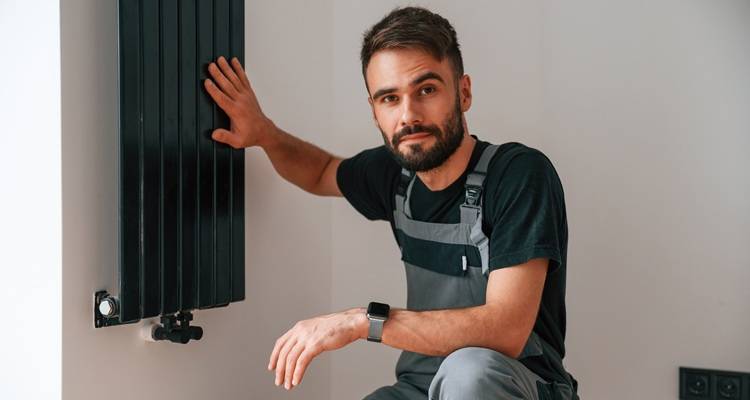
To find a suitable contractor for installing flat panel radiators, there are a few things you should look out for.
Installing a radiator is a job for a competent plumber or heating engineer. However, if the work needs to be certified under the Building Regulations, ask which authorised competent person scheme the installer is registered with. Gas Safe registration is only needed if the job includes work on the gas boiler or gas supply.
Next, you should ensure that the contractor has experience installing radiators. Look out for customer testimonials for similar work and ask for references if unsure.
Another key piece of information is to find out whether a warranty or guarantee is provided on the work. Without this, you could find yourself paying more money further down the line to rectify a job or repair issues.
Many contractors offer waste removal services as part of their radiator installation services. Ask about this when obtaining quotes that clearly outline labour, supply, and removal costs.
Removing Flat Panel Radiators
If your job involves the removal of old flat panel radiators, for example, where you are simply upgrading your units, it's handy to know what the process entails.
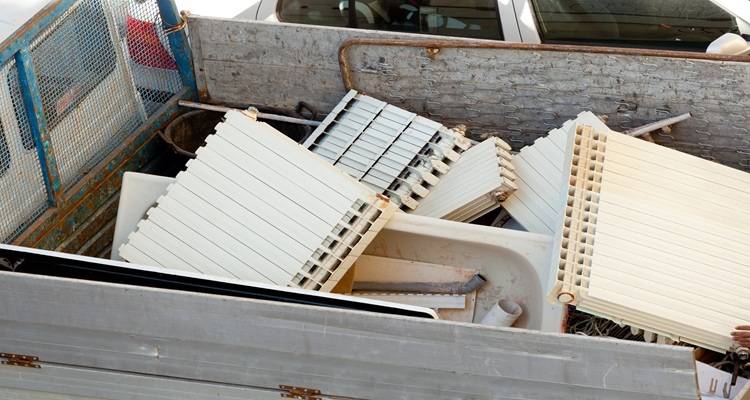
Removal of old radiators can add extra time to the job, as old radiators and heating systems must be drained properly. Following this, the old pipework may need to be disconnected, while new pipework will need to be installed and sealed. Finally, wall patching and decorating are often required.
If radiators need to be removed from your property during the flat panel radiator installation process, expect to pay extra for labour and time.
FAQs
Do Building Regulations Apply When Installing a Flat Panel Radiator?
In England, energy-efficiency requirements for heating work are covered by Approved Document L, while Wales, Scotland, and Northern Ireland have their own rules. Internal radiator work does not require consent simply because a property is in a conservation area, but listed building consent may be needed if the work affects the character of the property. You can find more guidance on the Planning Portal website, or ask your installer or local authority for advice before starting the work.
Can I Fit a Flat Panel Radiator Myself?
If you have experience fitting radiators, you may be able to complete the job yourself. However, there is always a risk, and where pipework is required, you are best working with a qualified contractor.
What Size Flat Panel Radiator Do I Need for My Room?
For smaller rooms, a single-panel or vertical-panel radiator will be adequate. For larger rooms, a double-panel radiator can be a better choice, as it provides a higher heat output without taking up more wall width.
Are Flat Panel Radiators More Efficient Than Traditional Radiators?
Flat panel radiators are no more energy efficient than traditional radiators. The main difference is their heat output for the amount of wall space they take up. A slimmer model may need to be larger, or you may need more than one radiator, to warm the room effectively.
Do I Need to Update My Boiler When Installing New Radiators?
You won't necessarily need to update your boiler. However, if your boiler is old, it may be a good idea to do so.
Are Flat Panel Radiators Expensive?
No matter your budget, you will be able to find a flat panel radiator that is affordable. There are many options available depending on the brand and size of radiators you choose.