Builders
 Carpenters
 Electricians
 Flooring Specialists
 Gardeners
 Handymen
 Heating Engineers
 Painters & Decorators
 Plasterers & Renderers
 Plumbers
 Roofers
 Tilers
 my
myThermal Energy Store Cost
At a Glance
- The average cost of installing a thermal store is £2,400.
- Most jobs take 1 day to complete.
- Thermal store installation cost breakdown by type and budget.
- How long the job takes and what's typically involved.
- How to find a local heating engineer using MyJobQuote.
Get free estimates
Are you a trade? Get more work today!
£2,400
Table of Contents
- How Much Does a Thermal Store Cost?
- Labour Cost to Install a Thermal Store & Timescales
- Additional Costs of Installing a Thermal Store
- Factors That Impact Thermal Store Installation Costs
- What's Involved in a Thermal Store Installation?
- Choosing a Thermal Store
- Is a Thermal Store Right for Your Home?
- Checklist: Hiring a Heating Engineer to Install Your Thermal Store
- FAQs
How Much Does a Thermal Store Cost?
As the colder winter months close in, it can feel as if the heating never turns off, and the bills continue to rise. But there is a different way to save money and conserve energy in those colder months.
A typical household will have a system that constantly heats the water you want to use for baths, showers, and washing the dishes. While useful, it's not necessarily the best option for cost-efficiency and energy consumption.
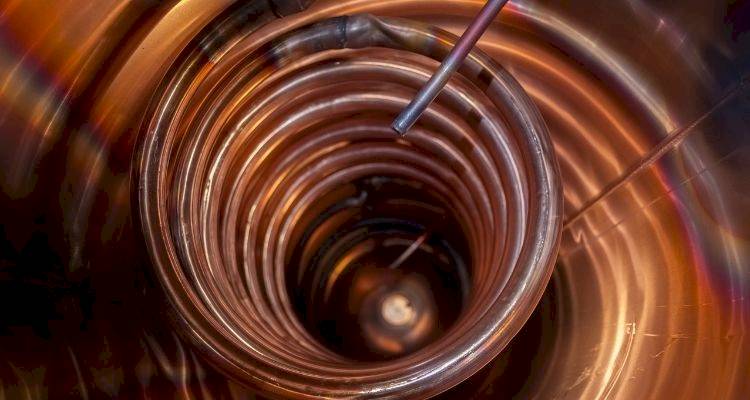
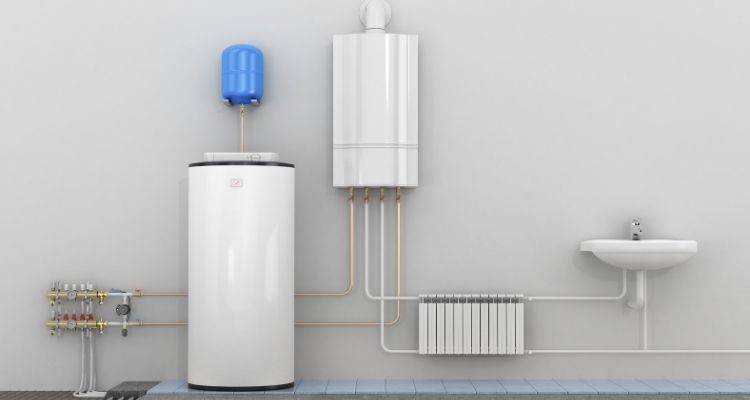
Thermal stores are insulated tanks that hold hot water, rather than heating on demand, so it's ready when you want to use it.
So, how much do thermal stores cost?
The average thermal store installation costs £2,400, including labour and materials.
In this guide, we'll explore everything you need to know about thermal stores, including the different types of thermal stores, how they work and many other aspects of thermal stores.
Thermal Energy Store Prices
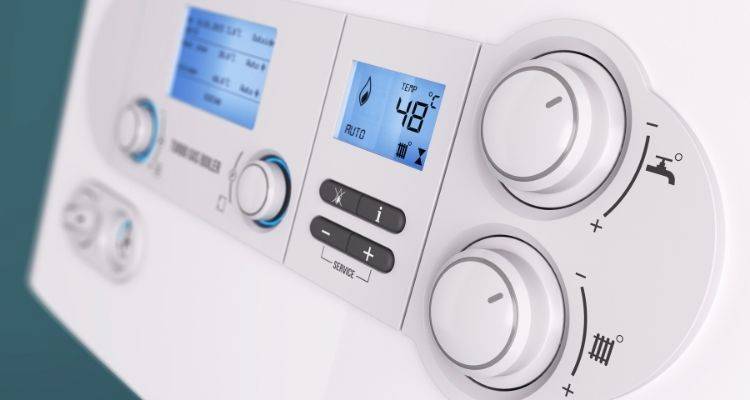
The average cost of installing a thermal energy store is £2,400. The job will usually take 1 day to complete.
Let's look at thermal store installation prices in more detail, assuming a like-for-like replacement.
| Thermal Store Size | Suits | Total Installed Cost |
|---|---|---|
| 140 to 170 litres | 1 to 2 people, one bathroom | £1,800–£2,350 |
| 200 to 250 litres | 3 to 4 people, one or two bathrooms | £2,000–£2,700 |
| 300 litres and above | 4+ people, two or more bathrooms, or several heat sources | £2,200–£4,500 |
Want a custom price?
Post your job
If you're having a thermal store fitted for the first time, expect to pay more, as new pipework will need to be run. We've broken down these extra costs later in the guide.
Labour Cost to Install a Thermal Store & Timescales
The labour cost to install a thermal store is between £500 and £800.
The installation of a thermal store is a two-person job, mainly due to the size and manoeuvrability of the thermal store.
If the engineers find any issues with the mains water source, or the compartment in which you want the thermal store installed, you may find that the price increases.
Cost of living also plays a part in determining your labour charges, with traders in London and the surrounding areas costing more than those in less densely populated areas of the UK.
Ask a Trade
Got a question that only a tradesperson can answer? We have thousands of trades ready to answer any question you may have.
Ask your question

Additional Costs of Installing a Thermal Store
Certain extras push the price up, depending on what your setup needs:
- Solar Coil — Around £160 (connects the system to a solar water heater).
- Header Tank Fitted Outside the Loft — Around £200 (open-vented stores may need one).
- Extra Immersion Heater — Around £140.
- Extra Pair of Connection Tappings — Around £60.
Where a store connects to a renewable heat source, factor in controls too. Total costs for this can range from a few hundred pounds up to £1,000 or more, depending on how many inputs are involved.
Factors That Impact Thermal Store Installation Costs
Size and Type of Thermal Store
If you live in a small house with one other person, you're going to use much less hot water than a household with four children.
A smaller thermal store will cost less in materials, thus saving you money.
However, if you have a big family in your household, it's a good idea to opt for the bigger store, and while it may be a bigger investment, you will save a lot of money in energy bills over time. The quality of the thermal store will also affect the price of the job.
The best thing to do is to buy the best you can afford, and the engineer should be able to advise you on which thermal store they think would be best for your requirements.
As a guide to sizing:
- For a log-burning batch boiler, aim for a minimum of 25 litres of storage per kW of boiler output — 50 litres per kW is the better target where you can fit it.
- Pellet and log stoves, including those fitted with a back boiler, typically call for a store of around 300 litres.
- How much of an appliance's output actually reaches the water varies hugely: roughly 65% for a boiler stove, against just 20% for a stove with a back boiler. This is why sizing comes down to the appliance you're fitting, not the size of the room it sits in.
- For a wood fuel boiler specifically, your installer will work out the right size as part of designing the whole system.
Heating System
The heating system you have when installing the thermal store could affect the price of the job.
For example, if you have an old boiler, its components may not match the new thermal store, meaning that some aspects of the boiler or thermal store must be adjusted for it to work properly.
If your boiler is too old to be compatible with the thermal store, you may need to replace the boiler fully. A new boiler costs around £2,400.
If you're keeping your existing boiler, it's worth getting a boiler service to check there aren't any hidden issues. A boiler service costs around £100.
Location and Ease of Access
Thermal stores need somewhere to live. While it's a good idea to keep the thermal store out of the way, this can affect the amount of time it takes to install the thermal store.
Thermal stores can be installed in utility rooms, cupboards, or in the loft, as long as there's enough space and structural support to hold the weight.
Small cupboards and storage spaces are quite tight, so it may take a bit of manoeuvring to get the thermal store into position.
What's Involved in a Thermal Store Installation?
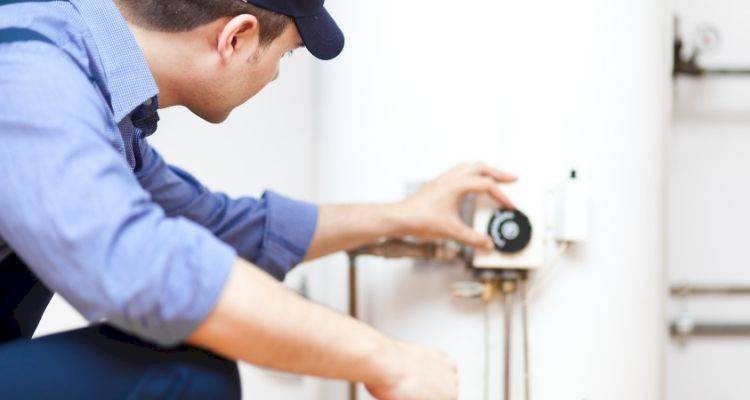
Installing a thermal store isn't suitable for DIY. The process of installing a thermal store is extremely technical, and should only be completed by a qualified heating engineer.
Most homeowners choose to hire a qualified professional for this job.
With MyJobQuote, you can compare several quotes from local heating engineers. It's fast, free, and there's no obligation to go ahead.
To give you an idea about the different aspects involved in installing a thermal store, we've provided a brief step-by-step guide:
Before the Job Starts
- Isolating the Supplies — The engineer will isolate the water at the mains, and they will also switch off the electricity.
- Draining the Old Cylinder — Before dismantling the old cylinder or tank, it will be fully drained.
During the Job
- Removing the Old Cylinder — The pipework will be dismantled, and the old cylinder will be broken down and removed from your home, leaving space for the new one to be installed.
- Running New Pipework — If this is a new thermal store, pipes will be run from your mains supply to the location in which your thermal store will be installed.
- Installing the Thermal Store — The new thermal store will be placed, and the pipework will be connected.
After the Job
- Final Connections — The heating component of the cylinder will be connected, the water and electricity will be reset, and your thermal store will be in action.
- Filling, Venting and Balancing — The system will be filled, vented and balanced, and the engineer will check the thermal store reaches temperature.
- Handover — The engineer will run through the controls with you and leave you with the paperwork, including your Building Regulations certificate.
Choosing a Thermal Store
Thermal stores bring a lot of different benefits to your household:
- Improved Energy Efficiency — Thermal stores make use of the heat already made in your heating system, helping to reduce energy waste.
- Back-Up Hot Water — If your boiler breaks down, you'll still have a reserve of hot water to use.
- Compatible with Different Energy Sources — Thermal stores work alongside many different energy sources, such as gas, oil, and solar panels.
Vented or Sealed: Which Thermal Store Do You Need?
A thermal store works by keeping a supply of hot water for your heating system on hand, rather than delivering it to your taps directly. When you turn on a tap, mains cold water runs through a coil or plate heat exchanger fitted inside the store and comes out heated, at full mains pressure, all without ever putting your hot water under pressure in storage.
Open-vented thermal stores take their supply from a small feed-and-expansion tank, typically tucked away in the loft. That tank only ever holds water for the heating circuit. The water coming out of your taps never passes through it.
Sealed-primary thermal stores skip the header tank altogether, running a pressurised heating circuit instead. That makes them a practical choice if your loft has no room to spare.
Neither is the same product as an unvented cylinder. An unvented cylinder stores your actual hot water supply under mains pressure, which is why it's covered by separate building rules for pressurised hot water storage. A thermal store never puts hot water under pressure in this way, so those rules don't apply to it.
The prices below cover the cylinder only, and don't include labour, a header tank or extra coils.
| Thermal Store Size | Cylinder-Only Cost |
|---|---|
| 140 to 170 litres | £1,300–£1,550 |
| 200 to 250 litres | £1,500–£1,900 |
| 300 litres and above | £1,700–£3,700 |
Want a custom price?
Post your job
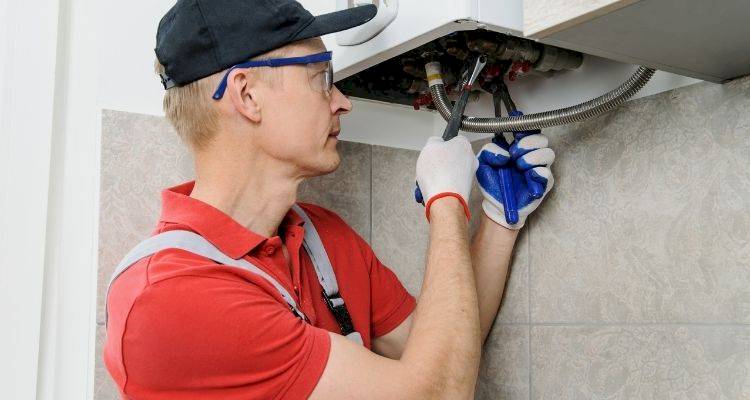
Is a Thermal Store Right for Your Home?
Think of a thermal store as a buffer: it holds onto heat from a source that can't just be switched on and off at will, and lets several different heat sources top up the same system.
The Energy Saving Trust points to this as the reason they suit renewable heating so well in homes generating heat from sources such as a wood-fuelled biomass boiler, a heat pump, wind energy, or solar water heating, where output doesn't always line up with demand.
In practice, a thermal store tends to suit a home with:
- A wood-burning stove or log burner fitted with a back boiler.
- A solid fuel or biomass boiler.
- Solar water heating.
- An air source heat pump.
- Any of the above running alongside a conventional boiler.
One practical benefit is the shorter wait for hot water. Lighting a stove or boiler from cold can otherwise mean waiting an hour or longer before there's hot water to use. A thermal store keeps a reserve ready so you're not waiting on the fire.
A thermal store isn't right for every home. If your only heat source is a modern gas combi boiler, you're unlikely to see much benefit, since a combi already heats water on demand.
Before installing a thermal store, check:
- You have room for a tall cylinder.
- If you're fitting an open-vented store, there's space above your radiators for a header tank.
Checklist: Hiring a Heating Engineer to Install Your Thermal Store
Here's what we suggest looking for when hiring a thermal store installer:
- Are they qualified? A thermal store isn't classed as an unvented cylinder under Building Regulations, so it doesn't call for a G3-qualified installer — the manufacturer confirms this directly. Part G's rules for unvented hot water storage don't apply here, but Approved Document L still does, covering the heating system and its controls.
- Are they Gas Safe or OFTEC registered? If your thermal store connects to a gas boiler, the installer must be Gas Safe registered. For oil boiler connections, they should be OFTEC registered.
- Do they have insurance? Public liability insurance is something you want a heating engineer to have in case something goes wrong during the installation.
- Will they handle Building Regulations notification? There are two ways this gets signed off: an installer on a competent person scheme (APHC, BESCA, NAPIT, Certsure, HETAS, or OFTEC) can self-certify it themselves, or the job goes to a building control body to inspect and approve. Outside England, the certifying schemes differ, so check with your installer which one covers you.
- Do they have experience? Some manufacturers recommend or require approved installers, so it's worth checking they've fitted the specific model you're buying.
- Is waste removal included in the quote? If they're removing an existing cylinder or tank, check whether disposal is included in the total cost quoted.
- Do they have examples of similar work? Take a look at the photos on their MyJobQuote profile to see previous work.
- Do they have positive reviews? Check their MyJobQuote profile to read feedback from other homeowners.
FAQs
Are Thermal Stores Suitable for Hard Water Areas?
Thermal stores with internal coils can be prone to limescale build-up in hard water areas, which can reduce efficiency over time. If you live in a hard water area, ask your installer about models with external plate heat exchangers, as these can be removed for descaling or replaced if needed.
Do Thermal Stores Need Servicing?
Thermal stores don't require annual servicing, which is one of the reasons they're popular with homeowners. That said, if you notice a drop in water pressure or performance, it's worth getting a heating engineer to take a look.
How Long Will a Thermal Store Keep Water Hot?
A well-insulated thermal store can keep water hot for days. The exact time depends on the size of the store, the quality of insulation, and how much hot water you're using.
Can I Install a Thermal Store Myself?
Working with both plumbing and electrics simultaneously is very hazardous, not to mention the added element of gas boilers. There are far too many parts of this job that could go astray if not completed by a professional, and if the boiler is damaged, this can lead to gas leaks and other life-threatening issues. This job should only be completed by a licensed professional and a Gas Safe registered engineer.
Do I Need Planning Permission to Install a Thermal Store?
You do not need planning permission for this job as it comes under the permitted development section. However, when you come to sell your home, you should keep full records that the thermal store was fitted by a professional and copies of the Benchmark certificates that certify the store is energy efficient.