Builders
 Carpenters
 Electricians
 Flooring Specialists
 Gardeners
 Handymen
 Heating Engineers
 Painters & Decorators
 Plasterers & Renderers
 Plumbers
 Roofers
 Tilers
 my
myPiggyback Loft Conversion Cost
At a Glance
- The average cost of a piggyback loft conversion is around £70,000.
- Most jobs take 6 to 14 weeks to complete.
- A breakdown of how much a piggyback loft conversion typically costs, by size and finish level.
- What impacts the price you'll be quoted in 2026.
- How to find and hire a contractor to build a piggyback loft using MyJobQuote.
Get free estimates
Are you a trade? Get more work today!
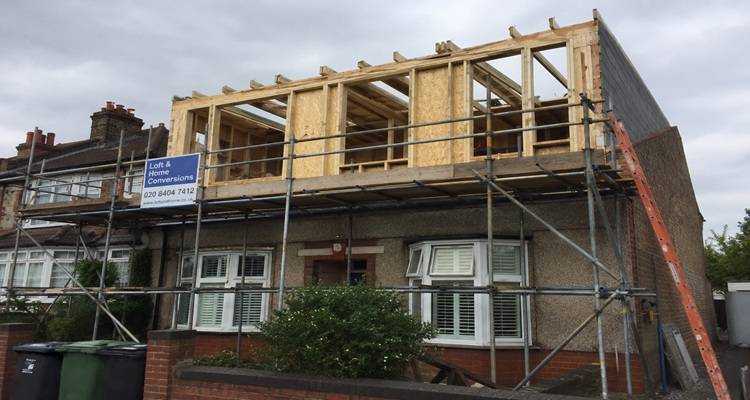
A piggyback loft conversion involves removing the existing roof, raising the perimeter walls, and building a new roof above them to create extra head height and usable floor space. It's often set back from the front of the property to preserve the original street view.
In this guide, we'll look at piggyback loft conversion costs, what can affect the final price, and what to expect when hiring a contractor.
£70,000
Table of Contents
- How Much Does a Piggyback Loft Conversion Cost?
- Labour Costs and Timescales for Building a Piggyback Loft Conversion
- Supply Costs of a Piggyback Loft Conversion
- Additional Costs of a Piggyback Loft Conversion
- Cost Factors for a Piggyback Loft Conversion
- Building Regulations for a Piggyback Loft Conversion
- Types of Piggyback Loft Conversion
- Alternative Types of Loft Conversion
- What's Involved in Building a Piggyback Loft Conversion?
- Checklist: Hiring Contractors for a Piggyback Loft Conversion in the UK
- FAQs
How Much Does a Piggyback Loft Conversion Cost?
A piggyback loft conversion is one of the most expensive types of loft conversion, largely because of the scale of structural alterations involved. Prices generally range from £60,000 to £85,000, though the final figure depends on the property size, the existing roof structure, and the level of interior finish chosen.
Which type of piggyback loft conversion are you considering?
Standard piggyback conversion
0 votes - 0%0% of votes
Set-back or hidden piggyback
0 votes - 0%0% of votes
Piggyback with rear dormer
1 votes - 100%100% of votes

1 votes
See results
Hide results
Costs also vary by location, as labour rates in London and the south east tend to be higher than elsewhere in the UK. Contractor experience matters too, since piggyback conversions are less common than a standard dormer or rooflight conversion.
Piggyback Loft Conversion Prices
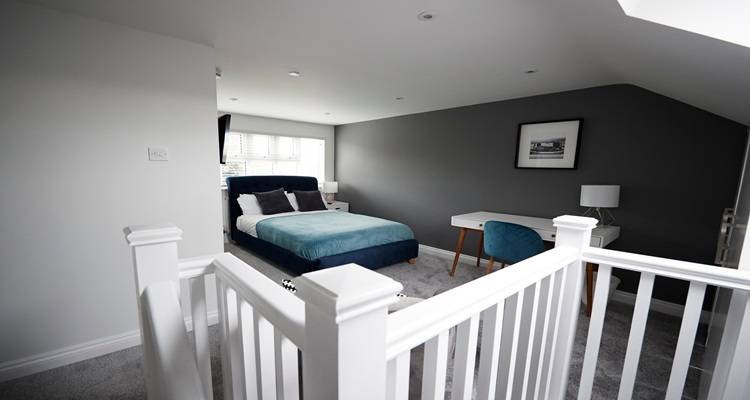
As one of the more expensive styles of loft conversion, a piggyback conversion is a substantial investment. Unless stated otherwise, each package below includes removing the existing roof, raising the perimeter walls, fitting structural steels, building a new roof, installing windows or French doors, and completing the internal fit-out.
| Piggyback Loft Conversion Size | Typical Cost |
|---|---|
| Small | £40,000–£55,000 |
| Medium | £50,000–£65,000 |
| Large | £75,000–£90,000 |
The level of finish also affects the final price, from a basic shell to a fully decorated space with an en-suite bathroom.
| Finish Level | Typical Cost |
|---|---|
| Shell only (roof and structure, no fit-out) | £40,000–£45,000 |
| Fully finished, including decorating | £55,000–£85,000 |
| With en-suite bathroom | £60,000–£75,000 |
You'll also need to budget for professional fees, which cover the design, planning, and structural side of the project.
| Professional Fee | Typical Cost |
|---|---|
| Structural engineer | £750–£2,000 |
| Architect or design fees | £2,500–£7,500 |
| Planning application and drawings | £1,200–£3,500 |
| Staircase installation | £1,000–£3,000 |
Want a custom price?
Post your job
Labour Costs and Timescales for Building a Piggyback Loft Conversion
Homeowners undertaking a loft conversion are typically concerned with the cost and how long the work will take. Let's take a look at both elements of the project so you can plan ahead.
Labour Costs
Any loft conversion involves a myriad of trades from roofers to carpenters, plasterers to electricians, and a piggyback conversion is no exception. There will typically be numerous trades on site at any one time, so it's clear that labour is a large part of the overall cost.
The following are national average daily rates for the different trades that will be involved in your loft conversion and some optional trades that you may need:
- Scaffolder: £280 to £320.
- Roofer: £280 to £360.
- Carpenter: £240 to £360.
- Bricklayer: £240 to £320.
- Plasterer: £150 to £250.
- Electrician: £300 to £500.
- Snagman: £180 to £230.
- Plumber (where needed): £320 to £480.
- Tiler (where needed): £200 to £350.
- Decorator (where needed): £250 to £350.
Labour rates vary depending on your location, but prices in London and the south east will be higher in most cases.
Timescales
The timescale for piggyback loft conversions can vary depending on several factors, including:
- Size of the property: removing the roof, rebuilding the walls, and fitting a new roof will take longer on larger homes.
- Complexity of the project: design, structural, and site issues can slow progress.
- How much structural work is needed? The extent of necessary structural work adds to the timescale.
- Site access: restricted access or parking issues can disrupt deliveries of materials and limit machine entry to the site.
- Weather exposure during roof work: as the whole roof is off, the property is vulnerable to rain unless a 'tin hat' is erected or extensive tarpaulins laid out.
- Whether a bathroom is included — the addition of a bathroom will extend the build timescale.
Factors that can delay a loft conversion include:
- Planning permission delays
- Party wall issues
- Unforeseen structural problems
- Material shortages
- Long lead times on materials
- Complex design changes
A shell-only project may take 6 to 8 weeks compared to a fully finished piggyback conversion, which often takes 12 to 14 weeks.
Supply Costs of a Piggyback Loft Conversion
Supply costs vary depending on whether the piggyback loft conversion is a shell-only construction or fitted out as a fully habitable space. Below are some supply costs for the main materials used in a loft conversion.
Structural Steel
The cost of a structural steel beam for a loft conversion varies depending on the dimensions and weight of the beam. Costs range from £50 to £240 per linear metre.
Timber
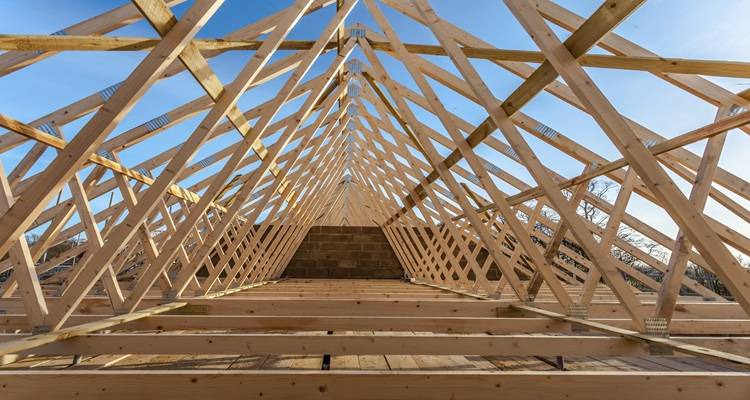
Structural grade timber is required for a loft conversion, typically C24-rated softwood. Sizes for floor joists and rafters vary from 47mm x 150mm to 47mm x 225mm, with average prices at around £15 to £23 per 4.8 metre length. Purlins and structural ridge beams of 75mm x 200mm cost around £9 to £13 per linear metre.
Roofing Materials
A piggyback conversion roof is pitched and typically takes tiles or slats. The cost of roof tiles varies depending on whether they are clay or concrete, the brand, profile, and colour.
Concrete tiles range from £8 to £24 per square metre, while clay tiles cost £20 to £60+ per square metre.
Slate tiles are either natural or synthetic. Spanish slate costs around £70 to £100 per square metre, while synthetic slate, such as Eternit, costs £20 to £45 per square metre.
Insulation
Rigid polyisocyanurate (PIR) insulation is typically used in roofs, walls, and floors when building a loft conversion. Available in various thicknesses, the cost of this insulation ranges from £15 to £60 on average, but pallet quantities are often much cheaper.
Plasterboard
Standard 12.5mm plasterboard, as opposed to insulated plasterboard, costs from £10 to £14 per sheet. Each sheet is 2400mm x 1200mm or 8' x 4'. As with insulation, buying plasterboard in larger quantities for a big project will usually result in a lower price.
Windows
The cost of windows for a piggyback loft conversion depends on the style and frame type you choose, as well as the size.
Rooflight windows, commonly known as Velux, cost from £350 to £750 for supply only. Prices vary depending on whether you have top hung or centre pivot styles, with the latter being more expensive.
Dormer windows come in a range of sizes and materials such as uPVC, timber, or aluminium. uPVC is the most budget-friendly, with dormer windows costing between £800 and £1,500, while hardwood timber frames, like oak, cost between £3,500 and £5,000.
French windows for a Juliet balcony cost between £500 and £900 for uPVC and up to £2,500 for aluminium frames.
Staircase Material
The type of material used in a staircase determines how much it costs. Softwood stairs cost between £600 and £1,500 while hardwood stairs cost from £1,500 to £3,000. Metal or industrial style staircases can cost several thousand pounds and are usually manufactured off-site.
Flooring
Flooring materials for a loft conversion include the chosen finish, such as carpet, laminate, or wooden flooring, but a subfloor is also needed. This is typically moisture-resistant chipboard, which costs £10 to £20 depending on thickness. Sheets are usually 2400mm x 600mm.
Electrics
The average cost of supply-only first and second fix electrics for a piggyback loft conversion is around £700 to £1,500. However, the choice of second fix items can significantly increase this price, with high-end fittings and fire-rated LED downlights adding to the cost.
Plumbing Materials
If a bathroom is included in the loft conversion, plumbing materials will add to the budget. Sanitary ware, pipework, fittings, and heating elements such as towel rails or radiators can all add up to about £1,000 to £2,500 or more, depending on the quality of the items chosen.
Internal Finish
The level and quality of internal finish have a big impact on the average cost of a piggyback loft conversion. Whether you go basic or premium will increase your budget accordingly.
Additional Costs of a Piggyback Loft Conversion
In addition to the main build cost, there are some fees and charges you may not immediately be aware of.
- Architectural drawings — a scaled, technical plan of the loft conversion, used for construction, material ordering, and planning approval. Architect's fees range from £2,500 to £7,500.
- Structural calculations — a structural engineer verifies the house can take the extra weight of the conversion. Structural engineer costs are £750 to £2,000.
- Planning application fees — the cost of a planning application for 2026 is £548 for a single dwelling. Check the Planning Portal for current charges, as fees tend to rise each April.
- Building control charges — a piggyback conversion needs more inspections than most loft conversions, due to the scale of structural alterations. Costs vary by local authority, but average £800 to £1,500.
- Party wall surveyor costs — if you share a party wall with a neighbour and they request a survey or don't respond to your notice, a surveyor may be needed. This costs £900 to £2,500, depending on your area and the complexity of the case.
- Scaffolding — Scaffolding coverage is more extensive than for a standard dormer, since the whole roof is removed. Expect to pay £1,800 to £3,000 or more for a full house wraparound over 12 to 14 weeks.
- Skip hire and waste removal — a piggyback conversion generates a lot of waste, so you may need to swap your skip more than once. Larger skips (12 to 16 yards) cost £350 to £600 per week, plus £30 to £70 for a public highway permit if needed.
- Upgrading insulation — meeting the required U-value for a piggyback conversion costs around £30 to £35 per square metre for PIR board on the roof slope, and £10 to £20 per square metre for mineral wool in the floor and walls.
- Moving water tanks or pipework — removing a cold water tank from the loft costs around £200 to £350. Many homeowners use this as an opportunity to upgrade to an unvented cylinder or combi boiler.
- Electrical upgrades — older homes may need a new consumer unit and additional circuits, costing £1,000 to £3,500.
- Decorating — hiring a professional to decorate the finished space costs around £150 per square metre, or a day rate of £120 to £200.
- Wall strengthening — the walls below the raised perimeter walls may need reinforcing to take the extra weight, using extra studs or larger floor joists.
- Removing a piggyback loft conversion — sometimes needed for an unauthorised conversion, a structurally unsound build, or a persistent leak. Costs vary with the size of the structure, but expect a significant bill for waste disposal and specialist demolition labour.
Ask a Trade
Got a question that only a tradesperson can answer? We have thousands of trades ready to answer any question you may have.
Ask your question

Cost Factors for a Piggyback Loft Conversion
When considering a project as large as a piggyback loft conversion, it's worth understanding what most affects the price.
- Property size — a bigger roof means more materials and labour to remove and rebuild, and homeowners often forget to budget for fitting out the new rooms.
- Existing roof structure — a traditional cut roof with rafters and purlins is easier to modify than a truss roof, which uses pre-fabricated supports that add weeks to the timescale and cost.
- Amount of structural alteration — raising the roof ridge means the whole roof is altered, with new steel beams installed and floor joists strengthened or replaced as needed.
- Head height — a piggyback conversion needs around 2.4 to 2.5 metres of head height to meet the 2.2 metre Building Regulations minimum once flooring, insulation, and plasterboard are accounted for. Lowering the ground floor ceiling to gain height adds to the cost.
- Planning permission — almost always needed, since raising the ridge height is a common trigger. It can usually be avoided only if the conversion adds less than 40 to 50 cubic metres, uses matching materials, and stays below the original roof's highest point.
- Steelwork requirements — the structural engineer determines the span, load, and support conditions needed for the steel beams that reinforce the new structure.
- Staircase design — a straight softwood staircase is cheapest, while most conversions need a winder staircase, and a hardwood or bespoke design adds significantly more.
- Number of windows — each window needs its own opening, flashing, and specialised fitting, adding to both material and labour costs.
- Insulation standards — Building Regulations require higher insulation levels than a standard roof, typically 270mm of mineral wool or 175mm of PIR board, which adds to material costs.
- Whether a bathroom is included — adding an en-suite can increase the budget by more than 10%, once you factor in pipework, tiling, and sanitary ware.
- Interior finish level — a high-specification or luxury finish costs considerably more than a standard one.
- Property location — labour and material costs are highest in London and the south east, and generally higher in cities than rural areas.
- Ease of site access — restricted access or parking can slow deliveries and machinery, adding to the cost if not planned for in advance.

Building Regulations for a Piggyback Loft Conversion
A piggyback loft conversion involves significant structural alterations, so it must comply with several parts of the Building Regulations, including:
- Structural safety (Part A) — covers the structural design of the raised walls and new roof.
- Fire safety (Part B) — covers escape routes, fire doors, and materials that resist fire spread.
- Sound resistance (Part E) — sets minimum sound insulation standards for new walls and floors.
- Ventilation (Part F) — covers trickle vents, extractor fans, and air quality.
- Stair safety (Part K) — covers the pitch, headroom, and dimensions of the new staircase.
- Insulation (Part L) — sets the required thermal U-values for the new roof and walls.
If the property shares a party wall with a neighbour, a party wall notice must be served at least 2 months before work starts. Without agreement, a party wall surveyor may be needed to resolve any dispute.
Types of Piggyback Loft Conversion
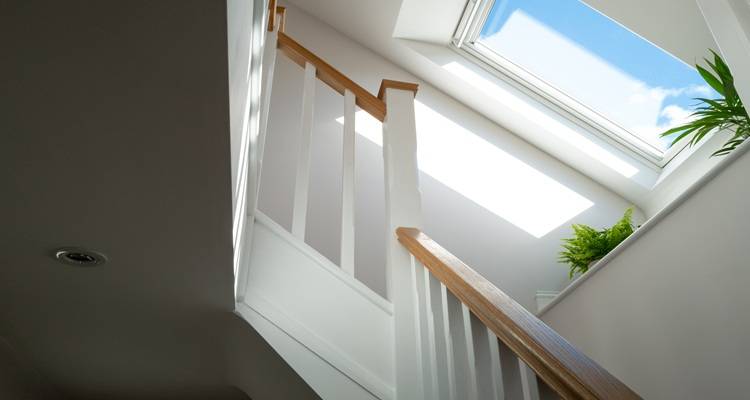
While the main premise of a piggyback loft conversion is raising the external walls to increase head height internally, there are a few variations on the theme.
Standard Piggyback Conversion
The standard piggyback conversion is straightforward. The old roof is removed, the perimeter walls are raised by up to 1.3 metres, and a new roof is constructed. It may sound easy, but it involves a lot of structural alterations and requires formal approval from the local authority. This type of conversion achieves a full extra storey feel.
Set-Back/Hidden Piggyback
A setback or hidden piggyback conversion is when the front portion of the roof remains at its original height, and the raised part is set back by around 4 metres. The intention is to retain the street view of the house as it was and to meet strict planning requirements. It's a more visually interesting style for many homeowners.
Piggyback Conversion with Rear Dormer
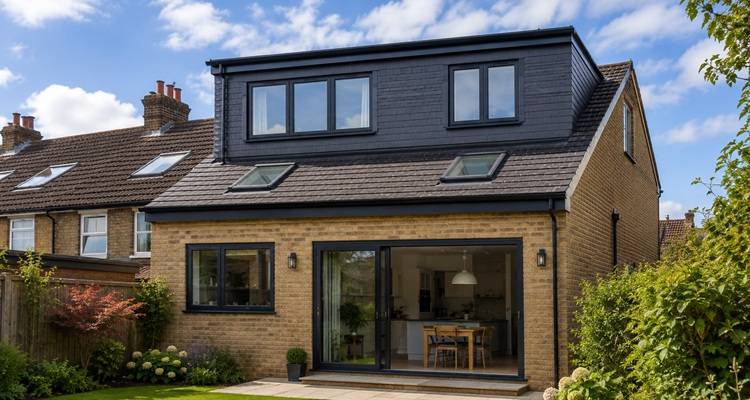
A piggyback conversion that also incorporates a rear dormer is a major project and provides significantly increased habitable space within the home. It comprises a standard piggyback conversion with the addition of a dormer at the back of the property. This means extra head height and increased floor space.
Alternative Types of Loft Conversion
Not all properties are suitable for a piggyback loft conversion, or you may not want the extra work of applying for planning permission. Luckily, there are alternatives. Here are some other types of loft conversions:
Rooflight Loft Conversion
A rooflight loft conversion does not involve any significant changes to the roof other than installing a rooflight. The existing roofline remains intact, but the interior of the loft is converted into a habitable space, as long as head height allows.
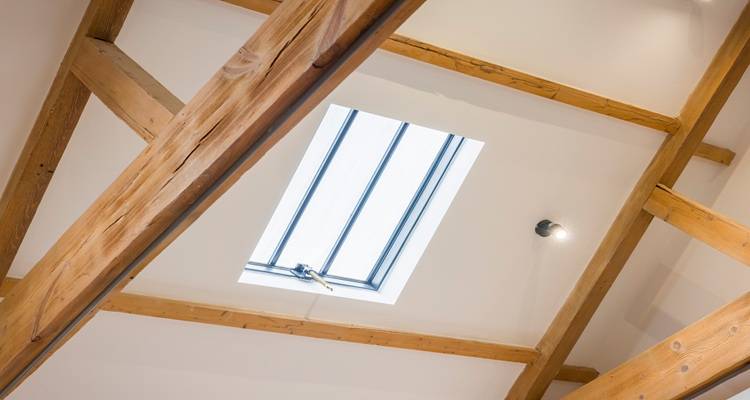
The work can typically be done under permitted development rights and is the most affordable loft conversion, costing around £15,000 to £40,000. Disruption is minimal, and it's a good choice for homes with steep roofs or those in conservation areas.
Dormer Loft Conversion
The most common type of loft conversion, a rear dormer, provides extra headroom in the loft space and fills it with lots of natural light. Most projects fall under permitted development unless the property is in a conservation area. Disruption to daily life can be significant as a large portion of the roof is removed and there is a lot of dust and noise.
Internally, it's usually possible to fit a bedroom or two and an en-suite bathroom, depending on the available space. Dormer conversions suit most property types, and average costs are between £45,000 and £60,000.
Hip-to-Gable Loft Conversion
A hip-to-gable conversion involves the formerly pitched gable-end roof being lifted vertically to come in line with the gable wall, adding extra headroom internally. The addition of a rear dormer further increases usable floor space. Disruption is worse in the first month of work, with a lot of noise and dust.
This type of conversion works for end-of-terrace, semi-detached, and single-storey properties, costing around £45,000 to £70,000. Planning permission is not typically needed as long as the 50 cubic metre allowance is respected.
Mansard Loft Conversion
A mansard conversion is the closest alternative to building a piggyback loft conversion. The roof slope is replaced with a wall at 72 degrees, which is almost vertical. Costs average from £55,000 to £80,000, although London prices will be much higher.
As with a piggyback conversion, planning permission is almost always required. However, the work does produce a large living space and an aesthetically pleasing exterior. Properties suitable for this type of conversion are Victorian or Edwardian terraced houses and period homes.
This is a disruptive loft conversion as the entire roofline is altered. Expect noise, dust, and potential loss of services.
Full Home Extension
A full home extension involves adding liveable space through combining a loft conversion with a rear extension. This approach can significantly increase habitable space, although there are restrictions on the increased volume and planning permission is likely needed.
Terraced homes can add 40 cubic metres of new space, and semi-detached or detached properties can add up to 50 cubic metres. The average cost for a full home extension can be between £2,000 and £5,000 per square metre, depending on your location.
The extent of the works means that this is a highly disruptive project, and most homeowners move out for the duration of the works.
What's Involved in Building a Piggyback Loft Conversion?
A piggyback loft conversion is a major structural project, so it isn't something you should attempt yourself. Because of this, the vast majority of homeowners choose to find and hire a specialist loft conversion company.
Let's take a broad look at the process when a piggyback loft conversion is carried out by specialists:
Before the Job Starts
- Site Survey and Structural Assessment — the architect and structural engineer assess the existing roof structure and calculate what's needed to support the raised walls and new roof.
- Planning Application — drawings are submitted to the local council, and work can't start until permission is granted.
During the Job
- Scaffolding and Roof Removal — scaffolding is erected around the property, and the existing roof is stripped away.
- Raising the Walls and New Roof — the perimeter walls are raised, structural steels fitted, and the new roof built and made weathertight.
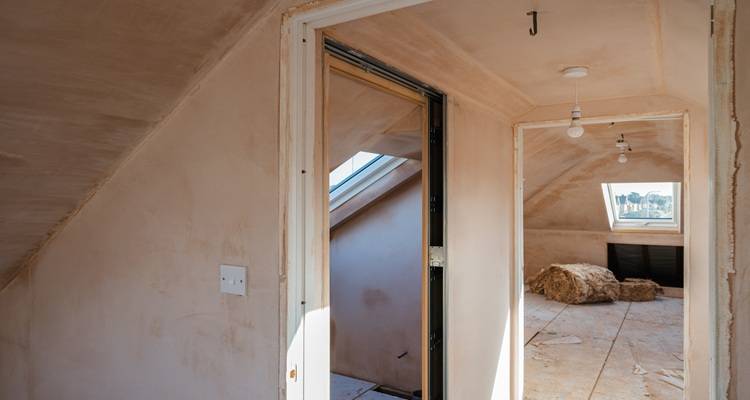
- Internal Fit-Out — windows are installed, and the interior is insulated, plastered, and finished, including a bathroom if one is included.
After the Job
- Final Checks — the site is inspected to make sure everything meets Building Regulations.
- Building Control Sign-Off — you'll receive a completion certificate once building control has signed off the work.
Checklist: Hiring Contractors for a Piggyback Loft Conversion in the UK
Here are some key things to consider before hiring a specialist:
- Do they have piggyback conversion experience? Ask whether they've completed similar projects before, as they're less common than standard dormer or rooflight conversions.
- Can they show you previous projects? Request examples of similar jobs, and ask if you can view a finished conversion.
- Who provides the drawings and calculations? Confirm whether an architect and structural engineer are included, or if you need to source these separately.
- Is planning and building control included? Check whether submitting planning applications and liaising with building control is covered in the quote.
- Do they have insurance? Look for public liability, employers' liability, and contractor's all-risk insurance.
- Do they offer a guarantee? Most companies offer a 10-year structural warranty, so check whether it's insurance-backed and transferable to a new owner.
Comparing a few detailed quotes can help you spot any hidden costs and find a specialist with genuine piggyback conversion experience. MyJobQuote can match you with vetted tradespeople in your area.
FAQs
How Long Does a Piggyback Loft Conversion Take?
A piggyback loft conversion typically takes 12 to 14 weeks, since it involves removing the whole roof, raising the perimeter walls, and building a new roof structure.
Is a Piggyback Loft Conversion More Expensive Than a Dormer Conversion?
Yes, a piggyback conversion generally costs more than a dormer conversion, as the entire roof is removed and rebuilt on raised perimeter walls, rather than altered in one section.
Which Homes Are Suitable for a Piggyback Loft Conversion?
Properties with a low ridge height, including bungalows and older detached houses, tend to be the best candidates for a piggyback loft conversion.
Does a Piggyback Loft Conversion Add Value to a Property?
A piggyback loft conversion can add around 20 to 25% to a property's value, as the extra bedrooms and bathrooms it creates tend to appeal to buyers.