Builders
 Carpenters
 Electricians
 Flooring Specialists
 Gardeners
 Handymen
 Heating Engineers
 Painters & Decorators
 Plasterers & Renderers
 Plumbers
 Roofers
 Tilers
 my
myDormer Loft Conversion Cost
At a Glance
- The average dormer loft conversion costs around £45,000 in the UK.
- It typically takes around 6 to 8 weeks to complete a dormer extension.
- NEW! Simple calculator for you to quickly estimate dormer conversion costs.
- A breakdown of what the cost for dormer loft conversions of different sizes is in 2026.
- How long this type of job takes, as well as an overview of the steps involved in a dormer loft conversion.
- Details about planning permission and building regulations in the UK.
- How to find and hire a local loft conversion specialist.
Get free estimates
Are you a trade? Get more work today!
Considering a dormer loft conversion?
Also known as a dormer extension, this guide covers everything you need to know about the costs involved, from material and labour prices to average costs per square metre for different sizes and finish standards.
Even if you're just exploring your options, getting several quotes early on will help you to set a realistic budget, compare like-for-like offers, and secure a reputable builder before schedules fill up.
It's quick and easy to get free, no-obligation quotes from dormer loft conversion specialists near you using MyJobQuote.
Want to explore the details first? Scroll down to find costs, timelines, and everything else you need to plan your dormer loft conversion.
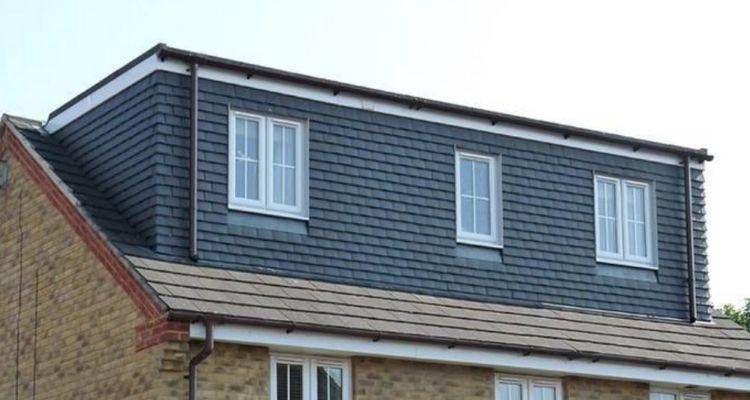
£45,000
Table of Contents
- How Much Is a Dormer Loft Conversion?
- Dormer Loft Conversion Prices
- Prefabricated (Modular) Dormer Conversion Costs
- What Is the Cost of Dormer Loft Conversion Materials?
- Labour Cost of Dormer Loft Conversion
- Factors That Impact Dormer Loft Conversion Costs
- Additional Dormer Loft Conversion Costs
- What's Involved in a Dormer Loft Conversion?
- Building Regulations and Planning Permission for a Dormer Loft Conversion
- Types of Dormer Loft Conversion
- Benefits of a Dormer Loft Conversion
- Can I Build a Dormer Loft Conversion Myself?
- Checklist: Hiring a Dormer Loft Conversion Specialist
- FAQs
How Much Is a Dormer Loft Conversion?
On average, the cost of a dormer loft conversion is between £30,000 and £60,000 in 2026. The exact price you're quoted will depend on the size of the conversion, the quality of finish, the size of the property, the area of installation, and the ease of access.
However, prices may also vary as a result of labour fees, which can depend on how many tradesmen are required for the project. The labour cost also depends on your location, with London and the South East rates being more due to the higher cost of living.
Dormer loft conversions are a popular way that homeowners in the UK can add more liveable space to their homes. But it's a big project, which makes it essential to have a thorough understanding of loft conversion costs when you're planning it out.
What are the costs made up of?
This overall cost is made up of many smaller fees that are essential to making sure your conversion is successful and completed to a high standard.
Is it worth paying extra for a dormer window rather than have a Velux rooflight in a loft conversion? Does it make any difference to how much light it brings in or to the house value?
"The cost of a dormer will certainly be higher, but this will make the room far more useful with the increased headroom. It'll also let more light in which and will make the room feel much bigger.
With the additional space it adds, the loft conversion will usually increase the value of the property by more than the cost of the dormer I would imagine. However, an estate agent would be able to clarify and quantify this for you."
With the additional space it adds, the loft conversion will usually increase the value of the property by more than the cost of the dormer I would imagine. However, an estate agent would be able to clarify and quantify this for you."
Usually, dormers are used for a new master bedroom and ensuite:
How much would that cost?
The average loft conversion costs are at the higher end of the spectrum at around £35,000 to £45,000 if the space will be used for a master bedroom with an ensuite.
Dormer Loft Conversion Prices
Firstly, let's take a look at the typical dormer loft conversion cost by size:
- A small dormer loft conversion (around 15 m² to 20 m²) typically costs around £20,000 to £30,000.
- A medium dormer (around 20 m² to 30 m²) would be priced at £30,000 to £45,000.
- A large dormer loft conversion (30 m² to 40 m²+) could cost anywhere from £45,000 to £60,000.
All these costs depend on the type of installation chosen, and other customisations (roof type, en-suite conversion, etc.) can change the cost accordingly.
A double dormer loft conversion can also cost up to £15,000 more than a single as a result of the extra time, and therefore extra labour, involved.
Here is a rough estimate of how much different conversion types might cost:
| Job Description | Average Cost |
|---|---|
| Dormer loft conversion with a double bedroom | £35,000 |
| Dormer loft conversion with a double bedroom and en-suite | £40,000 |
| Twin dormer loft conversion with a double bedroom and en-suite | £47,000 |
Want a custom price?
Post your job
Dormer Loft Conversion Costs Breakdown
To give you a better understanding of where your budget goes, this table breaks down the average cost of a standard dormer loft conversion into its primary components. These figures cover the materials and labour for each specific trade or service involved in the project.
| Job Description | Material Cost | Labour Cost | Total Cost |
|---|---|---|---|
| Structural Work and Dormer Shell | £14,000 | £12,000 | £26,000 |
| Stairs and Access (Fire Doors) | £1,500 | £1,800 | £3,300 |
| Professional Fees (Architect/Engineer) | - | £4,500 | £4,500 |
| Building Control Fees | - | £1,000 | £1,000 |
| Electrics (First Fix) | £1,200 | £2,000 | £3,200 |
| Plastering and Internal Boarding | £1,300 | £2,500 | £3,800 |
| Plumbing (En-Suite) | £2,000 | £2,500 | £4,500 |
Want a custom price?
Post your job
The total cost from these individual components gives you a clear baseline budget, which should then be increased by a contingency fund of 10-15% for unforeseen issues such as required foundation strengthening or unexpected material delivery problems.
Dormer Loft Conversion Cost per m²
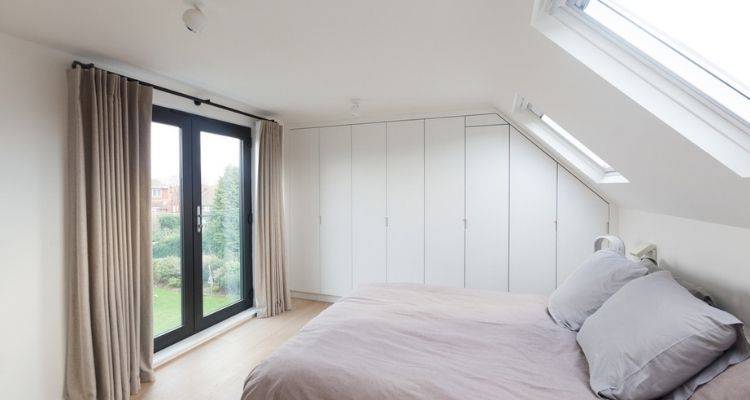
It can also help to understand prices on a per-square-metre basis. This gives a clearer picture of how costs scale with the size and specification of your project, especially if you're comparing quotes or planning a larger loft conversion.
On average, a dormer loft conversion costs between £1,150 and £1,700 per m² depending on the complexity, materials, and location. A high-spec double dormer or conversions in London can reach £2,000+ per m².
Although larger spaces need more materials and labour, the price per m² starts to reduce when the loft exceeds 40 m² due to the economies of scale.
| Specification | Total Cost | Labour-Only Cost |
|---|---|---|
| Basic Dormer (unfinished shell) | £1,150–£1,350 / m² | £950–£1,100 / m² |
| Standard Dormer (finished with staircase) | £1,400–£1,700 / m² | £1,100–£1,300 / m² |
| Premium or Double Dormer Conversion | £1,800–£2,200+ / m² | £1,300–£1,600 / m² |
Want a custom price?
Post your job
These rates include the structure, insulation, windows, stairs, and internal finishes. Expect to pay toward the higher end for complex layouts, en-suites, or projects in London and the South East where labour rates are higher.
Cost of Dormers vs Other Loft Conversion Types
A dormer roof extension is a more common sight across the UK than mansard loft conversions and hip-to-gable loft conversions.
They've continued to be a popular option over the years as they allow homeowners to get more headroom than a Velux loft conversion (which doesn't alter the roof) and make the most out of their property's available space.
Dormer loft conversions are generally more affordable. A hip-to-gable loft conversion costs about £45,000, whereas a mansard loft conversion typically costs around £67,500.
If you're considering other loft conversion styles beyond dormers, such as hip-to-gable or Mansard loft conversions, see our full loft conversion cost guide for detailed pricing and breakdowns.
Dormer Loft Conversion Cost Calculator
Prefabricated (Modular) Dormer Conversion Costs
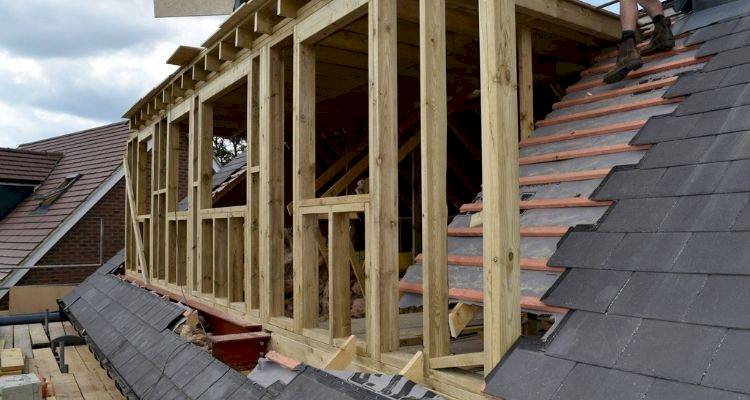
A prefabricated dormer, sometimes called a modular loft conversion, is an increasingly popular alternative to traditional on-site construction. With this method, the entire dormer structure is manufactured off-site in a controlled factory environment, built to your exact specifications, and then transported to your property. A crane is used to lift it into place, often in a single day.
What is your main reason for a dormer loft conversion?
Creating additional living space
0 votes - 0%0% of votes
Adding an extra bathroom, bedroom or guest room
0 votes - 0%0% of votes
Making the property larger without needing to move
0 votes - 0%0% of votes
To increase the value of your property
0 votes - 0%0% of votes

0 votes
See results
Hide results
Prefabricated dormers typically cost a similar amount to traditionally built dormers, ranging from around £30,000 to £70,000 depending on the size and finish. The key advantages are not usually lower costs, but rather:
- Speed — On-site work can often be completed within days, significantly reducing the overall build time.
- Less Disruption — Since most of the work happens in a factory, your home experiences less noise, mess, and scaffolding.
- Cost Predictability — Factory-controlled pricing means fewer on-site labour fluctuations or unexpected delays.
The main limitation of a prefabricated dormer is access. Your property needs clear space for a large crane to operate and safely position the dormer module on the roof. This makes modular construction ideal for detached or semi-detached homes, but less practical for terraced properties with restricted rear access.
What Is the Cost of Dormer Loft Conversion Materials?
If you're wondering how much is a dormer extension without labour or installation costs so you can do some of the work yourself, we've compiled some tables below to illustrate the different costs:
Loft Conversion Windows Cost
| Size (CM) | Average Cost |
|---|---|
| 50 x 50 | £150–£200 |
| 100 x 100 | £200–£250 |
| 120 x 120 | £250–£300 |
Loft Conversion Flooring Cost
| Type | Average Cost Per M² |
|---|---|
| Vinyl | £7–£20 |
| Wood | £10–£70 |
| Carpet | £4–£40 |
| Tile | £10–£60 |
Loft Conversion Insulation Cost
| Type | Average Cost Per M² |
|---|---|
| Sheet | £15–£25 |
| Loose-Fill | £5–£15 |
| Blanket | £12–£27 |
Loft Conversion Stairs Cost
| Type | Average Cost |
|---|---|
| Basic | £1,000–£1,200 |
| Custom | £3,000–£10,000 |
| Spiral | £1,000–£1,500 |
| Alternating Treads | £350–£750 |
| Fixed ladder with Bannister | £150–£400 |
General Building Materials Cost
| Material | Average Cost |
|---|---|
| Electrics | £300–£600 |
| Structural beams, joists and masonry | £1,500–£4,000 |
| Bathroom | £4,500–£6,000 |
| Decorating materials | £800–£1,600 |
| Built-in Storage | £1,000–£4,000 |
Labour Cost of Dormer Loft Conversion
Labour typically makes up the largest part of the budget for a dormer conversion, so if you can do any of the jobs yourself (for example, by choosing a shell loft conversion then finishing the interior yourself), you could potentially cut some costs.
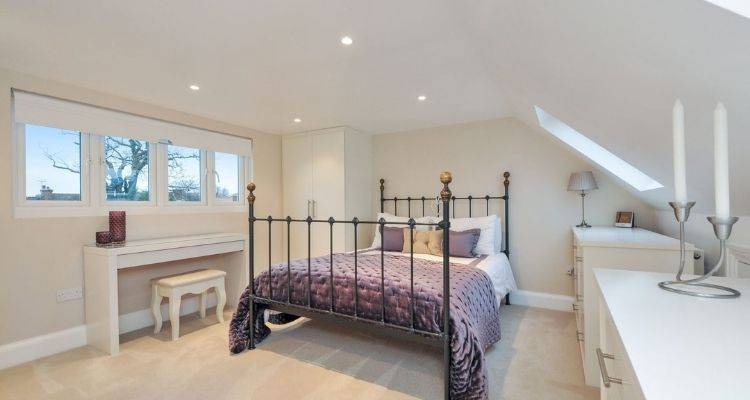
During any large-scale project, there will usually be 2 or 3 people on-site at all times.
Although the below provides an average cost for each labourer, be mindful this can also depend on the experience of the individual and can vary depending on the specific job.
On average, how long would it take to have a dormer attic installed?
"A loft conversion with a dormer installation usually takes around 5 to 6 weeks to complete."
While labour fees are often calculated by the hour, for larger jobs such as a loft conversion, it's likely you will be quoted for the day. Another factor to consider is your location, as labour fees tend to be higher in London and the South East than the national average.
| Tradesperson | Average Cost Per Day |
|---|---|
| Builder | £150–£250 |
| Carpenter and Joiner | £130–£200 |
| Painters and Decorators | £120–£200 |
| Electrician | £150–£250 |
| Plasterer and Renderer | £150–£250 |
| Plumber | £150–£270 |
| Tiler | £140–£250 |
Want a custom price?
Post your job
Factors That Impact Dormer Loft Conversion Costs
Is a dormer really the cheapest way to add space, or should I build an extension?Yes - this is because dormers make use of existing roof space, meaning there's no need for additional foundations, walls, or groundwork like a traditional extension. That being said, there are still reasons for your quote to increase and decrease.
The cost of a dormer loft extension can vary depending on:
- Loft Size and Layout - Complex layouts such as multiple dormers or unusual roof shapes increase structural work and may require additional scaffolding (scaffolding can cost £4,000 to £5,000) and planning considerations compared to a standard dormer loft conversion.
- Property Type, Access and Roof Complexity - Steep roofs, awkward angles, or homes with tight garden space may require hoists or cranes and additional scaffolding, increasing both time and expense.
- Building Materials - Bespoke features, such as designer wooden staircases, built-in wardrobes, or installing soundproofing, will also increase the cost of your dormer loft conversion.
- Contractor Choice - Experienced, reputable contractors may charge more upfront but often deliver higher quality work, better project management, and fewer unexpected costs.
Putting that into context...
A one-dormer in a 5m x 4m (20m²) loft typically costs around £30,000 to £32,000, while a two-dormer, two-roof-light conversion in a 5m × 6m (30m²) loft can range from £43,000 to £45,000.
There are other factors likely to affect the final price of your conversion, including:
- Location — Northern England and Scotland generally have lower labour and material rates, whereas you can potentially add as much as 20% to 30% for properties in high-demand areas such as London and the South East. Mitigate this by hiring local contractors who won't have to travel far to your location.
- Planning Permission and Regulations — While many dormers fall under permitted development, larger or front-facing dormers may require planning approval. Building regulations compliance is mandatory and can affect cost depending on inspections and approvals required. If you don't understand your permitted development rights, it's best to ask your contractor for advice so you don't make unnecessary planning applications.
- Timeframe and Seasonality — Out of peak season, you can potentially save money on labour costs, however, such projects are more likely to have delays due to weather conditions and the right materials may not be readily available. It's always best to book your builder in advance.
- Room Function — The type of room you are converting the loft into will affect costs. For example, adding a full bathroom or a small kitchen will require additional services which are likely to increase labour fees. If you're on a tight budget, consider paring back added extras.
- Windows and Glazing — In regards to new window costs, there's everything to consider from how many and what size, the style and material used for the frames, as well as choosing the right glazing required. Sticking to standard-size windows will give you the best chance at staying within budget.
- Type of Roof Structure — Even if you're not adding a new roof, the type of dormer style (gable, L-shaped, etc.) can influence the shape and layout of the room, as well as insulation and structural work. Standard, flat dormers are often cheaper than other, more complex designs.
Ask a Trade
Got a question that only a tradesperson can answer? We have thousands of trades ready to answer any question you may have.
Ask your question

Additional Dormer Loft Conversion Costs
Beyond the main conversion costs, certain optional features or upgrades can increase your budget. These are not included in standard quotes and depend on your design choices.
- Bathrooms or En-Suites Upgrades — High-end fixtures, wet rooms can add £5,500, and larger bathrooms can add up to £12,000.
- Custom Joinery and Built-In Storage — Wardrobes, cupboards, and shelving tailored to your loft space may add £1,000 to £4,000.
- Premium Finishes — Luxury flooring, bespoke carpentry, or high-spec paint and decoration can increase costs by £1,000 to £3,000.
- Additional Rooflights or Velux Windows — Extra glazing improves light and ventilation but can cost £600 to £1,200 per window including installation, while Velux windows can cost around £1,100 per unit.
- Optional Structural Enhancements — Extra beams, roof strengthening, or specialised insulation beyond standard requirements can add £2,000 to £5,000.
What's Involved in a Dormer Loft Conversion?
The average dormer loft conversion can take between 6 and 8 weeks to complete, although this all depends on the size and quality of the project, plus the assumption that there are no unforeseen circumstances along the way.
If you find a contractor to organise hiring labourers and tradespeople without any delays, and manage to keep good weather over the course of your project, then this will make the conversion run smoothly.
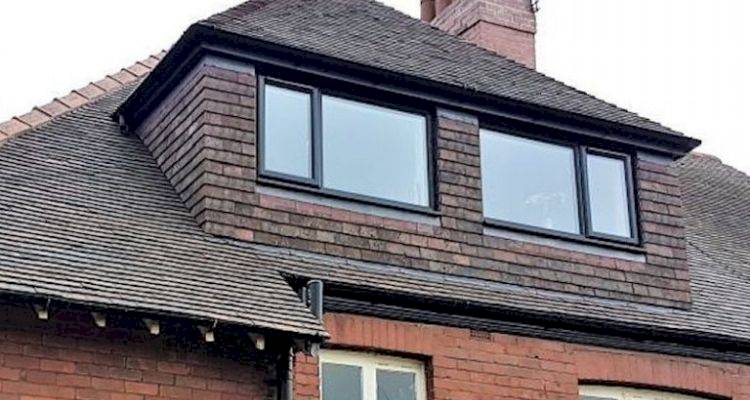
The below schedule is a rough guide to help you gauge what's involved in each step, based on a minimum 6-week build and takes the assumption there aren't any unplanned delays.
- Week 1: Initial Setup and Roof Opening — The first step is to erect the scaffolding. The materials required for the job will be gathered on-site. The roof will be opened up during this week.
- Week 2: Adapting the Roof Structure — If the roof structure is changing, this will happen next. Extra supports may be installed if needed. For a rooflight conversion, the windows will go in now. For a dormer loft conversion, the dormer will be constructed.
- Week 3: Completing External Roof Work — External roof construction will be finished, and any tiling completed. Roof insulation will be installed, and internally, the space will be prepped for plumbing and electrics.
- Week 4: Fitting Windows and Internal Walls — Any windows that haven't gone in yet will be fitted. The floor will be laid with any ventilation as needed. The plasterboard will be fitted, and any internal walls will be built.
- Week 5: Staircase Installation, Electrics, and Fittings — The staircase will be installed, and bathroom fittings added if required. Electrics will be completed, and doors, plastering, and skirting wrapped up by the end of the week.
- Week 6: Wrapping Up — During this week, any unfinished jobs will be completed. If your contractor is responsible for the decorating, this will be one of the final jobs, along with a general clean-up and taking down any scaffolding.
I already have a dormer loft conversion, but it’s quite small and doesn’t extend to the edges of the roof. An architect told me that expanding it would cost as much as starting a new conversion. Is this true?
"Not the entire price of a dormer loft conversion unless it was that long ago that the existing materials are well below regulations."
Building Regulations and Planning Permission for a Dormer Loft Conversion
In the majority of cases, you won't need to apply for planning permission in the UK as dormer loft conversions are considered a Permitted Development.
There are exceptions to this rule. For example, if you live in a conservation area, listed building, or the conversion is likely to significantly change the appearance of your property. If you do require planning permission, application fees in the UK are usually around £548.
To qualify as a Permitted Development, the conversion must adhere to strict limits and conditions. The most critical rules relate to the size and placement of the dormer.
Permitted Development (PD) Size and Volume Limits
The additional roof space created by the conversion (including any previous roof additions) must not exceed the following volume allowances:
- 40 cubic metres (m³) for terraced houses.
- 50 cubic metres (m³) for detached and semi-detached houses.
If your proposed dormer exceeds these limits, you will need to submit a formal application for Planning Permission.
Even if you meet the volume limits, your dormer must also comply with the following design conditions to avoid needing Planning Permission:
- Materials — The materials used for the conversion must be of a similar appearance to the existing house.
- Windows —Side-facing windows must be obscure-glazed (e.g., frosted glass), and any opening part must be at least 1.7 metres above the floor.
- Height —The conversion must not extend above the highest part of the existing roof structure.
- Front —No part of the dormer or extension can extend beyond the plane of the existing roof structure on the principal elevation (the side facing the road).
Do you need planning permission for a loft conversion with a dormer?
"It depends on a number of different factors: size, spec, materials used, position of the dormer, your location, etc. You can get more information from your local council's planning website, or speak to a specialist about what you want to achieve, and they should be able to advise you correctly."
Building Regulations
Even if you don't need planning permission for your dormer loft conversion, you do need to meet the required building regulations, which generally cover the safety aspects of the build and materials used.
Building Regulation approval can be obtained by your local Building Control Department, with fees costing around £500 to £1,250 (depending on the scale of the project). Your contractor will likely handle this for you, but do double-check.
Party Walls
If you live in a terraced or semi-detached home, it's likely you share a wall with a neighbour. If so, you will need a surveyor and a legal professional to create what is known as a Party Wall Agreement. Surveyor rates can vary between £150 and £200 per hour, with the final cost for your party wall agreement potentially amounting to around £1,000.
Types of Dormer Loft Conversion
There are several dormer loft conversion ideas, and the one most suited to your property will depend on the type of house (terraced, semi-detached, detached) and your existing roof shape. Dormers are the most common bungalow loft conversion styles, but they work well on other property types too.
Flat Roof Dormer Loft Conversion
The flat roof dormer loft conversion is a simple structure that can be added to the front and/or rear of the loft. A rear dormer is a popular choice as it often does not require planning permission since it's rear-facing.
It provides a fairly simple way to expand the existing roof structure and usable space in the loft, with a flat roof dormer increasing head height and providing lots of natural light afforded by the dormer windows.
The shed roof dormer loft conversion is similar to a flat roof dormer, but its roof slopes down at a slight angle, may be constructed with different materials, and is usually more suited to homes with a gable roof.
Double or Twin Dormer Loft Conversion
A twin or double dormer loft conversion features two smaller dormer structures instead of one large unit. These can either be built on opposite roof slopes (for example, one at the front and one at the rear) or side by side on the same slope in a "dog-house" style design. This layout is often chosen for its balanced look or to maximise usable space while keeping within planning limits.
Because you're effectively constructing two separate dormers, the cost is higher than a standard single dormer. Each dormer requires its own framework, roofing, windows, and finishing work, which increases both material and labour expenses. The typical double dormer loft conversion cost is £8,000 to £15,000 more than for a single dormer but generally less than for a large, full-width conversion that spans the entire roof.
Build times are also longer. A double dormer typically takes around 8 weeks to complete, compared to roughly 6 weeks for a single dormer loft conversion.
Gable-Fronted Dormer Loft Conversion
The gable-fronted dormer loft conversion is sometimes also known as a dog-house dormer. This is a more complex solution consisting of a gable wall extension built upwards to meet the current ridgeline, with a new sloping roof section also built towards the new gable end.
Hipped Roof Dormer Loft Conversion
A hipped roof dormer loft conversion is an extension where the roofs slope on all three sides of the structure. This is often an aesthetically pleasing look, especially suited to larger properties. However, this type of dormer construction results in less usable space in the new loft than, for example, a flat roof dormer.
L-Shaped Dormer Loft Conversion
An L-shaped dormer loft conversion (also known as a dog leg dormer) consists of two dormers that are connected at right angles to each other.
If you have the right kind of property, this can be an excellent way to add as much space as possible, with good head height as well.
Usually, people combine a roof lift loft conversion with an L-shaped dormer to create multiple rooms, helping you maximise the space within your home.
Benefits of a Dormer Loft Conversion
Whilst considering the costs of a loft conversion, be sure to also take into account the benefits that it can add to your home.
It is widely agreed that a loft conversion is one of the very best ways to add value to your home, on average increasing property value by 22% by providing extra living space.
If your aim is to increase your property's value, it is important to do some research before you start.
In most areas, there is a ceiling to house prices. For example, in your area, houses might sell for a maximum of £350,000.
If you spent £320,000 on your home, there is no point in spending more than £30,000 on your loft conversion.
Spending more than that will not increase the value of your home further. So, make sure to do some research to help you fix your budget.
How much value does a dormer loft conversion add? I’m weighing up whether a dormer loft conversion is worth the investment.
"It all depends on the area, but typically a dormer loft conversion can add about 20% to 25%."
Avoid the Cost of Moving
If you have considered moving out of your current home due to lack of space, then first consider a loft conversion with a dormer.
They can offer you a way to get that extra space you need without the cost or the stress of having to relocate.
Adding Natural Light
Adding extra windows to your home, especially to the roof, is the perfect way to add more natural light into your home, often making it appear more spacious.
Energy Efficient
It is required by building regulations that insulation is included in your loft conversion.
This comes at an extra cost, however the likes of loft boarding insulation will benefit your home by making it more energy-efficient, and often, people benefit from a significant decrease in their heating bills.
Grow Without Losing Outdoor Space
When thinking of an extension, many people will assume that it will have to take up precious garden space.
However, with a loft conversion, your house becomes bigger, providing more space for your family without having to sacrifice your garden. This is ideal for growing families and people with pets.
Can I Build a Dormer Loft Conversion Myself?
For a passionate DIY enthusiast, taking on a dormer loft conversion can be tempting. However, it is essential to distinguish between simple internal finishing tasks and the structural work required for a dormer loft conversion project.
A dormer loft conversion involves complex structural changes to the roof, which makes it unsuitable to be built entirely on a DIY basis.
The main structure of a dormer and the associated structural alterations inside the loft are critical tasks that require professional certification and expertise. You cannot bypass these:
- Structural Integrity — The dormer loft conversion requires precise load-bearing calculations and reinforcement of the floor and roof to ensure the safety and stability of your entire home.
- Weatherproofing and Roofing — Making the dormer loft conversion fully watertight and insulating it correctly is essential to prevent damp, mould, and leaks — issues that are costly to fix later.
- Building Regulations — All dormer loft conversions must pass strict Building Regulation inspections (covering fire safety, ventilation, stability, and access). Only work overseen and certified by a professional builder/inspector will receive the necessary sign-off, which is required for insurance and when selling your property.
- Access and Staircase — Installing a safe, compliant staircase in your dormer loft conversion to meet headroom and fire safety rules requires expert knowledge and often specialist cutting of structural joists.
If you plan on having a dormer, you will need to hire a loft conversion specialist to complete the main structural work and secure all necessary approvals.
That being said, you can still save a significant amount of money by handling the internal, non-structural finishing work yourself once the main build is complete and weatherproofed. These tasks are often called the 'second fix' and are perfect for a competent DIYer:
- Finishing Joinery — Installing internal door frames, hanging the final doors (which must be compliant fire doors), and fitting decorative elements like skirting boards and window architraves.
- Second-Fix Plumbing — If you are adding an en-suite, you can connect and fit the final fixtures like the toilet, basin, and shower (after the certified plumber has run the main pipework and drains).
- Flooring Installation — Laying the final floor covering, such as laminate, engineered wood, or carpet over the subfloor.
- Decorating — Painting, wallpapering, and applying other final decorative touches to the finished room.
- Tiling —Tiling bathrooms, floors, or other areas requiring a specialist finish.
Checklist: Hiring a Dormer Loft Conversion Specialist
- Get multiple estimates — Get quotes from multiple contractors and be wary of estimates that seem too high or too low.
- Hire locally — It is easier to contact local contractors, and they are likely to have much more knowledge of building codes in your area.
- Check their past work — Ask them to see pictures of work they have completed in the past. Consider if they have completed something similar to your loft conversion project before and if you are happy with the standard to which it has been completed. You can also look at their reviews online.
- Take your time making a decision — Take your time before signing a contract and be cautious when asked to pay a large deposit upfront. Make sure to read the fine print on all estimates and contracts.
- Check their insurance — Make sure the contractor is properly insured. You can ask any contractor for a certificate of insurance and even reach out to the insurance company to confirm that their policies are still in effect. If the contractor is not insured, you may be liable for accidents that occur on your property.
- Get everything in writing — Get your contract in writing, and make sure the contract is clear and well written. Consider having a lawyer review the contract, especially ones that include substantial costs.
- Don't pay upfront — Don't pay for the whole project before it is completed. It is common practice to pay one-third of the costs as an initial payment and to keep the rest as a retainer.
- Anticipate delays — Delays are common and are not necessarily anyone's fault, so don't panic if they occur. They can happen due to weather conditions or when waiting on labourers to become available.
- Keep a job file — Keep your contract and all other documents about the conversion in a file. This is your evidence should anything go wrong, so it is important to keep it all safe.
FAQs
How Much Is It To Add a Dormer to an Existing Loft Conversion?
Dormer loft conversion prices vary depending on the existing roof structure and what else you do as part of your loft conversion project, but on average, adding to an existing loft conversion will cost from £19,000 to £30,000.
What Maintenance Does a Dormer Roof Require?
A flat roof dormer requires simple but routine maintenance. You should check the felt or membrane roof surface twice a year for any standing water, cracks, or blistering. The gutters should also be cleaned annually.
Should I Remove My Chimney Stack?
If your loft conversion is fairly small, you may consider removing the chimney breast altogether. For semi-detached properties, first you need to check if your chimney is shared with your neighbour. Due to the chimney's structural role, the works must be approved by a contractor as structurally safe.
Can a Dormer Loft Conversion Affect My Home Insurance?
Yes, you will most likely need to inform your insurance company when you have a dormer loft conversion, as it increases the value of your property and may impact your current policy when it comes to areas such as risk assessments.
Is a Dormer Loft Conversion Environmentally Friendly?
Yes, it is possible to be environmentally friendly by using sustainable materials, appropriate insulation, and installing energy-efficient windows can all help reduce environmental impact and lower your heating bills.
Do I Need a Party Wall Agreement?
Aside from the disruption during the build, a dormer loft conversion may potentially impact your neighbour in terms of obstructing natural light or blocking their views. Some cases require planning permission or a party wall agreement to avoid any disputes at a later date.
Can You Remove a Dormer Loft Conversion?
Given the value a dormer loft conversion adds to your property, and the extent of work involved to have one removed, it's questionable whether it's worth doing. However, if you wish to still go ahead, it would be best to have a contractor provide a quote, and if walls shared with neighbours are to be affected, you may need another Party Wall Agreement.