Builders
 Carpenters
 Electricians
 Flooring Specialists
 Gardeners
 Handymen
 Heating Engineers
 Painters & Decorators
 Plasterers & Renderers
 Plumbers
 Roofers
 Tilers
 my
myVelux Loft Conversion Cost
At a Glance
- The average cost of a Velux loft conversion is £22,500.
- It usually takes around 4 to 8 weeks, depending on the complexity of the job.
- A breakdown of Velux loft conversion costs based on size and materials.
- Factors that may affect the installation costs and what the job involves.
- How to hire contractors for Velux loft conversions near you using MyJobQuote.
Get free estimates
Are you a trade? Get more work today!
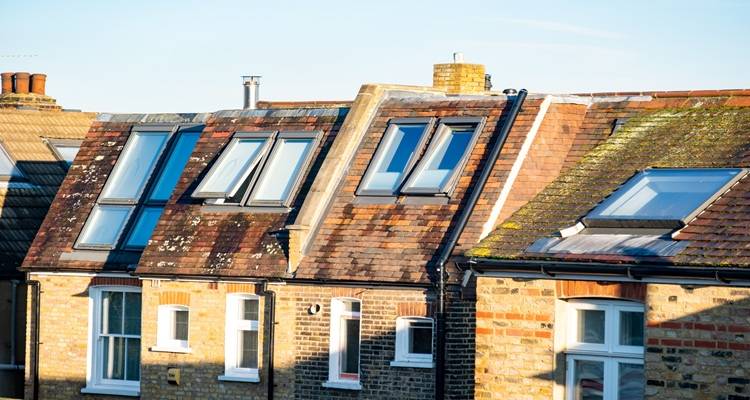
A Velux loft conversion is usually one of the easiest and cheapest ways to convert your loft, as it typically involves simply installing Velux roof windows into the existing roof and then converting the interior into a habitable space.
Despite this type of conversion being one of the most straightforward, it's still best carried out by an experienced professional to make sure it's done properly and the roof continues to be weatherproof and structurally sound.
Continue reading to learn all about Velux loft conversion costs
£22,500
Table of Contents
- How Much Is a Velux Loft Conversion?
- Labour Costs and Timescales for a Velux Loft Conversion
- Supply Costs for a Velux Loft Conversion
- Cost Factors for a Velux Loft Conversion
- Additional Costs of a Velux Loft Conversion
- Building Regulations for a Velux Loft Conversion
- Types of Velux Loft Conversion
- Alternative Types of Loft Conversion
- Hiring Contractors Checklist for a Velux Loft Conversion
- Removing a Velux Loft Conversion
- FAQs
How Much Is a Velux Loft Conversion?
The typical price range for a Velux loft conversion is between £15,000 and £35,000. The final cost will depend on a number of factors, such as the size of the conversion, the number of Velux roof windows installed, the specification of the interior fit-out, any issues with access or the standard of the roof, and the labour rates where you live.
The average cost of a straightforward, standard Velux loft conversion would be about £22,500. However, larger Velux loft conversions with multiple roof windows or more premium specification internal fit-outs can easily cost £35,000 to £50,000.
Velux Loft Conversion Prices
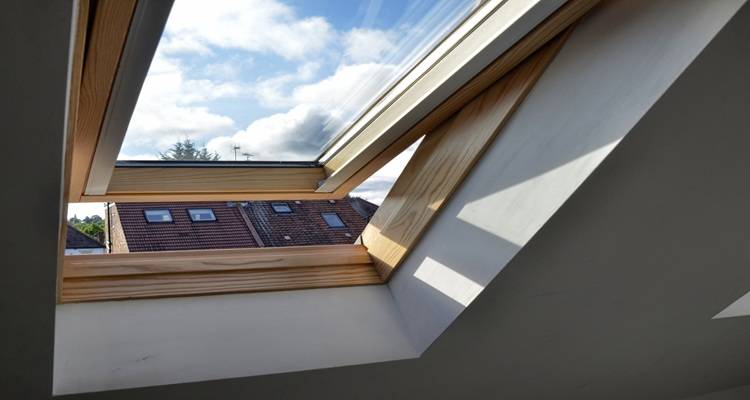
With the size and specification of your Velux loft conversion being the key factors that determine how much it costs, the table below gives you some typical prices for common conversion projects.
| Velux Loft Conversion Specification | Typical Timescale | Average Cost |
|---|---|---|
| Small Standard Conversion (e.g. office or single bedroom) |
4 to 5 weeks | £15,000–£20,000 |
| Large Standard Conversion (e.g. large bedroom) |
5 to 6 weeks | £20,000–£25,000 |
| Large Premium Conversion (e.g. large bedroom with en-suite) |
6 to 7 weeks | £25,000–£35,000 |
Want a custom price?
Post your job
Velux Loft Conversion Prices per m²
While it can be useful to understand how costs vary for standard-sized projects, the table below provides the typical Velux loft conversion costs per square metre to allow you to calculate the typical costs for different loft sizes.
| Specification | Typical Cost per m² | 20m² Loft | 30m² Loft | 40m² Loft |
|---|---|---|---|---|
| Standard Specification | £750–£825 per m² | £15,000–£16,500 | £22,500–£25,000 | £30,000–£33,000 |
| Premium Specification | £825–£875 per m² | £16,500–£17,500 | £25,000–£26,500 | £33,000–£35,000 |
Want a custom price?
Post your job
Labour Costs and Timescales for a Velux Loft Conversion
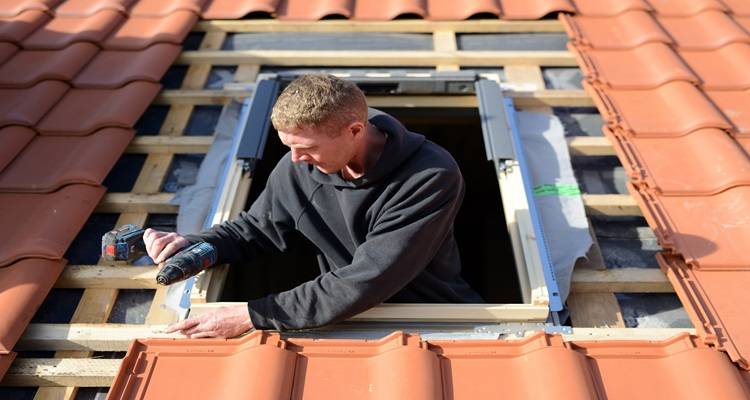
Labour costs are a significant component of the total cost of a Velux loft conversion.
The total labour costs for your project will usually be included in a quote from a loft conversion specialist, but if you were to hire all the necessary trades separately, the table below details the typical rates and time on site for each trade.
| Trade | Typical Labour Rate | Typical Time on Site |
|---|---|---|
| Builders | £180–£300 per day | 1 to 3 weeks |
| Roofers | £180–£350 per day | 2 to 5 days |
| Carpenters | £180–£275 per day | 3 to 7 days |
| Electricians | £200–£300 per day | 1 to 3 days |
| Plumbers | £200–£350 per day | 1 to 3 days |
| Plasterers | £160–£250 per day | 2 to 4 days |
| Decorators | £150–£220 per day | 2 to 5 days |
Want a custom price?
Post your job
These are the average UK labour rates for the different trades you might need for your loft conversion, but it's worth mentioning that labour rates in London and the South East can be 20% to 30% higher than these UK averages.
Other factors can also affect your total labour costs. Access challenges, necessary repairs to the roof, or delays due to the weather or delayed supplies could all mean the job takes longer and labour costs are higher.
Supply Costs for a Velux Loft Conversion
The overall cost of a Velux loft conversion will include both labour and supply costs. In this section, we'll look at some of the specific supply costs ranging from timber to internal doors to electrical fittings and more.
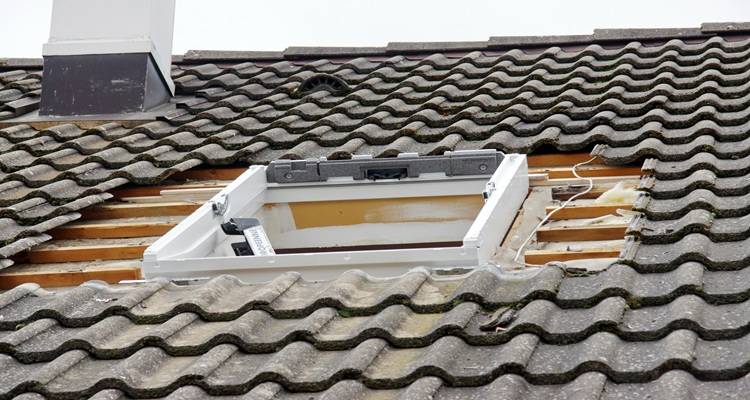
Here are the typical supply costs for the materials needed for most Velux loft conversions, and an idea of how much you will likely spend on each for a standard specification 30m² conversion:
| Material or Component | Typical Unit Cost | Typical Total Cost |
|---|---|---|
| Structural Timber and Floor Joists | £15–£30 per linear metre | £800–£1,500 |
| Velux Roof Windows and Flashing Kits | £450–£1,000 per window | £900–£2,000 |
| Insulation | £25–£45 per m² | £750–£1,350 |
| Plasterboard | £10–£20 per m² | £400–£800 |
| Standard Staircase | £1,200–£2,500 each | £1,200–£2,500 |
| Flooring Materials | £15–£40 per m² | £450–£1,200 |
| Internal Doors and Ironmongery | £150–£400 per door | £300–£800 |
| Electrical Wiring, Sockets and Lighting | £25–£80 per fitting | £300–£700 |
| Skirting Boards and Architraves | £4–£10 per linear metre | £200–£500 |
| Roofing Membranes, Tiles and Sundries | £20–£50 per m² | £300–£700 |
| Decoration Materials | £5–£15 per m² | £200–£500 |
Want a custom price?
Post your job
It's worth noting that supply costs can vary depending on the size of the loft, the number and specification of roof windows, whether bespoke joinery is needed, and the quality of the finish throughout the room.
If you opt for a larger, premium specification Velux loft conversion, with a higher quality internal fit-out that includes an en-suite, you would also need additional materials like those listed below:
- Sanitaryware and bathroom fittings for your en-suite would cost £800 to £2,000.
- The necessary plumbing pipework and drainage materials would cost £300 to £800.
- Tiling for the floor and walls would be £400 to £1,000.
- A premium bespoke staircase would be £2,500 to £5,000.
- Additional Velux roof windows would cost £450 to £1,000 per window.
- Bespoke fitted wardrobes and storage would cost £1,000 to £3,000.
Cost Factors for a Velux Loft Conversion
As discussed, there are many cost factors involved in a Velux loft conversion installation. Here we'll lay them out concisely to summarise the prominent examples.
These include the following cost factors:
- Available head height in the space.
- Whether the existing loft is suited for conversion.
- The number of roof windows being fitted.
- The amount of insulation the work requires.
- The complexity of the staircase being installed (if applicable).
- Floor strengthening work for the loft conversion.
- Standard of the internal finishes.
Other key cost factors to keep in mind are whether or not scaffolding is required, regional labour rates, and whether you are having plumbing added. If remedial work is needed on the roof or structure, this too can prove a meaningful cost factor.
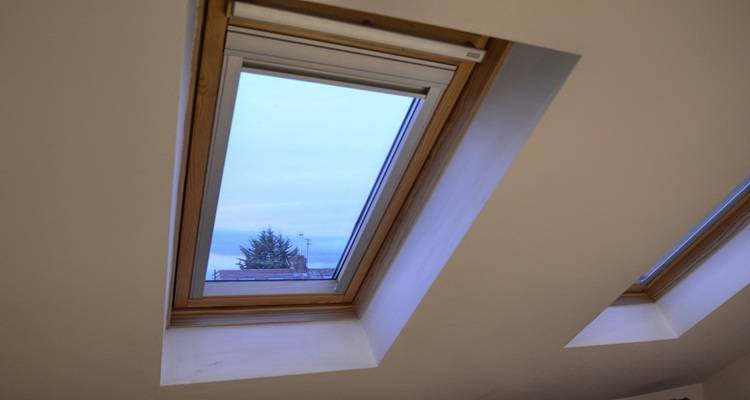
All in all, a Velux loft conversion is on the cheaper end of loft conversion costs. However, costs can still rise quickly depending on the amount of internal work required. So, as mentioned earlier, be sure to discuss total costs (including potential additional and unexpected fees) with the relevant professionals being hired so you can budget well for the project, limiting the risk of unnecessary headaches.
Ask a Trade
Got a question that only a tradesperson can answer? We have thousands of trades ready to answer any question you may have.
Ask your question

Additional Costs of a Velux Loft Conversion
The build cost will make up the bulk of a Velux loft conversion price. However, the full amount you'll need to budget for should keep additional costs in mind, too.
Some added costs to consider may include scaffolding (£500 to £2,000), skip hire (£150 to £450 per week), waste removal (£200 to £800), architectural drawings (£2,000 to £5,000), and structural engineering calculations (£200 to £2,000).
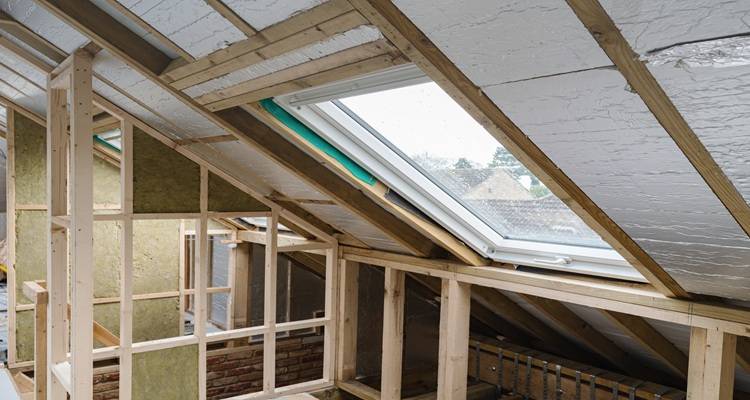
Other additional costs that may apply include party wall costs (£1,000 to £3,000), decorating (£1,500 to £2,000), flooring (£50 to £80 per square metre), upgraded electrics (£200 for a few new sockets, to £6,000 for a full rewire and consumer unit upgrade), or plumbing adjustments (£800 to £3,000).
When it comes to general fixtures and fittings, costs can range from several hundred to several thousand pounds. Fixtures like radiators cost around £120 to £370 per unit, and recessed lighting in the loft is likely to be priced between £300 and £500.
As for fittings, some examples with pricing include a fitted wardrobe at £2,000 to £3,000, blinds for a Velux loft window at £100 to £300, and a desk at £50 to £200 on average.
Beyond that, strengthening floor joists will likely cost £400 to £1,000, roof repairs about £20 to £200 per square metre, improved insulation at £20 to £40 per square metre, upgraded fire doors at £200 to £600 each, and changes to the landing below to meet regulations priced at £1,000 to £5,000+, depending on the work required.
Building Regulations for a Velux Loft Conversion
Building regulations are another key aspect of having a Velux loft conversion installed. Some of the primary building regulations include structural safety, fire safety, insulation, ventilation, staircase requirements, sound resistance, and safe means of escape.
It's important to clarify that building regulations approval is usually required, and this applies even if major roof alterations are not involved in the project.
The average cost of a building regulations application to receive approval is around £200 to £500, but may exceed £1,000 depending on a variety of cost factors.
As for planning permission, this is often not required for a Velux loft conversion since the roofline is usually left unaffected. However, there are exceptions to the rule, such as if your property is a listed building or if you live in a conservation area. It is best to contact your local council to discuss whether building regulations approval or planning permission is required.
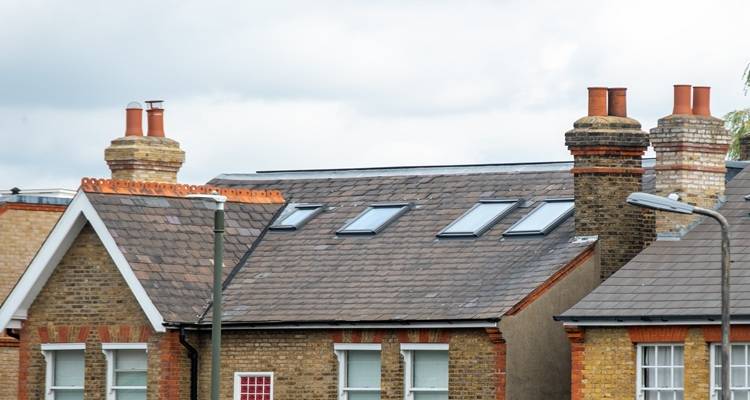
The key differences between building regulations and planning permission are as follows:
- Building Regulations — Standards applicable to the design and construction of buildings for the purposes of ensuring safety and health concerns are adhered to. The purpose of this is to protect the occupants of the building and those who surround it.
- Planning Permission — This is more related to criteria such as how an alteration could affect a building's appearance (i.e. to regulate unsightly alterations that affect the aesthetic of the street or surroundings more generally). Other reasons for planning permission approval, when required, relate to landscaping considerations, highway access, and environmental impact concerns, among other criteria.
Types of Velux Loft Conversion
There are several predominant types of Velux loft conversions you may want to consider. These include simple roof light conversions, a Velux loft bedroom conversion, a Velux loft office conversion, and a Velux loft conversion with en-suite, where the space allows.
Costs can vary significantly, even if Velux loft conversions more generally tend to land around £15,000 to £35,000, making them usually more affordable than most loft conversion options. On the one hand, a simple roof light conversion is going to generally cost less than an office conversion or one featuring an en-suite.
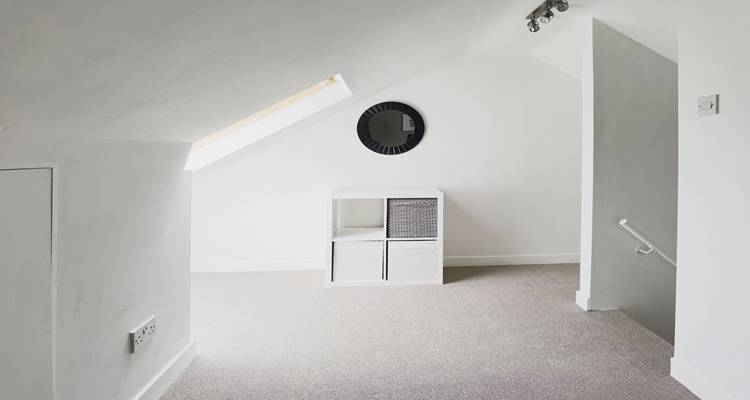
As for space usage, a simple roof light conversion has the least impact here, whereas a bedroom loft conversion will have a more significant impact, with a Velux loft office conversion landing somewhere in the middle.
When it comes to fittings and finishing, a Velux loft bedroom and Velux loft conversion with an en-suite will generally require more than, say, an office space or a simpler roof light conversion.
Alternative Types of Loft Conversion
Naturally, there exists a wide range of loft conversion options on the market, and it's worth comparing these alternatives with a Velux loft conversion before committing to a given option. Here are some other types of loft conversions:
Dormer Loft Conversions
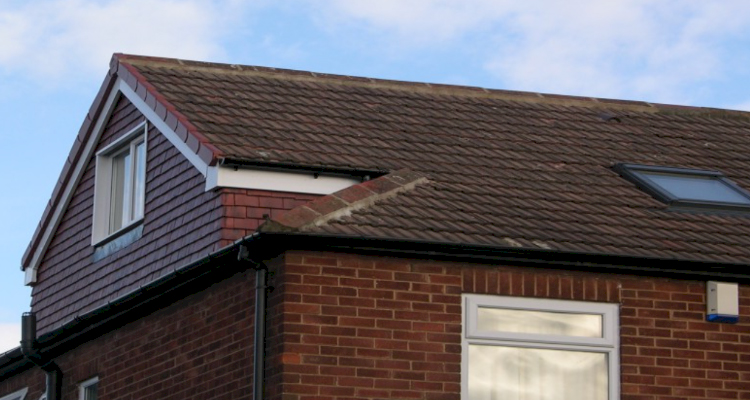
A dormer loft conversion adds a boxier upright structure, introducing a windowed structure to a sloping or pitched roof featuring its own flat roof, in contrast to its pitched counterpart mentioned below.
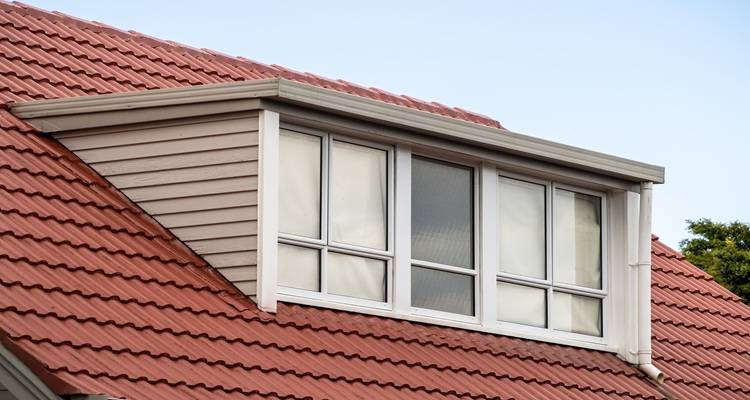
The average price range for a dormer loft conversion is £35,000 to £60,000. Dormer loft conversions are also relatively complex and disruptive, though on the plus side, they introduce additional floor space. Whether or not planning approval will be required will depend on a range of factors, including the size and design of the dormer.
Pitched Dormer Loft Conversions
A pitched dormer loft conversion also introduces a boxier upright structure with a windowed structure, though the dormer comes with a pitched roof in this case.
Similarly, the price range is around £30,000 to £50,000. And again, while relatively complex and disruptive, it introduces additional floor space. Planning approval may or may not be required depending on the specifics of the project in question.
Hip-to-Gable Loft Conversion
This type of loft conversion features straightening a household's sloped roof while simultaneously extending the roofline to create a vertical gable wall. The price range usually lands between £40,000 and £65,000.
A hip-to-gable loft conversion can add around 20 square metres in additional flooring, though it is, as you'd imagine, a relatively disruptive option. Planning approval may or may not be required, though it usually falls under permitted development.
Mansard Loft Conversions
Lastly, a mansard loft conversion costs around £55,000 to £80,000, making it one of the more expensive and premium options.
A mansard loft conversion, generally added to the rear of a household, is, as with many loft conversions, designed to add additional space. It is generally constructed with a central flat roof. As for planning approval, mansard loft conversions generally do need planning approval because of the substantial alterations they generally make to the property's appearance.
Hiring Contractors Checklist for a Velux Loft Conversion
When hiring labourers for a Velux loft conversion, there is a range of criteria to keep in mind. This includes checking the contractor's experience with loft conversion and roof window installation, asking for examples of previous work, confirming insurance cover, and checking whether drawings, calculations and building control coordination are included in the quote.
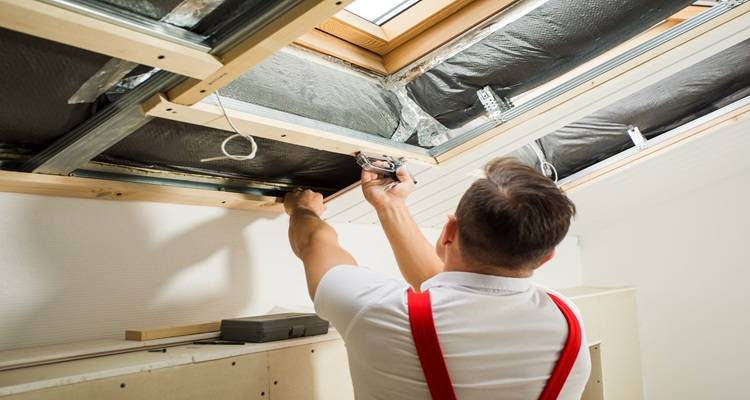
Beyond that, it's important to compare quotes carefully when considering who to hire, check what is included and excluded, confirm timescales, ask which professionals will manage each stage of the install, and ensure there is a clear payment schedule.
It's wise not to opt for a contractor simply based on a low price, as missing items in the quote can lead to higher costs later.
Removing a Velux Loft Conversion
If you need a Velux loft conversion removed, this section is for you. Whether you need a Velux loft conversion removed, replaced or fixed, you'll want to consider the work involved and potential costs.
This may be required because of roof leaks around the windows, poor workmanship, structural issues, insulation failure, or the need for major refurbishment work.
Common costs to consider include:
- Removing Defective Work — £100s to £1,000s.
- Disposing of Waste — £300 to £1,200.
- Replacing Roof Windows — £1,000 to £3,500.
- Reinstating Insulation — £100s.
- Internal Finishes — £100s to £1,000s.
You should note that fixing, replacing or removal work can become expensive where access is difficult or where roof coverings need to be matched.
FAQs
Is Planning Permission Needed for a Velux Loft Conversion?
Planning permission is usually not required for a Velux loft conversion. Exceptions may include if you live in a listed building or a conservation area. You should contact your local council to verify whether or not you need planning permission.
Does a Velux Loft Conversion Add Value to Your Property?
Yes, creating the additional living space in your property could add to its value. If nothing else, when you are planning to sell the property, the converted space will be a big benefit that could help the sale.
Is a Velux Loft Conversion Worth the Budget Compared to Other Loft Conversion Types?
Arguably, yes. A Velux loft conversion is relatively affordable while offering the capacity to let in plenty of natural light, as well as coming with flexible design options.