Builders
 Carpenters
 Electricians
 Flooring Specialists
 Gardeners
 Handymen
 Heating Engineers
 Painters & Decorators
 Plasterers & Renderers
 Plumbers
 Roofers
 Tilers
 my
myHouse Rewire Cost in Edinburgh
At a Glance
- The average cost of a house rewiring in Edinburgh is around £5,500.
- Depending on the complexity of the job, it usually takes between 5 and 7 days.
- A full breakdown of full and partial rewiring costs in Edinburgh, depending on property size and type.
- How long different types of rewiring jobs usually take.
- How MyJobQuote can help you find and hire local Edinburgh electricians for your job.
Get free estimates
Are you a trade? Get more work today!
The cost of rewiring a house in Edinburgh will vary depending on factors such as the size of the property, its age, accessibility, and the level of upgrade required.
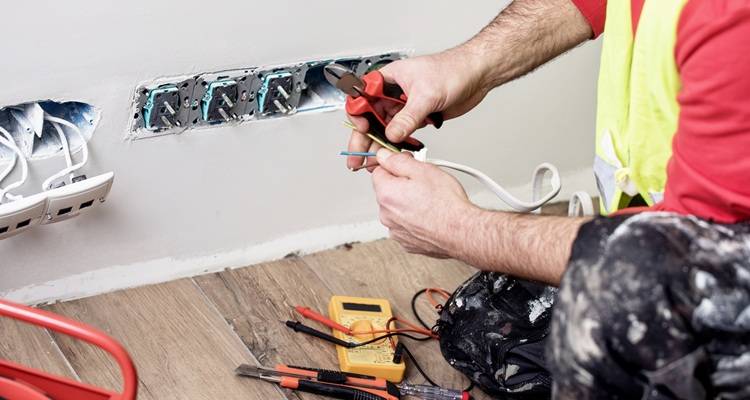
A house rewire involves removing all or part of the existing electrical wiring, sockets, switches and fuse box and replacing them with new components. The new installation must meet modern safety standards. Rewiring is a common practice in older properties which have frayed cabling, outdated fuse boards or non-compliant wiring.
Edinburgh's housing stock is largely made up of period properties, including four-storey tenement flats with wiring that predates modern standards. Likewise, the New Town's Georgian properties are large, expensive, and frequently have wiring that hasn't been updated in decades.
These property types pose unique challenges for rewiring projects. In tenements, shared closes and infrastructure present access difficulties, while homes with listed interiors mean more care is needed around chasing walls and making good.
With that in mind, here's a full breakdown of the cost of rewiring a house in Edinburgh.
£5,500
Table of Contents
- Average Cost of a House Rewire in Edinburgh
- Full vs Partial House Rewire Costs
- Factors Affecting the Cost of House Rewiring in Edinburgh
- Additional Costs of Electrical Rewiring in Edinburgh
- Electrical Safety & Building Regulations: A Must for Your Edinburgh Home
- Signs Your Home May Need Rewiring
- Hiring Edinburgh Electricians with MyJobQuote
Average Cost of a House Rewire in Edinburgh
On average, rewiring a house in Edinburgh costs between £3,200 and £10,500. This varies according to the size of the property. For example, a 2-bedroom flat costs around £4,500, while a 4-bedroom detached house costs around £8,500 to rewire.
These prices are very similar to the cost of rewiring a house in Glasgow, and the cost of rewiring a house in Scotland is considerably lower than comparable jobs in London.
What is your biggest concern with rewiring a house?
Overall cost and unexpected extras
14 votes - 47%47% of votes
Safety concerns and electrical hazards
4 votes - 13%13% of votes
Disruption and lack of electricity during the job
7 votes - 23%23% of votes
Finding a reliable electrician
5 votes - 17%17% of votes

30 votes
See results
Hide results
House Rewiring in Edinburgh Prices
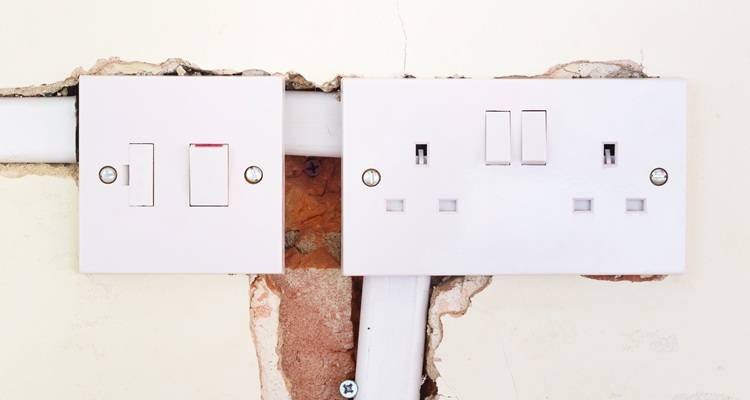
Below is a table showing typical costs and timescales for different types of rewiring projects. The length of time it takes to rewire a house in Edinburgh can vary depending on its size and age, accessibility, and the overall complexity of the job. If the electrician has to lift floorboards, chase stone walls, or install additional switches and sockets, timescales will be at the higher end.
| Property Size | Average Cost to Rewire | Typical Timescale |
|---|---|---|
| 1-bed flat | £3,200 | 2 to 3 days |
| 2-bed flat / maisonette | £4,500 | 3 to 4 days |
| 3-bed flat | £5,500 | 4 to 5 days |
| Bungalow | £5,000 | 3 to 5 days |
| 1-bed house | £4,000 | 2 to 3 days |
| 2-bed house | £4,500 | 3 to 4 days |
| 3-bed house | £6,500 | 4 to 5 days |
| 4-bed house | £8,500 | 5 to 7 days |
| 5-bed house | £10,500 | 6 to 8 days |
Want a custom price?
Post your job
Rewiring in listed properties can also take longer as the homeowner may have to apply for listed building consent if the work will impact the building's character, which can delay the process.
If you're looking for a more accurate price for your specific job, our house rewire cost calculator can provide a free, personalised estimate instantly.
Full vs Partial House Rewire Costs
Sometimes a full rewire is not needed, and if this is the case, the cost will be lower. To help you decide, it's helpful to know the difference between a partial and a full rewire.
Full rewires involve the replacement of all the electrical wiring, sockets, switches and the consumer unit and ensuring the system meets current safety standards. A partial rewire is when a specific room, circuit or area of a property needs to be replaced.
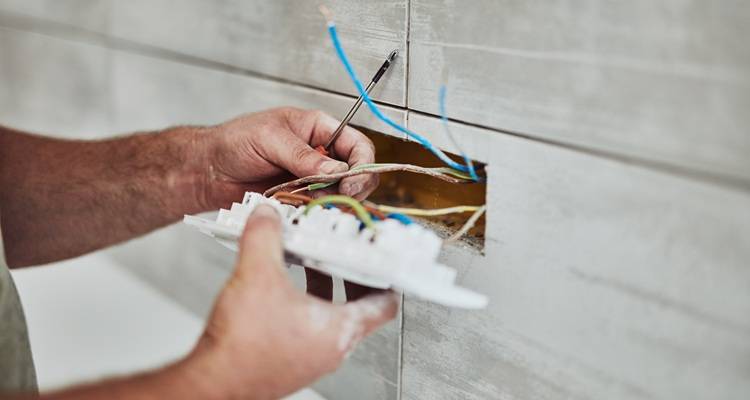
If there is only one room or area where the wiring is outdated, this is often suitable for a partial rewire. In most cases, however, where the property is old and the wiring dated, a full rewire is recommended for safety and compliance.
Costs range from around £300 to £1,500 for partial rewiring, with the lower end reflecting simple rooms and the higher more expansive work such as installing new circuits for a garage conversion, home extension, or a kitchen renovation.
Ask a Trade
Got a question that only a tradesperson can answer? We have thousands of trades ready to answer any question you may have.
Ask your question

Factors Affecting the Cost of House Rewiring in Edinburgh
Several factors affect how much a house rewire costs in Edinburgh. The complexity of the rewiring job, and whether you require a full rewire project or just a partial rewire, will significantly affect the final price.
Property Size
The size of the house or flat, including the number of rooms, directly influences the cost of a house rewire in Edinburgh. A large 4-bedroom house costs more than a 2-bedroom flat due to the obvious difference in size and amount of wiring. Larger homes usually have more circuits and may require longer cable runs.
Age of the Property
Older properties are most likely to have outdated wiring, but many of these homes have stone walls or crumbling plaster which is more difficult to work with than modern stud walls in good condition.
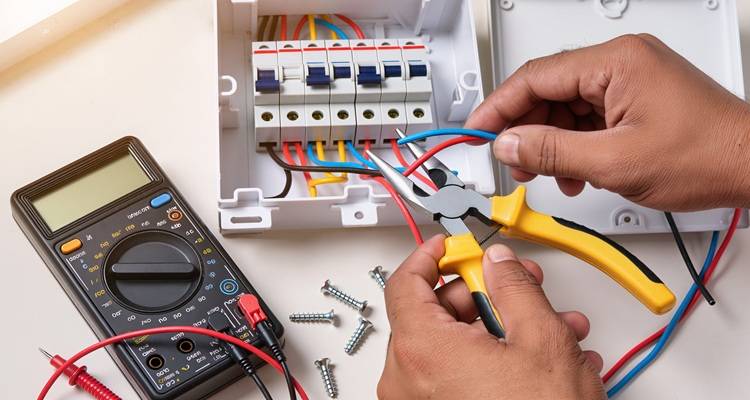
Old wiring can pose significant safety risks, such as electrical fires or shocks, making it crucial to assess the home's wiring before starting a rewire. These issues and others associated with aged houses can increase the cost of a rewire.
Occupied vs Empty Home
Completing a house rewire in an occupied property is more complex than in an empty home. With the need to work around furniture and flooring, electricians charge more to rewire occupied properties as it usually takes longer than empty ones.
Accessibility Issues
Edinburgh has a lot of older properties, such as tenement flats, listed buildings, and stone-walled homes. This makes rewiring more labour-intensive and will therefore affect the cost.

Level of Finish Required
A house rewire cost in Edinburgh will reflect the level of equipment to be fitted. Standard wiring, sockets and switches cost less than specialised circuits or wiring for an EV charger.
The installation or replacement of light fittings and light fixtures is also typically included in a rewire, as these components are updated alongside sockets and switches to ensure both functionality and improved aesthetics. However, relocating them or choosing premium ceiling roses and switches will increase the overall cost.
Additional Costs of Electrical Rewiring in Edinburgh
There are several additional costs to consider when undertaking a house rewire. These include:
- Upgraded switches and sockets (basic ones are usually included in the base price).
- Consumer unit upgrade (also usually included in the base price for full rewires, but may incur additional costs for partial rewires).
- Installing smart home technology such as smart lighting, often done following rewiring.
- Electrical certificates, such as an Electrical Installation Certificate (EIC), although this may be factored into the base price.
- Remedial works following rewiring, including plastering and decorating.
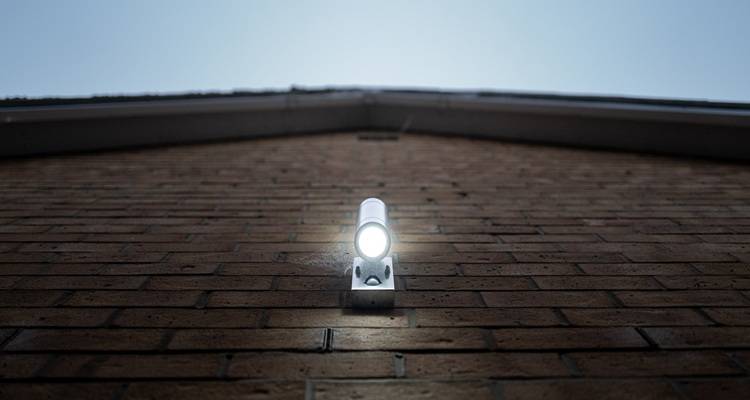
- Additional work such as installing smoke alarms, outdoor lighting, or CCTV will cost more, but many homeowners prefer to get these jobs done while the electrician is already on-site.
- Parking permits for tradesmen where needed.
The exact nature of the work, whether a full or partial rewire, can often result in other unexpected costs. Homes built or renovated before 2000 may contain asbestos, but an HSE-licensed contractor isn't always needed.
High-risk work like sprayed coatings or pipe lagging must go to an HSE-licensed contractor, which adds significantly to the cost. However, most rewiring only creates minor disturbances such as drilling a textured coating for a fitting or cutting a small area for a smoke alarm. This counts as non-licensed work, and although it still needs a properly trained contractor, it's a smaller and cheaper job.
However, upgrading your wiring ensures compliance with current electrical safety standards and provides you with the certificate that proves it.
Electrical Safety & Building Regulations: A Must for Your Edinburgh Home
Electrical safety is at the very heart of any house rewire, and that's especially the case when you've got a mix of old and new properties as you do in Edinburgh. The rewiring process essentially involves getting rid of any electrical systems that could cause harm, whether that's flickering lights, damaged wiring, or a genuine fire risk.
Before any work starts, an electrician will carry out an Electrical Installation Condition Report (EICR), essentially a full health check for your wiring. This assessment tells you whether you need a major rewire or just a tidy-up to bring your home up to modern safety standards.
Electrical work falls under the Building (Scotland) Regulations 2004, which means the following:
- Work Must Meet Building Standards — The work must be inspected and tested by someone with relevant knowledge and experience, and a BS 7671 electrical installation certificate issued.
- Non-Compliant Work Can Cost You — You could face fines, legal issues, or an invalidated home insurance policy.
- Certain Rewiring Work Needs a Building Warrant — Rewiring a flat requires a building warrant before work begins and it's the homeowner's responsibility to obtain one. For houses of up to two storeys, this is not needed.
Rewiring isn't just about safety compliance. It's also a great chance to modernise your home into the 21st century with improved energy efficiency, LED lighting, smart home tech, or simply more sockets to safely plug in your devices.
If you're unsure about the state of your wiring, get an EICR done and act on its recommendations to keep your home safe and compliant.
Signs Your Home May Need Rewiring
There are often warning signs that your home may need rewiring.
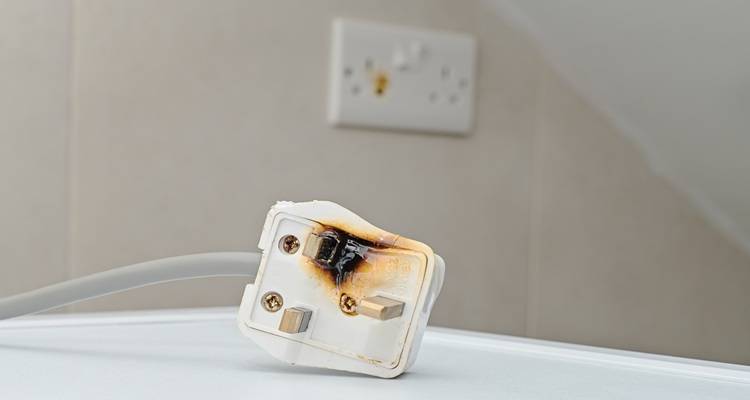
- Frequent tripping
- Buzzing sockets
- Burn marks
- No earthing
- Obviously damaged wiring
- Cloth or rubber-coated cables
You may see one or more of these warning signs. For safety, you should contact a qualified electrician to get an assessment of your wiring as soon as possible.
Hiring Edinburgh Electricians with MyJobQuote
Whoever you choose to hire, ensure they will provide you with a BS 7671 electrical installation certificate when the work is completed.

To ensure you find a local electrician in Edinburgh, post your job now on MyJobQuote and connect with electricians in your area.
By obtaining at least three quotes, you will be able to compare prices and find a local electrician offering home rewiring in Edinburgh who is a good match for your needs.