Builders
 Carpenters
 Electricians
 Flooring Specialists
 Gardeners
 Handymen
 Heating Engineers
 Painters & Decorators
 Plasterers & Renderers
 Plumbers
 Roofers
 Tilers
 my
myOutdoor Lighting Installation Cost
At a Glance
- The average cost to install outdoor lighting is around £200.
- The job will take approximately 1 to 3 hours to complete.
- Outdoor light installation costs for popular external lighting projects.
- How long the job should take and what's involved.
- How to find and hire a local electrician using MyJobQuote.
Get free estimates
Are you a trade? Get more work today!
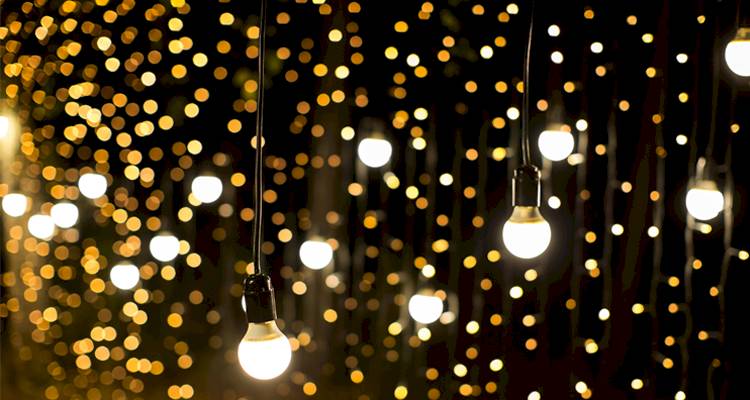
£200
Table of Contents
- How Much to Install Outdoor Lights?
- Supply Cost of Outdoor Lighting Installations
- Labour Cost to Install Outdoor Lights & Timescales
- Additional Costs to Budget For
- Factors That Impact Outdoor Lighting Installer Costs
- What's Involved in Fitting Outdoor Lighting?
- Can I Install Outdoor Lights Myself?
- Building Regulations & Planning Permission for Outdoor Lighting
- Types of Outdoor Lighting
- Benefits of Outdoor Light Installations
- Checklist: Outdoor Lighting Installation in the UK
- FAQs
How Much to Install Outdoor Lights?
Installing outdoor lighting can help improve the security of your home, make it safer, and improve the overall look of your home.
So, how much does outdoor lighting cost?
The average cost for installing outdoor lighting can vary depending on the type of lighting you opt for. For example, you can get floodlights installed for around £80 to £180, or you can get motion lights installed for around £90 to £500. Some more expensive options, such as landscape lights, could cost £1,000+.
To give you some idea of the cost to fit outdoor lights to a typical home, you're looking at a price of around £200.
Several factors can affect the overall cost, including the type of lights that are being installed, the number of lights required, the location of your property, and the labour cost of installing outdoor lights.
If you're also thinking about adding an outdoor socket, it can be worth doing it at the same time while the electrician is already there.
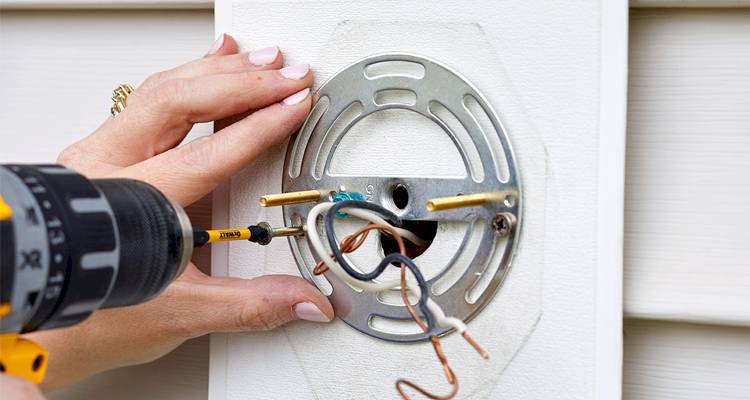
Outdoor Light Installation Prices
Below is a list of the estimated costs involved with installing different types of outdoor lighting. This includes all of the costs involved, such as the labour costs and the material costs.
| Type of Lighting | Average Cost |
|---|---|
| Low-voltage outdoor lighting | £120–£200 |
| 1 outdoor 30-watt security light | £120–£180 |
| Floodlights | £80–£180 |
| Landscape lights | £80–£1,100 |
| Spotlights | £80–£500 |
| Rope lights | £100–£300 |
| Patio lighting | £150–£450 |
Want a custom price?
Post your job
I want to replace my outside light from an old style light to something a bit brighter. I was looking at an LED sealed unit but don't want to have to change it again in the near future. Are these any good? Where can I get a good one or alternatively the best spot light outside light with replaceable bulbs?
"If you're looking for something to light up an area, an LED floodlight would be ideal, you should get 15,000 hours plus out of a unit, if you're looking for something more decorative, up/down lights with an LED lamp in are popular, but won't light up a large area."
Supply Cost of Outdoor Lighting Installations
If you're planning to install the lights as a DIY project without the help of a professional, you may be able to save quite a bit of money. However, you'll need to factor in the material costs. The table below shows average supply costs for the most common types of outdoor lighting, including rope lights and patio lighting.
| Type of Supplies | Average Cost |
|---|---|
| Motion sensor | £10–£50 |
| Floodlights | £10–£80 |
| Landscape lights | £2–£1,000 |
| Spotlights | £15–£400 |
| Rope lights | £10–£100 |
| Patio lighting | £20–£200 |
Want a custom price?
Post your job
Labour Cost to Install Outdoor Lights & Timescales
So, what is the labour cost to fit an outdoor light?
Most outdoor light installation jobs can be completed within 1 to 2 hours.
With typical rates of between £30 and £60 per hour, the average cost to hire an electrician is around £200 to £400 per day in the UK, with that rising to around £300 to £500 per day for London and the South East.
Most electricians will charge half a day's work at a minimum, so you can expect the labour costs to be around £100 to £200 for installing outdoor lights.
The labour costs will depend mostly upon the level of work that needs to be done, and your location in the UK. As you can see from the figures above, those in and around London can expect to pay more for labour due to increased demand and a higher cost of living.
Ask a Trade
Got a question that only a tradesperson can answer? We have thousands of trades ready to answer any question you may have.
Ask your question

Additional Costs to Budget For
Outdoor lighting is often a fairly quick job. That said, the price can creep up depending on what's involved. These are the most common extras to watch for when comparing quotes.
- New external wiring or power spur — £60 to £180 extra. If there's no existing outdoor power supply where the lights will sit, the electrician will need to run a new feed from inside the property. This typically adds 1 to 3 hours of labour.
- PIR or dusk-to-dawn sensor — £10 to £50. Adds automatic control so the light activates with movement or at dusk. A straightforward and cost-effective upgrade at the time of installation.
- Upgraded controls (timer, dimmer, or smart switch) — £60 to £100. Gives better day-to-day control from indoors, going beyond a basic on/off setup.
- Smart lighting upgrade — £50 to £150. App or voice control via a smart bulb or hub setup. Costs more upfront but can reduce running costs if it replaces lights that would otherwise be left on.
- Outdoor socket added at the same time — £85 to £200. Useful for garden tools, Christmas lights, or pressure washing. Often cheaper to fit at the same time as the lighting, while the electrician is already on-site.
- Trenching or burying cable for garden or path lights — £150 to £220 for mini-digger hire, plus extra labour. Required when cables need to run underground to reach decking, borders, paths, or driveway lighting.
- Access equipment — £65 to £120 per week. An access tower may be needed if lights are positioned high up or in an awkward location.
- Waste removal — £60 to £130. If slabs are being lifted, old fittings removed, or more waste generated than a standard tidy-up covers, a small skip may be required.
Factors That Impact Outdoor Lighting Installer Costs
There are several things that can affect the overall cost of having outdoor lights installed. Let's take a look:
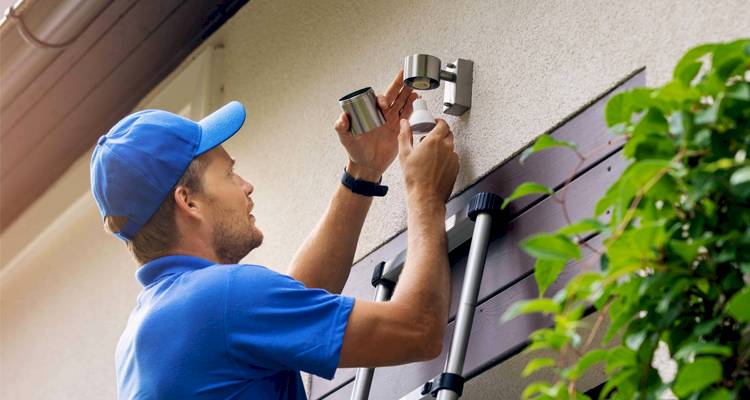
Type of Light
One of the main things that will affect the cost is the type of light you choose and the number of lights you would like to have installed.
For example, if you are working with a low-budget option, you may want to opt for landscape lights, as these can cost as little as £2 each for the light alone. However, some more luxurious options could cost over £1,000, just for the supplies.
Another example of very affordable lights is floodlights. These tend to cost around £4 to £80 each. Spotlights can also be quite affordable. These tend to cost around £8 to £400 each.
Ease of Access
The positioning of your lights may affect the overall cost due to the ease of access.
Depending on where you would like the lights to go, the job may take a longer or shorter amount of time. This can affect the cost of labour charges, as you will pay the electrician for the time it takes to complete the installation.
Location
The location of your property can also affect the overall cost of the job.
Those based in London can expect to pay more for the labour part of the job, as contractors in that area tend to charge higher prices due to a higher cost of living and increased demand. It's normal to see slightly lower daily rates the further away you are from large cities, with prices in the north of the UK being lower than in the south.
Number of Lights
The more lights you want installed, the higher the overall cost will be. Each additional fitting adds to both the materials and the labour time required. If you're installing several lights at once, it can work out cheaper per unit than having them fitted separately, as the electrician is already on-site and set up.
Distance from the Property
Lights positioned far from the house will need longer cable runs to reach the power supply. The further the cable needs to travel, the more materials are required and the longer the job takes. For garden or driveway lighting at the far end of a large plot, this can add a noticeable amount to the final bill.
Existing Electrics
If you already have an outdoor power supply in the right location, installation is relatively straightforward. If not, the electrician will need to run a new spur or feed from inside the property, which adds both time and cost. Properties with older wiring may also need remedial work before outdoor lighting can be added safely.
Smart Features and Controls
Adding smart controls, such as app-based switching, voice integration, or programmable timers, will increase the overall price. The hardware itself costs more than a standard fitting, and the setup and wiring can take longer. That said, smart lighting can reduce running costs over time, particularly if it replaces lights that would otherwise be left on unnecessarily.
I'd like some permanent outdoor lighting for my garden and decking (not solar or battery as they're too unreliable). What's the easiest way to hook lights and wiring up to the mains safely?
"The easiest and safest way to install mains powered external lighting is to call a qualified electrician who is a member of a competent persons scheme. Ask them to quote for the work you require and instruct them to complete the work if you’re happy with their quote."
What's Involved in Fitting Outdoor Lighting?
Installing an outdoor light may seem like a simple DIY task, but with electrical wiring, weatherproofing, working at heights, and drilling into external walls, you need to know what you're doing.
This is why most homeowners choose to hire a professional electrician to make sure their external lighting is installed and working properly.
With MyJobQuote, it's easy to get fast, free, no-obligation quotes from local electricians near you, so you can find the best price and the right professional for your outdoor lighting installation.
Once you've hired your electrician, here's an overview of the process for installing your new outdoor lights:
Before the Job Starts
- Initial Assessment — Your contractor inspects the site of your new outdoor light and your existing electrics to determine if new cabling is required, and what drilling or other preparatory work will be needed.
- Measuring & Selecting Fixing Points — To ensure your lighting covers all the areas you want illuminated, the electrician will measure up and determine the precise fixing points.
- Planning the Wiring — Once the lighting location is confirmed, they'll plan the best way to install the new wiring so it's both safe and neat once everything is in place.
During the Job
- Drilling & Preparing the Wall — If required, protective conduit is secured to the wall, and a hole is drilled through the external wall to connect the wiring internally.
- Connecting the Wiring — With the power off, the wiring is fed through the conduit or secured along the exterior wall, then connected inside the light fitting before the other end is passed through the wall to connect to the electrical supply.
- Fitting & Sealing the Light — The light is securely fitted in the correct position and sealed to ensure it is fully weatherproof.
- Installing Switches or Sensors — If an indoor switch or additional accessories such as motion or light sensors are needed, the electrician will install and connect these.
After the Job
- Testing the Installation — Once everything is connected, the power is turned back on and the electrician will check that the light, switches, and any sensors are all working correctly and safely.
- Final Safety Checks — After completing their safety checks, the electrician will provide you with a BS 7671 electrical installation certificate for the work, and if the job had to be notified to building control, a Building Regulations compliance certificate will follow.
I had an outdoor light fitted in 2017 and it no longer works. The light has a sensor below, and a small white box at the top. Does it have a battery that needs changing?
"Unfortunately, it looks like the fitting has failed. Outdoor lights tend to have a shorter shelf life in comparison to internal lights due to the extremities of good old British weather. It could be the sensor of any of the components inside. The little white box is a connection box, there won't be a battery installed. Unfortunately, you will need to call out an electrician to safely isolate and replace."
Can I Install Outdoor Lights Myself?

If you're trying to save money, it's tempting to DIY outdoor lights. But this is one of those jobs where "nearly right" can still be dangerous.
- Only DIY if You're Genuinely Comfortable with Electrics — Outdoor wiring is less forgiving than indoor jobs because you're dealing with weather, damp, and cables running outside.
- If You Wouldn't Fit an Indoor Light Confidently, Don't Start Outside — If you're not happy installing internal light fittings and fixtures, external lighting will feel like hard mode (and mistakes can lead to shocks or fire risk).
- The Saving Is Usually Labour Only — Doing it yourself might save around £75 to £100 in labour costs, but you still need the right kit. And you can easily lose that saving if something needs redoing.
- A Safer Halfway Option Is Doing the "Prep" Work — You can mark out positions, clear access, and drill holes for fittings (where appropriate) so the electrician is on-site for less time.
- Outdoor Lights Need to Be Installed in the Right Way for the Conditions — That means correct cable routing, weatherproof connections, and fittings that are suitable for outdoor use (not just "it looks fine").
- Building Regs Still Count — If you DIY it and the work still needs notifying, you have to give building control a building notice before you start, as you cannot self-certify.
I have a light in my garden which features a motion sensor to activate it. However, recently, it will turn on and stay on the rest of the night inexplicably. How do I fix it?
"I suspect that the P.I.R. (motion sensor) has been put into floodlight operation, this is usually done by quickly flicking the switch a couple of times. My advice is to turn it off and leave it off for about 5 minutes, and then turn it back on. You might find the light stays on for longer than usual on start-up whilst it sets up, but after that, it should have returned to the normal setting."
Building Regulations & Planning Permission for Outdoor Lighting
If you plan on getting lights fitted to the outside of your home, ordinary outdoor lighting does not need planning permission. However, you will need to follow the building regulations.
Here are the main points:
- If you live in a listed building, you will need listed building consent from your local planning authority before installing outdoor lighting.
- Building regs still apply to the electrical work. Outdoor wiring needs to be installed and tested properly because it's exposed to weather and moisture.
- If you are running a new circuit for outdoor lights, it needs notifying to building control in England, and Wales also requires it for garden lighting and anything that crosses the garden. Your electrician can self-certify the work if they are on a competent person scheme, or notify building control on your behalf before the job begins.
- Choose modern, efficient fittings (LED is the norm now) and avoid old-style "always on" setups that waste power.
- Dusk-to-dawn sensors, PIR motion sensors, timers, or a smart switch can make the lighting safer, cheaper to run, and less annoying for you (and the neighbours).
Unsure what's allowed (or just want it done properly)? Reach out to a local electrician. They'll be able to advise on the safest setup and fit it in a way that's compliant.
Types of Outdoor Lighting
There are several different types of outdoor lights that you can choose from.
To help you decide which outdoor lights are right for you, we have created the following list with information about each type and the pros and cons of each:
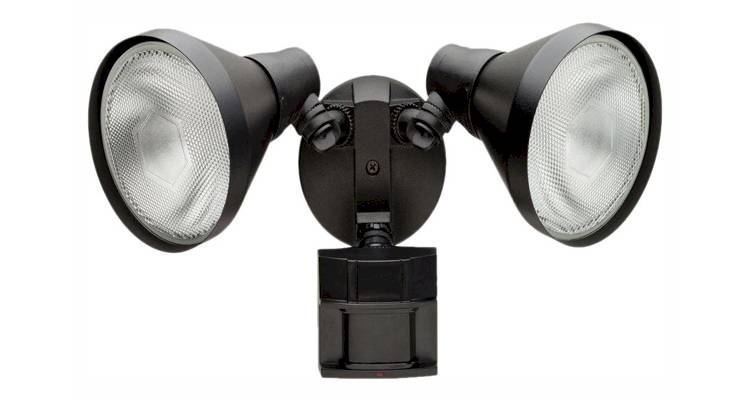
Motion Sensor Security Light Cost
Most properties in the UK opt for motion sensor security lights as they only operate when there's movement nearby. The average cost of installing security lights with motion sensors is around £10 to £50 each, although this can vary depending on the style.
Motion sensor lights are great for reducing your energy bills as they only come on when they need to. However, the only problem with motion sensor lights is that they are hard to control, as they can sometimes come on when it's not needed, for example, if a neighbour walks by your home or if leaves are blowing around.
Pros
- ✔ Low price
- ✔ Energy efficient
- ✔ Provide adequate lighting
- ✔ Come on automatically
Cons
- ✖ Hard to control.
- ✖ Not great if you need lighting for long periods.
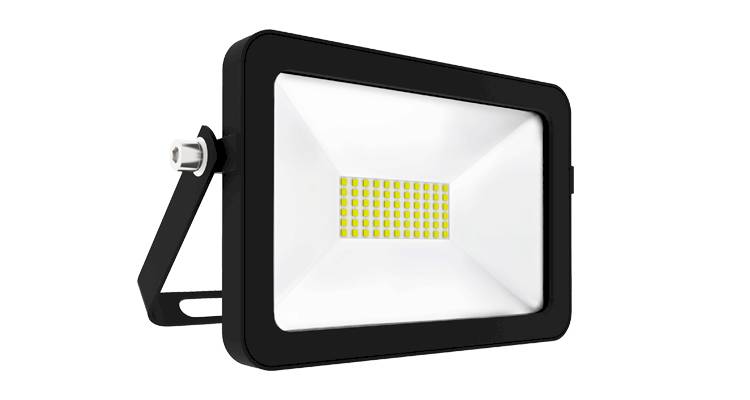
Floodlight Cost
Floodlights are another very popular type of outdoor lighting. These lights give a high-intensity, broad beam of light. The average cost for floodlights is around £4 to £80 per light. However, this will depend on the size and style of the light.
Floodlights are great because they are very long-lasting, especially when they have LED bulbs. Their wide beam makes them a good choice for covering large areas, with around 2,000 lumens being more than adequate for most home security needs.
Pros
- ✔ Low priced
- ✔ High intensity
- ✔ Long-lasting
- ✔ Weatherproof
- ✔ Reduced risk of fire or electrical incidents
Cons
- ✖ Too many lumens can light up the street as well as your property.
- ✖ Multiple lights can cost a lot.
Landscape Security Lights Cost
Landscape security lights come in different styles, such as pathway lights, LED ground lights, and decking lights. The price you pay for these lights will depend on the style you choose, and they can range from £2 to £1,000+. A benefit of these lights is that they really light up the outside of your property, making it much more secure and safe.
The downside of these lights is that they can be difficult to install and may increase your electricity bills by quite a lot as there tend to be many lights installed, and they are usually on for long periods.
Pros
- ✔ Many styles available.
- ✔ Provide a lot of lighting.
- ✔ Increase security and safety of your home.
- ✔ Many styles are aesthetically pleasing.
Cons
- ✖ They can be difficult to install.
- ✖ They can be expensive to buy.
- ✖ They can be expensive to run.
Spotlight Cost
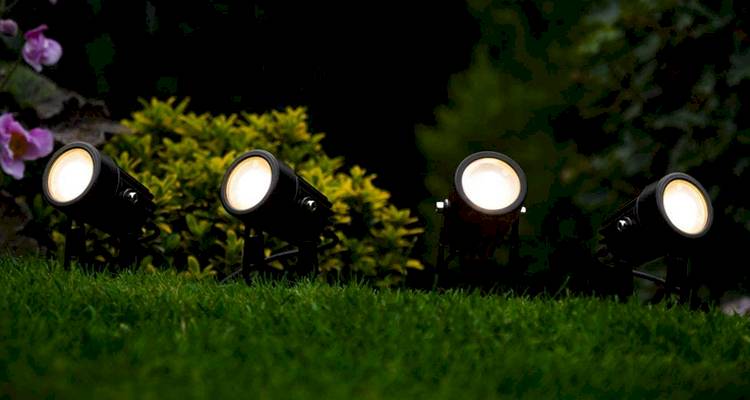
Security spotlights are narrow beams of intense lights that are usually installed along walkways or exterior walls. These lights tend to cost around £8 to £400 for the materials.
You could even have spotlights installed in the soffits under your roof eaves. Getting soffit lighting installed can be a bit more expensive, around £200 for a modest installation.
The main advantage of these lights is that they are very long-lasting and durable. The only problem with these is that many of them use regular bulbs, which can be prone to blowing, so you may want to pay extra for LED bulbs.
Pros
- ✔ Provide a lot of light
- ✔ Very long-lasting
- ✔ Durable
- ✔ Waterproof
Cons
- ✖ Bulbs can be prone to blowing.
- ✖ May have to pay extra for LED bulbs.
Solar-Powered Security Light Cost
Solar-powered lights are a great option for outdoor lighting as they use power from the sun and don't require any electrical wiring. These lights tend to be very affordable and cost around £1 to £20 per light.
The main advantages of these lights are the fact that they are free to run and very easy to install. Most people can install these lights as an easy DIY job. On the downside, they have a much lower output, so they don't provide much light.
Pros
- ✔ Low prices
- ✔ Easy to install
- ✔ Free to run
Cons
- ✖ Don't provide much light.
- ✖ Must be placed in direct sunlight to work.
Benefits of Outdoor Light Installations
There are many benefits to installing outdoor lighting. Below is a list of the main benefits of installing these types of lights at your property:
Increased Safety
Whether on their own or as part of a complete home security installation, exterior lights with motion sensors are great for deterring potential intruders and alerting residents to what's going on outside the property. Outdoor lights are a great way to increase the safety and security of your home, especially when combined with other security improvements, such as installing CCTV.
Increased Property Value
Installing outdoor lighting can actually increase the value of your home, especially if you opt for a high-tech security light installation. This is due to the fact that potential house buyers are attracted by homes that are safe and secure. The outdoor lighting can make potential buyers more inclined to spend more money on the property.
Aesthetically Pleasing
Many outdoor lights offer an aesthetically pleasing look to the outside of your property. The lights can work to light up your garden and enhance the best features of your property, even when it's dark.
Home Insurance
Outdoor lighting is not on the standard list of security devices that insurers typically offer discounts for, but it is worth asking your insurer whether they take it into account for your property.
My grassed garden is enclosed by sleepers which separate the grass and plant beds. What options do I have for lighting around the border? I have solar lamps, but they are not good in winter.
"You can go for wired lights up and down lights, they would be perfect. But, instead of putting them to shine up and down, put them on their side and have them shining left and right, that looks way better and the price of LED are very cheap and long lasting."
Checklist: Outdoor Lighting Installation in the UK
Consider a few things before hiring contractors to install outdoor lights for you:
- Are they registered with a Competent Person Scheme? Look for an electrician who's registered (for example with NICEIC or NAPIT) so they can self-certify notifiable work and keep everything compliant.
- Will you get the right certificate at the end? You should be given an Electrical Installation Certificate (or Minor Electrical Installation Works Certificate) once the job's done (it's your proof the work's been tested properly).
- Do they have the right outdoor lighting experience? Outdoor electrics are a different beast to indoor jobs. Ask if they've installed garden, security or driveway lighting before. Can they advise on things like weatherproof ratings and safe placement?
- Have they included everything in the quote? Make sure it's clear what you're paying for (e.g. fittings, cabling, sensors or timers, transformers (if needed), and labour). Plus, who's supplying what.
- Will they plan the cable runs correctly? If they're good at what they do, your installer will tell you exactly where cables will go, how they'll be protected, and how they'll avoid hitting drains, pipes, or anything already buried in the garden.
- Do they have public liability insurance and a workmanship guarantee? It's not something you want to find out after the fact. Ask what cover they have, and what they'll do if something stops working a few weeks later.
- Do they tidy up and remove waste afterwards? Check they'll clean up thoroughly, get rid of packaging or rubble, and leave things neat (especially if they're lifting slabs, drilling walls, or trenching in cables).
FAQs
Do I Need an Electrician to Install Outdoor Lights?
If the lights are being wired into the mains, yes. Outdoor electrics are exposed to rain, damp, and cold, so the work needs to be done correctly and to the relevant building regulations. If the work needs notifying, a registered electrician can also self-certify it, which saves you the hassle of notifying building control yourself.
Do Outdoor Lights Need to Be Weatherproof?
Yes. Any fitting used outdoors needs to be rated for exterior use. Check the IP (Ingress Protection) rating on the packaging. A light tucked under an overhang can get away with a lower rating than one that's fully exposed to the elements. Your electrician will be able to advise on the right rating for each position.
How Much Does It Cost to Replace an Outdoor Light?
A like-for-like replacement is usually one of the cheaper electrical jobs, typically around £75 to £150 for labour, depending on the fitting and how accessible it is. If the wiring needs updating at the same time, or the fitting is in an awkward position, expect to pay a little more.
How Much Does Rope Light Installation Cost?
Rope lights themselves typically cost £10 to £100 for the materials, depending on the length and quality. Installation by an electrician usually brings the total to around £100 to £300, depending on how the lights are being powered and how much cable needs to be routed. Plug-in versions are cheaper to fit, while hardwired setups connected to the mains will cost more in labour.
How Much Does Patio Lighting Cost to Install?
Patio lighting costs vary depending on the type and number of fittings. A simple setup with a few wall lights or festoon lights connected to an existing outdoor socket will cost less than a fully wired, multi-zone system. As a rough guide, expect to pay around £150 to £450 fully installed, with more elaborate designs costing more.
How Much Does It Cost to Install a Motion Sensor Light?
The sensor unit itself costs around £10 to £50. When you factor in an electrician's labour, a fully installed motion sensor security light typically costs around £90 to £200 in total. The final price will depend on the location of the fitting and whether any new wiring is required.