Builders
 Carpenters
 Electricians
 Flooring Specialists
 Gardeners
 Handymen
 Heating Engineers
 Painters & Decorators
 Plasterers & Renderers
 Plumbers
 Roofers
 Tilers
 my
myAsk a Trade
Got a question that only a tradesperson can answer? We have thousands of trades ready to answer any question you may have.
Ask your question
In this guide, we will go over everything you need to know about the cost of house rewiring and what the process of rewiring a house involves, as well as the questions to ask when looking for a local qualified electrician.
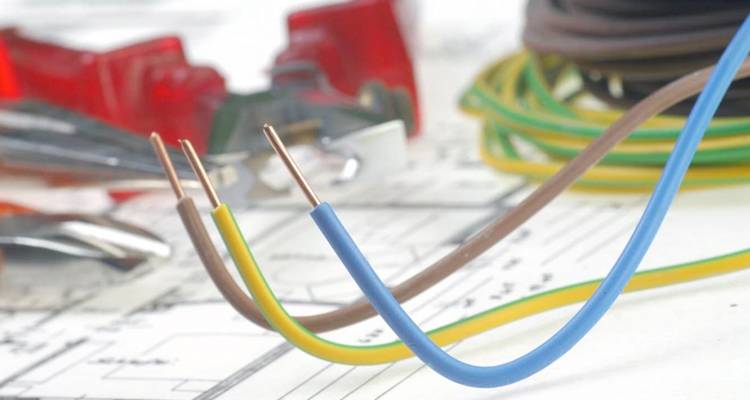
If you are considering rewiring a house, always use a registered electrician as it is a complex and high-risk job, whereby any mistakes can prove costly to repair.
House rewiring is a process whereby a qualified electrician will carry out a full house rewire, including the removal of any old wiring and electrical cables, along with replacing your fuse box with a new consumer unit.
Plug sockets, lighting circuits and light switches are also replaced as part of the electrical rewiring to meet modern safety standards.
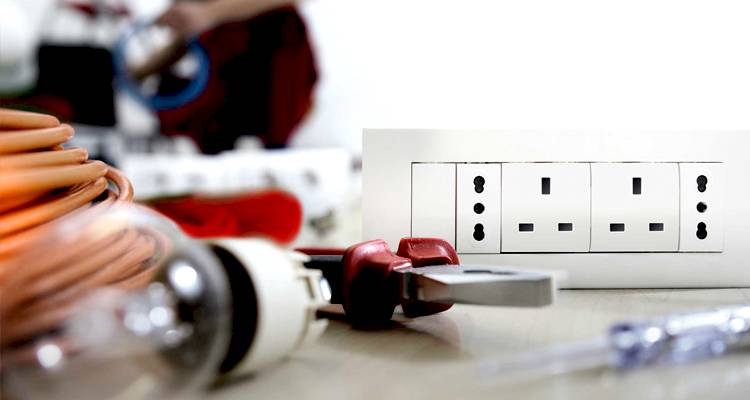
It is also worth noting that rewiring a house involves not only turning off your power supply, but a full rewire can also be quite disruptive to other areas of your home life too. Walls and skirting boards may need to be cut into so that new wiring can be hidden out of sight, and it's also possible floorboards may need to be removed to allow access to electrical cables that run under the floor.
As such, a full house rewire is often carried out as part of a wider refurbishment project, or in an emergency due to warning signs that uncover a significant electrical fault as well as risk of electrical fires.
Rewiring your house makes your electrics much safer and more reliable. It also allows you to add more sockets, lights, and switches as needed.
You can even completely move the location of your sockets and switches, allowing you to customise the room to exactly how you want it.
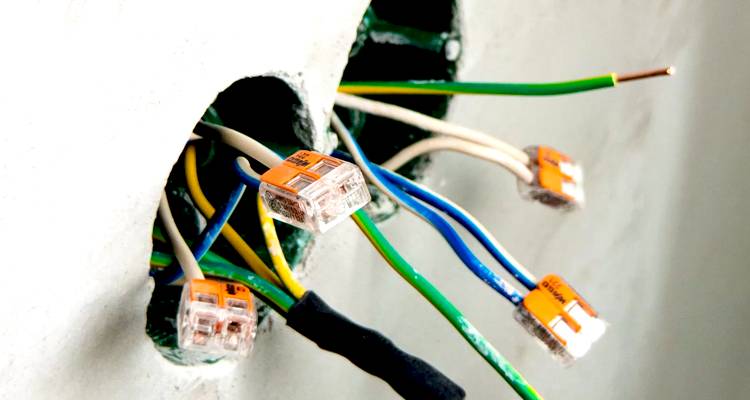
There are several benefits to rewiring a house. Here is a quick look at some of the main benefits:
There comes a time when you may need to replace old wiring around the home due to its age, as the result of a previous electrical fault or down to one of the following warning signs:
In the event you need an urgent second opinion outside of regular working hours, you can call an emergency electrician. However, note that minimum call-out fees and additional charges may be included.
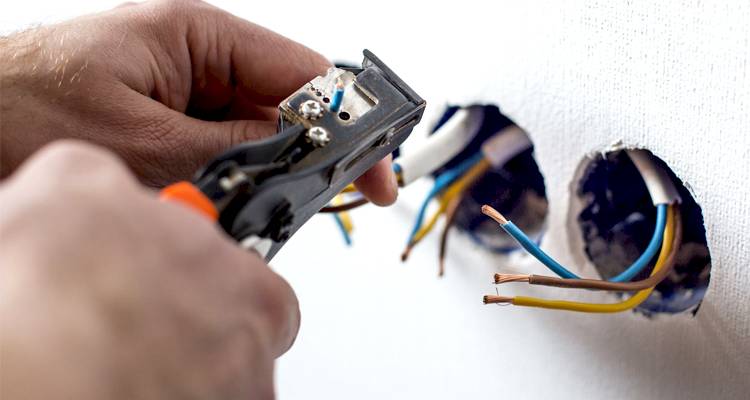
The cost of rewiring a house will depend on several factors, including the size of your home, the location of your property, the type of contractors, the quality of your existing wiring, and the complexity of the rewiring project.
As you can imagine, the cost of rewiring a three-bedroom house is more expensive than the cost of rewiring a two-bed house.
For an accurate quote, it's best to contact a professional who will be able to provide you with a more accurate quote for the work needed on your home.
With MyJobQuote, you can compare multiple quotes from electricians near you, which are fast, free, with no obligation to go ahead.

There are several steps involved in rewiring a house, and unless you are a qualified electrician, it's not something recommended to carry out yourself to try and save on rewiring costs.
Incorrect installations can potentially leave your home unsafe and at risk of causing electric shocks and personal injury, or even electrical fires with devastating consequences. As such, any rewiring project work should be completed by a qualified electrician who is also able to self-certify their work.
With MyJobQuote, you can find local electricians in your area, for a fast and free quote on how much it will cost to rewire your house, with no obligation to go ahead.
Below we take a look at the steps involved with rewiring a house:

Planning permission isn't required for internal electrical rewiring. However, work that alters the external appearance of the property can be an exception, and if you're working on a listed home, you will need listed building consent, so it's always best to check with your local council if you're unsure.
In England and Wales, any electrical installation work on your home must comply with the relevant building regulations. Follow the safety standards in BS 7671 (the wiring regulations) which can be found on the British Standards Institution (BSI) website.
A full house rewire is notifiable work in England and Wales. If your electrician is registered with a competent person scheme, they can sign it off themselves, or you will need to go through building control before the work begins. Scotland and Northern Ireland have different rules, so check before you start.
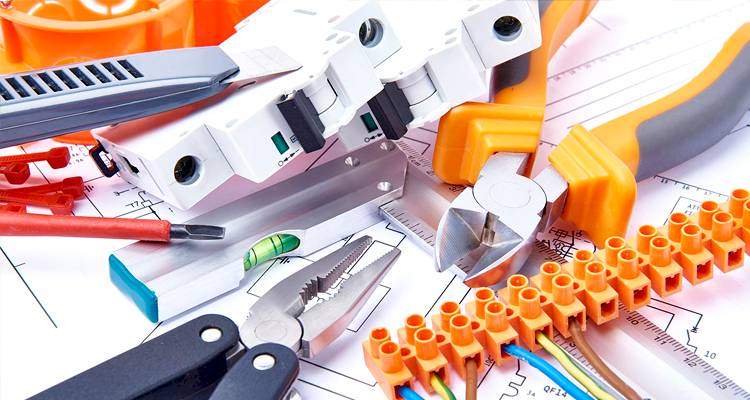
Below is a list of some questions you should ask when hiring a qualified electrician to carry out a full house rewire:

On average, you can expect the work to take around 5 to 9 days to complete, providing there aren't any unexpected issues along the way. This involves removing the old wiring system and a full rewire, installing new plug sockets and light fittings and updating the consumer unit. However, the exact duration can vary depending on the size of the property and level of work involved.
Rewiring a home is a large job that is quite disruptive. The work involves cutting into walls and pulling up the flooring to access underneath the floorboards. It's a lot of work and effort to complete and will likely be quite inconvenient for you while the work is being carried out. There will also be no power to your home during most of the installation.
It is recommended to have your electrics inspected at least every 10 years, or every 5 years in a rented home, because rewiring depends on the condition of your wiring rather than its age. If you are experiencing faults or notice any damage to your system, get them checked straight away.
Yes, over time, deteriorating wiring can become a major fire hazard. If you believe your wiring may be deteriorating, you should call an electrician to complete a survey. This will determine the level of damage and whether any work needs to be done to make your wiring safe.
The best way to find out the type of wiring you have is to have an electrical inspection, which will be completed by a qualified electrician. They will determine the type of wiring you have, the age of your wiring system, and any faults present in your current wiring.
Yes, the electrician will need to work in the loft as part of the job, so you should clear it out as best you can. It's also a good idea to clear away as much furniture as possible in the rest of your home.
Smart home wiring involves upgrading your electrical cables to enable the integration of smart devices into your complete home electrical system. These can include anything from lighting and security networks to home entertainment, white goods and even modern electric showers!







Copyright 2026 MyJobQuote.co.uk. All rights reserved
Privacy Policy | Terms and Conditions | Sitemap
MyJobQuote.co.uk is rated 4.68 stars by reviews.co.uk based on 4172 reviews