Builders
 Carpenters
 Electricians
 Flooring Specialists
 Gardeners
 Handymen
 Heating Engineers
 Painters & Decorators
 Plasterers & Renderers
 Plumbers
 Roofers
 Tilers
 my
myPlug Socket Replacement and Installation Cost
At a Glance
- Replacing a plug socket typically costs around £75, including labour and materials.
- Installing a new socket in a different location costs between £120 and £250.
- The job takes approximately 1 to 2 hours to complete.
- A complete pricing breakdown for installing a new plug socket or replacing an existing socket, including the different socket types available.
- Typical labour costs and how long socket installation or replacement usually takes.
- How to use MyJobQuote to find and hire an electrician to install or replace plug sockets.
Get free estimates
Are you a trade? Get more work today!
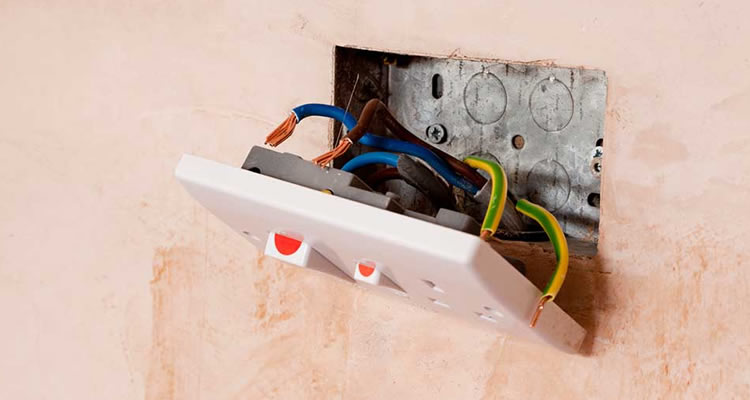
£75
Table of Contents
- How Much Does It Cost to Install or Replace a Plug Socket?
- Additional Costs of Installing Plug Sockets
- Factors That Affect Plug Socket Installation Cost
- What's Involved in a New Plug Socket Installation?
- Types of Plug Sockets and Their Costs
- Where Can I Install a Plug Socket?
- Cost of Removing a Plug Socket
- Hiring Contractors to Install a Plug Socket Checklist
- FAQs
How Much Does It Cost to Install or Replace a Plug Socket?
"Installing" and "replacing" a plug socket aren't always the same job. Replacing an existing socket usually reuses the wiring and back box that are already there, keeping costs down. Adding a socket where there wasn't one before means running new wiring and cutting into the wall, which costs more.
What is your main reason for installing new plug sockets?
Practical need for additional power points
22 votes - 28%28% of votes
Changing the layout of a room
10 votes - 13%13% of votes
Replacing old or faulty plug sockets
30 votes - 38%38% of votes
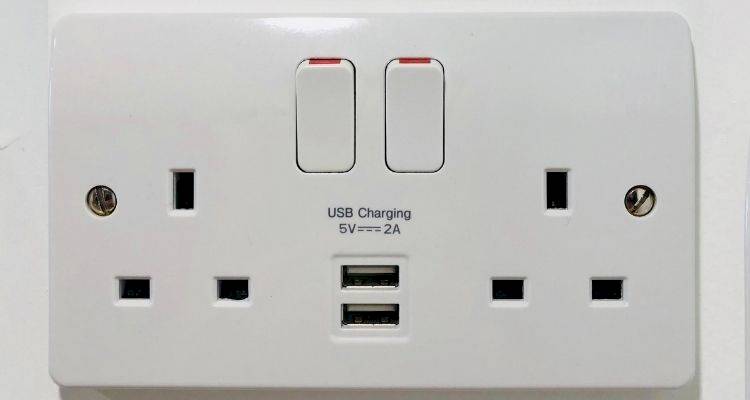
Upgrading sockets (single to double, USB compatible etc)
15 votes - 19%19% of votes
As part of a wider home renovation project
1 votes - 1%1% of votes

78 votes
See results
Hide results
The table below shows the average total cost for each type of job, covering labour and materials. Most jobs take 1 to 2 hours to complete, though a brand new socket location can take longer.
| Job Description | Total Cost |
|---|---|
| Replacing a socket front only | £30–£40 |
| Replacing an existing single or double socket | £65–£85 |
| Upgrading a single socket to a double socket | £75–£100 |
| Replacing a socket with a USB version | £75–£110 |
| Replacing a socket with a chrome or nickel USB version | £80–£120 |
| Adding a new socket in a fresh location | £120–£250 |
| Adding an outdoor or weatherproof socket | £110–£250 |
Want a custom price?
Post your job
The £75 average quoted at the top of this guide reflects a typical like-for-like socket replacement, the most common job electricians are asked to quote for. Adding a socket in a new location or upgrading to a decorative or USB finish will usually cost more, as the table above shows.
Can a handyman usually fit new plug socket face plates? Do they need any specific qualifications to do this?
"No qualifications needed. To just change like for like a person needs to be competent as opposed to qualified. And a handyman will likely be considerably cheaper than an electrician."
Electrician Labour Cost per Socket
Labour is typically around £40 per socket for straightforward jobs, such as replacing an existing socket or fitting a new one in the same position using the existing wiring. For more complex work, electricians may charge an hourly rate of £40 to £60 depending on location and experience.
Labour costs are usually quoted excluding the price of the sockets themselves, which typically add £10 to £25 to the total. If multiple sockets are being replaced or installed in the same visit, the labour cost per socket is often lower, as the electrician can work through the jobs more efficiently.
You can either supply the sockets yourself or ask the electrician to source them, though bear in mind that electricians often add a markup of around 20% to 25% on materials they purchase on your behalf.
Cost to Replace a Plug Socket
Replacing an existing plug socket is usually the most straightforward job, since the wiring and back box are already in place. The typical cost is around £75, covering both labour and the price of the new socket.
The exact cost depends on the socket type you choose and whether any issues with the existing wiring are found during the job. If you're unsure whether your sockets need replacing, an electrical safety certificate (EICR) can identify any faults across your home's electrics.
Cost to Replace a Socket Front
If your wiring is in good condition and you simply want to update the look of your sockets (for example, swapping white plastic faceplates for brushed steel or chrome), replacing just the socket front is a quicker, lower-cost job.
A qualified electrician will typically charge around £30 to £40 in labour to replace a socket faceplate. This makes it a cost-effective way to refresh the look of a room without a full socket replacement.
Cost to Upgrade a Single Socket to a Double Socket
Upgrading a single socket to a double is one of the most common replacement jobs. In many cases, the electrician can use the existing wiring and simply fit a larger back box and double faceplate, keeping costs relatively low.
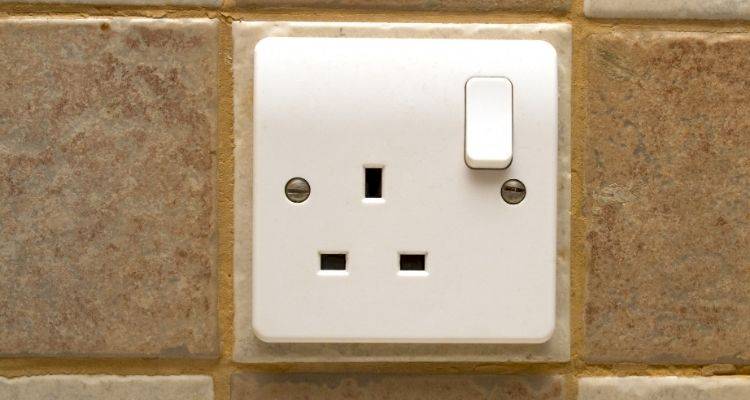
The typical cost is around £75 to £100, depending on the wall type and whether a new back box is needed. It's a practical upgrade that reduces the need for extension leads and helps future-proof the room.
Cost to Add a New Plug Socket to a Room
Adding a plug socket to a room in a fresh location is a different job to replacing one. It usually needs new wiring, a new socket box, and additional work to connect the socket safely to the existing circuit.
Because of the extra work involved, this typically costs between £120 and £250. The final price depends on the distance from the existing wiring, the wall type, and how much additional wiring is required. It's also worth checking that your consumer unit has capacity for the extra load before work begins. A qualified electrician can advise on this.
For example, adding a socket next to an existing outlet may be quicker and cheaper, while installing one on the opposite side of the room may require more extensive wiring and wall work.
Additional Costs of Installing Plug Sockets
Installing or replacing a plug socket is usually a straightforward job, but there are still some additional costs that may arise depending on the work involved.
For example, adding a socket in a new location may require extra wiring or cutting into the wall, while upgrading to decorative sockets or smart features can increase the overall cost. You may also need follow-up work such as plastering or painting to repair the wall after the installation.
Below are some common additional costs that may be associated with plug socket installation or electrical upgrades:
| Job / Service | Typical Cost Range |
|---|---|
| Plastering | £125–£5,500 |
| Painting & Decorating | £80–£200 |
| Outdoor Plug Socket | £85–£245 |
| Smart Home Integration | £100–£300 |
| Replace a Fuse Box (Consumer Unit) | £350–£750 |
| Rewiring a House | £2,500–£11,000 |
| Emergency Electrician | £80–£100 per hour |
Want a custom price?
Post your job
I have an electrician attending to fit some new plug sockets. This will mean the wall needs to be chased and then filled by a handyman. Generally how long does it take to plaster or fill plasterboard walls, and what's the rough cost?
"Around a day's work, £160 depending on location."
Factors That Affect Plug Socket Installation Cost
Several factors can affect the total cost of replacing or installing a plug socket. Understanding these can help you plan your budget and compare quotes more effectively.
- Type of Socket — USB sockets and smart sockets are more complex to install than standard single or double sockets, which can increase both labour time and material costs.
- Number of Sockets — Having multiple sockets installed in a single visit can reduce the labour cost per socket, as the electrician can work through the jobs more efficiently.
- Socket Style and Finish — Decorative finishes such as brushed steel, chrome, or brass cost more than standard white plastic sockets, which will affect the overall material cost.
- Additional Wiring — Installing a socket in a new location requires additional wiring, and the cost will rise the further the new socket is from the existing circuit. In older properties, damaged or outdated wiring uncovered during the job — sometimes requiring a partial or full rewire — will also add to the total.
- Consumer Unit Capacity — If your consumer unit is already running close to capacity, it may need upgrading before additional sockets can be added safely, which will increase the overall cost.
- Property Location — Electricians in London and other large cities typically charge more than those in smaller towns. You can also expect to pay a premium for work carried out on weekends, bank holidays, or outside normal working hours.
- Wall Type and Access — Solid walls take longer to chase for new cables than stud walls, and difficult-to-access locations such as loft spaces or underfloor areas will add to labour time.
The single wall socket behind my washer is cracked so they won't plug my washer into it, how much would it cost to replace/fix?
"To replace the socket face would be between £30 to £40"
What's Involved in a New Plug Socket Installation?
Before the Job
- The electrician will inspect the existing wiring and back box to confirm they're safe to reuse, or identify whether new wiring is needed.
- The consumer unit (fuse box) is checked to ensure there's capacity for any additional sockets before work begins.
- If it's a new socket location, the wall is marked out and chased to accommodate the back box and cable run.
During the Job
- The old socket is removed and wires are disconnected, or — for a brand new socket — the wall is hollowed out and cabling is routed from the nearest circuit.
- The wiring is connected to the new socket and secured to the wall with screws.
- For USB sockets or smart sockets, any additional connections are made according to the manufacturer's instructions.
After the Job
- The electrician tests the socket with a meter to confirm the correct voltage and that the installation meets UK wiring regulations.
- Any minor wall damage from chasing or back box fitting may need to be made good — either by the electrician or a separate plasterer.
- Appropriate certification is issued — all jobs should come with a wiring regulations certificate, and a Minor Electrical Installation Works Certificate is also issued for sockets added to existing circuits.
Types of Plug Sockets and Their Costs
We're going to provide a pros and cons list for each of the plug sockets we explored earlier.
Black Nickel Plug Sockets Cost
- Best For: Stylish, luxury plug sockets.
- Material Cost — £20 to £30
Black nickel plug sockets have become very popular, offering a visually striking and luxurious finish. They are perfect if you want to add a touch of sophistication to your décor. With an abundance of retailers and materials, you can often find deals if you buy multiple sockets at once, although these will still cost more than standard plastic options.
Pros
- ✔ A sleek, smooth and dark design that is a stunning addition to any room.
- ✔ Can be found with smart home and USB port features.
- ✔ Hard-wearing and need little, if any, maintenance.
Cons
- ✖ Are higher on the price scale than others.
- ✖ Any dents or scratches on the socket are noticeable.
Chrome Plug Sockets Cost
- Best For: Bright, shiny plug sockets.
- Material Cost — £15 to £30
Chrome plug sockets remain a popular choice for their bright, reflective finish and classic appeal. They were once the go-to choice for décor and electrical fittings, and can still be found easily in stores or online. With a wide range of suppliers, you may also find bulk deals if replacing multiple sockets at the same time.
Pros
- ✔ A very popular choice in previous years.
- ✔ Different styles available in abundance.
- ✔ Available with smart home and USB port features.
Cons
- ✖ The overly shiny material can be off-putting to some.
- ✖ Fairly expensive depending on the quality.
Steel Plug Sockets Cost
- Best For: Balanced, durable plug sockets.
- Material Cost — £10 to £20
Steel plug sockets offer a practical and versatile option, bright but not overly shiny. Steel acts as a middle ground between dark nickel and shiny chrome, making it suitable for a wide range of rooms and styles. It's widely available in shops and online, and buying multiple sockets at once can sometimes secure a discount.
Pros
- ✔ A bright design that fits well into many decors, without being overly shiny like chrome.
- ✔ Very versatile as it looks just as at home in the living room as it does the kitchen.
- ✔ Available with smart home and USB port features.
Cons
- ✖ Much like other metal materials, it shows wear pretty easily.
- ✖ Higher on the price scale than standard sockets.
Brass Plug Sockets Cost
- Best For: Niche or traditional decors.
- Material Cost — £25 to £40
Brass sockets bring a distinctive, classic look and are ideal for specific décor styles. While not as commonly used as other types, they have been modernised for contemporary interiors. Like other socket types, buying multiple units at once can help reduce per-socket cost slightly, though brass remains the premium option.
Pros
- ✔ A niche design that will be perfect for certain styles.
- ✔ Hard-wearing and doesn't show wear easily.
- ✔ Can be polished and maintained to extend its life expectancy.
Cons
- ✖ Very expensive compared to other options.
- ✖ Hard to find especially with smart home or USB features.
Wooden Plug Sockets Cost
- Best For: Stylish, high-end interiors.
- Material Cost — £30 to £40
Wooden fronted plug sockets are slowly gaining popularity thanks to their elegant look and wide variety of designs and colours. They add a touch of class to any room and make a statement as part of your décor. While more expensive than standard options, buying multiple units at once can sometimes help reduce the overall cost.
Pros
- ✔ Unique, elegant design that enhances room décor.
- ✔ Available in various finishes and colours to match interiors.
- ✔ Can be fitted with USB ports.
Cons
- ✖ Relatively expensive compared to other socket types.
- ✖ Limited availability compared to plastic or metal sockets.
Smart Plug Sockets Cost
- Best For: High-tech, connected homes.
- Material Cost — £60+
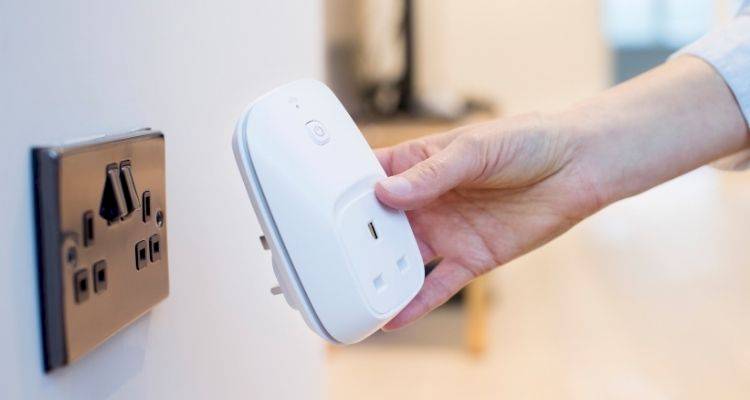
Smart plug sockets represent the latest in home technology, allowing you to control appliances via apps like Amazon Alexa and Google Home. They offer convenience and energy management, letting you switch devices on or off remotely. The price varies depending on style, features, and material, but they are generally among the more expensive socket options.
Pros
- ✔ Enables remote control via mobile devices and smart home systems.
- ✔ Can improve energy efficiency by turning off devices when not in use.
- ✔ Often available with USB ports and multiple smart features.
Cons
- ✖ Expensive compared to standard and decorative sockets.
- ✖ May require setup and familiarity with smart home systems.
Ask a Trade
Got a question that only a tradesperson can answer? We have thousands of trades ready to answer any question you may have.
Ask your question

Where Can I Install a Plug Socket?
Plug sockets are typically positioned low on walls near corners, where most furniture and appliances sit. But if you're having new sockets installed, it's worth thinking about placement more carefully to get the most out of the job.
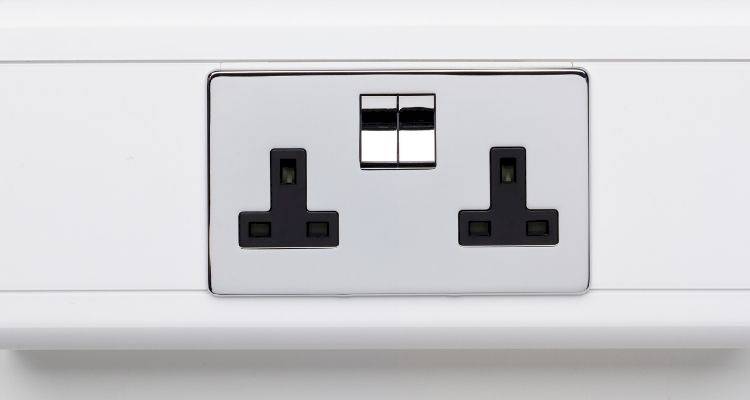
Consider the following ideas when planning your new socket locations:
- Behind a Wall-Mounted TV — Placing a single socket directly behind the TV eliminates trailing wires to the floor.
- Under a Central Desk — A floor socket or low wall socket beneath a home office desk keeps cables tidy and out of the way.
- Next to Seating Areas — USB sockets near sofas or beds make charging phones, tablets, and e-readers much more convenient.
- Near Lamps and Lighting — Smart sockets next to lamps let you control them remotely via your phone or a voice assistant.
- At a Higher Height for Accessibility — You can position sockets higher if this would make them more accessible. There's no limit on how high or low sockets can be positioned in existing homes, although Building Regulations in England specify a height of 45 to 120cm from the floor in new homes.
- In the Kitchen, Away from Water and Heat — Sockets must be positioned at least 30cm clear of sinks, hobs, and other sources of heat or water where possible.
Cost of Removing a Plug Socket
If you've decided to install new plug sockets in different areas and deem your old ones surplus to requirements, it's best to have them removed and covered over by a plasterer.
Now, this can be done as a DIY project, but we'd only suggest this to someone that has previous experience with isolating electrics and removing them.
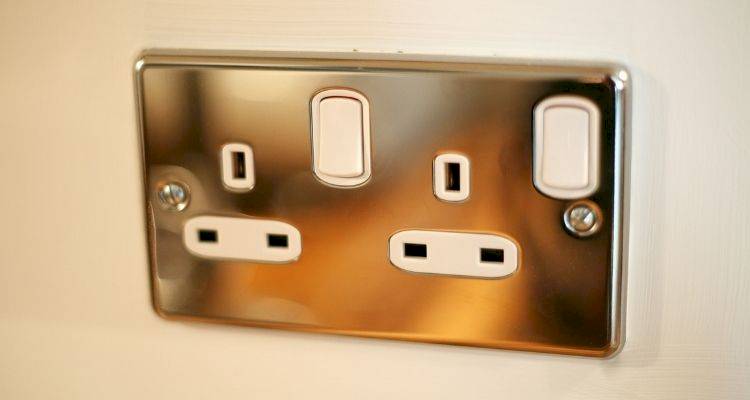
It may be a better option to have a registered electrician carry out the work. The job is usually quick and labour costs are typically around £30 to £40 to remove a single socket.
Once they have been removed, you'd need to speak to a plasterer about covering up the gap left by the plug socket.
Hiring Contractors to Install a Plug Socket Checklist
Below are some points to consider when hiring someone to install a plug socket:
- What relevant qualifications do they have? When hiring a tradesperson to move an existing socket or to install completely new plug sockets, you should always hire a fully qualified electrician as this is more involved than a like-for-like replacement. Fully qualified electricians often hold a Level 3 qualification, although experienced electricians may have their skills assessed in place of a formal qualification.
- Do they have the necessary insurance? If you are hiring a professional electrician, they are most likely to have at least public liability insurance to cover in the event of an accident or personal injury.
- Do they have positive reviews? Search online or visit their MyJobQuote profile and check any recent customer feedback and testimonials.
- Are they a member of any regulatory body? Membership in recognised industry bodies or consumer fairness organisations is a good sign that the firm operates professionally and ethically.
- Have you received multiple quotes? Whether it's replacing an existing socket, or fitting extra wiring and installing a new one, by shopping around for multiple quotes you can get an idea of what you should expect to pay.
- Are the quotes itemised? Even fitting a single socket requires a quote when you're having it done by a professional electrician. Likewise with more complicated electrical work, so with the help of MyJobQuote always ask for a detailed quote before saying yes.
- Are there any hidden extras? The overall cost of larger projects could involve anything from replacing a fuse box to upgrading to include USB sockets or even replacing all the wiring, so ensure you know exactly what's involved.
- Do they provide any guarantees? You will want to know how long a plug socket installation is likely to take, but also what happens in the event of any issues, such as an electrical safety hazard once the work is completed.
FAQs
Do You Need an Electrician to Change a Plug Socket?
Hiring a qualified electrician to replace plug sockets is the safest choice, although it isn't a legal requirement. Electrical work must comply with UK wiring regulations, and a qualified electrician will be able to certify that the work has been carried out safely. Look for an electrician who is registered with a body such as NICEIC or NAPIT. You can check this on the Electrical Competent Person Register.
Do Plug Socket Installations Need to Meet Building Regulations?
Yes, in England and Wales plug sockets must meet Part P of the Building Regulations, and electrical work in Scotland must meet Building Standards. All electrical work in the UK must meet the wiring regulations. However, not all electrical work is notifiable. In England, only installing a new circuit or consumer unit, or work near the bath or shower is notifiable.
How Can You Tell if a Socket Is Faulty?
Common signs of a faulty socket include scorch marks around the faceplate, a plug that feels loose or slips out easily, flickering lights when a device is connected, or a buzzing sound when the socket is in use. If you notice any of these signs, stop using the socket and contact a qualified electrician.
How Much Does It Cost to Move a Plug Socket?
Moving a plug socket to a new location typically costs around £150. This involves removing the old socket, rerouting the wiring, and installing a new socket in the desired position. The final cost will vary depending on how far the socket is being moved and whether any plastering is needed to repair the wall afterwards.
Can a Handyman Change a Plug Socket?
Yes, a competent handyman can do a like-for-like swap on a plug socket, as long as the work is tested and meets the current UK wiring regulations (BS 7671).
However, if the socket also requires a new circuit to be installed, you must either hire an electrician registered with a competent person scheme who can self-certify, or inform building control before the work starts and have them inspect it afterwards. These rules apply in England and may vary in other parts of the UK.
Is There a Minimum Call-Out Charge for Electricians?
Many electricians charge a minimum call-out fee, typically £50 to £80, which covers their time and travel regardless of how small the job is. This is worth bearing in mind if you only need one socket replaced, as the fee may account for most of the total cost. Bundling several small jobs into a single visit can help you get more value from a call-out charge.
Does It Cost More to Add a Socket to a New Circuit Rather Than an Existing One?
Yes. Adding a socket that can "spur" off an existing ring main is usually quick and affordable. If your consumer unit doesn't have capacity, or the new socket needs its own dedicated circuit, the job will involve more wiring and testing, which increases the overall cost.