Builders
 Carpenters
 Electricians
 Flooring Specialists
 Gardeners
 Handymen
 Heating Engineers
 Painters & Decorators
 Plasterers & Renderers
 Plumbers
 Roofers
 Tilers
 my
myEICR Certificate Cost
At a Glance
- An EICR certificate costs around £180 for an average-sized home in the UK.
- An electrician will typically take between 1 and 4 hours to complete this job.
- A complete breakdown of EICR prices, based on property size and number of circuits.
- What an electrical safety check involves in the UK, how long an EICR lasts, and when you might need to get one.
- How to find and hire a local electrician to perform the test and issue the certificate using MyJobQuote.
Get free estimates
Are you a trade? Get more work today!
£180
Table of Contents
- How Much Is an EICR?
- EICR Electrician Costs and Timescales
- What Affects the Cost of an EICR?
- How to Save on the Cost of an EICR
- Who Needs to Get an EICR?
- Electrical Risks in Older Properties
- What Does an Electrical Safety Check Involve?
- What Happens if My Electrics Fail the Inspection?
- Types of Electrical Safety Certificates
- What Other Safety Features Can Electricians Install?
- Checklist: Hiring a Local EICR Electrician
- FAQs
How Much Is an EICR?
Looking to learn about the cost of an electric safety certificate?
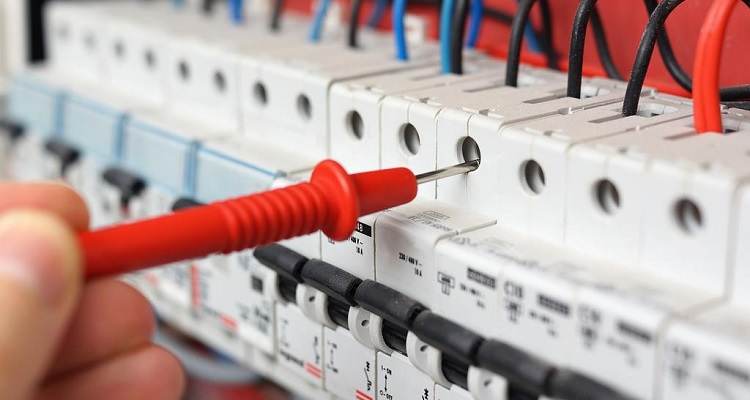
The cost of an electrical inspection in the UK is typically between £150 and £250 for a standard home, increasing for larger properties or more complex systems. Most homeowners should expect to pay around £180 for an EICR in the UK.
Typically, it will take between 2 and 4 hours to complete for a house, or between 1 and 2 hours for a flat.
The price of a domestic EICR is dependent on the number of electrical circuits that need testing. This means that the EICR cost for a 3 bedroom house will be higher than for a 1 bedroom house, just because there's more electrical testing to carry out.
What is your biggest concern when requesting an electrical safety certificate?
Finding a qualified and reliable electrician
12 votes - 39%39% of votes
Cost of the safety certificate
5 votes - 16%16% of votes
Confidence that the certificate is genuine
3 votes - 10%10% of votes
Understanding the process and legal requirements
1 votes - 3%3% of votes
What to do if any work doesn’t pass inspection
10 votes - 32%32% of votes

31 votes
See results
Hide results
The cost of an Electrical Safety Certificate in the UK tends to include:
- The electrician's time.
- Testing of all electrical points, sockets, fixings, and consumer units (e.g., fuse boards).
- Issuing of the EICR.
It's always advisable to clarify what's included when getting a fixed-cost quote.
You might also see an Electrical Installation Condition Report (EICR) referred to as an electrical inspection, electrical safety certificate, electrical safety check, electrical report, or fixed wire testing. These all describe the same process.
Electrical Safety Certificate Price List
The table below provides an average cost range that you should expect an electrician to charge for a domestic EICR, depending on the approximate size of the property.
| Property Size | Cost of EICR Testing |
|---|---|
| Studio or 1 Bedroom Flat | £100–£160 |
| 2 to 3 Bedroom Flat | £120–£200 |
| 1 Bedroom House | £120–£180 |
| 2 to 3 Bedroom House | £150–£250 |
| 4 to 5 Bedroom House | £250–£350 |
| 6+ Bedroom House | £350–£450 |
Want a custom price?
Post your job
The electrical installation condition report price also depends on the number of circuits and the complexity of the electrical system, not just the number of bedrooms and overall property size.
Fixed wire testing is often priced per circuit instead of by property size, often at around £10 to £30 per circuit for domestic jobs. There is usually a minimum charge for smaller jobs. This is why a home with more circuits will cost more to test, even if it has fewer bedrooms.
For landlords arranging testing for multiple flats in a block, the price per unit may come down as the electrician can test multiple flats in one visit while already at the address.
Calculate Your EICR Cost
You can get a more accurate estimate for your specific job by using our free EICR certificate cost calculator.
Just tell us a bit about your property and we'll give you a tailored estimate that you can then use as a baseline when comparing quotes from local electricians.
Are you ready for a quote for your job?
We have a whole range of local electricians ready to offer you a free quote. MyJobQuote is fast and hassle-free, connecting you with tradespeople in your area offering the services you require.
EICR Electrician Costs and Timescales
An electrician usually charges around £300 per day.
You'll typically find that the electrical inspection cost you're quoted includes the electrician's cost-per-hour rate, but it's always good to check.
How long does an EICR take?
Generally, an electrical safety check will take between 1 and 4 hours.
How long it takes to do an EICR test and issue a certificate depends on property size, and if any complications are found along the way.
EICR Certificate Cost in London
To get an electrical installation condition report in London, you can expect to pay more than elsewhere in the UK due to increased labour rates.
Expect to pay between £200 and £400 for an EICR certificate in London, depending on the size of the property and complexity of the installation. Larger or more complex properties in London may cost £500+.
EICR Certificate Cost in Scotland
EICR costs in Scotland are broadly in line with the rest of the UK, rather than higher like London. For a standard home, you can expect to pay around £150 to £250, depending on the size of the property and the number of circuits.
Scotland was the first part of the UK to make regular checks a legal requirement for landlords. Since 1 December 2015, private landlords in Scotland must have the electrical installation inspected and tested at least every 5 years, under the Repairing Standard in the Housing (Scotland) Act 2006.
As in the rest of the UK, an EICR is not a legal requirement for homeowners in Scotland, though it is still recommended around every 10 years.
What Affects the Cost of an EICR?
Property size is the biggest cost driver, but prices can also vary depending on:
- Wiring Condition — Older or more complex wiring or outdated fuse boxes can be more difficult to work with, increasing the cost of an EICR.
- Number of Circuits — More circuits mean more work for the electrician, which can increase the cost. If your house has more than one consumer unit (for example if you have an outbuilding) or more circuits than average, expect to pay more.
- Access — Difficulty accessing the wiring or certain areas of the home can push costs up.
- Electrician — An electrician with more experience may charge higher rates than a newly qualified one.
- Location — As with many services, labour rates are often higher in London and the South East, so homeowners in these areas may pay more.
- Remedial Work — Additional work required to address any issues found during the EICR inspection can increase the overall cost significantly if major problems are found.
How to Save on the Cost of an EICR
EICR tests are usually fairly inexpensive, but you can reduce costs further by:
- Book other tests (e.g. gas safety checks, portable appliance testing (PAT), and the EPC) at the same time.
- Avoid booking during peak seasons or non-standard working hours.
- If you are a landlord, have several flats in a block tested together.
- If you are buying a house, use the EICR to negotiate a better price for the property.
- Compare quotes from various local electricians using MyJobQuote.
Who Needs to Get an EICR?
Landlords are legally required to have EICRs issued for any property they're renting out to prove the property's electrical safety. These must be renewed at least every 5 years (or sooner if advised), and they must keep an up-to-date Electrical Certificate.
If landlords don't have a valid EICR for their properties, then they can be fined up to £40,000 in England. Proof of a valid EICR is often required when applying for landlord insurance.
EICRs are not currently a legal requirement for homeowners.
How long does an Electrical Safety Certificate last for?
- Tenanted Properties — An electrical safety report should be carried out at least once every 5 years, required by UK law.
- Private Properties — It's recommended to have an EICR every 10 years, or sooner if required.
How often is it advisable to have electrics tested in a house? Should I have them tested for safety when taking ownership of a new property?
"If you are a landlord, it is a legal requirement to have it tested every 5 years. In all other circumstances 10 years is the recommended frequency. Definitely advised to get the electrical installation tested before buying a property, and if you have been experiencing problems or the installation is old, then for your own peace of mind, get it checked."
Landlord Electrical Safety Certificate Cost
A landlord's electrical certificate costs the same as one for a homeowner would in the same property.
The cost of a landlord electrical safety certificate is typically between £150 and £250, depending on the size of the property and number of circuits.
Larger rental properties, houses in multiple occupation (HMOs), or older installations may cost more due to the additional testing required.
Electrical Risks in Older Properties
By nature, older properties carry a higher risk of potential hazards, especially if they have outdated wiring and old consumer units (fuse boxes). In some cases, a new fuse box may be required, which comes at an additional cost.
Here are some scenarios where an EICR inspection is highly recommended.
Electrical Survey When Buying a House
When you view a property, it's not always immediately obvious if there are electrical issues or anything that may increase the likelihood of electrical fires. Standard house surveys are visual, so having a more detailed electrical survey is recommended.
Having an EICR carried out can help to highlight these hidden electrical hazards, such as:
- Deteriorated cables
- Overloaded circuits
- Old consumer units
- Non-compliant electrical installations
Armed with this knowledge, you can negotiate the property's price to get the necessary electrical work carried out.
If You Live in an Old Property
If you've not had your home's electrics looked at in over 10 years, it's a good idea to have an electrician round to inspect them, especially if you're noticing any of the following:
- Flickering lights
- Frequent tripping
- Buzzing sockets
These can be warning signs that something's not quite right with your home's electrics.
What Does an Electrical Safety Check Involve?
EICR certificates must be carried out by a qualified electrician.
With the help of MyJobQuote, you can find local electricians to carry out the testing on your behalf. It is recommended to request at least three separate quotes, which you can do without any further commitment.
Below is a step-by-step guide as to what you can expect to happen during the inspection of your fixed electrical installations:
Before the Job
- Preparing Your Home — Before the electrician arrives, ensure there is clear access to the consumer unit, loft, and sockets that are behind furniture. Remember that the power will be switched off at points during the test and plan accordingly. Landlords should give tenants notice of the test, and buyers need the seller's permission.
- Understanding and Agreeing the Scope — Initially, your electrician may ask questions such as when the last EICR test was performed and what work has been carried out since any previous EICR tests (providing evidence like Minor Works certificates can help). They will confirm how many sockets they'll open up and any areas that they won't inspect, such as under floors or behind fitted units.
During the Job
- Visual Inspection and Testing of Electrical Systems — The electrician will inspect and test your plug sockets, light fittings, consumer unit, switches, earthing, bonding, and fixed wiring to check they are safe and in good condition.
- Identifying Risks — If there are any potential safety hazards, such as improper connections, damaged sockets, overloaded circuits, missing residual current devices (RCDs), or signs of overheating, these will be noted with a fault code and recommendations on how to resolve.
- Testing Circuits, Earthing, and Bonding — This involves checking RCDs trip correctly, testing the continuity of earth conductors, insulation resistance, and more.
After the Job
- Findings Report — Following inspection, you will receive a detailed report, serving as your Electrical Safety Certificate. This should include an overall result of either satisfactory or unsatisfactory, coded observations, the agreed limitations, and a recommended date for the next inspection.
- Follow-Up Action — Any repairs carried out during the testing process should also be noted, for example if there were any C1 dangerous issues that needed righting straight away. The report will also detail the condition of your installation along with advice in the event further investigation work is required.
What are the requirements for electrical safety in a rental property?
"It is a legal requirement to have a valid landlord electrical safety certificate in place for each rental property you own. This electrical safety certificate must be renewed every five years. As a landlord, it's your responsibility to organise this and ensure any works are carried out safely."
What Happens if My Electrics Fail the Inspection?
If your report has no codes or only C3 codes, it's considered satisfactory (pass). If there are any C1, C2, or further investigation (FI) codes, it's unsatisfactory (fail).
EICR Fault Codes
There are 4 fault codes you might find on your EICR report:
- C1 Danger Present — Includes issues like exposed live parts. These need to be made safe right away, for example by isolating the circuit with your agreement. A report with C1 codes is unsatisfactory.
- C2 Potentially Dangerous — The report is unsatisfactory and urgent remedial work is needed, for example no main bonding or signs of overheating.
- C3 Improvement Recommended — No work is required and the report is satisfactory. It can involve issues like plastic consumer units, no surge protection, or missing labels.
- FI Further Investigation Needed — The report is unsatisfactory until the issue has been investigated further. It means the results could not be verified.
The report will also flag any areas that were not inspected, and keep in mind that only a sample, not every socket, is opened up during the test. Coding is also the electrician's judgement, and the same issue may be coded differently depending on the property and how it is used.
What are the different electrical fault codes and when do they apply?
"The fault codes are:
C1 - imminent danger or risk of injury; remedial work needs to take place immediately (e.g. a broken socket front that has exposed live parts that could be touched).
C2 - not as serious as C1 but does still pose a risk to become a danger in the future and needs remedial work to take place to correct the issue.
C3 - basically recommending an improvement to be made but doesn't pose immediate risk.
FI - is further investigation into a problem."
C1 - imminent danger or risk of injury; remedial work needs to take place immediately (e.g. a broken socket front that has exposed live parts that could be touched).
C2 - not as serious as C1 but does still pose a risk to become a danger in the future and needs remedial work to take place to correct the issue.
C3 - basically recommending an improvement to be made but doesn't pose immediate risk.
FI - is further investigation into a problem."
Problems EICRs Can Find
There are several issues that an EICR might uncover, including:
- Old wiring such as rubber-insulated or lead-sheathed cables.
- Missing RCD protection.
- Missing main protective bonding on incoming gas and water pipes.
- Lighting circuits without earth conductors.
- Damaged or loose sockets and switches.
- Evidence of overheating, such as scorching.
- Plastic consumer units or old-style fuse boxes.
- Non-compliant or DIY work.
- Unprotected outdoor circuits.
- Missing circuit or earthing labels.
What to Do After a Failed EICR
In England, if urgent remedial work or further investigation is required, private landlords must have it done within 28 days from the date of the inspection, or sooner if the report says so. They then need to send written confirmation (such as an Electrical Installation Certificate (EIC) or Minor Electrical Installation Works Certificate) that the work was done, and the original EICR report, to the tenant and the local housing authority within a further 28 days of the work being finished.
In Scotland, tenants can apply to the First-tier Tribunal which can issue an enforcement order requiring the landlord to provide a satisfactory EICR with no C1 or C2 codes.
If you are a homeowner rather than a landlord, you have no duty to act on the report, but keep in mind that C1 and C2 coded issues are real or potential dangers, so it's worth having them repaired as soon as possible for your own peace of mind.
Cost of Remedial Work
If you need to have remedial work done to repair dangerous issues found during the EICR, here's what you can expect to pay:
- Replacing Plug Sockets — £75 each
- Replacing a Light Fitting — £60 to £140 each
- Earth Bonding to Gas and Water Pipes — £150 to £300
- Electrical Fault Repairs — £100 to £500+
- Repairing or Upgrading Faulty Wiring — £150 to £600+
- Consumer Unit Replacement — £350 to £750
- Rewiring a Single Room — £300 to £800
- Full House Rewire — £2,500 to £12,500
Types of Electrical Safety Certificates
There are four kinds of Electrical Safety Reports or Certificates:
Minor Electrical Installation Works Certificates (MEIWC) Cost
What Is It? MEIWCs are issued for small electrical jobs (e.g., replacing sockets, adding new light fittings). They confirm that the work complies with current UK wiring regulations (BS 7671).
Who Needs It? Landlords or private homeowners who have had minor electrical alterations should receive this to prove the work is safe and compliant.
The cost of a minor electrical installation certificate in the UK starts at around £60.
Electrical Installation Certificates (EICs) Cost
What Is It? EICs are issued after major electrical installations (e.g., new consumer unit installations, rewiring a property) to confirm the work complies with current UK wiring regulations (BS 7671).
Who Needs It? Anyone who has had significant electrical work done to prove the work has been carried out legally.
EICR Report Cost
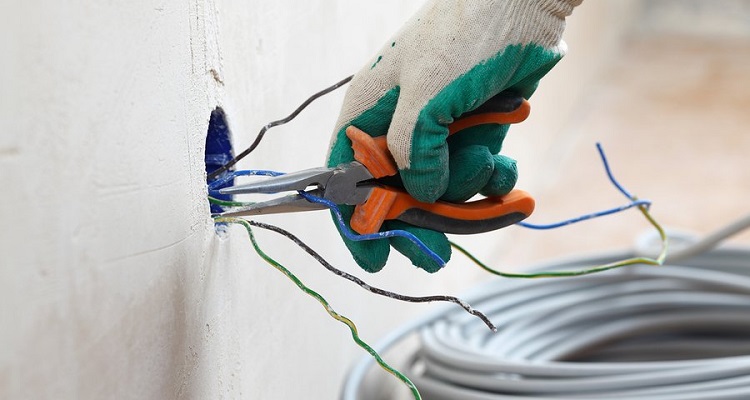
What Is It? EICRs are issued following periodic inspections of existing electrical installations (e.g., existing wiring, consumer units).
Who Needs It? For rental properties in the UK, it's a legal requirement for landlords to obtain an EICR at least every 5 years. Private homeowners can also get EICRs, but they aren't a legal requirement.
How much is an EICR report? The cost of an EICR in the UK typically ranges from £150 to £250 for a standard home, increasing for larger properties or more complex systems. Most homeowners should expect to pay about £180 for an EICR in the UK.
Part P Notification Cost
What Is It? A Part P Notification relates to Building Regulations in place in England and Wales to ensure the safety of homeowners and tenants when having electrical work carried out. The regulation states that adding one or more new electrical circuits in dwellings and associated buildings must either be notified to a building control body or be carried out by a registered electrician who can self-certify the work.
Who Needs It? If you're having any electrical work done, it's always worth checking with your local council if a Part P Notification is required.
Notification costs are estimated on average to range between £250 and £400, depending on the complexity of the electrical work.
Ask a Trade
Got a question that only a tradesperson can answer? We have thousands of trades ready to answer any question you may have.
Ask your question

What Other Safety Features Can Electricians Install?
If you're having your property checked for electrical safety, it can be a good idea to add some more safety features to your home while your electrician is on-site. This can save you from multiple call-out fees, while ensuring your property is as well protected as it can be.
Fire Alarm Costs
The cost to install a fire alarm is around £100, taking between 1 and 2 hours to fit and test, depending on the type of alarm you choose and the ease of access.
It's strongly recommended to install a fire alarm in your home and to regularly test and swap the batteries (even if you have an electric alarm, they usually include a battery as a backup in the event of a power cut). In England, it is only a legal requirement if you live in a new build or a rented property (the latter being the landlord's responsibility). In Scotland, all homes must have interlinked fire alarms, whatever their age and whether or not they are rented.
Home Security Costs
There are so many home security products on the market, from doorbells to motion-activated lights and CCTV systems.
An electrician can fit any number of these for you, with the cost to install CCTV starting at £350, depending on camera type and how many you want installed.
Security lights cost £80 to £180 for floodlights, and between £90 and £500 for outdoor lights with motion sensors.
If you want an alarm to protect your property, the cost to install a burglar alarm is typically £450, with higher prices for alarms with live playback and relay options.
Smart Home Costs
Controlling your home's lights remotely helps to give the illusion of someone being home even when they're not, helping to deter unwanted intruders.
The cost to install smart home lighting ranges from £60 to £150 for a smart home hub, and the cost to set up your entire property with smart features starts at £3,200.
Checklist: Hiring a Local EICR Electrician
Before hiring someone to carry out an Electrical Safety report at your property, below are some points you should consider:
- Have you compared multiple quotes? Rather than hiring the first person or business that you contact, with MyJobQuote you can find suitable tradesmen and request quotes from several options so you can compare prices, without any obligation.
- Are you hiring a qualified electrician? Check for confirmation that they are a fully qualified electrician and also definitely authorised to issue an Electrical Safety Report.
- Do they have positive reviews and feedback? Along with asking friends and family for any recommendations, you can check websites such as MyJobQuote for a profile on their work and any comments from previous clients.
- Does your tradesperson have insurance? Although it's not a legal requirement, any reputable tradesmen should at least have public liability insurance. This is in the event of any unexpected accidents, injuries or damage to your home.
- Do you have a written agreement in place? Once you have agreed for someone to carry out the work, ensure you have received a clear outline of what services are included within the charge.
- Will you receive confirmation of the EICR certificate? As well as a receipt upon payment, you should also have written evidence that the job has been carried out — this will also indicate any recommendations if additional work is required.
FAQs
Do I Need an Electrical Safety Certificate to Sell My Property?
In the UK, there is currently no law that states that a seller must provide a buyer with any electrical safety certificates when selling their property. However, having an electrical safety certificate in place may make the process of selling your home easier.
Can I Action Electrical Safety Certificate Testing by Myself?
No. To acquire a legal Electrical Safety Certificate, any electrical work must be inspected and signed off by certified electricians.
How Long Is the EICR Valid For?
EICRs don't have an expiry date as such, but the electrician carrying out the test will recommend a date for the next inspection. If you are a landlord, you will need to get a new EICR every 5 years, or sooner if there is a change of tenancy.
Can You Sell a House with a Failed EICR?
Yes, you can legally sell your house with a failed EICR, but you will usually have to declare this to potential buyers. You can fix the problem(s) before selling and have a new EICR carried out, reduce the price accordingly, or if the house is being sold at auction, it may be acceptable to do nothing as buyers expect the property to be sold as-is.
How Much Does a Commercial EICR Cost?
In the UK, the cost of a commercial EICR is between £200 and £500, depending on the size of the commercial properties and the number of circuits. The commercial EICR price per circuit is usually between £10 and £50, with prices depending on the complexity of the circuit, ease of access, and their age. They are generally more expensive than domestic EICRs.
Does a New Build Need an EICR?
No, new builds come with an Electrical Installation Certificate, so they won't need their first EICR for several years.
Who Pays for an EICR When Buying a House?
The buyer typically pays for the EICR when purchasing a house. It is not mandatory for the seller to provide one but it can help reduce delays in the sale process.