Builders
 Carpenters
 Electricians
 Flooring Specialists
 Gardeners
 Handymen
 Heating Engineers
 Painters & Decorators
 Plasterers & Renderers
 Plumbers
 Roofers
 Tilers
 my
myAsk a Trade
Got a question that only a tradesperson can answer? We have thousands of trades ready to answer any question you may have.
Ask your question
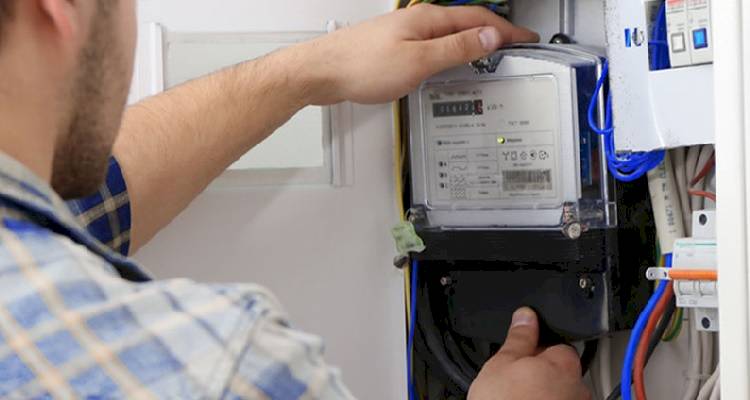
Smart meters are quickly becoming one of the most common choices for gas and electricity meters for households, offering all the information you need at your fingertips and helping you control your expenses.
And you'll be glad to hear that your energy supplier will arrange a standard smart meter installation at no upfront cost to you. This includes replacing your existing meter and setting up the new smart meter.
The cost of providing and installing meters is covered through energy tariffs so you will still pay for the energy you use and your tariff's standing charges.
If you want your meter moved to a different position, this is separate from a standard replacement and may involve an additional charge. Ask your supplier for a quote before arranging the work.
Energy suppliers must take all reasonable steps to install smart meters in remaining homes across Great Britain by the end of 2030. By June 2026, smart and advanced meters accounted for 72% of all meters in homes and small businesses, while 75% of homes had a smart electricity meter.
How can a smart meter improve the energy efficiency of my household?
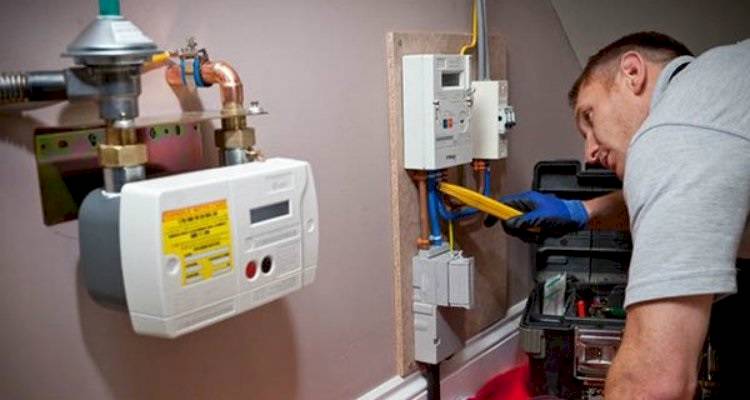
There are two generations of smart meters: SMETS 1 and SMETS 2, standing for "Smart Metering Equipment Technical Specifications". New installations through your supplier use SMETS 2 meters and have no upfront installation charge.
SMETS 1 meters were the first generation installed in homes.
Most eligible SMETS 1 meters have now been connected to the national smart meter network, allowing them to keep sending automatic readings when you switch supplier. If yours cannot be connected, your supplier will arrange a second-generation replacement. Before switching, check with your supplier that your meter is working in smart mode.
SMETS 2 are second-generation smart meters being installed across Great Britain as suppliers work towards the end-of-2030 rollout deadline. They use the national smart meter network to send readings automatically, including when you change supplier.
A standard smart meter replacement has no upfront installation charge. However, moving your meter or addressing an existing problem with your home's wiring or pipework may involve separate costs.
Contact your energy supplier if you want the new meter fitted in a different position. The average cost to move electric and gas meters is around £1,000, although the price depends on the location and whether supply cables or pipes also need moving. Your supplier can explain who needs to carry out the work and provide a quote.
If the installer finds an existing problem that prevents the work from going ahead safely, ask your supplier what needs fixing and who is responsible. Some repairs to your home's wiring or gas pipework may need a separate tradesperson, so confirm whether you need to pay before arranging any work.
I had a smart meter fitted, and now my shower only has hot water for 10 mins. Can this be related to my fusebox?

A smart meter installation involves replacing your existing meter with a new smart meter and setting it up to send readings automatically to your energy supplier. The work is arranged by your supplier, who will appoint the installer. If you also want your gas and electric meters moved, contact your supplier to discuss the work and any charges before booking.
As such, installing or moving a meter is not a DIY job and must be arranged through your energy supplier. If supply cables or pipes also need moving, the network operator will need to be involved. A qualified electrician or gas engineer can handle associated work to the wiring or pipework inside your home.
Let's take a broad look at the process when having a smart meter installed by your energy supplier:
There are no official building regulations or planning permissions needed when having a smart meter installed. Although if you live in a listed property or conservation area, and any additional work is required, it's best to check with your local council first just in case.
By June 2026, 75% of homes in Great Britain had a smart electricity meter. Energy suppliers are required to work towards installing smart meters in remaining homes by the end of 2030, although having one is still optional for householders.
If your home cannot currently have a smart meter installed, ask your energy supplier what is preventing installation and when one might be available.
In cases where your property cannot receive data wirelessly, you may be provided with an alternative solution, although this is also unlikely to need building regulations approval or planning permission.
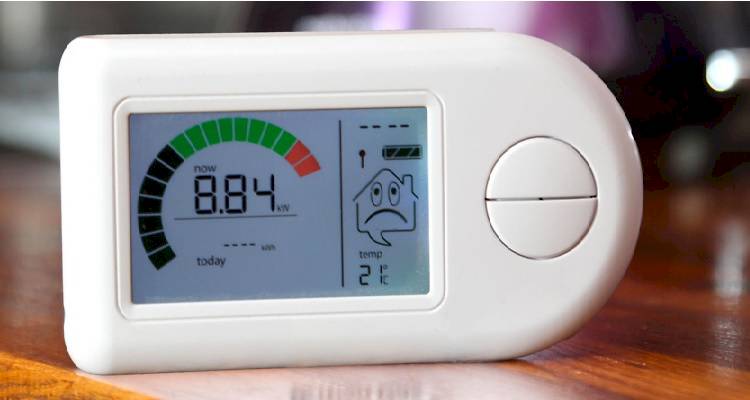
Smart meters are becoming increasingly popular now that our current climate is becoming technologically advanced with each passing day.
There are lots of benefits to smart meters and what they bring to your daily life, so don't be afraid if your energy company is rolling them out, as they're straightforward to use and efficient for your household.
Below are just a few of the advantages of installing a smart meter.
Your in-home display shows how much energy you are using and an estimate of what it costs. This can help you spot changes in your usage and find ways to cut back.
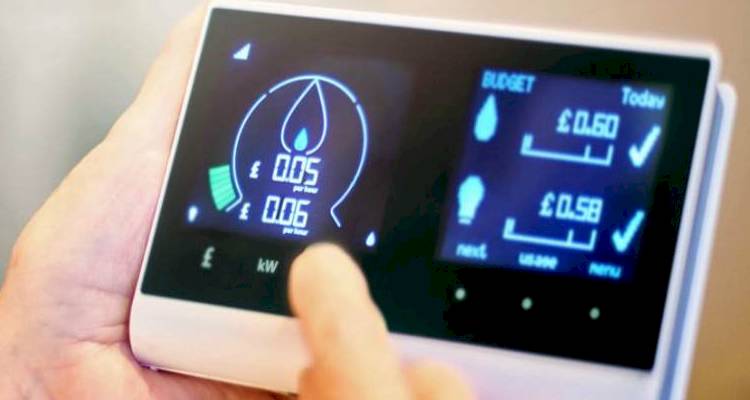
If you use a smart meter in prepayment mode, you can check your remaining credit and usually top up remotely. Some suppliers offer automatic top-ups, but you should still keep an eye on your balance to avoid running out.
Automatic meter readings help your supplier bill you for the energy you actually use rather than relying on estimates. The spending shown on your in-home display can help with budgeting, but it may differ from your final bill.
Having a smart meter can give you access to additional tariffs, including deals with cheaper electricity at certain times. Compare the rates and terms to see whether they suit how you use energy.
One of the most popular reasons for wanting a smart meter is how efficiently it can reduce consumption and your carbon footprint through real-time monitoring and accurate readings of your consumption. The dramatic shift to smart meters is a plan for Britain to house a cleaner and more flexible energy system, adapting to greener methods of generating energy.
This can be seen through electric vehicles, solar power, and wind power, tackling climate change one household at a time.
How much am I looking at to get a smart thermostat installed? I know the cost of the thermostat is around £120, but how much roughly on top of that for it to be installed?
Your energy supplier appoints your smart meter installer. Below are a few questions you may want to ask your supplier before the installation:
Smart meters normally send readings to your supplier automatically. If you need to take a reading yourself, use the screen and buttons on the meter, following your supplier's instructions for that model. The separate in-home display helps you monitor energy use and spending, but this is different from taking a meter reading.
Smart meters measure your gas or electricity use and send readings automatically to your supplier. Smart thermostats let you control your heating settings, often through an app on your phone. Payments for your energy are arranged with your supplier, not through the meter itself.
Yes, if you pay your energy supplier directly, you can ask them to install a smart meter. Check your tenancy agreement first, as it may require you to get your landlord's permission before changing the meter. If your landlord pays the energy supplier, speak to them about arranging the installation.
Economy 7 and Economy 10 offer cheaper electricity for 7 or 10 hours a day respectively, with higher rates at other times. Smart meters can support two-rate tariffs, and your supplier should offer a tariff that works in a similar way when replacing an older Economy 7 or radio teleswitch meter.
Yes, you will! If you're a dual-fuel consumer, then you will need to have both meters replaced and re-fitted separately to two separate smart meters. The two devices will join together to relay information onto just one in-home display unless your gas and electricity come from different suppliers.
Real prices from real homeowners
We use hundreds of thousands of real homeowner quotes submitted to MyJobQuote to provide the pricing data on this page.
Last updated 23/09/26.


Our roof needs retiling and there are eight solar panels up there. What's the going rate to take them off and put them b...
Just got my oven which has a plug on it my old oven was hard wired can i take the plug off and just wire it into the box...
Our old wired doorbell has stopped working entirely. Would an electrician charge much to fit a new one or is this the so...
I've bought a couple of wall lights for the front of the house. Roughly what would an electrician charge to wire them in...
We've bought an insinkerator for the new kitchen but the fitter won't touch it. what would a tradesman charge for the in...
New extractor fan went in with the bathroom a few weeks ago and it carries on running for ages after we turn the light o...
Copyright 2026 MyJobQuote.co.uk. All rights reserved
Privacy Policy | Terms and Conditions | Sitemap
MyJobQuote.co.uk is rated 4.68 stars by reviews.co.uk based on 4131 reviews