Builders
 Carpenters
 Electricians
 Flooring Specialists
 Gardeners
 Handymen
 Heating Engineers
 Painters & Decorators
 Plasterers & Renderers
 Plumbers
 Roofers
 Tilers
 my
mySmart Lighting Cost
At a Glance
- The average cost of smart lighting installation is £85.
- Most jobs take 30 minutes to 1 hour to complete.
- Smart lighting cost breakdown, including smart light fittings and individual light costs.
- How long the job takes and what is typically involved.
- How to find a local smart lighting installer.
Get free estimates
Are you a trade? Get more work today!
£85
Table of Contents
- How Much Does Installing Smart Lighting Cost?
- Supply Cost of Smart Lighting
- Additional Smart Lighting Installation Costs
- Smart Lighting Installer Cost & Timescales
- Factors That Impact Smart Lighting Installation Costs
- What's Involved in Installing Smart Lighting?
- Types of Smart Lighting
- Checklist: Hiring a Smart Lighting Installer in the UK
- FAQs
How Much Does Installing Smart Lighting Cost?
So, what is the cost to install a smart lighting system?
On average, smart lighting costs around £85 to install.
It's relatively cheap to install light fittings with conventional LED bulbs, but smart lighting systems offer many advantages, including more customisation and control over your lighting - and, arguably, better value for money.
The cost of fitting a smart lighting system depends on a whole host of factors, such as the type of smart home lighting, size of installation area (i.e., how many smart lights you want to install), ease of access, and even where you live. Your location is relevant since labour prices differ from region to region across the UK.
What are smart lighting systems?
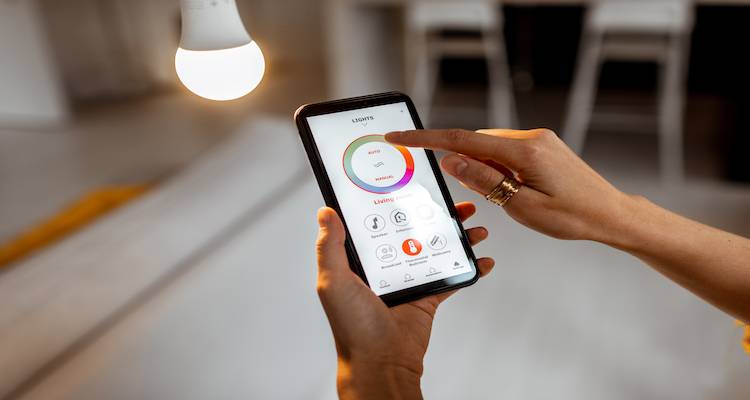
Smart lighting systems are lighting systems that let you control your home's lights remotely using your smart home device, through voice commands, or through automated routines.
Smart Lighting Installation Prices
The overall cost of smart lighting installation is primarily made up of labour and supply costs. Take a look at some smart light fitting costs:
| Job Description | Total Cost |
|---|---|
| Smart Bulb | £50 – £100 |
| Smart Hub | £60 – £150 |
| Motion Sensor Lights | £65 – £110 |
| Dimmer Switch | £60 – £100 |
| Smart Lighting for Entire Home | £3,200 – £10,500 |
Want a custom price?
Post your job
Supply Cost of Smart Lighting
Let's take a look at the supply cost of smart lighting products, purchased directly from the retailer.
| Job Description | Supply Cost |
|---|---|
| Smart Bulb | £10 – £50 |
| Smart Hub | £20 – £100 |
| Motion Sensor Lights | £15 – £60 |
| Dimmer Switch | £20 – £50 |
| Smart Lighting for Entire Home | £3,000 – £10,000 |
Want a custom price?
Post your job
What is a smart hub, and why might I want to have one installed?
"It is a control centre for all or any smart devices you may install in your property."
Additional Smart Lighting Installation Costs
When having smart lighting installed, you may decide to have other smart home systems installed at the same time. Let’s have a look at some popular examples:
Smart Meter Cost
Smart meters track real-time energy consumption, helping to improve energy efficiency in your home. A smart meter can be provided for free from your energy supplier, with the only expense for the installation relating to the cost of labour, which would be around £20 to £40.

While the cost of having a smart meter would be added to your bill (just as is the case with a conventional energy meter), it is generally a lower overall cost when you factor in the real-time energy efficiency readings, instead of estimates from traditional meters.
By accurately monitoring your energy consumption with a smart meter, you can make real energy savings on your energy bills:
- 250 kWh energy use monthly - £35 per month.
- 500 kWh energy use monthly - £70 per month.
- 750 kWh energy use monthly - £100 per month.
Smart Thermostat Cost
The purpose of a smart thermostat is to provide intelligent control over a heating system as part of your smart home. These WiFi-enabled systems are not only smart in how they manage your heating system, but they allow you to remotely control your heating system.
For instance, most smart thermostats let homeowners turn on their heating or heat up water for a bath while they're not at home.
Smart thermostat installation costs around £280, with the job generally taking 1 to 2 hours to complete.
Removing Gas and Electric Meter Cost
By adding a new smart meter to your home, you'll need to remove your old gas and electric meters. To remove your old energy meters costs £400 to £1,000 depending on the ease of access and the complexity of the job, and should only be completed by a professional electrician or Gas Safe engineer.
Smart Lighting Installer Cost & Timescales
The average cost of labour per hour for smart lighting installation is £40 to £50, with electricians charging around £200 to £250 per day.
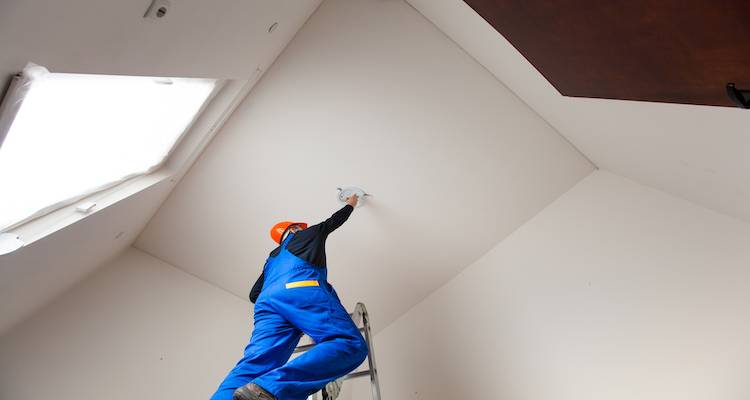
Smart lighting generally takes an hour or less to install, such as in the case of having a smart bulb unit or a single smart hub unit installed. However, if you were to have smart lighting fitted throughout your home, you can expect the work to take 1 to 2 days.
The cost of labour and timeframe can vary depending on the number of smart lighting units being installed and ease of access. Again, location can also affect the labour price, with prices in the capital and other large cities being higher than smaller areas in the north of the UK.
Ask a Trade
Got a question that only a tradesperson can answer? We have thousands of trades ready to answer any question you may have.
Ask your question

Factors That Impact Smart Lighting Installation Costs

There are many price factors involved in fitting smart lighting systems. Let’s have a look at what you should keep in mind:
- Type of Smart Lighting System — There are various options for smart lighting. The lowest-cost options are smart bulbs, costing £10 to £50 in supply costs. If you want to have smart light strips installed instead, these can cost anywhere from £20 to £100, depending on the brand and the size of the light strip.
- Type of Bulb — Simple pear-shaped white bulbs, which most closely mimic traditional bulbs, are the cheapest, while ombré or multi-coloured bulbs in different shapes cost more.
- Area of Installation — The larger the area, the higher the price, so if you want your entire home kitted out with smart lighting, you'll pay anywhere from £3,200 to £10,500, while individual bulb installations cost closer to £50 to £100.
- Location of Property — Where you live in the UK will shape the overall price of fitting smart lighting systems. Electricians tend to charge more in the southeast, while labour prices are usually below the UK average in the north of England, Scotland, and Northern Ireland.
- Ease of Access — The more accessible the work area, the less time the work will likely take, and vice versa. If you're having smart lights installed on a particularly high, period property ceiling, for example, this will cost more than a standard light bulb swap at a standard ceiling height.
What's Involved in Installing Smart Lighting?
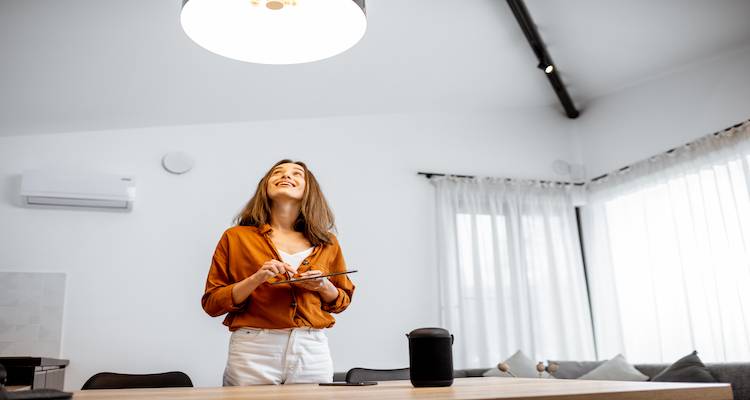
It’s critical to fix your new smart lighting in place correctly for both safety and operational reasons.
For this reason, most homeowners choose to hire a professional. You can receive multiples quotes from local smart lighting installers using MyJobQuote, which are fast, free, with no-obligation to go ahead.
Let's take a look at the steps taken to install smart lighting systems:
Before the Job Starts
- Electricity is Turned Off — Electricity will be turned off at the mains. This is vital for your safety as electrocution can be lethal.
During the Job
- Smart Light is Fitted — Your smart lighting installer will remove the old light fitting and install the new one. More work may be required to replace the lighting unit correctly.
After the Job
- Power is Turned Back On — When the new smart lighting installation is fully complete, your power will be turned back on at the mains.
- Waste Removal — At this stage, you’ll want to remove any items that are left over. You should check with your smart light installer as to whether they’re happy to deal with waste removal. This may or may not come with an additional fee if agreed upon.
Types of Smart Lighting
There are many types of smart lighting systems. Let’s take a closer look at the most popular options:
Smart Bulbs
A smart bulb is a WiFi-enabled LED bulb that can be controlled remotely. Users will have the ability to control the scheduling and customisation of these lights remotely. One downside, however, is that they do not last as long as conventional LED light bulbs.
Smart bulbs have about 40% of LED light bulbs' life expectancy. You won’t need a large budget for most smart bulbs, with most costing between £10 and £50.
Why do smart lights have a lower life expectancy than conventional LED bulbs?
"Smart lights and LED both share the same basic design. They both convert the AC current that feeds them into DC current, with both lights this produces excess heat build up which is dissipated through heat sinks in the unit. Now, add in bluetooth and WiFi circuits into the same light and you have an excess of heat. This heat tends to shorten the life span of the units as with any bulb."
Smart Hub Lights
These lights are essentially smart bulbs that are specifically connected to a smart hub. The differentiation here is that this installation requires the purchasing of smart hub hardware and its set up. Some smart bulbs are not enabled for a smart hub specifically.
The obvious downside of smart hub lights is that the installation as a whole is a bit more expensive.
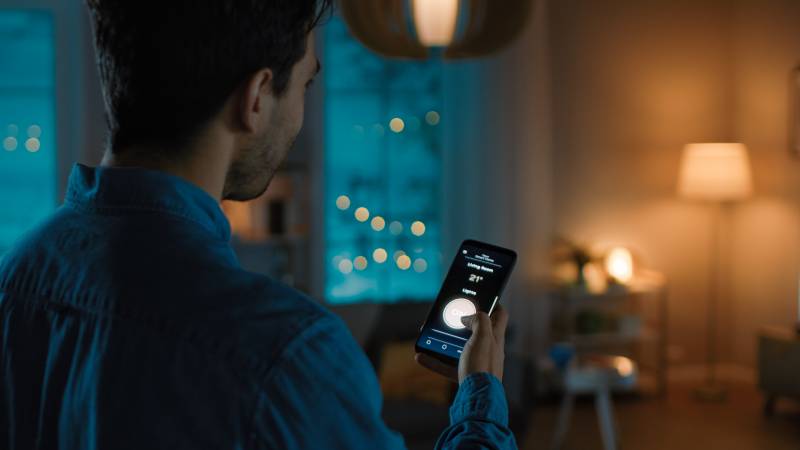
The cost of a smart lighting system would likely be between £20 and £100 in terms of the standalone costs (i.e., excluding the labour cost for installing the system). Don’t forget that smart lighting isn’t just for indoors, and there are smart outdoor lighting options, too.
Motion Sensing Lights
As the name suggests, these lights turn on in response to a motion. Some options, known as occupancy sensor lights, can also turn off if it detects that a room/space is unoccupied.
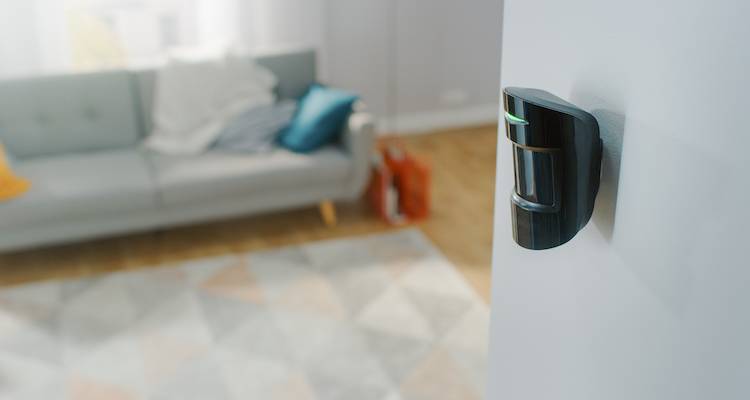
Broadly speaking, a motion sensor light will cost a bit more on average than a smart bulb or even a smart hub light. The supply cost of the average motion sensing light is approximately £15 to £60.
Is smart lighting secure, or can it be hacked into or otherwise pose a security risk?
"Generally, anything electronic is hackable if it’s connected to the internet. Generally, smart lighting has its own WiFi that's only visible through the app, which has some sort of encryption built in. It depends on the product on how hard or how easy it is, as a lot of the cheaper products use third party generic smart home software apps."
Checklist: Hiring a Smart Lighting Installer in the UK
Before hiring an electrician to fit a new smart lighting system, there are a variety of considerations worth taking into account. By doing so, you can maximize your chances of finding one of the best contractors in your area for the job.
You can use MyJobQuote to get free, no-obligation quotes from local smart lighting installers. It's fast, easy, and connects you with local professionals.
Here's what you should consider when hiring a local smart light installer:
- Are they a qualified electrician? They should be fully qualified and preferably registered with a UK Competent Person Scheme, such as NICEIC or NAPIT.
- What prior experience do they have? Ensure they have plenty of experience and can provide evidence of their previous work.
- Are they insured? Look for public liability insurance, to protect you in case of any accidental damage or injury during the job.
- Do you have an itemised quote? Ask for a breakdown of what is included in your quote, and check if there are any additional costs.
- Is waste removal included? Ask your electrician if they handle the disposing of waste, or recycling of old lightbulbs, and if this is included in your quote.
- Do they offer a guarantee? Find out if your electrician provides any guarantees, and what that covers.
- Do they have positive reviews? Check their MyJobQuote profile and see what feedback they have received from other homeowners.
FAQs
Can I install a smart lighting system myself?
You should only undertake this job if you know what’s involved, have the right skills and understand the necessary safety steps. There is a risk of electrocution, and incorrect installation in smart light installation, you may also have to work at height.
How does smart lighting work?
Smart lighting involves an internet-connected hub that hooks up your smart light bulbs and gives a homeowner remote access to controlling these lights. Again, this could be achieved in a range of ways, such as through an app or a smart home assistant.
How long do smart bulbs tend to last?
On average, a smart bulb lasts for 20,000 to 25,000 hours. In contrast, conventional LED bulbs can last for 50,000 hours.
What are some other downsides to smart lights?
Aside from a shorter life expectancy, smart lights sometimes require charging, and there are some potential security risks, as is the case with anything that is internet-connected.
Is a smart light a fire hazard?
While any light bulb can pose a fire risk (particularly if it is faulty, installed incorrectly, or used with wires that are exposed), smart lights are seen as being less of a fire hazard than traditional LED bulbs.
Do I need to replace my bulbs to get smart lighting?
Smart switches are worth considering if you want to expand a smart lighting system without replacing your bulbs. Smart switches fit in place of your existing switches and can be operated via smartphone apps, voice commands, or smart home systems such as Google Assistant, Amazon Alexa, or Apple HomeKit, letting you adjust lighting levels, set lighting scenes, and create mood lighting from anywhere.
Do I need planning permission to install smart lighting?
There are no specific building regulations or planning permission rules for fitting smart lighting systems in your home. However, if you are making wider changes to your smart home setup at the same time, it is always worth checking with your professional installer beforehand.