Builders
 Carpenters
 Electricians
 Flooring Specialists
 Gardeners
 Handymen
 Heating Engineers
 Painters & Decorators
 Plasterers & Renderers
 Plumbers
 Roofers
 Tilers
 my
myVinyl Flooring Cost
At a Glance
- The average cost of laying vinyl flooring is around £300.
- The duration of the job will vary depending on the tradesperson and materials used.
- NEW! Use our vinyl flooring cost calculator for an instant estimate.
- A complete breakdown of vinyl flooring costs, including fitting lino and LVP flooring costs.
- What goes into fitting vinyl flooring, including vinyl flooring labour costs in the UK.
- How to find and hire a local vinyl floor installer using MyJobQuote.
Get free estimates
Are you a trade? Get more work today!
How much is vinyl flooring?
To install vinyl flooring, you'll typically pay between £100 to £300, depending on a few factors.
How can this vinyl floor installation price guide help you?
In our complete cost guide, we cover everything you need to know about vinyl flooring, including what laying a vinyl floor involves, while providing costs for vinyl click flooring, vinyl tile flooring, and herringbone vinyl flooring - in both materials and labour fees.
Ready to get a quote for your job?
We can help you get a free quote from flooring fitters near you. Simply enter your job details and get quotes back from installers near you.
For all your vinyl flooring cost information - keep reading!
£300
Table of Contents
How Much Is Vinyl Flooring?
How much will a vinyl floor fitter charge?
The average price a tradesperson will charge for installing vinyl or linoleum flooring in the UK is between £15 and £20 per hour. The cost of your flooring materials will largely impact the overall cost.
When outlining a budget for your home improvement project, you should always make yourself aware of the difference in price between various flooring products. For example, luxury vinyl flooring may cost more than standard or thinner vinyl flooring.
The average price for materials and installation of standard vinyl flooring in a medium-sized room is between £200 and £400.
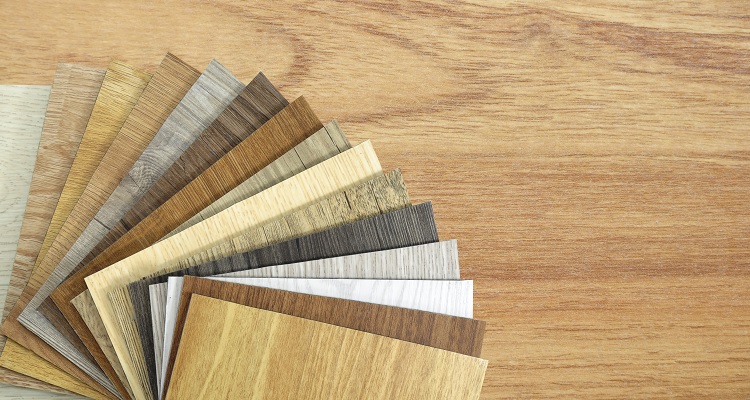
Vinyl flooring is available in many different designs, colours and patterns, with some even mimicking wood flooring or tiles. This is why thousands of homeowners across the UK are choosing to use vinyl in their homes.
Is sheet vinyl flooring the same as lino?
"Not exactly as they're made from different materials. Vinyl is made from man made products and linoleum is made from natural materials such as compressed cork."
Vinyl Flooring Prices
How can you calculate how much vinyl flooring you'll need?
You can work out how much vinyl flooring you will need by calculating the room area, allowing 50mm to 100mm at each edge. Be sure to measure into any awkward spaces, such as alcoves, corners, and doorways.
If you hire a professional to assist with your installation, they will be happy to advise you on which kind of vinyl floor product would be best.
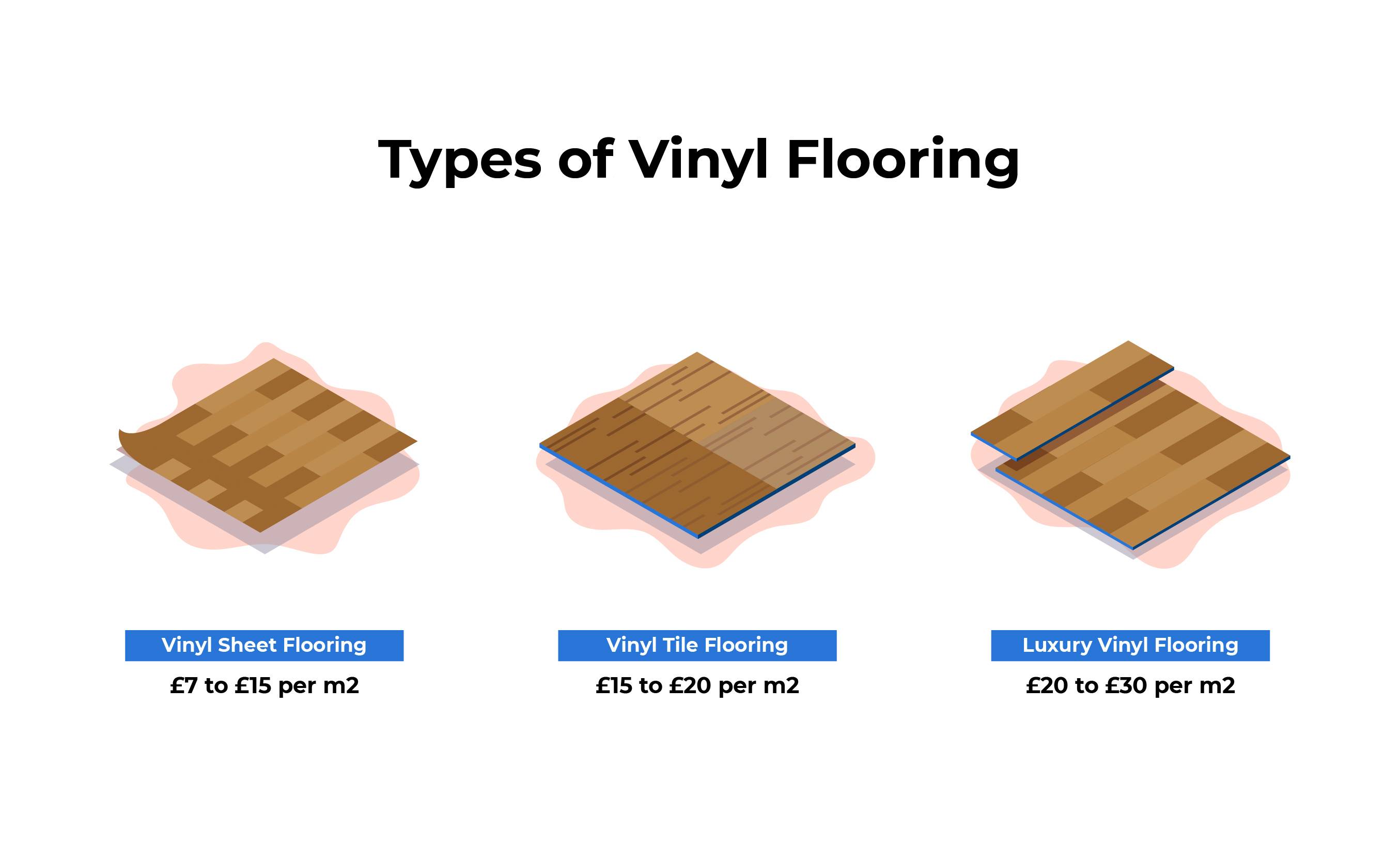
The supply cost of vinyl flooring is relatively low, ranging from £7 to £15 per m² for budget vinyl sheets, a good option for homeowners looking for a cost-effective flooring change. If you want to opt for luxury vinyl sheets, these typically cost £20 to £30 per m².
To give you an idea of the type of costs you're likely to see when gathering quotes for your vinyl flooring project, take a look at the most popular types of vinyl flooring below:
| Job Description | Duration | Material Cost | Labour Cost |
|---|---|---|---|
| Budget Vinyl Sheets | < 1 Day | £7 – £15 per m² | £100 – £200 per day |
| Luxury Vinyl Sheets | < 1 Day | £20 – £30 per m² | £150 – £200 per day |
| Vinyl Planks | 1 – 3 Days | £15 – £20 per m² | £100 – £200 per day |
Want a custom price?
Post your job
LVT is a premium type of vinyl flooring that offers more texture options and colours. It also typically has better waterproofing properties, helping it to last longer. LVT flooring costs £25 to £40 per m² for a mid-range quality.
Which is better, vinyl flooring rolls or tiles, and why?
"Personally vinyl flooring. Cutting is a lot easier to do around toilets units etc it's waterproof if fitted correctly. Grout doesn't stain and easy to clean."
Additional Vinyl Flooring Costs
While you're having your vinyl floor installed, the fresh change may make old or damaged parts of your home more obvious. In these cases, you may want to get them all seen to at the same time to help your home feel rejuvenated.
Here are some typical additional jobs you might want to consider while having vinyl floors installed:
Removing Old Flooring
If you have existing flooring that needs to come up before the vinyl can be laid, most fitters will charge separately for this. Uplift and disposal typically costs £5 to £8 per m², depending on the type of flooring being removed and how well it's fixed down. For a medium-sized room of around 15m², that works out to roughly £75 to £120 on top of your installation costs.
Subfloor Preparation
Vinyl will pick up any imperfections in the subfloor beneath it, so preparation work is often necessary before laying can begin. Your fitter may recommend one or more of the following:
- Smoothing compound — used to level an uneven subfloor. Costs around £7 to £10 per m².
- Damp course membrane — required where moisture could be an issue, for example on ground-floor concrete subfloors. Costs around £10 to £15 per m².
- Ply board — laid over an existing wooden subfloor to create a smooth, stable surface. Costs around £8 to £12 per m².
Not every job will need all of these. It's worth discussing the condition of your subfloor with your fitter before agreeing a final price.
If your subfloor is in very poor condition, your contractor might suggest screeding the floor first. This will ensure a completely flat, smooth level for the vinyl flooring to sit on top of.
Your vinyl flooring specialist may be able to offer this as part of their service, and floor screeding costs between £12 to £15 per m². While you won't see the change this makes, the end result will be far better for it.
Door Bars and Trims
Where your new vinyl meets a different floor covering in a doorway or adjoining room, a door bar or trim is needed to create a neat finished edge. Door bars for sheet vinyl typically cost £10 to £20 each, with fitting usually included in the day rate. If you're having multiple rooms done, confirm with your fitter how many are needed and whether they're included in the quote.
Adding Underfloor Heating
Your vinyl flooring installer will be able to advise if your specific type of vinyl flooring is right for this step, but typically, luxury vinyl tiles (LVT) and some sheet vinyl flooring options are suitable for use in conjunction with underfloor heating. The vinyl flooring manufacturer will state the maximum temperature the flooring can bear, which is usually 27°C, but should be checked on a case-by-case basis.
The cost of installing underfloor heating ranges depending on the size of the room, but is typically around £800, but can rise to in excess of £7,700 for the most sophisticated systems.
Installing New Skirting Boards or Architrave
Your existing skirting boards might get damaged during the vinyl flooring installation. If this happens, the cost to remove old skirting boards and replace them is around £250 for an average-sized room.
However, your existing boards might not get damaged enough to warrant a full replacement, and they might just need sprucing up with some fresh paint. The cost of repainting skirting boards is far lower in comparison to full removal, making it a cost-effective choice, at around £200.
Repainting or Rewallpapering a Room
Moving your room's flooring around may damage your existing walls, meaning a room repainting or wallpapering might be on the cards. The cost of repainting a room is around £400, while rewallpapering costs £300.
If your flooring extends to your stairs, the cost of repainting a staircase is around £400, but this varies depending on the length of the staircase, and the intricacies of the spindles.
What's more important for vinyl flooring, cushioning thickness or adding underlay?
"Underlays are not necessary for most vinyl floors. A well-cushioned vinyl floor should work fine on its own if the surface is level and smooth. The most important factor when laying vinyl flooring is ensuring your subfloor is smooth, clean, dry, and sound enough for your vinyl to lay on top."
Vinyl Flooring Cost Calculator
Why Choose to Install Vinyl Flooring?
Typically, vinyl flooring is one of the most cost-effective flooring options you can install, making it a popular choice among homeowners. Let's look at some reasons why you might want to choose vinyl flooring:
Hardwearing, Durable Properties
Vinyl flooring is a very strong and durable material, being stain and water-resistant. This makes vinyl flooring perfect for areas prone to spillages, such as kitchens and children's play areas.
Varied Appearance Options
When considering what vinyl flooring you want, you'll also need to consider the design of your vinyl flooring, as there are a wide variety of different looks, patterns and colours to choose from. You may prefer vinyl flooring that replicates the appearance of wooden floors or tiles - and they'll all come at a fraction of the price of the "real" alternatives.
There is also a large selection of various vinyl floors to choose from, such as scratch-resistant flooring, luxury flooring, and easy-to-clean flooring. Before choosing to install vinyl flooring, you should consider researching all of the various vinyl flooring products, such as luxury vinyl sheets or vinyl floor planks.
Ease of Installation
Installing vinyl flooring is generally simpler in comparison to other flooring options. However, as with any home improvement project, for best results, we recommend you seek advice and assistance from an experienced vinyl floor fitter.
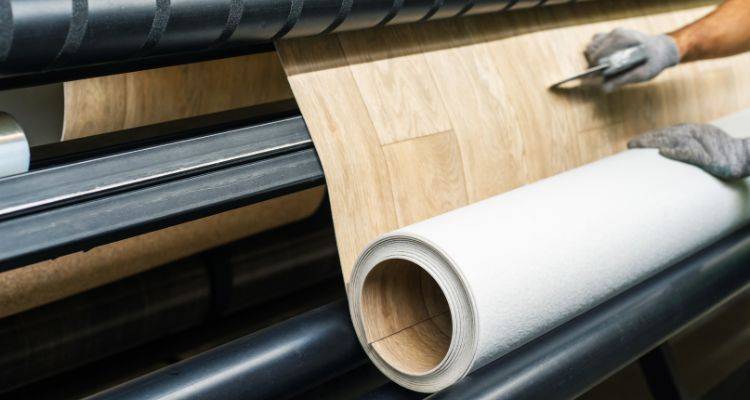
Sheets of vinyl flooring are usually a lot quicker to install when compared to vinyl tiles or planks. This is because more surface area is being covered at once, much like installing a carpet.
Cost-Effective
Most vinyl flooring will not need underlay, especially if the surface you are laying on is smooth and level. As you are less likely to need to install underlay, the installation of vinyl flooring is attractively cost-effective.
Do I need to have levelling compound laid prior to the vinyl floor being fitted as the grouting gaps are very shallow?
"100% yes. The grout lines will show through no matter how shallow you think they are. Before applying a suitable levelling compound be sure to prime the tiles with a suitable primer. I'd suggest one containing a grit."
What Are the Alternatives to Vinyl Flooring?
While thousands of people are opting for the installation of vinyl flooring as it is water-resistant, making it ideal for installing in bathrooms and kitchens, some homeowners may prefer a different look and feel underfoot.
In contrast to most laminate and wood flooring products, vinyl will not discolour or rot if exposed to dampness or spills. This is why it is a great, long-lasting flooring option, proving both cost-effective and versatile.
Choosing a flooring type can be tricky, with so many to choose from. Whether you want something plush underfoot like a carpet or a smooth, polished surface like a parquet floor comes down to personal preference.
Let's take a look at some of the most common flooring alternatives to vinyl to give you an idea of what you can have:
Wooden Flooring
Wooden flooring is a classic, timeless flooring choice - but it comes with a high price point. The cost of wooden flooring can vary greatly depending on the type of wood, whether you choose hard or soft wood, and the size of your room.
Typically, wooden floor installation costs range from £500 to £1,500, but can rise to over £2,000 for premium walnut wooden floors.
Pros of Wooden Flooring
- ✔ Value-adding flooring.
- ✔ Hard-wearing, with a classic look and appeal.
Cons of Wooden Flooring
- ✖ Can be very expensive for solid hardwood varieties.
- ✖ Prone to moisture damage if used incorrectly, as well as scratches.
Laminate Flooring
Laminate flooring can get a bad reputation for being - and at times looking - cheap. While the cost of laminate flooring can start at as little as £8 per m², if you choose carefully you can get some fairly authentic looking wood or stone mimicking laminate flooring, giving you the look of something far more expensive.
Of course, the tell-tale sign of laminate flooring not being real wood flooring is that it isn't as hard underfoot and won't make the traditional wooden floor noise when walked upon.
Pros of Laminate Flooring
- ✔ Affordable, easy to install without much experience.
- ✔ Plenty of choice for colour and design.
Cons of Laminate Flooring
- ✖ Can look cheap if poorly installed.
- ✖ Susceptible to water damage over time.
Floor Tiles
A good option for homeowners wanting a lot of creative freedom over their flooring is floor tiles. Floor tiles cost between £15 to £50 per m² depending on the type of floor tile material. Ceramic and porcelain floor tiles are at the lower end of the price spectrum, while marble and limestone floor tiles are at the higher end.
Pros of Floor Tiles
- ✔ Durable, hardwearing flooring.
- ✔ Water-resistant.
Cons of Floor Tiles
- ✖ Can be cold underfoot.
- ✖ Not good for small children due to the hardness of the surface if they fall.
Carpet
Lastly, carpet is another option for homeowners looking for something different than vinyl flooring. With a soft and warm feeling underfoot, carpets are commonly found in bedrooms - but not favoured in bathrooms for obvious reasons.
Carpeting a small bedroom costs between £75 to £500, depending on the type of carpet you choose and the complexity of the room's layout, with easy shapes being cheaper to lay than rooms with alcoves and chimney breasts.
Pros of Carpets
- ✔ Warm flooring type, comfortable underfoot.
- ✔ Muffles footsteps.
Cons of Carpets
- ✖ Stains easily.
- ✖ Carpet pile can reduce over time, making the surface look tired and worn.
What's Involved in Installing Vinyl Flooring?
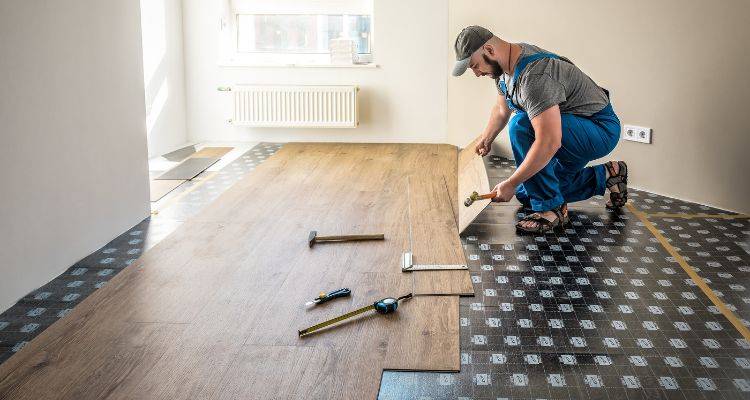
Understanding what your fitter will actually do helps you plan around the work and know what to expect on the day. Here's a brief overview of each stage.
Before the Job
- The fitter will assess the subfloor for any unevenness, damp, or damage that needs addressing before laying can begin.
- Any existing flooring will be lifted and disposed of if agreed as part of the quote.
- Subfloor preparation work — such as applying smoothing compound or laying ply board — is carried out at this stage.
- The vinyl will ideally have been stored in the room for at least 48 hours beforehand, allowing the material to acclimatise to the room temperature.
During the Job
- The fitter will measure and cut the vinyl to fit the room, including any awkward areas such as alcoves, doorways, and pipework.
- For sheet vinyl, the material is scribed and trimmed to sit neatly against the skirting boards, with any joins positioned carefully to minimise visibility.
- For vinyl planks or tiles, the fitter will work from a central point outward, cutting edge pieces to size as they go.
- Adhesive or double-sided tape is applied where required to secure the flooring in place.
- Door bars and trims are fitted at thresholds where the vinyl meets other floor coverings.
After the Job
- The fitter will clean up and remove any offcuts and waste material.
- You'll be advised on how long to leave the floor before walking on it or replacing furniture, particularly where adhesive has been used.
- Your fitter should also talk you through any aftercare requirements specific to the product installed, such as which cleaning products to use and what to avoid.
Ask a Trade
Got a question that only a tradesperson can answer? We have thousands of trades ready to answer any question you may have.
Ask your question

Checklist: What To Consider When Hiring a Vinyl Flooring Specialist in the UK
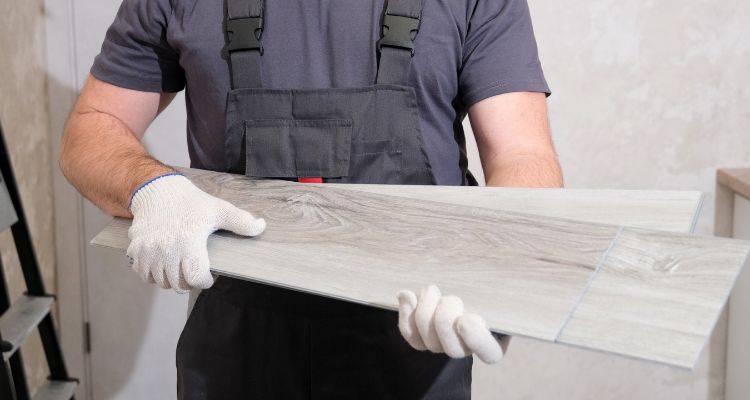
Ready to get your new floor laid? Here's what to keep in mind when hiring a professional fitter to ensure the job is done properly and to a high standard.
- Have they provided a detailed written quote? Don't accept a verbal estimate. Ask for an itemised quote that clearly breaks down labour, materials, subfloor preparation, removal of existing flooring, door bars and trims, and waste disposal. These are common sources of unexpected additional charges.
- Do they have experience with your chosen product? Sheet vinyl, click planks, and glue-down LVT each require a different installation approach. Make sure your fitter has relevant experience with the specific type of flooring you've chosen, particularly for more complex layouts such as herringbone.
- Will they assess the subfloor first? A reputable fitter will inspect the subfloor before quoting and flag any preparation work required. If a fitter is willing to lay over an uneven or damaged subfloor without addressing it, treat that as a warning sign.
- Are they insured? Ask to see proof of public liability insurance. This is essential to protect you and your property in the event of accidental damage during the installation.
- Can they provide references or reviews? Request photos of previous installations and ask for references from past clients where possible. You can also check their MyJobQuote profile to read verified reviews and view their past work.
- What aftercare advice will they provide? A knowledgeable fitter should be able to advise you on how long to leave the floor before walking on it, which cleaning products are safe to use, and how to handle minor damage if it occurs.
Following these steps will help you find a reliable vinyl floor fitter with the experience and professionalism to get the job done right.
Can I lay vinyl sheeting over old vinyl coverings?
"It all depends what kind of existing vinyl is, if it is hard and solid fitted to floor, then yes, you can lay vinyl over vinyl."
FAQs
How Much Is Vinyl Flooring per Square Metre?
For supplying and installing budget vinyl flooring, you should expect to pay around £12 to £20 per square metre for standard installation.
Is Vinyl Flooring Cheaper than Tiles?
Yes. In most cases, vinyl flooring will work out cheaper to purchase and install when compared to tiles.
Does Vinyl Flooring Rip Easily?
This depends significantly on the quality of your vinyl. Low-quality vinyl can be too soft or thin, making it prone to tearing. Things like furniture, pets and shoes can cause breaks in the vinyl if you are not careful.
Is Vinyl Flooring Better than Laminate?
While laminate flooring is also extremely durable, it tends to fade and discolour over time, especially in direct sun exposure. Vinyl flooring can be a better option for humid and damp areas when compared to laminate.
How Much Does It Cost to Fit Vinyl Flooring in a Small Bathroom?
For a small bathroom of around 4 to 6m², the total cost of supply and fitting typically ranges from £150 to £400, depending on the vinyl chosen. Budget sheet vinyl keeps costs towards the lower end, while LVT in a compact space can still reach £300 or more once subfloor preparation is factored in.
How Much Does It Cost to Remove Carpet and Install Vinyl Flooring?
Carpet removal and disposal typically adds £5 to £8 per m² to the overall cost. For a medium-sized room, that's roughly £75 to £120 on top of your flooring and fitting costs. Some fitters include uplift in their day rate, so it's worth confirming this when gathering quotes.
How Much Does Labour Cost to Fit Vinyl Flooring?
Most vinyl floor fitters charge between £15 and £25 per hour, or a day rate of £100 to £200 for straightforward installations, which is usually long enough for a single room installation. Labour costs will be higher if significant subfloor preparation is needed.