Builders
 Carpenters
 Electricians
 Flooring Specialists
 Gardeners
 Handymen
 Heating Engineers
 Painters & Decorators
 Plasterers & Renderers
 Plumbers
 Roofers
 Tilers
 my
myDouble Glazing Condensation Repair Cost
At a Glance
- The average cost to replace a single blown unit is £55 to £145.
- A single misted unit can usually be replaced within 1 hour.
- Double glazing condensation repair costs by window size and repair type.
- Repair vs replacement costs for misted double glazing, blown windows, and seal failure.
- Cost factors including glass unit type, rubber seals, access, and energy efficiency.
- How to get free quotes from local glaziers with MyJobQuote.
Get free estimates
Are you a trade? Get more work today!
£145
Table of Contents
How Much Does It Cost to Remove Condensation from Windows?
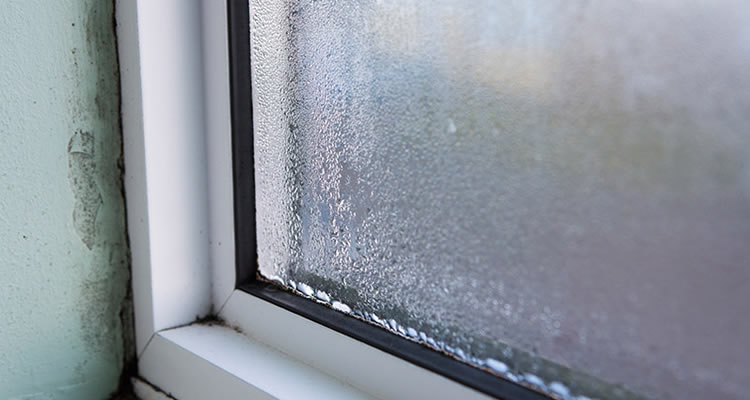
If you have condensation between the panes of double glazed windows, the sealed glass unit has usually failed. This is often called a blown window, misted double glazing, or seal failure.
The typical cost to fix blown double glazing is £55 to £145 for a single replacement glass unit. Replacing all blown double glazing units in a 3-bed semi-detached home usually costs £1,400 to £2,500.
What is your biggest concern when planning condensation removal?
The overall cost of removal
6 votes - 30%30% of votes
Deciding if condensation removal is the right solution
11 votes - 55%55% of votes
Effectiveness of the treatment
1 votes - 5%5% of votes
Improving energy efficiency
2 votes - 10%10% of votes

20 votes
See results
Hide results
This guide focuses on internal condensation between the panes. If you notice condensation on the room-facing side of the glass, the issue is more likely to be ventilation, humidity, or your heating system rather than a failed sealed unit. If you see condensation on the outside of the glass, this is a sign the window is working as intended, and will clear once the sun heats the outside glass.
Double Glazing Condensation Repair Prices
| Job Type | Typical Cost Range |
|---|---|
| Single unit replacement (small window) | £55–£75 |
| Single unit replacement (large window) | £115–£145 |
| Specialist resealing (per window) | £50–£100 |
| All units in a 3-bed semi-detached home | £1,400–£2,500 |
| Full window replacement (uPVC casement) | £350–£650 |
Want a custom price?
Post your job
There are 2 main ways to fix misted double glazing: replace the sealed glass unit or use specialist resealing. Replacing just the glass is usually the best way to solve the problem in the long run if the frame is still in good shape.
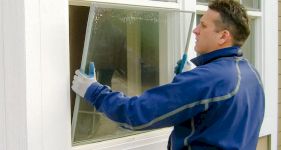
Sealed glass unit replacement is the most common option. A specialist removes the misted unit from the existing frame and installs a new glass unit made to the correct size. This is usually more cost effective than replacing the full window.
Specialist resealing involves drilling a small hole, removing trapped moisture, adding a drying agent, and resealing the unit. This can be cheaper, but it may not last as long as replacing the failed glass unit.
Repair is not always possible. Toughened glass, some bathroom windows, and certain doors cannot be resealed because drilling can cause the glass to shatter. If the frame is warped, cracked, rotten, or allowing moisture in, you may need to replace the full window.
Double Glazing: Repair vs Replacement
Repairing misted double glazing is usually cheaper than replacing the full window, but the best option depends on the frame, seal failure, window size, and age of the existing unit. If you need to replace blown double glazing, your window repair cost will usually be lower when the frame is still in good condition.
| Option | Typical Cost | When It Makes Sense |
|---|---|---|
| Specialist resealing | £50–£100 per window | The frame is sound and you want a lower-cost short-term fix |
| Replace just the glass unit | £55–£145 per unit | The frame is in good shape but the sealed glass unit has failed |
| Full window replacement | £350–£650 per uPVC casement window | The frame is damaged, old, draughty, or no longer energy efficient |
Want a custom price?
Post your job
A professional repair normally means replacing the entire insulated glass unit (IGU), rather than replacing the frame. For a full breakdown of replacement unit costs by window size, see our window glass replacement cost guide.
Repair may be better if:
- The window frame is structurally sound and free from rot, warping, or cracks.
- The only problem is a cloudy appearance, internal condensation, or misting between the panes.
- You are happy with the window style, opening mechanism, and energy efficiency.
- The window is not too old and replacement costs would be much higher than a repair.
Replacement may be needed if:
- The seal breaks repeatedly or several windows have failed across the property.
- The frame is damaged, warped, rotten, or letting in draughts.
- The window is around 20 to 25 years old and no longer performs well.
- You want better noise reduction, improved energy efficiency, low-e glass, or self-cleaning glass.
- The combined repair cost is close to the cost of a new window, making replacement a better investment in the long run.
For more detail on full replacement costs, see our new windows cost guide.
I’ve noticed a lot of condensation buildup on my internal windows. It looks as though some of the beading/strip where the glass panel meets the frame is worn. I have already sealed around the window frames but now think I may need advice on how to fix the issue on the panel?
"You could try and get a new bead for the window and get the window resealed. Condensation can also come from the heat in the house or you could get a more up to date glass that will stop it."
Additional Condensation Removal Costs
Additional costs should only apply if the misted unit has caused damage nearby, or if the frame and seals also need repair.
- Mould Removal — If condensation has been present for a long time, mould may appear around the frame or nearby wall. Small patches can often be cleaned with a suitable product, but professional mould removal will be needed for more serious cases involving larger areas.
- Window Frame Repairs — If the frame is cracked, warped, rotten, or damaged, a more extensive window repair may be needed before the new sealed glass unit can be fitted.
- Rubber Seals and Resealing — If the issue is around the frame rather than between the panes, replacing rubber seals or resealing the window may help. See our window and door resealing cost guide for more detail.
- Glass Upgrades — Different types of glass can increase material costs. Low-e glass, toughened glass, acoustic glass for noise reduction, or self-cleaning glass may cost more than a standard glass unit.
Factors That Impact Double Glazing Repair Costs
Several factors can affect your misted window repair cost, from the size of the unit to the type of glass and whether the frame also needs repair.
- Window Size — A small window or single pane-sized unit will usually cost less to repair than a large window or oversized sealed glass unit.
- Number of Affected Units — The more misted units you have, the higher the total repair cost. However, replacing multiple units in one visit can reduce the cost per window.
- Repair vs Replacement — Replacing just the glass is usually cheaper than replacing the full window, but full replacement may be needed if the frame is damaged or the window is very old.
- Glass Type — Toughened glass, low-e glass, self-cleaning glass, and acoustic glass usually have higher costs than standard double glazing.
- Condition of the Frame — If the frame, beading, or rubber seals are damaged, the specialist may need to complete extra window repair work before fitting the new unit.
- Energy Efficiency — A failed sealed unit can reduce energy efficiency and increase energy bills. Choosing a more efficient replacement glass unit may cost more upfront but can be more cost effective in the long run.
- Access and Location — Upper-floor windows, large bay windows, awkward access, and London or South East labour rates can all increase the final price.
- Warranty Cover — If your double glazing is still under warranty, replacement costs may be covered by the original installer or warranty provider.
What Causes Double Glazing Seals to Fail?
The seal around a double glazed unit is designed to last for many years, but several factors can cause it to break down early. Taking care with cleaning products can help protect the rubber seals and keep your windows in better condition for longer.
- Poor Original Installation — If the unit was not fitted correctly, the seal is more likely to fail before the end of its expected lifespan.
- General Wear and Tear — Over time, the sealant naturally degrades, especially on windows exposed to prolonged heat, sunlight, and weather changes.
- Frame Deterioration — A warping, shrinking, or rotting frame can put pressure on the sealed glass unit and cause the seal to break.
- Accidental Damage — A crack, impact, or physical damage to the glass or frame can compromise the seal immediately.
- Harsh Chemicals — Abrasive or solvent-based cleaning products can damage rubber seals and sealant over time.
- Temperature Changes — Repeated expansion and contraction can weaken the seal, allowing moisture to enter between the panes.
Ask a Trade
Got a question that only a tradesperson can answer? We have thousands of trades ready to answer any question you may have.
Ask your question

Checklist: How to Find and Hire a Window Specialist
Before agreeing to any blown double glazing repair or replacement work, make sure your quote includes a total price, a breakdown of the work, the glass type, and an estimated timeline.
- Certifying the work — Ask who will certify the work. In England and Wales, if the installer is registered with a competent person scheme such as FENSA, CERTASS, or NAPIT, they can self-certify. Otherwise, the work will need to be signed off by building control. Different rules apply in Scotland and Northern Ireland.
- Warranty on parts and installation — Confirm that the replacement sealed unit and the installation work are covered by a written warranty. A reputable specialist should offer at least 5 years on a new unit.
- Existing warranty — Check your original window installation paperwork before booking any work. Many installers offer warranties of up to 15 years, which may cover the repair cost.
- Experience with your window type — Ask whether the specialist works with your window style, frame material, and glass type. Not all contractors work with toughened glass, timber frames, or Velux units.
- Measurements taken on-site — Confirm the specialist will measure the glass unit themselves before ordering. Incorrect measurements can result in a replacement unit that does not fit.
- Repair vs replacement advice — Ask whether you need to replace just the glass, reseal the window, or replace the full window.
- Insurance — The contractor should hold public liability insurance as a minimum. Ask to see evidence before work begins.
- Waste disposal — Check whether removal of the old unit is included in the quote, as some contractors charge separately for this.
- References and reviews — Ask for references from previous window repair jobs and check independent reviews before committing.
FAQs
Can I Fix Condensation in Double Glazing Myself?
Resealing double glazed windows is not usually a feasible DIY job because it requires specialist tools, accurate measurements, and experience working with sealed glass units. If you're replacing the entire window unit, you'll need to get the measurements completely accurate as even a few mm off can mean the unit won't fit, and made-to-measure units are non-refundable. It's not recommended to attempt either job as a DIY venture.
Are Misted Double Glazing Repairs Covered by Warranty?
They may be. Many window installers offer warranties of 5 to 15 years, and a failed seal may be covered if the unit is still within the warranty period. Check your original installation paperwork before paying for repairs, and if your installer is registered with a competent person scheme, they have to provide insurance, even if they've stopped trading by the time you need to claim.
What Causes Condensation Inside Double Glazing?
Condensation between the panes is usually caused by a failed window seal. Once the seal breaks, moist air enters the gap and the insulating gas escapes, giving the window a misted or cloudy appearance. Common causes include age, poor installation, frame movement, accidental damage, harsh chemicals, and worn rubber seals.
Does Condensation in Double Glazing Affect Energy Bills?
Yes. A blown window loses some of its insulating performance, which can allow more heat to escape. This may create cold spots, draughts, and higher energy bills, so replacing the failed sealed unit can help restore the window's energy efficiency.
How Long Does Double Glazing Last Before It Gets Condensation?
Good quality double glazing can last 20 years or more, but some units fail after 5 to 10 years if they were poorly installed, exposed to extreme temperature changes, or affected by frame movement. If your windows are around 25 years old, replacement may be a better investment than repeated repairs.