Builders
 Carpenters
 Electricians
 Flooring Specialists
 Gardeners
 Handymen
 Heating Engineers
 Painters & Decorators
 Plasterers & Renderers
 Plumbers
 Roofers
 Tilers
 my
mySkirting Board Painting Cost
At a Glance
- The average cost of painting skirting boards is around £200.
- The job will take approximately 1 day to complete.
- Simple calculator for you to quickly estimate skirting board painting costs.
- A complete skirting board paint pricing breakdown, including the best paint for skirting boards.
- How long the job should approximately take, and an idea of other jobs you can get done at the same time.
- How to find and hire a local painter and decorator.
Get free estimates
Are you a trade? Get more work today!
Wondering if there's a special type of skirting board paint?
You're in the right place. To get the best finish on your skirting boards, go for a wood/trim paint such as gloss, satinwood, or eggshell. Regular wall emulsion isn't hardy enough for skirting and will mark more easily.
Skirting boards, window sills, and door frames are often neglected when decorating, but freshening them up can make a world of difference in your home.
You don't have to repaint the skirting every single time you decorate a room. Skipping it once can save a bit of time and money. But if it's been left for a few rounds of decorating, it starts to drag the whole room down. Bright new walls next to yellowed, chipped skirting always look a bit unfinished.
So, what's the cost of painting skirting boards?
On average, you're looking at paying £200 to have your skirting boards refreshed. This guide will cover everything you need to know about painting skirting boards, including supply and additional costs, and how to find and hire a local decorator.
Want to get a quote for this job now?
Use MyJobQuote to get free, no-obligation quotes from painters and decorators near you. It's fast, easy, and connects you with local professionals.
Want to find out more before you start getting quotes?
Read our full guide below...
£200
Table of Contents
- How Much Does Painting Skirting Boards Cost?
- Should I Paint My Skirting Boards, or Replace My Skirting Boards?
- Supply Only Costs
- Labour Cost to Paint Skirting Boards
- Factors That Impact Painting Skirting Board Costs
- What's Involved in Painting Skirting Boards?
- Checklist: Hiring a Skirting Board Painter
- FAQs
Skirting Board Painting Cost Calculator
How Much Does Painting Skirting Boards Cost?
Looking for the right paint for skirting boards?
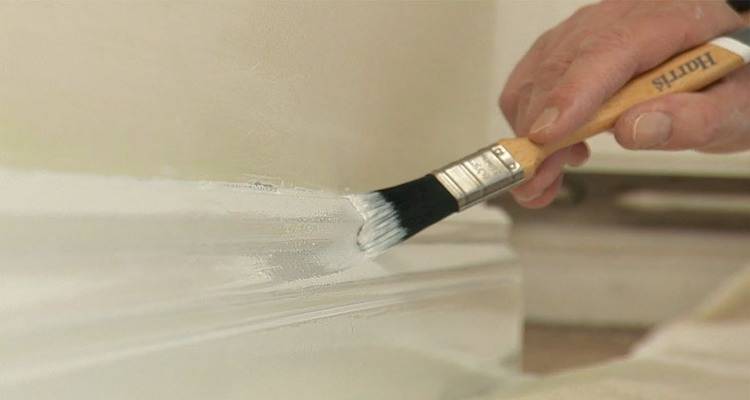
Painting skirting boards can be a tricky job, especially when there are freshly painted or wallpapered walls to avoid. While the materials may be fairly inexpensive, painting still takes a lot of time, care, and attention.
On average, the cost of painting skirting boards is around £200 for a standard 3m x 3m room, with materials costing £50, and labour accounting for the remaining £150. The work shouldn't take much longer than 1 or 2 days, depending on the complexity and size of the job.
Some painters quote by linear metre instead of by room. You're looking at £8 to £12 per metre for boards in decent condition, or £15 to £20 if they need proper restoration work. A typical 3m x 3m room has about 11 to 12 metres of skirting, but most decorators charge a minimum of £150 to £250 for small jobs.
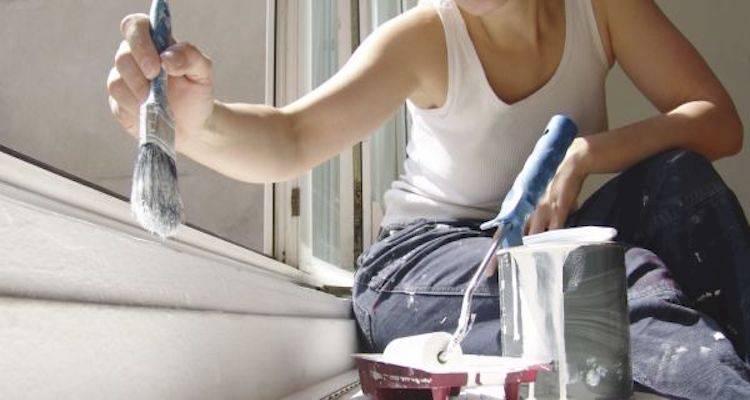
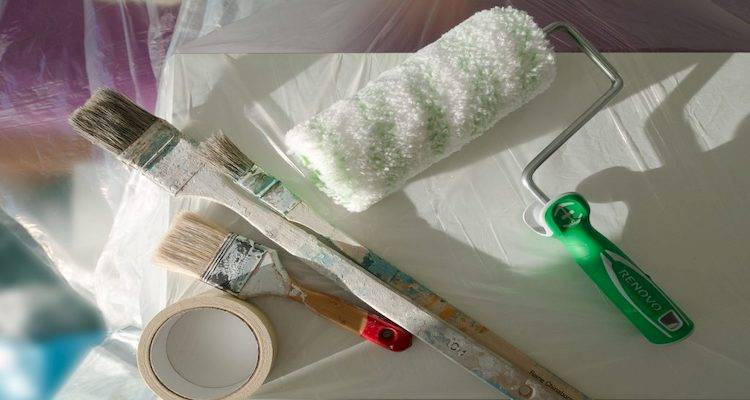
Most painters will happily do the skirting at the same time as the walls and ceiling. Because they're already set up with dust sheets, brushes, and rollers, adding the boards usually means a bit of extra time rather than a whole new job. It's far more cost-effective to have it done as part of a full room redecoration than to call someone back just for the skirting.
Throughout this skirting board paint guide, we'll explore different factors to give you a better idea of how much you're likely to pay for this job, helping you make cost-effective decisions.
Can you tell the difference between MDF and wood skirting boards once they're painted?
"There is a slight difference, as MDF gives you a smoother finish when painted, while timber has a grain."
Painting Skirting Prices
| Job Description | Average Cost | Duration |
|---|---|---|
| Glossing of Skirting Boards in Standard 3mx3m Room | £200 | 1 Day |
| Restoration and Glossing Skirting Boards in Standard 3mx3m Room | £300 | 1 Day |
| Glossing of Skirting Boards and Window Sills in Standard 3mx3m Room | £500 | 1 to 2 Days |
| Glossing of Skirting Boards, Window Sills and Window Frames in Standard 3mx3m Room | £700 | 1 to 2 Days |
Want a custom price?
Post your job
Should I Paint My Skirting Boards, or Replace My Skirting Boards?
Because the prices are so close, it's worth pausing to decide if a quick repaint is enough or whether it's time to swap the boards completely.
- How bad is the damage? If you have missing sections, deep gouges, swelling, or water damage from leaks or damp, it makes more sense to replace the skirting rather than keep patching it up.
- Do you still like the style? If the profile looks dated or doesn't suit the rest of the room, new skirting can lift the whole space in one go. If you like the shape and it's sound, a fresh coat of paint is probably enough.
- Are you already redecorating? If you're changing flooring or fully redoing the room, replacing the boards at the same time is much easier. Then start again with clean, straight lengths.
In terms of cost, there isn't a huge gap between the two options:
- For an average-sized room, replacing skirting boards costs £250.
- Painting skirting boards costs around £200 for an average-sized room.
If your boards are straight, solid, and a style you're happy with, painting is less invasive and keeps the job simple. You'll get a neat refresh without any carpentry work or dust from ripping boards off the wall.
If the skirting is distorted, rotten, badly chipped, or has been bodged over the years, replacing is usually the better investment. You're getting brand new boards that should last for years, and you won't be paying twice later on for both painting and eventual replacement.
Not sure which option to go for? You can always get costs for painting and prices for replacing the skirting, then compare the quotes and disruption side by side.
Supply Only Costs
If you're buying the paint yourself, you'll pay between £18 and £25 per litre for top-quality skirting board paint. One litre is usually enough to do the skirting in a small room and have some left over, even with two coats. Skirting doesn't use much paint. It still depends on how much skirting you've got, though.
- Avoid Using Normal Wall Paint — While emulsion might look fine at first, it scrapes easily and won't stand up to knocks from hoovers, toys, or shoes. It'll need redoing much sooner, so it's a false economy.
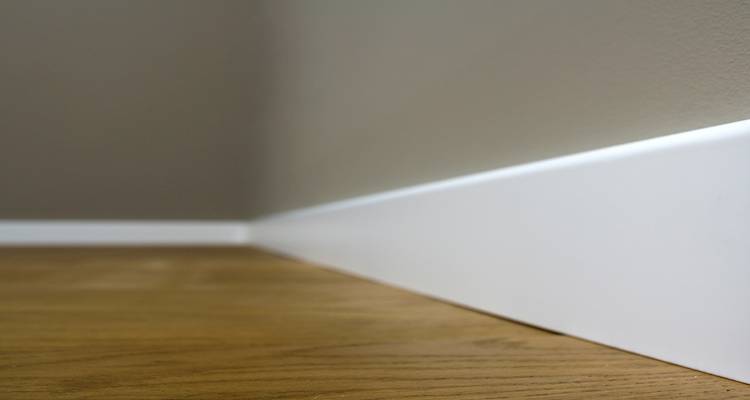
- Stick to Gloss, Satinwood, or Eggshell — These are sturdier, more hard-wearing options. They protect against chips and scrapes. Gloss gives the brightest shine, while satinwood has a softer sheen. As for eggshell, it offers a more subtle, modern look.
- Wood Stain or Varnish Can Work Too — Especially if you've invested in nice solid timber. Stains keep the grain visible for a natural finish. That said, they don't hide marks or imperfections quite as well as paint does.
- Water-Based Paints Are Faster-Drying and Lower in Odour — Oil-based paints, on the other hand, can yellow over time, and need longer to dry between coats. Doing it yourself? A quick-dry satinwood is the simplest to use.
- Don't skip primer or undercoat if the surface needs it. Bare wood, shiny old gloss, or stained areas should be primed/undercoated so the top coat sticks and old colour doesn't bleed through. What's more, it makes the final coat smoother and longer-lasting.
Picking the perfect paint matters. It's the layer that takes the most knocks in your home. Spending a few pounds more on a resilient finish will save you time and trouble later.
Labour Cost to Paint Skirting Boards
The majority of skirting board painting costs are the labour costs, which account for about 75% of the overall price. This is because painting skirting boards is labour-intensive, which adds time to the job.
Skirting is looked after by a painter and decorator. If you're having new boards fitted as well, a carpenter or joiner will install them first, then the decorator comes in afterwards to prime and paint them.
So, even if skirting board painting looks quick and simple, it usually takes longer than people expect because of all the prep and careful cutting-in.
You will pay different rates for labour in different areas of the UK, with London being the highest.
The average day rate for a painter is around £175, with this rising in big cities like London and Manchester.
I want to paint my skirting the same as my ceiling and walls. I have been told I can prime the skirting, then paint with matt paint, and finish with a sealer. Is this OK to do?
"Yes, you can. If it is already glossed, sand it, and undercoat it with waterbased paint. Put your matt paint on, and then seal it with a matt or satin varnish, depending on the finish you want. Or, have some satinwood mixed to the same colour, sand, and apply 2 coats."
Ask a Trade
Got a question that only a tradesperson can answer? We have thousands of trades ready to answer any question you may have.
Ask your question

Factors That Impact Painting Skirting Board Costs
There are a few things that have a big say in what you end up paying to get your skirting painted. Some you can't really change, but others you can plan around to keep the bill down.
Size of Room
The more wall length you have, the more skirting there is to prep, mask, and paint. Bigger rooms and long corridors take longer, so the labour cost goes up.
If you have a lot of skirting to do, it's often cheaper to have it all done in one hit rather than room by room. You'll get a better total rate because the decorator isn't stopping and starting over several small visits.
Location
Where you live makes a difference. Decorators in big cities and high-cost areas charge more per day than those in smaller towns or rural areas.
In quieter areas, some traders are more open to negotiating if you're giving them a decent run of work. So, be sure to get a few quotes so you can see what's normal for your postcode.
Paint Quality
Skirting takes a lot of knocks. So, the paint needs to be tough. Economy products might look fine on day one but scuff faster. That's bad news, as you'll be repainting sooner than you thought.
You'll pay more at first for trade-quality gloss, satinwood, or eggshell, but it gives a better finish and lasts longer. That can work out less pricey over a few years than having to redo everything with budget paint.
Bundling with Other Decorating Work
Painting skirting on its own is charged as a small, standalone job. So, of course, the price feels somewhat high for the time on site. If you add it to other work, it's much better value.
Let's say you're already paying for the cost of painting a bedroom. Be sure to ask the decorator what they'd charge to include the skirting in the same visit. Because they're already set up with dust sheets, rollers, and brushes out, they don't need to charge another full minimum job fee just for the boards.
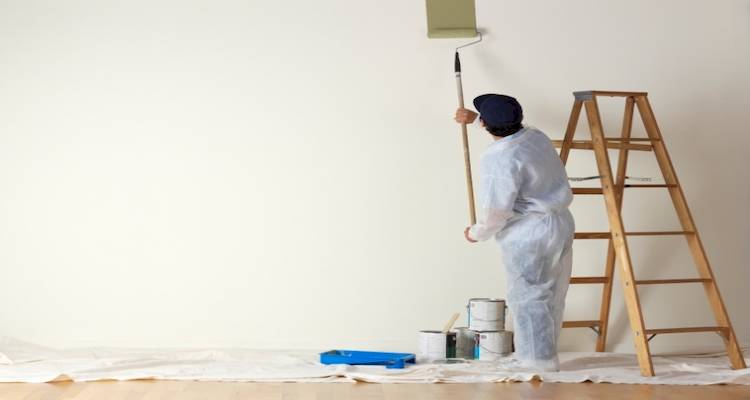
It's the same story for hallways and landings. If you're looking at the overall cost of painting a staircase, it's a good time to get any adjoining skirting freshened up too.
When work is bundled like this, countless decorators will shave a bit off the per-room or per-area rate because they're saving on travel and setup. Bear in mind that combined jobs can come in 10 to 20% cheaper than booking each task separately.
I have solid pine door frames, architrave, and skirting. They have knots in the pine - what's the easiest way of covering them, and then staining them?
"You can apply knot stabiliser to help prevent knots from working loose over time, but they will typically still be visible through stain, as the purpose of stain rather than paint is to maintain the appearance of the wood grain."
Replacing Skirting Boards with Other Work
Fitting new wooden or laminate flooring as well? Have the flooring laid first. Next, get the new skirting installed on top. That way, the boards sit gracefully on the finished floor. Any small gaps are hidden, and you're not paying someone twice to work around old boards. However, if you're fitting carpet, the skirting should be installed before the carpet is fitted.
Skirting should also go in before you paint or wallpaper. Get the new boards fitted, then decorate the walls. Lastly on your list, have the skirting painted. It keeps splashes off the finished boards, makes cutting in simpler, and lets one decorator handle everything in a single, more cost-effective run.
I have soil/mud at the brickwork outside my living room wall, and inside, the wall has cracked along the skirting board, and the floor appears to have dropped. Is this a structural issue?
"Without seeing it and going off what you have said, yes, quite possibly it’s subsidence. Get a structural engineer to look at it, it will cost, but better to be safe."
What's Involved in Painting Skirting Boards?
Wondering what goes into glossing skirting boards?
Once your room is cleared of furniture, here's what your painter will need to do to paint your skirting boards:
Before Painting
- Protecting Surfaces — Your floors get protected from paint or varnish with dust sheets. The skirting boards are sanded with 180-grit sandpaper to prepare the surface. This will help the paint or varnish adhere.
- Cleaning — The dust gets vacuumed up before painting starts to prevent it from mixing with the paint and ruining the finish. The skirting boards are cleaned with a slightly damp sponge to remove any dust, then left to dry.
- Priming — Next, the wall above the skirting boards and the floor beneath them get masked to stop drips. Then primer or undercoat is applied to the skirting boards (or skipped if they're already properly primed/undercoated).
During Painting
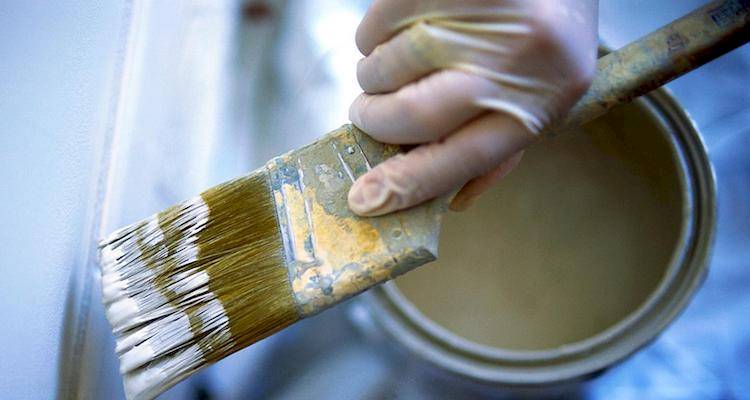
- First Coat — The paint gets applied, brushed in one direction to ensure a consistent look.
- Drying — Leave it to dry for as long as the tin says — usually 4 to 6 hours for water-based paint and overnight for oil-based — before you put the next coat on. Good ventilation helps it cure properly. If there are any imperfections from the first coat, they're lightly scrubbed away with sandpaper, and any dust removed before painting again.
- Second Coat — The second coat is applied, and left for a further 24 hours to dry fully.
Checklist: Hiring a Skirting Board Painter
There are some things to keep in mind when hiring a painter or decorator to paint your skirting boards. Here's what you need to know:
- Have you compared multiple quotes? Use MyJobQuote to get multiple quotes from different tradespeople. This gives you the chance to compare their costs and find the best local skirting board painting prices.
- What's included in their quote? Ask for an itemised quote so you can see what's included and what isn't.
- Can you see their previous work? Take a look at the contractor's previous work, looking at photos or videos of their past projects to get an idea of their quality.
- Do they have good reviews? Read through the contractor's customer reviews on MyJobQuote to see what other homeowners are saying.
- Are they insured? Check the contractor has relevant insurance before agreeing to work with them.
FAQs
Do I Need to Paint Skirting Boards Every Time I Decorate?
No, you don't have to paint the skirting every single time. Skipping it now and then can save a bit of money and mess. That said, if it's been left for a few rounds of decorating, it really starts to stand out. Fresh walls next to yellowed or chipped skirting look half-finished.
Can I Paint Skirting Boards Myself?
Painting skirting boards can be a time-consuming job, even before the paintbrush comes out. It's tedious and tricky work that needs meticulous accuracy. While it can be done as a DIY job, a professional painter will ensure a perfect finish.
How Long Does Skirting Board Paint Last?
Skirting boards in high-traffic rooms may need repainting more often than those in less-used rooms, although there's no set timeline for how often skirting boards need to be repainted. Scuffs and marks can be touched up without a full repaint.
Can I Paint Over Old Skirting Board Paint?
Painters can work over existing paint if it's still stuck down properly. They'll sand it to rough up the surface before they put a new coat on. Old paint that's flaking or peeling needs stripping back to where it's still firmly stuck, then the bare patches primed, so that the new finish doesn't lift off with it.
Can You Use Emulsion on Skirting Boards?
Emulsion is made for walls and ceilings, not woodwork, so it won't cope as well with knocks, hoovers, and shoes on skirting. Use a wood/trim paint instead.