Builders
 Carpenters
 Electricians
 Flooring Specialists
 Gardeners
 Handymen
 Heating Engineers
 Painters & Decorators
 Plasterers & Renderers
 Plumbers
 Roofers
 Tilers
 my
Venetian Plaster Cost
At a Glance
- The average cost of applying Venetian plaster is £2,450.
- Most Venetian plastering jobs take 1 to 2 days.
- A complete breakdown of Venetian plaster costs for feature walls, full rooms, and bathrooms.
- What affects the final price of Venetian plastering, including colour, finish, wall condition, and sealing.
- How to choose a Venetian plaster installer and compare quotes with MyJobQuote.
Get free estimates
Are you a trade? Get more work today!
Venetian plaster is a premium, lime-based decorative finish known for its smooth, marble-like sheen. It costs more than standard plaster or paint because of the specialist materials and hand-applied technique involved.
This guide covers UK Venetian plaster prices in 2026, including feature walls, full rooms, and bathrooms, plus the factors that affect the final cost.
£2,425
Table of Contents
- How Much Does Venetian Plaster Cost?
- Labour Cost of Venetian Plaster Application
- What Affects Venetian Plaster Costs?
- Additional Venetian Plaster Costs
- What Is Venetian Plaster?
- Venetian Plaster vs Alternatives
- Real vs Faux Venetian Plaster
- Where Is Venetian Plaster Typically Used?
- Is Venetian Plaster Worth the Cost?
- Checklist: Hiring a Venetian Plasterer in the UK
- FAQs
How Much Does Venetian Plaster Cost?
Venetian plaster typically costs £90 to £150 per m² when supplied and applied. Natural lime finishes with a light pigment tend to sit at the lower end, while darker colours, custom mixes, and more complex textures cost more.
Where are you looking to have Venetian plaster applied?
Feature wall in a living room or hallway
4 votes - 57%57% of votes
Full room walls
3 votes - 43%43% of votes
Bathroom or wet area
0 votes - 0%0% of votes
Commercial space (restaurant, hotel, office)
0 votes - 0%0% of votes

7 votes
See results
Hide results
A single feature wall of around 10 to 12m² normally costs £900 to £1,800. Full rooms are often priced between £1,800 and £3,500, while bathrooms with a sealed finish typically cost £2,000 to £4,000, reflecting the extra coats and sealing involved.

If you're comparing standard plastering with Venetian plaster, you may also want to read our guide to the cost to plaster a room.
Venetian Plaster Price List
| Project Type | Low to High Range | Typical Cost |
|---|---|---|
| Standard finish per m2 | £90–£120 | £105 |
| Coloured or dark finish per m2 | £120–£150 | £135 |
| Feature wall (10 to 12m2) | £900–£1,800 | £1,350 |
| Full room (20 to 25m2) | £1,800–£3,500 | £2,600 |
| Bathroom (sealed finish) | £2,000–£4,000 | £3,000 |
Want a custom price?
Post your job
The average cost per m² is £120. Small areas often come with a minimum charge instead of a strict per m² rate, which is common across decorative finishes and plastering work.
Labour Cost of Venetian Plaster Application

Labour makes up most of the cost of Venetian plastering, as it's applied by hand in thin layers using steel trowels rather than sprayed or machine-finished like gypsum plaster. Specialist plasterers who work with Venetian finishes typically charge day rates of £200 to £350, higher than standard plastering rates because of the time and skill involved.
Every coat needs to be smoothed and compressed before the next is added, and the final layer is burnished by hand to build up a polished sheen. This can take several days for a single wall, especially where multiple coats or heavy polishing are needed.
A feature wall usually takes 1 to 2 days to complete, while full rooms can take 3 to 5 days once drying time and burnishing are factored in.
What Affects Venetian Plaster Costs?
Surface Area
Larger walls cost more overall but often less per m2. Smaller areas tend to have higher per m2 rates because of minimum charges.
Finish Type
Natural lime finishes are usually cheaper than custom colours or dark pigments that require more material. Some textures need additional coats, which increases both time and cost.
Number of Coats
A simple smooth finish may need two or three coats, while more complex textures can require four or more. Each coat will add time and labour.

Wall Condition
If the wall needs repair, levelling, or priming, this preparation work will increase your final bill. Where old, damaged plaster needs stripping back first, see our guide to the cost to remove plaster.
Bathrooms and Wet Areas
Bathrooms need sealing so the surface is protected from moisture. This adds an extra stage to the process and increases the cost.
Get more information about wet room costs here.
Location
The Venetian plaster price London homeowners pay is usually higher due to labour rates and demand. People across the South East typically pay more.
Additional Venetian Plaster Costs
Beyond the core price per m², a few extra costs are worth budgeting for:
- Substrate repair or levelling — uneven or damaged walls may need preparation work first.
- Patch repairs — small holes or cracks are sometimes filled with one coat plaster before the Venetian finish is applied.
- Sealing — required for bathrooms and other wet areas.
- Custom colour mixing — bespoke pigments cost more than standard shades.
- Design consultation fees — some installers charge for an initial design visit.
- Coving or cornicing — if you're also finishing the join between the wall and ceiling, see our plaster coving cost guide.
These extras can add to your final bill, so it's worth confirming what's included in the quote before you go ahead.
What Is Venetian Plaster?
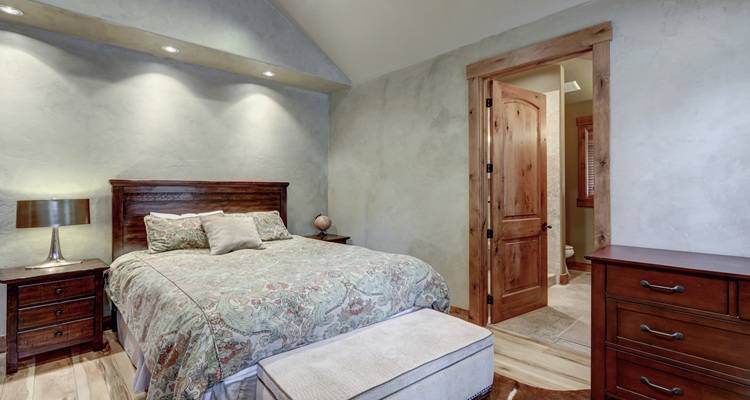
Venetian plaster is a lime-based decorative finish made from slaked lime putty and marble dust, with mineral pigments added for colour. It's applied in thin layers using steel trowels, then burnished to create a polished sheen similar to marble.
The technique dates back to the Italian Renaissance, when lime-based finishes were used to create smooth, reflective surfaces in palaces and civic buildings. Modern pigments and tools now offer a much wider range of colours and textures.

It's worth distinguishing genuine lime-based Venetian plaster from acrylic or resin-based imitations. These offer a similar look but behave differently once applied, and don't provide the same breathability or longevity.
Venetian Plaster vs Alternatives
Venetian plaster is often compared to paint, wallpaper, decorative paint effects, and microcement. Each of these options has its own strengths and limitations.
Paint
Paint is the cheapest option and offers a wide range of colours. However, it doesn't have the depth or sheen of Venetian plaster, and you may need to refresh it every few years. When comparing Venetian plaster vs paint cost, paint is always cheaper upfront.
Find out more about the cost of decorating a room.
Decorative Paint Effects
These can achieve a similar look for a lower price, but they do not have the same depth or longevity. They are a good option if you're on a tighter budget.
Wallpaper
Wallpaper is cheaper upfront and gives you a wide range of patterns. However, it can peel over time and may need replacing sooner than expected, especially in high-traffic areas.

Microcement
Microcement is more expensive than many other alternatives, but it gives you a modern, seamless look. It's popular because it's durable and works well in bathrooms and kitchens. For more details, read our guide to microcement cost.
Acoustic plaster is another premium specialist finish, though it's designed for sound absorption rather than decorative texture. See our acoustic plaster cost guide for more.
Venetian plaster is the most expensive purely decorative option covered here, but it does provide a unique visual impact and long lifespan.
Real vs Faux Venetian Plaster
Lime-based Venetian plaster is breathable and develops natural depth with time. Faux versions use acrylic or resin and aim for a similar appearance, but they behave differently once applied.

Faux Venetian plaster is usually cheaper and quicker to install, which is why many people choose it when real Venetian plaster is out of their budget. When you're comparing quotes, make sure you ask what material is being used so you know exactly what you're paying for and can compare like-for-like.
Ask a Trade
Got a question that only a tradesperson can answer? We have thousands of trades ready to answer any question you may have.
Ask your question

Where Is Venetian Plaster Typically Used?
Venetian plaster is used in all sorts of locations, from feature walls in living rooms and hallways to bathrooms and wet areas with sealed finishes.

You'll also often see it in commercial and hospitality interiors like restaurants and hotel lobbies, where the polished surface adds an extra touch of elegance.
Ceilings are another common application for Venetian plaster, especially in higher-end projects where the reflective surface enhances the natural light coming into the space.
Is Venetian Plaster Worth the Cost?
Whether Venetian plaster is worth the cost will depend on the space and your budget. It can be a good choice for long-term projects, feature walls, and rooms where a durable, low-maintenance surface is a good match.

The finish does not normally date quickly, and it changes appearance with light levels to add depth to the room. If you have less to spend, decorative paint effects can give you a similar look at a lower price, though they won't provide the same depth or lifespan.
Wallpaper is another option, though it may need replacing quite quickly. Venetian plaster is a premium finish, but if you can afford it and you're adding it to a suitable space, it can be a long-lasting investment that serves you well for many years to come.
However, it may be hard to justify the cost in rental properties or rooms that may be decorated again in a few years.
Checklist: Hiring a Venetian Plasterer in the UK
- Get multiple written quotes — comparing at least three helps you gauge fair pricing.
- Ask to see completed projects — photos or references give a sense of finish quality.
- Confirm the materials used — check whether lime-based or imitation products are being applied.
- Check if preparation work is included — wall repair or priming can add to the cost.
- Confirm public liability insurance — this protects your property if anything goes wrong.
Using MyJobQuote, you can compare quotes from local Venetian plasterers for free, with no obligation to go ahead.
FAQs
How Much Does Venetian Plaster Cost per m2?
Most UK projects cost between £90 and £150 per m2. The final price can depend on pigment, finish, and preparation work.
How Long Does Venetian Plaster Last?
With normal care, Venetian plaster can last for decades because the lime surface hardens over time.
What Is the Difference Between Venetian Plaster and Polished Plaster?
Venetian plaster is lime-based and burnished to a sheen, but polished plaster is a broader term that includes lime, acrylic, and resin products that have similar visual effects.
Is Venetian Plaster More Expensive Than Tiling?
Venetian plaster is often similar in price to mid-range tiling once labour is included, though this varies depending on the tile chosen. Unlike tiling, Venetian plaster gives a seamless, joint-free finish.
Will Venetian Plaster Crack?
Properly applied and cured Venetian plaster is unlikely to crack under normal conditions. Cracking is usually linked to poor surface preparation, an unsuitable substrate, or structural movement in the wall.
Do You Need To Be a Plasterer To Do Venetian Plastering?
Venetian plastering uses specific trowel techniques and timing that differ from standard plastering, so most professionals treat it as a specialist skill. DIY application is possible but can be difficult to get right without prior experience.