Builders
 Carpenters
 Electricians
 Flooring Specialists
 Gardeners
 Handymen
 Heating Engineers
 Painters & Decorators
 Plasterers & Renderers
 Plumbers
 Roofers
 Tilers
 my
myElectric Boiler Cost
At a Glance
- A typical electric boiler costs around £2,500-£4,500 supplied and installed, although prices vary considerably depending on the boiler and installation.
- Supply-only electric boiler prices are typically around £900-£3,500.
- Installation costs typically range from £500-£1,500 for a straightforward installation but can be higher if electrical or pipework upgrades are required.
- A straightforward electric boiler installation can usually be completed within 1-2 days.
- Electric boiler supply and installation prices
- Electric boiler running costs and cost per hour.
- Factors affecting the cost of an electric boiler.
- Different types of electric boilers.
- Electric boiler costs by property size.
- Electric boiler vs gas boiler and heat pump costs.
- Building Regulations for electric boiler installations.
Get free estimates
Are you a trade? Get more work today!
Electric boilers offer an alternative to gas boilers and can be particularly useful in smaller properties or homes without a mains gas connection.
A typical electric boiler costs around £2,500-£4,500 supplied and installed, although straightforward installations may cost less. The final price depends on the type and output of the boiler, the existing heating system and whether electrical or pipework upgrades are required.
Electric boilers don't require a gas supply or conventional boiler flue, which can make installation simpler in some properties. However, electricity generally costs more per kWh than mains gas, so running costs are an important consideration.
£3,500
Table of Contents
- How Much Does an Electric Boiler Cost?
- Electric Boiler Prices
- Electric Boiler Installation Costs
- Electric Boiler Running Costs
- Electric Boiler Cost per Hour
- What Affects Electric Boiler Installation Costs?
- Additional Costs
- Types of Electric Boiler
- Electric Boiler Costs by Property Size
- How Long Does It Take to Install an Electric Boiler?
- Electric Boiler vs Gas Boiler Cost
- Electric Boiler vs Heat Pump Cost
- Pros and Cons of Electric Boilers
- Do Electric Boilers Need Servicing?
- Building Regulations and Electric Boilers
- FAQs
How Much Does an Electric Boiler Cost?
Electric boiler prices vary depending on the type, output, property size and installation requirements.
Electric Boiler Supply Only
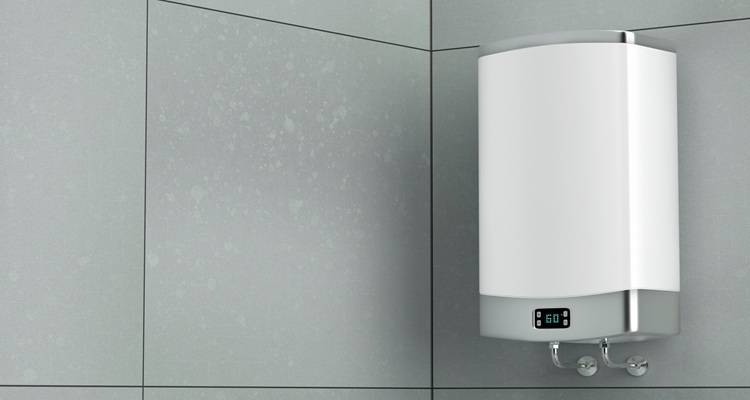
Supply-only electric boiler prices typically range from £900-£3,500. The main types include combi, system and flow boilers. Some systems also require a separate hot water cylinder, which increases the overall cost.
Electric Boiler Installation
A straightforward electric boiler installation typically costs around £500-£1,500.
Costs may be higher if the installation requires a new electrical circuit, consumer unit upgrade, alterations to the existing pipework or a hot water cylinder.
Supply and Installation Combined
A typical electric boiler costs around £2,500-£4,500 supplied and installed. Straightforward installations involving a lower-cost boiler may fall below this range, while higher-output boilers and installations requiring substantial electrical or heating-system alterations may cost more.
Small Electric Boilers
Smaller electric boilers typically cost around £800-£1,500 supply only, depending on the make, output and type.
They are commonly used in flats and smaller homes with relatively modest heating and hot water requirements.
Higher-Output Electric Boilers
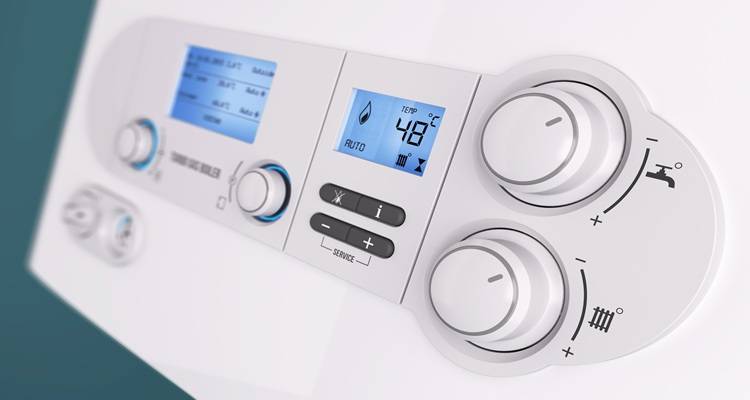
Higher-output electric boilers typically cost around £2,000-£4,000 supply only.
Larger properties generally have greater heating requirements, although boiler sizing should be based on the property's calculated heat loss and hot water demand rather than property size alone.
Electric Combi Boilers
Electric combi boilers typically cost around £1,000-£3,000.
They provide heating and hot water without requiring a separate hot water cylinder, making them particularly useful where space is limited.
Electric System Boilers
Electric system boilers typically cost around £1,000-£3,500.
They are normally paired with a separate hot water cylinder and can be suitable for households with greater hot water demand.
Electric Flow Boilers
Electric flow boilers typically cost around £800-£2,200.
They provide heat to a wet central heating system and may be paired with a separate cylinder for domestic hot water.
Boiler Prices
The table below shows typical electric boiler prices, including supply-only costs and installation estimates:
| Works Description | Price |
|---|---|
| Electric boiler supply only | £900-£3,500 |
| Straightforward electric boiler installation | £500-£1,500 |
| Typical supply and installation combined | £2,500-£4,500 |
| Small electric boiler | £800-£1,500 |
| Higher-output electric boiler | £2,000-£4,000 |
| Electric combi boiler | £1,000-£3,000 |
| Electric system boiler | £1,000-£3,500 |
| Electric flow boiler | £800-£2,200 |
Want a custom price?
Post your job
The final cost depends on both the boiler and the work required to connect it safely to the property's heating and electrical systems.
Loft Boarding Cost Calculator
Electric Boiler Prices
The cost of an electric boiler depends on its type, output, make and model. Property size is also relevant, but the required boiler output should be based on factors including the property's heat loss, insulation, number and size of radiators and hot water requirements.
Boiler Type
Electric combi boilers don't require a separate hot water cylinder. Instead, they provide hot water when required as well as supplying the heating system.
Electric system boilers normally require a hot water cylinder. An unvented cylinder can add approximately £500-£1,600 to supply costs before installation.
Flow boilers are commonly used for wet central heating and may be combined with a separate hot water cylinder.
Boiler Output
Domestic electric boilers are available with a range of outputs, often from around 4kW to 24kW.
Higher-output boilers generally cost more, and their electrical requirements may also increase installation costs.
Property Size
Larger properties tend to have greater heat loss and more radiators, increasing the heating requirement.
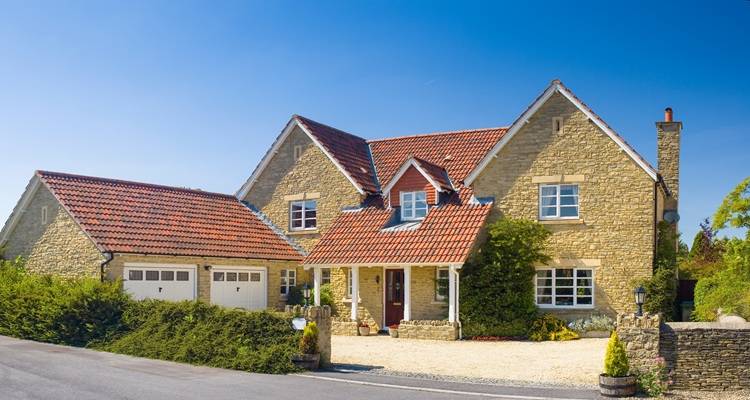
However, bedrooms or radiator numbers alone shouldn't be used to determine the required boiler output. A heating assessment should consider the property's heat loss, insulation, radiator sizing and hot water demand.
Make and Model
Prices vary between manufacturers and product ranges. Controls, warranties, output and other features can all affect the purchase price.
Electric Boiler Installation Costs
Installation costs depend heavily on the existing heating and electrical systems.
Like-for-Like Replacement
Replacing an existing electric boiler with a similar model in the same location typically costs around £500-£1,500 in labour and installation costs.
If the existing pipework and electrical supply are suitable, the work may be completed within a day.
Installation With an Existing Wet Central Heating System
Where suitable pipework and radiators are already installed, fitting costs may remain around £500-£1,500.
A straightforward installation can typically be completed within 1-2 days.
Replacing a Gas Boiler With an Electric Boiler
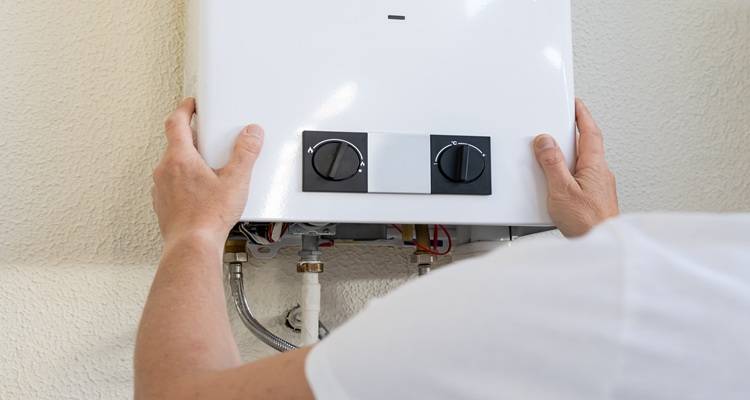
Replacing a gas boiler involves disconnecting and safely dealing with the existing gas appliance and supply before installing the electric boiler.
Decommissioning the gas boiler and supply may cost around £250-£400, while electrical work associated with the new boiler may cost approximately £300-£700, depending on what is required.
Total labour and installation costs may be around £1,000-£2,000, with work typically taking 1-3 days.
Gas work must be carried out by someone who is Gas Safe registered for the relevant work.
New Electric Boiler Installation
Installing an electric boiler where there isn't an existing suitable system may cost around £1,000-£3,500 for installation, excluding the boiler itself.
This doesn't include the cost of installing an entirely new radiator or underfloor heating system.
New pipework and electrical connections may be required, and the property's electrical supply must be assessed to ensure it can accommodate the boiler.
Electrical Upgrades
Electric boilers can place a substantial load on a property's electrical supply.
Depending on the boiler and existing installation, work may include a dedicated circuit, suitable protective device, new cabling, consumer unit alterations or changes to the incoming electrical supply.
A consumer unit replacement typically costs around £350-£600, while additional cabling and circuit work may add approximately £150-£350 or more, depending on the installation.
The electrical requirements should be assessed for the specific boiler rather than assuming that a particular boiler output automatically requires a certain type of electricity supply.
Pipework Alterations
Alterations or extensions to existing heating pipework may cost approximately £300-£600, although extensive changes can cost more.
Hot Water Cylinder Installation
System and some flow boiler installations require a hot water cylinder.
Labour for a straightforward cylinder replacement may cost around £300-£500, while fitting a cylinder as part of a new set-up can cost approximately £500-£1,500, excluding the cylinder itself.
What best describes your loft boarding job?
Standard boarding (no existing insulation)
0 votes - 0%0% of votes
Raised boarding over existing insulation
0 votes - 0%0% of votes
Boarding with a new hatch or ladder
1 votes - 100%100% of votes
Boarding combined with new loft insulation
0 votes - 0%0% of votes

1 votes
See results
Hide results
Electric Boiler Running Costs
Running costs are an important consideration when deciding whether an electric boiler is suitable for your home.
Electric boilers convert almost all the electricity they consume into heat at the point of use. However, electricity generally costs considerably more per kWh than mains gas.
Electricity Tariffs
The amount you pay depends on your electricity tariff, payment method, region and meter type.
For the period 1 July to 30 September 2026, the average electricity rate under Ofgem's energy price cap for a standard variable tariff paid by Direct Debit in England, Scotland and Wales is 26.11p per kWh, with an average standing charge of 57.19p per day.
From 1 October to 31 December 2026, the average electricity unit rate will be 26.32p per kWh, with an average standing charge of 54.83p per day.
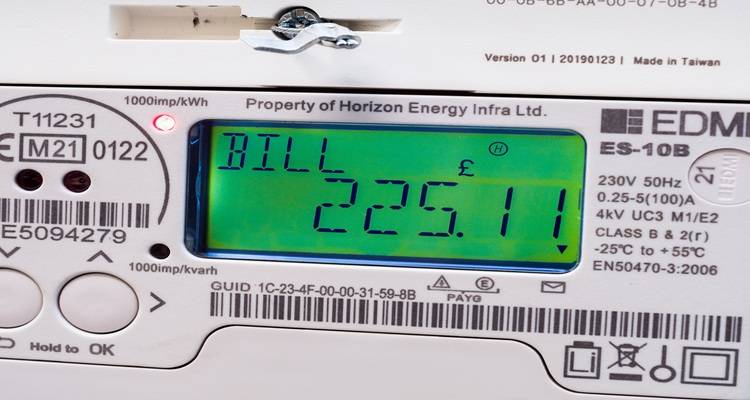
These are average rates rather than the amount every household will pay.
Regional rates and other payment methods differ.
Common electricity tariffs include:
- Standard variable tariffs
- Fixed-rate tariffs
- Time-of-use tariffs
- Tracker tariffs
- Prepayment tariffs
- Tariffs designed for technologies such as electric vehicles
Boiler Output
Boiler output is measured in kilowatts (kW).
Electricity consumption is measured in kilowatt-hours (kWh).
For example, a 9kW boiler operating continuously at its full rated output for one hour would use approximately 9kWh of electricity.
Higher-output boilers therefore have the potential to consume more electricity while operating at maximum output.
Property Size and Heat Loss
Larger homes usually require more energy for heating because they have a greater area from which heat can escape.
However, property size alone doesn't determine heating demand. Insulation, glazing, airtightness, desired indoor temperature, external temperature and the building's construction all affect heat loss.
A heating assessment can be used to determine the required boiler output more accurately.
Insulation
Insulation reduces the amount of heat escaping from a property, lowering the amount of energy required to maintain a comfortable temperature.
Roof, wall and floor insulation can therefore have a substantial impact on electric heating costs.
Heating Demand
Heating demand depends on factors including:
- Property size
- Heat loss
- Insulation
- Outside temperature
- Desired room temperature
- How long the heating is used
A poorly insulated property typically requires more energy to maintain the same indoor temperature than a well-insulated home.
Hot Water Usage
Hot water use also affects electricity consumption.
A household with several occupants taking frequent showers or baths will normally use more electricity for hot water than a household with lower demand.
Systems incorporating hot water storage may also allow households on suitable time-of-use tariffs to heat water during cheaper periods.
Heating Controls
Timers, room thermostats, thermostatic radiator valves and smart heating controls can help households manage when and where heat is used.
Avoiding unnecessary heating can reduce energy consumption and running costs.
Number of Occupants
More occupants usually increase demand for domestic hot water and may also affect heating schedules.
A single person living in a small flat will generally have different heating and hot water requirements from a family living in a larger house.
Electric Boiler Cost per Hour
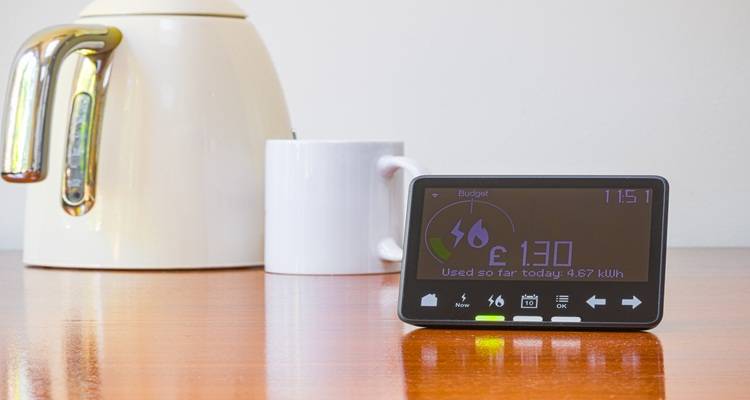
You can estimate the maximum electric boiler running cost per hour with the following calculation:
Boiler output (kW) × electricity unit rate (£/kWh)
Using the September 2026 average capped electricity rate of 26.11p per kWh, a 9kW boiler operating continuously at maximum output would cost:
9kW × £0.2611 = approximately £2.35 per hour
A 15kW boiler operating continuously at maximum output would cost:
15kW × £0.2611 = approximately £3.92 per hour
If it operated at maximum output for four hours, the theoretical cost would be:
£3.92 × 4 = approximately £15.67
These calculations show the cost if the boiler draws its full rated power continuously.
Actual consumption will depend on heating demand, controls, thermostat settings and how the boiler operates. The household's daily standing charge is also separate from these calculations.
What Affects Electric Boiler Installation Costs?
Several factors affect how much you'll pay to install an electric boiler.
Boiler Type
Combi boilers don't require a separate hot water cylinder, while system and some flow boiler installations do.
The need for a cylinder adds both material and installation costs.
Boiler Output
Higher-output boilers can cost more to purchase and may place greater demands on the electrical installation.
Property Size and Heating Requirement
Larger or poorly insulated homes often require greater heating output.
The correct boiler size should be based on the property's calculated heating requirement rather than simply its number of bedrooms.
Existing Heating System
A like-for-like electric boiler replacement can be relatively straightforward if the existing heating and electrical systems remain suitable.
Converting from gas, oil, or another heating system can involve additional removal and alteration costs.

Replacement vs New Installation
Neither a replacement nor a completely new installation is automatically cheaper in every case.
A straightforward like-for-like replacement may require little alteration.
However, replacing a different type of heating system can involve removal and adaptation costs.
A new installation avoids removing an old boiler but may require new pipework, radiators, controls and electrical work.
Electrical Supply
The existing electricity supply must be capable of supporting the new boiler alongside the property's other electrical loads.
Higher-output boilers may require substantial electrical work, but requirements vary between appliances and properties.
An electrician can assess the existing supply and the manufacturer's installation requirements before work begins.
Consumer Unit and Electrical Work
A dedicated circuit, protective device, suitable cabling or consumer unit alterations may be required.
The extent of the work depends on the boiler and existing electrical installation.
Pipework Alterations
Changing the boiler location or adapting an existing wet central heating system may require new or altered pipework.
Hot Water Cylinder
System boilers and some flow boiler arrangements require a hot water cylinder, increasing both supply and installation costs.
Heating Controls
New thermostats, timers, thermostatic radiator valves or smart heating controls can add to the total cost.
Accessibility
Installing a boiler in a confined or difficult-to-access location can increase labour time and therefore the final price.
Location in the UK
Labour costs vary around the UK, with prices typically higher in London and parts of the South East.
Removal of an Existing Boiler
Replacing an existing heating system may involve additional costs for safely disconnecting and removing the old appliance.
Additional Costs
Several other costs may need to be included in your electric boiler budget.
Removing an Existing Boiler
Removing a gas boiler may cost around £150-£500, depending on the work required to disconnect the appliance and safely deal with the gas supply.
Removing an electric boiler may cost around £150-£400.
Hot Water Cylinder
Buying and installing a hot water cylinder can add approximately £900-£3,500, depending on the cylinder, system and installation requirements.
New Radiators
New radiators typically cost around £150-£300 each supplied and fitted, although larger, vertical or decorative models can cost considerably more.
Radiator Replacement
Replacing an existing radiator may cost approximately £150-£400 per radiator.
Moving a radiator to a different position can also cost around £150-£400, depending on the pipework alterations required.
Pipework
Pipework alterations may cost around £300-£1,000, depending on the extent of the work.
Heating Controls
New heating controls may add around £350-£600, depending on the system installed.
Smart Thermostat
A smart thermostat typically costs around £100-£200, with installation adding approximately £30-£100.
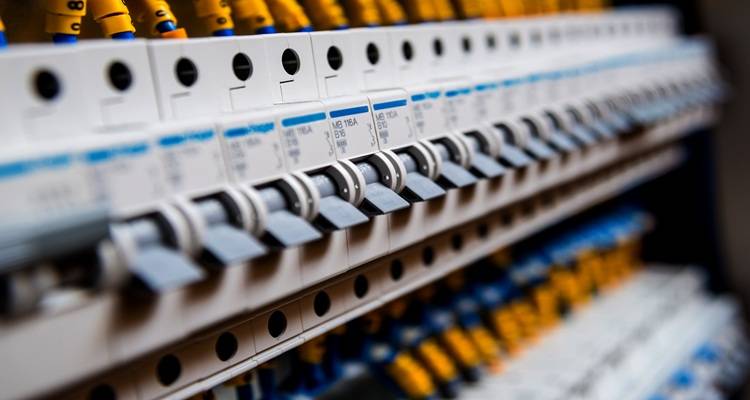
Consumer Unit Upgrade
Replacing or upgrading a consumer unit may add approximately £450-£650, depending on the installation.
Electrical Circuit Upgrades
New cabling, protective devices or a dedicated circuit may cost around £200-£1,000, depending on the work required.
System Flushing
A central heating system flush or powerflush may cost around £400-£850, depending on the system and number of radiators.
Whether a powerflush is appropriate should be determined by the condition of the heating system rather than assumed to be necessary for every boiler installation.
New Central Heating System
Installing radiators, pipework and controls for an entirely new wet central heating system may add approximately £2,000-£4,500 or more, depending on the property.
Insulation Improvements
Improving insulation can reduce a home's heating requirement.
Typical projects include loft, cavity wall and floor insulation, although prices vary substantially depending on property size, construction and accessibility.
Types of Electric Boiler
The main electric boiler options are combi, system, flow and storage boilers.
Electric Combi Boiler
An electric combi boiler provides heating and hot water without requiring a separate hot water storage cylinder.
This makes it a compact option for flats and smaller properties where hot water demand is relatively modest.
Typical supply prices are around £1,000-£3,000.
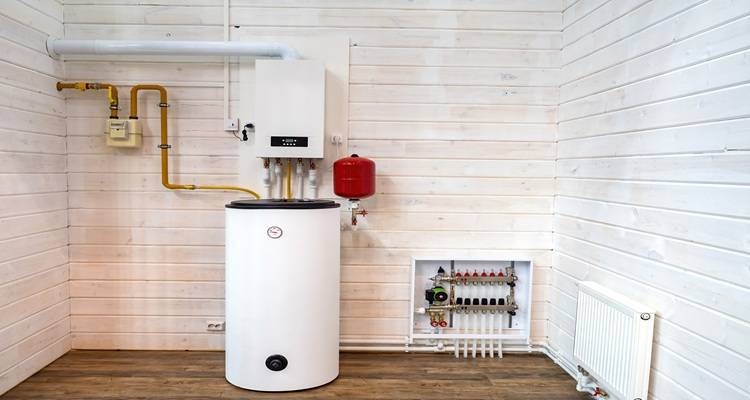
Electric System Boiler
An electric system boiler works with a separate hot water cylinder.
This arrangement provides stored hot water and can be more suitable for homes with greater hot water demand.
Electric system boilers typically cost around £1,000-£3,500, excluding the cylinder.
Electric Flow Boiler
An electric flow boiler heats water as it passes through the unit before supplying a wet central heating system.
A separate cylinder may be used to provide stored domestic hot water.
Typical supply prices are around £800-£2,200.
Electric Storage Boiler
Electric storage boilers store heat or hot water for later use and can be paired with tariffs offering cheaper electricity at certain times.
Some solid-core electric boiler systems cost around £5,500-£6,000 for the unit, although these systems are less common than standard electric boilers.
Electric Boiler Costs by Property Size
Property size can provide a rough indication of heating requirements, but it shouldn't be used on its own to select a boiler.
Heat loss, insulation, radiator sizing, hot water demand and the electrical supply all need to be considered.
Flat or Small Property
A small electric combi boiler may be suitable for a studio or compact flat with relatively low heating and hot water requirements.
Smaller boilers may cost approximately £1,000-£2,200.
1-2 Bedroom Property
Electric boilers in the region of 9kW-12kW are available for smaller homes, with typical prices of around £1,500-£2,400.
However, the appropriate output should be confirmed through an assessment of the property's heating requirements.
3 Bedroom Property
A larger home may require a higher-output electric boiler and, where hot water demand is greater, a separate cylinder.
A 15kW electric boiler may cost around £1,100 or more, while an unvented cylinder can add approximately £500-£1,600 before installation.
Larger Property
Larger homes can require electric boilers with outputs of 15kW-24kW or more, depending on heat loss and hot water requirements.
A higher-output electric system boiler may cost around £1,200-£1,600, with a suitable hot water cylinder adding approximately £500-£1,600 or more.
Higher heating loads can also create additional electrical supply requirements, so an assessment is particularly important before choosing an electric boiler for a larger property.
How Long Does It Take to Install an Electric Boiler?
Installation times depend on the existing heating system and the amount of electrical and plumbing work required.
Like-for-Like Replacement
A straightforward replacement in the same location may take around 4-8 hours.
Straightforward New Installation
Where the necessary heating and electrical infrastructure is already suitable, installation may be completed within 1 working day.
Gas-to-Electric Boiler Conversion
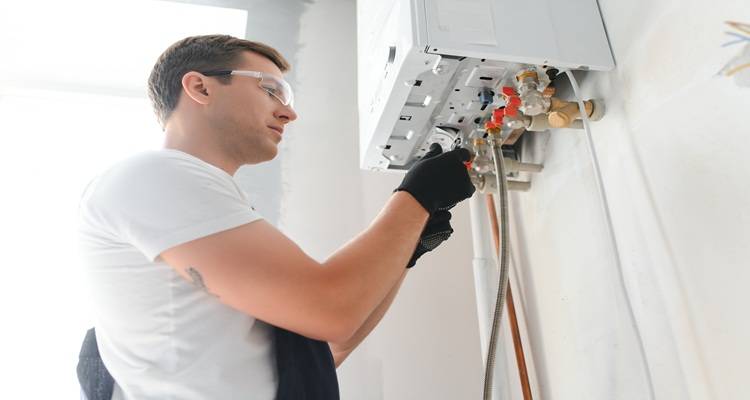
Replacing a gas boiler with an electric model may take approximately 1-3 days, depending on the work required to remove the gas appliance and install the electrical connections.
Installation Requiring Electrical Upgrades
Where electrical alterations are required, installation may take around 1-3 days or longer for substantial supply work.
New Cylinder or Significant Pipework Changes
Installing a hot water cylinder or carrying out extensive pipework alterations may increase the installation time to around 2-3 days.
Electric Boiler vs Gas Boiler Cost
There are several costs to consider when comparing electric and gas boilers.
Boiler Purchase Price
Gas boilers typically cost around £900-£2,300, while electric boilers commonly cost around £900-£3,500.
Actual prices depend on the type, output, manufacturer and model.
Installation Cost
A straightforward electric boiler installation may cost around £500-£1,500.
Gas boiler installation costs vary depending on the work required, particularly whether the boiler is being replaced in the same location or substantial gas and heating-system alterations are needed.
Running Costs
Electricity currently costs substantially more per kWh than mains gas. For 1 July to 30 September 2026, Ofgem's average Direct Debit price-cap rates for England, Scotland and Wales are:
| Energy | Average Unit Rate | Average Daily Standing Charge |
|---|---|---|
| Electricity | 26.11p/kWh | 57.19p |
| Gas | 7.33p/kWh | 29.04p |
From 1 October to 31 December 2026, the average rates will change to:
| Energy | Average Unit Rate | Average Daily Standing Charge |
|---|---|---|
| Electricity | 26.32p/kWh | 54.83p |
| Gas | 7.97p/kWh | 29.68p |
Actual rates vary by region, meter type and payment method.
Electricity supplied between 1 October 2026 and 31 March 2027 will also have VAT removed, while gas remains subject to 5% VAT during this period.
Maintenance
Electric boilers generally contain fewer mechanical and combustion-related components than gas boilers.
Repair costs vary according to the fault, replacement parts and boiler model.
Servicing
An electric boiler service typically costs around £75-£110.
There is no general legal requirement for homeowners to have an electric boiler serviced annually, although manufacturers may require servicing to maintain warranty cover.
Gas boilers should also be serviced regularly, and landlords have specific legal gas-safety responsibilities for rented properties.
Expected Lifespan
An electric boiler may last around 15-25 years, although lifespan depends on the appliance, installation, water conditions, use and maintenance.
Gas boilers commonly have an expected lifespan of around 10-15 years, although individual appliances may last longer.
Electric Boiler vs Heat Pump Cost
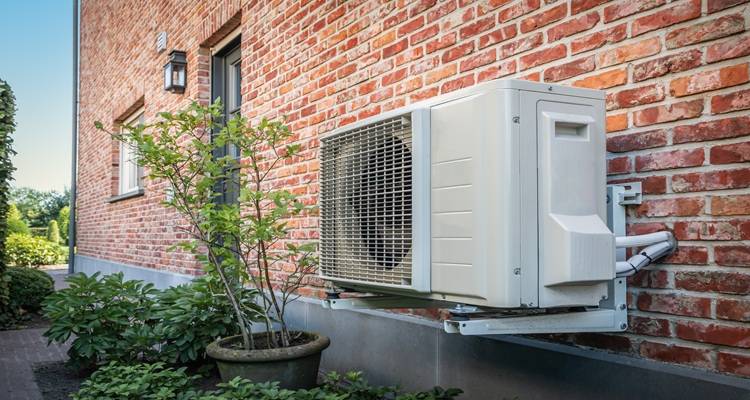
Heat pumps generally cost considerably more to install than electric boilers but can use substantially less electricity to produce the same amount of heat.
Purchase Price
Electric boilers typically cost around £900-£3,500.
Air source heat pump equipment may cost approximately £2,000-£6,500, while ground source heat pump equipment can cost around £5,000-£12,000, before considering the full installation.
Installation Cost
Installing an electric boiler typically costs around £500-£1,500 for a straightforward job.
Air source heat pump installations can cost around £6,000-£11,000, while ground source systems may involve considerably higher installation costs because of the required groundwork.
Running Costs
Electric boiler and heat pump running costs depend heavily on the property's heat demand, electricity tariff and heating-system performance.
A direct electric boiler converts approximately one unit of electricity into one unit of heat.
A heat pump can deliver several units of heat for each unit of electricity consumed, meaning it can use substantially less electricity to meet the same heat demand.
Rather than relying on a single annual running-cost figure, households should compare systems using their property's estimated annual heat demand and the expected performance of the heating system.
Efficiency and COP
Electric boilers are close to 100% efficient at the point of use, meaning approximately 1kWh of heat is produced from 1kWh of electricity.
Heat pumps are usually described using their Coefficient of Performance (COP) or seasonal performance.
For example, a COP of 3 means the heat pump produces approximately 3kWh of heat for each 1kWh of electricity consumed under the measured conditions.
Actual heat pump performance varies with outdoor temperature, flow temperature, system design and other factors.
Property Suitability
Electric boilers can work in many properties, but their suitability depends on the heating requirement and electrical supply.
Heat pumps have different requirements. Air source systems require a suitable outdoor location, while ground source systems require sufficient land or borehole access.
The heating system, insulation, heat loss and available space should also be considered.
Heat Pump Grants
The Boiler Upgrade Scheme provides grants towards eligible low-carbon heating installations in England and Wales.
Current grant levels include:
- £7,500 towards an eligible air-to-water heat pump.
- £7,500 towards an eligible ground or water source heat pump.
- £2,500 towards an eligible air-to-air heat pump.
- £5,000 towards an eligible biomass boiler.
Until 31 March 2027, eligible off-gas-grid properties replacing an oil or LPG heating system with an air-to-water or ground source heat pump can receive £9,000.
Eligibility criteria apply, so homeowners should check the current Boiler Upgrade Scheme requirements before arranging installation.
Separate financial support is available in Scotland through Home Energy Scotland.
Pros and Cons of Electric Boilers
Electric boilers have several advantages and disadvantages to consider.
Pros
- No mains gas connection required
- No combustion at the boiler
- No conventional boiler flue required
- Compact models are available
- Fewer mechanical components than many combustion boilers
- Installation can be simpler in suitable properties
- No combustion-related carbon monoxide risk from the boiler
- Very high point-of-use efficiency
- Quiet operation
- Relatively low maintenance requirements
- No direct emissions at the property while operating
Cons
- Electricity generally costs considerably more per kWh than mains gas
- The property's electrical supply may limit the boiler output that can be installed
- Higher-output systems may require electrical upgrades
- Can be less suitable for homes with high heating or hot water demand
- Running costs can be high
- Heating and hot water are unavailable during a power cut unless an alternative source is available.
- Direct electric heating doesn't achieve the same electricity-to-heat multiplier as a heat pump.
Do Electric Boilers Need Servicing?
There is no general legal requirement for homeowners to arrange an annual electric boiler service.
Electric boilers don't burn fuel, so they don't present the same combustion and carbon monoxide risks as gas, oil or other fuel-burning boilers.
However, regular checks can help identify faults and ensure the boiler and heating system are operating correctly.
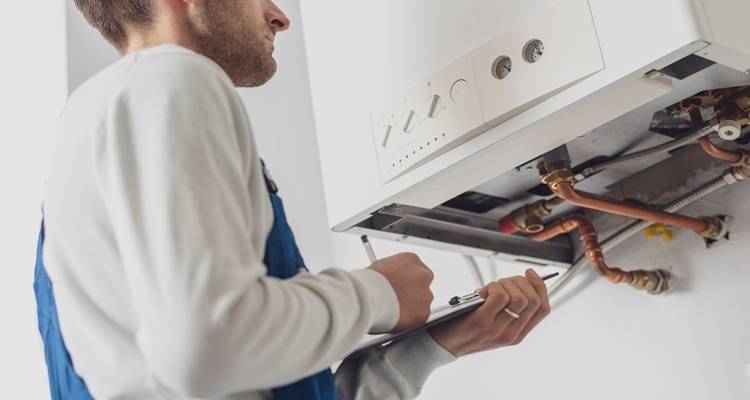
Manufacturers may also require periodic or annual servicing as a condition of their warranty, so check the terms supplied with the boiler.
An electric boiler service typically costs around £75-£110.
Building Regulations and Electric Boilers
Several parts of the Building Regulations may apply when installing an electric boiler.
Part P
Electrical installation work must comply with Part P of the Building Regulations in England and Wales.
The installation may require a new dedicated electrical circuit and other electrical alterations, depending on the boiler.
Part L
Heating installations must meet the applicable energy-efficiency requirements under Part L of the Building Regulations.
Requirements can include appropriate heating controls and measures designed to reduce unnecessary energy consumption.
Part G
Where the installation includes an unvented hot water cylinder, Part G of the Building Regulations also applies to hot water safety.
The exact requirements depend on the heating system and work being carried out.
FAQs
Can I Replace My Gas Boiler With an Electric Boiler?
Yes. A gas boiler can be replaced with an electric boiler, provided the property and electrical supply are suitable.
The existing gas appliance must be safely disconnected and the gas supply dealt with appropriately before the electric boiler is installed.
What Size Electric Boiler Do I Need?
The correct electric boiler output depends on the property's heat loss, size, insulation, radiator requirements, hot water demand and electrical supply.
Boiler size shouldn't be chosen solely according to the number of bedrooms or radiators.
Do I Need New Radiators With an Electric Boiler?
Not necessarily.
An electric boiler can normally be connected to a suitable existing wet central heating system. However, radiators may need replacing or resizing if they are damaged, unsuitable or don't provide sufficient heat for individual rooms.
How Much Does an Electric Boiler Cost to Run?
Running costs depend on the boiler output, electricity tariff, heat loss, insulation, heating schedule and hot water use.
As of September 2026, the average electricity unit rate under Ofgem's price cap for a standard variable tariff paid by Direct Debit is 26.11p per kWh across England, Scotland and Wales.
From 1 October 2026, this average rate will change to 26.32p per kWh.
Do I Need a Hot Water Tank With an Electric Boiler?
It depends on the type of electric boiler.
Electric system boilers and some flow boiler arrangements require a separate hot water cylinder. Electric combi boilers provide hot water without requiring a separate storage cylinder.