Builders
 Carpenters
 Electricians
 Flooring Specialists
 Gardeners
 Handymen
 Heating Engineers
 Painters & Decorators
 Plasterers & Renderers
 Plumbers
 Roofers
 Tilers
 my
myHow Much Does it Cost to Paint a Living Room?
At a Glance
- The average cost of painting a living room is around £475 in 2026.
- Most living room painting jobs take around 1 to 3 days to complete.
- Average painting costs broken down by room size and what’s included.
- What affects the price and how long the job takes.
- How to find a local painter and decorator using MyJobQuote.
Get free estimates
Are you a trade? Get more work today!
Painting a living room is one of the quickest and most affordable ways to freshen up your home, whether you tackle it yourself or bring in a professional for a flawless finish.
You'll pay around £475 on average for a professional painter to paint a living room, though the final price depends on the room size, the condition of the walls, and how much of the ceiling and woodwork is included.

£475
Table of Contents
How Much Does Painting a Living Room Cost?
The average cost of painting a living room in the UK is £475, though the price varies with the size of the room and how much work is involved.
What best describes your living room painting job?
Walls only
15 votes - 22%22% of votes
Walls and ceiling
12 votes - 18%18% of votes
Full room including trims and woodwork
35 votes - 51%51% of votes
Feature wall or accent colour
6 votes - 9%9% of votes

68 votes
See results
Hide results
A small living room with just the walls painted typically costs around £150 to £300, while a large, open-plan space that includes the ceiling, doors and skirting boards can reach £500 to £800 or more.
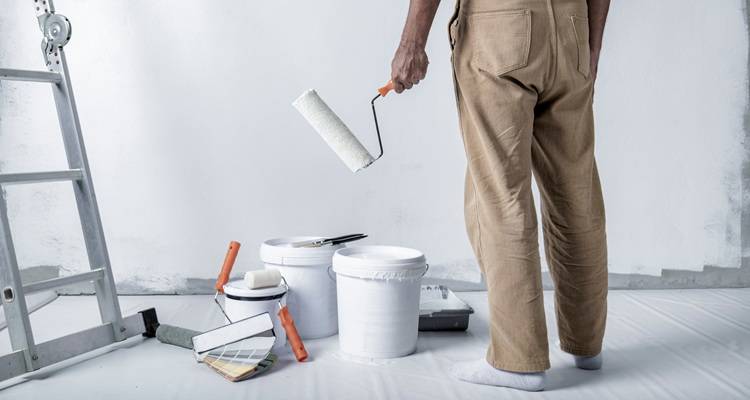
The main things that affect the price are the room size, the ceiling height, the number of doors and windows, the condition of the walls, and whether you add a feature wall or extra colours. Where you live also plays a part, with London and the South East typically charging 10 to 20% more than other parts of the UK.
Painting a Living Room Prices
| TYPE OF WORK | AVERAGE COSTS |
|---|---|
| Small living room (walls only) | £150–£300 |
| Medium living room (walls and ceiling) | £250–£500 |
| Large / open-plan living room (full job including trims) | £500–£800+ |
| Cost per square metre | £15–£40+ |
| Feature wall or multiple colours | £50–£100+ |
Want a custom price?
Post your job
Labour Costs and Timescales for Painting a Living Room
Painters and decorators charge in different ways. Some quote a day rate of around £180 to £400, others charge £30 to £50 per hour, and many price per room, per square metre, or per project. Most include standard preparation and materials in their quote, so it's worth confirming what's covered before you hire.
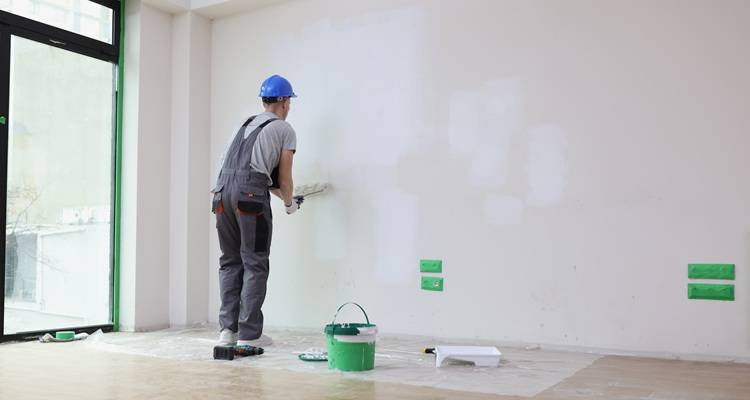
How much you pay for labour comes down mostly to the size of the room and how much of it is being painted:
- Small room (walls only) – around 1 day, roughly £150 to £250 in labour.
- Medium room (walls and ceiling) – 1 to 2 days, roughly £250 to £400 in labour.
- Large or open-plan room (full job with woodwork) – 2 to 4 days, roughly £450 to £650 in labour.
Drying times between coats usually take around 2 to 4 hours, depending on how well-ventilated the room is, and extra coats or a more complex finish will add to the overall time.
Painting a Living Room Supply Costs
If you're painting a living room yourself, the paint is usually the biggest supply cost, and how much you need depends on the room size and the number of coats. Most jobs need two coats for an even finish.
| Paint Type | Cost Per Litre | Litres Needed | Supply Cost |
|---|---|---|---|
| Matt emulsion (walls) | £4–£9 | 6 litres (2 coats) | £25–£55 |
| Silk emulsion (walls) | £3–£8 | 6 litres (2 coats) | £20–£50 |
| Ceiling paint | £8–£20 | 2 litres | £15–£40 |
| Eggshell (woodwork and trim) | £9–£30 | 1 litre | £10–£30 |
| Gloss (woodwork and trim) | £10–£30 | 1 litre | £10–£30 |
Want a custom price?
Post your job
On top of the paint, set aside around £10 to £30 for a basic set of brushes, rollers, trays and painter's tape, £5 to £15 for dust sheets and filler, and £10 to £20 for primer or undercoat if the walls need it.
What's the best paint finish for a living room?
"Personally, I think matt is the best option. If you have little ones running around with sticky hands, you may want to go for an eggshell, which has more of a sheen but is easier to wipe clean. It's a personal preference to be honest, but matt wins for me every time."
Additional Costs
When budgeting for painting your living room, there are some additional costs that you may need to keep in mind.
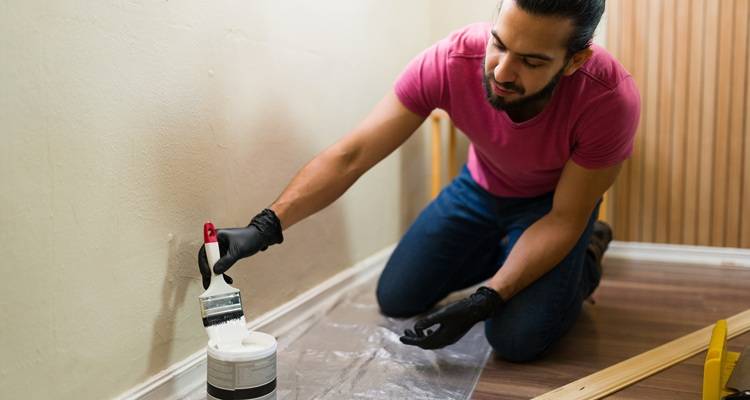
Below is a list of the additional costs that may come up with this type of work:
- Feature walls or multiple colours – This could add around £50 to £100+ onto the cost of the job, depending on the size of the space and the complexity of the work that is needed.
- Repainting woodwork and trims – This will usually add around £50 to £100 onto the cost of the job, including doors, frames and painting skirting boards.
- Prepping damaged or uneven walls – Filling cracks, removing old or flaking paint or stripping wallpaper can add around £50 to £300+ onto the cost, depending on the condition of the walls.
- Ceiling painting (especially high ceilings) – This can increase the cost by around £80 to £200. High or textured ceilings will usually cost more.
- Furniture removal or room preparation – Depending on the scope, this could cost around £50 to £150 extra.
- Waste disposal or clean-up charges – Depending on how much work is needed on this, it could cost around £50 to £100 extra.
What paint should I use for new skirting boards and doors?
"Apply a coat of acrylic primer undercoat, then rub down and fill any holes. Apply a second coat of acrylic primer, rub down lightly, then finish with your top coat, whether that's satin, eggshell or gloss. Sometimes I put two top coats on for a better finish, but see how you get on."
Cost Factors for Painting a Living Room
There are certain factors that can affect the overall cost of painting a living room.
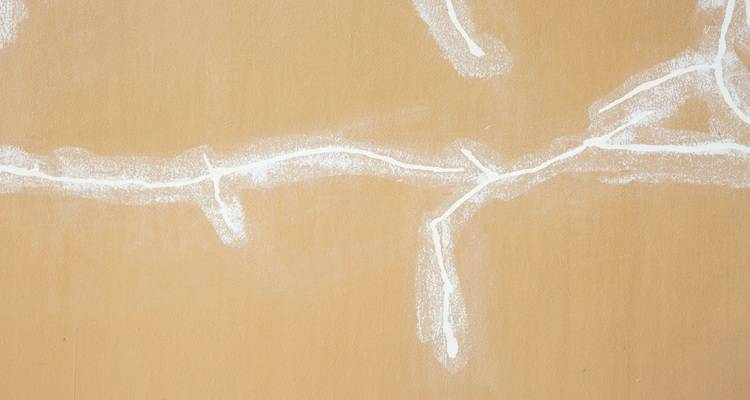
Take a look at the list below for some of the cost factors that you may need to consider when budgeting for this type of work:
- Room size and ceiling height – Bigger rooms and higher ceilings take more time and materials, so they cost more.
- The amount of woodwork – Rooms with lots of doors, frames and skirting boards take longer to cut in, which adds to the labour.
- The condition of the walls – Cracks, damp patches or uneven plaster mean more prep work before painting can begin.
- The number of colours and finishes – Several colours or a feature wall add cutting-in time and more drying between coats.
- Type of paint – Premium brands and washable or specialist paints cost more than standard emulsion.
- Access and clearance – A cluttered room or awkward access, such as tight stairwells, slows the work down.
- DIY versus hiring a professional – Doing it yourself saves on labour but takes time and skill to get a lasting finish.
Ask a Trade
Got a question that only a tradesperson can answer? We have thousands of trades ready to answer any question you may have.
Ask your question

Alternative Types of Living Room Finishing
If you decide that paint isn't the right choice for you and your living room, then you may want to consider some alternative options for decorating the space.
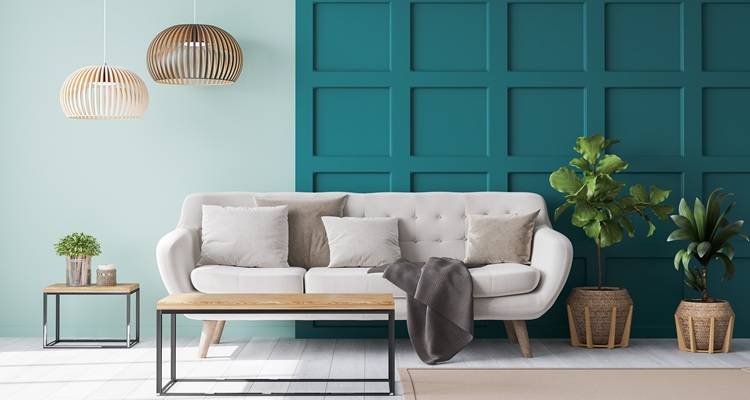
Below is a list of alternative finishes for a living room that you may want to consider:
- Wallpaper – Traditional or peel-and-stick options cost around £10 to £30 per square metre plus labour.
- Wall panelling – MDF or pre-painted options will cost around £40 to £70 per square metre installed.
- Decorative plaster finishes – Decorative plaster or textured finishes could cost around £50 to £100+ per square metre.
- Murals or wall decals – Prices vary widely depending on the complexity of the design.
- Textured or sponge-painted effects – This can add on additional labour and material costs. You can usually expect to pay around 20 to 40% extra for this type of work.
Hiring Contractors Checklist for Painting a Living Room

When hiring a painter and decorator to paint your living room, here are some things to check before you go ahead:
- Are they a member of a recognised trade body? The British Decorators Association is the leading trade body for painters and decorators in the UK, and membership shows they work to professional standards.
- Do they have insurance? Public liability insurance protects you if something goes wrong during the work, so always ask to see proof before they start.
- Will they provide an itemised quote? Ask for a full breakdown of prep, materials, and labour so you can see exactly what you are paying for.
- Have they accounted for the prep work? Filling cracks, sanding, and priming all add time, so check this is included rather than added on later.
- Have they agreed the colours and finish in advance? Confirm the exact colours, sheen, and number of coats before work starts to avoid any mix-ups.
- Do they have positive reviews? Check the feedback they have received from other homeowners on their MyJobQuote profile before you hire.
FAQs
What type of paint is best for a living room?
In most cases, matt or silk finishes are best for living room walls while eggshell or gloss paints are best for trims and woodwork.
Should I paint the ceiling and trims too?
This is down to personal choice and will depend on their current condition of them. Painting ceilings and trims will help to improve the overall look and resale appeal of your home. However, these added bits of work require extra labour, so they will increase the timescales, labour costs and material costs.
How long does living room paint last?
With proper prep work and a high-quality paint finish, your living room can stay fresh for around 5 to 10 years before it needs to be repainted.
Can I paint over wallpaper?
It is not generally recommended that you paint over wallpaper. It is best to remove the wallpaper properly or ensure that it is properly prepared before painting to avoid bubbling.
Is it cheaper to DIY or hire a professional?
DIY is cheaper than hiring a professional, as you save on labour, which makes up most of the cost. However, painting a living room well takes time and skill, and a poor finish can mean repainting sooner, so it's often worth paying a decorator for a lasting result.
What's involved in painting a living room?
Painting a living room starts with prep work: cleaning the walls, filling cracks, sanding, and priming where needed, before two coats go on the walls, ceiling, and any woodwork. Good preparation is what makes the finish last. For a full step-by-step, see our guide to house painting.
Do I need building regulations approval to paint a living room?
No, painting a living room doesn't need building regulations approval or planning permission. The main things to keep in mind are getting your landlord's permission if you're renting, and choosing low-VOC or eco-friendly paints for better indoor air quality.