Builders
 Carpenters
 Electricians
 Flooring Specialists
 Gardeners
 Handymen
 Heating Engineers
 Painters & Decorators
 Plasterers & Renderers
 Plumbers
 Roofers
 Tilers
 my
myChimney Repointing Cost
At a Glance
- The average cost of repointing a chimney is between £450 and £1,200.
- Most chimney repointing jobs take between 1 and 2 days.
- Typical prices for patch repairs, full-stack repointing and more complex chimney work.
- How scaffolding, access, damaged bricks, lead flashing, and flaunching can change your quote.
- Where to compare roofers, bricklayers and chimney contractors through MyJobQuote.
Get free estimates
Are you a trade? Get more work today!
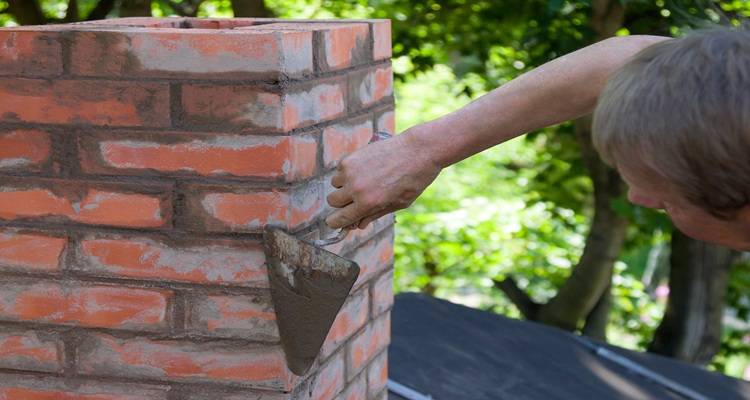
Chimney repointing is an important repair that involves removing damaged mortar from between the bricks and replacing it with fresh mortar. It is needed when the existing mortar starts to crack, crumble or wash away, as this can allow water into the chimney and weaken the brickwork.
Signs that a chimney may need repointing include loose mortar, gaps between the bricks, damp around the chimney breast and movement in the stack. The problem is more common on older UK homes because the chimney is continually exposed to rain, frost, wind, and heat. This guide covers chimney repointing costs, price factors, how the work is carried out and how to find a suitable contractor.
£825
Table of Contents
- How Much Does It Cost to Repoint a Chimney?
- Labour Cost of Repointing a Chimney
- Supply Cost of Chimney Repointing
- Additional Chimney Repointing Costs
- What Impacts Chimney Repointing Costs?
- Building Regulations for Chimney Repointing
- Types of Chimney Repointing
- Alternative Types of Chimney Repair
- Checklist: Hiring Contractors for Chimney Repointing in the UK
- Removing Old Mortar Before Repointing
- Arrange Chimney Repointing Today
- FAQs
How Much Does It Cost to Repoint a Chimney?
The cost of repointing a chimney is usually between £450 and £1,200. Minor repointing on a small, accessible chimney can cost around £200 to £350, while a larger or more weathered chimney may cost up to £1,200.
What best describes your chimney repointing job?
Minor or spot repairs to isolated areas
0 votes - 0%0% of votes
Partial repointing (one or two sides)
0 votes - 0%0% of votes
Full chimney stack repointing
2 votes - 100%100% of votes
Repointing combined with brick replacement
0 votes - 0%0% of votes

2 votes
See results
Hide results
More complex work involving damaged bricks, failing lead flashing or deteriorated flaunching can cost between £1,000 and £1,800, or possibly more. Scaffolding may also be needed and usually adds £300 to £600 to the total cost. Labour prices vary across the UK and are normally higher in London than in the north of the country.

The work may uncover other repairs, such as replacing damaged bricks, repairing lead flashing or flaunching, and fitting new chimney pots. These problems sometimes only become clear once the old mortar has been removed, so they can increase the final cost.
Chimney Repointing Prices
Here's a practical pricing table showing you the most common chimney repointing scenarios and related costs.
| Job Type | Average Price | Timescale |
|---|---|---|
| Full chimney stack repointing | £450–£1,200 | 1 to 2 days |
| Minor chimney repointing | £200–£350 | 2 to 4 hours |
| Labour-only repointing | £150–£250 per day | Per day |
| Scaffolding hire | £300–£600 | Duration of the job |
| Brick replacement | £20–£40 per brick | Added time |
| Lead flashing repair | £150–£350 | 2 to 4 hours |
| Flaunching repair | £150–£300 | Half day |
Want a custom price?
Post your job
Full chimney stack repointing covers all sides of the stack, while minor repointing is limited to small patch repairs. Labour-only prices apply when the homeowner supplies the materials, and scaffolding covers either an access tower or a full scaffold.
Labour Cost of Repointing a Chimney
Labour has a massive influence on the overall cost, as this kind of work is carried out at height by tradespeople with valuable specialist skills. Roofers, bricklayers, stonemasons, and chimney repair specialists usually charge £150 to £250 per day or more. Their rates depend on things like how much experience they have and where they're based.
Many smaller repointing jobs can be finished within just a few hours, although a full chimney stack can take up to 2 days. Some jobs can take longer if you need brick replacement services, flashing repairs and flaunching work.
Bad weather can also make the job take longer as the tradespeople won't be able to apply mortar during heavy rain or freezing temperatures.
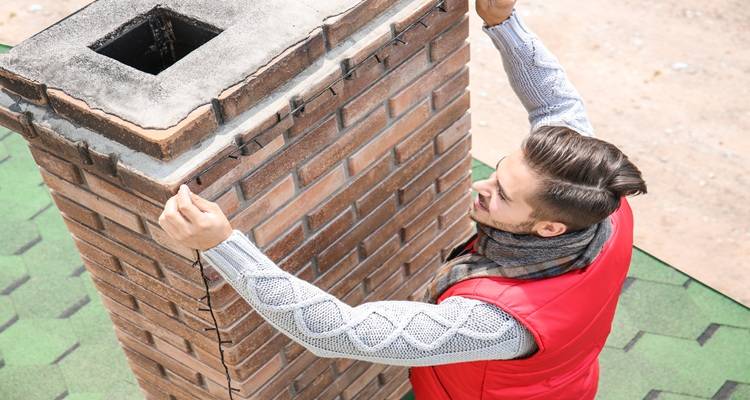
Access can have a big influence on the final price, too. Although it might be possible to reach a simple bungalow chimney with ladders or a small access tower, you might have to pay to have full scaffolding installed if you have a tall chimney on a terraced or detached house.
Supply Cost of Chimney Repointing
The supply-only costs for chimney repointing are quite modest compared to the labour, although it's very important that this work is only ever carried out by experienced professionals for safety reasons.

Common chimney repointing materials include:
- Mortar mix (sand, cement or lime): £10 to £25 per bag.
- Replacement bricks: £1 to £3 each for standard bricks, £3 to £6 for reclaimed or matching bricks.
- Lead for flashing repairs: £20 to £40 per small section.
- Flaunching materials (sand, cement, additives): £10 to £20.
- Protective sheeting and dust control materials: £5 to £15.
- Waste bags and disposal materials: £5 to £10.
Some older properties need lime mortar, which is more expensive and will take longer to apply. The overall cost of your project may also rise if you need to match bricks for a period home, especially if the chimney needs several replacements.
Additional Chimney Repointing Costs
Chimney repointing often means finding extra issues that need to be dealt with. If you are planning on having this work carried out, we recommend that you budget for these possible expenses.
- Scaffolding hire – this is essential for tall or awkward chimneys.
- Waste removal – disposing of old mortar and damaged materials.
- Brick replacement – vital if your bricks are cracked or spalled.
- Chimney pot repairs or replacement
- Lead flashing replacement – commonly needed where water has been leaking. See the chimney leadwork cost guide.
- Flaunching repairs – rebuilding the mortar around the pots.
- Cowl installation – improving ventilation or preventing downdrafts.
- Roof tile repairs – fixing tiles that have been disturbed during access. See the MyJobQuote roof repair guide for typical costs.
Hidden issues like loose bricks, internal damp, leaning stacks and cracked masonry often only become visible after the old mortar has been removed. This can mean paying more to cover the cost of your work. However, it's usually essential so you can avoid further costly damage later on.

What Impacts Chimney Repointing Costs?
Several factors influence the total cost of repointing a chimney:
- Size and height of the chimney – larger stacks require more time and materials.
- Extent of mortar deterioration – deeper erosion will mean more preparation.
- Ease of access – difficult chimneys that are hard to reach normally need scaffolding.
- Condition of the brickwork – damaged bricks usually mean higher labour and material costs.
- Property type – terraced homes may need additional access solutions.
- Regional labour rates – costs are higher in London and the Southeast.
- Mortar type – lime mortar is more expensive and takes longer to apply.
- Additional repairs – these can include flashing, pots, flaunching, and brickwork.
- Structural issues – leaning stacks or internal damp problems can cost more.
Don't be tempted by a cheap fix, as your repair work won't last for long if you ignore deeper issues. If preparation and repair work are carried out properly, your chimney should stay safe and weatherproof for many years to come.

Building Regulations for Chimney Repointing
You don't normally need to get building regulations approval for chimney repointing, as it's usually treated as like-for-like maintenance. However, this isn't always the case, and you might still need to get approval from your local council if you need to rebuild part of the chimney, alter its height or replace structural elements.
You might also have extra restrictions if your home is a listed building or if it's in a conservation area. If you're not sure about whether you need approval or not, ask your local authority before you start the work.
Types of Chimney Repointing
There are several types of chimney repointing, with each intended to resolve different problems.
Spot repointing means making small repairs to isolated areas, while partial repointing usually means repointing one or two sides of the chimney. All sides of the chimney are repointed during full chimney stack repointing, and this is to achieve as much durability as possible.
Lime mortar repointing is essential if you've got an older or heritage property, while repointing with brick replacements lets you combine mortar renewal with structural repairs.
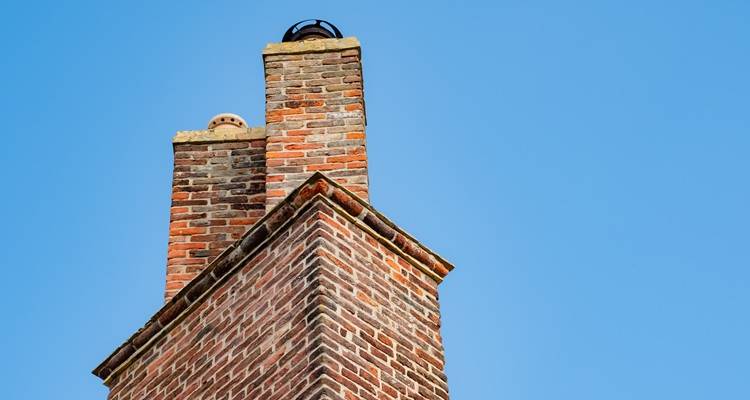
Each of these influences the final price, and full repointing and lime mortar work will cost more because of the time and skill they need.
Alternative Types of Chimney Repair
Repointing isn't always the right solution for every situation. Some other options can be used instead of or alongside repointing, for example, chimney rebuilds, which are needed when the structure is unstable. Flaunching repairs replace the mortar around your chimney pots, while lead flashing repairs fix leaks around the base of the chimney.
Chimney pot replacements can improve safety and ventilation, while some chimneys need to be removed completely because they are unsafe or no longer needed. The MyJobQuote guide to chimney breast removal costs explains what may be involved inside the property.
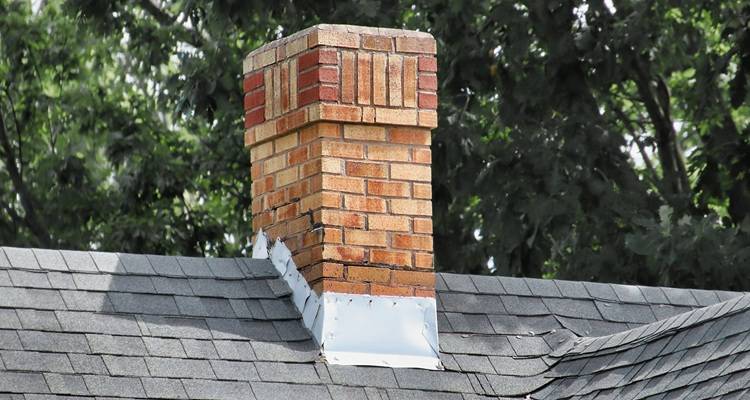
Some of these alternatives cost more and create more disruption than others. Repointing is normally the best option when the mortar has deteriorated, but the structure is sound. More extensive repairs are usually needed when the chimney has started leaning, is cracked or extremely weathered.
Ask a Trade
Got a question that only a tradesperson can answer? We have thousands of trades ready to answer any question you may have.
Ask your question

Checklist: Hiring Contractors for Chimney Repointing in the UK
We recommend that you follow a clear checklist when you're hiring a contractor:
- How much chimney and roofing experience do they have? Check that they regularly work at height and have completed similar repointing jobs.
- Can they show you previous work? Ask for examples and check their MyJobQuote reviews for feedback on reliability, tidiness and communication.
- Do they have suitable insurance and safety arrangements? Confirm that public liability insurance is current and ask how they will provide safe access.
- What is included in the written quote? It should state whether scaffolding, waste removal, mortar, brick replacement, flashing repairs and flaunching repairs are included or charged separately.
- How long should the repair last? Ask about the mortar being used, any guarantee and what aftercare is available. Compare like-for-like quotes rather than choosing on price alone.
Removing Old Mortar Before Repointing
Removing the old mortar is essential if you want your repair to last for a long time. During this process, the damaged mortar is raked out, the joints are cleaned, and the surface is prepared for new material. This stage can become more expensive if the mortar is really deteriorated or if bricks are damaged during the prep work.
Although finding hidden structural issues can be disappointing, it's important to address these problems as soon as you can so you can stop further damage and make sure the chimney stays safe.
Arrange Chimney Repointing Today
Finding the right person for chimney repointing can feel like a gamble, but MyJobQuote makes the whole process much easier. We connect homeowners with local tradespeople so you can compare quotes, check reviews and see who has real experience with roofing and chimney work.
You're not tied to anyone, and posting a job is completely free, so you can get a sense of what to expect before you commit to anything. We'll help you find suitable tradespeople quickly.
FAQs
Is Chimney Repointing Necessary?
Chimney repointing is necessary when the mortar joints have cracked, crumbled or eroded enough to let water into the stack. Replacing the damaged mortar helps secure the brickwork and reduces the risk of damp, frost damage and loose bricks. Minor surface wear may not require immediate work, but widening gaps, falling mortar or movement should be inspected before the damage becomes more expensive to repair.
Do I Need Scaffolding for Chimney Repointing?
Yes, many chimney repointing jobs require scaffolding because the tradesperson needs stable access to every side of the stack. The exact setup depends on the height of the property, roof pitch, chimney position, and access around the house. A small, accessible chimney may only need a tower or platform, but full scaffolding commonly adds £300 to £600 to the overall chimney repointing cost.
Is Repointing Cheaper Than Rebuilding a Chimney?
Chimney repointing is usually cheaper than rebuilding because it replaces the failed mortar while keeping the existing bricks and stack in place. It is normally suitable when the chimney remains stable and most bricks are sound. A partial or full chimney rebuild may be needed if the stack is leaning or has extensive cracked, loose or spalled brickwork, and this can cost several thousand pounds.
What Mortar Should Be Used to Repoint a Chimney?
The right mortar depends on the chimney's age, brick type and existing mortar. Older chimney stacks are often repointed with a compatible lime mortar because it remains breathable and allows moisture to escape through the joints. A hard cement-rich mortar may trap moisture or cause softer bricks to deteriorate, so the mix should be chosen to suit the existing masonry rather than using one standard mortar for every chimney.
How Long Does Chimney Repointing Last?
Well-executed chimney repointing can last for decades, although its lifespan depends on the mortar mix, workmanship and how exposed the stack is to rain, frost and strong winds. Damaged flashing, flaunching or chimney pots can allow water into the masonry and shorten the life of the new pointing, so related defects should be repaired at the same time. Periodic checks can identify small cracks before widespread repointing is needed again.