Builders
 Carpenters
 Electricians
 Flooring Specialists
 Gardeners
 Handymen
 Heating Engineers
 Painters & Decorators
 Plasterers & Renderers
 Plumbers
 Roofers
 Tilers
 my
myPlaster Coving Cost (UK Guide 2026)
At a Glance
- The average cost per metre for the supply and fit of plaster coving is £70
- A typical room costs an average of £1,150 to complete
- Plaster coving prices per metre and per room
- How it compares to polystyrene and polyurethane coving
- What affects the cost
- Bespoke and period-style coving costs
- How to find someone to fit it
Get free estimates
Are you a trade? Get more work today!
Plaster coving is a traditional decorative feature used to create a neat, elegant finish between walls and ceilings. It is more expensive than lightweight polystyrene or polyurethane coving, but it offers a more authentic look, especially in period homes.
As a rough guide, plaster coving usually costs around £40-£100 per metre to supply and fit. For an average-sized room, this typically works out at around £600-£1,700, depending on the coving style, room size and complexity of the installation.
In this guide, we’ll explain plaster coving costs, what affects the price, how it compares to other types of coving, labour rates, additional costs and how to find someone to fit it properly.
£550
Table of Contents
- How Much Does Plaster Coving Cost?
- What Is Plaster Coving?
- Plaster Coving vs Polystyrene and Polyurethane Coving
- Why Is Plaster Coving More Expensive?
- Labour Costs and Timescales
- What Affects the Cost of Plaster Coving?
- Bespoke and Period-Matched Plaster Coving
- Additional Costs to Budget For
- Can You Fit Plaster Coving Yourself?
- Checklist: Hiring Someone to Fit Plaster Coving
- FAQs
How Much Does Plaster Coving Cost?
The average cost to supply and fit plaster coving is between £40-£100 per metre. This means for an average-sized room, you can expect to pay between £600-£1,700.
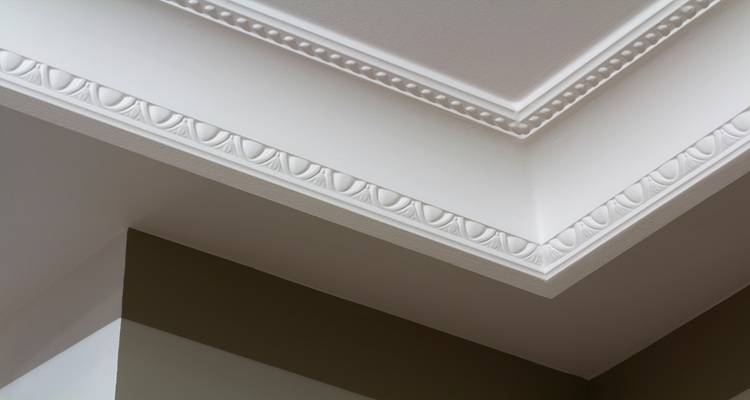
Produced using traditional materials and methods, plaster coving costs more per metre than mass-produced options made from polystyrene and polyurethane. Typically backed with timber laths, plaster coving is also trickier to cut and fix in place than modern alternatives. Therefore, labour costs are also higher.
| Job Type | Cost Range | Typical Average Cost |
|---|---|---|
| Standard plaster coving price per metre (supply and fit) | £40-£100 | £70 |
| Standard plaster coving price per average-sized room (supply and fit) | £600-£1,700 | £1,150 |
| Supply and fit bespoke ornate plaster cornice (average room) | £1,500-£3,500 | £2,500 |
Ornate cornicing and bespoke plaster coving cost an average of £150 per metre to supply and fit.
What Is Plaster Coving?
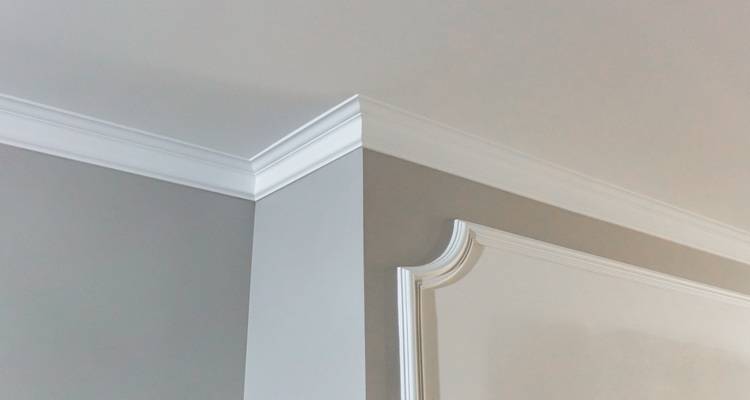
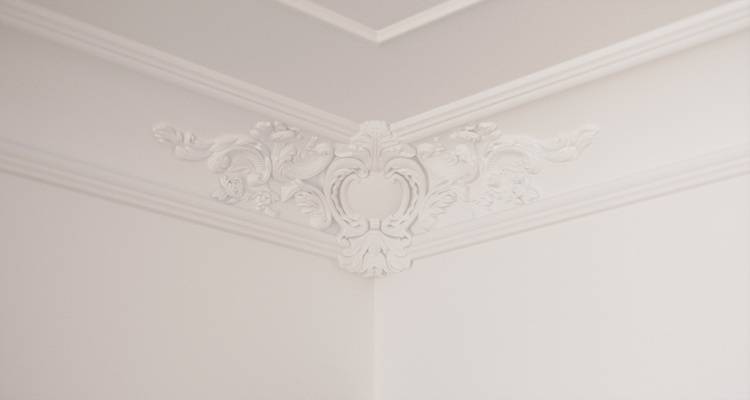
Plaster coving is a decorative moulding that masks the joint between the wall and the ceiling. Typically, it runs around the whole room, hiding imperfections and providing a neat finish to decor. Coving is usually simple in style, with a C-shaped profile. However, some period coving is more ornate.
Ornate mouldings are known as cornices. These tend to be asymmetrical, often stretching out further over the ceiling area than the wall. Victorian and Edwardian styles commonly have floral or geometric patterning, making them particularly attractive.
Plaster Coving vs Polystyrene and Polyurethane Coving
There are key differences between the weight and cost of plaster coving and polystyrene and polyurethane coving. Plaster coving can cost around £40-£100 per metre to supply and fit, while modern options can cost as little as £3-£7 per metre for materials. This means plaster coving can be several hundred pounds more expensive per room than lightweight modern alternatives.
Depending on whether you are installing traditional gypsum mouldings strengthened with lath and hessian or a lighter, fibre plaster alternative, you can expect plaster coving to weigh 1.5kg to 4kg per metre.
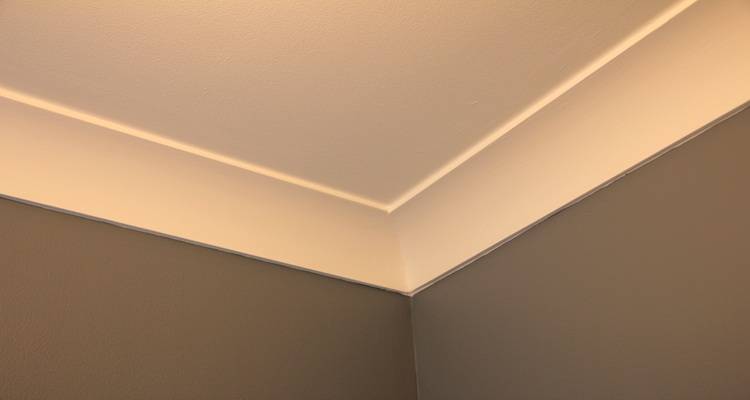
Even the heaviest polystyrene and polyurethane coving options weigh under 1kg per metre. Basic C-shaped polystyrene coving is particularly lightweight at 0.15kg to 0.20kg per metre, making it suitable for DIY installation using grab glue.
It’s also easy to cut to size with a simple mitre box and saw. Furthermore, it’s relatively flexible, making it easier to install on walls and ceilings that aren’t completely level. This makes polystyrene and polyurethane coving a good option for cost-effective renovations.
Despite this, plaster coving is often a better choice for renovations and repairs to period properties. When you’re repairing and replacing sections of plaster coving or cornice, it makes sense to get as close a match as possible to the original.
Installed correctly, it should result in an aesthetically pleasing, authentic-looking finish. In terms of ornate cornices, traditional plaster gives you a crisp, well-defined decoration that adds to the overall look of a room.
Durability is another key difference. Looked after, plaster coving can last a lifetime, while polyurethane typically lasts up to 30 years. Although it’s moisture-resistant and well-suited to kitchens and bathrooms, polystyrene dents easily and polyurethane can become brittle, particularly in rooms with lots of natural light.
Why Is Plaster Coving More Expensive?
Traditional plaster coving is made from gypsum plaster reinforced with hessian and wooden laths. It’s poured into moulds and then left to dry. This labour-intensive process means that plaster coving and cornicing is more expensive than mass-produced plastic and polystyrene versions.
If you’re replacing missing sections of cornice, a reverse mould needs to be created to ensure the new plaster coving matches the original. This traditional craftsmanship takes years to learn, and therefore, you will pay a premium for bespoke plaster cornices.
The installation of plaster coving is equally labour-intensive and, because of the weight of the mouldings, is usually a two-person job.
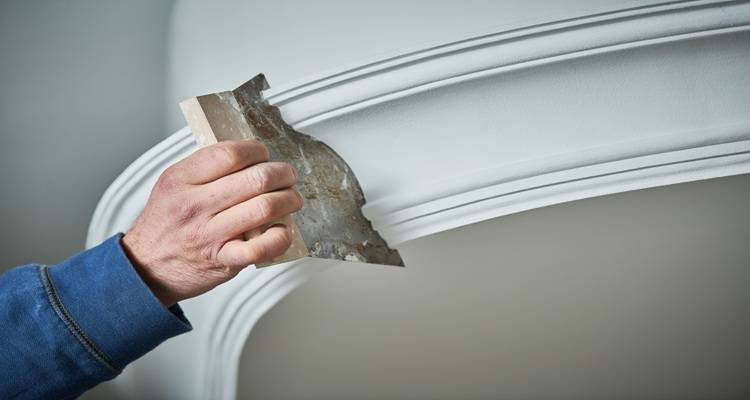
Plaster coving is glued and screwed in place to ensure it’s secure. The screwheads and joins are then filled and sanded before the coving can be painted. To support the weight of plaster coving, walls and ceilings must be sound. That’s why installation isn’t recommended as a DIY project.
Labour Costs and Timescales
The average day rate for plaster coving installers is £150-£300. Rates for fitting bespoke cornices can be higher, ranging from £350-£800 per day. Some jobs require two fitters, which pushes labour rates higher.
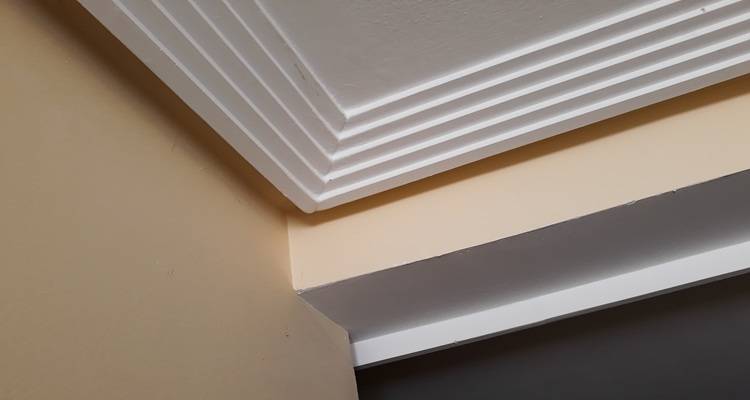
Typically, repair jobs are priced per metre. However, larger jobs may be priced per room. Installing plaster coving in an average-sized room takes one to two days, but this doesn’t include time for drying and painting.
Fitting coving in a square room is quicker than fitting it in an awkwardly shaped room. Rooms in period properties typically have chimney breasts and niches, which require extra measuring, mitre cuts and pattern matching, along with filling and sanding of joints.
What Affects the Cost of Plaster Coving?
- The total length of coving you need affects the overall cost of installing plaster coving. Essentially, the bigger the room size, the more coving or cornicing you’ll need.
- The type of coving or cornice you choose also affects costs. Typically, those with larger profiles and more intricate details are more expensive. You may also need to buy extra lengths to cover wastage where corners and other joints need to be pattern-matched.
- The number of corners in a room also affects labour costs as each requires accurate mitring and joining. This can be time-consuming, especially in old properties where corners are rarely perfect right angles.
- A standard or stock design, such as classic C-shape or ‘egg and dart’ style coving, costs much less than a bespoke or matched period profile. This is because a reverse mould needs to be created first, increasing material and labour costs.
- Plaster coving and cornices, particularly traditional products reinforced with timber laths, are heavy. Your walls and ceiling need to be able to support this weight. For good adhesion, they need to be free from loose plaster, wallpaper and flaking paint. That’s why repair and preparation costs should be factored into your budget.
- Your location also affects plaster coving installation costs. Typically, labour rates in London and the South are higher. For instance, day rates in London for standard plaster coving installations are typically £250-£350, whereas in Manchester they’re £150-£300.
Bespoke and Period-Matched Plaster Coving
In older homes, such as Georgian and Victorian properties, bespoke plaster coving may be required to carry out repairs to period features or to replicate a design found in another part of the house.
To repair or copy existing coving, a reverse mould of the original plaster coving is made. The bespoke coving is then cast from this mould. Much of this is done by hand, so it’s a time-consuming process.
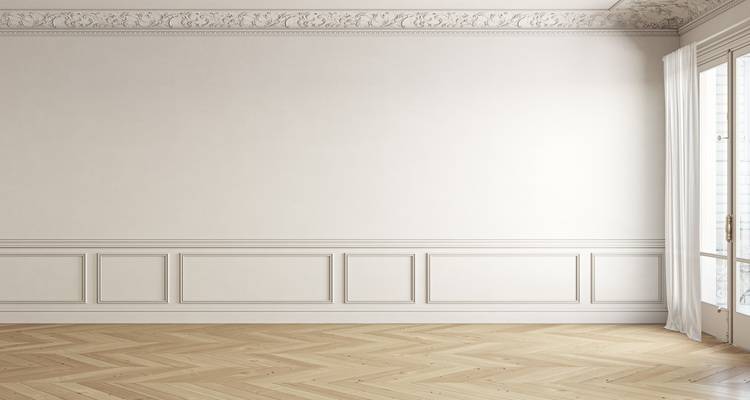
When you request a quote for bespoke or period-matched plaster coving, you’ll need to factor in the extra labour costs and be aware that rates for craftsmen with this type of knowledge can be high. Typically, you’ll be quoted for a complete project, including the supply and installation of the coving, rather than a price per metre.
Additional Costs to Budget For
These costs could affect your final bill:
Removal of old or damaged coving - If you’re replacing polystyrene coving with authentic plaster coving, the removal costs could add £150-£300 to your quote, depending on the room size. Taking out damaged sections of plaster coving costs around £10 per metre.
Plastering - Walls and ceilings need to be in good condition before coving and cornices can be fitted. Skimming costs an average of £25 per m2. Using lime plaster to restore a period property costs around £50 per m2.
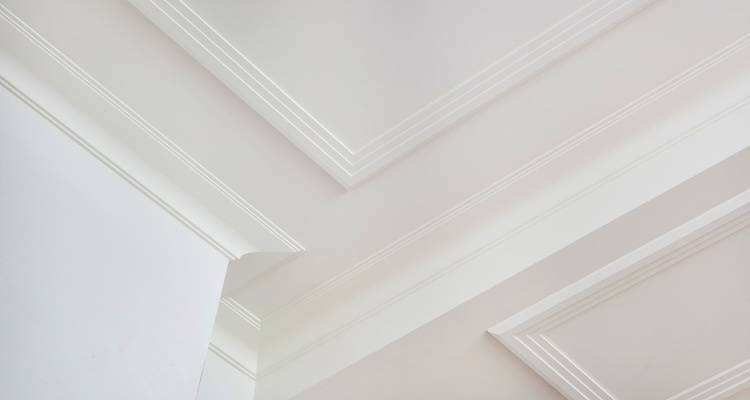
Surface preparation - Even if your walls are in good condition, minor defects may need filling first or old wallpaper may need removing. So, there will be some preparation costs.
Decorating - Once the coving is fitted, it’s likely to need priming and painting. Plus, you’ll need to make good the room’s decor. Painting an average-sized room costs £400-£500.
Can You Fit Plaster Coving Yourself?
While confident DIYers can feasibly fit a few short runs of plaster coving, it’s not usually a job for homeowners to tackle themselves.
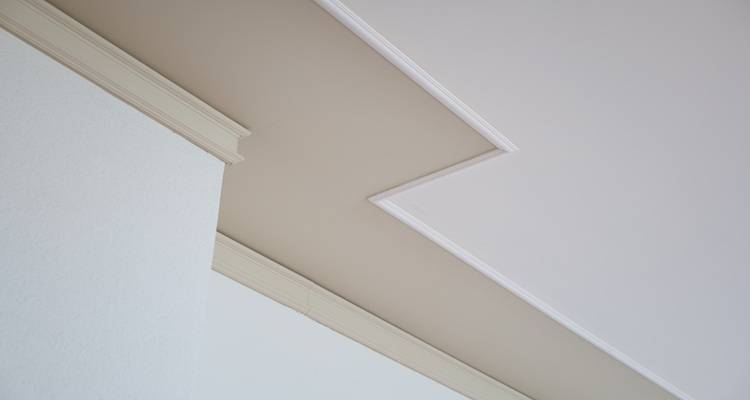
The weight of plaster coving makes it trickier to install than alternative, lightweight options. Mitring joints take precision and more than a basic set of tools. Mistakes will be noticeable, and it will be costly to waste lengths of plaster coving. Ideally, you should hire someone proficient in working with plaster materials.
Checklist: Hiring Someone to Fit Plaster Coving
Use this checklist to help you hire an installer:
- Received multiple written quotes – Have at least three, so you can compare costs and services thoroughly. Invite trades to your home to measure up and discuss your exact needs. This will ensure quotes are accurate.
- Seen examples of their previous work – Be sure they’ve fitted plaster coving before and know the correct installation method.
- Checked quotes include everything – If a quote isn’t detailed, you’ll need to confirm what is and isn’t included. For instance, does it include preparation and painting costs?
- Checked they’re insured – As plaster coving is heavy, it can damage flooring and furnishings if it’s dropped.
FAQs
How much does plaster coving cost per metre?
Plaster coving costs from £40-£100 per metre to supply and fit, depending on the design. Bespoke coving, however, costs around £150 per metre.
Is plaster coving more expensive than polystyrene coving?
Plaster coving is more expensive than polystyrene coving due to the manufacturing and fitting costs. You can pay £25-£75 more per metre for plaster coving.
Can plaster coving be fitted by a general decorator?
General decorators don’t typically have the knowledge required to correctly fit plaster coving. To be sure that joints are accurately mitred and the heavy plaster work is secured properly, you should hire a plaster coving installer.
How long does it take to fit plaster coving in an average room?
For a small, square-shaped room, it may only take a day to fit plaster coving. The more corners a room has, the more joints there are to mitre, fill and sand. So, large rooms with chimney breasts and bay windows take longer to complete.
Can damaged plaster coving be repaired instead of replaced?
Some damaged plaster can be repaired. Repairs may be made in situ, rebuilding the damaged sections. More commonly, damaged coving is removed and replaced with new, pattern-matched sections.