Builders
 Carpenters
 Electricians
 Flooring Specialists
 Gardeners
 Handymen
 Heating Engineers
 Painters & Decorators
 Plasterers & Renderers
 Plumbers
 Roofers
 Tilers
 my
myOne Coat Plaster Cost (UK Guide 2026)
At a Glance
- The average cost of applying one coat plaster is £625
- Most one coat plastering jobs take between 1 and 2 days to complete
- A breakdown of typical one coat plaster costs in the UK, including labour and material prices
- The main factors that affect the price you'll be quoted in 2026
- How to find and hire a local plasterer and what questions to ask before getting started
Get free estimates
Are you a trade? Get more work today!
One coat plaster is a popular choice for small plastering jobs and repairs because it can be applied in a single layer without the need for a separate backing coat. It's commonly used to patch damaged walls, cover uneven surfaces and complete smaller plastering projects quickly.
One coat plaster costs around £20 to £30 per 25kg bag, with supply costs averaging £11 to £13 per m2. Once labour is included, the total cost will depend on the size of the area, the condition of the surface and the amount of preparation required.
In this guide, you'll learn about:
- The average cost of one coat plaster in the UK, including labour and material prices
- The main factors that affect the total cost of a one coat plastering job
- When one coat plaster should be used and how it compares with other types of plaster
- How to find and hire a reliable local plasterer
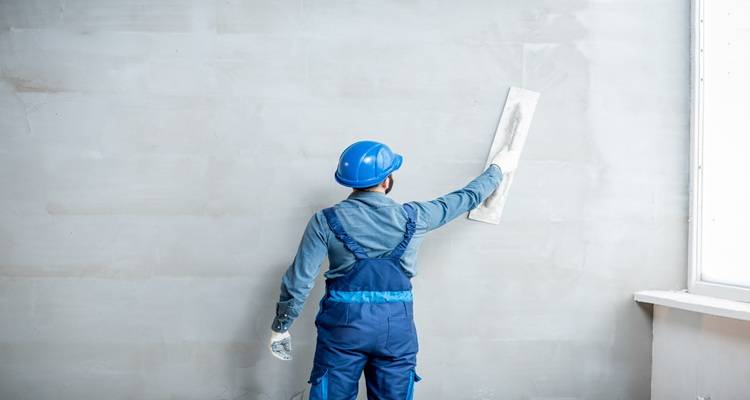
£625
Table of Contents
- How Much Does One Coat of Plaster Cost?
- What is One Coat Plaster?
- When is One Coat Plaster Used?
- One Coat Plaster Costs: Supply Only
- Labour Costs and Timescales
- One Coat Plaster vs Multi Finish vs Bonding Plaster
- Is One Coat Plaster Good for DIY?
- Additional Costs to Budget for
- Tips to Keep One-Coat Plaster Costs Down
- Checklist: Hiring a Plasterer Near You
- FAQs
How Much Does One Coat of Plaster Cost?
The supply only cost of one coat of plaster is £20 to £30 per 25kg bag or £0.80 to £1.20 per kilogram. With labour costs added, the total cost of hiring a plasterer to apply one coat plaster lands at £50 to £250 for a small patch repair.
The cost varies depending on regional labour rates, the cost of the one coat plaster product and any additional costs that may be needed.
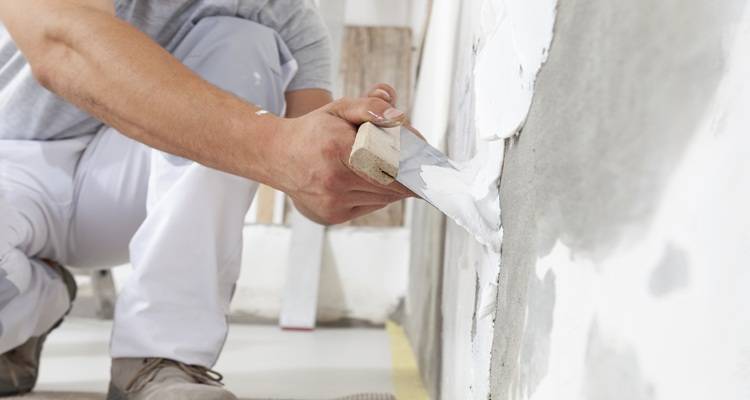
One Coat Plaster Prices
| Job Type | Low to High Cost Range | Typical Average Cost |
|---|---|---|
| One Coat Plaster Per Bag (Supply Only) | £20 to £30 | £25 |
| One Coat Plaster Applied Per m2 (Materials) | £11 to £13 | £12 |
| Small Patch Repair | £50 to £250 | £150 |
The average cost per bag is £20 to £30 for a 25kg bag and £11 to £13 per m2 in supply only costs.
What is One Coat Plaster?
One coat plaster combines an undercoat and finishing plaster into a single product, designed primarily for small tasks and simple repairs.
Applying a single coat of plaster is a common approach for quick repairs and small jobs, as it can be added without a separate base coat. It is less difficult to spread than many other options and lowers the application time.
This contrasts with a two-coat system, where an undercoat is added first before a separate finish coat is applied secondly. One coat plaster products can often fill gaps of around 11mm in thickness, though the maximum thickness is generally 25mm in multi-layer applications and 8mm in single layers.
One coat plaster can often be applied to blockwork, brick, plasterboard and concrete.
Despite the name, a second light skim is sometimes applied to ensure a smoother finish. So, keep this in mind when looking for the ideal plastering setup for your home.
When is One Coat Plaster Used?
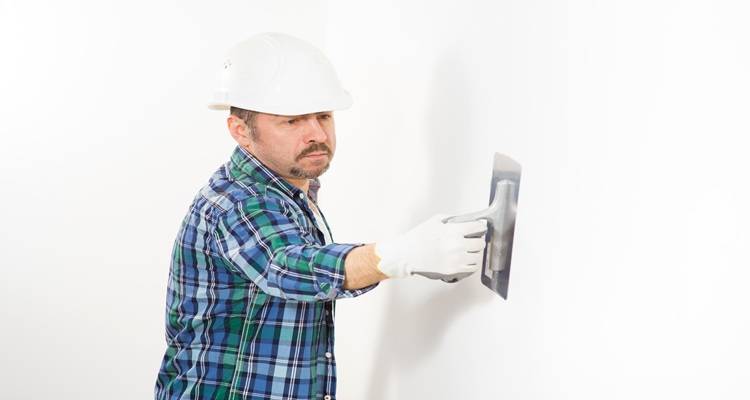
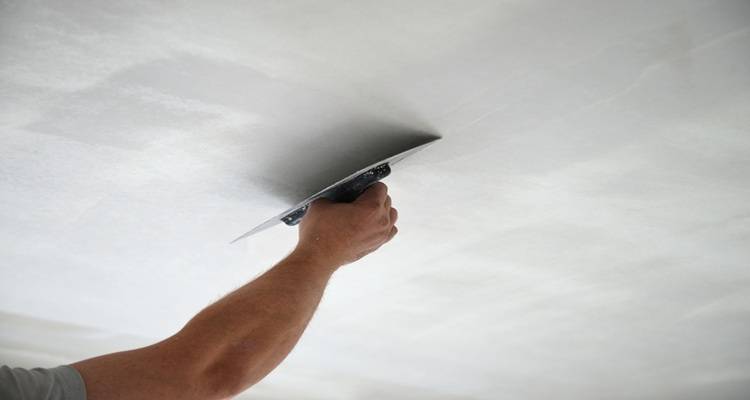
One coat plaster is often used for small repairs and patches to walls and ceilings, with its thickness making it particularly suitable for jobs like these. It is also frequently used to fill holes and cracks as well as to level minor imperfections. One coat plaster is a popular choice where speed matters more than a perfect decorative finish.
It's usually not the first choice for a full room replaster (where a two-coat system is better suited), as a high-end smooth finish is the priority in these more extensive jobs.
One Coat Plaster Costs: Supply Only
The average cost of a one-coat plaster bag is £20 to £30 per 25kg bag or £0.80 to £1.20 per kilogram. Other common bag sizes include 7.5kg, 12.5kg and 25kg, with prominent suppliers including British Gypsum.
Beyond that, one coat plaster generally covers between 0.5m² and 2m² at a thickness of around 11mm on average. As alluded to, prices can vary by brand.
Labour Costs and Timescales
The average plasterer’s day rate is £180 to £250. A one-coat job typically has a fixed labour price of around £40 to £240 for a patch or small area. This contrasts with the cost to plaster a room, which is several hundred pounds more expensive on average and which involves other common types of plaster.
The labour cost per square metre of plastering jobs varies depending on the work involved.
Labour rates also vary across the UK, with prices being generally higher in the South East of England (e.g. London) while being lower in regions such as northern England and Scotland.

Since one coat plaster avoids the wait between a base coat and finish coat, jobs can often be finished faster than a traditional two-coat system.
What’s more, it takes around two to three weeks to dry. It’s worth noting that the visual cue of plaster drying is that it lightens in colour during the process. The thickness also affects how long the drying process takes.
One Coat Plaster vs Multi Finish vs Bonding Plaster
In contrast to one coat plaster, multi-finish, also known as a traditional finishing skim, involves applying a thin layer of finishing plaster. This is generally added over plasterboard or undercoat plaster.
Multi-finish plaster costs around £10 to £15 per 25kg bag or £0.40 to £0.60 per kilogram with around 2mm thickness. Multi-finish plaster offers a smooth and steady surface known for its durability and use for decoration. It often works for a wide range of projects as well as patching.
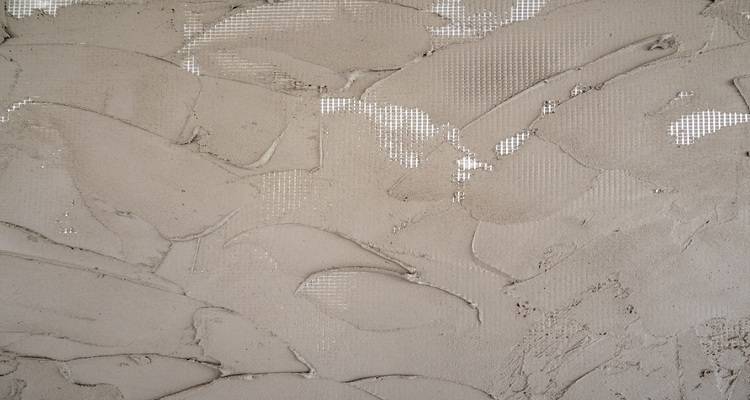
Bonding plaster, a traditional base coat, offers an undercoat that can be applied to walls prior to a skim finish. This option costs about £15 to £20 per 25kg bag or approximately £0.60 to £0.80 per kilogram, making it relatively expensive. It is well-suited to surfaces like tiling, concrete and plasterboard.
It comes with a thickness of 11m to 25mm.
Ask your plasterer which type of plaster is best for your job to be certain.
Bonding plaster works well for decorative finishes and application over medium suction or smooth wall backgrounds.
Is One Coat Plaster Good for DIY?
One coat plaster is suitable for confident DIYers, given it is a simpler process and there’s no need to time a second coat. By combining an undercoat and finishing plaster, it makes it easy to apply this two-in-one product by hand.
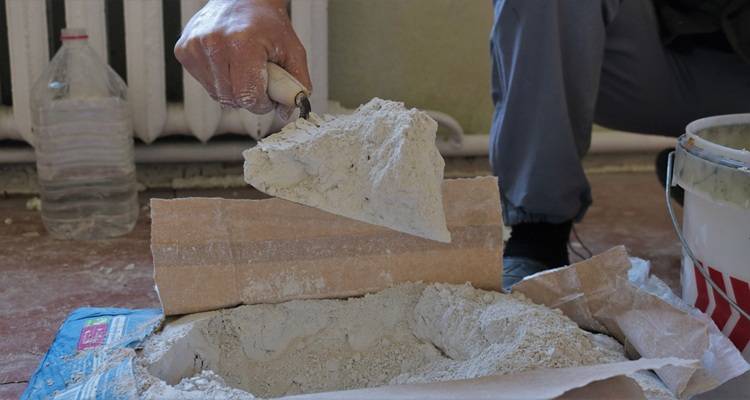
That said, to achieve a smooth, high-end finish, it still takes practice. It is a good starting point for small, low-visibility patchwork; however, full walls or projects that involve highly visible plastering once painted are best left to an experienced individual.
Indeed, in general, one coat plaster is not a good option for extensive plastering projects.
Additional Costs to Budget for
Surface preparation materials like PVA and primer, both at £8 to £20 each per product, are among extras that could affect the final bill.
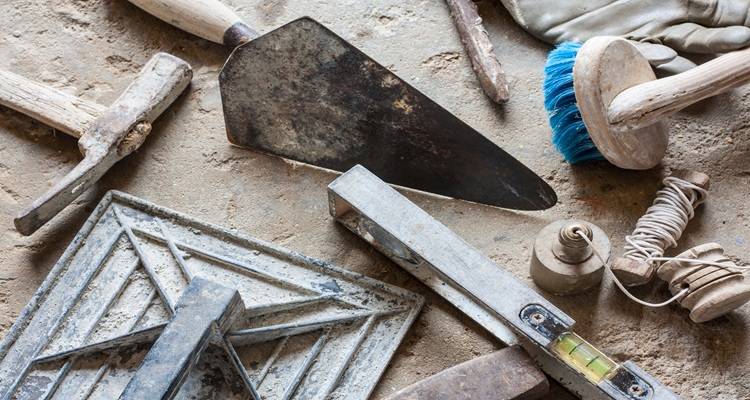
If you are applying one coat of plaster DIY, you may need to purchase tools with common costs, including a trowel at £10 to £30, a plastering hawk priced at around £10 to £30 and a mixing paddle at £10 to £45.
Waste disposal usually costs between £20 and £250. Adding a mist coat costs approximately £30 to £50, while extra finishing skim, if you want a smoother surface prior to painting, can add £10 to £20 to your overall budget.
Tips to Keep One-Coat Plaster Costs Down
There are many ways you can keep the cost of a one-coat plaster application down. One common strategy is to buy materials in bulk if you are doing multiple small jobs.
Beyond that, you should consider comparing bag prices across major UK retailers and trade suppliers to find the best value for money on the market. Combining several small patch jobs into a single plasterer visit, if hiring a local tradesperson, is another way to limit expenses.
We also recommend securing at least three quotes if hiring for a larger job, as this way you can compare prices, experience and prior work of several local plasterers before determining who offers the best value for money.
Checklist: Hiring a Plasterer Near You
Before hiring a plasterer, you should keep in mind the following checklist to ensure you find the right person for the work at hand:
- Get multiple written quotes - Landing quotes from several local plasterers allows you to look at their pricing and other considerations so you can weigh up who might be best for the job and offer the most optimal value for money.
- Check for verified reviews - Looking at verified reviews of plasterers you’re considering hiring is a great way to weigh up your choices and decide who is best for the work.
- Confirm public liability - Ensure the plasterer you hire has public liability insurance, as this protects your property in case any accidental damage occurs.
- Ask which type of plaster they plan to use and why - You should also check which type of plaster the contractor you’re looking to hire uses and the reasons.
- Ask for a fully itemised breakdown before work begins - A fully itemised breakdown allows you to see what their work will cover and generally the prices of each item.
FAQs
How Much Does One Coat of Plaster Cost Per Bag?
One coat plaster costs around £20 to £30 per 25kg bag or £0.80 to £1.20 per kilogram. Other prominent one-coat plaster bag sizes are 7.5kg, 12.5kg and 25kg.
How Thick Can You Apply One Coat of Plaster?
One coat plaster comes with a thickness of around 11mm on average, and it is well suited to jobs like small patch repair. That said, thickness may vary by product.
How Long Does One Coat of Plaster Take to Dry?
One coat of plaster takes around two to three weeks to dry. When plaster is drying, watch for the colour getting lighter as this is a sign of the plaster becoming drier. Drying time is also affected by how thick the applied one-coat plaster is.
Can You Skim Over One Coat of Plaster for a Smoother Finish?
Yes, you can often skim a thin coat of finishing plaster over one coat of plaster if you want a smoother finish. That said, whether or not it will be suitable will depend on the job and specifics, so make sure this is the correct approach for the work at hand.