Builders
 Carpenters
 Electricians
 Flooring Specialists
 Gardeners
 Handymen
 Heating Engineers
 Painters & Decorators
 Plasterers & Renderers
 Plumbers
 Roofers
 Tilers
 my
myAcoustic Plaster Cost
At a Glance
- Average costs for acoustic plastering are around £6,000.
- Most acoustic plastering jobs take 4 to 8 days to complete.
- How much acoustic plaster costs and what affects the final price.
- Acoustic plastering timescales and what's typically involved.
- How to find a local acoustic plaster installer using MyJobQuote.
Get free estimates
Are you a trade? Get more work today!
Acoustic plaster is a seamless, sound-absorbing wall and ceiling finish used either in commercial spaces or increasingly in high-end residential projects.
Its sound-absorbing properties make it a more expensive, premium product, and the total acoustic plastering cost for your project will depend on a number of factors.
Read on to learn more about acoustic plaster prices and what affects the total cost, what acoustic plaster is and how it works, and how it compares to acoustic panels and other soundproofing options.

£150 pm²
Table of Contents
- How Much Does Acoustic Plaster Cost?
- Acoustic Plaster Labour Costs and Timescales
- What Affects the Cost of Acoustic Plaster?
- Additional Costs of Installing Acoustic Plaster
- How to Get an Accurate Quote for Fitting Acoustic Plaster
- What Is Acoustic Plaster?
- How Does Acoustic Plaster Work?
- Cost of Acoustic Plaster vs Acoustic Panels vs Other Soundproofing
- Where Is Acoustic Plaster Used?
- Is Acoustic Plaster Worth the Cost?
- Checklist: Choosing an Acoustic Plaster Installer in the UK
- FAQs
How Much Does Acoustic Plaster Cost?
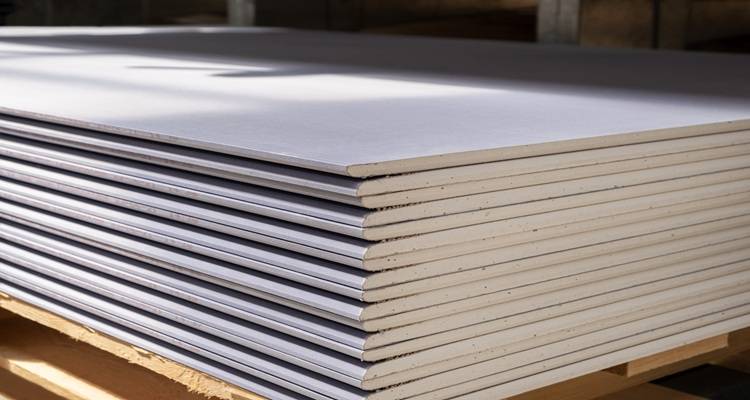
Acoustic plaster is a premium system typically combining acoustic boards with a specialist plaster finish to provide varying levels of sound management properties depending on the application. The typical installed cost of acoustic plaster ranges between £70 and £250 per m².
What type of space are you fitting acoustic plaster in?
Open-plan office or boardroom
0 votes - 0%0% of votes
Restaurant or bar
0 votes - 0%0% of votes
Home cinema or music room
0 votes - 0%0% of votes
School or healthcare setting
0 votes - 0%0% of votes
High-end open-plan home
0 votes - 0%0% of votes

0 votes
See results
Hide results
The system you choose and the size of the space are the main factors that influence total acoustic plaster costs, so most quotes are project-specific and usually require a site survey.
Having said that, the average cost of applying mid-range acoustic plaster systems to a medium-sized space will be about £6,000.
Acoustic Plaster Prices by Project Size
The table below shows the typical costs of acoustic plastering for different types of projects based on an average cost of £150 per m²:
| Typical Project | Approx. Treated Area | Typical Acoustic Plaster Cost |
|---|---|---|
| Small room / home cinema | 20m² | £3,000 |
| Medium room / meeting room | 40m² | £6,000 |
| Large room / open-plan space | 80m² | £12,000 |
| Large commercial space | 150m² | £22,500 |
Want a custom price?
Post your job
Acoustic Plaster Prices by Performance
Acoustic plaster is chosen for its ability to absorb sound and reduce reverberations within a space. How well it achieves this typically depends on the selected system and application.
Like other types of soundproofing, acoustic plaster's performance is measured by its weighted sound absorption coefficient (αw), which basically means how well it absorbs sound. The higher the rating, the better the sound absorption.
Some spaces may need better sound absorption than others, and the table below shows the typical acoustic plaster costs per m² for the different sound absorption levels, and an estimated total cost for applying each system to a 50m² space.
| Acoustic Plaster Level | Typical Installed Cost | Typical Sound Absorption (αw) | Indicative Cost for 50m² |
|---|---|---|---|
| Entry-Level | £70–£120 per m² | 0.40 to 0.60 | £3,500–£6,000 |
| Mid-Range | £120–£180 per m² | 0.60 to 0.80 | £6,000–£9,000 |
| Premium / High-Specification | £180–£250+ per m² | 0.80 to 1.00 | £9,000–£12,500+ |
Want a custom price?
Post your job
These costs are an indication to show how sound absorption performance affects price, but your total acoustic plastering cost will depend on a number of additional factors.
Acoustic Plaster Labour Costs and Timescales
Acoustic systems are a premium plastering option, and it's not something a traditional plasterer would usually be able to undertake. You would need to hire acoustic plastering installation specialists who charge a higher rate of around £400 to £500 per day.
The table below shows the typical labour costs for the installation of a mid-range acoustic plaster system in different-sized projects, which are around 30% to 40% of the total installation costs as teams of installers may be required:
| Typical Project | Typical Labour Cost | Typical Timescale |
|---|---|---|
| Small room / home cinema | £900–£1,200 | 3 to 4 days |
| Medium room / meeting room | £1,800–£2,400 | 4 to 6 days |
| Large room / open-plan space | £3,600–£4,800 | 5 to 8 days |
| Large commercial space | £6,750–£9,000 | 8+ days |
Want a custom price?
Post your job
It's worth mentioning that these costs are likely to be higher if your project is in London or the Southeast, as the day rates for acoustic plaster installation specialists here will be higher than the average for the rest of the UK.
What Affects the Cost of Acoustic Plaster?
One of the key cost factors in acoustic plaster application is the size of the area being treated.
To give some examples, entry-level acoustic plaster for an open-plan kitchen can cost £840 to £2,400, mid-range systems for art galleries around £9,600 to £27,000, and a lecture hall's premium acoustic plastering comes in with a staggering range of £36,000 to £100,000.
System thickness is another consideration, with thicker acoustic plaster often costing more. As for acoustic performance requirements, basic acoustic plaster for general sound absorption costs closer to £70 to £120 per m², mid-range systems £120 to £180 per m², and premium options suited to high-end setups cost approximately £180 to £250+ per m².
Whether existing surfaces need preparation or removal can also add to the total cost, while substrate condition is a related cost factor.
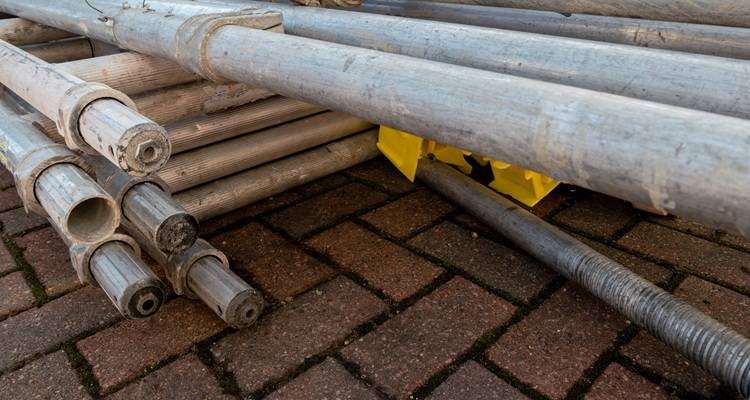
Access requirements are also worth keeping in mind, such as whether scaffolding is needed for high ceilings, which could add anywhere from £200 to £1,200 on average, depending on several factors.
Beyond that, smooth acoustic plaster generally costs more than textured options. Moreover, standard-colour acoustic plaster is more affordable than custom products.

If the project needs to meet specific acoustic performance standards, like UK Building Regulations Part E, then you'll also need to budget for building regulation costs, which can come to several thousand pounds, with several stages often required.
It's important to note that only certain aspects of the Part E regulations apply to acoustic plaster, while other aspects are relevant to soundproofing materials instead.
Finally, labour rates can differ throughout the UK, with prices tending to be higher in the Southeast of England, such as in London, and generally below average in northern England and Scotland.
Additional Costs of Installing Acoustic Plaster
Extras that could affect the final bill include a site survey, priced at around several hundred pounds, or an acoustic assessment, which may cost a few hundred or a few thousand pounds, depending on the specifics of the project.
For high ceilings, scaffolding or access equipment may also be needed. Indoor scaffolding performed by a local plasterer will often cost between £200 and £1,200.
Having existing finishes removed generally costs about £50 to £150. Beyond that, smooth acoustic plaster generally costs more than textured acoustic plaster, with the former often landing around £200 to £250 per m2 and the latter approximately £180 to £200 per m2.
Custom colour acoustic plaster naturally costs more than standard options, too. Beyond that, you'll likely need to budget a little more if ongoing maintenance or repair costs are required in the case of damaged surfaces.
How to Get an Accurate Quote for Fitting Acoustic Plaster
Acoustic plaster is a specialist system rather than an off-the-shelf product, meaning most installers will not quote a fixed price before visiting the site or seeing drawings.
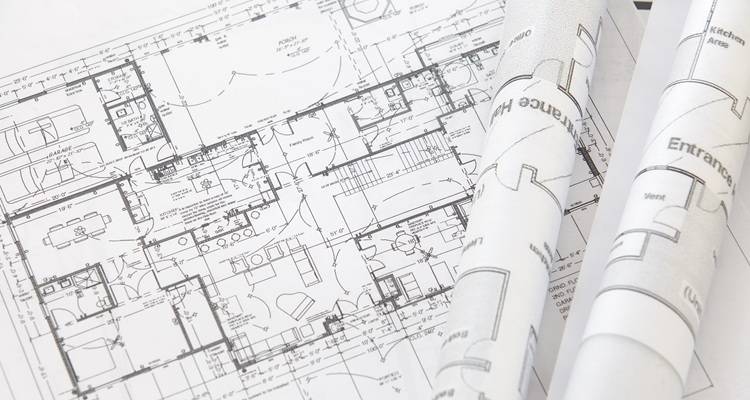
Before requesting quotes, you'll want to ensure you correctly measure the room dimensions (e.g. ceiling height) and determine the acoustic performance needed or at least the problem being solved, such as noise complaints or echo. You'll also probably need to take photographs of the existing space before securing quotes.
What Is Acoustic Plaster?
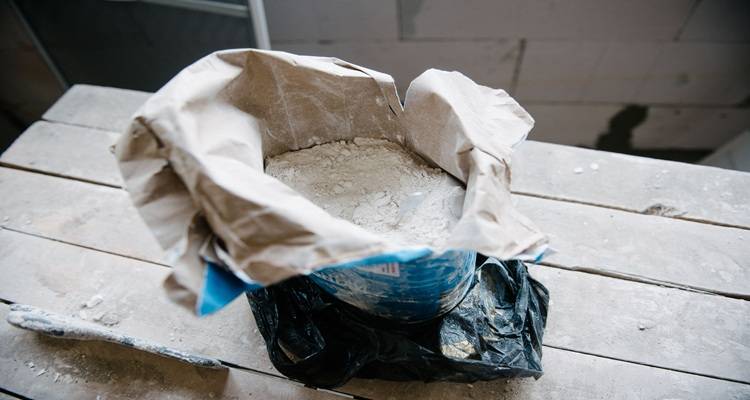
Acoustic plaster is a seamless, sound-absorbing finish system. This form of plaster is designed as a finish system for walls and ceilings. Along with matching the look of traditional plastering work, it is often used for restaurants, concert halls, and other commercial settings, though residential uses also exist.
This sound-absorbing plaster option is significantly more expensive than standard decorative plaster. Acoustic plaster costs around £70 to £250 per m², while plastering a wall with gypsum wet plaster (the most common option for modern UK households) costs approximately £25 to £40 per m².
Furthermore, acoustic plaster is typically applied over a base layer of acoustic board or mineral wool panels rather than directly onto a wall or ceiling. You may prefer to leave the acoustic plaster smooth or finished with texture. Acoustic plaster setups are often painted or pigmented so that they can match the surrounding decor.
How Does Acoustic Plaster Work?
Acoustic plaster works by absorbing sound waves. In contrast, impervious, solid surfaces cause acoustic reverberation by reflecting energy back into a space.
The layers contained in an acoustic plaster system, which features acoustic plaster added as a finishing coat, absorb sound energy through their microporous properties. The deeper layers also help absorb sound and prevent it from echoing and reverberating throughout the space. Absorption is key here rather than blocking the sound.
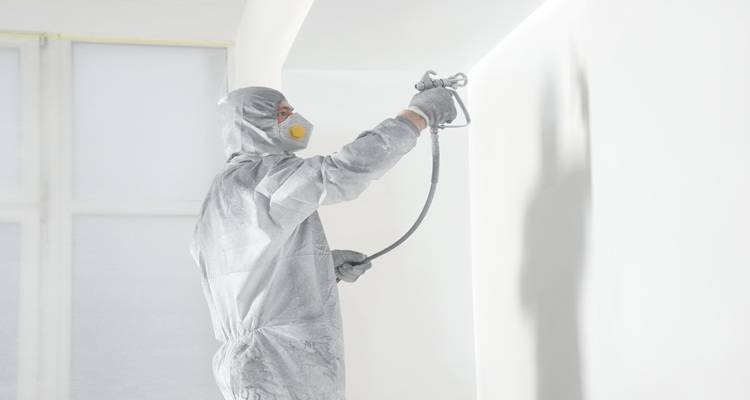
Acoustic plaster systems generally start with substrate preparation, where an even, secure plasterboard substrate is prepared. This is followed by fitting of acoustic boards or panels, then seam taping and filling with the final spray or trowel-applied finish coat as the last step in the process (other than painting or adding pigment).
It's important to consider the differences between the sound absorption of acoustic plaster and the soundproofing qualities of insulation, as this is a common point of confusion. Sound absorption reduces echo and reverberation within a room. Soundproofing, on the other hand, prevents sound transfer between rooms.
Cost of Acoustic Plaster vs Acoustic Panels vs Other Soundproofing
Acoustic plaster costs approximately £70 to £250 per m² with a seamless finish that lacks panels or visible joints. It is suitable for commercial premises and high-end residential projects where lowering echoes and reverberation matters. It offers a smoother appearance than acoustic panels, which can be valuable for businesses prioritising indoor space aesthetics.
On the other hand, acoustic panels, priced at around £20 to £55 per m², are large specialised panels that also absorb sound energy. They use sound-absorbing layers and decorative non-structural wall cladding to achieve this. Interestingly, sound energy entering the panel's material interacts with fibres or open cells, creating friction that turns the sound energy into heat.
This is broadly similar for acoustic plaster. Naturally, acoustic panels are a better choice for those on a budget. You'll often find acoustic panels in cinemas, open-plan offices, and restaurants.
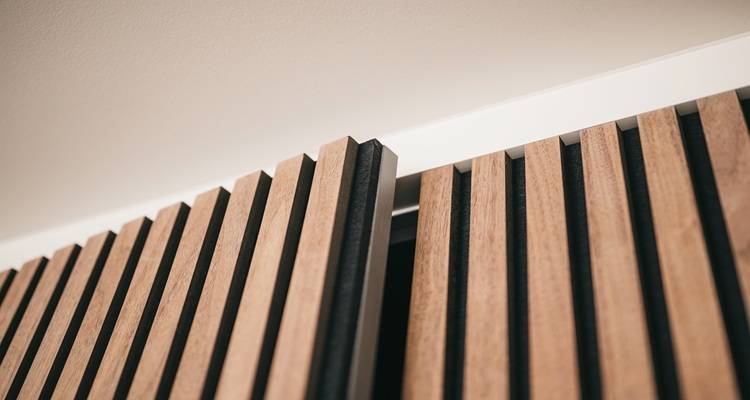
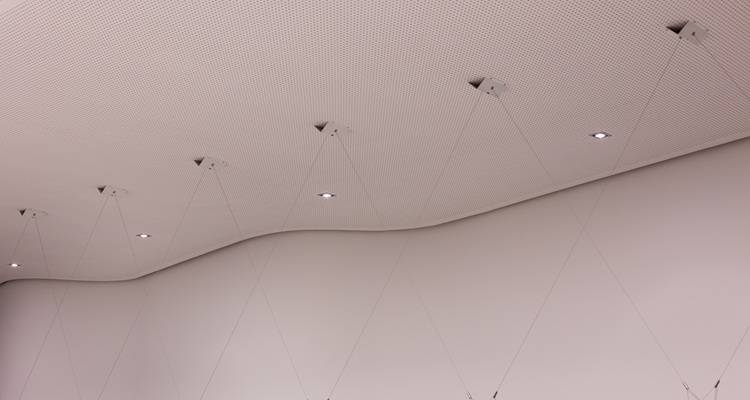
A notable soundproofing option is suspended acoustic ceiling tiles. These cost around £20 to £60 per m2, come in various material options for soundproofing a space (e.g. mineral fibre, fibreglass, and gypsum plasterboard) and are sometimes used in offices, hospitals, and retail premises.
Two traditional soundproofing methods worth noting are resilient bar and mass-loaded systems. Resilient bar systems consist of metal channels known as resilient bars with lengths of around 2 to 3 metres, and the fully installed system featuring resilient bars costs around £50 to £100 per m².
This type of system can be used in refurbishment jobs and new build projects.
As for mass-based soundproofing systems, these are suited to blocking sound transfer between rooms, whereas acoustic plaster is less effective in this domain and primarily absorbs sound. Mass-loaded systems cost around £40 to £80 per m2. Mass-based systems can be used for commercial and residential settings alike, depending on their suitability to specific scenarios.
Ask a Trade
Got a question that only a tradesperson can answer? We have thousands of trades ready to answer any question you may have.
Ask your question

Where Is Acoustic Plaster Used?
Acoustic plaster is used for a range of settings, including retail businesses, office spaces, and leisure spaces.
Common applications for acoustic plaster include:
- Open-plan Offices and Boardrooms — In this case, acoustic plaster reduces ambient noise and works well aesthetically for these work environments. Acoustic plaster is a good choice here since soundproofing does not reduce echo, meaning it would lower ambient noise as is desired.
- Restaurants and Bars — Acoustic plaster can reduce echoes and reverberation, which makes for a more relaxing environment where customers can hear each other more easily on busy nights. Soundproofing would not address the echoing and reverberation that can force people to raise their voices just to have a nice chat in an environment like a bar. Hence, acoustic plaster is the go-to here.
- Schools and Lecture Halls — For these locations, it makes communication easier (e.g. a teacher teaching a class) and offers a better sound environment. Once more, acoustic plaster is better here to reduce echo so students can focus and be heard by lecturers or teachers, while soundproofing would not be the right choice.
- Healthcare Settings — In healthcare settings, good sound absorption can make environments quieter, which is valuable for staff work and communication and creating a comfortable experience for patients alike. Soundproofing cannot address the sources of echoes in hospitals in the way acoustic plaster can.
- Home Cinemas — In home cinema settings, reverberation management is important to make a better experience for enjoying a surround sound movie at home.
- Music Rooms — Acoustic management is also valuable for music rooms to ensure high-end studio recordings, whether at home or in a commercial setting. Music rooms, though, can often use both acoustic plaster and soundproofing alike.
- High-end Open-plan Living — Last but not least, acoustic plaster is effective for creating acoustic zoning in open-plan living spaces, lowering sound propagation between different areas of the space.
Is Acoustic Plaster Worth the Cost?
You may be wondering whether it's worth splashing out on acoustic plaster when there are cheaper alternatives. While acoustic plaster costs between £70 and £250 per m², alternatives cost much less, like acoustic panels priced at £20 to £55 per m2 and mass-loaded systems requiring a budget of about £40 to £80 per m2.
Despite this, the core benefits of acoustic plaster are a key consideration in terms of value for money and thus whether or not it's worth the expense.
Key advantages of acoustic plaster include a seamless architectural finish (e.g. a smoother appearance than say acoustic panels), design flexibility, and durability in high-traffic spaces. That said, in budget-driven projects where you are not overly concerned with appearance, acoustic panels may achieve similar performance for less.
Ultimately, whether or not the price of an acoustic plaster installation is right for you will depend on a range of factors and therefore engaging with a service or tradesperson can allow you to flesh out the possibilities and weigh up whether or not acoustic plaster is right for your project.
Checklist: Choosing an Acoustic Plaster Installer in the UK
Before hiring an acoustic plaster installer, you should keep in mind the following checklist to make sure you find the right person for the required work:
- Secure multiple written quotes — The benefit of getting quotes from several acoustic plaster installers is that it allows you to compare their pricing, experience, and potentially online reviews.
- Ask for examples of completed projects — By looking at examples of an installer's previous projects, you can gain confidence that they'll provide the level of work you are expecting.
- Confirm what the quoted price includes — You should also ask what the installer's quote includes, as additional costs may not be listed, meaning you'd need to consider this for your budget. More specifically, you should check whether the quote includes the acoustic boards and finish coat, or just the finish coat.
- Check the systems meet acoustic performance standards — Ensure the system you propose to have installed meets any required acoustic performance standards.
- Confirm public liability insurance — Making sure the acoustic plaster installer has public liability insurance can, among other things, protect your property should any accidental damage occur.
FAQs
How Much Does Acoustic Plaster Cost per m²?
The typical cost of acoustic plaster is between £70 and £250 per m², depending on the chosen system. This makes it significantly costlier than average gypsum plaster, which is the primary option for walls and ceilings in UK households. However, for the cost, you get many advantages that may be necessary in certain environments, with strong sound absorption properties making it a good option for locations such as open-plan offices, schools, healthcare settings, music rooms, restaurants, and bars.
Is Acoustic Plaster the Same As Soundproofing?
No, acoustic plaster is designed to absorb sound, thus limiting echoes and reverberation, whereas soundproofing is designed to block sound travelling between rooms (i.e. the extent to which soundwaves can move through the walls or ceiling).
Can Acoustic Plaster Be Used in a Home?
Yes, acoustic plaster may be suitable for use in homes in certain cases. For example, acoustic plaster is a good choice for high-end open-plan living, as mentioned earlier. The obvious caveat is the cost. Acoustic plaster is around 2 to 10 times more expensive than regular plaster, so it may be unsuitable due to high cost alone.
How Long Does Acoustic Plaster Take to Install?
It can take around 4 to 8 days to install acoustic plaster, though factors like the ease of accessibility and the size of the space can shape the work duration. You may want to discuss in advance with the installer how long the project might take for planning ahead.
Does Acoustic Plaster Need Maintenance?
Some degree of maintenance may be needed over time, such as monthly or quarterly cleaning and addressing issues promptly. You should hire an installer for any repair work and generally for maintenance work, too.