Builders
 Carpenters
 Electricians
 Flooring Specialists
 Gardeners
 Handymen
 Heating Engineers
 Painters & Decorators
 Plasterers & Renderers
 Plumbers
 Roofers
 Tilers
 my
myGypsum Plaster Cost
At a Glance
- The average cost of installing gypsum plaster is £650
- Depending on the complexity of the job, it usually takes between 1 and 2 days
- A breakdown of how much it typically costs to install gypsum plaster in the UK
- What impacts the cost you’ll be quoted in 2026
- How to find and hire a local plasterer and what questions to ask
Get free estimates
Are you a trade? Get more work today!
Gypsum is the main type of plaster used for walls and ceilings in UK homes. Applying wet gypsum plaster usually costs around £20-£40 per square metre, rising to £35-£60 per square metre for gypsum-based plasterboard.
The total cost will depend on the size of the area, the condition of the walls or ceilings, the type of plastering needed and the labour rates in your area. Larger rooms may cost more overall, but the price per square metre can sometimes work out lower because the plasterer can cover more space in one visit.
A 25kg bag of gypsum plaster usually costs around £10-£15, or approximately £0.40-£0.60 per kilogram. Plastering a small room usually takes around one and a half days, while a medium room may take one and a half to two days. A large room can take around two to three days.
In this guide, we’ll look at what affects gypsum plaster costs, how gypsum plaster compares to alternatives and how to find a local plasterer.
£650
Table of Contents
- How Much Does Gypsum Plaster Cost?
- What Is Gypsum Plaster?
- Gypsum Plaster Costs: Supply Only
- Labour Costs and Timescales
- What Affects the Cost of Gypsum Plastering?
- Gypsum Plaster vs Alternatives
- Types of Gypsum Plaster
- Additional Costs to Budget for
- What Is Included in a Plasterer's Quote?
- Tips to Keep Gypsum Plastering Costs Down
- Checklist: Hiring a Plasterer Near You
- FAQs
How Much Does Gypsum Plaster Cost?
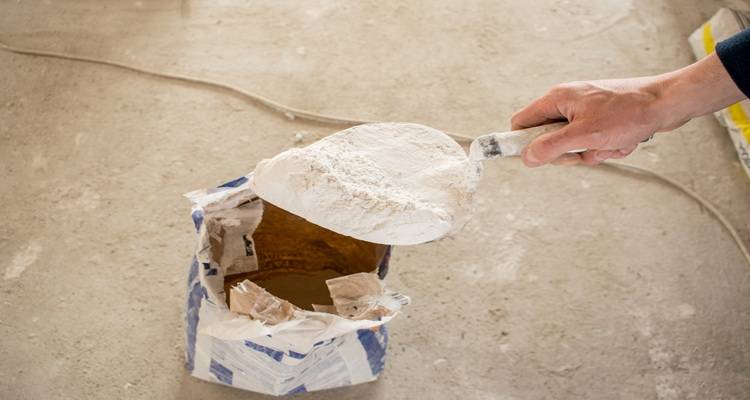
Gypsum plastering costs around £20-£40 per m2 for wet plaster or £35-£60 per m2 when it comes to plasterboard. Plastering a small room costs around £300-£600, reaching £400-£800 for a mid-sized room or £600-£1,000 for a large room. In any case, these prices cover the cost of labour and the materials used.
Gypsum Plaster Prices
Here's a practical pricing table showing the most common gypsum plastering scenarios and related costs.
| Job Type | Low to High Cost Range | Typical Average Cost |
|---|---|---|
| Gypsum Plaster Price Per Bag (Supply Only) | £10-£15 | £12.50 |
| Gypsum Plaster Cost Per m2 | £20-£40 | £30 |
| Small Room Plastering Costs (Supply and Labour) | £300-£600 | £450 |
| Medium Room Plastering Costs (Supply and Labour) | £400-£800 | £600 |
| Large Room Plastering Costs (Supply and Labour) | £600-£1,000 | £800 |
The average cost per square metre is £10-£15 for a gypsum plaster bag and £20-£60 for gypsum plaster applied, varying depending on whether it is wet plaster or plasterboard.
What Is Gypsum Plaster?
This white cementing matter is made of a mineral called gypsum that is partly or fully dehydrated for plastering use. Hardeners are often added.
Among the reasons gypsum plaster is so popular are its smooth finish, fireproofing qualities, flexibility, ease of application and ability to set rapidly. While lime plaster is still popular for use in older properties, gypsum plaster is used as standard for most UK homes nowadays. Gypsum plaster is typically used for internal walls and ceilings.
The two primary types of gypsum plaster used in the UK are finish coat (i.e. skim) and bonding coat. Gypsum plaster bonding coat is a lightweight undercoat that is well-suited to smooth or low or medium-suction backgrounds.
Finish coat, on the other hand, offers a durable and smooth finishing plaster that is added atop a plaster undercoat or plasterboard.
Gypsum plaster is not suitable for damp or external conditions, which is a common mistake to avoid. Instead, as we’ll discuss in more detail later, lime plaster is much better suited to environments with high moisture levels.
Gypsum Plaster Costs: Supply Only
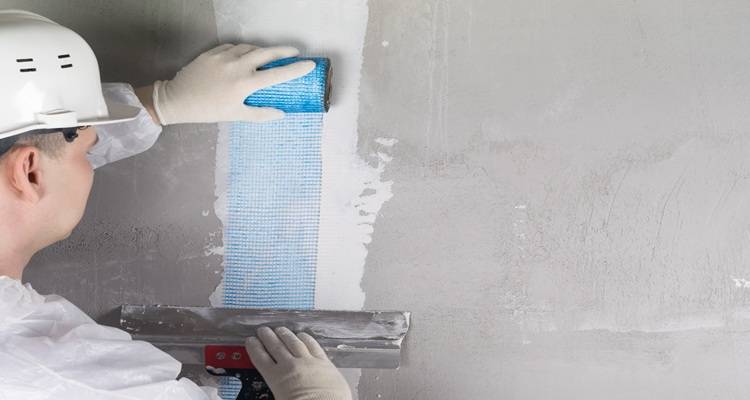
If applying gypsum plaster DIY, you’ll only need to account for the supply costs (including any additional materials or equipment needed). The average cost per 25kg bag of gypsum plaster is £10-£15.
A 25kg bag will cover around 10 square metres at a thickness of 10mm to 13mm as an undercoat and around 2mm for a finish coat.
Additional materials that may be needed can include bonding agents and PVA primer. Bonding agents cost around £8-£20 per product, while PVA primer also costs around £8-£20 for a single product, though in each case, more premium products can bring up the cost.
It’s important to note that the brand can affect the price of gypsum plaster. British Gypsum is the primary supplier of gypsum plaster bags in the UK.
Labour Costs and Timescales
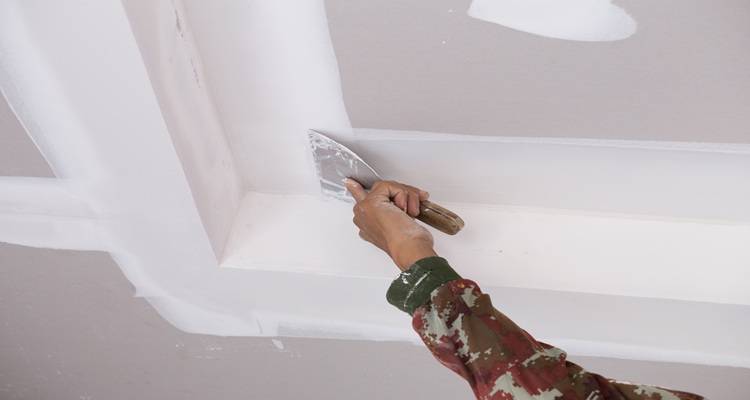
The average plasterer day rate in the UK is £180-£250, though prices can exceed £300 in the South East of England and London in particular.
Labour costs are generally lower in northern England and Scotland. It’s important to note that overall labour prices for a gypsum plaster job don’t always match the daily rates directly, as additional costs can apply.
The labour cost alone for a gypsum plastering project is £270-£475 for a small room, taking about one and a half days, £270-£650 for a medium room with one and a half to two days of work on average and £360-£850 in the case of a large room with the project lasting around two to three days for the latter.
Gypsum plaster generally takes three to seven days to dry, while full curing can take up to a fortnight. Thicker applications can take longer, however.
This means you’ll want to wait a sufficient amount of time before painting over gypsum plaster, with a key visual cue of drying being that plaster changes from a dark to light colour as it dries.
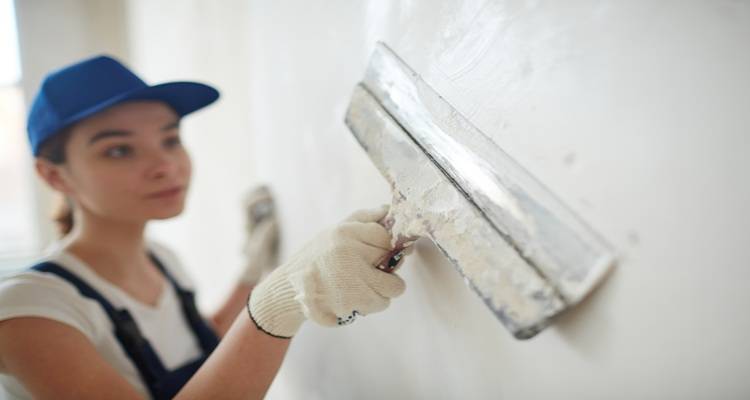
What Affects the Cost of Gypsum Plastering?
Room size and total area are key factors in the cost to apply gypsum plaster and often range from £20-£60 per square metre. A small room plastering job costs around £300-£600, with the cost increasing to £400-£800 for a mid-sized room or £600-£1,000 for a large room.
Secondly, the condition of existing walls and whether preparation or repairs are needed also affect the total price. Often it will be necessary to clean the wall, remove loose plaster and apply a bonding agent or PVA before skimming new plaster onto a surface.
A skim coat over sound existing plaster is naturally more affordable than a full plaster from scratch.
A skim over existing plaster is priced at around £15-£25 per m2, a full replaster costs about £30-£40 per m2 and plastering over old or uneven walls with extra preparation is usually priced at £35-£55 per m2.
Ceiling height and access are also relevant to the costs of gypsum plastering. High ceilings can increase the total cost, as can tricky room layouts.
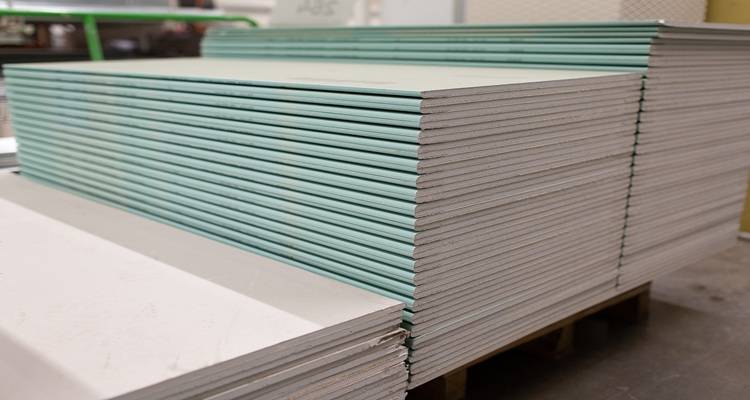
Whether or not plasterboard needs to be fitted before plastering can begin is also relevant to the total cost.
As discussed, labour rates differ throughout the UK, with prices being generally higher in the South East of England and below average in northern England and Scotland.
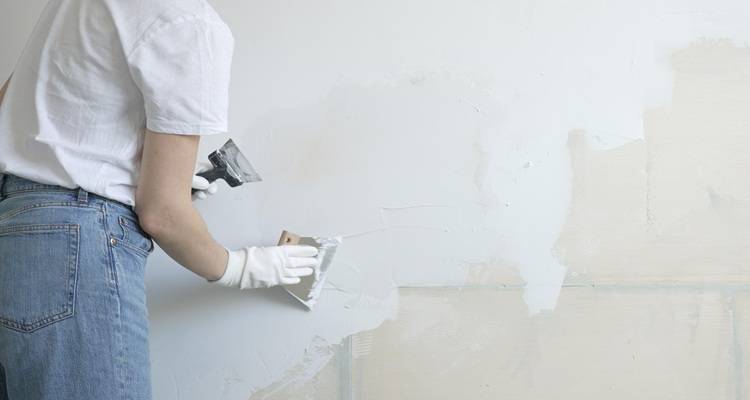
Gypsum Plaster vs Alternatives
While gypsum plaster is the most common type of plaster for UK homes, plaster alternatives do exist which are worth considering and comparing to.
Starting with lime plaster, this is a material consisting of lime, sand and water that has been in use for several centuries. A 20kg-25kg bag of this material costs around £16-£18 or about £0.65-£0.90 per kilogram, making it costlier than gypsum plaster.
Lime plaster is also more challenging to apply, meaning such work usually comes with higher labour costs. That said, it can save money in the long term if you have an older property, as it can stand up much better than gypsum plaster in high moisture conditions.
As touched on, lime plaster is more favoured for older or period properties, and it regulates humidity well. By letting walls breathe, lime plaster is suited to older homes where moisture is more of an issue.
Cement render is another alternative. It combines sand and cement to offer a mortar for a flat covering over walled surfaces. Cement render is priced at £10-£15 per 25kg bag or £0.40-£0.60 per kilogram.
Cement render is prone to cracking, and it generally lacks durability, weather resistance and is not known for being aesthetically appealing. Affordability is its main bonus. It's primarily used for exterior surfaces and is a rare choice for indoor use.
Lastly, ready-mixed plaster compounds exist as another option to consider. A 10kg tub of ready mixed plaster costs around £15-£20 or £1.50-£2.00 per kilogram. Being ready-mixed makes it a convenient option alongside its affordability.
Ready mixed plaster (also known as pre-mixed plaster) is made with gypsum, water-retention agents and sand. It is well-suited to interior walls and decorative finishes. It is known for high consistency and ease of application.
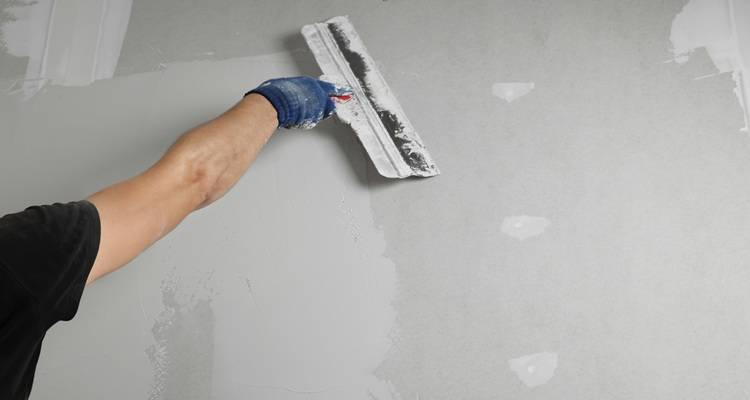
Types of Gypsum Plaster
There are several types of gypsum plaster, namely finish plaster (skim coat), bonding coat, one coat plaster and board finish.
Plaster skimming, also known as a skim coat application, involves applying a really thin coat of plaster of about 2-3 millimetres. It is primarily applied to either existing plaster to revitalise a space or fresh plasterboard or even dry lining.
It is generally used for interior walls and ceilings. A bag of finishing plaster costs around £10-£15 for a 25kg bag or around £0.40-£0.60 per kilogram.
Bonding coat is applied first to prepare a surface before plaster or render is added atop it. The purpose of a bonding coat is to improve the life expectancy and resilience of the topcoat. Bonding coat is priced at about £15-£20 per 25kg bag or £0.60-£0.80 per kilogram.
One coat plaster is a two-in-one product that consists of the undercoat and topcoat as a single material. A 7.5kg bag of one coat plaster is priced at around £10-£17 or around £1.30-£2.25 per kilogram.
As for board finish, this is a final coat of plaster designed to skim atop plasterboard and other lower suction backgrounds. It is well-suited to indoor walls and ceilings. Board finish costs approximately £10-£12 per 25kg bag, coming to about £0.40-£0.50 per kilogram.
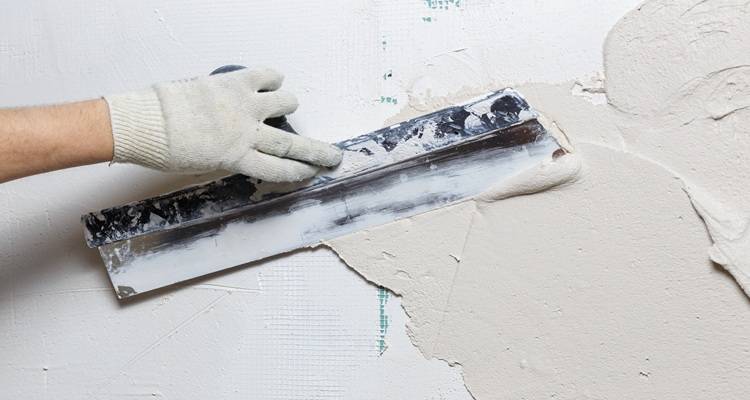
Additional Costs to Budget for
Among the extras that could affect the final bill are the removal of old plaster, which often adds £50-£150 to the overall cost. Installing plasterboard before plastering is usually priced between £500 and £1,400.
PVA products cost around £8-£20 each, while surface preparation materials in general can add around £15 per square metre to the total cost of a gypsum plaster job. Waste disposal can range from £20-£250, while a mist coat to prepare for painting after plastering will likely add £10-£40 to the total gypsum plaster installation cost.
What Is Included in a Plasterer's Quote?
Here is what a plasterer’s quote generally includes:
- Labour
- Gypsum Plaster Materials
- Surface Preparation
- Basic clean-up
A plasterer’s quote does not generally feature the following:
- Plasterboard Supply and Fixing
- Wallpaper Removal
- Decorating
- Major Repairs to the Substrate
Tips to Keep Gypsum Plastering Costs Down
In order to limit the price of a gypsum plastering installation, there are steps you can take that are worth considering. Firstly, you may want to prepare the room yourself before the plasterer arrives. This can involve stripping wallpaper, moving furniture and applying PVA if advised.
Another step to consider is combining multiple rooms into one visit where possible, rather than having a plasterer come out on multiple occasions, which can bring higher costs in total.
We also recommend securing at least three quotes from local plasterers to compare and land a good value for money. Lastly, consider whether a skim coat over existing plaster is sufficient rather than a full replaster.
Checklist: Hiring a Plasterer Near You
Before you hire a plasterer, you should keep in mind the following checklist to make sure you hire the right person for the job:
- Get multiple written quotes - Landing quotes from several local plasterers allows you to compare their skills, experience and prices so you can determine who offers the most value for money for the work needed.
- Checking for verified reviews - Taking a look at verified reviews of local plasterers is a good way to help determine who is right for the job. You can view various reviews for plasterers on our website when looking to hire someone locally.
- Asking about experience with gypsum plastering specifically - You should also check that the plasterers you’re considering hiring have experience with gypsum plastering specifically, although this is very likely, as it is the most common type of plastering used in UK households.
- Confirming public liability insurance - Another thing to check is whether the plasterer has public liability insurance, which offers protection for things like property damage.
- Checking whether waste removal is included in the quote - Waste removal is important following a plastering job, and confirming it is included in the quote is valuable so you know whether additional costs will be needed and/or if you need to remove the waste yourself.
- Asking for a fully itemised breakdown before work begins - This lets you find out what the quote includes in full, both in terms of the items involved and usually the costs per item.
FAQs
How Much Does Gypsum Plaster Cost Per m2 in the UK?
The cost of wet plaster application is £20-£40 per m2. This rises to £35-£60 per m2 with gypsum-based plasterboard. Costs can vary depending on labour rates by region, the price of the specific products used and whether additional costs are involved.
How Long Does Gypsum Plaster Take to Dry?
Gypsum plaster usually takes three to seven days to dry, with full curing lasting up to two weeks on average. It’s important to let the plaster fully dry before painting the surface. A strong visual cue of drying is when plaster shifts from dark to light colour while drying.
What Is the Difference Between Gypsum Plaster and Lime Plaster?
Gypsum plaster is a white cementing matter made with the mineral gypsum. It is widely used in UK properties today, including in new build properties and offers a smooth finish, fireproofing qualities and the capacity to set quickly. Lime plaster is primarily used for older properties, although it is relatively costly. It may be necessary in certain households where moisture issues are prevalent.
Can Gypsum Plaster Be Used in a Bathroom?
It is generally not recommended to add gypsum plaster to a bathroom since it is susceptible to moisture-related damage. That said, it may be suitable in certain sections of a bathroom when approached in the right way. You should consult a local plasterer if you are considering having gypsum plaster added to a bathroom, though in many cases, other materials will be much more suitable.
How Many Coats of Gypsum Plaster Do You Need?
It is almost always best to apply two coats of gypsum plaster. A single coat may suffice in certain circumstances, but two coats are generally needed.