Builders
 Carpenters
 Electricians
 Flooring Specialists
 Gardeners
 Handymen
 Heating Engineers
 Painters & Decorators
 Plasterers & Renderers
 Plumbers
 Roofers
 Tilers
 my
myCost to Remove Plaster (UK Guide 2026)
At a Glance
- Average plaster removal cost: £20–£35 per m² (labour only)
- Typical cost for a medium-sized room (12–14 m² of wall area): £300–£450
- Ceiling plaster removal: £25–£40 per m²
- Timescale: 3–8 hours for a single room, depending on thickness and condition
- Waste disposal: £150–£350 for skip hire, depending on size
- A breakdown of how much it typically costs to remove plaster
- What impacts the cost you’ll be quoted in 2026
- How to find and hire a specialist to remove your plaster
Get free estimates
Are you a trade? Get more work today!
Removing plaster is often needed when walls or ceilings are damaged, blown, damp or being stripped back as part of a larger renovation project. The cost will depend on the size of the area, the type and condition of the plaster, how easy it is to access and whether waste disposal is included.
As a rough guide, plaster removal usually costs around £20-£35 per m2 for labour only. A small room may cost around £180-£300, while a medium room can cost around £300-£450. Larger rooms or ceiling plaster removal will usually cost more, especially if the plaster is old, thick or difficult to remove.
In this guide, we’ll explain typical plaster removal costs, what affects the price, waste disposal fees, asbestos considerations, whether you can remove plaster yourself and how to find someone to do the job.
£375
Table of Contents
- How Much Does It Cost to Remove Plaster?
- Why Would You Need Plaster Removed?
- How Is Plaster Removed?
- Labour Costs and Timescales
- Waste Disposal and Skip Hire Costs
- What Affects the Cost of Plaster Removal?
- A Note on Asbestos
- Plaster Removal vs Skimming Over Existing Plaster
- Can You Remove Plaster Yourself?
- Additional Costs to Budget For
- Checklist: Hiring Someone to Remove Plaster
- FAQs
How Much Does It Cost to Remove Plaster?
Removing plaster will normally cost around £20-£35 per m2. The amount you pay will depend on the thickness and condition of the plaster, as well as whether the wall is modern plasterboard or older lath and plaster.
A single room usually costs around £300-£450 to strip back to brick in most UK homes. These figures usually cover labour only, so you will need to budget separately for waste disposal and replastering.
Plaster Removal Prices
Here’s a clear breakdown of plaster removal prices in 2026.
| Job Type | Low to High Cost Range | Typical Average Cost |
|---|---|---|
| Plaster removal per m2 (labour only) | £20-£35 | £28 per m2 |
| Small room (8-10m2 wall area) | £180-£300 | £240 |
| Medium room (12-14m2 wall area) | £300-£450 | £375 |
| Large room (18-22m2 wall area) | £450-£700 | £575 |
| Ceiling plaster removal (per m2) | £25-£40 | £32 per m2 |
Average cost per m2: £28 (labour only, waste disposal not included).
If you want to replaster afterwards, it is worth checking the cost to plaster a room and the cost to skim a room so you can budget more accurately.
Why Would You Need Plaster Removed?
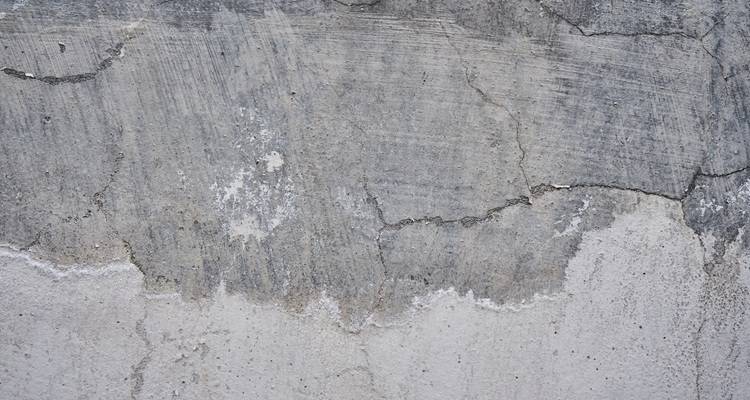
People normally need to remove plaster once it has stopped bonding with the walls. You might also need to remove plaster if you have noticed signs of damp, or if the plaster has cracked so deeply that patching is no longer enough.
A common reason for plaster removal is hollow or “blown” plaster. You may hear a drum-like sound when you tap the affected part of the wall, which means the plaster has detached from the surface beneath.
You might also need to remove plaster if you are planning work such as rewiring, plumbing, damp treatment or adding new insulation. It may also be necessary when you need to strip a room back to brick before changing the layout of the space.
If you have an older property, you might have textured coatings such as Artex. Many homeowners decide to remove this entirely instead of skimming over it. Read about the Artex removal cost for more details.
How Is Plaster Removed?
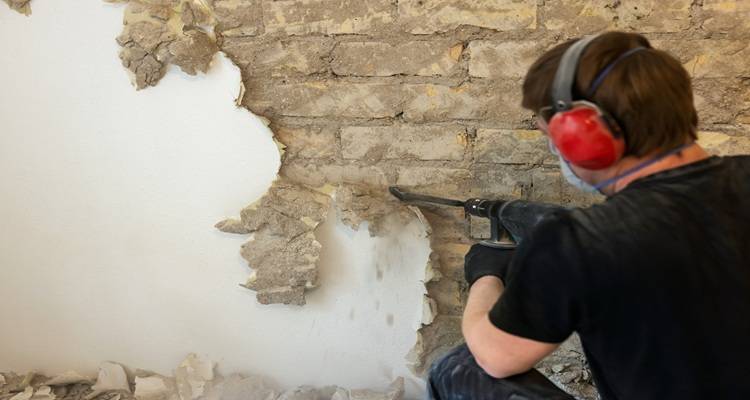
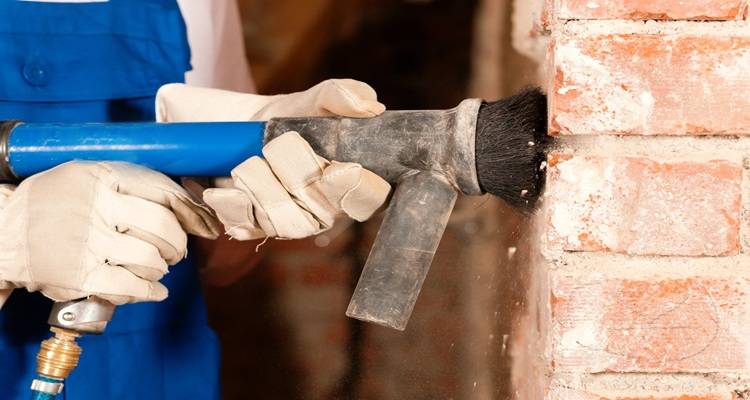
Plaster removal is a straightforward job, but it is also a messy one. The process usually starts with checking the wall for blown sections by tapping across the surface to identify weak areas.
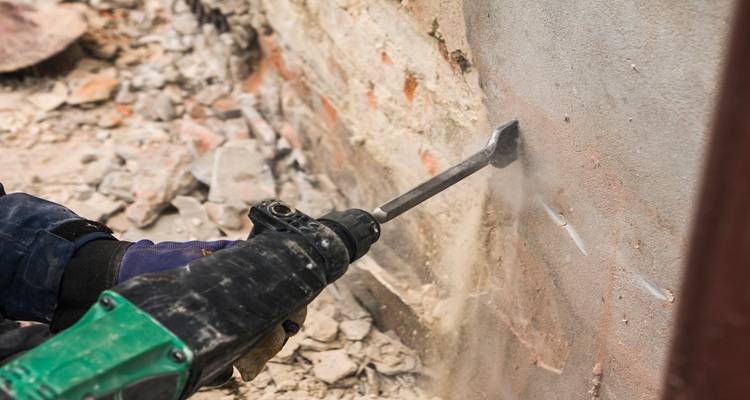
Once these have been found, hand tools such as bolster chisels and hammers can be used to hack off the plaster. Power tools may be used when coatings are particularly thick or hard.
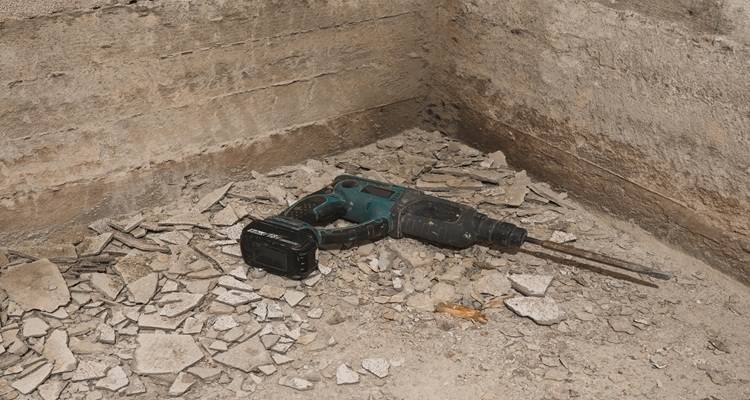
As the plaster comes away, the debris is bagged or moved directly into a skip. The room is usually cleared beforehand, and dust sheets are taped over doors to contain dust.
Furniture and flooring should also be protected before work starts. Ceilings take longer because of access requirements and the need for a safe working height.
Labour Costs and Timescales
Most plaster removal work is priced per m2, but some tradespeople will quote a fixed rate for a room. Day rates for this type of work typically fall between £150-£250, although the amount you pay will depend on where you live and the complexity of the job.
Typical Timescales
- Small room: 3-5 hours
- Medium room: 4-7 hours
- Large room: 6-10 hours
- Ceiling: 4-8 hours
Lath and plaster take longer to remove than modern plasterboard and skim because the job involves pulling off the timber laths as well as the plaster itself.
Waste Disposal and Skip Hire Costs
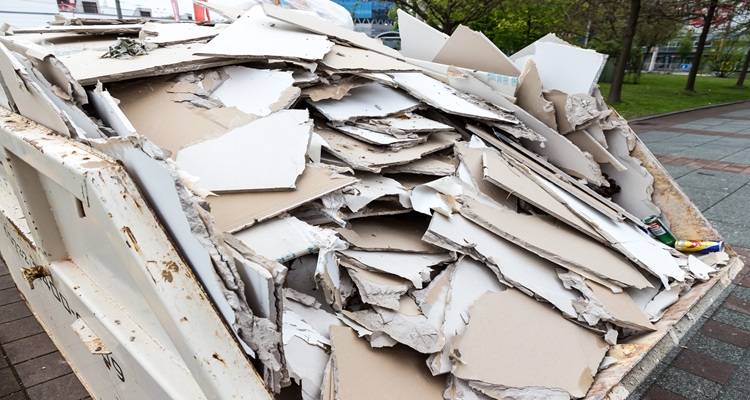
Waste disposal is something many people overlook when budgeting for plaster removal. Plaster is heavier than people often expect, and the weight can affect skip choice and cost.
The total plaster removal and disposal cost will depend on how much waste is created and whether you hire a skip or use a waste removal service.
Skip Hire Costs (UK 2026)
- 4-yard skip: £150-£220
- 6-yard skip: £200-£280
- 8-yard skip: £250-£350
If you need to put the skip on a public road, you will need a permit. This usually costs between £30 and £70, but rates can vary from one council to another.
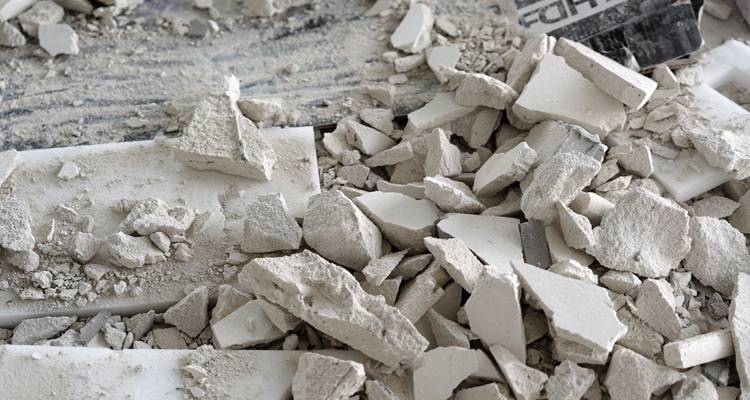
You could also use a “man and van” waste removal service. This generally costs between £120 and £200 for a room’s worth of plaster. For more details, take a look at our skip hire cost guide.
What Affects the Cost of Plaster Removal?
Total Area
Larger rooms cost more because it takes more time to strip the surface. Costs are directly linked to m2.
Type of Plaster
Older lath and plaster needs more labour and time compared to modern plasterboard and skim. It can also increase disposal costs because it produces more waste.
Access and Ceiling Height
If you have high ceilings or tight spaces, these can slow the job down. Stairwells and hallways almost always cost more per m2 because of the awkward access tradespeople need to work around.
Asbestos Testing
If your textured coatings were applied before 1984, they may contain asbestos. If testing is needed, this will add to the cost, and you should not start any removal work until it has been done.
Waste Disposal Method
If you bag and remove the plaster manually and take it to a tip, this will usually take longer than using a skip. If you use a skip, its size and any permit requirements will have an impact on the overall cost of the project.
Location
Labour rates vary across the UK. If you live in London or the South East, you are likely to pay more than someone based elsewhere.
A Note on Asbestos
Some textured coatings, including older Artex applied before 1984, may contain asbestos. A sample will need to be tested before any sanding, grinding or removal work starts.
A single sample test normally costs between £30 and £60, and you should usually get the results back within a few days.

If asbestos is confirmed, it must be removed by a licensed contractor instead of a general plasterer or labourer. This can cost much more, as controlled waste disposal may be needed.
You should never try to remove asbestos-containing materials yourself.
Plaster Removal vs Skimming Over Existing Plaster
You might save money and speed the process up if you skim over the existing plaster instead of removing it. A simple tap test can help you find out whether the plaster actually needs to be removed.
If you hear a hollow sound, this will probably mean the plaster is blown and should be stripped back to the brick.
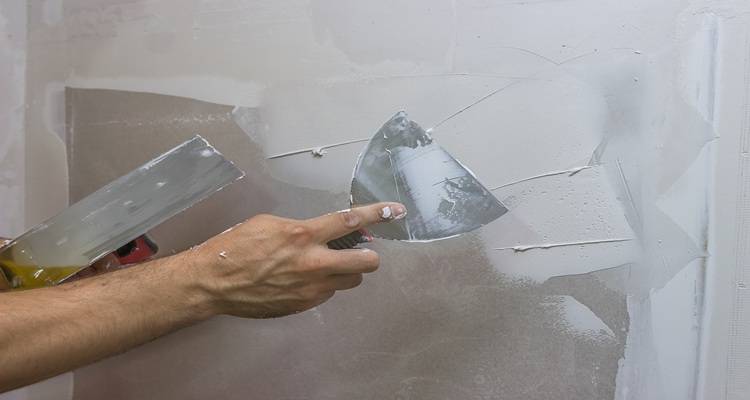
Skimming can be the right solution when the plaster is solid but uneven, lightly cracked or simply dated. However, you will need to remove plaster if it is detached, damp-damaged or if you need a bare brick surface for new insulation or wiring.
Our page on the cost to skim a room will tell you more about pricing.
Can You Remove Plaster Yourself?
Plaster removal is one of the more straightforward DIY tasks for homeowners, but it does involve dealing with a lot of dust and debris. If you are dealing with modern plasterboard and skim, you can use tools such as a hammer, bolster chisel, pry bar and dust sheets.
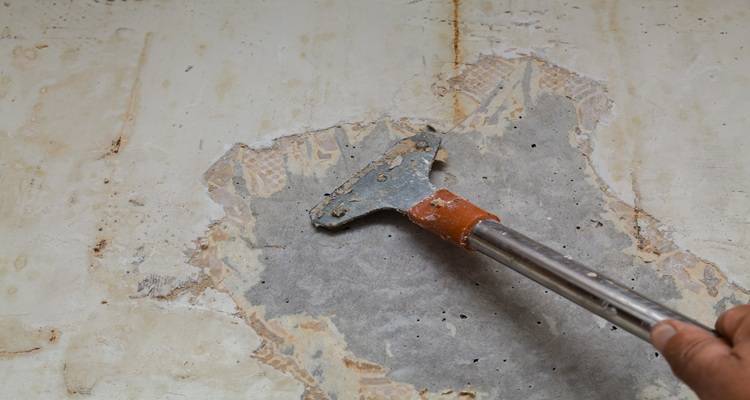
Ventilation and dust protection are essential, and older textured coatings must be tested for asbestos before any work can begin.
Although DIY removal can reduce labour costs, it may be safer and more practical to leave the work to a tradesperson. You will still need to arrange waste disposal and hire someone to apply new plaster afterwards.
DIY plaster removal can save around £20-£35 per m2 in labour costs, but you will still need to pay for waste disposal and replastering afterwards.
Additional Costs to Budget For
Plaster removal is often just the first stage of a bigger project. Common follow-on costs include:
- Base coat and skim: £15-£25 per m2
- Repairing or replacing laths: £100-£250 per room
- Bonding agent or PVA for bare brick: £20-£40
- Redecorating once dry: £150-£400, depending on room size
If you are planning a full replaster, look at our advice on the cost to plaster a room for a complete breakdown.
Checklist: Hiring Someone to Remove Plaster
Before you hire someone to carry out plaster removal, use this checklist:
- Get multiple written quotes so you can easily compare them.
- Confirm whether the quote includes waste disposal or if you need to hire a skip.
- Ask whether asbestos testing is needed for your property.
- Check that the tradesperson has public liability insurance.
- Confirm whether the same person will look after the replastering or if this needs to be booked separately.
FAQs
How much does it cost to remove plaster per m2?
Plaster removal normally costs £20-£35 per m2. What you pay will depend on things like thickness, condition and whether the wall is modern plasterboard or older lath and plaster. Waste disposal is not usually included in this figure.
How much does it cost to remove plaster and replaster a room?
A medium-sized room usually costs £300-£450 to remove plaster and £300-£600 to replaster, which means paying £600-£1,050 overall. Costs are influenced by factors like surface condition and whether any repair work is needed.
Can I remove plaster myself?
Yes, plaster removal is achievable as a DIY job if you have the basic tools and are prepared for dust and heavy debris. However, you will still need to arrange waste disposal and hire someone to apply new plaster afterwards. If you do not feel completely confident carrying out this work, it is best to hire a professional.
How do I know if my plaster needs removing or can just be skimmed?
You can do this by tapping the wall. If you hear hollow or drum-like sounds, this usually means you have blown plaster that should be removed. Skimming is usually enough if the plaster is solid but uneven or lightly cracked.
Does old plaster contain asbestos?
Plaster itself does not normally contain asbestos, but textured coatings like Artex applied before 1984 may do. This is why it is important to get a sample test before any removal work begins.