Builders
 Carpenters
 Electricians
 Flooring Specialists
 Gardeners
 Handymen
 Heating Engineers
 Painters & Decorators
 Plasterers & Renderers
 Plumbers
 Roofers
 Tilers
 my
myHouse Rewire Cost in Nottingham
At a Glance
- The average house rewire in Nottingham costs £5,600.
- Most standard jobs take between 4 and 7 days.
- A full breakdown of the costs of electrical rewiring in Nottingham, by property type and size.
- The price differences between full and partial rewires.
- How MyJobQuote can help you find and hire a local Nottingham electrician.
Get free estimates
Are you a trade? Get more work today!
The cost of rewiring a house in Nottingham is generally lower than in many other cities in the UK, as labour rates are around 14% lower than the national and East Midlands average.
27.4% of homes in Nottingham are terraced houses, and these older properties are more likely to need a full rewire.
The city also has a large student rental market similar to Manchester (in areas such as Lenton, and in neighbouring Beeston), so demand for rewiring can be higher, as landlords have to comply with electrical regulations.
£5,600
Table of Contents
The Average Cost of a House Rewire in Nottingham
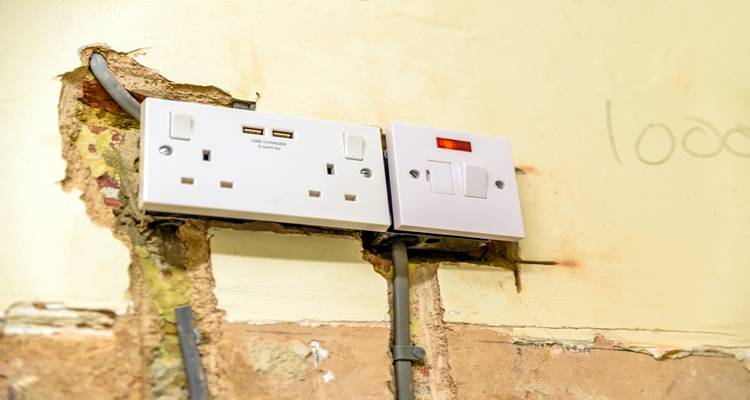
Nottingham house rewiring prices vary for several reasons, but the typical cost to rewire a 3-bedroom house is around £5,600. On average, rewiring a 1-bedroom flat in Nottingham is the cheapest job, at around £2,800, while an extended property such as a 5-bedroom detached house will cost around £9,000. Prices are for a full electrical rewire in Nottingham, including the replacement of all sockets, switches, and consumer unit.
House Rewiring in Nottingham Prices
| Property Size | Average Cost to Rewire in Nottingham |
|---|---|
| 1-bed flat | £2,800 |
| 2-bed flat / maisonette | £3,900 |
| 3-bed flat | £4,700 |
| Bungalow | £4,300 |
| 1-bed house | £3,400 |
| 2-bed house | £3,900 |
| 3-bed house | £5,600 |
| 4-bed house | £7,300 |
| 5-bed house | £9,000 |
Want a custom price?
Post your job
For a more accurate estimate of how much it might cost to rewire your property, try our house rewire cost calculator for a free, instant estimate.
What is your biggest concern with rewiring a house?
Overall cost and unexpected extras
11 votes - 48%48% of votes
Safety concerns and electrical hazards
3 votes - 13%13% of votes
Disruption and lack of electricity during the job
4 votes - 17%17% of votes
Finding a reliable electrician
5 votes - 22%22% of votes

23 votes
See results
Hide results
How Long Does a House Rewire Take?
Full house rewires can take between 2 and 8 days, depending on the size of the property. A 1-bedroom flat usually takes 2 to 3 days, while a 2- to 3-bedroom house takes 3 to 5 days.
Larger homes, such as a 4- or 5-bedroom semi-detached house, can take up to 8 days to rewire.
Conditions that may extend the timeframe include:
- Occupants in the house.
- Solid stone or concrete walls.
- Restricted access to lofts, voids, etc.
- Level of finish required.
- Unexpected issues (such as finding asbestos).
- Listed buildings needing listed building consent.
Full vs Partial House Rewire Costs
A partial rewire in Nottingham, such as a single room or circuit, starts at around £500 (for example a kitchen or a garage).
A full rewire involves replacing all the electrical cabling, sockets, switches, and consumer unit in your home. In contrast, a partial rewire targets a particular circuit, area, or room of a property.
The electrical wires in my fuseboard are red and black in colour. Is this old wiring? Do I need to have a rewire?
"They are old colour, I'd need to have a look and complete a few tests first. It doesn't necessarily need a rewire — it depends if there's an earth and the condition of the wiring."
Sometimes a partial rewire is sufficient when the old wiring is part of a renovation or when the rest of the wiring is in good condition. Occasionally, there may be damage to a particular area from a leak or fire and a partial rather than a full rewire is needed.
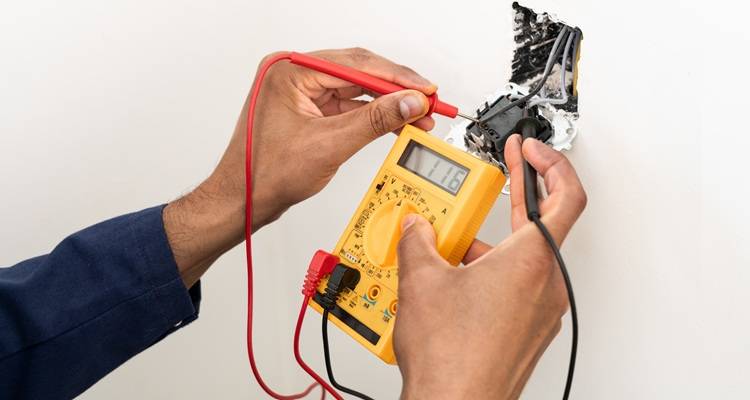
Full rewires are recommended for safety reasons when the existing cabling is in poor condition, or there is other evidence that a rewire is necessary, such as scorched sockets. In these instances, a partial rewire is not enough.
Factors Affecting the Cost of House Rewiring in Nottingham
There are several factors that influence the house rewire cost in Nottingham, although prices are generally below the national average, and considerably lower than the cost of house rewiring in London. Many homeowners combine rewiring with other projects, such as renovations or redecorating, to minimise disruption and save on costs.
Below are some of the most common elements that impact pricing:
Property Type and Number of Rooms
Large homes cost more to rewire simply because they're bigger and have more rooms. Essentially, this means there is more cabling to run and more switches and sockets to replace, which increases both labour and material costs.
Age of the Property
The age of a house or flat affects the cost of rewiring. Rewiring an old house can be more complex and costly due to outdated materials and construction methods.
Older homes in Nottingham often have brick or stone walls and some bungalows feature pre-cast concrete or metal frames. This can make rewiring more complex and push costs up compared to properties with stud walls.
My 1954 property was rewired in the 90s. I'm looking to upgrade the consumer unit and have been considering AFDDs on all circuits to help protect the older wiring. Are they worth the investment?
"Generally you wouldn't put AFDDs on each circuit in a domestic property as they are not necessarily required. You can fit one at origin of the circuits (i.e. one to "look after" the installation) and these are becoming more common. Testing and fault finding can be a reason people don't want to fit them on all circuits, but definitely worth fitting one to protect the whole installation."
Occupied vs Empty Homes
An empty home is cheaper for an electrician to rewire as it's not necessary to cover occupants' belongings or move furniture for access, making the job quicker. Disruption, noise, and dust are also less of an issue.
Accessibility Issues
Costs increase if there are accessibility issues when rewiring a property. Solid walls or crumbling plaster can both cause problems, which adds to the timeframe and increases costs. A lack of voids or a full loft can also slow the work down, adding to labour expenses.
Level of Finish Required
The type of finish required will affect Nottingham house rewiring prices. Choosing standard fittings instead of premium or designer options can help keep rewire costs down.
Options such as smart home technology, decorative sockets, or dimmer switches are typically more expensive than standard rewiring.
Ask a Trade
Got a question that only a tradesperson can answer? We have thousands of trades ready to answer any question you may have.
Ask your question

Additional Costs of House Rewiring
In addition to the price of a rewire, householders in Nottingham have other costs to consider, especially when having additional work completed while the electrician is on-site.

- Upgraded Switches and Sockets — Basic ones are usually included, but upgrading to smart sockets or decorative faceplates will cost extra.
- Smart Home Features — Installing modern features like smart lighting, automated blinds, or a smart thermostat will all add to the electrician's time and material costs.
- Consumer Unit Upgrade — Replacing a consumer unit adds upwards of £500 to the cost of a house rewire, but is usually factored into the quote for a full rewire.
- Removing Asbestos — This is a specialised task that requires professional handling and can add significantly to the overall cost, if it's found in your property.
- Additional Electrical Work — Jobs such as installing a hard-wired smoke alarm, CCTV, outdoor sockets, or an EV charger are commonly done at the same time as a rewire, adding to the overall price.
- Electrical Certificates — For example, a Building Regulations certificate (Part P) or an Electrical Installation Certificate.
- Making Good Following Rewiring — Including plastering and decorating.
- Parking Permits — For electrician, plasterer, and decorator. Trade parking permits in Nottingham cost £300 per year, £175 for 6 months, or £25 for a day, so some trades may factor this into their quotes.
Signs Your Home May Need Rewiring
Homeowners who are unsure whether their property needs rewiring should look out for the following signs.
- Frequent tripping.
- Scorched or buzzing sockets.
- Visibly damaged wiring.
- Lack of earthing.
- Fabric or rubber-coated cabling.
If you see any of these indicators, it's advisable to contact a qualified electrician immediately and get your wiring checked. Ignoring these warnings could have serious repercussions for your home and safety.

Hiring an Electrician in Nottingham with MyJobQuote
Nottingham householders should only ever use a qualified electrician to carry out a rewire in their home, ensuring safety and compliance.
Electrical Installation Certificates and Building Regulations compliance certificates can be issued by electricians who are registered with a competent person scheme. If your electrician is not registered, you must notify building control before work starts, and they will issue the completion certificate.

By posting your job on MyJobQuote, you will get up to three quotes from local electricians in Nottingham for your house rewire. It's free and there's no obligation to go ahead. This allows you to easily and quickly compare prices and choose an electrician you're happy to have work on your project.