Builders
 Carpenters
 Electricians
 Flooring Specialists
 Gardeners
 Handymen
 Heating Engineers
 Painters & Decorators
 Plasterers & Renderers
 Plumbers
 Roofers
 Tilers
 my
myCost to Build a Garden Wall
At a Glance
- The cost of building a brick wall is around £1,000 on average.
- The job will usually take about 3 days to complete.
- NEW! Check out our brick wall cost calculator to estimate the cost of a brick wall in 2026.
- A breakdown of pricing information covering different wall dimensions, including brick prices per m².
- How to build a brick wall, as well as how long the job will take and an overview of what other jobs a bricklayer can do.
- How to find and hire a wall builder using MyJobQuote.
Get free estimates
Are you a trade? Get more work today!
Want to know how much a brick wall costs to build?
In this guide, we look at garden wall prices of different heights, lengths and thicknesses, laying garden wall foundations, and the labour cost of hiring a bricklayer to build a wall.
On average you can expect to pay around £1,000 for a brick wall to be built.
Already know what type of brick wall you want in your garden?
MyJobQuote can connect you with wall builders near you in just a few clicks. Simply enter some brief project details, and get ready to receive free, no-obligation quotes.
But, if you'd like to know more about building a garden wall first, carry on reading below...
£1,000
Table of Contents
- How Much Does a Brick Wall Cost?
- Building a Brick Wall Labour Costs and Timescales
- Building a Brick Wall (Supply Only Costs)
- Additional Bricklaying Costs
- Factors That Impact Garden Wall Costs
- What's Involved in Building a Garden Brick Wall?
- Types of a Brick for a Garden Brick Wall
- How Many Bricks Do I Need?
- Brick Standards
- What Are the Benefits of a Garden Brick Wall?
- Planning Permission for a Garden Brick Wall
- Building Regulations for a Garden Brick Wall
- Alternatives to Garden Brick Wall
- Garden Wall Repair Costs
- Checklist: Hiring a Garden Brick Wall Specialist in the UK
- FAQs
How Much Does a Brick Wall Cost?
A small 5m x 1.2m garden wall can cost as little as £530 - if it's made out of machine-made bricks.
What about a natural stone wall?
The same size wall can cost as much as £1,100 if made from handmade or reclaimed bricks.
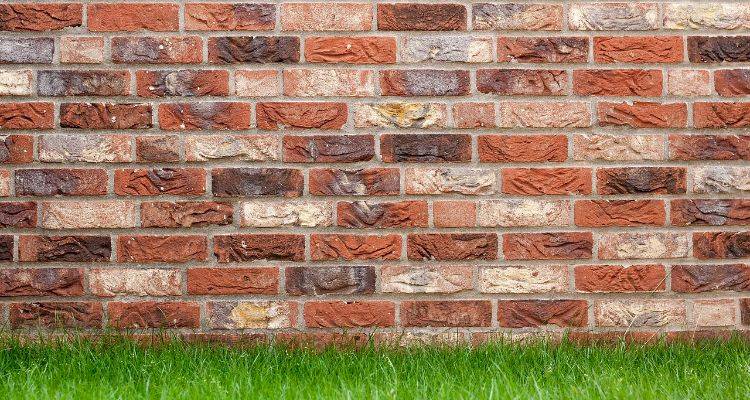
Several factors affect how much it will cost to build a brick wall in your garden - but, the two main factors are:
- The size of the wall
- The type of bricks
You can choose to have a thicker wall made. Walls with two skins of bricks will cost twice as much as a wall of the same size with a single skin of bricks. Thicker or larger walls require more materials, which increases the overall cost.
So, how much does a garden wall cost per m²?
On average, you can expect to pay around £70 to £120 per m² of garden brick wall.
Looking for specific garden wall costs for your project?
Try out our free, no-obligation cost calculator below:
Garden Wall Cost Calculator
The following gives you some idea of the total cost for different sizes of walls. There will be some variance based on where you live and the type of team you hire.
Size
For comparison, these are the costs for different sizes of wall, all made with machine-made bricks:
| Wall Size | Number of Skins of Brick | Average Cost |
|---|---|---|
| 5m x 1.2m | 1 | £530 – £750 |
| 5m x 1.2m | 2 | £840 – £1,200 |
| 10m x 1.2m | 1 | £840 – £1,200 |
| 10m x 1.2m | 2 | £1,250 – £1,800 |
| 5m x 2m | 2 | £810 – £1,150 |
| 10m x 2m | 2 | £1,400 – £2,000 |
Want a custom price?
Post your job
Brick
For comparison, these are the costs for building the same size wall in different bricks. This is for a 5m x 1.2m single skin wall:
| Type of Brick | Average Cost |
|---|---|
| Machine-Made | £530 – £745 |
| Handmade | £660 – £1,200 |
| Reclaimed | £610 – £1,150 |
Want a custom price?
Post your job
How much does it cost to build a brick wall 5m in length and 2m in height?
"Brickwork labour only around £1,000. Foundations etc. will be extra."
Building a Brick Wall Labour Costs and Timescales
Depending on who you hire, you might be quoted for the wall or for the time of the team.
Size of Wall
This will give you an idea of the labour costs and timeframes for different sizes of garden wall:
| Wall Size and Skins | Timescale | Average Cost |
|---|---|---|
| 5m x 1.2m (1 skin) | 2 days | £440 – £600 |
| 5m x 1.2m (2 skins) | 3 days | £660 – £900 |
| 10m x 1.2m (1 skin) | 3 days | £660 – £900 |
| 10m x 1.2m (2 skins) | 4 days | £880 – £1,200 |
| 5m x 2m (2 skins) | 3 days | £660 – £900 |
| 10m x 2m (2 skins) | 5 days | £1,100 – £1,500 |
Want a custom price?
Post your job
Bricklayer Labour Costs
This will give you an idea of the daily rates for the different workers that might be on site:
| Worker | Average Daily Rate |
|---|---|
| Bricklayer | £150 – £200 |
| Labourer | £70 – £100 |
Want a custom price?
Post your job
Building a Brick Wall (Supply Only Costs)
There are a few factors to consider when you are working out the costs of the materials for your wall, although the cost of individual bricks can fluctuate depending on the supplier and quality of the product.
Bricks
| Type of Brick | Cost per Brick | Cost per Thousand Bricks | Cost per m² |
|---|---|---|---|
| Machine-made | 56p – 76p | £250 – £400 | £15 – £25 |
| Handmade | 80p – £1.50 | £600 – £1,600 | £40 – £100 |
| Reclaimed | 75p – £2.50 | £480 – £1,500 | £30 – £90 |
Want a custom price?
Post your job
Other Materials
When you are building a wall, you will need to buy the ingredients for the mortar and the foundations as well. The following gives you an idea of the costs of these required to build a 5m by 1.2m double-skin garden wall:
| Material | Average Cost |
|---|---|
| Sand | £115 – £125 |
| Cement | £85 – £95 |
| Plasticiser | £5 – £10 |
| Capping Stones/Bricks | £40 – £50 |
Want a custom price?
Post your job
Additional Bricklaying Costs
Once you've had your new brick wall built, you may want to spruce up the rest of your home's exterior. Here are a few examples of what you can consider:
Garden Waste Removal
Garden waste removal can be a good first step in preparing your garden for any work - like building a garden wall.
It could save you from paying the higher rate of the bricklayers to clear the space they need. The average cost for clearing a garden is £200.
Garden Wall Gate
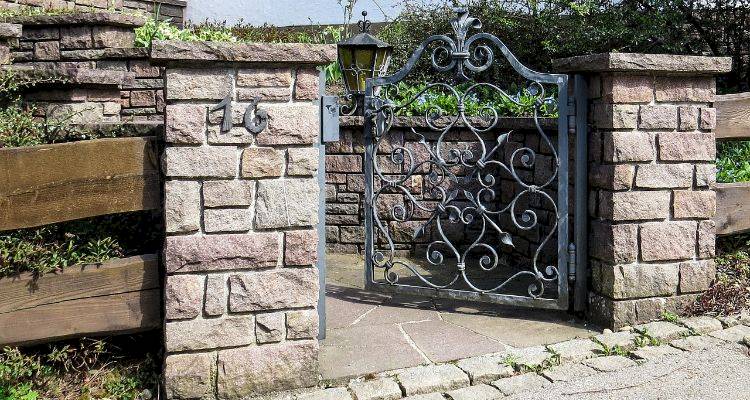
If you need a gate in your wall, you will need to factor in the cost to buy and fit it.
A new garden gate costs around £450 to be fitted in the UK.
Build a Garden Shed
While you're laying the foundations for your wall, it might be a good time to also lay them for a new shed.
Building a garden shed costs on average £1,020, and can be a welcome solution for homeowners looking for storage solutions.
Hiring a Gardener
If you're putting money into building a new wall in your garden, then this might be the time to invest in a garden to maintain your garden as well.
Maintenance gardener costs are around £14 to £25 per hour. If you're looking for grass mowing costs, this typically costs around £25 per hour.
Ask a Trade
Got a question that only a tradesperson can answer? We have thousands of trades ready to answer any question you may have.
Ask your question

Factors That Impact Garden Wall Costs
There are a few main factors that can affect the cost of brick walls. You should consider these when you're working out your budget:
Size of Wall
The size of the wall is going to have a big impact on the cost.
You will need to pay for the bricks to build the wall, as well as the time it takes to build it.
Pro tip: If you need to fix your budget, you could limit the height of the wall, as this will reduce the overall cost.
Type of Bricks
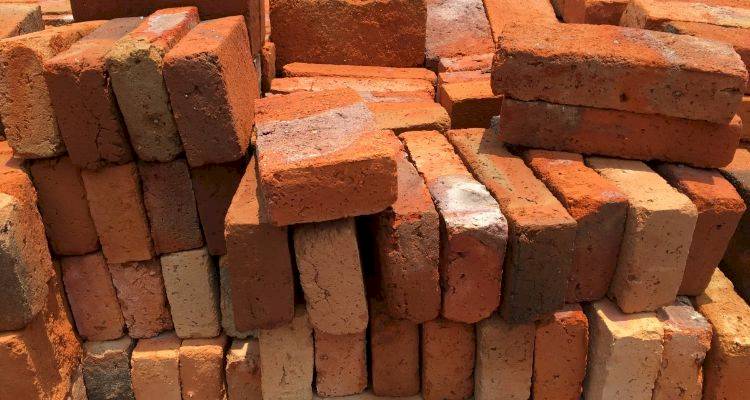
Reclaimed bricks can work out as a cost-effective option if sourced locally or purchased in bulk.
However, there is a chance this may not be the case if you're searching for something specific.
If you don't mind a contemporary look, modern bricks are often cheaper and more readily available. And, they can be easier to match if you need to repair part of your brick wall with like-for-like brickwork.
Extensive Groundwork
If the ground in which your foundations need to be laid is hard to dig - if there are a lot of rocks or tree roots - the cost will increase.
You can work around this by getting the groundwork done before the bricklayer comes to the site. Costs to remove a tree stump are around £225, while full tree removal costs are around £500, depending on the size of the tree and ease of access.
Completing these jobs beforehand can help to avoid delays in your bricklayer's schedule, helping to keep your project on track.
Thickness
Garden walls are typically either half a brick or a full brick thick - the thicker the wall, the higher the overall cost.
A single layer of bricks is classed as half a brick thick, while two layers of bricks are often referred to as "two-skins" in order to make a wall the thickness of a full brick. Keep in mind that a wall with two layers of bricks will cost considerably more than a single layer.
Location
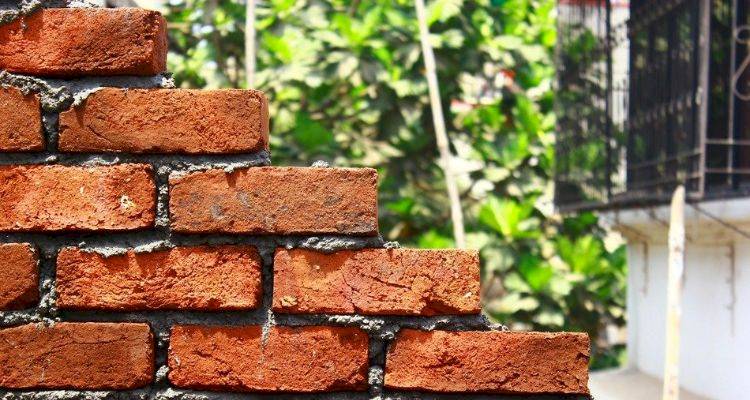
If the wall is located in a hard-to-reach area, including narrow passageways and no easy roadside drop off, expect to pay a premium for getting the bricks to the site.
What's Involved in Building a Garden Brick Wall?
In principle, building a brick garden wall isn't a complicated process - but there are some tricky parts, so seeking the help of a professional is highly recommended.
Choosing to go the DIY route will save you in labour fees, although you may need to pay for any equipment. Not only that, but it can become a time-consuming process to do by yourself (whereas a professional bricklayer can lay around 300 to 500 bricks per day).
It's a good idea to find several local bricklayers in order to compare prices. With MyJobQuote we can help provide quotes from bricklayers near you without any obligation to go ahead with the work.
Here's a breakdown of the complete process:
Before the Job Starts
- Preparing the Site — Clear any bushes, weeds and debris, while ensuring the bricklayer has plenty of space to work. This can be done in advance to help save time.
- Digging a Trench — Preparing the foundations for the brick wall is a vital step, a trench of around 35cm to 50cm deep (depending on the height of the wall) is then filled with 15cm to 20cm of concrete.
During the Job
- Mixing the Mortar — Next, the bricklayer will create a mortar mix using a ratio of 1:5 cement to sand, adding a plasticiser if needed. Using a cement mixer it's usual practice to only make enough for two hours work at a time.
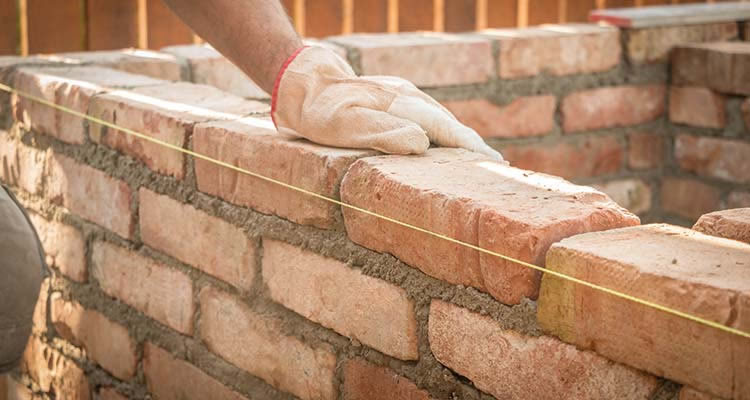
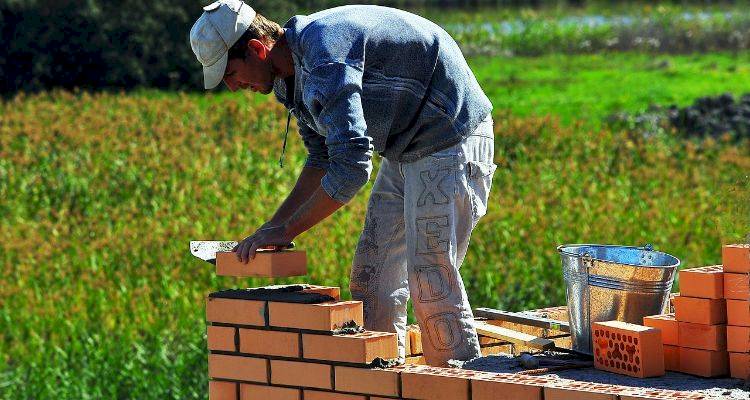
- Laying the Bricks — Spreading a layer of mortar and positioning the bricks carefully, they are then tapped down and any excess mortar removed to keep each row of bricks level, gradually building up the wall to its designated height.
After the Job
- Finishing the Wall — The wall is then completed with capping bricks. These protect the wall from rain and weather damage, helping it last longer while maintaining a neat appearance.
- Waste Removal — Lastly, any debris such as excess bricks or mortar should be disposed of responsibly and the site tidied up in general. The wall should then be left to dry, allowing up to 48 hours until the mortar begins to set.
Am I allowed to rebuild my own brick wall? Or does this put me at risk of personal liability if it falls down and injures anyone?
"Just take out public liability insurance for yourself. It’s only cheap and will keep you covered."
Types of a Brick for a Garden Brick Wall
Machine Made Brick Wall Cost
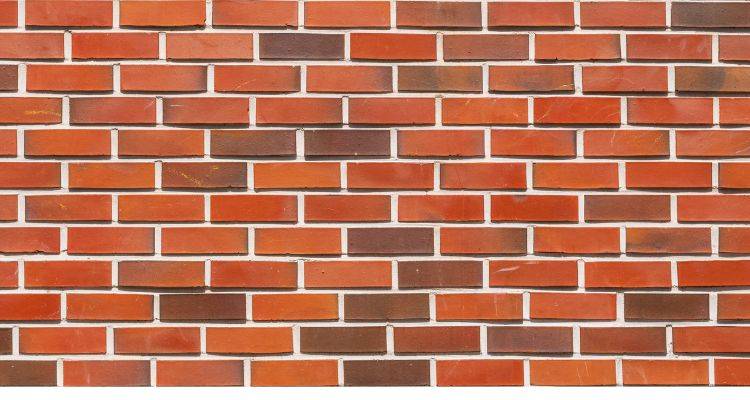
There are a few different ways to make bricks, and the methods produce different final looks.
For a smoother finish, you should choose an extruded or wire-cut brick. For a brick with some texture, you should choose either soft mud bricks or water-struck bricks.
The average cost of bricks is £250 to £400 per thousand bricks.
Pros
- ✔ Cost-effective brick for garden walls
- ✔ Consistent look, shape, and size
Cons
- ✖ Comes in standard sizes only
- ✖ Can look cheap and less premium
I have a white ash colour on my brick wall. What can I use to get it off my brick walls?
"Without seeing any photos of this, I would look to be using a diluted brick acid and giving it a good scrub."
Handmade Brick Wall Cost
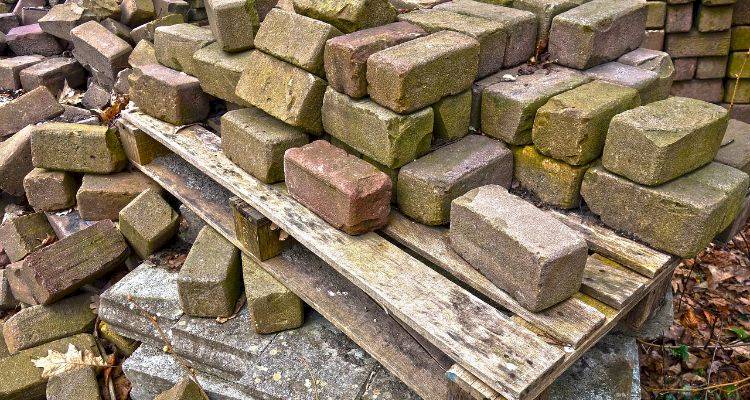
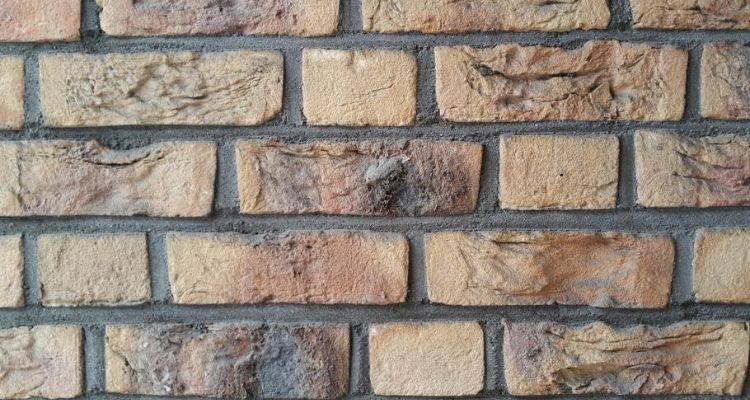
These bricks are a little more varied in their appearance. They give a more traditional final look to the wall.
Because they are made by hand, you can get them made in a wider range of sizes and shapes to suit your project.
The average price of bricks is £600 to £1,600 per thousand bricks.
Pros
- ✔ Traditional, characterful appearance
- ✔ Good for period properties, or homeowners wanting heritage charm
Cons
- ✖ Higher cost compared to other bricks
- ✖ Unusual sizes and shapes require more experienced bricklayers, boosting costs further
Reclaimed Brick Wall Cost
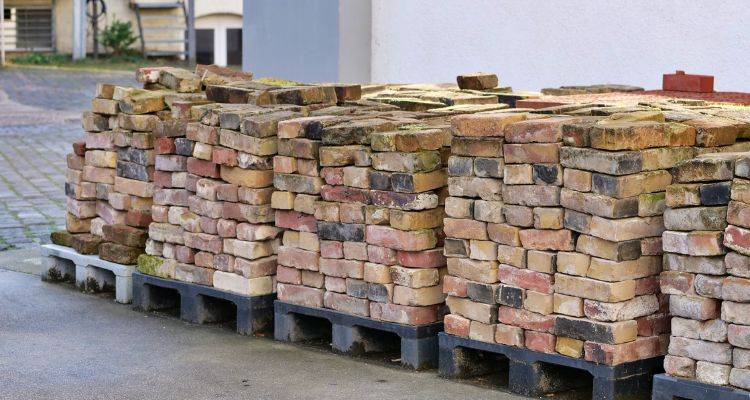
Reclaimed bricks can be found from reclamation yards, as they are bricks rescued from buildings that have been pulled down.
When buying these bricks, you should buy more than you need as you are likely to have a higher rate of wastage than with new bricks.
The average cost of these bricks is £480 to £1,500 per thousand bricks.
Pros
- ✔ Bricks are already authentically weathered, so the appearance won't change over time
- ✔ You can get bricks to match your home or local area, useful for conservation areas
Cons
- ✖ Poor condition can mean these bricks aren't always suitable for structural use
- ✖ Potentially limited stock, and hard to match if damages occur
How Many Bricks Do I Need?
Calculating the number of bricks you need is quite straightforward if you're using standard-sized bricks.
To do this, you calculate the number of m² of brick you need:
- Multiply the length of the wall by the height of the wall
- Multiply this answer by 60 (this gives you the number of bricks for a half-brick thickness wall)
- Optional - For a full brick-thickness wall, double your last sum
- Add 10% contingency to account for potential wastage
To put this into practice - Say you want to build a 2m high wall that's 10m long:
- 2 x 10 = 20 (your m² of brick)
- 20 x 60 = 1,200 (number of bricks you need)
- 10% of 1,200 = 120 (wastage allowance)
- 1,200 + 120 = 1,320 (total amount of bricks required for project)
Brick Standards
Brick standards are the expectations that all bricks should meet before they are used in construction. It ensures that any construction made from these bricks will be safe, and able to carry out its intended purpose.
These standards are laid out by NHBC (National House Building Council) and are supported by the BDA (Brick Development Association). These two associations basically ensure that all bricks bought in the UK are strong and reliable.
The Standards
There are two essential requirements relating to bricks used to build a garden brick wall:
- The bricks should be able to support their intended loads, which for a regular garden wall a minimum strength of 9N/mm² is fairly standard for compressive strength, although higher grades may be required for structural or retaining walls.
- The bricks should have appropriate resistance to freeze-thaw cycles and sulfate attack. This means that bricks that will be exposed to the elements should be able to tolerate them.
Testing
Several tests are carried out on batches of bricks to ensure that they meet the standards. These include:
Absorption
Bricks are left submerged in water. Their weight after is compared to their weight before, and the brick should increase by no more than 10% in weight to pass.
Compressive Strength
Bricks are crushed. The force applied before they begin to break is their strength. This should be more than 9N/mm².
Hardness
Bricks should be hard. They should be able to resist scratching by sharp tools. They should also be able to remain solid when struck against each other.
Homogeneity
A brick from the batch will be broken. The inside should be even in colour and texture. There should be no lumps.
Efflorescence Test
High-quality bricks should not contain any soluble salts. If they are present, they can cause the brick to decay and form a dusty white coating. To test for the presence of soluble salts, the brick is placed in water for 24 hours and then allowed to dry. If there are no white or grey deposits on the surface of the brick, it is good to use.
Should I install a garden fence to separate my garden from my neighbours, or get a brick wall put in as this would seem stronger and last a good number of years?
"It's really down to you how much you want to spend. I would say brick walls are great, but that's going to cost a lot as bricks are very expensive. Meanwhile, wooden fences are also good but depends who installed them."
What Are the Benefits of a Garden Brick Wall?
Here are some benefits of building a brick garden wall:
- Privacy — Brick walls offer excellent privacy, unlike fence panels you can see through. A taller wall also clearly marks your boundary and signals a private space.
- Sound Barrier — A brick wall can help reduce noise from nearby roads or neighbours. While it won’t block sound entirely, its size and thickness can make a noticeable difference.
- Provide a Wind Break — A good quality wall will stop the wind from blowing through your garden, making it more sheltered and comfortable to spend time in.
- Security — A high, solid wall is a good deterrent to thieves. It provides privacy and prevents potential intruders from looking for ways into your home.
- Hardwearing — A brick wall is extremely durable. It won’t blow over, rot, or be easily damaged by animals. It will last much longer than most alternative boundary options.
- Aesthetics — Brick walls offer a classic, tidy look that suits most UK properties. They provide an attractive and timeless way to define your garden boundaries.
- Children/Pet Safety — A brick wall is a sturdy and effective barrier, keeping children and pets safely contained within your garden and preventing escapes.
Planning Permission for a Garden Brick Wall
If you're building a garden wall over 2m high (or more than 1m high when next to a main road or public footpath), then you will need to apply for planning permission.
If the specifications are lower, then you won't need any permission to build the wall.
There are, however, additional restrictions if you are building within the grounds of a listed building or you live in a conservation area. It is always best to check with your local authority before starting work.
Building Regulations for a Garden Brick Wall
In most cases, a freestanding garden brick wall in the UK isn't legally required to meet any specific building regulations.
However, the wall must still be structurally sound and supported correctly. The exceptions being if a garden wall retains soil, supports a structure, or is adjacent to a public road or walkway - in this instance, approval may be required from your local council.
Typically, a single-brick-thick wall can safely reach around 1.2m, a 1.5 brick-thick wall about 1.5m, and a two-brick-thick wall up to 2m.
If you are to go above these recommended heights, then consider reinforcement such as additional posts, steel bars or a stronger foundation.
Alternatives to Garden Brick Wall
A brick wall can be a good choice if you are using it to hold earth. However, in many situations, it's not the only choice.
Here are some alternatives to consider:
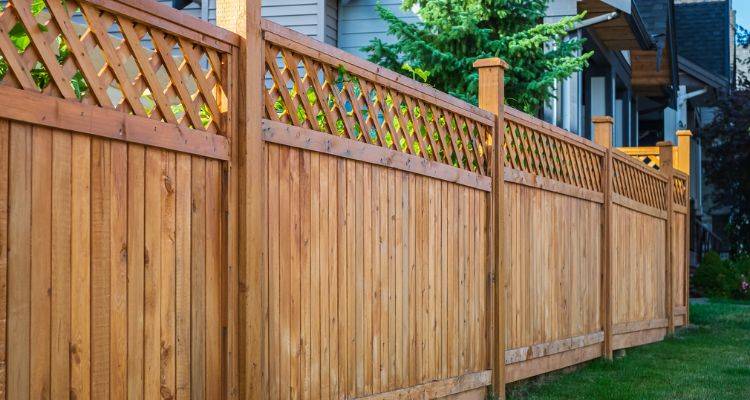
Garden Fence
Garden fences can be a more versatile option if there is no need for structural integrity.
Fences can be more easily and cheaply built, and come in a range of designs.
The average garden fence cost is typically £1,500, depending on the height of the fence.
Pros
- ✔ Can be painted
- ✔ No planning permission for up to 2m high
Cons
- ✖ Requires maintenance
- ✖ Limited lifespan
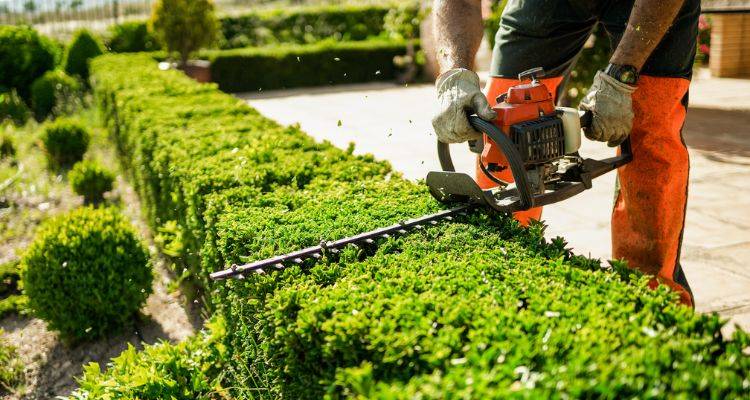
Hedge/Bush Divider
Hedges can provide a natural barrier and method to divide a space into sections. They look appealing and provide homes for wildlife.
The average cost of a hedge is £150 per metre for a full-grown hedge, and £15 to £70 per metre for young rooted hedge sections that will grow in.
Pros
- ✔ Cheap, wildlife-friendly option
- ✔ Aesthetically appealing
Cons
- ✖ Low security
- ✖ Requires maintenance
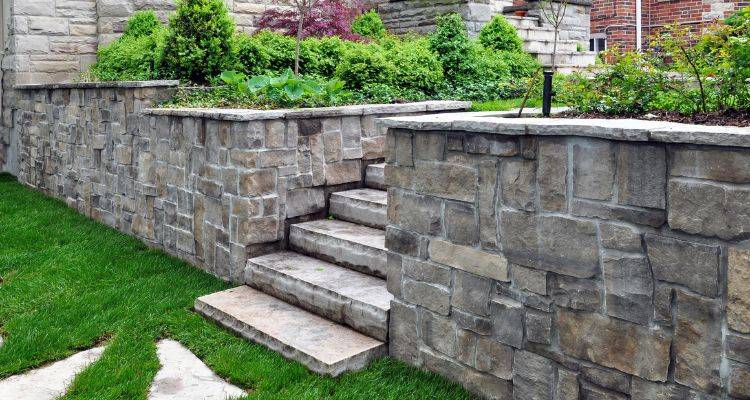
Natural Stone Wall
These are walls built using shaped natural stone ‘bricks’. You can choose from a range of materials, such as sandstone or traditional tumbled stone walling.
The average cost is £150 to £300 per m².
Pros
- ✔ Striking look
- ✔ More colour options
Cons
- ✖ High cost
- ✖ Requires skilled bricklayers to work with due to different sizes and shapes
Concrete Wall
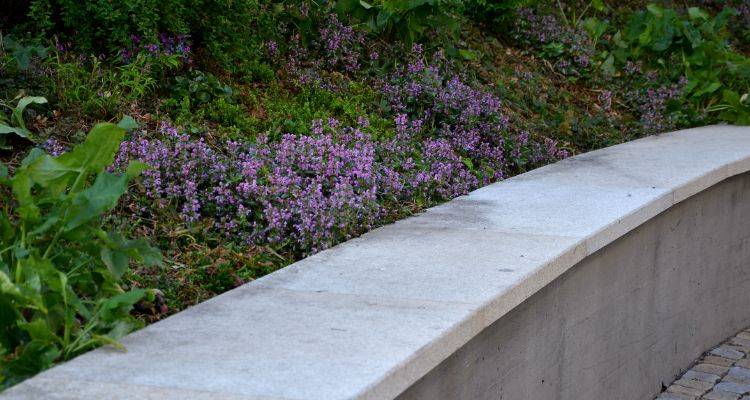
You can use concrete blocks and build them like a traditional wall. These will cost around £75 to £85 per m².
Pros
- ✔ Durable
- ✔ Can be used as a retaining wall
Cons
- ✖ Not aesthetically pleasing
- ✖ May not suit all property styles
Drystone Wall
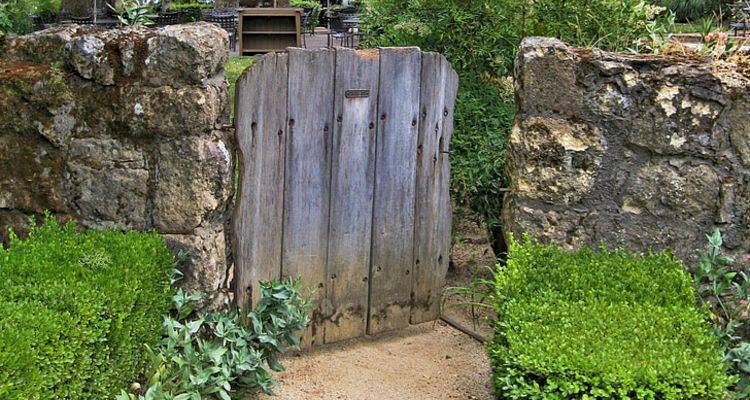
A drystone wall is built using no mortar, giving a very eye-catching and rustic look.
The average cost for this sort of wall is £100 to £150 per m².
Pros
- ✔ Attractive finish
- ✔ Good for wildlife and environmentally-friendly
Cons
- ✖ Requires maintenance
- ✖ Needs a skilled labourer to construct correctly
Garden Wall Repair Costs
It's normal for brick walls to encounter some wear and tear over the years. Let's look at some common repair jobs and their costs:
Repointing Costs
It's important not to ignore when your walls have loose mortar, as it can affect the wall's stability, acting as a hazard if not dealt with promptly.
The cost of repointing can range widely in line with the area requiring work, with average repointing jobs costing £3,000.
Treating Rising Damp Costs
Rising damp can be an issue with brick walls that haven't been constructed with the proper damp proofing in place, although many modern brick walls include DPC (damp-proof course).
Rising damp treatment costs £3,250 depending on the extent of the damp issue.
Bricklayer or Labourer Costs
When hiring an experienced bricklayer, expect labour fees for each tradesman of around £150 to £200 per day, although this can reach up to £180 or more in certain regions such as London and the South East.
If you ask a general labourer to carry out the work, they are likely to charge less, but the job may not be completed to the same standard.
How long you'll need your contractors on site will depend on the extent of the repair work required.
However, even if it's a small repair, your bricklayer may charge a minimum fee - so it can be cost-effective to repair small patches yourself as a DIY project if you are capable.
My brick wall has collapsed from the middle upwards. There's a tree root underneath, but the bottom bricks are solid.
"The bottom bricks will be blown, just may not show it clearly. If the wall is creaking and leaning away, it can be due to the roots moving, or the wall eroding away due to mortar becoming loose due to movement. You'll need a proper inspection to be sure, but ultimately, it will need rebuilding."
Checklist: Hiring a Garden Brick Wall Specialist in the UK
When you are hiring someone to build a wall, you are usually hiring at least one bricklayer and a labourer to help them get the job done more efficiently. There are, however, certain things to look out for during the hiring process:
- Do they have any qualifications? Some bricklayers will have learnt their skills on job sites or through an apprenticeship. Otherwise, they may have completed a City and Guilds qualification or a construction qualification.
- Are they a member of a trade body? Check if they’re a member of organisations such as the Federation of Master Builders or similar professional associations. Membership shows commitment to quality standards and gives you added peace of mind.
- Do they have insurance? Make sure your bricklayer has valid public liability insurance. This protects you and your property in case of accidental damage or injury during the work.
- Can they show examples of their work? Ask to see photos or visit examples of garden walls they’ve built previously. This helps you assess their workmanship and the end result.
- Will they demolish an old wall? If you're replacing an existing wall, it's best to check if you need to have the old one removed first or if this is included within your bricklayer's quote.
- Do they have positive reviews? As well as asking friends and family for recommendations, check websites such as MyJobQuote for feedback from their most recent customers.
- Have you received multiple quotes? Before deciding who to hire, it is common practice to ask for at least three separate quotes first. Let MyJobQuote help find local bricklayers in your area.
FAQs
What Are Engineering Bricks?
Engineering bricks are the most expensive sort of brick. They are strong, durable and frost-resistant. They are usually reserved for use underground.
Why Are Bricks the Size They Are?
The standard size for bricks is based on a size that is easy to hold and manoeuvre with one hand. It is also why using large garden wall bricks can make a job much more expensive.
Can I Build a Garden Brick Wall Myself?
While it’s possible to build a garden brick wall yourself, any mistakes can prove costly in the long-run. Hiring a professional for their expertise is recommended to ensure the wall is structurally sound, level, and built to last.
Does the Ground Need to be Even?
Yes, a level base is important for a straight, stable, and long-lasting garden wall. Minor slopes can be managed by using stepped foundations, although if the ground is particularly uneven, this can be corrected before building the wall.
Can a Bricklayer Add a Gate to My Garden Wall?
Yes, a professional bricklayer can build your wall with enough space for a gate opening. Although not technically a bricklayer job, they may also install the necessary supports and even the hinges and latch, although this is best discussed in advance.