Builders
 Carpenters
 Electricians
 Flooring Specialists
 Gardeners
 Handymen
 Heating Engineers
 Painters & Decorators
 Plasterers & Renderers
 Plumbers
 Roofers
 Tilers
 my
myShed Installation Cost
At a Glance
- The average cost to build a shed is around £1,000.
- The job will take 1 to 2 days to complete.
- Shed installation cost breakdown by size and material.
- How long the job takes and what's typically involved.
- How to find a local shed installer with MyJobQuote.
Get free estimates
Are you a trade? Get more work today!
Want to know how much it costs to have a garden shed installed?
The average garden shed installation costs around £1,000. This includes material and labour fees.
In this complete new shed guide, we break down shed builder fees for assembling a shed, as well as the cost of shed materials for different types of sheds, such as brick sheds, wooden sheds, and more!
Whether you're an avid gardener or need a place to keep your outdoor items, a garden shed can provide the perfect storage solution.
Ready for a quote?
We have a range of shed builders ready to give you a quote!
Check out the guide below for all your shed costs information!

£1,020
Table of Contents
How Much to Build a Shed?
So, what's the cost of garden shed installation in 2026?
The average price of garden shed installation is around £1,000, which includes both material and labour fees.
So, do I need a garden shed?
Garden sheds are an essential addition to any garden, offering a practical solution for storing and organising gardening tools, equipment, and supplies.
From housing lawn mowers and gardening tools, to storing outdoor furniture and seasonal items, a garden shed helps keep your outdoor space tidy and clutter-free. With various designs and sizes available, you can find a garden shed that perfectly suits your needs and complements your garden's aesthetic.
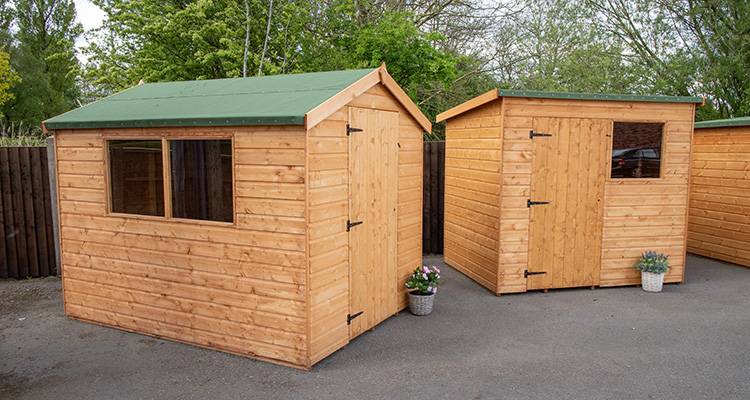
Although you can build a small garden shed as a DIY project as long as you have at least one person willing to lend a hand, for larger and more expensive sheds you should call in tradespeople to install the shed for you.
While wooden sheds are popular, a metal garden shed offers durability and low maintenance at a competitive price.
A plastic garden shed, typically made from vinyl or composite materials, offers a cost-effective and low-maintenance alternative to wooden and metal sheds.
I'm hoping to get power into a garden shed so I can use power tools. What do I need to consider?
"You have to factor in the amperage of the circuit that you plan to use, and the distance of the lead to the shed. Then, factor in the load of the items that you plan to use. If you exceed the load, then you will get tripping of the mcbs through overload. Also, you might get voltage drop which can lead to the motors burning out on machinery.
My advice would be to get a qualified electrician to safely install the supply to make the installation safe."
My advice would be to get a qualified electrician to safely install the supply to make the installation safe."
Garden Shed Installation Prices
| Job Description | Duration | Material Cost | Labour Cost | Total Estimated Cost |
|---|---|---|---|---|
| 6ft x 4ft Budget Shed on a Simple Slab Base | 1 day | £580 | £240 | £820 |
| 6ft x 6ft Shed on a Slab Base | 1 day | £610 | £240 | £890 |
| 8ft x 6ft Shed on a Slab Base | 1 to 2 days | £640 | £320 | £960 |
| 8ft x 8ft Shed on a Slab Base | 1 to 2 days | £690 | £320 | £1,050 |
| 8ft x 10ft Shed on a Slab Base | 1 to 2 days | £730 | £320 | £1,150 |
| 12ft x 8ft Shed on Concrete Base | 2 days | £780 | £500 | £1,300 |
| 12ft x 12ft Shed on Concrete Base | 2 days | £910 | £500 | £1,600 |
Want a custom price?
Post your job
Garden Shed Cost per m²
Bigger sheds generally cost less per square metre. Here is a breakdown of the average cost per square metre by shed size:
| Shed Size | Cost per m² |
|---|---|
| 6ft x 4ft | £370/m² |
| 6ft x 6ft | £265/m² |
| 8ft x 6ft | £215/m² |
| 8ft x 8ft | £180/m² |
| 8ft x 10ft | £155/m² |
| 12ft x 8ft | £145/m² |
| 12ft x 12ft | £120/m² |
Want a custom price?
Post your job
Factors That Impact Garden Shed Installation Costs
When planning to build a garden shed, it's essential to consider the various factors that can influence the overall cost. Understanding these factors will help you make informed decisions, and budget effectively for your new garden shed.
Here's what you need to know:
Size and Scale of the Shed
The size and scale of the shed are significant factors that influence the cost of a garden shed.
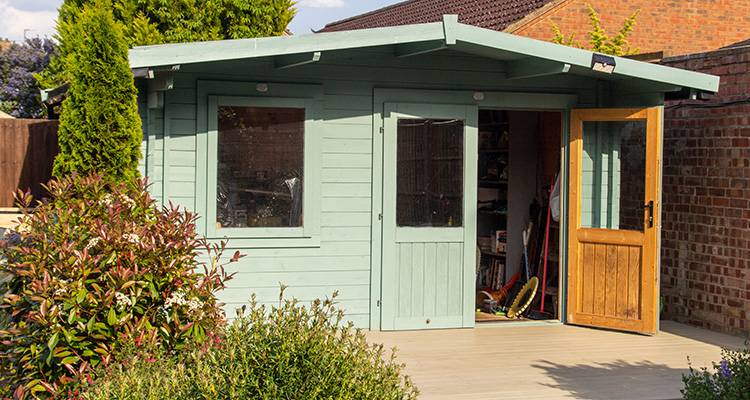
Larger sheds require more materials and labour to build, which increases the overall cost. Additionally, the size of the shed will also impact the cost of installation, as larger sheds may require more complex foundation work and additional labour to assemble.
For example, a small garden shed (6ft x 4ft) can cost £580 in supply costs, while a larger shed (12ft x 8ft) can cost £780 or more.
Shed Material
Other factors that can influence the cost of a garden shed include the type of material used.
Timber garden sheds are most commonly found in UK gardens. They're easy to assemble at a mid-price range but need regular treatments to avoid rot. Wooden sheds are far cheaper than a metal garden shed, but metal sheds won't need as much maintenance over the years, reducing upkeep costs.

Brick sheds are a high-cost option with the best longevity, but they'll need proper foundations for construction. Brick sheds cost around £3,800 for supply and construction.
PVC or plastic garden sheds are much cheaper, but they're not "permanent" garden solutions, but can be useful if you're looking for something temporary to house some items.
When choosing your shed material, you should balance your choice by considering the upfront cost and the running costs in treatments/care over the years to make sure you find a material that's suitable for your needs and your budget.
Shed Location
While you may not think it, the location you choose for your garden shed will have a knock-on effect on the price you pay for installation.
If you plan to build on uneven ground, you'll need it levelled and prepared before any construction, which can include adding drainage or concrete pads. You may also need to remove tree stumps if you have them left over, which can cost around £225 per stump.
The cost of levelling your garden is around £6,500 depending on the extent of the work you need completing.
As well as the shed's location, your home's location will also impact your project fees. If your garden is hard to access (perhaps with no side gate), your shed materials must be brought through your home, adding to the project's timeline and bumping up your overall costs.
Is it reasonably easy to have a modern security alarm fitted to a garden shed?
"As long as power is down in the shed to power the alarm system, it’s a straightforward job to fit and install."
Types of Garden Shed Materials
The material you choose for your garden shed will affect everything from your installation costs to the maintenance needed over time.
Here is a breakdown of the different shed materials, including average total installation costs:
Wooden Shed
Best for: Customising with your own colours
Cost: £900 to £2,000
Timber is the most popular choice for garden sheds in the UK. Wooden shed installation costs are lower than brick, though it does need regular treatment to prevent rot and weather damage, which can add to long-term costs.
Pros
- ✔ Lower cost than brick sheds.
- ✔ Can paint or stain.
Cons
- ✖ Needs regular maintenance.
- ✖ Less secure than brick or metal sheds.
Metal Shed
Best for: Low-maintenance storage with good durability
Cost: £500 to £1,200
Metal shed installation costs are similar to wooden sheds but they tend to outlast timber with less maintenance. They're a practical choice if security and longevity matter more than the shed's appearance.
Pros
- ✔ Low maintenance
- ✔ Longer-lasting than timber
- ✔ Fire-resistant
Cons
- ✖ Not as appealing to look at.
- ✖ Can be noisy in the wind and rain.
Brick Shed
Best for: Permanent, high-security storage
Cost: Around £3,800
Installing a brick shed is a bigger investment than other shed materials, but it's also the most long-lasting and requires very little maintenance.
Pros
- ✔ Long lifespan
- ✔ Highly secure and protected against the weather
Cons
- ✖ Higher upfront cost compared to other shed materials.
- ✖ Planning permission may be required.
uPVC Shed
Best for: Budget storage with no maintenance
Cost: £400 to £850
uPVC is the most affordable shed material and requires very little maintenance once assembled. They're a practical short-to-medium term solution, though they don't offer the same security or durability as brick or metal.
Pros
- ✔ Lowest shed material cost.
- ✔ No painting or sealing required.
Cons
- ✖ Less durable than brick or metal.
- ✖ Not as secure.
Benefits of Having a Garden Shed
Having a garden shed can provide numerous benefits, including:
- Increased Storage Space — A garden shed offers ample space to store gardening tools, equipment, and supplies, freeing up room in your garage or home.
- Improved Organisation — With a dedicated space for gardening items, you can easily organise and access your tools and supplies, making gardening tasks more efficient.
- Enhanced Security — Garden sheds provide a secure place to store valuable items such as lawn mowers, bicycles, and power tools, protecting them from theft and weather damage.
- Dedicated Gardening Space — A garden shed can serve as a workspace for gardening activities like potting, pruning, and planting, keeping your garden neat and organised.
- Aesthetic Appeal — Garden sheds can be designed to complement your garden's landscape, adding visual interest and enhancing the overall look of your outdoor space.
What goes into flooring for a shed? I have laminate flooring left over from my kitchen indoors that I would like to use for my shed - is this possible?
"As long as the shed base is prepared properly - if it’s a concrete floor you must put down a DPM, and if it’s a wood base, then I wouldn’t advise laminate."
Things to Consider When Installing a Garden Shed
- Solid Foundations — Building the foundation or base is one of the most important parts of installing a garden shed. The base itself has to be strong and level, otherwise the shed will buckle and warp, causing any windows to break or the door to get stuck against the frame.
- Anchoring Metal Sheds — When installing metal sheds, it is crucial to ensure proper anchoring to prevent wind damage due to their lightweight nature.
- Room for Access — Placing your shed too close to fences or walls is not a good idea. You should always leave enough room to access all sides of the shed so you can paint/treat all of the timber to prevent rot.
- Adding Electricity — If you want electrical power in your shed, think about how it will be supplied. Cables must be protected along their route, and your electrician can decide on the best way to do this.
- Natural Light — If you intend to spend a lot of time in the shed on a daily basis, consider getting as much natural light as possible by having multiple windows.
- Ventilation — Without any form of ventilation, moisture can build up inside the construction which may lead to a mould or rust issue. If this occurs, it's not just the framework that can be affected but also any contents being stored.
- Drainage Around the Base — To reduce puddles of rainwater ensure you have a sloped roof, as well as suitable drainage around the base. This will stop water building up around the outside or underneath, as otherwise it can cause damage over time.
- Treating Wooden Sheds — Regularly treat your wooden garden shed with a high-quality wood stain to protect it from weather damage and prolong its lifespan.
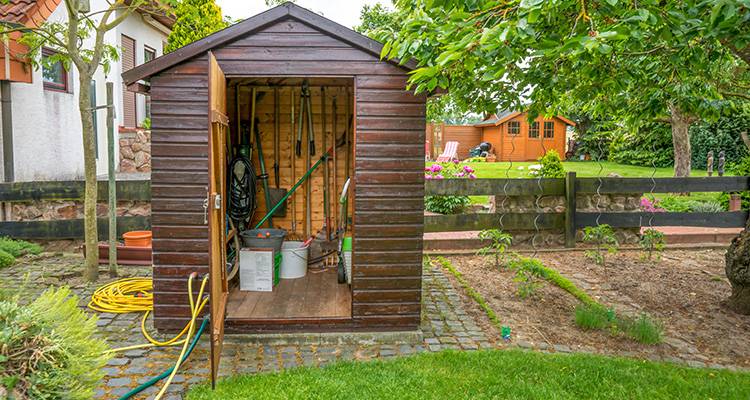
What's Involved in Building a Shed?
Learning how to build a shed is a popular DIY project, but it's not something you should attempt entirely on your own. Even smaller sheds typically require two people to handle and assemble the panels safely, and for larger sheds, a third pair of hands is often helpful.
It's not always just the construction work either, as you will likely need to lay a base too. With this in mind, it's best to hire a professional with more experience and expertise. With the help of MyJobQuote, you can find a garden shed builder near you and receive quotes without any obligations.
Although even when you hire someone to do the job, it's good to have a general idea of what to expect so let's break down what's typically involved when building a garden shed (based on a standard timber build):
Before the Build
- Prepare the Base Area — The base needs to be flat and level for the shed to sit on and preferably a concrete base, but paving slabs will often do for smaller sheds.
- Check the Materials — Along with ensuring you have all the correct tools and equipment at the ready, prefabricated kits are likely to come with instructions. Read these through and check all the panels and fixings have been provided, ready to get started.
During the Build
- Assemble the Base and Frame — Once the base is ready, the shed panels can be attached. Two people are usually needed to hold the sections in place while they're screwed or nailed together.
- Fit the Walls and Roof — The order in which the sections are assembled will depend on the manufacturer, but logically the roof is usually added last once all 4 sides have been secured into place.
- Install Doors and Windows — Once the main structure is complete, the doors, windows, and any internal shelves or reinforcements included with the kit can be added to the garden shed.
After the Build
- Treatment and Waterproofing — Some shed kits may require weatherproofing treatments or painting, especially for timber sheds, as this is not only for aesthetics but also helps protect them from the elements.
- Cleaning Up — From sweeping the inside floor to removing any other debris and waste removal, the final step is to dispose of anything no longer needed and remove from the premises.
What are the best garden sheds to buy?
"The type of shed you require depends on what you want to use it for. Metal sheds are no different in my mind from a wooden shed, and I think that a wooden shed looks better in a garden than a metal shed, whereas a metal shed is more suitable in a drive where it might need to be a bit more secure."
Checklist: How to Find and Hire a Shed Builder in the UK
Here's what you need to bear in mind when hiring a shed builder:
- Have you seen examples of previous shed builds? Take a look at the trader's past jobs. Have they built a similar shed to yours recently, and how does it look?
- Do you know what happens if the build is delayed? For example, are you liable for additional labour fees in the event the project runs over time or is subjected to adverse weather conditions?
- Do they have the right insurance? Public liability insurance is essential as it protects you in case of accidents or damage during the job, and any business with employees (so not sole traders working alone) should also have employers' liability insurance to safeguard their workers.
- Are they qualified to handle electrical work? If you're having an electrical supply installed, make sure you find a qualified electrician to carry out the work safely for you.
- Is the quote itemised? Make sure everything is clearly listed — for example, if your old shed needs removing, is the cost of a skip included in the fee?
- Do they have positive customer reviews? Read over their customer reviews on MyJobQuote, taking note of any comments on their timekeeping, cleanliness on site, and overall service.
- Have you gathered at least 3 quotes? Getting quotes from different traders via MyJobQuote will give you a better idea of local prices and help ensure you're not overpaying for the job.
Ask a Trade
Got a question that only a tradesperson can answer? We have thousands of trades ready to answer any question you may have.
Ask your question

FAQs
What Size Garden Shed Do I Need?
Choose a shed size based on the garden space you have available and any larger items you plan to store. For example, lawn mowers and bikes require more room. If you're considering purchasing a big shed, you may need longer for laying the base, and for a smaller metal construction you need to ensure it's sufficiently secured.
What Should I Consider When Introducing Electricity to My Shed?
Providing an electricity supply to a garden shed is a pretty straightforward job, but since 2005, all electrical work must be completed in accordance with BS 7671 (IET Wiring Regulations).
In England and Wales (Scotland and Northern Ireland have other requirements), any electrical supply installation needs to be certified by an electrician registered with a suitable competent persons scheme, or inspected by building control, who need to be notified before work begins. This is not a suitable project for a DIY enthusiast.
Can I Build a Shed Directly onto Grass?
Placing a shed directly on grass or soil isn't recommended, as not only may weeds potentially appear through the floor but any moisture can lead to the wood warping or becoming rotten. You should always install a suitable base before building a garden shed to help ensure it stays standing for as long as possible.
What Is the Best Garden Shed Base for Uneven Ground?
Concrete is the most durable option for a base when building a shed on uneven ground. However, it can involve further excavation and levelling the surface off first. Alternatively, a timber frame with adjustable support can prove a helpful option if building on a slope.
What Alternatives Are There to a Garden Shed?
If you haven't as much room or are looking for a more affordable alternative to a garden shed, then other suitable options are available. Timber storage benches or plastic garden storage are popular for outdoor items, or a simple lean-to shelter can also provide a certain amount of protection against the elements.
Is Planning Permission Required for My New Garden Shed?
The majority of garden sheds will not require planning permission.
In England, sheds that are under 4 metres high if they have dual pitched roofs, 3 metres high for other roof types, or under 2.5 metres high if they are within 2 metres of a boundary, are permitted without planning permission. However, the combined size of the shed and any other outbuildings or extensions must also be less than 50% of the space around the original footprint of the house when it was built (or as it was on 1 July 1948, if older).
Sheds used for commercial reasons will need permission, and if you are unsure you should always check with your local planning department before erecting any structure.