Builders
 Carpenters
 Electricians
 Flooring Specialists
 Gardeners
 Handymen
 Heating Engineers
 Painters & Decorators
 Plasterers & Renderers
 Plumbers
 Roofers
 Tilers
 my
mySecurity Light Installation Cost
At a Glance
- The average cost to install security lights is around £300.
- Most jobs take 2 to 8 hours to complete.
- Security light installation costs in 2026 by size and type.
- How long the job takes and what's typically involved.
- How to find a local electrician using MyJobQuote.
Get free estimates
Are you a trade? Get more work today!
£300
Table of Contents
- How Much Does Security Light Installation Cost?
- Labour Cost to Install Security Lights & Timescales
- Security Light Costs
- Additional Security Light Installation Cost
- Factors That Impact Security Light Installation Costs
- What's Involved in Security Light Installation?
- Types of Security Lights
- Checklist: Hiring an Electrician to Install Security Lights
- FAQs
How Much Does Security Light Installation Cost?
For most homes, the cost to install security lights comes in at around £300. The final price to supply and fit depends on the type of light you choose, how many you're having fitted, and how tricky they are to wire in.
Because you're working with electrics outdoors, it's a job for a qualified electrician rather than a casual DIY job. That way, everything's wired safely, and you're not guessing with cables and connections. For other types of outdoor lighting, such as garden or patio lights, see our guide to outdoor lighting installation costs.
For example, floodlights will cost around £80 to £180 to install, whereas motion sensor lights can cost about £90 to £150. On average, you can expect to pay somewhere between £80 and £1,100 for outdoor security lights.
How much will it cost to install a security floodlight on the side of my house above the driveway? The current floodlight is about 3m above the ground and is wired.
"The average price is around £90 to £150 (depending on location) for Ring floodlight installation."
Security Light Installation Prices
The table below indicates the average supply and fit security light installation costs:
| Type of Light | Average Cost |
|---|---|
| Outdoor security lights with sensor | £90–£150 |
| Floodlights | £80–£180 |
| Spotlights | £80–£500 |
| Landscape lights | £80–£1,100 |
Want a custom price?
Post your job
Labour Cost to Install Security Lights & Timescales
Installing security lights is not a hugely extensive job. Therefore, an electrician will usually work alone when completing this type of work. One security light can be fitted in around 1 to 2 hours. If you are installing multiple lights, it could take a few hours or up to a day to complete.
Most electricians will charge around £150 to £200 per day for the labour costs. They will usually charge a minimum of half a day's work, so you can expect to pay a minimum price of around £75 to £100 for the labour costs.
Just want a straight quote?
You can use MyJobQuote to get free, no-obligation quotes from local electricians. Tell us a few details about your security lights and we'll connect you with tradespeople near you.
Security Light Costs
If you plan to buy the light yourself before the installation, you may be curious about how much you can expect to pay for a light.
Below is a list of the prices for the light alone without the cost of labour:
| Type of Light | Average Cost |
|---|---|
| Motion sensor lights | £10–£50 |
| Floodlights | £4–£80 |
| Spotlights | £8–£400 |
| Landscape lights | £2–£1,000 |
Want a custom price?
Post your job
Additional Security Light Installation Cost
When it comes to installing security lights, there are several additional costs that you may need to consider. Below is a list of those extra costs that you might need to think about:
Security Alarm
When installing a security light, you may also want to accompany the light with a security alarm for added peace of mind. Alarms are great for notifying you when intruders are near and can be very helpful at deterring potential burglars.
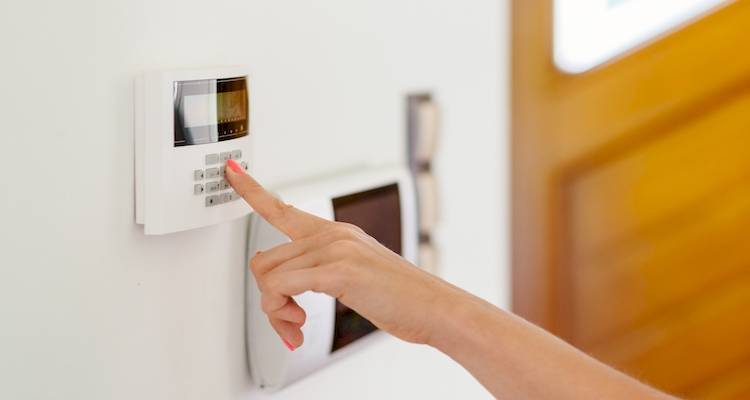
The average cost for fitting a security alarm is around £125 to £500. The overall cost will depend on the type of alarm and your location in the UK.
CCTV System
If you are interested in adding even more security to your home, you may be interested in installing a CCTV system. The cost of installing CCTV will depend mostly on the number of cameras you wish to have installed. The average price for installing a CCTV system is around £350 to £2,500.
Rewiring or New Circuit
If your property doesn't have an existing outdoor circuit, or if the current wiring isn't suitable for the new lights, an electrician may need to run new cabling from the consumer unit. Depending on the distance and route involved, this can add £50 to £200 to the overall cost. In older properties, a full circuit upgrade may be needed, which can push costs higher.
Minor Works Certificate
This is required if the work involves a small change to an existing circuit. Most reputable electricians include this as standard, but it's worth confirming when you receive your quote. If the work isn't certified, you may face issues when selling your property.
Removing Old Fittings
If you're replacing an existing security light, the old fitting will need to be safely removed before the new one is installed. This is usually a quick job and may be included in the overall installation quote, but it's worth checking. If the old fitting is particularly large, corroded, or awkwardly positioned, removal could add £20 to £50 to the bill.
Are CCTV monitoring services generally a good investment for small businesses? We're trying to reduce thefts from a couple of nurseries and landscaping supply yards.
"Yes, CCTV helps to identify culprits and also helps to strengthen weak areas to deter intruders, like windows, back doors, low fences, etc."
Factors That Impact Security Light Installation Costs
You may need to consider several factors when working out the overall cost that you can expect to pay for your security lights. Below is a list of the main cost-affecting factors that you may need to consider:
Type of Lights
Security light installation costs depend heavily on the type of light you want.
For example, if you're on a tight budget, you may choose to have landscape lights that cost as little as £2 each. However, more powerful security lights that cover more area can cost £1,000 or more.
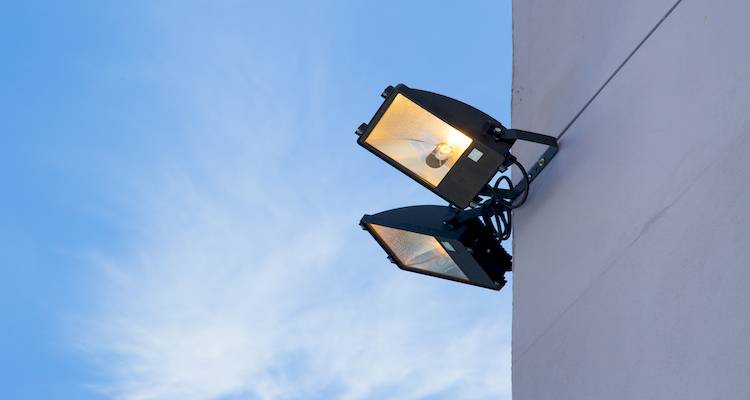
With this in mind, the type of light you choose is a huge factor in the price you can expect to pay.
Positioning of Lights
The positioning of the lights can affect the overall cost of the job, as it'll impact how easy the job is to complete.
For example, additional wiring may be needed depending on where the lights are placed. The ease of access to the area can also affect the cost. The more difficult the job is to complete, the longer it will take, so the labour costs will increase.
Location of Property
The location of your property can also play a role in the overall amount that you pay for the job.

Those based in and around the London area can expect to pay around £30 to £100 more in labour costs for fitting security lights than homeowners based in the north or other parts of the UK.
Existing Wiring
Whether or not existing wiring is in place at the installation point has a significant impact on the overall cost. If you're replacing an existing security light on an already-wired circuit, the job is quicker and cheaper. If new wiring is needed, particularly if it has to be run from the consumer unit, this adds both time and materials to the job, typically increasing costs by £50 to £200.
Number of Lights
The more lights you're having installed in a single visit, the more cost-effective the job becomes per fitting. An electrician who charges a minimum call-out will cover multiple lights in the same session, reducing the effective cost per light. However, total labour time increases with each additional fitting, so the overall bill will still be higher than a single-light installation.
What's Involved in Security Light Installation?
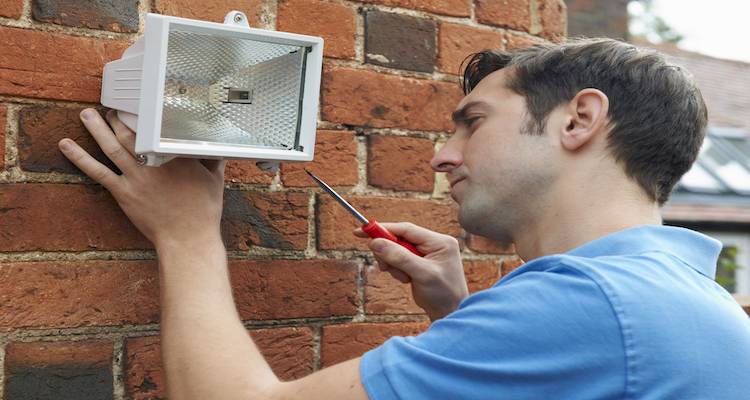
Installing a security light involves outdoor electrical work, drilling into external walls, and ensuring everything is correctly weatherproofed.
This is why most homeowners choose to hire a qualified electrician to make sure their security lighting is installed safely and working properly.
Once you've hired your electrician, here's an overview of what the installation process typically involves:
Before the Job Starts
- Initial Assessment — Your electrician inspects the installation site and your existing outdoor circuit to determine whether new cabling is needed and what preparatory work will be required.
- Positioning the Light — They'll identify the best position for the light to maximise coverage of the area you want illuminated, taking into account sensor range, height, and any potential obstructions.
- Planning the Wiring — Once the location is confirmed, the electrician plans the safest and neatest route for the wiring, whether that's connecting to an existing outdoor circuit or running a new feed from the consumer unit.
During the Job
- Isolating the Power — Before any work begins, the relevant circuit is switched off to ensure the job can be carried out safely.
- Drilling and Preparing the Wall — Fixing holes are drilled at the mounting position and, where needed, a hole is made through the external wall. Protective conduit is fitted to house and protect the cables.
- Routing and Connecting the Wiring — The cables are fed through the conduit and connected to the appropriate terminals inside the light fitting, with the other end connected to the electrical supply.
- Fitting and Sealing the Light — The light is securely mounted in position and sealed around the fitting to ensure it's fully weatherproof.
- Installing Switches or Sensors — If an indoor switch or additional controls such as a PIR motion sensor or photocell are required, the electrician will install and connect these at this stage.
After the Job
- Testing the Installation — Once everything is connected, the power is restored and the electrician checks that the light, switch, and any sensors are all functioning correctly and safely.
- Final Safety Checks and Certification — After completing their checks, the electrician will provide an appropriate BS 7671 certificate — either a Minor Works Certificate for a small alteration to an existing circuit, or an Electrical Installation Certificate for new work.
Types of Security Lights
There are several different types of security lights that you can choose from. To help you decide which type of security light is right for you, we have created the following list with information about each type and the pros and cons of each:
Motion Sensor Security Lights
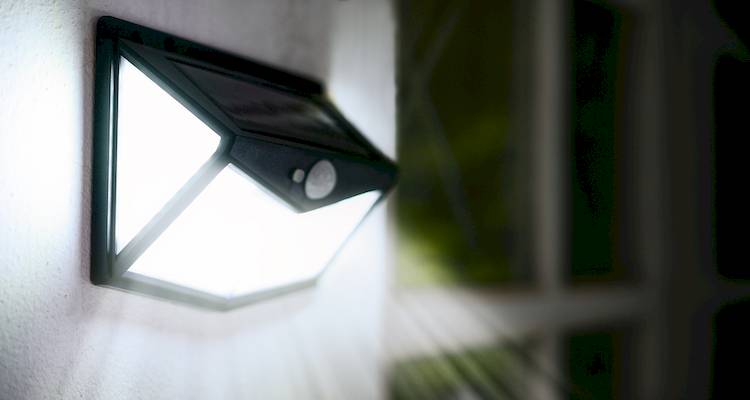
Most properties in the UK choose motion sensor security lights because these lights only operate when there is movement around the vicinity of your home. The average cost for motion sensor lights is around £10 to £50 each, although this can vary depending on the style and variety of the light.
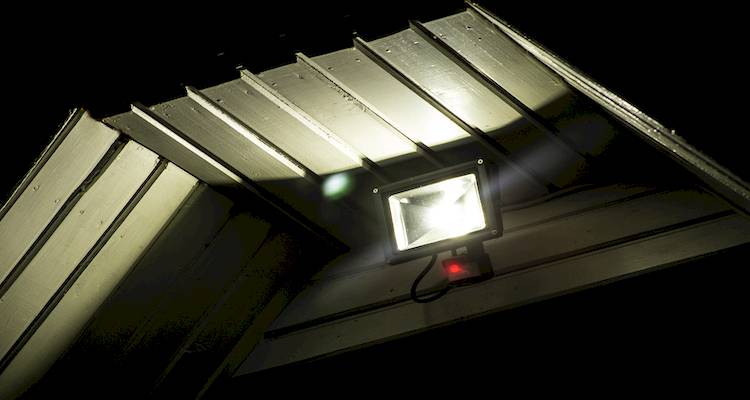
Motion sensor lights are great for reducing your energy bills as they only come on when they need to. However, the downside of motion sensor lights is that they are hard to control as they can sometimes come on when it's not needed, such as if a neighbour walks by your home or if leaves are blowing around.
The lights also don't stay on for very long, making them the wrong option if you're looking for lighting that allows you to sit out in your garden in the evening.
Pros
- ✔ Cheap price
- ✔ Energy efficient
- ✔ Provide adequate lighting
- ✔ Come on automatically
Cons
- ✖ Hard to control.
- ✖ Not great if you need lighting for long periods.
Floodlights
Floodlights are a popular choice for driveways, garages, and the rear of properties. The cost of the light itself ranges from around £4 to £80, depending on wattage and specification. LED floodlights are the most common option. They're energy efficient, long-lasting, and widely available from £15 upwards.
For floodlight installation costs, most electricians charge £80 to £180 to supply and fit a single unit, assuming wiring is already in place. If you need new wiring run from the consumer unit, this can add £50 to £200 to the total. Installing 2 floodlights in a single visit typically costs £150 to £300 in total, since the electrician is already on site and the additional fitting time is relatively short.
They're weatherproof, which reduces the risk of electrical incidents, and LED versions can last 20 times longer than older style bulbs. One unit may not be enough to cover a large driveway or garden evenly, so factor in the cost of multiple fittings if you have a larger area to cover.
Pros
- ✔ Low priced
- ✔ High intensity
- ✔ Long-lasting
- ✔ Weatherproof
- ✔ Reduced risks of fire or electrical incidents
Cons
- ✖ Not great for covering large areas.
- ✖ Multiple lights can cost a lot.
Landscape Security Lights
Landscape security lights come in various styles, such as pathway lights, LED ground lights, and decking lights. The price you will pay for these lights will depend on the style that you choose.
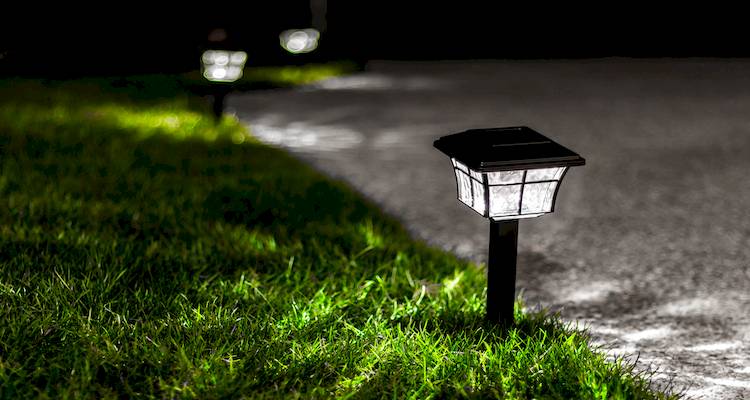
The costs can range from £2 to £1,000 or more, depending on the type and quality. At the lower end, you'll find basic solar-powered spike lights or simple LED path markers, cheap to buy and easy to install, but limited in brightness and build quality.
Mid-range options (£20 to £150) include more durable LED path lights, deck lights, and ground spotlights with better weatherproofing and longer lifespans.
At the premium end, you're looking at architectural-grade fittings, smart-connected systems, or custom in-ground LED installations. These offer a much higher output and a more polished finish, but come with significantly higher supply and installation costs.
One of the main benefits of landscape security lighting is that it can illuminate the full perimeter of your property, making it less appealing to intruders.
The downside of these lights is that they can be quite difficult to install and can also increase your electrical bills by quite a lot. This is because there tend to be many lights installed, and they are usually on for long periods.
Pros
- ✔ Many styles available.
- ✔ Provide a lot of lighting.
- ✔ Increase security and safety of your home.
- ✔ Many styles are aesthetically pleasing.
Cons
- ✖ It can be difficult to install.
- ✖ It can be expensive to buy.
- ✖ It can be costly to run.
Spotlights
Security spotlights are narrow beams of intense lights usually installed along walkways or exterior walls for an aesthetically pleasing look. This type of light tends to cost around £8 to £400 for the lights themselves. The main advantage of these lights is that they are very long-lasting and very durable.
However, one problem with this type of light is that many of them use regular bulbs, which can be prone to blowing. With this in mind, you may want to pay extra for LED bulbs to ensure the lights are long-lasting.
Pros
- ✔ Provide a lot of light
- ✔ Very long-lasting
- ✔ Durable
- ✔ Waterproof
Cons
- ✖ Bulbs can be prone to blowing.
- ✖ May have to pay extra for LED bulbs.
Solar-Powered Security Lights
Solar-powered lights are a great option for outdoor lighting as they use power from the sun and don't require any electrical wiring to work. These lights tend to be very affordable and cost around £1 to £20 per light.
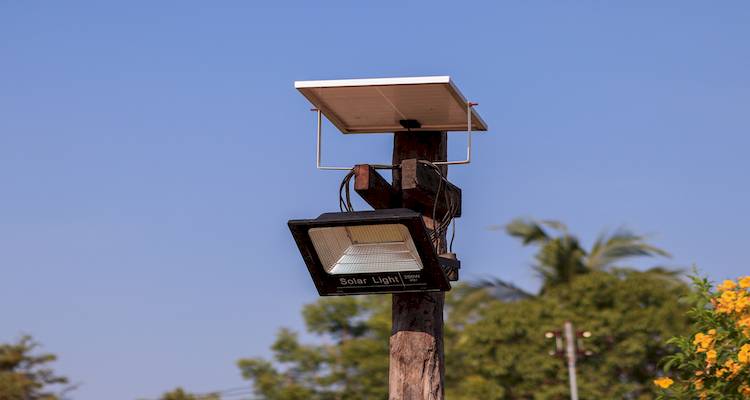
The main advantages of these lights are that there is no running cost and they are very easy to install. Most people can install these lights themselves as a simple DIY job.
One downside is that they have a much lower output, so they don't provide much light on their own. This means you may need to buy quite a few of these lights for them to make a difference. In gloomy winter months they can also be much dimmer or only stay on for a short time.
Pros
- ✔ Low prices
- ✔ Easy to install
- ✔ Free to run
Cons
- ✖ Don't provide much light.
- ✖ Must be placed in direct sunlight to work.
Do home security systems need servicing at all? Do all systems need it, or just certain types?
"An annual service on a basic intruder alarm system or CCTV system is recommended. This will ensure all firmware is up to date and batteries have been replaced where necessary. If the systems are monitored and have police response included, two annual service visits would be required. Automated gates and access control systems vary depending on the usage."
Checklist: Hiring an Electrician to Install Security Lights
Don't be too hasty to book in your local electrician. Run through a few simple checks first. It'll help you dodge cowboys and know exactly what you're paying for:
- Are they a registered electrician? Look for someone registered with a competent person scheme, such as NICEIC or NAPIT. If the work is notifiable (for example running a new circuit from the consumer unit), a registered electrician can self-certify it.
- Do they fit security lights much? Ask if they've installed the type of lights you want before — motion sensors, floodlights, smart lights, the lot. If they've done similar jobs, they'll work faster and make neater choices on placement.
- Is the quote broken down easily and concisely? You want to see labour, parts, and any extras listed individually, so it's a lot easier to compare prices with other electricians.
- What, exactly, will your electrician do? Check whether they're running new cables, drilling through walls, sealing holes, setting up sensors, and removing old fittings. Get it in writing, as you really don't want to get caught out.
- What about insurance? Enquire about public liability insurance. In the worst case that something gets damaged or someone gets hurt while they're working, you'll both be glad it's in place.
- Will they test everything properly? You can expect them to test everything. They'll test the lights, sensors, and switches before they leave and show you how it all works, including how to tweak the settings.
- Do they offer a guarantee on their work? The right electrician will guarantee their workmanship for a set period. So, find out how long you're covered for if a fault crops up later.
Ask a Trade
Got a question that only a tradesperson can answer? We have thousands of trades ready to answer any question you may have.
Ask your question

FAQs
Can I Install Security Lights Myself?
Solar-powered security lights are fine to install yourself. No mains wiring is involved. For anything wired into the mains, it's best to hire an electrician registered with a competent person scheme who can sign off the work, as incorrect outdoor wiring is a serious shock and fire risk.
If you want to save money without taking on the electrical work, you could prepare the area beforehand, removing old fittings and drilling fixing holes before the electrician arrives. This can reduce time on site, though factor in any tools you'd need to buy before assuming the saving will be significant.
Can I Connect New Lights to an Existing Outdoor Circuit?
This is possible, yes, but only if the existing circuit can cope with the extra load. Your best bet? Ask your local electrician, as they can check this quickly. Occasionally, they'll recommend a new feed if the current setup's already close to its limit.
How Bright Should a Security Light Be?
The going brightness for lights is between 700 and 2,000 lumens. If you're looking to light a patio or side path, around 700–1,000 lumens are enough. But for a well-lit driveway, 1,500+ works well. The Institution of Lighting Professionals recommends against anything over 2,000 lumens as this can produce more glare and shadows rather than illuminating the area better.
How Long Do Outdoor Security Lights Last?
LED bulbs can last up to 20 times longer than older style bulbs. Bulb life depends on quality and exposure, so it's worth spending a little more on good waterproof fittings from trusted lighting brands.
Can Security Lights Increase My Electricity Bill?
Only marginally, and far less if you go for LEDs or motion sensors. LED models use about 80% less electricity than older halogen bulbs for the same output, and 90% less electricity than incandescent bulbs. Worried about costs? Look for lights with daylight sensors or timers so they're not on unnecessarily.
What IP Rating Do I Need for Outdoor Security Lights?
For sheltered areas like porches, IP44 is good enough. However, most outdoor locations require IP65 protection against rain and bad weather conditions. If you're installing lights near pools or ponds where they might get splashed often or briefly submerged, go for IP67 or IP68 instead.
Do Security Lights Need a Separate Circuit?
Most can connect to your existing outdoor lighting circuit without needing a dedicated one. Your electrician will check whether the circuit has sufficient capacity during the job survey. Older properties might need a circuit upgrade, but modern setups typically handle the extra load fine.
What's the Detection Range on Motion Sensors?
Motion sensors typically detect movement between 8 and 15 metres, with some reaching 20 metres or more. The range depends on sensor quality and mounting height. Sensors pick up side-to-side movement better than someone walking directly towards them.
Can Neighbours Complain About Security Lights?
They can, and your council can get involved if your lights cause a nuisance. Under the Environmental Protection Act 1990, security lights that shine onto neighbouring properties and interfere with their enjoyment can be classed as a statutory nuisance. Your electrician should angle lights downward and away from neighbours' windows to avoid complaints.
What's the Difference Between a Photocell and a Sensor?
A photocell detects light levels and will automatically turn the lights on at dusk and turn them off at dawn, whereas motion sensors or PIR sensors detect movement and only switch lights on when something passes by. Some modern security lights combine both, staying in low power mode until the motion sensor triggers full brightness.
Do I Need Planning Permission for Security Lights?
In most cases, no. Adding security lights to a standard residential property doesn't require planning permission. The main considerations are avoiding glare that spills onto neighbouring properties and not creating a statutory nuisance. If you live in a listed building, you may need listed building consent as adding a light to the building can alter its character.
From a building regulations standpoint, external lights need two controls, one so they can be switched off during daylight and another that can switch them off when the area they light is no longer in use. The latter must be automatic unless it's an LED light.