Builders
 Carpenters
 Electricians
 Flooring Specialists
 Gardeners
 Handymen
 Heating Engineers
 Painters & Decorators
 Plasterers & Renderers
 Plumbers
 Roofers
 Tilers
 my
myUnderlay Installation Cost
At a Glance
- The average cost of installing underlay is £8-£17 per square metre to supply and fit.
- It will take approximately 30-60 minutes for a standard cleared room, although preparation work can increase the timescale.
- A full price breakdown for underlay installation, including per m² costs and job-size estimates.
- The difference between various types of flooring underlay and which is right for underfloor heating.
- Additional costs to budget for and how to find and hire a local contractor using MyJobQuote.
Get free estimates
Are you a trade? Get more work today!
Planning new carpet, laminate or engineered wood flooring?
The right underlay makes a big difference to comfort, warmth and noise, and it protects your new floor from wear.
In the UK, underlay costs £8-£17 per m² supplied and fitted, or around £120-£340 for an average room. This guide covers prices by underlay type, labour rates, fitting times and extra costs, and helps you choose the right underlay for your floor.
£220
Table of Contents
- How Much Does Underlay Installation Cost?
- Types of Underlay and Costs
- Underlay Labour Costs
- How Long Does It Take to Fit Underlay?
- Additional Underlay Installation Costs
- What Affects Underlay Installation Costs?
- Which Type of Underlay Do I Need?
- What Underlay Do I Need for Underfloor Heating?
- Can I Fit Underlay Myself?
- When Does Underlay Need Replacing?
- FAQs
How Much Does Underlay Installation Cost?
Flooring underlay is a layer of protective material, forming a barrier between the subfloor and a finish like carpet, laminate or engineered wood. The purpose of underlay is to offer a cushioned and levelling layer, providing an even floor finish that is stable and comfortable to walk on.
When replacing carpet or laminate flooring, it’s usually necessary to also replace the underlay, particularly if it’s old, thin or damaged. When changing the flooring type, you may also need to change to a different kind of underlay. In the event of a leak or flood, underlay typically must be removed and replaced.
Underlay installation costs between £8 and £17 per square metre, including materials and labour. However, costs depend on the type of underlay, flooring and the size of the room, among other things.
Underlay Prices
The cost to fit underlay depends on several factors, including local labour rates, the size of the room, as well as the type and grade of underlay. In particular, the kind of flooring being laid has a major influence on the type of underlay used.
There are a variety of underlay types to choose from, depending on the floor finish, and prices range from £2-£15 per square metre on a supply-only basis.
The labour cost per square metre for fitting underlay is typically £2-£5 across the UK. However, in London and surrounding areas, installation prices are higher at around £4-£6 per m².
A combined supply and fit cost of underlay per m² is around £8-£17. However, regional labour rates and material prices in different parts of the UK determine local costs.
The underlay cost for an average-sized room of 15-20 square metres is around £120-£340 when supplied and fitted, based on typical costs of £8-£17 per square metre.
Standard or budget underlay prices vary depending on the thickness of the material. They range from £2.50 per square metre for an 8mm foam underlay to £5 for a 12mm option.
A mid-range underlay typically costs between £4.50 and £9 per square metre, depending on the material it’s made from and its thickness.
A premium underlay costs from £5 to £10 per square metre. Special-purpose underlay such as acoustic ranges or specific underfloor heating underlays cost between £6 and £15 per square metre.
Types of Underlay and Costs
Flooring underlay costs depend heavily on the type of underlay, what it’s made of and the intended floor finish, such as carpet, laminate or engineered wood flooring.
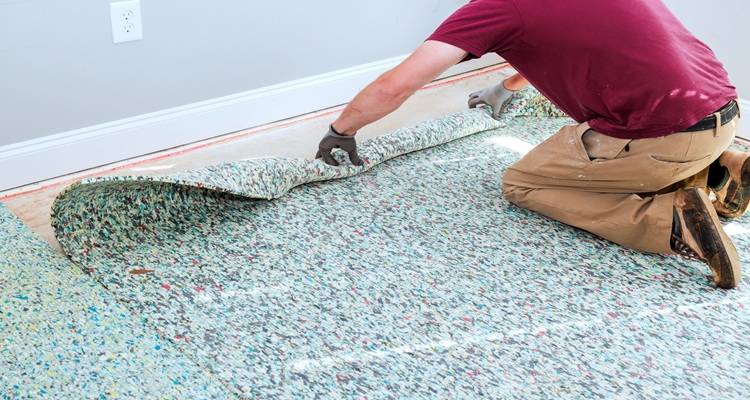
Polyurethane or PU foam is a popular type of underlay for carpet. It comes in a variety of thicknesses from 6mm to 12mm and in assorted densities. The tog rating of PU underlay also contributes to the thermal insulation it provides, as well as its cost. Carpet underlay prices for PU foam range from £2.50 to £11 per square metre.
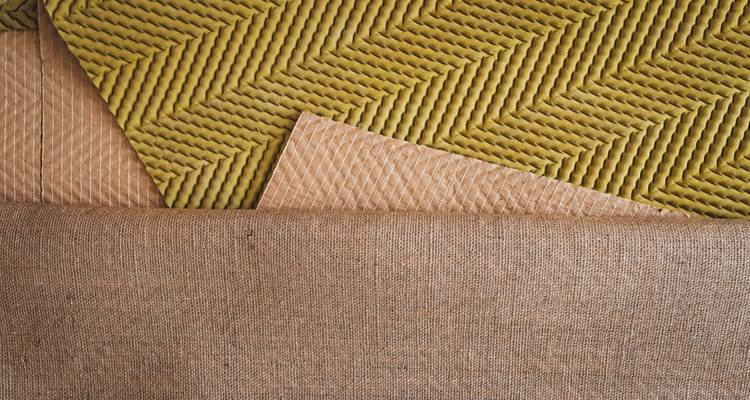
A sponge rubber underlay offers a heavier, denser layer than PU underlay. It’s formed with an air-filled lattice that has either a flat or waffle-like texture, providing cushioned support underfoot and excellent acoustic insulation. The prices of sponge rubber underlay range from £6 to £14 per m².
Just as the name suggests, crumb rubber underlay is made from small pieces of rubber, bound together with adhesives or binders. Often the rubber is recycled from used car tyres. It’s a durable and strong material that provides impact protection, sound insulation and comfort. Costs for crumb rubber underlay range from £4 to £13 per square metre.
A felt underlay protects carpet or hard flooring from the subfloor, providing insulation, support and sound reduction. It’s often made from recycled textiles, wool or jute, which are pressed together. It holds up well against compression over time, and remains resilient. Prices for standard felt underlay range from £2-£6 per square metre.
Combination underlay for flooring features a base layer of crumb rubber and a top layer of felt. By joining the two together, the underlay offers the durability of rubber with the thermal insulation and comfort of felt. Prices range from £8-£14 per square metre depending on the make and thickness of the underlay.
The purpose of acoustic underlay is to dampen sound and reduce the transmission of noise through the floor. Recycled rubber, polyurethane foam and felt are all used in different types of acoustic underlay. Prices vary depending on the material used and the type and grade of underlay but are generally around £3-£15 per square metre.
Thermal underlay’s primary role is to reduce heat loss through the floor, as an uninsulated floor may result in 10-15% heat loss. Most underlays, like rubber and felt, have thermal insulation qualities, and the choice depends on the finished floor covering. Thermal underlay costs range from £3-£8 per m².
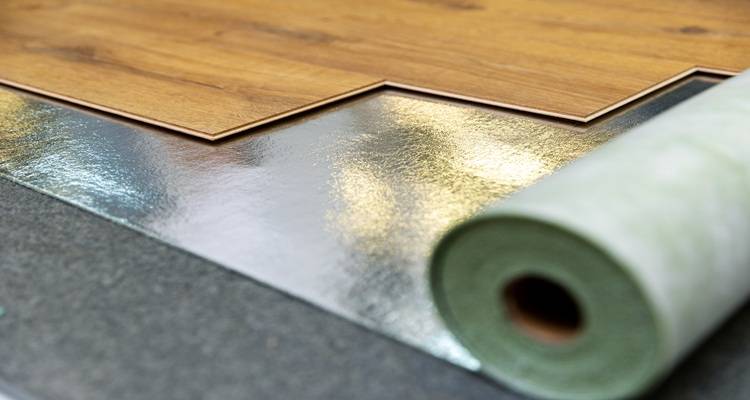
Underlay specifically designed for use with a laminate floor is typically foam- or rubber-based, often with a built-in vapour barrier. The exact type depends on the subfloor surface, e.g. concrete or timber. Laminate underlay costs vary from £1-£8 per square metre.
The underlay for an engineered wood floor is similar to that of laminate underlay in that it is often rubber- or foam-based combined with a moisture barrier. It also depends on the subfloor. Costs range from £1-£8 per square metre.
Underlay suitable for underfloor heating must have low thermal resistance to allow heat to pass effectively through the flooring. For carpet, a combined carpet and underlay rating of 2.5 tog or less is commonly specified, although requirements vary between systems.
For laminate or wooden flooring, check the flooring, underlay and heating system manufacturers' maximum thermal resistance requirements. The cost of underfloor heating underlay is between £4 and £10 per m².
Underlay Labour Costs
Depending on the type of subfloor and the floor finish, e.g. carpet, laminate or engineered wood, the cost of the underlay varies. There will also be variations between different brands.
A flooring installer typically charges £2-£5 per square metre to fit underlay. Prices in London and the South East are higher at £4-£6 per m². An average minimum fee of between £80 and £150 is charged to cover travel, labour and overheads.
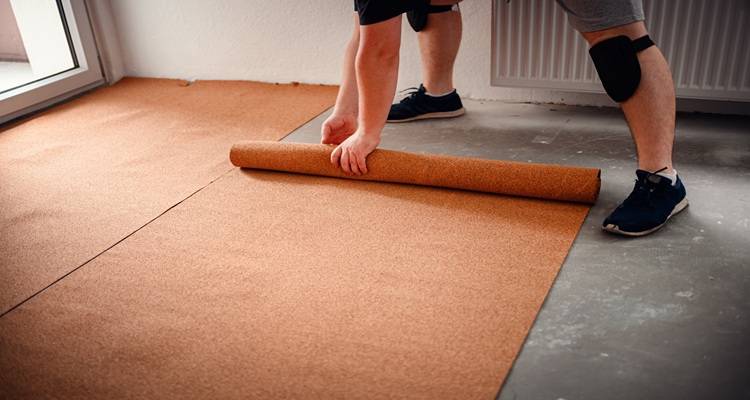
At £2-£5 per m², the calculated labour cost for a 15-20m² room is approximately £30-£100. However, if you book underlay fitting as a standalone job, the installer’s minimum charge of £80-£150 may apply. Underlay is often fitted as part of a larger flooring installation quote.
As for most trades, labour rates for a floor installer are higher in London and the South East than in other parts of the UK, at between £4 and £6 per square metre.
How Long Does It Take to Fit Underlay?
In addition to asking ‘how much does underlay cost’, most homeowners also want to know how long the job will take. The type of underlay being fitted impacts how long the process takes, with some being faster to fit than others.
Fitting underlay in a small room that has already been cleared should take less than half an hour. Awkwardly shaped rooms may take a little longer for cutting and securing the underlay.
An average bedroom of 10-12 square metres takes about 45 minutes to lay, trim and fit underlay. Using offcuts to fill in gaps or tricky areas may add a few extra minutes to the installation time.
A living room of 20-25 square metres takes between 45 and 60 minutes to measure, cut and secure just the underlay. Where gripper rods are needed, fitting them is not included in this timescale.
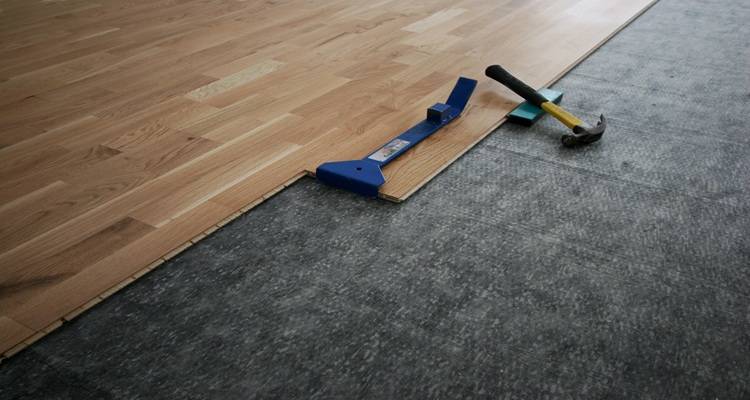
Installing underlay in multiple rooms takes approximately 45-60 minutes for each standard room, if they have already been cleared of furniture.
A whole-house installation of underlay can be fitted by a flooring installer in 3-6 hours, depending on the size of the property and the type of underlay. DIY installation may take 4-8 hours.
Things that slow down the installation process include having to clear the rooms of furniture, preparing the subfloor and dealing with awkward room layouts.
Additional Underlay Installation Costs
Alongside the underlay installation cost, there are additional expenses that should be considered.
Ripping out old carpet or removing click-fit laminate is relatively easy as a DIY task. However, stone tiles or engineered wood flooring often requires removal by a flooring contractor to prevent damage to the subfloor. Costs to remove existing flooring range from £3-£25 per square metre.
Older homes may contain vinyl floor tiles or flooring adhesives which contain asbestos, requiring specific expertise. If asbestos-containing materials are suspected, don't disturb or remove them yourself. Testing should be carried out before work continues. Testing for asbestos costs from £50-£200, with removal adding significantly to the budget if asbestos is detected.
The removal of underlay costs between £2-£6 per m². Prices are heavily dependent on what type of underlay is involved as well as the cost of disposal in the area.
The amount of waste determines whether it’s more cost-effective to use the local recycling centre, pay a man with a van or hire a skip. Small amounts of underlay and flooring may be accepted at local recycling centres for free, while a man and a van service can cost £70-£180. Hiring a mini skip of 4-5 yards costs between £100 and £250.
Making sure the subfloor is properly prepared is important to ensure a level, dry surface. Repairs to the subfloor can range from fixing loose floorboards at £3-£10 per m² to full subfloor replacement costing £1,000-£2,000+.
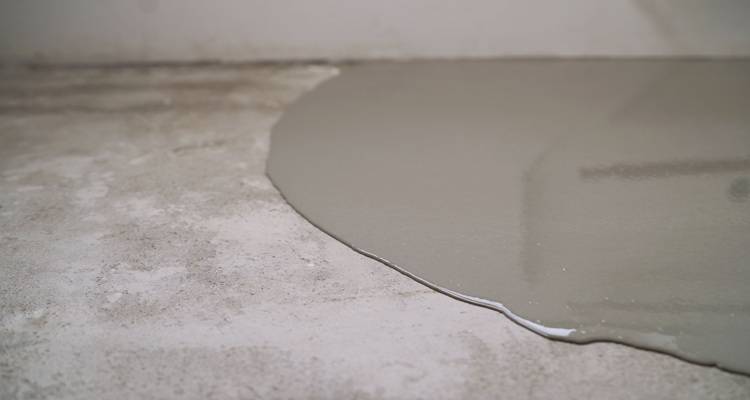
To provide an even and level surface for new flooring, plywood overboarding costs £15-£25 per m². For concrete floors, self-levelling compound costs £15-£30 per square metre inclusive of materials and labour.
Damp-proof membrane sheeting for concrete floors costs £8-£18 per square metre and ensures that moisture doesn’t damage the underlay and flooring finish. Liquid damp-proof membrane can cost £20-£50 per square metre.
A moisture test done by a floor fitter before installing underlay costs around £30-£75, while a basic independent damp survey can cost £150-£250. A more comprehensive damp survey may be as much as £500.
The cost to install new carpet depends on the size of the room, type of carpet and the underlay quality. For a 16 square metre room, new carpet costs approximately £575 and a whole 3-bedroom house typically costs £2,500.
Fitting a new laminate floor costs £320-£700 for a small room and between £900 and £1,500 for a 25 square metre room. Naturally, the type and grade of laminate has a major impact on the final price.
Prices for installing an engineered wood floor range from £45-£85 per square metre. For a 16 square metre room, the cost is around £840-£1,340. Different types of this flooring have distinct core construction, which affects the price.
Flooring installers typically want furniture removed completely from the room and don’t provide this service themselves. The cost to hire someone to move furniture depends on the amount and size of the pieces as well as UK location. Prices range from £20-£100 per room.
A carpenter is typically required to replace or adjust doors when fitting new underlay and flooring. The average day rate for a carpenter across the UK is between £150 and £250, but trimming a door normally costs around £20-£60.
Gripper rods typically cost £1-£2 per linear metre, but bulk packs can work out cheaper. Other flooring accessories such as thresholds and door bars vary in price, from £4 to £12 depending on what they’re made from and their size.
What Affects Underlay Installation Costs?
Many things affect the underlay installation cost, including the size of the room, condition of the subfloor and location within the UK.
The size of the room will determine how much underlay is needed, directly impacting the project cost. Bigger rooms require more underlay and typically take longer to fit, increasing both material and labour costs.
The type of underlay affects how much you pay for the installation. Depending on what the underlay is made from, average prices range from £2 to £15 per square metre. PU foam is the least expensive, with acoustic underlay costs at the higher end of the range.
The thickness of an underlay typically means it costs more to purchase due to the additional materials. However, the installation cost can also be affected as thicker underlays are more bulky and take more time to position, trim and fix in place.
The density and particular material that the underlay is made from directly impact how much it costs to buy. The weight of the underlay, as well as fitting requirements, can increase labour charges. In addition, cutting methods vary depending on the material and density.
Underlay which has acoustic or thermal properties is more expensive than basic cushioning underlay. The higher density and specialised materials that absorb sound add to the cost of the product. Similarly, the tog rating and thickness of thermal underlay increase its cost.
Specific underlays are used for different types of flooring, and the cost varies depending on the kind used. The density, thickness and performance requirements differ for carpet, laminate and engineered wood flooring, which affects the price of the underlay.
Where the subfloor is in need of repair or replacement, this adds to the project cost when fitting underlay. Minor fixes or total replacement will determine exactly how much it will cost in terms of labour, required materials and preparation work.
Taking up the existing flooring and underlay adds labour and waste disposal costs to the installation process. The final cost will depend on the size of the room, amount of waste generated and location within the UK.
Clearly, the number of rooms increases the amount of underlay required as well as adding to the labour cost. But the shape of the rooms also contributes to the price of installation. Angles, alcoves or bay windows mean more cutting of the underlay and higher material waste than a purely rectangular room.
Hard-to-reach areas, confined spaces and narrow hallways can all add to the labour time and working efficiency when installing underlay, increasing costs. If a room hasn’t been completely cleared of furniture, the work may be delayed or postponed, incurring a revisit charge.
Regional labour rates and variation in material prices across the UK impact most home improvement projects, including fitting underlay. Operating expenses for tradespeople vary across the country, with London and the South East generally being the most expensive.
When underlay is being fitted as part of a complete flooring installation, the labour costs, logistics and workflow are typically combined rather than being separate tasks. Preparation work and waste disposal are also included.
Which Type of Underlay Do I Need?
Knowing what type of underlay you need is key to successful floor laying. Below are the various types of flooring commonly fitted in UK homes and the appropriate underlay for the job. Understanding the foot traffic level for different rooms is key to choosing the right underlay.
PU foam underlay for carpet is easy to fit and lightweight, making it suitable for areas such as stairs and hallways. Sponge rubber underlay is frequently used on concrete floors due to its durability, thermal insulation and comfort underfoot.
Felt underlay is an affordable and traditional carpet underlay, often made from recycled textiles and offering protection for the underside of the carpet. Crumb rubber underlay is ideal for rooms with heavy furniture by protecting the carpet from deep indentations.
Laminate flooring underlay is typically rubber or foam, often combined with a vapour barrier to protect against moisture. This is particularly important on concrete subfloors.
A 2mm-4mm thickness provides enough protection and support without allowing too much flexing in the floor when walked on. For sound insulation, an acoustic underlay for laminate flooring provides appropriate noise reduction.
Underlay for engineered wood flooring is only required where a floating floor is being installed. If the floor is being glued down, then a conventional underlay is not needed.
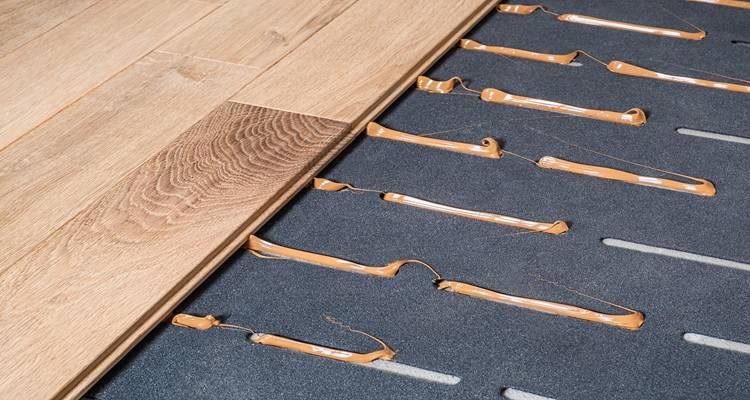
A high-density underlay of less than 5mm is recommended for engineered wood floors. Concrete subfloors warrant a built-in vapour barrier underlay while timber floors require more acoustic insulation and cushioning. Uneven floors may need levelling with wood fibre underlay panels.
A concrete subfloor requires an underlay which blocks moisture from rising up through the concrete and damaging the flooring finish. Foam and rubber underlays often feature a reflective foil which prevents damp from rising and also reflects heat back up through the floor.
For carpet over a concrete subfloor, a suitable high-density rubber or foam underlay can provide cushioning and insulation. The appropriate thickness depends on the flooring and underlay manufacturer's specifications.
Sound absorption is key when choosing an underlay for timber subfloors. Rubber underlay with a high density, standard PU foam or breathable fibreboard panels are all good options for wooden subfloors.
For upstairs rooms, a dense, thick PU foam underlay of between 9mm and 11mm offers good sound absorption and is comfortable underfoot. Sponge or crumb rubber underlay is another good choice for acoustic insulation.
In flats where sound transmission through floors may be a problem, acoustic underlay may be needed. High-density rubber or foam underlay also provides insulation against impact noise such as foot traffic or moving furniture, especially for hard flooring. A combination underlay provides good sound reduction beneath carpet.
What Underlay Do I Need for Underfloor Heating?
Underfloor heating requires specific underlay with low thermal resistance. The underlay, flooring and heating system must be compatible, and the manufacturers' specifications should be followed.
Underlay for laminate or engineered wood, where an underfloor heating system is in place, should have low thermal resistance. Check the flooring, underlay and heating system manufacturers' maximum thermal resistance requirements before installation.
There are many different types of underlay available for a range of flooring materials. However, not all types of flooring require, or are compatible with, a separate underlay such as glue-down luxury vinyl tiles.
Underlay for use with underfloor heating systems must have low thermal resistance, otherwise known as tog. A higher thermal resistance means heat cannot penetrate the underlay. As a result, the heating system has to work harder to reach a comfortable temperature, using more energy, possibly straining the system or causing it to overheat.
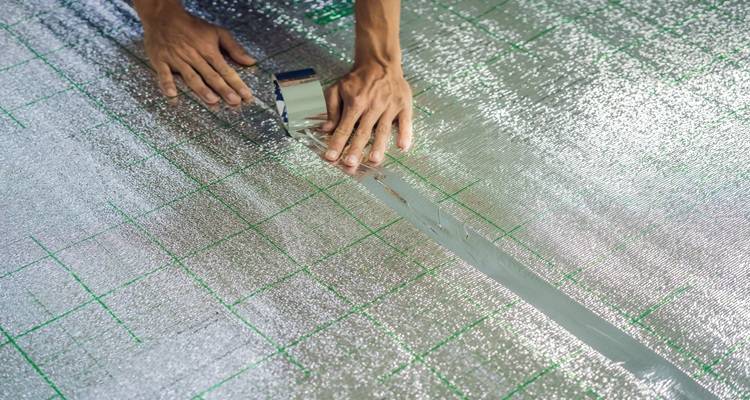
When used beneath carpet, the underlay typically has perforations, which allow the heat to circulate freely. A combined carpet and underlay rating of 2.5 tog or less is commonly specified, although requirements vary between underfloor heating systems.
Underlay for laminate and engineered wood flooring, used in conjunction with underfloor heating, can be solid or perforated. The underlay should have low thermal resistance, with the maximum permitted resistance determined by the flooring and underfloor heating system manufacturers.
The type of underlay recommended by the underlay, flooring and heating system manufacturers should be adhered to. Compatibility is vital, and warranties may be void if the wrong underlay is used.
An underlay that has high insulating properties reduces heat transfer from the underfloor heating system to the room above. Dense material traps the warm air, preventing it from circulating in the room.
Can I Fit Underlay Myself?
Installing underlay is a relatively straightforward task that requires basic DIY skills, so it is suitable as a DIY project. The materials are typically lightweight, and basic tools like a measuring tape, utility knife and joining tape are usually sufficient to complete the job.
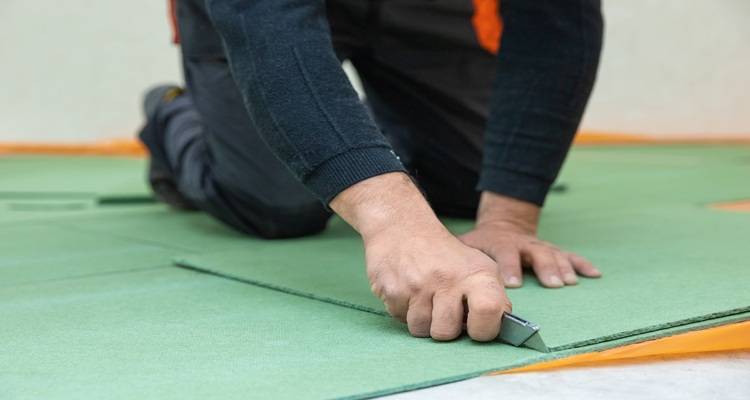
However, you should take care to make sure measurements are accurate before cutting and that all the necessary preparation to the subfloor has been done. In addition to trimming the underlay to size, securing it to the floor with tape or spray adhesive is needed but is not usually difficult. Paying attention to overlaps and avoiding gaps is important, though.
When fitting underlay yourself, you’re just paying the supply cost of £2-£15 per m² rather than the supply and fit cost of £8-£17 per square metre.
When Does Underlay Need Replacing?
It's helpful to know the signs for when the existing underlay needs to be replaced. Sometimes it can be reused, but not in many circumstances.
Underlay can be flattened by years of foot traffic or by heavy furniture.
Compressed underlay needs to be replaced to prevent carpet from wearing out more quickly without the cushioned support. Soundproofing is reduced, and the insulation level drops.
An underlay that starts to crumble and lose its integrity has the same effect as a flattened underlay, with reduced protection for the flooring finish and associated problems. Sagging and obvious indentations in carpet may also become apparent.
Tears in the underlay or other damage lead to an uneven surface and reduced cushioning. Dips or lumps can appear, and draughts may become apparent through gaps in timber subfloors.
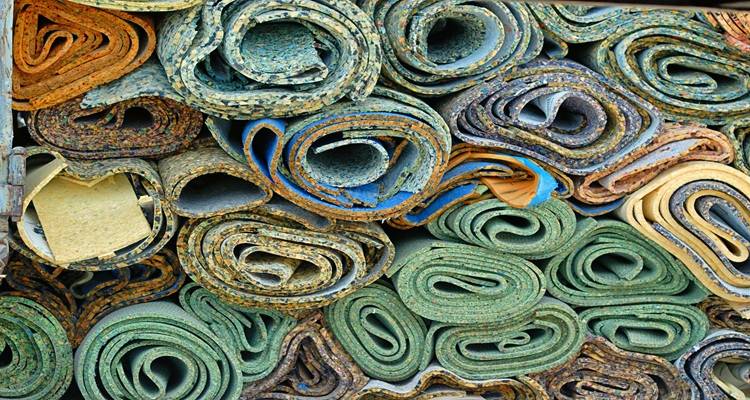
Damp or stained underlay produces a musty, unpleasant odour that can permeate the room. Due to its spongy nature, moisture becomes trapped in the underlay and can lead to damage to wooden subfloors as well as the flooring finish.
Where there are uneven areas in the flooring, the underlay has probably failed in some way and needs to be replaced. Unevenness causes excessive wear in carpet and may lead to damaged laminate or wooden flooring due to a lack of consistent support.
If there is an obvious loss of cushioning underfoot, the underlay will most likely need to be replaced. Areas where it has become compressed will not recover, causing carpet to wear unevenly, reducing acoustic and thermal insulation and reducing comfort underfoot.
A persistent odour can be due to a spill, leak or pet urine that has permeated through to the underlay. Mould and bacteria may be present and can present a health hazard. The underlay should be removed, the cause of the smell identified and fixed and new underlay put down.
FAQs
How much does underlay cost to supply and fit?
The cost to supply and fit underlay is between £8-£17 per square metre depending on type, thickness, material and location within the UK.
Does laminate flooring need underlay?
Laminate flooring almost always requires underlay to protect and cushion it. Exceptions are where there is padding already attached to the flooring or where the manufacturer's recommendations state otherwise.
How long does underlay last?
The typical lifespan of underlay is between 10-20 years, although this depends on the material and construction that it’s made from.
What underlay should I use with underfloor heating?
Underlay used with underfloor heating should have low thermal resistance. For carpet, a combined carpet and underlay rating of 2.5 tog or less is commonly specified, although requirements vary between systems. For laminate or wooden flooring, follow the maximum thermal resistance requirements specified by the flooring, underlay and heating system manufacturers. Only underlay recommended for underfloor heating should be used with it.
Can I replace underlay without replacing the carpet?
Yes, it is possible in some instances to replace just the underlay if the carpet is in good condition. The carpet is lifted, the old underlay removed, the subfloor cleaned, and new underlay fitted, followed by the carpet.