Builders
 Carpenters
 Electricians
 Flooring Specialists
 Gardeners
 Handymen
 Heating Engineers
 Painters & Decorators
 Plasterers & Renderers
 Plumbers
 Roofers
 Tilers
 my
myNew Flooring Cost
At a Glance
- The average cost of new flooring is around £45 to £100 per m2 supplied and fitted.
- It usually takes between 1 and 5 days to fit new flooring, depending on the size of the room and whether the existing floor needs to be removed.
- A complete breakdown of new flooring costs by type and room size.
- How supply-only and supply-and-fit costs differ.
- How to compare local flooring installers and request quotes through MyJobQuote.
Get free estimates
Are you a trade? Get more work today!
Planning to install new flooring in 2026? Whether you're replacing old flooring or renovating a room, our new flooring cost guide will help you budget for the project.
Compare the average costs of carpet, laminate, luxury vinyl, engineered wood, and solid wood flooring, find out what affects the overall price, and get free quotes from local flooring fitters.
£1,200
Table of Contents
- How Much Does New Flooring Cost?
- New Flooring Cost per m² By Type
- Supply Only vs Supply and Fit Flooring Costs
- What Affects the Cost of New Flooring?
- Which Flooring Is Right for Which Room?
- How Long Does New Flooring Last?
- Tips to Keep New Floor Installation Costs Down
- Checklist: Hiring a Flooring Fitter in the UK
- FAQs
How Much Does New Flooring Cost?
The cost to fit new flooring is around £1,200, while supplied-and-fitted prices vary widely from £20 to £190 per m2, depending on whether you choose budget-friendly carpet or premium solid wood flooring.
What type of flooring are you looking to have fitted?
Carpet
1 votes - 5%5% of votes
Laminate
11 votes - 58%58% of votes
Luxury vinyl (LVT)
2 votes - 11%11% of votes
Engineered wood
5 votes - 26%26% of votes
Solid wood
0 votes - 0%0% of votes

19 votes
See results
Hide results
Within material types, there is a lot of variation in pricing based on quality and design. Labour rates to install new flooring also vary depending on the material, as some are quicker and easier to fit than others.
New Flooring Prices
| Flooring Type | Supply Cost Per m2 | Installation Cost Per m2 | Total Supply and Fit Cost Per m2 |
|---|---|---|---|
| Carpet | £6–£60 | £14–£16 | £20–£76 |
| Laminate | £10–£40 | £12–£25 | £22–£65 |
| Luxury Vinyl (LVT) | £20–£60 | £20–£40 | £40–£100 |
| Engineered Wood | £40–£90 | £20–£45 | £60–£135 |
| Solid Wood | £60–£130 | £25–£60 | £85–£190 |
Want a custom price?
Post your job
In general, installation costs will depend on the complexity of the job and the size of the room. But they will also be influenced by where you live. For example, London and the South East of England are more expensive for services than other parts of the UK.
New Flooring Cost per m² By Type
Carpet Cost
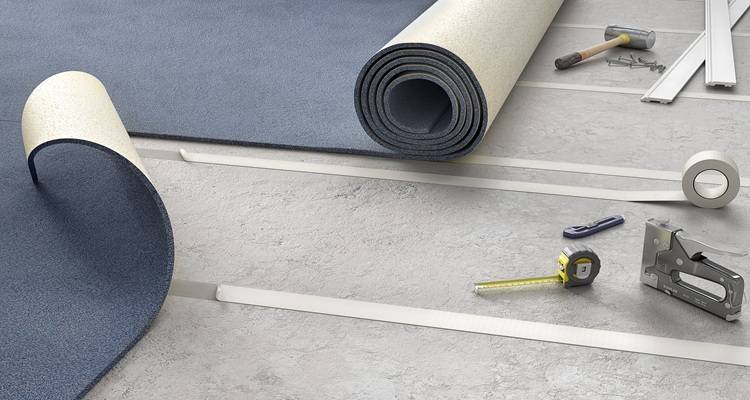
Carpet ranges from £6 per m2 for budget options usually made from nylon or polyester, to £60 per m2 for carpets with a high-quality wool mix, pure wool, or natural and synthetic fibres. Installation costs are typically between £14 and £16 per m2.
Ideal For: Lounge, hall, dining area, stairs, and bedrooms.
Price Difference Considerations: Material type, the thickness and height of the pile.
Pros
- ✔ Warm underfoot
- ✔ Good for soundproofing
Cons
- ✖ Repairs can be difficult to blend seamlessly.
- ✖ Not ideal for households with allergies to dust, pollen, or pet hair.
- ✖ Budget carpets are more prone to staining.
Laminate Flooring Cost
Laminate ranges from £10 to £40 per m2. It's important that the subfloor is level and in good condition. Installation costs will be cheaper for straight plank laminate. You should expect to pay between £12 and £25 per m2.
Herringbone will require more time to fit because of the pattern and the need to cut the planks at an angle. Installation costs will typically cost between £20 and £35 per m2.
Ideal For: Any room in your home. Laminate can be used in bathrooms and kitchens with additional improvements.
Price Difference Considerations: The thickness of the boards. Thicker boards are more expensive because they are of better quality.
The Abrasion Class (AC) rating runs from AC1 to AC6. A higher number represents a stronger and longer-lasting material.
Pros
- ✔ Cost-effective
- ✔ Easy to install and suitable for DIY
Cons
- ✖ Less durable than engineered or solid wood.
- ✖ Can be damaged by moisture if not properly sealed.
Luxury Vinyl Tile (LVT) Flooring Cost
Luxury Vinyl flooring ranges from £20 to £60 per m2. It is stain-proof and water-resistant and available in a large range of patterns and colours. Installation costs are, on average, between £20 and £40 per m2, but many householders choose to fit vinyl flooring themselves as a DIY project.
Ideal For: Any room in the house.
Price Difference Considerations: The thickness of the topcoat makes a difference to the price. More expensive LVT options will have a thicker wear layer. For example, a wear layer of 0.5mm is likely to be cheaper than vinyl with a wear layer of 1.2mm.

Pattern and design also make a difference in price. Straightforward, plain designs are generally cheaper than a herringbone or chevron pattern.
Pros
- ✔ Strong and durable.
- ✔ Water and stain resistant.
Cons
- ✖ Damaged planks or tiles can be difficult to repair.
- ✖ Not a natural flooring material.
Engineered Wood Flooring Cost
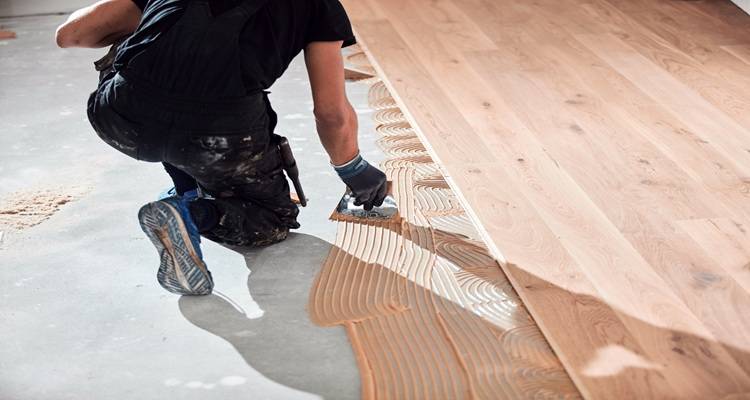
Engineered wood flooring costs between £40 and £90 per m2. Each plank is usually made up of three to four layers of wood, which are glued together. The top layer is real wood veneer. It is available in a tongue-and-groove version, which needs to be glued into place, or a click-lock, which can be installed without glue.
Installation costs, on average, are between £20 and £45 per m². The tongue-and-groove installation will be more expensive as it takes longer.
Ideal For: All rooms apart from bathrooms.
Price Difference Considerations: Cheaper engineered wood is normally made from softwood as a core and then has a thinner top layer.
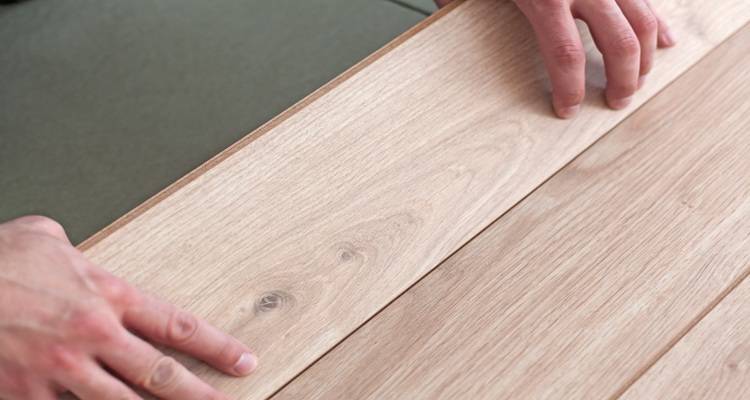
It means it cannot be sanded down as many times as the type of wood that's made with a harder core, using premium wood species with a thicker top layer, which also costs more.
Pros
- ✔ Can last 30 years or more.
- ✔ Can be sanded and refinished to restore its appearance.
- ✔ Available in a wide range of styles and finishes.
Cons
- ✖ Not waterproof
- ✖ More expensive than most flooring options
- ✖ Installation can take longer than click-fit flooring
Solid Wood Flooring Cost
Solid wood is on average between £60 and £130 per m2. It consists of a solid piece of wood, cut to size, which means every piece is different, with a slight variation in colour.
Installation costs are on average between £25 and £60 per m2.
Ideal For: Living rooms, dining rooms, hallways, landings, and bedrooms.
Price Difference Considerations: The type of wood you choose. For example, oak is a common mid-range species, whereas walnut is one of the most expensive.
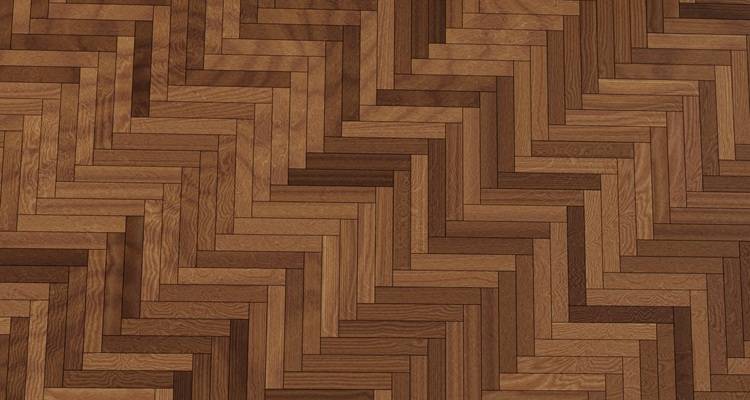
The grade of wood also has a bearing on the cost. Cheaper wood typically contains more knots and colour changes.
Pros
- ✔ Can last for decades.
- ✔ Can be sanded and refinished many times.
- ✔ Natural appearance that can add value to your home.
Cons
- ✖ Prone to scratches and dents.
- ✖ Not suitable for kitchens or bathrooms.
- ✖ More expensive to buy and install than most other flooring types.
Average Cost of New Flooring Per Room:
| Room and Size | Flooring Type | Total Cost |
|---|---|---|
| Hall (6m2) | Carpet or Laminate | £120–£750 |
| Living Room (20m2) | Carpet or Laminate | £400–£2,500 |
| Stairs and Landing (10m2) | Carpet or Laminate | £200–£1,250 |
| Bedroom (12m2) | Carpet or Laminate | £240–£1,500 |
| Hall (6m2) | Luxury Vinyl or Engineered Wood | £240–£810 |
| Living Room (20m2) | Luxury Vinyl or Engineered Wood | £800–£2,700 |
| Stairs and Landing (10m2) | Luxury Vinyl or Engineered Wood | £400–£1,350 |
| Bedroom (12m2) | Luxury Vinyl or Engineered Wood | £480–£1,600 |
| Hall (6m2) | Solid Wood | £510–£1,150 |
| Living Room (20m2) | Solid Wood | £1,700–£3,800 |
| Stairs and Landing (10m2) | Solid Wood | £850–£1,900 |
| Bedroom (12m2) | Solid Wood | £1,000–£2,300 |
Want a custom price?
Post your job
Supply Only vs Supply and Fit Flooring Costs
When you receive quotes for new flooring, check whether the price is for supply only or supply and fit, as this will make a difference to what you're getting for your money.
A supply-only purchase is when you buy the flooring material yourself and then look for an installer to fit the floor. Any quotes you receive from an installer will only be for the labour costs of the installation.
The advantages of supply only are that you can find bargain prices. But it means you are responsible for measuring and ordering the correct amount of flooring, and you need to find the time to shop around and wait for a delivery.
A supply and fit quotation includes the flooring and the installation. The fitter will measure up and give you a choice of available flooring options.
Although it might be a slightly more expensive option, it does save you time. If there are any problems with the materials or the installation, they are both dealt with by the flooring installer, rather than you having to deal with the matter yourself.
What Affects the Cost of New Flooring?
Flooring installation costs in the UK vary, and the type of flooring you choose has the biggest impact on the price. But there are other factors which influence the final price, and they include:
Flooring Material and Quality
The type of flooring material and quality you choose will impact your budget. Prices vary depending on the finish, design, durability, and thickness. Affordable options include carpet and laminate, which you can buy for between £6 and £100 per m2.
Vinyl and engineered wood are mid-range at between £20 and £90 per m2, while you should expect to pay a premium for solid wood, especially if you pick a tropical species like walnut. Average prices range from £60 to £130 per m2.
Room Size and Shape
Many floor installers charge per m2, which means you'll pay more for a larger room. But increased labour costs are also influenced by the room's shape.
If you have awkward corners, a bay window, or a staircase, labour costs will increase because the work will take longer to complete.
Subfloor Condition
If your subfloor needs repairs or isn't level, you may need to get this work done before you can lay a new floor. This will mean an additional cost.
Installation Method
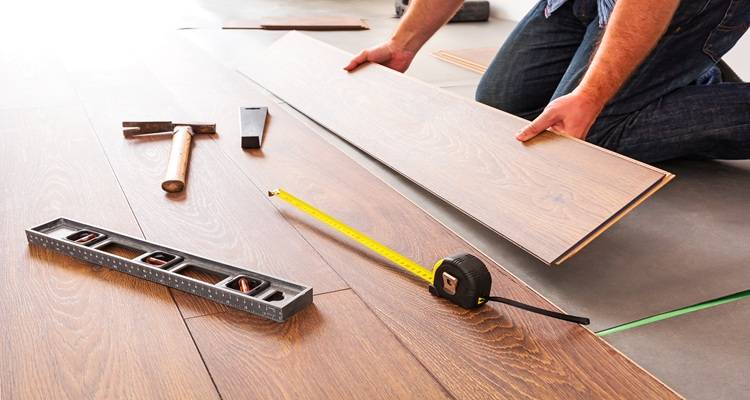
Some flooring, like floating laminate or luxury vinyl, only requires cutting to size with a cutting tool and laying with a click-to-fit system, which is straightforward.
Other flooring types need to be glued or nailed and cut to size with a jigsaw, which is more labour-intensive and will therefore cost more.
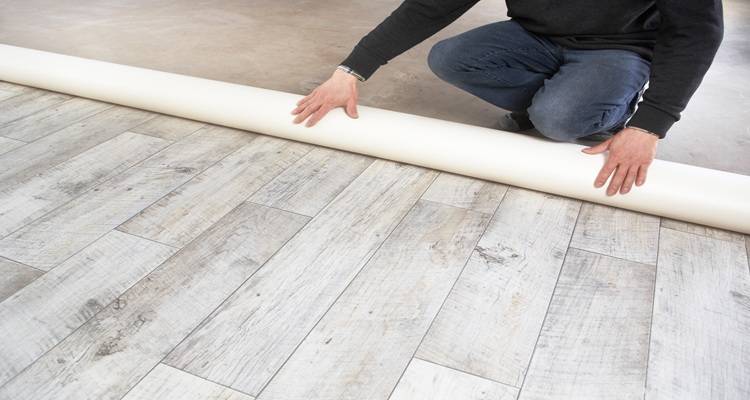
Removing Existing Floor
If old flooring needs to be removed, this will be an additional cost. Carpet is usually easy to take up, but tiles or wooden flooring can take some time. Typical removal costs for a wooden floor could be between £40 and £180 for between 2 and 6 hours' work. Disposal charges will also need to be taken into consideration. Hiring a skip that has the capacity for around 40 bin bags costs around £175.
Underlay
Some flooring materials can be laid directly onto an existing floor. Carpet will need underlay, and most other flooring, such as laminate and engineered wood, will benefit from underlay.
Underlay will reduce noise and moisture penetration (if waterproof underlay is used in a kitchen or bathroom) and also retain heat. Underlay costs on average between £2 and £7 per m2.
Your Location
Labour rates vary across the UK. Homeowners in London and the South East will generally pay more. We recommend getting at least three quotes from flooring fitters so that you can compare prices.
Subfloor Preparation: The Hidden Cost
One of the most common hidden costs when laying new flooring is the condition of the floor underneath.
It should be dry, level, and suitable for the flooring you have chosen. A subfloor in good condition is especially important if you are using engineered wood or luxury vinyl.
Houses with concrete floors can use a levelling compound if the ground isn't too unstable. The cost of the compound is around £1 to £2 per kilo and is often sold in bags of 20 kilos at between £20 and £30.
Timber floors, which are more common in older properties, can be repaired by laying hardboard sheets on top of floorboards. Any loose floorboards will need to be screwed down, and rotten floorboards will need to be replaced. Hardboard sheets cost on average between £7 and £16 per m2.
If your subfloor needs screeding, then you could be looking at between £18 and £25 per m2 for materials and labour.
Which Flooring Is Right for Which Room?
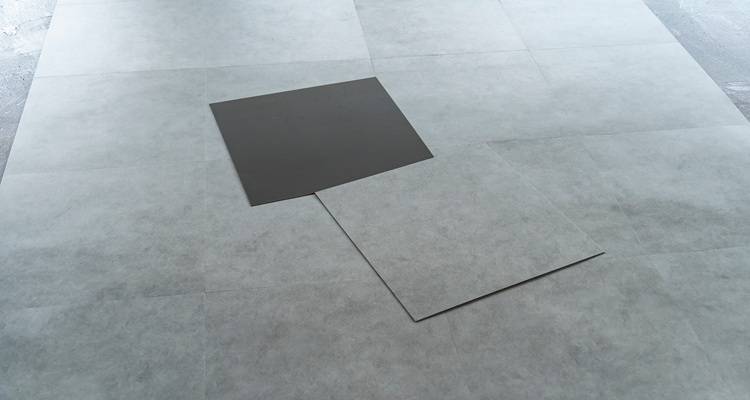
| Room | Recommended Flooring Type |
|---|---|
| Hallway | Luxury vinyl or engineered wood, because it's a heavy traffic area |
| Living Room | Carpet, laminate, engineered, or solid wood |
| Kitchen | Water-resistant laminate or vinyl flooring |
| Bedroom | Carpet, laminate, or wood |
| Bathroom | Water-resistant laminate, vinyl, or floor tiles |
Want a custom price?
Post your job
How Long Does New Flooring Last?
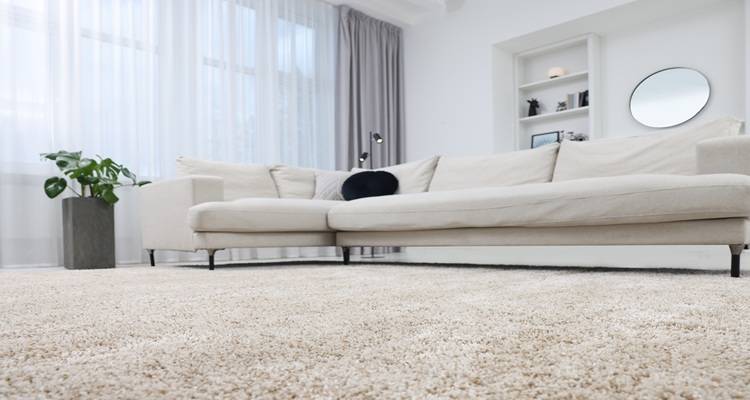
How long flooring will last will depend on how much wear it has, the quality of the material, and whether it's well maintained.
- Carpet: 8 to 15 years.
- Laminate: 10 to 25 years.
- Luxury vinyl: 15 to 30 years.
- Engineered wood: 40 to 50 years.
- Solid wood: 50 to 100 years.
As you can see, more expensive flooring has a longer lifespan, which can mean you are actually paying less per year of use. This often works out cheaper in the end than replacing budget options.
Tips to Keep New Floor Installation Costs Down
- Check your subfloor before choosing your flooring, so you can budget for any levelling or repairs before work starts.
- Get at least three quotes to compare prices and services.
- Choose your own flooring and hire an installer separately.
- Measure carefully and order only the recommended allowance for cuts and waste.
- Choose a straightforward plank layout, as herringbone and chevron patterns usually take longer to fit.
- Remove furniture and, if agreed with the fitter, take up easy-to-remove flooring yourself.
- Compare the lifetime cost as well as the upfront price, because a durable floor may need replacing less often.
Ask a Trade
Got a question that only a tradesperson can answer? We have thousands of trades ready to answer any question you may have.
Ask your question

Checklist: Hiring a Flooring Fitter in the UK
You can post your flooring job on MyJobQuote and compare quotes from local fitters. Before you accept a quote, check the following:
- Do I have more than one quote to compare prices and services?
- Does the price include removing and disposing of the old floor?
- Is subfloor preparation included, or is that a separate charge?
- Does the quote include underlay if it's needed?
- Does the floor fitter have public liability insurance?
- Are the materials and installation guaranteed?
FAQs
What Is the Cheapest Type of New Flooring?
The cheapest flooring options in the UK are either carpet or laminate. Carpet starts at around £6 per m2 and laminate at £10 per m2.
Is It Cheaper to Buy Flooring and Hire a Fitter Separately?
Yes, it is usually cheaper to buy flooring and hire a fitter separately. But you then need to do your own measuring and take the time to find and purchase the flooring. Plus, if you have any problems, it's you who will have to deal with the retailer.
Do I Need to Replace the Subfloor Before Fitting New Flooring?
You don't always have to replace a subfloor before fitting new flooring. Sometimes it just might need levelling or a minor repair. It will need replacing if the condition is so bad that it is impossible to lay new flooring on top of it.
What Flooring Is Best for Kitchens and Bathrooms?
The best flooring for kitchens and bathrooms is water-resistant laminate or vinyl, or tiles.
How Long Does It Take to Fit New Flooring?
It usually takes between 1 and 5 days to fit new flooring, depending on the room size, flooring type, and whether the existing floor needs to be removed.