Builders
 Carpenters
 Electricians
 Flooring Specialists
 Gardeners
 Handymen
 Heating Engineers
 Painters & Decorators
 Plasterers & Renderers
 Plumbers
 Roofers
 Tilers
 my
myAsk a Trade
Got a question that only a tradesperson can answer? We have thousands of trades ready to answer any question you may have.
Ask your question
Would you like to find out how to screed a floor correctly rather than paying a contractor to screed your floor?
This guide uses easy-to-follow instructions and images that you can follow along with.
So, let's take a look...
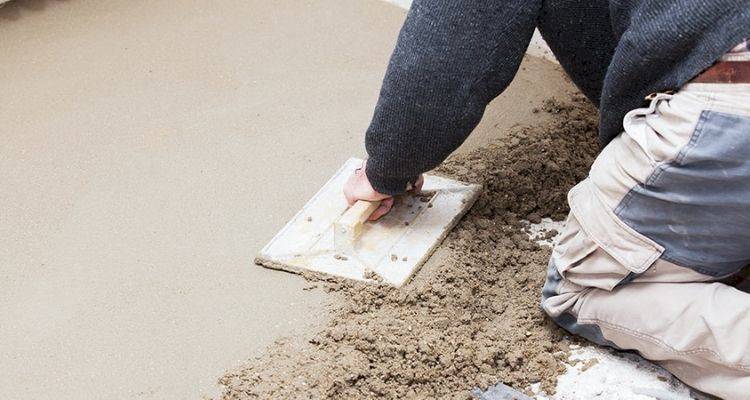
Below is a list of the tools you'll need to screed a floor:
Here is a list of the recommended safety equipment you'll need to screed a floor:
Below is a list of the materials that you'll need to screed a floor:
Below is a list of things that you'll need to do to prepare for screeding a floor:
Here is a step-by-step guide on how to screed a floor, although for a professional finish you should always hire a floor screeding expert.
First of all, you will need to add water to the floor to dampen it. This will help to reduce suction.
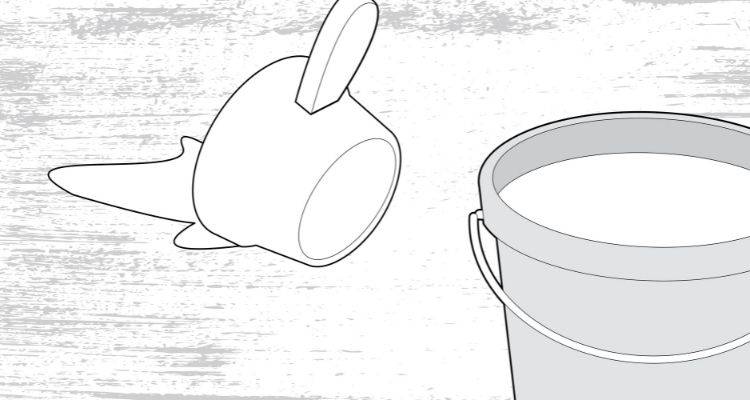
Next, mix bonding agent and cement according to the manufacturer's instructions as the exact measurements can vary. This will then act as your primer, although this process is only required for bonded screeds.
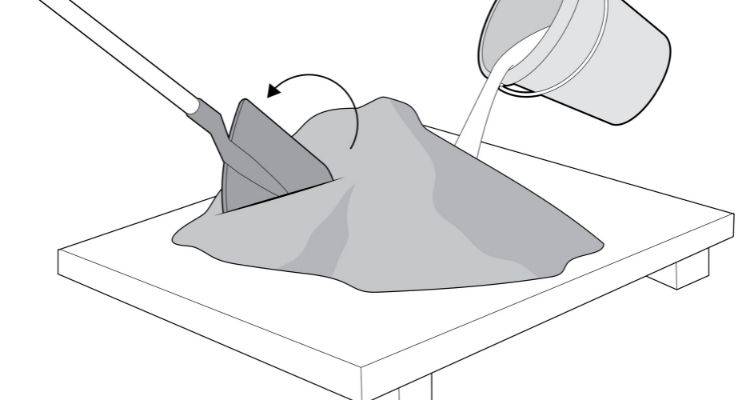
Mix together the ingredients to create your screed. The mix you create will depend on the thickness of the screed you are laying and the size of the area. The floor screed mix will consist of a combination of cement, water, and sand.
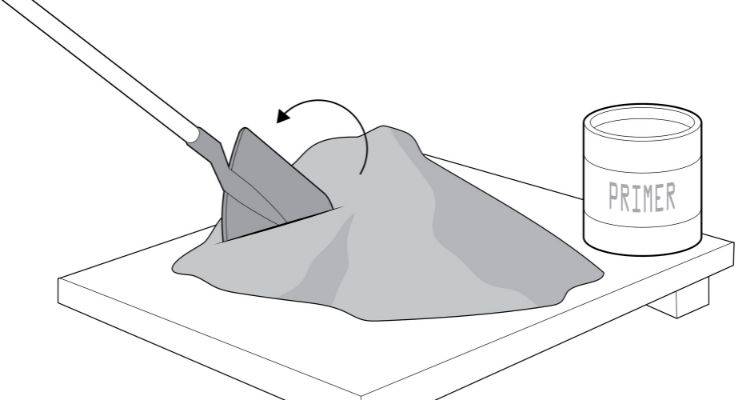
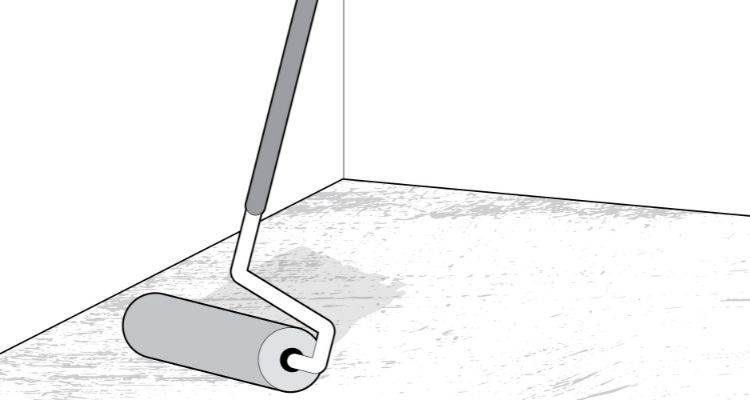
Next, apply the primer to the floor in a thin layer using a brush. Bonding primer can dry in about 15 minutes, so it's important to have the screed mixed and ready to apply first.
You should prime a small area at a time, so the screed can always be applied to wet primer.
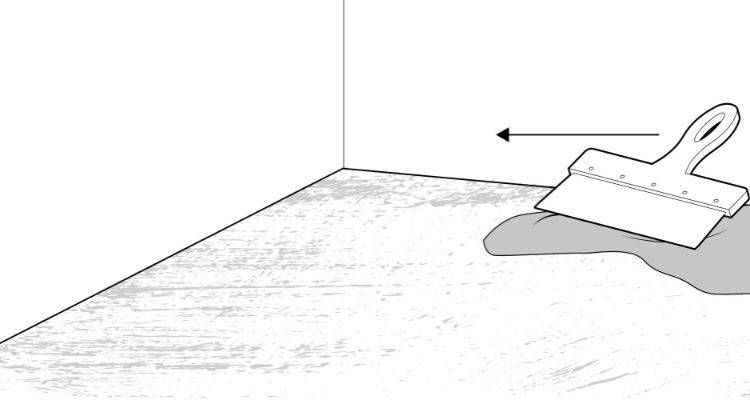
Begin to lay the screed using a trowel and level it off with a straight edge.
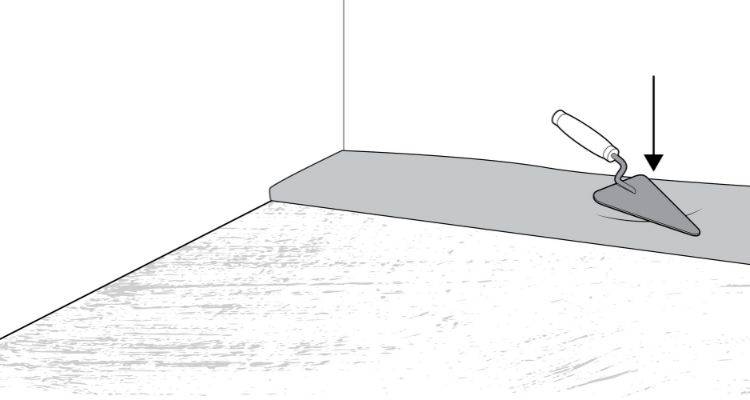
For the floor screed to be successful, you will have to work in bits so that it's level. Complete a small area at a time by laying down the mixture and using a batten to create a level surface. Use a trowel to spread the mixture before levelling it with the batten.
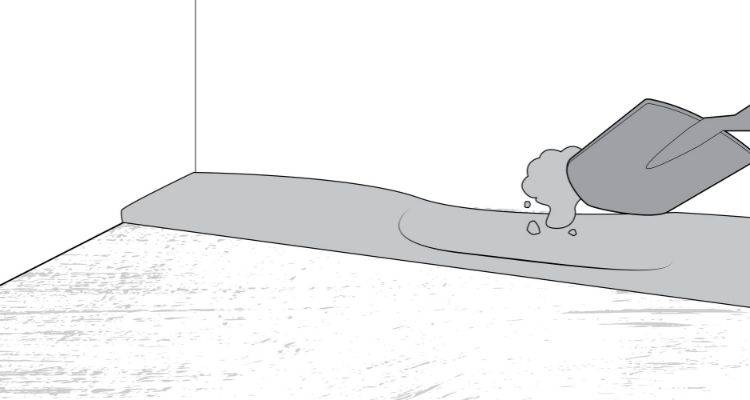
If you notice any dips on the surface, simply add some more mixture and continue to level it out using your trowel and batten.
Once you have covered the entire floor and you're happy that it's level, you will need to cure it. Cover the floor with a polythene sheet and leave it to cure for at least 5 days.
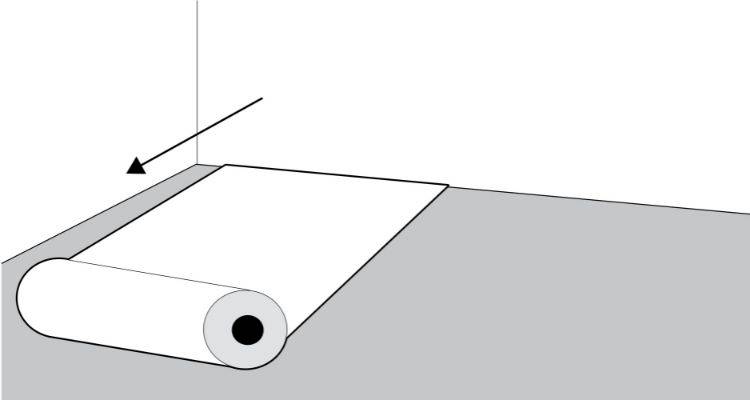
After at least 5 days, you can then take the polythene sheet away and allow the drying process to start. You will need to leave the floor until the surface is completely dried out, which takes around 1 day per millimetre of thickness for the first 50mm, in dry, warm (20°C) conditions. This slows to a day and a half per millimetre of thickness beyond the first 50mm. Screed in cold, damp rooms can take considerably longer to dry.
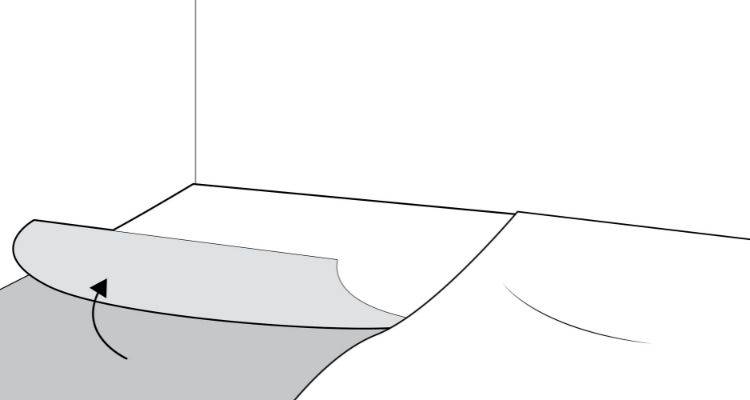
Once your surface is completely dry, the job is then complete.
Below is a list of the different types of floor screed:
A bonded screed will be bonded to the substrate with a binding agent or a primer. This type of screed is ideal for thinner flooring sections that are designed for holding up heavier options.
This type of floor screed is not applied directly to the sub-floor but is instead separated by a damp-proof membrane or a base that hasn't been prepared for bonding. Unbonded screeds need to be at least 50mm thick and can be sand and cement or calcium sulphate.
A floating screed is applied above the insulation boards, so the boards need to be strong enough for the screed to be compacted onto them. It needs to be at least 65mm thick and kept away from walls and pipes by using edging foam.
Some professional companies will use liquid floor screed or latex floor screed, as although separate products, both can create a smooth finish by simply pouring the mixture onto the surface without the need for a straight edge for levelling.
However, these types of floor screed tend to be difficult to apply if you don't have the right tools or skills to do so, so these screeds should be left to the professionals.

A traditional and common screed is generally made up of a mix of one part cement to four parts sand. The consistency tends to be a relatively dry yet firm consistency that can hold together under pressure.
It is usually mixed in a cement mixer on-site so that the mixture is prepared and ready to apply right away as soon as it's needed.
This type of screed requires minimal preparation and can easily be applied to the room using a trowel and straight edge (as we've explained in our step-by-step guide).
Conventional screed costs around £15 to £20 per m², including labour fees, although cost can also depend on the thickness and quality of material.
The drying process of screed can be sped up. However, this can only be done if you have the optimum drying conditions or if you apply an additive to the screed. The benefit of speeding up the drying process is that you can continue working on the room much sooner.
Screed takes a long time to completely dry and cure, so speeding up the process can be a really big benefit for those that are in a rush to get their renovation completed.
No, curing and drying are two completely different processes. Curing is the first step, and involves covering the new screed for at least 5 days, keeping the moisture in and strengthening the cement. Drying is the second part of the process, whereby the screed is uncovered and left for weeks so the water can escape.
Floor screed is used to create a smooth, level surface on top of a structural base, not for structural purposes. It is made with finer aggregates so isn't as strong as concrete and should only be used as a finishing layer. Use concrete for foundations or load-bearing work, and use screed to prepare a surface for flooring.




Copyright 2026 MyJobQuote.co.uk. All rights reserved
Privacy Policy | Terms and Conditions | Sitemap
MyJobQuote.co.uk is rated 4.67 stars by reviews.co.uk based on 4132 reviews