Builders
 Carpenters
 Electricians
 Flooring Specialists
 Gardeners
 Handymen
 Heating Engineers
 Painters & Decorators
 Plasterers & Renderers
 Plumbers
 Roofers
 Tilers
 my
myNew Driveway Cost
At a Glance
- The average cost of a new driveway is £2,500 to £8,000 for 60m², depending on the material.
- It will take about 2 to 3 days to complete.
- NEW! Try our driveway cost calculator for an instant estimate.
- A full breakdown of driveway costs, by size and surface material.
- Estimated timelines for different driveway projects.
- Advice on finding a local driveway installer using MyJobQuote.
Get free estimates
Are you a trade? Get more work today!
£6,600
Table of Contents
How Much Is a New Driveway?
Wondering about the cost of a new driveway?
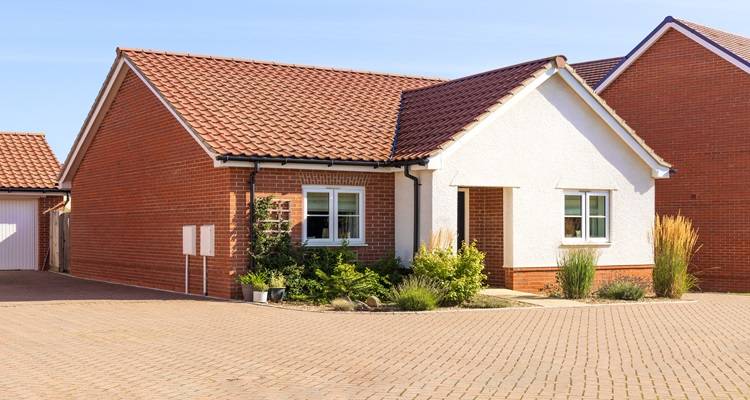
The average cost of a new driveway in the UK ranges from £2,500 to £8,000 for a typical 60m² two-car driveway.
What impacts new driveway costs?
- The driveway material (e.g., block paving, tarmac driveway).
- The size of the area.
- How much groundwork is required.
- Additional jobs at the same time (e.g., adding a dropped kerb, widening the vehicle entrance).

Whether you're replacing an existing drive or turning a front garden into parking, it's a smart move to find out what you're likely to pay.
If you're ready to start, you can get free quotes from driveway companies near you using MyJobQuote. It's quick, easy, and there's no obligation to go ahead.
Still exploring options? Use our free driveway cost calculator to get an instant, accurate estimate for your project.
New Driveway Cost Calculator
New Driveway Prices
Let's take a closer look at some typical driveway costs in 2026.
Looking for the most cost-effective option?
Gravel and tarmac driveway costs are usually the most affordable.
If you're looking for a premium finish, block paving is favoured, but block paving driveway costs can be thousands of pounds more expensive than other materials.
What material would you like for your new driveway installation?
Tarmac
18 votes - 26%26% of votes
Concrete
9 votes - 13%13% of votes
Gravel
7 votes - 10%10% of votes
Resin
18 votes - 26%26% of votes
Block Paving
17 votes - 25%25% of votes

69 votes
See results
Hide results
What size driveway do you need?
- A single-car driveway is usually around 30m².
- Two-car drives are around 60m².
- A 90m² driveway is large enough for multiple cars.
Here's a look at typical fully-installed driveway costs by size and type:
| Driveway Type | 30m² (1 car) | 60m² (2 to 3 cars) | 90m² (4 to 6 cars) |
|---|---|---|---|
| Gravel | £1,000–£2,500 | £2,100–£4,800 | £3,200–£7,100 |
| Resin | £1,200–£2,000 | £2,500–£5,000 | £4,500–£7,000 |
| Block Paving | £1,200–£4,000 | £2,500–£8,000 | £3,800–£12,000 |
| Tarmac | £1,300–£3,200 | £2,500–£5,000 | £4,000–£7,500 |
| Concrete | £2,500–£4,000 | £5,500–£8,000 | £8,300–£12,000 |
Want a custom price?
Post your job
How much does a driveway cost per m²?
If you're looking at driveway costs per m² for an area of a different size, here's what different materials typically cost per square metre when fully installed, including average labour costs, basic groundwork, and standard materials:
| Driveway Material | Installed Cost per m² |
|---|---|
| Gravel | £40–£100 |
| Tarmac | £60–£90 |
| Resin | £70–£120 |
| Concrete | £85–£130 |
| Block Paving | £115–£175 |
Want a custom price?
Post your job
Labour Cost of a New Driveway
Along with materials, labour is one of the biggest parts of the total cost when installing a new driveway.
In many cases, labour makes up around 40% to 60% of the total project cost, depending on the material chosen and how much preparation the site needs.
On average, a driveway installation team charges between £150 and £200 per person per day.
For larger projects, a team of 2 or 3 workers is common. You can expect to pay up to £800 for 2 people for 2 days.
Let's put those driveway installer cost examples into context:
- 30m² Gravel Driveway — £600 to £1,000.
- 60m² Block Paving Driveway — £1,500 to £3,000.
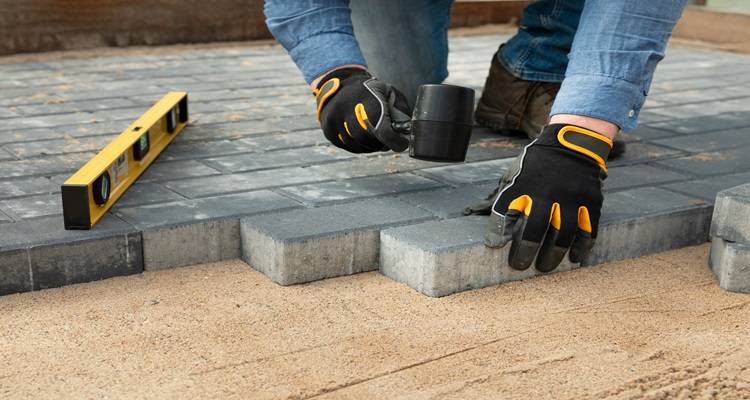
It's good to note: As well as the size differences, block paving installation in particular requires more time, skill, and precision, leading to higher labour costs when compared to gravel driveways.
What's included in driveway labour costs?
Labour costs for driveway installation usually include:
- Site preparation and grading
- Excavation and ground preparation
- Laying the sub-base and compacting materials
- Installing edging
- Laying the chosen surface material
- Clearing waste from the site
Typical Timescales for a New Driveway
The total installation time depends on the size of the driveway, the material chosen, and how much preparation is required before work starts.
If extensive groundwork is required, expect to add a few days to the estimates below:
| Driveway Type | Typical Size | Estimated Timescale |
|---|---|---|
| Gravel | 30m² | 1 to 2 days |
| Tarmac | 30 to 60m² | 2 to 3 days |
| Concrete | 30 to 60m² | 2 to 4 days |
| Block Paving | 60m² | 4 to 6 days |
| Resin | 60m² | 3 to 5 days |
Want a custom price?
Post your job
What impacts new driveway installation?
Bad weather, drainage work, or waiting for materials can extend these timescales.
This is especially true for concrete and resin surfaces, which rely on suitable conditions (dry days and relatively warm temperatures) for curing. It's best to plan this type of driveway installation for late spring or early autumn when conditions are most suitable.
Type of Driveways
Looking for front driveway ideas?
Let's explore the different driveway covering options in more detail, including pros, cons, and costs, so you can decide which one is right for your home, your budget, and the aesthetic you're looking for.
Tarmac Driveway Cost
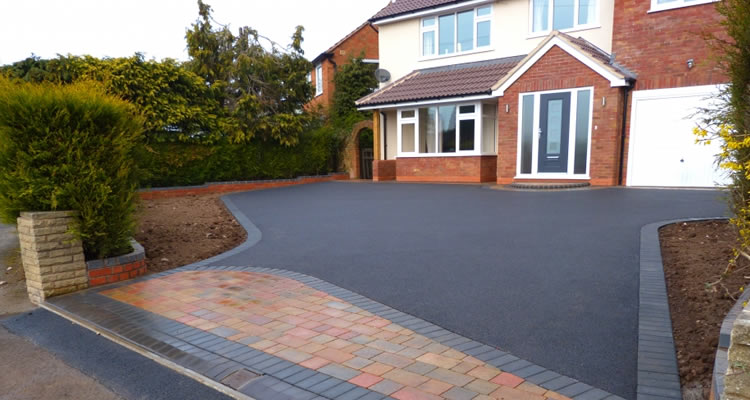
- Average Cost per m² — £45 to £65 (supply only).
- Average Cost for 60m² Driveway — £2,500 to £5,000 (installed).
- Maintenance Costs — £300 to £900 to reseal the driveway every 3 to 5 years.
The average tarmac driveway cost is approximately £45 to £65 per m² in supply-only costs, making it a relatively cost-effective option.
Tarmac dries fairly fast and is easy to install, usually taking only 1 to 2 days to install. Other upsides include that it is easy to maintain (although you should review it every 5 years on average to determine if it needs any repair work) and long-lasting. As for its weather resistance, tarmac drives repel water extremely well and are one of the better options for dealing with cold weather.
As for the downsides, tarmac drives can be susceptible to weed growth as well as issues with algae and moss, and while designed to deal well with heat, tarmac driveways are vulnerable to UV light damage over time. Another potential concern is that oils, petrol and diesel can all damage tarmac drives. They cause the tarmac's binder to weaken, which can leave cracks.
Pros
- ✔ Quick and easy to install
- ✔ Weather-resistant
Cons
- ✖ Prone to weed growth.
- ✖ Oils can weaken the tarmac.
Concrete Driveway Cost
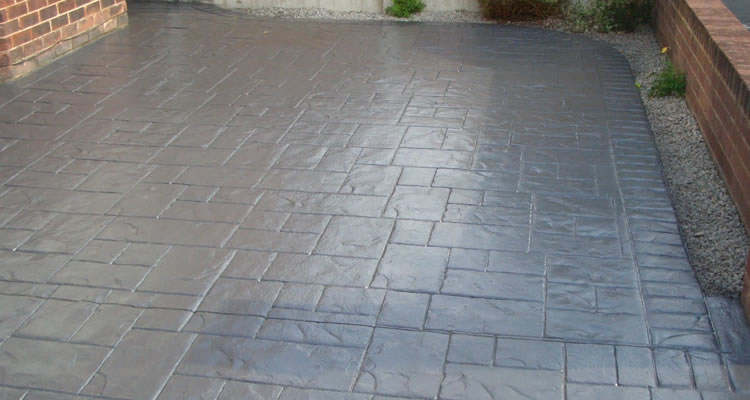
- Average Cost per m² — £60 to £90 (supply only).
- Average Cost for 60m² Driveway — £5,500 to £8,000 (installed).
- Maintenance Costs — £280 to £900 to reseal the driveway every 3 to 5 years.
The average cost of concrete driveways is between £5,500 and £8,000, with materials in this case likely to end up between £60 and £90 per m², making it one of the more expensive options.
Concrete driveway installation costs usually pay off in the long run as these driveways are particularly durable, often lasting for 25 to 50 years. As they come in different colours and patterns (imprinted concrete), concrete drives may increase the kerb appeal and value of your home more than many other driveway options.
Concrete drives can be more vulnerable to damage from cold weather than most types of driveways. Naturally, this means concrete drives can end up requiring more maintenance more often than other options. Also, concrete driveways cannot be simply topped up and must be replaced entirely when they are beyond economic repair.
Pros
- ✔ Long-lasting
- ✔ Custom styles offer high kerb appeal
Cons
- ✖ Prone to cold weather damage.
- ✖ Costly to replace.
Are imprinted concrete or block paving driveways more affordable?
"Both cost about the same but the imprinted concrete is less maintenance afterwards."
Gravel Driveway Cost
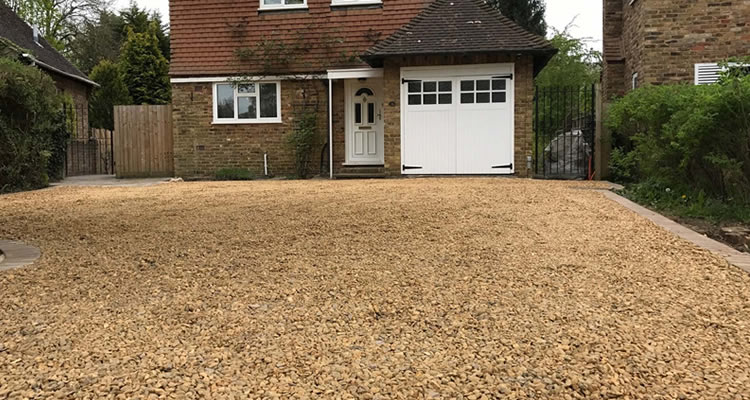
- Average Cost per m² — £30 to £90 (supply only).
- Average Cost for 60m² Driveway — £2,100 to £4,800 (installed).
- Maintenance Costs — £200 to £2,700 to replenish the stones every 1 to 3 years.
Gravel driveway costs range between £2,100 and £4,800, with the supply-only costs ranging widely between £30 and £90 per m².
The key upsides of gravel drives include aesthetic value offered by its natural appearance, how permeable it is (which can prevent flooding), and it's easy to top up. Gravel is one of the more DIY-friendly options for those with the right skills, knowledge and basic safety understanding.
What types of gravel can I use on a driveway? Or can I use any?
"1. Crushed Stone: This is the most commonly used material for driveways. It comes in various sizes and offers excellent drainage and compaction.
2. Pea Gravel: This is a smaller gravel, comfortable to walk on & provides good drainage, but can be easily displaced by heavy vehicles.
3. Decomposed Granite: Made from crushed granite rock that has decomposed over time. It requires a firm base for stability.
4. Limestone: Versatile material, comes in various sizes and colours. It is often used for driveways because it is easy to work with and provides good traction."
2. Pea Gravel: This is a smaller gravel, comfortable to walk on & provides good drainage, but can be easily displaced by heavy vehicles.
3. Decomposed Granite: Made from crushed granite rock that has decomposed over time. It requires a firm base for stability.
4. Limestone: Versatile material, comes in various sizes and colours. It is often used for driveways because it is easy to work with and provides good traction."
On the other hand, gravel driveways are difficult to clean, can be susceptible to weed growth, and gaps and holes may appear when gravel becomes displaced so they need regular raking and topping up.
Pros
- ✔ Easy to top up.
- ✔ Less labour-intensive to install, ideal DIY driveway option.
Cons
- ✖ Can be messy.
- ✖ Difficult to maintain, especially in snowy and icy conditions.
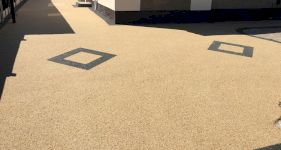
Resin Driveway Cost

- Average Cost per m² — £50 to £85 per m² (supply only).
- Average Cost for 60m² Driveway — £4,200 to £7,200 (installed).
- Maintenance Costs — £40 to £130 for professional cleaning every 3 years.
Another popular type of driveway worth considering is a resin drive. Typical resin driveway costs are around £50 to £85 per m². This is essentially a mid-range choice from a pricing point of view.
A resin drive will be very hard-wearing and is well-suited to deal with temperature extremes, UV rays and even large weights (e.g. a relatively heavy car). Resin drives often last for 20 to 25 years, and as an added bonus, they are relatively low-maintenance.
However, resin-bound driveways are relatively difficult to repair if they get damaged. Their colour can also fade with time (if they lack UV-resistant capabilities), and they are susceptible to the growth of moss.
Pros
- ✔ Durable, especially when using UV-resistant resin.
- ✔ Looks very stylish.
Cons
- ✖ Repairs are expensive.
- ✖ Can discolour if not UV-resistant.
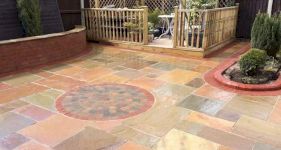
Block Paving Cost
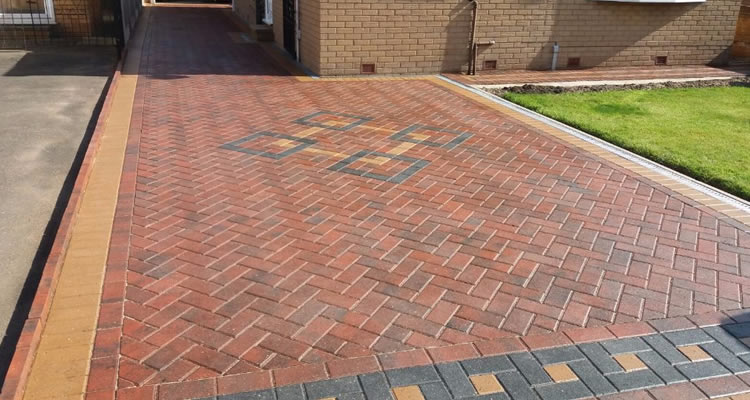
- Average Cost per m² — £85 to £125 per m² (supply only).
- Average Cost for 60m² Driveway — £2,500 to £8,000 (installed).
- Maintenance Costs — £20 to £120 for professional cleaning once a year.
Block paving driveway costs can be expensive, with a material cost of approximately £85 to £125 per m². Pricing can vary significantly depending on what type of block paving you wish to opt for.
Concrete blocks cost about £20 to £50 per m², brick blocks are priced at around £30 to £65 per m², whereas pricing ends up between £65 and £95 per m² on average in the case of stone blocks. Lastly, composite blocks should cost around £90 to £125 per m².
How long after getting a new block paved driveway can I park on it?
"We recommend 24-48hrs after the project completion."
The upsides of a block paving driveway include the wide range of designs and colours available and their capacity to visually enhance the front of your home. This is also a fairly low-maintenance and eco-friendly option.
As for the downsides, block paving generally takes quite a bit longer to install than other types of driveways, further driving up the overall costs.
Pros
- ✔ Huge range of designs to complement most homes.
- ✔ May add more value to your property than other types of driveways.
Cons
- ✖ One of the most expensive options.
- ✖ Maintenance can be costly.
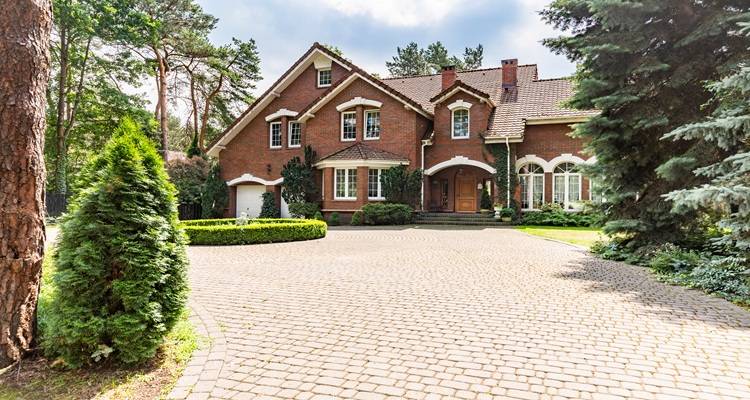
Cobblestone Driveway Cost
- Average Cost per m² — £80 to £150 (supply only).
- Average Cost for 60m² Driveway — £7,000 to £12,000+ (installed).
- Maintenance Costs — £150 to £500 for cleaning, re-sanding or minor repairs.
Cobblestone driveway costs are usually around £80 to £150 per m², depending on the type of stone, finish and pattern chosen. Installation can also cost more than simpler driveway materials, as cobblestones take time to lay properly and need a solid base underneath.
Although cobblestone driveway installation can be expensive, it can be a strong long-term option. A well-laid cobblestone driveway can last for several decades and can add a high-end, characterful look to the front of a home. This makes it particularly suitable for period properties, cottages and homes where appearance is a key part of the project.
Cobblestone driveways do need some ongoing maintenance. Weeds can grow between the stones, and the joints may need re-sanding or repointing over time. The surface can also feel uneven compared with tarmac, resin or concrete, which may make it less practical for some households.
Pros
- ✔ Attractive traditional appearance.
- ✔ Very durable when installed well.
Cons
- ✖ More expensive to install.
- ✖ Can feel uneven underfoot.
Supply Only Costs of Driveway Materials By Type
To summarise, here is a comparison of supply-only cost of different driveway materials:
| Driveway Type | Supply Cost |
|---|---|
| Tarmac | £45–£65 per m² |
| Concrete | £60–£90 per m² |
| Gravel | £30–£90 per m² |
| Resin | £50–£85 per m² |
| Block Paving | £85–£125 per m² |
Want a custom price?
Post your job
In most cases, homeowners do not buy the materials themselves, as installers usually supply them as part of the quote. However, some contractors may agree to fit materials you have sourced independently.
Additional Costs When Building A New Driveway
The material, size, and layout chosen affect your new driveway cost the most. However, existing site conditions and any extra features you need with your new driveway can also increase costs.
Site Preparation and Grading
Approximate cost of £750 to £1,500
It is essential that the site is well-prepared and graded properly to ensure a long-lasting, high-quality driveway.
Factors such as soil type and slope can influence the total price of having your driveway installed as some ground types need more work to make them stable before the driveway is laid. If the ground is uneven, trees need to be removed, or the soil doesn't allow for proper drainage, expect costs to be higher.
I’m thinking of having a driveway installed. I’d just like to know what are some of the top tips for saving money when having one fitted?
"Don't go for the cheapest quote. Make sure everything is specified in the quote. You want a minimum of 200mm depth of stone for a driveway. Use recycled stone under the drive to reduce costs plus use flat top edging as it's the cheapest product and gives a nice clean line."
Removal of Existing Driveway
Approximate cost of £500 to £2,000
If you are installing a replacement driveway, the cost of having the existing driveway's materials recycled or disposed of will add to your budget. Gravel driveways are easier and cheaper to remove than concrete or tarmac driveways, which require specialist equipment to break them up.
It's essential to remove the old driveway before starting to build the new one, as leaving behind old materials can create issues with the new driveway.
Of course, even if you don't have a current driveway, some other materials or land may need removing, which could also add to the project's total cost.
Additional Features
Approximate cost of £300 to £1,200+
If you'd like to have extra features included alongside the installation, these can naturally add to your total bill.
Common additions include decorative borders, contrasting edging, drainage channels, steps, lighting, or custom patterns depending on the driveway material. Decorative edging alone often costs around £15 to £40 per linear metre, with premium finishes or complex layouts increasing the total further.
Installing Outdoor Lighting
Approximate cost of £200
Not only will adding external lights along your driveway help you see what you're doing after dark, but they can also work as a deterrent against any unwanted guests and potential intruders.
You can reduce the cost of installing outdoor lighting by choosing a more basic option and installing it yourself.
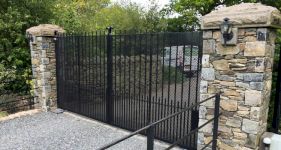
Installing a Driveway Gate
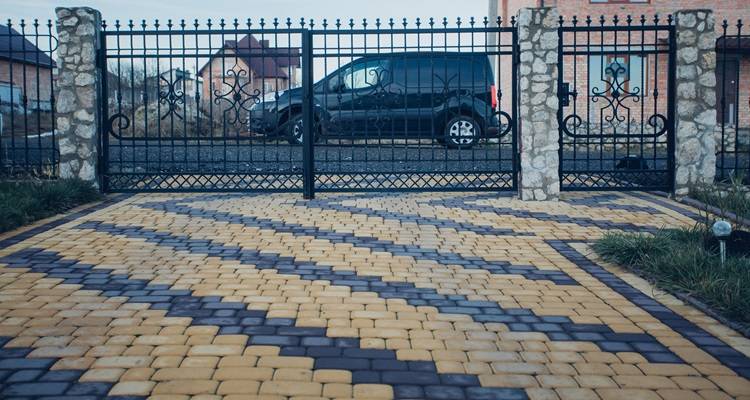
Approximate cost of £700
Another security option or one that can provide an extra layer of privacy is installing a driveway gate.
Costs vary depending on whether you already have pillars for a new gate to be fitted to and the quality, design, and materials used in the new gate.
Dropping a Kerb
Approximate cost of £2,000
This is something to consider if you're laying a completely new driveway, as you may not already have seamless access to the road.
If this is the case, or you wish to amend your existing driveway, thecost of dropping a kerb can add significantly to overall costs as it also requires a certificate of approval from your local council.
Installing a Soakaway Drainage System
Approximate cost of £850
Installing an efficient drainage system can increase the average driveway cost considerably. While some driveways only need a slight slope to direct rainwater away, others require additional drainage to prevent standing water and reduce the risk of runoff onto public roads.
The cost to install a soakaway drain can be substantial as a lot of labour is involved. A soakaway system usually involves excavating a pit below ground, lining it with a membrane, filling it with drainage crates or gravel, and connecting it to a channel drain or pipe so rainwater can gradually soak into the ground.
My driveway slopes down towards the house. There's very little drainage and I think it needs improving. What drainage systems and driveway surfaces would you recommend?
"You have a few options with soakaways but this all depends on how far from the house the soakaway can be located. Permeable paving would be an option but on a slope to the house it's better to create dams in the permeable system to allow the surface water to soakaway in allocated sections."
Driveway Maintenance Costs
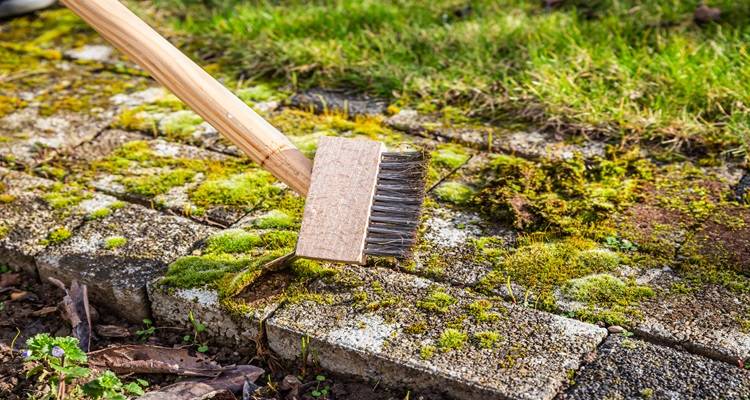
Maintenance costs can increase the overall costs of some types of driveways more than others. For example, gravel driveways need to be replenished regularly, whereas resin requires very little work to remain in good condition.
Here are some average maintenance costs for different driveways and jobs to help you plan your budget in the longer term:
| Job Description | Average Cost (incl. Labour and Supply Costs) |
|---|---|
| Clean and Seal a Tarmac Driveway | £300–£900 |
| Clean and Seal a Concrete Driveway | £280–£900 |
| Re-Grade or Replenish Gravel Driveway | £200–£2,700 |
| Simple Cleaning of Gravel Driveway | £50–£200 |
| Clean a Resin Driveway | £40–£130 |
| Clean a Block Paving Driveway | £20–£120 |
| Remove Weeds from Any Driveway | £75–£120 |
Want a custom price?
Post your job
How Much Does Driveway Renovation Cost?
If you already have a driveway and are considering renovating it, the costs can vary significantly based on the extent of the work needed and the materials used. Renovation could include cleaning and resealing the existing driveway, patch repairs, fully resurfacing it, or even replacing it entirely.
Here is a guide on which option best suits your needs:
| Driveway Condition | Best Option | Typical Cost (60m²) |
|---|---|---|
| Faded or stained surface | Clean & Reseal | Up to £900 |
| Surface is badly faded, minor cracks, structurally sound | Resurface | £1,200–£3,500 |
| Isolated cracks, potholes, loose blocks, or small sinking areas | Repair | £150–£2,000 |
| Extensive cracking, widespread sinking, drainage issues, or failed sub-base | Replace | £2,500–£8,000+ |
Want a custom price?
Post your job
For most homeowners, resurfacing is a good option if the foundation is still stable but the surface is showing signs of wear. For more severe structural issues (including the sub-base) replacement may be necessary and more cost-effective long-term than continuing to repair the driveway.
Our current driveway is only wide enough for one car and we want to extend it to fit two. It's currently block paving. How much would it cost to widen it by about 2.5 metres?
"The cost would depend on the length of the drive as well, but you should be looking at £1,200 to £1,500."
Driveway Repair Cost
Repairing a driveway includes fixing cracks, potholes, and other minor damages. Typical costs for the work include:
| Repair Job | Typical Cost |
|---|---|
| Fill Small Cracks in Tarmac | £150–£400 |
| Repair Potholes in Tarmac | £200–£600 |
| Replace Damaged Block Paving Area | £250–£800 |
| Lift and Relay Sunken Block Paving | £300–£1,200 |
| Concrete Crack Repairs | £250–£700 |
| Gravel Top-Up and Regrading | £200–£900 |
| Drainage Repair | £500–£1,500 |
Want a custom price?
Post your job
How Much Does Driveway Resurfacing Cost?
If there are more than a few minor cracks or holes, resurfacing may be the best option.
Resurfacing involves installing a new wearing surface over an existing driveway while leaving the underlying structure in place. This is often much cheaper than a full replacement and can dramatically improve the driveway's appearance.
The cheapest way to resurface a driveway in the UK is usually relaying a new layer of tarmac over an existing tarmac driveway, as long as the existing base is stable.
Typical resurfacing costs for a 60m² driveway:
| Resurfacing Job | Typical Cost (60m²) |
|---|---|
| Tarmac overlay | £1,200–£2,500 |
| Resin overlay | £2,500–£4,500 |
| Concrete resurfacing | £1,500–£3,500 |
| Decorative concrete coating | £1,800–£4,000 |
Want a custom price?
Post your job
Driveway Replacement Cost
What is the average cost of driveway replacement?
Depending on the material, costs can reach around £8,000 as significant labour and materials are required.
| Driveway Type | Typical Replacement Cost (60m²) |
|---|---|
| Gravel | £2,100–£4,800 |
| Tarmac | £2,500–£5,000 |
| Resin | £2,500–£5,000 |
| Concrete | £5,500–£8,000 |
| Block Paving | £2,500–£8,000 |
Want a custom price?
Post your job
Checklist: Hiring Contractors for a New Driveway
When looking for a driveway installation company or professional, it's important that you take time to consider who might be right for the job by requesting at least 3 separate driveway quotes. This is where MyJobQuote can help find local driveway contractors near you.
As well as comparing prices, consider the following points to help you hire a reliable and experienced professional:
- Do they have experience installing driveways? This helps ensure the job is done properly and to the standards you'd expect.
- Can they provide a portfolio or similar projects? Viewing previous work gives you confidence in their style and quality.
- Are they accredited or part of a trade association? Memberships and certifications show they meet industry standards. For example, organisations such as Marshalls Register, Interlay, or the British Association of Landscape Industries (BALI) help ensure installers follow recognised industry standards.
- Do they hold relevant qualifications? (e.g. NVQ, City & Guilds) Relevant training shows they're professionally qualified to do the job. Look for qualifications such as an NVQ Level 2 in Construction Operations, an NVQ Level 2 in Groundworks, or City & Guilds Construction Skills.
- Have you read their reviews or testimonials? Positive feedback is a good sign of reliability and customer satisfaction.
- Do they offer a written quote or contract?A clear contract helps avoid misunderstandings and ensures transparency.
- Do they have public liability insurance? This protects you if accidental damage occurs to your property during the installation. Most reputable contractors carry insurance of at least £1 million.
- Do they offer a guarantee on their work? Many professional driveway installers offer guarantees of 5 to 10 years, giving you protection if issues such as cracking or sinking occur.
- Do they understand drainage and planning rules? Professional installers should be familiar with regulations such as Sustainable Urban Drainage Systems (SUDS) and local planning rules for non-permeable driveways.
Ask a Trade
Got a question that only a tradesperson can answer? We have thousands of trades ready to answer any question you may have.
Ask your question

FAQs
What Is the Cheapest Driveway to Install?
If you're looking for cheap driveways, tarmac is one of the least expensive types of driveway, with an average material cost of £45 to £65 per m². However, gravel can turn out to be less expensive in some cases.
How Long Do Driveways Last?
A driveway that is well looked after should last for between 15 and 20 years or even more. The exact durability and longevity of a given driveway will depend on factors like the material used.
Can I Build a Driveway Myself?
A gravel driveway generally makes an easier DIY option than a resin or block paved drive due to the complexity and experience required with these materials. If you're unsure about your skills or safety knowledge, it is usually best to hire a professional.
Does a Driveway Increase Property Value?
A driveway can increase your home's value by around 5% to 10% by boosting kerb appeal and giving potential new owners a more secure place to park. In areas with limited on-street parking, returns are likely to be even higher.
Can I Lay a New Driveway over My Existing One?
If you have a tarmac driveway, you can usually lay new tarmac over the existing layer. For other driveway types, it is recommended to remove the existing material first and start afresh with the relevant groundwork to ensure your new driveway lasts longer.
How Can I Reduce the Cost of a New Driveway?
You can save money on your new driveway by choosing cheaper materials, but bear in mind that the ongoing costs of maintaining the drive might not always be cheaper. If you have the skills, you can also do some of the prep work yourself to cut labour costs. Compare quotes from multiple providers to ensure you get the best value.
Do You Need Planning Permission for a New Driveway?
Planning permission isn't required to have a driveway installed if it's made from permeable materials or if water can drain to a border area or lawn. However, if the surface area covered by the new driveway exceeds 5 square metres and is made of materials that don't allow for a natural drainage area, planning permission must be obtained as water can run off onto public roads and present a flooding risk.
Do You Need Building Regulations for a Driveway?
You will not usually need building regulations approval before starting work on a new driveway, as long as any changes made do not make access to the property more difficult or inconvenient than it was before.
Which is cheaper, a paved or concrete driveway?
Block paving is generally cheaper if the design is less intricate, but both paving and concrete come in a wide range of budget-friendly and higher-end options. Block paved driveways may not need additional drainage if permeable pavers are used, which can help reduce costs.